
Design Your Russell Sensory Garden: Boost Peace & Calm
Quick Summary: Sensory Garden Essentials
- A sensory garden engages all five senses: sight, sound, smell, touch, and taste.
- Key elements include varied plant colours/forms, soothing sounds (water, grasses), fragrant plants/herbs, diverse textures, and edible options.
- Designing for Ottawa's climate requires hardy, Zone 5 plants and potentially amending clay soil.
- Benefits include stress relief, mindfulness, and a deeper connection to nature.
- Start small and focus on elements that bring you joy and peace.
Ready to transform your outdoor space into a sensory haven? Request your free quote today!
Introduction: Finding Your Zen Zone in Russell - Welcome to Sensory Gardening!
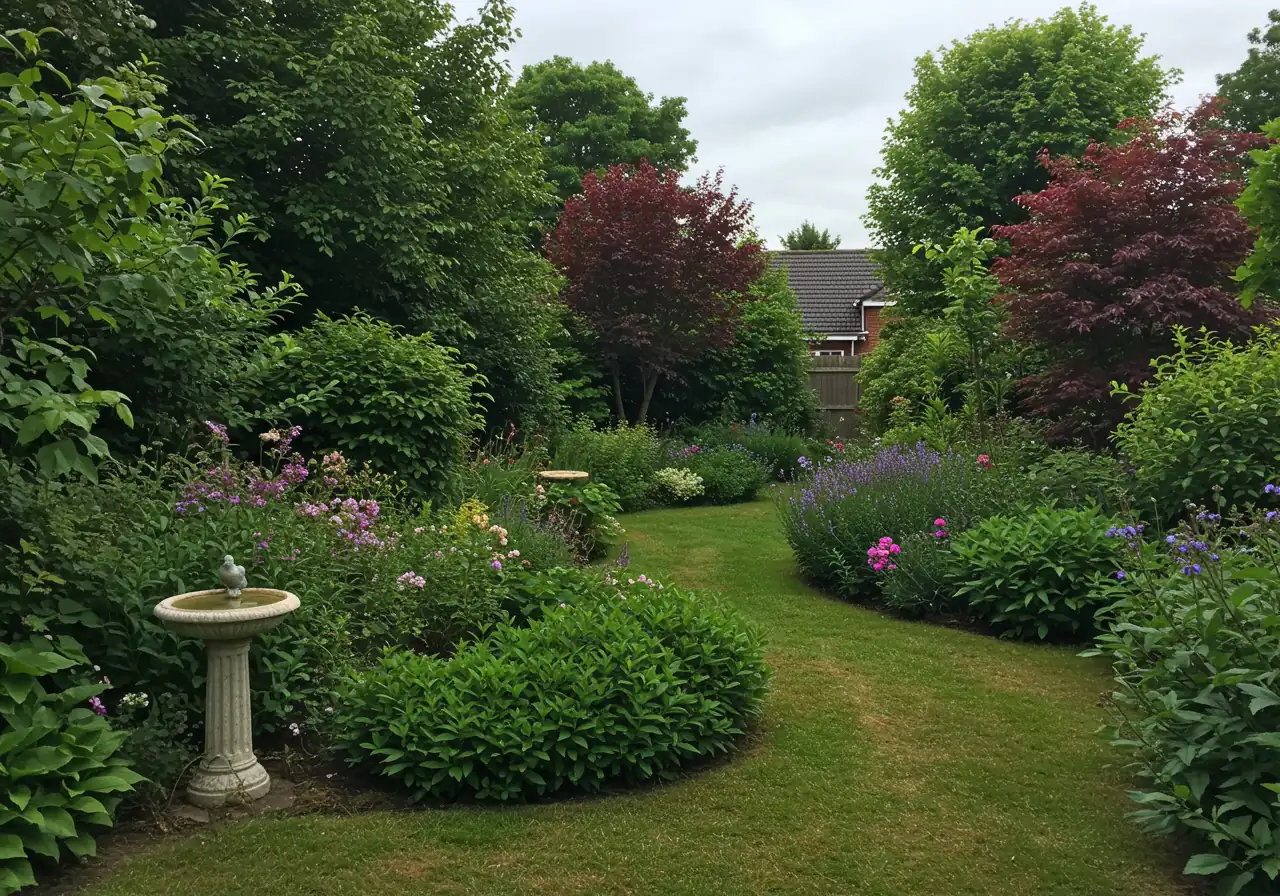
Hello Russell! Ever feel like the world is buzzing just a *little* too loud, even out here in our lovely slice of the Ottawa region? Wouldn't it be fantastic to have a personal retreat, a quiet corner to unwind and recharge, right in your own backyard? That's where the magic of *sensory gardening* comes in – it's all about creating your very own "Zen Zone."
So, what’s a sensory garden? Simply put, it’s landscaping designed to delight *all five* of your senses. It goes beyond just pretty flowers (though we love those too!). It’s about choosing specific plants, materials, and garden design features to intentionally engage your sight, sound, smell, touch, and maybe even taste! Think fragrant herbs releasing their scent as you brush past, the gentle trickle of a water feature, the soft feel of lamb's ear leaves, the vibrant colours of perennials, or the juicy pop of a homegrown strawberry.
For us here in Russell, and our neighbours in nearby communities like Embrun or Metcalfe, creating these special garden spaces offers amazing benefits. They are fantastic for stress relief, encouraging mindfulness, and deepening our connection with nature. Designing a garden that truly thrives means considering our unique Ottawa area climate – selecting hardy plants that can handle our seasons is key. Ready to explore how simple landscaping choices can turn your yard into a sensory sanctuary? Let's discover how to cultivate calm, one sense at a time!
What Makes a Garden 'Sensory'? Understanding the Elements & Ottawa's Unique Canvas
So, we've talked about *why* a sensory garden is fantastic, but what actually *makes* a garden sensory? It’s not about fancy, complicated designs (though they can be lovely!). It’s about consciously choosing elements that tickle each of your five senses. Think of it as curating an experience, right in your own backyard, whether you're in bustling Nepean or have more space out in Greely. Let's break down the ingredients:
- Sight: This is often the easiest sense to engage. It’s about more than just colour, though vibrant blooms are a great start! Think about contrasting textures (bold hosta leaves next to feathery ferns), varying plant heights, and how light plays through the leaves. Here in Ottawa, we get a spectacular fall colour show, and even winter offers visual interest with snow-dusted evergreens or ornamental grass seed heads. Planning visually appealing spaces like those discussed in these Osgoode flower bed design ideas is key.
- Sound: A sensory garden often aims for soothing sounds. Imagine the gentle *plink-plonk* of a small water feature, the rustle of ornamental grasses in the breeze (like Little Bluestem, which loves our climate!), or the cheerful chirping of birds attracted by feeders or native plants. Even the cozy crackle of a fire can add to the auditory experience – check out these Barrhaven fire pit design tips for ideas on adding that warmth and sound. Avoid jarring noises where possible; it’s about creating Mother Nature’s playlist.
- Smell: Ah, the power of scent! Fragrant flowers like lilacs, roses, or peonies are classic choices that do well in our Zone 5b climate. Herbs are superstars here – brushing past lavender, mint, or thyme releases wonderful aromas. Don't forget the simple smell of damp earth after a rain shower!
- Touch: Texture invites interaction. Include plants with velvety leaves (Lamb's Ear), smooth river stones, perhaps slightly rough bark on a tree, or even the cool splash of water. Consider the feel of materials underfoot too, like smooth flagstone or textured pavers, when planning pathways or relaxation spots. Good materials are essential for spaces like those shown in these Barrhaven patio design ideas. Proper material selection is key for both aesthetics and feel. Just watch out for anything *too* prickly near pathways – ouch!
- Taste: Yes, you can taste your garden! Incorporating edible elements like berry bushes (blueberries, raspberries – remember to amend that heavy Ottawa clay soil with compost!), a small herb patch for cooking, or even a few tomato plants adds another layer of sensory delight.
Creating this sensory blend requires thoughtful planning, especially considering our distinct seasons and sometimes tricky soil conditions. Looking for inspiration on how to pull it all together? Explore some great Richmond landscape design plans. Whether you want a small sensory corner or a full yard transformation, understanding these elements is the first step. If you need help bringing these ideas to life, explore our landscaping services for professional guidance tailored to the Ottawa region.
A Feast for the Eyes: Designing for Sight with Colour, Form & Movement
Okay, let's talk about making your garden a *feast for the eyes*! When we think about gardens, visuals are often the first thing that comes to mind, right? It’s about creating a space that looks inviting, interesting, and maybe even makes the neighbours peek over the fence (in a good way, of course!). Designing for sight goes way beyond just plopping down some colourful flowers, though those are definitely part of the fun.
Splashing Around with Colour
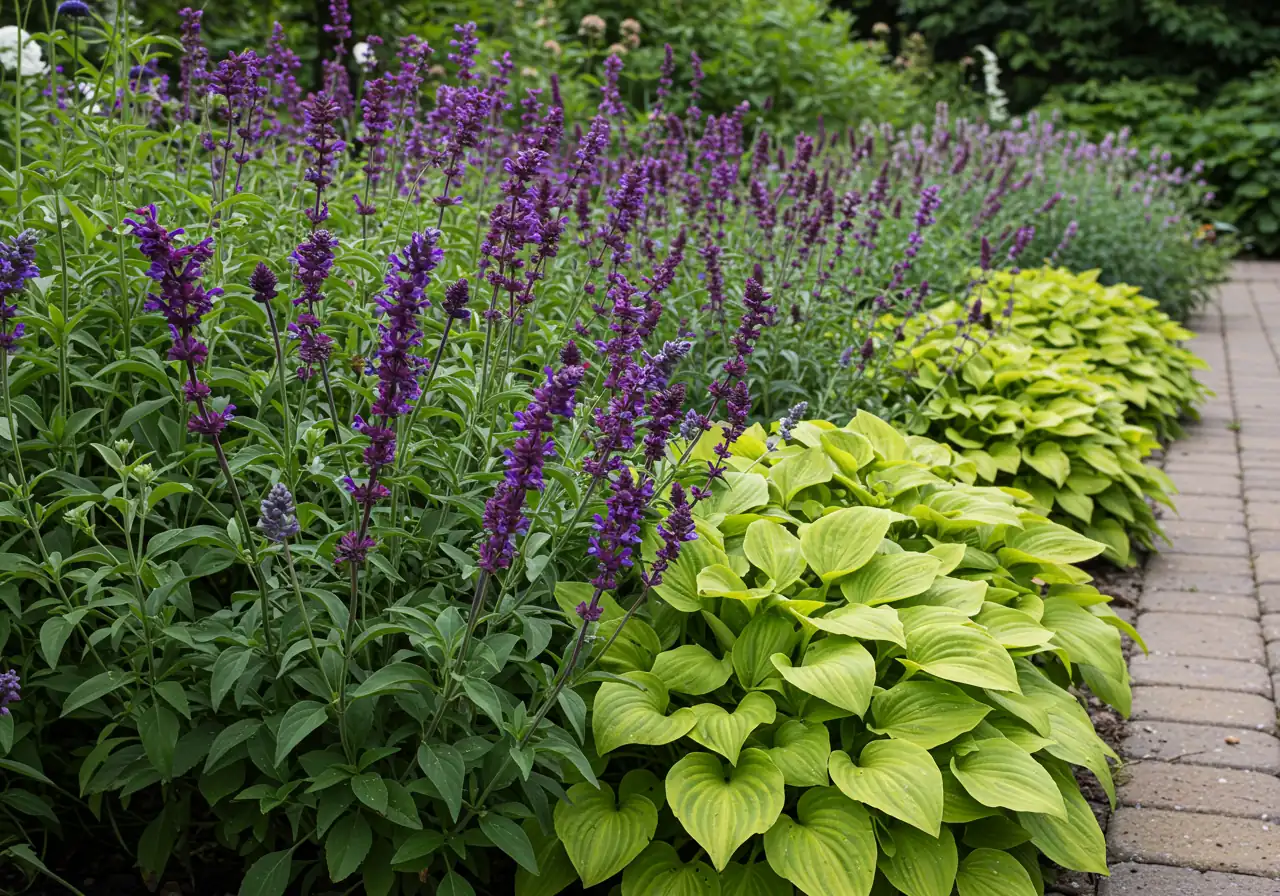
Colour is powerful! It sets the mood. Want excitement? Go for hot colours like reds, oranges, and yellows (think Daylilies or Coneflowers). Craving calm? Cool blues, purples, and soft pinks are your friends (hello, Hostas with blue-tinged leaves, or lovely Astilbe plumes). You can play with contrasts – bright yellow Coreopsis next to deep purple Salvia – or create soothing vibes with different shades of the same colour. Remember, foliage counts too! Chartreuse greens, deep burgundies, and silvery leaves add colour all season long, not just when flowers are blooming. And don't forget our spectacular Ottawa autumns – choose shrubs like Burning Bush or trees like Maple for that fiery fall finale.
Shape Up! Playing with Form
Think about the shapes of your plants. You want variety! Tall, spiky plants like Delphiniums or ornamental grasses add height and drama. Mounding plants like Coral Bells or cushion Spurge create softer forms. Weeping trees add elegance, while sturdy evergreen shrubs provide structure year-round. Mixing these different shapes, or *forms*, makes your garden much more visually interesting than having everything the same height and texture. Hardscaping plays a role here too – a curving pathway invites exploration, while a strategically placed boulder or elegant trellis adds structure and a focal point. Keeping these elements looking sharp is key; a regular Metcalfe yard cleanup service can really help maintain those clean lines and defined shapes.
Let's Get Moving: Adding Life and Flow
A garden shouldn't feel static! Movement adds energy and life. Ornamental grasses are fantastic for this – imagine Feather Reed Grass swaying gently in the breeze. Plants with delicate flowers that dance on slender stems, like Gaura, also add subtle motion. Attracting birds and butterflies with native plants (like Milkweed for Monarchs!) brings dynamic, living movement to your garden beds. Even the play of light and shadow filtering through leaves creates a sense of movement throughout the day. Maintaining clear spaces allows these elements to shine; ensuring beds are well-defined, perhaps through a professional Kars garden clean up service, lets the 'moving' plants take centre stage.
Visual Interest All Year Round (Yes, Even in Winter!)
Our Ottawa climate, from Russell to Kars, means we need to plan for four distinct seasons. Aim for *year-round visual interest* so your garden doesn’t look bare for half the year!
- Spring: Bulbs (Tulips, Daffodils), flowering shrubs (Magnolia, Forsythia).
- Summer: Perennials galore (Peonies, Black-Eyed Susans), vibrant annuals.
- Fall: Amazing leaf colour (Maples, Serviceberry), late blooms (Asters, Sedum 'Autumn Joy').
- Winter: Evergreen structure (Spruce, Pine), interesting bark (Red Osier Dogwood), persistent seed heads (Coneflower, grasses), berries (Holly, Crabapple).
You could even create a simple chart listing plants by season and their visual contribution (colour, form, texture) to ensure you've got something eye-catching happening all the time. Tackling the bigger picture, like managing leaves and debris across your whole space, ensures these seasonal stars can be seen; consider a complete Metcalfe property cleanup service or even a wider Ottawa property cleanup service for that comprehensive visual refresh.
Need a hand designing this visual symphony or bringing it to life? Our team offers expert garden design and installation services tailored to our region. We love helping homeowners create spaces that look fantastic, and you can see examples of visually stunning transformations on our Thank You page. Let's make your garden a true feast for the eyes!
Explore Sensory Plant Types
Sight Superstars
Focus on contrasting colours (e.g., Purple Coneflower near Yellow Coreopsis), varied forms (spiky grasses, mounding Hostas), and plants with multi-season interest (like Serviceberry for spring flowers, summer fruit, fall colour).
Sound Makers
Ornamental grasses (Feather Reed Grass, Switchgrass) rustle beautifully. Water features add calming trickles. Native plants attract birdsong. Even crunchy gravel paths contribute!
Tactile Choices
Include soft Lamb's Ear, smooth Hosta leaves, feathery ferns, or the interesting bark of a River Birch. Contrast plant textures with smooth stones or rough wooden benches.
Aromatic & Edible
Plant fragrant Lilacs, Peonies, or Lavender near seating areas. Incorporate herbs like Mint (in pots!), Thyme, or Basil. Add easy edibles like strawberries or cherry tomatoes.
The Sounds of Serenity: Crafting an Auditory Experience
Okay, we’ve covered making your garden *look* amazing, but what about how it *sounds*? Your backyard soundscape is a huge part of creating that relaxing Zen Zone vibe. It's like tuning into Mother Nature's very own radio station, right here in Ottawa!
Nature's Soundtrack: Birds, Bees, and Breezes
One of the most delightful ways to add sound is by inviting wildlife. Think cheerful bird song or the gentle buzz of happy bees. You can encourage these natural sounds by:
- Planting native species that provide food and shelter (like Coneflowers for finches or Serviceberry trees).
- Adding a bird bath (moving water is even better!).
- Choosing flowers rich in nectar for pollinators.
Remember, a healthy garden attracts more life. Consistent ongoing garden maintenance ensures your plants are thriving and inviting to these tiny musicians.
Plants themselves make music too! The rustling of leaves in the wind is incredibly soothing. Consider trees like Aspen or Birch with leaves that flutter easily, or incorporate ornamental grasses like Switchgrass or Feather Reed Grass – they provide wonderful whispering sounds and look great swaying in our Ottawa breezes. Keeping these grasses looking and sounding their best often involves a good tidy-up; that's where an overall Ottawa garden clean up service can help prep them for the season. Even the satisfying crunch of gravel or mulch underfoot as you walk contributes to the soundscape – ensure paths are clear with a thorough Metcalfe yard cleanup service or a city garden clean up service so you can enjoy these subtle sounds.
Tuning In: Water Features and Wind Chimes
Sometimes, we want to introduce specific sounds. Water features are fantastic for this! From a gentle bubbling rock to a small, trickling fountain, the sound of moving water is almost universally calming. When selecting one, consider the noise level – you want a soothing gurgle, not Niagara Falls! The right thoughtful material selection for your fountain can also influence its look and longevity. *Ottawa Winter Tip:* Remember most fountains need to be drained and covered or brought indoors to prevent ice damage in our frosty winters.
Wind chimes can add delicate notes, but choose wisely! Opt for chimes with deeper, resonant tones rather than high-pitched tinkling that might become annoying (to you or your neighbours!). Placement is key – hang them where they’ll catch a gentle breeze, perhaps near a seating area.
Shhh! Reducing Unwanted Noise
In busier areas, like parts of Barrhaven or closer to city centres, managing unwanted background noise is important. While you can't eliminate traffic sounds completely, you *can* dampen them. Dense hedges (like cedar or yew), earthen berms, or even solid fences can act as sound buffers. Layering plants with different textures also helps absorb sound waves. Keeping these buffer zones healthy and tidy is part of the strategy; tackling this might involve a more intensive city property cleanup service or general property clean up to manage hedge trimmings or reshape plantings effectively.
By thoughtfully combining natural, plant-generated, and introduced sounds – and maybe muffling the less desirable ones – you can craft an auditory experience that truly enhances the serenity of your garden retreat. You can often find us working nearby, perhaps doing a Metcalfe garden clean up service.
Reach Out and Touch: Incorporating Texture and Tactile Elements

Alright, let's get hands-on! We've pleased our eyes and ears, now it's time to engage our sense of touch. Adding texture to your garden is like adding another layer of personality – it makes the space feel more real, more engaging, and honestly, just more fun. You wouldn't want your whole house to feel like smooth plastic, right? Same goes for the garden!
Plant Power: A Symphony of Feels
Plants offer an incredible range of textures. Think beyond just smooth leaves! Here in Ottawa, we have plenty of hardy options:
- Velvety Soft: Lamb's Ear (*Stachys byzantina*) is the undisputed champion here. Kids (and adults!) love stroking its fuzzy leaves.
- Smooth & Cool: Many Hostas offer smooth, substantial leaves. Try varieties with thick, almost rubbery textures.
- Feathery & Light: Ferns (like the Ostrich Fern) or ornamental grasses add a soft, airy feel.
- Waxy: Sedum 'Autumn Joy' has thick, waxy leaves that feel solid and substantial.
- Rough & Rugged: Conifer needles offer a pricklier texture (use strategically!), or consider the interesting bark of a River Birch.
When choosing plants, consider areas like Osgoode or Embrun – check soil conditions, but these examples are generally adaptable across our region. Safety first, though! Especially with little ones or pets around, avoid toxic plants or those with nasty thorns right beside pathways. A bit of careful planning goes a long way. Need help picking the perfect textured plants? Our garden install team can help select and plant suitable options.
Hardscaping Gets Handsy Too
Don't forget non-plant elements! Contrast is key:
- Smooth, cool flagstone pathways or patios.
- Rough, natural boulders or decorative rocks.
- Warm, textured wood for benches or decking.
- Crunchy gravel or river stone pathways (great sound *and* feel!).
- Sharp, defined borders achieved through techniques like mulching and edging, creating a clean tactile transition between materials.
Even the difference between cool metal garden art and a warm terracotta pot adds tactile interest. Keeping these different areas distinct enhances the experience; an Ottawa garden clean up service ensures pathways are clear and textures aren't hidden under debris.
Interactive Touch Points
Encourage interaction! Place smooth, pleasing stones within reach on a wall or table. Add a small water feature where dipping fingers in cool water is invited. Consider wind sculptures that move *and* have interesting surfaces. Raised garden beds make tactile exploration easier for everyone, improving accessibility. You can see how integrating these elements contributes to amazing results in garden transformations.
Quick Tip: Create a Tactile Planter
Want a small-scale sensory boost? Grab a container, ensure drainage, add potting mix, and plant a mini-collection of textures! Try Lamb's Ear (soft), Hens & Chicks (waxy/smooth), maybe a small, well-behaved grass (feathery), and perhaps some smooth stones on the soil surface. It's a mini touch-garden! Maintaining these small spaces is easy, but for larger areas, a comprehensive Ottawa yard cleanup service keeps everything accessible and inviting to the touch.
Popular Sensory Garden Elements
*Illustrative data showing relative focus in typical sensory garden designs.
An Aromatic Journey: Engaging Smell and Taste in Your Russell Retreat
Okay, Russell neighbours, let's talk about two senses that pack a powerful punch: smell and taste! Think about it – the aroma of lilacs instantly takes you back, right? Or the sweet burst of a sun-warmed strawberry? Adding these elements to your backyard retreat elevates it from just looking pretty to being a truly immersive experience. Forget fancy air fresheners; let's get the *real* good stuff growing!
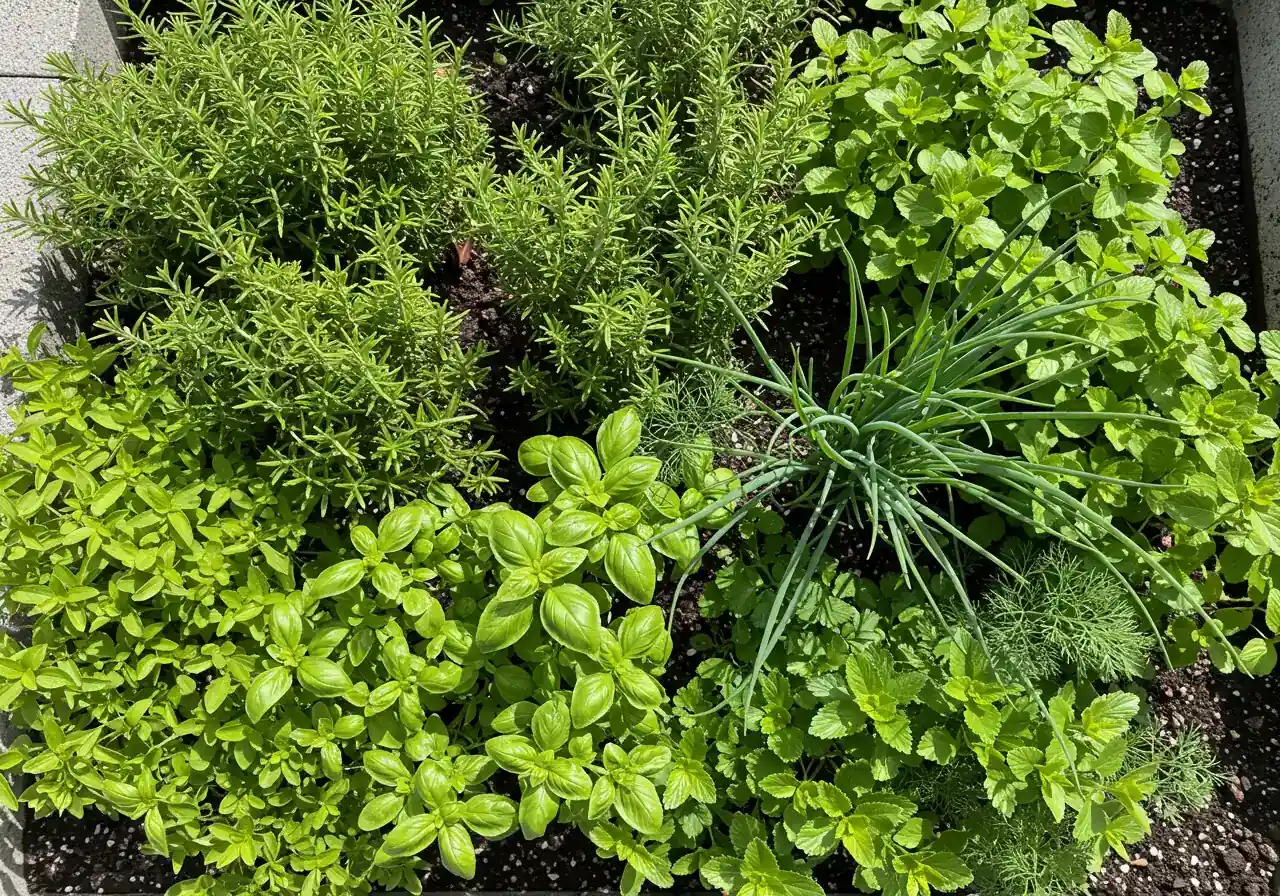
Creating a fragrant garden in our Ottawa climate is totally doable. For those lovely spring scents, you can't beat Lilacs or the sweet perfume of Mock Orange. Summer brings hardy Roses, fragrant Peonies, and the calming scent of Lavender – which bees love too! Herbs are superstars: place creeping Thyme between stepping stones to release fragrance as you walk, or plant Mint (in a container, trust us, it travels!) near your patio. For shady spots, Sweet Woodruff offers a delicate scent when crushed. The key is *strategic placement*. Plant fragrant beauties near windows, doorways, or your favourite garden bench. Imagine the breeze carrying those scents! Keeping these areas tidy makes the scents more noticeable; a reliable city garden maintenance service can ensure your fragrant borders aren't overgrown. Planning for scent throughout the seasons ensures there's always something lovely to smell, from spring blooms to the rich scent of damp earth after an autumn rain. Even the simple smell of a healthy, well-maintained lawn adds to the atmosphere, something our professional lawn care services team understands well.
Now for the tasty bits! Incorporating edibles adds another layer of sensory joy. You don't need a huge farm plot. A few pots of cherry tomatoes, a patch of strawberries (they love sunshine!), or some raspberry canes along a fence can provide delicious rewards. Culinary herbs like Basil, Parsley, Chives, and the aforementioned Thyme and Mint pull double duty – smelling great *and* tasting great in your summer salads or drinks! Just be sure you know what you're picking (no mystery berries, please!) and give everything a good wash. Growing edibles encourages sustainable practices too. Think about using compost and opting for eco-friendly pest control rather than harsh chemicals – much better for you and the pollinators. Maybe you're converting a patch of lawn to make space for these goodies? Sometimes removing old turf is the first step, clearing the way before amending the soil – a process similar to preparing for quality sod installation but for a different tasty purpose!
Creating this aromatic journey is all about choosing plants you love and placing them thoughtfully. Maybe sketch out a simple "Seasonal Scent Calendar" to see where you have fragrance gaps. Start small if you like – even one fragrant shrub or a pot of herbs makes a difference. Ensuring your whole yard is ready for these additions might involve a good seasonal tidy-up; a comprehensive Ottawa yard cleanup service can clear leaves and debris, making space for new aromatic plantings. We're passionate about creating beautiful *and* functional spaces; you can learn more about us and our local commitment to helping folks in Russell, Embrun, and across the Ottawa area cultivate their own sensory havens. So go ahead, follow your nose (and your taste buds!) and add some aromatic magic to your garden retreat.
Timeline: Creating Your Sensory Space
Step 1: Observe & Plan
Spend time in your yard. Note sun/shade patterns, existing features, and what senses you want to enhance most. Sketch a rough plan.
Step 2: Prepare the Canvas
Clear the area. Amend the soil, especially if it's heavy clay – good soil preparation is key! Define bed edges.
Step 3: Install Hardscape & Features
Add pathways, seating, water features, or structures *before* planting for easier access.
Step 4: Plant Your Choices
Install trees and shrubs first, then perennials, grasses, and finally annuals or edibles. Consider mature size and spacing.
Step 5: Mulch & Maintain
Apply mulch to retain moisture and suppress weeds. Water regularly, especially new plantings. Enjoy your evolving sensory garden and schedule regular garden maintenance!
Pro Tips for Your Ottawa Sensory Garden
Hey Ottawa gardeners! Ready to turn up the volume (or maybe the calm!) on your garden senses? Building a sensory garden doesn't have to be complicated. Here are a few quick tips to get you started, whether you're in Barrhaven or beyond:
- Start Small & Amend: Don't feel you need to tackle the whole yard at once! Pick a corner, maybe near a favourite sitting spot. Remember our lovely Ottawa clay soil? Give your plants a head start by mixing in plenty of compost to improve drainage and texture. Happy roots, happy senses!
- Go Native & Layer Up: Choose hardy plants native to our region. They’re tough cookies, often handle our weather beautifully, *and* they invite local birds and pollinators (instant sound and movement!). Think about layering – plant fragrant lavender near a smooth pathway stone, or rustling grasses behind soft lamb's ear.
- Plan for Year-Round & Keep it Tidy: Our gardens aren't just for summer! Include elements like colourful dogwood stems, evergreen textures, or seed heads that look great even in winter. Keeping things neat helps sensory elements stand out – a messy garden just hides all the cool textures and smells! Sometimes a professional Marionville property cleanup service or even a Marionville garden clean up service is just the ticket for a seasonal refresh.
- Prep Makes Perfect: Whether adding a few select plants or redesigning a whole bed, good groundwork is key. This might mean clearing out old weeds or even preparing the surrounding lawn area, perhaps involving work similar to getting ready for professional sod installation, to create a clean visual slate for your sensory features. A thorough seasonal clean-up via a reliable city yard cleanup service can also make a world of difference.
- Need a Hand?: Feeling inspired but maybe a little overwhelmed? Don't hesitate to ask for advice! You can always get in touch with us for personalized tips. We respect your privacy when you reach out; you can learn about how we handle your information (Privacy Policy) easily online. You can also check our reviews on Google! Happy sensory gardening!
FAQs: Your Ottawa & Russell Sensory Garden Questions Answered
Ah, the million-dollar question for Ottawa gardeners! The key is selecting plants rated for Zone 5a or colder (we hover around 5b, but better safe than sorry!). Look for *hardy perennials* like Hostas (great texture), Peonies (amazing scent!), Coneflowers (visual pop, bird food), and ornamental grasses like Feather Reed Grass (sound and movement). Don't forget shrubs like Lilacs (fragrance!) or hardy roses. For year-round interest, include evergreens for structure and plants with interesting winter bark or seed heads. Always check the plant tag for its zone rating before buying – it’s your best friend for avoiding winter heartbreak!
You bet! Clay soil is common around Ottawa, including Greely and Russell, but it's definitely workable. The secret weapon is compost, and lots of it! Amending your soil generously improves drainage and structure, making plants much happier. Consider raised beds – they let you control the soil mix completely. Alternatively, choose plants that tolerate clay better, like Daylilies, Asters, or certain ornamental grasses. It takes a bit more effort initially, but focusing on proper soil preparation techniques is crucial for success. With the right prep, your clay patch can become a sensory oasis.
Absolutely! Sensory gardens are about *quality*, not quantity. Think vertically – use trellises for fragrant climbing vines or install wall planters for herbs and textured plants. Containers are fantastic for small spaces; you can create mini-sensory zones with different themes. Choose plants that offer multiple sensory benefits, like lavender (smell, sight, touch). Even a small bubbling water feature can add soothing sound. Maximizing every square inch is key, which often means keeping things tidy – a regular yard clean-up, like a city yard cleanup service, prevents clutter and lets your chosen sensory elements shine.
That’s a common concern in areas like Richmond or Metcalfe where nature is close by! Encouraging beneficial wildlife (birds, bees) often involves native plants, which is great. To deter less welcome guests, try plants they dislike – strongly scented herbs like mint or rosemary, or fuzzy textures like Lamb's Ear can sometimes deter deer and rabbits. Physical barriers like attractive fencing or netting around specific tasty plants might be needed. Avoid harsh chemicals. Sometimes, just keeping the area tidy, perhaps with help from a local team like a Marionville yard cleanup service, reduces hiding spots for smaller pests. It's about creating harmony, not eliminating nature entirely!
Generally, small decorative water features or standard garden pathways don't cause issues. However, it's always smart to be aware of potential rules. For instance, larger water features might have setback requirements from property lines. Ensure any electrical work for pumps is done safely and to code. Pathways shouldn't cause water runoff problems for neighbours. If you're undertaking significant landscaping changes or hiring services, it’s good practice to be generally informed. We always recommend clients ensure our access doesn't impede public ways, aligning with local considerations and understanding our service guidelines outlined in our Terms and Conditions. When in doubt, a quick check on the City of Ottawa website (ottawa.ca) or a call to 3-1-1 can clarify specific concerns.
You're in luck! The areas around Russell, Manotick, Winchester, and Embrun have some excellent local options. Check out independent garden centres and nurseries – they often have knowledgeable staff who know which plants thrive locally and can offer tailored advice. Farmers' markets can sometimes be good sources for unique herbs or vegetable starts. For hardscaping materials like stone or mulch, look for local landscape supply yards. Buying local often means getting plants already acclimatized to our area and supporting nearby businesses. Don’t underestimate the quality you can find close to home! Consider checking out resources like the Rideau Valley Conservation Authority for native plant information too.
Conclusion: Cultivate Your Calm in Russell
So there you have it! Creating your own sensory garden sanctuary in Russell, or just down the road in places like Kars or Vernon, isn't some mystical landscaping secret – it's about intentionally tuning into your surroundings. By thoughtfully choosing plants, materials, and garden design elements that delight your sight, sound, smell, touch, and even taste, you can transform your backyard into a genuine escape. It’s your personal patch of peace, perfect for shaking off the day’s stress and reconnecting with nature (and maybe finding a ripe strawberry!).
Remember, cultivating this calm doesn't require a massive overhaul. Start small, maybe with a fragrant container garden or by simply adding a comfortable bench near some rustling ornamental grasses. The goal is to craft a space that *feels* good to *you*, helping you find that Zen Zone right outside your door here in the Ottawa region.
Feeling inspired to bring more sensory delight to your own yard?
- Ready to chat about your ideas? Book a friendly consultation with us! We're happy to provide feedback on estimates too (Estimate Feedback).
- Want to see how we’ve helped others create their dream spaces? Browse our portfolio of landscaping transformations.
- Looking for more tips? Let us know what you'd like to learn!
Let's work together to make your Russell garden not just beautiful, but truly *sensational*. Happy gardening!