Russell Soil Test Secrets: What NPK Doesn't Tell You
Quick Guide: Beyond NPK
- Standard NPK tests miss crucial soil info like pH, organic matter, and micronutrients.
- Soil pH dictates nutrient availability, regardless of fertilizer application.
- Organic matter improves soil structure, water retention, and nutrient supply.
- Micronutrient deficiencies (e.g., Iron) cause issues NPK fertilizers can't fix.
- Comprehensive soil testing provides a complete picture for targeted, effective soil improvement in Ottawa/Russell areas.
Ready to understand what your soil truly needs? Request a professional soil analysis and quote today!
Introduction: Is Your Russell Lawn Speaking a Language You Don't Understand?
Ever look out at your Russell lawn and feel like it's trying to tell you something? Maybe it’s those stubborn yellow patches that refuse to green up, or perhaps it’s just not looking as lush as your neighbour’s over in Embrun. It’s a common Ottawa gardening frustration! You might have heard about NPK – Nitrogen (N), Phosphorus (P), and Potassium (K). Think of these as the *main ingredients* your lawn needs to thrive, the stuff most basic fertilizers focus on. They’re super important for things like green leaves, strong roots, and overall plant health.
But here's the secret handshake of landscaping: NPK is only part of the story. Relying *just* on NPK is like trying to understand a whole conversation by only hearing every third word. It gives you *some* clues, but you're missing the full picture. This is especially true for the unique soils we often work with here in the Russell area and surrounding communities like Metcalfe or Marionville. If your lawn is sending confusing signals, it might be asking for more than just the basic NPK diet. Let's decode that language together!
NPK: The 'Big Three' Aren't the Whole Team
Okay, let's dive deeper than just the "Big Three" fertilizer numbers you see on the bag. While Nitrogen (N), Phosphorus (P), and Potassium (K) are definitely the star players of plant nutrition, thinking they're the *only* ones that matter is like thinking a hockey team only needs its top goal scorer to win the cup. Doesn't quite work, eh?
Think of NPK like the main course of your lawn's dinner:
- Nitrogen (N): This is the "green machine." It's mostly responsible for lush, green leaf growth. Like the protein that helps build muscle.
- Phosphorus (P): Think "roots and fruits." Phosphorus is crucial for strong root development, flowering, and fruiting. It's like the healthy fats and carbs providing energy for big tasks.
- Potassium (K): This is the "tough guy." Potassium helps with overall plant vigour, disease resistance, and water regulation. It’s like the essential vitamins keeping the whole system running smoothly and defending against illness.
They are undeniably vital! Without enough N, P, or K, your lawn or garden in Russell or Greely just won't thrive. You'll see problems like yellowing leaves, weak stems, or poor flowering.
But here's the plot twist: Focusing only on NPK can sometimes lead you down the wrong garden path. Why? Because plants are complex critters and need a whole buffet of nutrients, not just the main course.
There's a whole supporting cast of secondary nutrients (like Calcium, Magnesium, and Sulfur) and micronutrients (like Iron, Manganese, Zinc, Boron, Copper, and Molybdenum). Think of these as the essential vitamins and minerals in our diet. You only need tiny amounts, but missing even one can cause big problems!
For example:
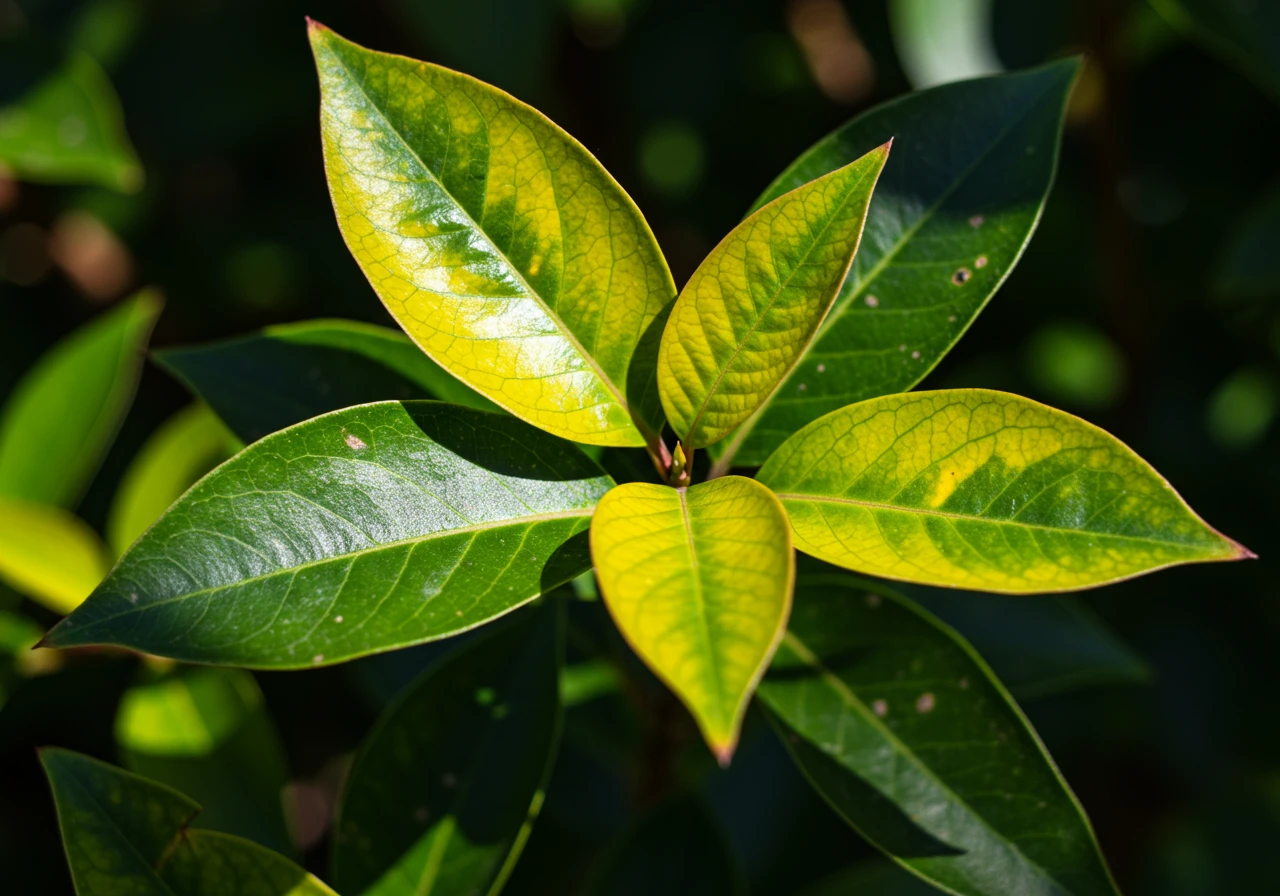
- Iron deficiency often causes yellowing between the leaf veins (called chlorosis), especially in new growth. You could pour on nitrogen fertilizer all day, but if iron is the missing piece, it won't green up properly.
- Calcium is vital for cell wall structure – think strong stems and preventing blossom-end rot on your tomatoes.
- Magnesium is a key component of chlorophyll, the green pigment essential for photosynthesis. No magnesium, no efficient energy production!
The soil around Ottawa can have its quirks. Sometimes, the pH level of our soil (how acidic or alkaline it is) can "lock up" certain nutrients, making them unavailable to plants even if they are physically present in the soil. Basic DIY soil test kits often only measure NPK levels and maybe pH. They usually don't test for these crucial secondary or micronutrients, leaving you guessing about the real issue. Getting the nutrient balance right is one of the secrets to perfect Russell lawn care your ultimate guide.
A balanced diet helps plants become more resilient overall. Healthy, well-nourished plants are better equipped to handle stress, whether it's drought, disease, or even needing help with garden recovery spring after rabbit damage in Russell gardens. Proper nutrition also works hand-in-hand with water uptake; the best fertilizer plan won't work if roots can't absorb nutrients due to poor watering habits, which is why understanding Russell soil moisture monitoring prevent wilting is also key.
Ultimately, healthy, well-fed plants contribute significantly to the beauty of your entire property, making everything look better, much like how thoughtful Russell outdoor path light design showcases your landscaping efforts at night. For examples of how healthy landscapes look, check out our transformations gallery.
So, what's the takeaway? Don't ignore NPK, but don't stop there. If your lawn or garden isn't responding as expected to basic fertilizers, consider a more comprehensive soil test that checks pH, secondary nutrients, and micronutrients. Understanding the full picture of your soil's health is the real key to unlocking its potential. If decoding soil tests and figuring out custom nutrient plans feels overwhelming, considering professional lawn care services can provide the expertise needed to get your Russell landscape truly thriving. You can explore all our offerings on our main services page.
The Hidden Half: Soil Secrets Beyond NPK
Okay, so we know NPK are the big shots, the headliners of the plant nutrient world. But just like a rock band needs more than a lead singer, your soil needs a whole crew working behind the scenes to really make your garden sing. Focusing only on NPK is like trying to bake a cake with just flour, sugar, and eggs – you'll get something, but it probably won’t win any blue ribbons at the Metcalfe Fair! Let's peek behind the curtain at the hidden half of soil secrets.
Soil pH: The Nutrient Gatekeeper
Think of pH as the bouncer at the door of your plant's root system. It measures how acidic or alkaline your soil is on a scale (usually 0-14, with 7 being neutral). Why does this matter? Because soil pH controls which nutrients are actually available for your plants to soak up. Even if nutrients are in the soil, if the pH is too high or too low, it's like the bouncer won't let them in! Most plants prefer a slightly acidic to neutral pH (around 6.0-7.0). Ottawa area soils, whether you're in Nepean or out near Manotick, can vary quite a bit, so testing your pH is a crucial first step. If your pH is out of whack, adding fertilizer might be like shouting nutritional advice outside a locked door – totally ineffective. Check out the City of Ottawa's composting info for local tips.
Organic Matter: The Soil's Pantry and Sponge
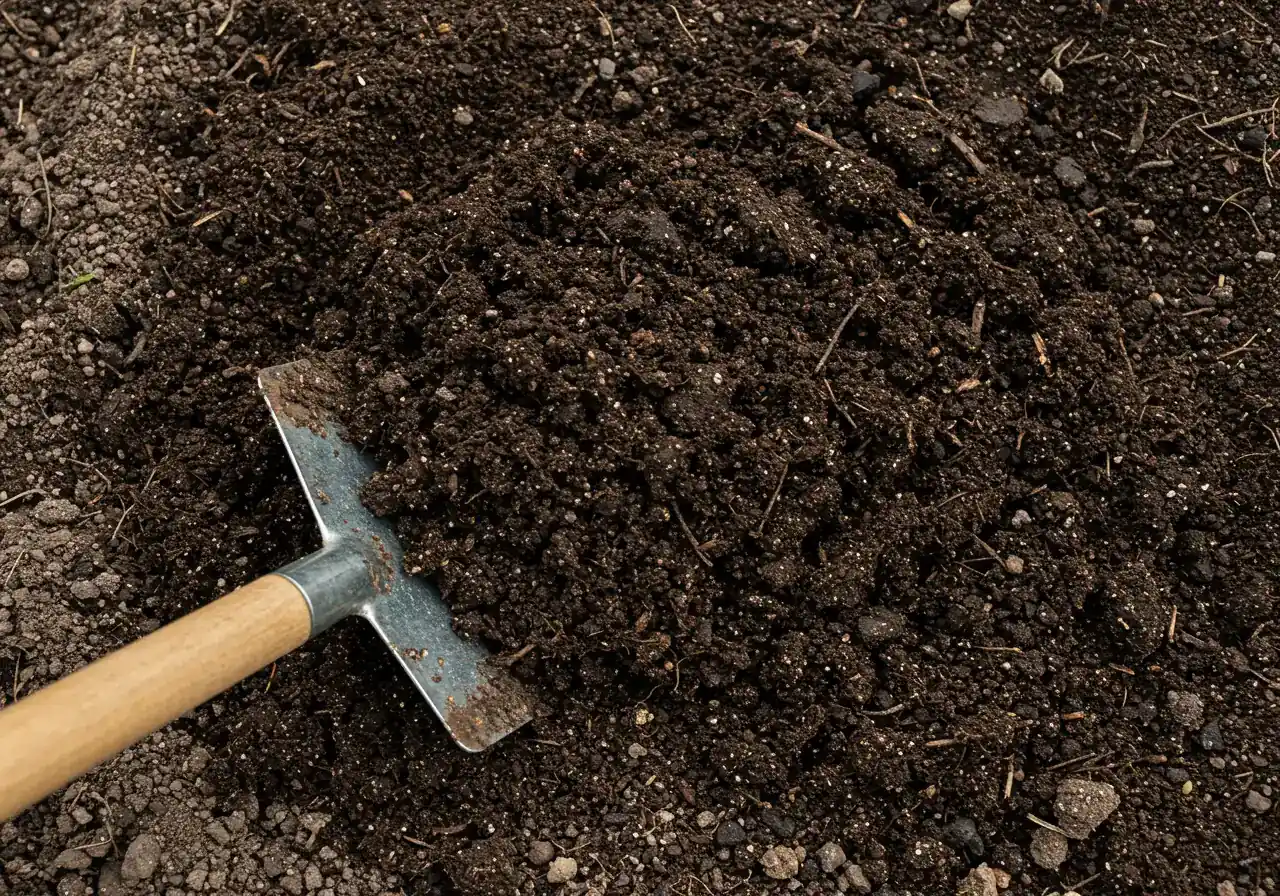
This is the good stuff – the dark, crumbly material made from decomposed leaves, grass clippings, compost, and other formerly living things. Organic matter is the superhero of soil!
- It's the Pantry: It holds onto essential nutrients, releasing them slowly as plants need them.
- It's the Sponge: It dramatically improves water retention, meaning you water less often.
- It's the Structure Builder: It helps bind tiny soil particles together, improving drainage in heavy clay soils and helping sandy soils hold water better.
Adding compost or well-rotted manure is a fantastic way to boost organic matter. This ties right into good yard maintenance; using the materials collected by a Russell yard cleanup service to create compost is a brilliant recycling strategy for your garden beds! Learn more about proper soil preparation techniques.
Secondary & Micronutrients: The Essential Spice Rack
Beyond the NPK main course, plants need secondary nutrients (like Calcium, Magnesium, Sulfur) and micronutrients (Iron, Manganese, Zinc, Boron, etc.). Think of these like the salt, pepper, vanilla extract, or secret spices in your recipe. You only need small amounts, but they make a huge difference!
- Calcium (Ca): Builds strong cell walls (less floppy plants!).
- Magnesium (Mg): A core part of chlorophyll (essential for green colour and energy production).
- Sulfur (S): Important for forming proteins and some vitamins.
- Iron (Fe): Crucial for chlorophyll synthesis – lack of iron often causes yellowing leaves even if nitrogen is sufficient.
A basic NPK test won't tell you about these. If your lawn looks 'off' despite regular fertilizing, a deficiency here could be the culprit. Getting these levels right is one of the often overlooked secrets to perfect lawn care.
Soil Structure & Texture: The Foundation
This refers to the physical makeup of your soil – the relative amounts of sand (large particles), silt (medium particles), and clay (tiny particles).
- Sandy Soil: Feels gritty, drains very quickly (sometimes too quickly!), and doesn't hold nutrients well.
- Clay Soil: Feels sticky when wet, drains slowly, holds nutrients well but can become compacted, starving roots of air. Think of the heavy clay common in some parts of Ottawa.
- Silt Soil: Feels smooth or floury, has decent drainage and nutrient retention.
- Loam: The dream team! A balanced mix of sand, silt, and clay, offering good drainage, aeration, and nutrient/water retention.
Knowing your soil type helps you manage it better. Adding organic matter is the best way to improve almost any soil structure. Sometimes, more intensive work like aeration is needed, which can be part of a larger Ottawa property cleanup service plan to improve overall lawn health. Property owners undertaking significant soil improvement might even consider help from a dedicated Metcalfe property cleanup service or a city property cleanup service if dealing with large areas or difficult soil conditions.
Why It All Matters
Understanding these hidden factors moves you from simply *feeding* your lawn NPK to truly *nourishing* the soil ecosystem. A basic soil test kit might only give you NPK and pH, which is a starting point. But a comprehensive lab test provides the full picture – pH, organic matter percentage, secondary nutrients, micronutrients, and sometimes even texture recommendations. This detailed info helps you tailor your approach, save money on unnecessary amendments, and finally figure out why that one patch refuses to green up! If decoding soil tests and fixing these deeper issues sounds complex, exploring our professional landscaping and lawn care services can give you access to expert analysis and tailored solutions.
Dealing with Heavy Clay
Common in areas like Russell and parts of Ottawa, clay soil holds nutrients well but suffers from poor drainage and compaction. Roots struggle for air and waterlogging is a risk. Improving clay involves:
- Consistently adding organic matter (compost) to improve structure.
- Regular core aeration to reduce compaction.
- Avoiding working the soil when it's very wet.
- Considering raised beds for sensitive plants.
Patience is key, but improvement is possible with services like our Marionville property cleanup service.
Managing Sandy Soil
Found near areas like Manotick, sandy soil drains extremely quickly, leading to nutrient leaching and rapid drying. Improving sand involves:
- Adding plenty of organic matter (compost) to act like a sponge.
- Using mulch (like wood chips) to conserve moisture. See our mulching and edging services.
- Watering more frequently but less deeply.
- Choosing drought-tolerant plants.
The Beauty of Loam
Loam is the ideal soil texture - a balanced mix of sand, silt, and clay. It offers:
- Good drainage AND water retention.
- Good aeration for healthy roots.
- Excellent nutrient holding capacity.
- Easy workability.
Even loamy soils benefit from occasional additions of organic matter to maintain their health. Proper soil preparation helps maintain this ideal state.
Ottawa's Unique Soil Story: From Russell Clay to Manotick Sand
Okay, let's dig into what makes Ottawa's soil so... special. If you've ever tried digging a garden bed in Russell and felt like you needed a pickaxe, or watched water disappear instantly into your Manotick lawn, you know our local soil isn't exactly one-size-fits-all! Understanding this unique soil story is key to happy plants.
The Tale of Two Soils (and Everything In Between)
Much of the Ottawa area, particularly eastward towards Russell and Embrun, and in parts of Nepean and Barrhaven, sits on what geologists call Leda Clay. Locals often just call it "that heavy stuff!" This clay is actually quite rich in minerals (a potential bonus!), but oh boy, does it have personality.
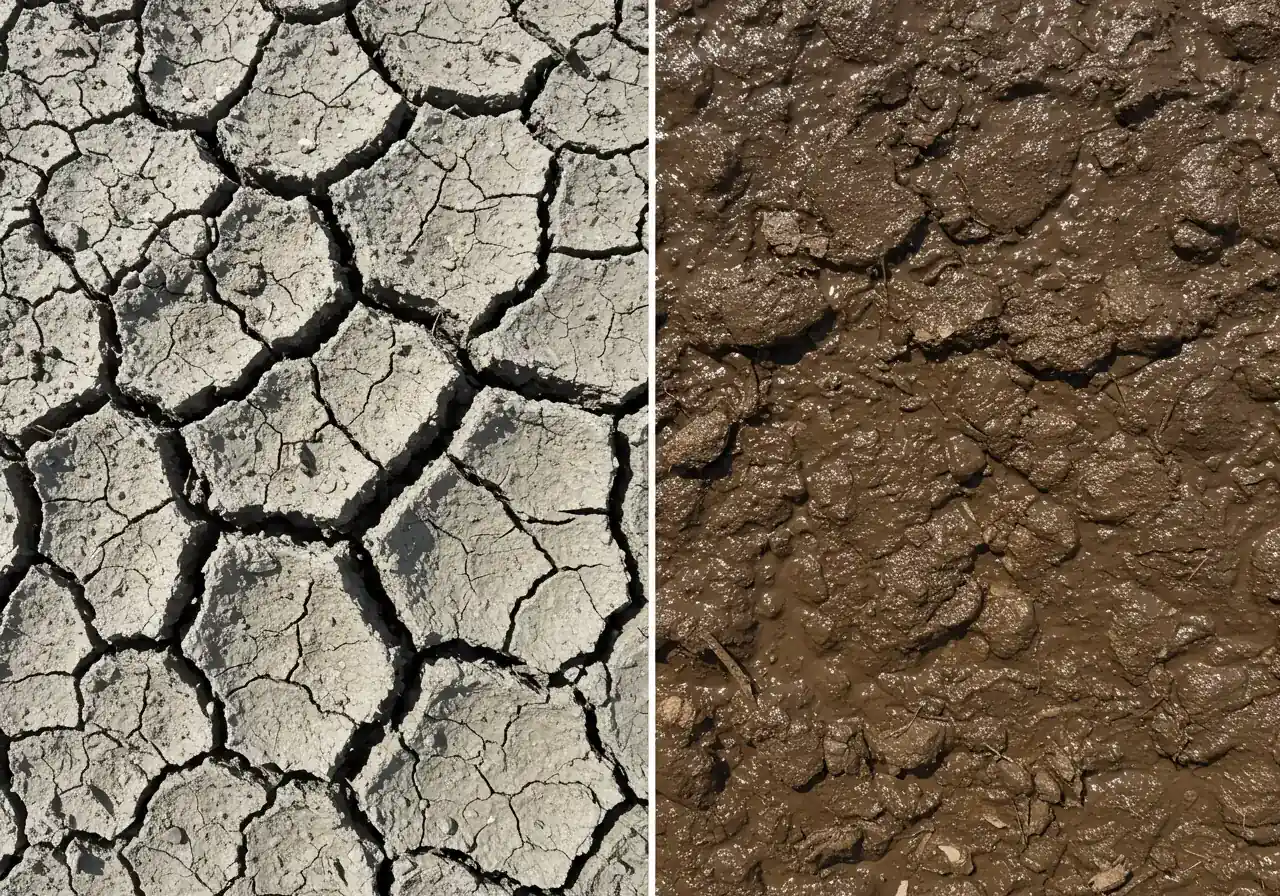
- Clay Challenges: It holds water like a bathtub, leading to poor drainage and soggy roots if not managed. When it *does* dry out, it can bake harder than last week's bread. Compaction is a constant battle, making it tough for roots to penetrate and find air. Trying to improve heavy clay often involves adding lots of organic matter (like compost) to break it up. Sometimes, core aeration is needed to let it breathe – think of it as a spa day for your compacted lawn! Tackling significant clay soil improvement might even be part of a larger project handled by a Metcalfe yard cleanup service if you're dealing with a really tough spot.
Now, travel south-west towards Manotick or parts of Greely, and you might encounter much sandier soil.
- Sand Struggles: This is the opposite problem! Water drains through sand incredibly quickly, taking precious nutrients with it. Sandy soil doesn't hold onto moisture well, meaning plants can dry out fast during our summer heatwaves. The key here is also adding organic matter, but for a different reason – to act like a sponge, holding onto both water and nutrients. Applying a good layer of mulch is also crucial for sandy soils to conserve moisture, something often included in professional mulching and edging services.
Ottawa's Climate Curveballs
On top of our varied soil types, we have our delightful climate! More resources can be found via the Ontario Ministry of Agriculture, Food and Rural Affairs (OMAFRA) Gardening section.
- Short Growing Season: We don't have endless months for plants to get established. This means getting your soil conditions *right* from the start is extra important. You can't afford weeks of stalled growth because the soil pH is off, or vital micronutrients are locked up.
- Freeze-Thaw Fun: Our winters do a number on soil structure. Water freezing and expanding in clay soil can heave plants right out of the ground! This constant expansion and contraction can also worsen compaction. A thorough fall cleanup, like the services offered by a Marionville garden clean up service, helps prepare your garden beds to withstand the winter woes. Similarly, getting your yard ready in the spring often requires dedicated attention, potentially through a general city yard cleanup service or even a full property clean up.
Why This Makes 'Beyond NPK' So Important Here
Because our Ottawa soils can be tricky – whether it's clay locking up nutrients or sand letting them wash away – and our climate adds extra stress, just throwing down a basic NPK fertilizer often isn't enough. You might have plenty of Phosphorus *in* your Russell clay, but if the pH is wrong or the soil is too compacted, your plants can't access it! You might pour Nitrogen onto your Manotick sand, only to have it leach away after the next rain.
Understanding your *specific* soil's pH, organic matter content, structure, and secondary/micronutrient levels is crucial for overcoming these local challenges. It lets you tailor your approach, whether that means adding specific amendments, improving drainage, or focusing on moisture retention. Getting this detailed picture is often the first step in a comprehensive Ottawa garden clean up service that aims for long-term plant health, not just a quick fix. It helps you work *with* your unique Ottawa soil, not against it!
Typical Nutrient Issues Beyond NPK
Chart represents common *relative* deficiencies or importance, not exact percentages.
Getting the Real Dirt: How to Properly Test Your Soil
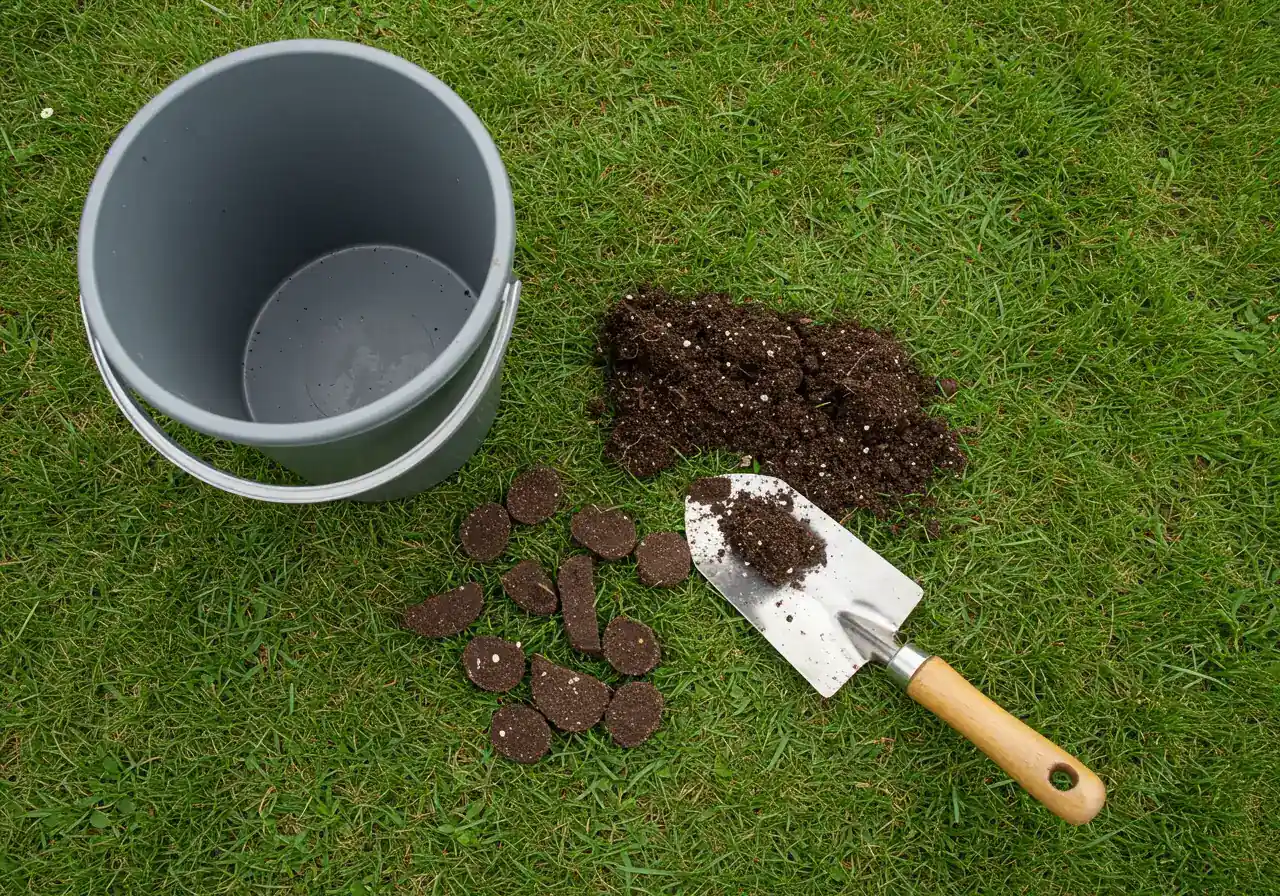
Alright, let's talk about becoming a soil detective! You wouldn't bake a cake without knowing the ingredients, right? Same goes for your garden or lawn. Guessing what your soil needs can lead to wasted effort and fertilizer, and frankly, confused-looking plants. So, how do we get the *real* story from the ground beneath our feet? Soil testing!
DIY Kits vs. Lab Tests: The Quick Scoop
You've probably seen those DIY soil test kits at garden centers. They're usually inexpensive and can give you a quick reading for pH and sometimes the big NPK levels. Think of them as a basic check-up – useful for a general idea, especially for pH, but they won't give you the full picture.
For the detailed, nitty-gritty info (like organic matter percentage, secondary nutrients, micronutrients – remember those hidden helpers?), a professional lab test is the way to go. It costs a bit more, but the detailed report you get takes the guesswork out of fixing soil issues, whether you're prepping for a brand new garden install in Greely or trying to figure out why your Barrhaven lawn isn't thriving. Consider the impact on your terms and conditions of service if testing is included.
Collecting Your Sample Like a Pro (It's Easier Than You Think!)
Getting a good sample is key for accurate results. Don't just grab one scoop! Your goal is a composite sample representing the whole area (e.g., your front lawn, or your veggie garden – test different areas separately if they're managed differently). Here’s how:
Step 1: Gear Up
You'll need a clean plastic bucket, a clean trowel or shovel (avoid galvanized/brass), and sample bags (lab-provided or clean zip-top bags).
Step 2: Dig In
Clear surface debris. Dig 10-15 small, vertical soil slices (4-6 inches deep) from random spots across the area (zig-zag pattern). Focus on the root zone.
Step 3: Mix it Up
Put all slices into the clean bucket. Break up clumps and mix thoroughly to create your representative composite sample.
Step 4: Dry & Bag
Remove rocks/roots. Air dry the mixed soil on newspaper indoors (no heat!) for 1-2 days. Bag the required amount (1-2 cups usually) and label clearly.
Step 5: Send it Off
Fill out the lab's form, specifying tests. Mail it in! Check our privacy policy regarding data handling.
When's the Best Time to Test in Ottawa?
Spring or fall is generally best. Avoid testing frozen ground (obviously!) or overly wet soil. Also, wait at least 4-6 weeks after applying any fertilizer or soil amendments for the most accurate reading. Testing *before* major projects, like a big Ottawa garden clean up service or putting down new turf with sod installation, gives you valuable info to start right.
Finding a Lab
A quick online search for "soil testing lab Ontario" or checking resources from OMAFRA will point you to accredited labs. They'll provide submission forms, pricing, and specific instructions. Reputable local garden centers might also offer testing services or recommendations.
Taking the time to test your soil is one of the smartest investments you can make for your landscape. Once you get your results and make the needed changes, your thriving plants will practically beam a big thank you your way!
From Report to Results: Amending Your Soil the Smart (and Eco-Friendly) Way
Okay, deep breath! You’ve got your soil test results back. It might look like a science experiment gone wild, but trust us, this report is your garden's treasure map! Instead of randomly tossing fertilizer around like confetti, you now have precise directions to give your soil exactly what it needs. Let's break down how to turn that report into results, the smart and green way.
Decoding Your Soil's Diary
Forget just glancing at NPK. Look closely at these key sections:
- Soil pH: Remember our nutrient gatekeeper? This number tells you if your soil is acidic (low pH) or alkaline (high pH). Most Ottawa plants like it slightly acidic to neutral (6.0-7.0). If your pH is way off, nutrients get locked up, no matter how much fertilizer you add. The report will usually suggest if you need lime (to raise pH/reduce acidity) or sulfur (to lower pH/reduce alkalinity). Go slow with pH adjustments – it's easier to add more later than fix an overcorrection!
- Organic Matter (%): This is HUGE. Aim for at least 3-5% (more is often better, especially for veggie gardens). Low organic matter means your soil struggles to hold water and nutrients – a common issue whether you have heavy clay near Barrhaven or sandier soil elsewhere. The #1 fix? Compost, glorious compost!
- Nutrient Levels (Beyond NPK): Check the levels for Calcium, Magnesium, Iron, etc. The report will flag anything as 'Low', 'Medium', 'High', or 'Excessive'. This is where you pinpoint specific deficiencies (like that Iron shortage causing yellow leaves).
Amending with Nature's Best (and Avoiding Waste)
Now for the fun part – fixing things! Forget the chemical overkill. Your soil test helps you be targeted and eco-friendly:
- Compost is King: Seriously, adding compost is almost always the right answer. It buffers pH (helps moderate extremes), improves soil structure (loosens clay, helps sand hold water), boosts organic matter, and provides a slow, gentle release of various nutrients. Making your own compost from materials gathered during an Ottawa yard cleanup service is a fantastic, sustainable loop!
- Targeted Organic Fixes: If the test shows a *specific* deficiency, look for organic solutions. Low phosphorus? Bone meal or rock phosphate *might* be needed (but only if the test confirms it!). Low potassium? Greensand or kelp meal can help. The key is *only adding what's missing*. Adding phosphorus when levels are already high just pollutes runoff into local systems like the Rideau River (Rideau Valley Conservation Authority).
- Avoid the 'More is Better' Trap: Your soil test is your permission slip to *not* fertilize sometimes! If your nutrient levels are sufficient or high, adding more is wasteful, expensive, and harmful to the environment, leaching into our local waterways. Stick to the recommendations. Our philosophy, as you can see on our About Us page, prioritizes working *with* nature. You can find us on Google here: Clean Yards Google Profile.
Putting it into Practice
Applying amendments is usually best done in the fall or spring. Spread compost generously (an inch or two) over garden beds or lawn areas and gently incorporate it into the top few inches of soil if possible. Preparing beds thoroughly, sometimes requiring effort like a detailed Metcalfe garden clean up service, ensures amendments mix well. For lawns, core aeration before topdressing with compost works wonders. Consider our city garden maintenance service for ongoing support.
By following your soil test and choosing eco-friendly amendments, you're not just fixing problems – you're building healthier, more resilient soil for the long haul. It's sustainable gardening that saves you money and effort down the road. Your thriving plants and the local ecosystem will definitely send you a virtual thank you! Just be sure to follow any specific application guidelines provided by the lab or product, much like you'd review our service terms and conditions before starting a project.
Key Insights: Digging Deeper Than NPK
- NPK Isn't the Whole Enchilada: Nitrogen, Phosphorus, and Potassium are vital, but focusing only on them ignores other critical soil health factors.
- Soil's Secret Ingredients Matter: Soil *pH*, *organic matter* content, and *secondary/micronutrients* (like Iron, Calcium) significantly impact plant health and nutrient uptake.
- Ottawa Soil Has Personality: Local variations like heavy clay (Russell, Barrhaven) or sandy soil (Manotick) require different management strategies than a simple NPK approach allows. Consider our specialized property clean up services.
- Test, Don't Guess!: A *lab soil test* provides the detailed information needed (pH, organic matter, micro/secondary nutrients) to accurately diagnose and treat soil issues.
- Amend Smarter, Not Harder: Use test results to apply *only* what's needed. Often, adding organic matter (compost from a Marionville yard cleanup service perhaps?) is the best solution. This targeted approach saves money and protects the environment. We value your feedback on this process, see our estimate feedback page.
Frequently Asked Questions (FAQs) for Ottawa Gardeners
Ah, the infamous Ottawa clay! Don't despair. The key is adding lots of organic matter like compost. This improves drainage and structure over time, making it less like pottery clay. Regular core aeration can also help reduce compaction, letting air and water reach the roots. It takes patience, but consistently amending clay soil makes a huge difference for plant health. Proper soil preparation is essential.
While NPK fertilizer is important, patchiness often points to deeper issues common in areas like Barrhaven. It could be soil compaction needing aeration, hidden grubs, lawn disease, or even a lack of specific micronutrients like iron. Relying only on NPK might not fix it. A soil test gives the best clues! If you're unsure about diagnosing the problem, feel free to contact us for advice.
Generally, spring and fall are prime times. Spring cleanup removes winter debris and preps beds for planting. Fall cleanup tidies spent plants, removes potentially diseased material, and helps prevent pests from overwintering. Given Ottawa’s shorter growing season, a good fall cleanup can give your garden a head start next spring. Many find a professional city garden clean up service efficient for these bigger tasks.
Great question! Shredded bark or wood chips are popular choices in Ottawa gardens; they look neat and break down slowly. Compost or well-rotted leaves also work well as mulch, adding nutrients as they decompose. Mulch helps retain soil moisture (crucial in our sometimes dry summers!), suppress weeds, and regulate soil temperature. Choosing the right type depends on your goals; check out our guide on expert material selection assistance for more details on options for services like mulching and edging.
Guessing can lead to wasted money on the wrong fertilizers or soil amendments, and still leave you with unhappy plants! A soil test pinpoints exactly what your soil needs (or *doesn't* need!), like pH adjustments or specific nutrients beyond NPK. It's the smartest way to ensure healthy growth and avoid frustration. We've seen firsthand how proper testing improves results, which is often reflected in positive customer estimate feedback.
Yellowing leaves despite fertilizing often signals an underlying issue. The most common culprits in Ottawa soils are incorrect soil pH locking up nutrients (like iron, causing that pale, veiny look called chlorosis), or poor drainage leading to root stress. Even if nitrogen is present, the plant might not be able to absorb it effectively. This is common in heavy clay or compacted soils needing garden maintenance. Need help diagnosing the cause? Please reach out and contact us.
Conclusion: Unlock Your Soil's Potential in Russell and Beyond
So, there you have it! Understanding your soil is about way more than just those NPK numbers on a fertilizer bag. It’s like finally getting the full recipe for garden success, not just a few ingredients. By digging deeper into things like soil pH, organic matter, and those essential micronutrients, you stop playing guessing games and start giving your lawn and garden exactly what they need to truly flourish – especially with the unique clay or sandy soils we often find from Russell to Greely and across the Ottawa region.
Ready to transform your patch of earth from baffling to beautiful? Stop wondering why your plants aren't thriving and get the real answers. A comprehensive soil test takes the mystery out of lawn care and gardening, saving you time, money, and frustration in the long run. Let us help you decode your soil's secrets!
- Take the first step: Contact Clean Yards today for a professional soil analysis and personalized consultation.
- Explore our services: Discover how we can help bring out the best in your property in Russell, Embrun, Greely, Metcalfe, Manotick, Osgoode, Nepean, Barrhaven, and throughout the wider Ottawa area. Let's unlock your soil's full potential together! See our successful transformations.