Russell Veggie Garden Install: Clay Soil Success Tips
Quick Tips for Clay Soil Success:
- Amend heavy clay generously with **compost** and organic matter.
- Consider **raised garden beds** for easier soil control and better drainage.
- **Avoid working clay soil** when it's wet to prevent compaction.
- Apply **organic mulch** (2-3 inches) to retain moisture and suppress weeds.
- Water **deeply and less frequently** rather than light daily sprinkles.
- Choose **clay-tolerant vegetable varieties** for best results.
Introduction: Dreaming of Fresh Veggies in Russell? Let's Talk Clay!
Picture this: stepping into your Russell backyard, basket in hand, ready to pick juicy tomatoes and crisp lettuce right from your own vegetable garden. Sounds pretty idyllic, doesn't it? But hold on... does your shovel sometimes feel like it's hitting brick instead of earth? Ah, yes, let's talk about the elephant in the garden – our famous Ottawa-area clay soil! It's a common challenge for gardeners not just here in Russell, but in nearby communities like Greely and Metcalfe too.
Ready to transform your yard but need a hand? Request a free estimate today!
Before you trade your gardening dreams for paving stones, hang tight! This heavy, sticky soil might seem daunting, but achieving that bountiful harvest is absolutely possible. In this article, we’re digging into practical gardening and landscaping strategies to amend your soil. We'll give you actionable advice to transform challenging clay into a thriving space for your veggies. You can grow amazing food here, and we'll show you how!
Understanding Ottawa's Clay Conundrum: More Than Just Mud
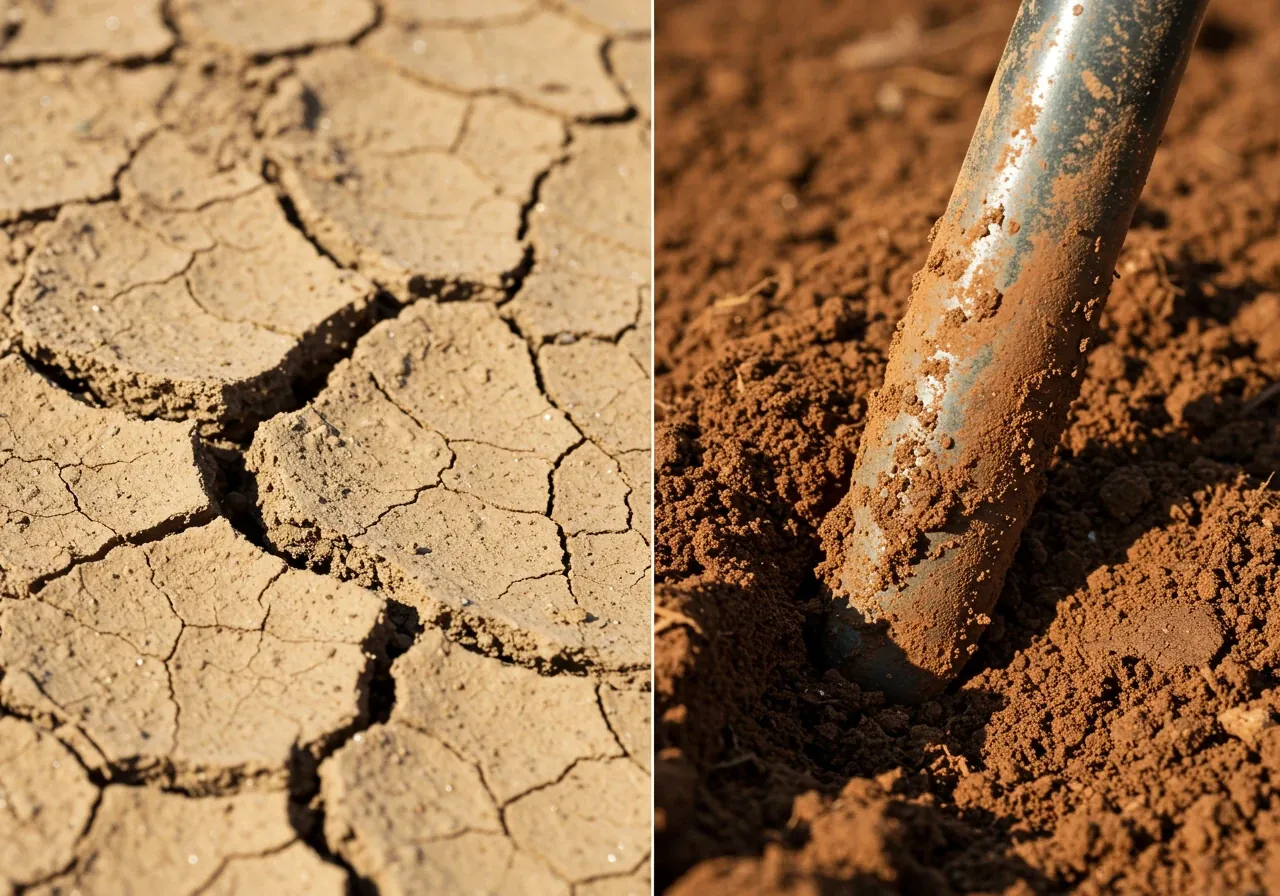
Okay, let's face it. If you've tried digging anywhere in Ottawa, from Osgoode to Barrhaven, chances are you've met our infamous clay soil. It gets a bad rap, sometimes feeling more like cement than garden earth, especially after a dry spell. But is it really the villain of our gardening stories? Well, like any grumpy uncle, it has its good points too.
First, the surprising upside: clay is packed with tiny particles, which means it holds onto nutrients and water like a champ. Think of it as a natural pantry for your plants! This can mean less fertilizing and, sometimes, less watering compared to sandy soils that drain like a sieve. Healthy plants start with good soil, and understanding this is key to Russell Mature Plant Care & Garden Health.
Now for the tricky bits. That same water-holding power means clay drains very slowly. After a heavy rain, it can become a waterlogged swamp, potentially drowning plant roots. When it finally dries, it can bake hard and crack, making it tough for roots to penetrate and for you to dig. Compaction is clay's middle name! This heavy texture also means it warms up slowly in the spring, delaying planting time.
And what about our lovely Ottawa winters? The freeze-thaw cycles can actually be a tiny bit helpful, sometimes breaking up the very top layer of compacted clay. But mostly, it causes 'frost heave,' pushing plants right out of the ground! Plus, never work clay soil when it's wet – walking on it or digging squeezes out the air pockets, making compaction even worse. This is crucial info whether you're planning a Russell Vegetable Garden Crop Rotation Logs system or tending to larger plants. Even the health and shape of your trees, requiring techniques like Springfield Formative Pruning for Russell Trees depends on good root conditions, which starts with the soil.
Remember, not all Ottawa soil is pure, heavy clay. Areas like Osgoode might be known for dense clay, while other spots could have pockets of loam or sandier mixes. The absolute best thing you can do is get to know your own backyard. Dig around, feel the texture, see how it drains. You can find helpful soil information from resources like Ottawa's composting guide or the Just Food Community Gardening Network. Understanding your specific soil is the first step towards improving it for better gardening, successful landscaping, and achieving those Secrets to Perfect Russell Lawn Care. If wrestling with clay feels overwhelming, remember there are Clean Yards Landscaping Services available to help assess and amend your soil challenges.
Laying the Groundwork: Site Prep for Clay Soil Gardens
Alright, you've picked your patch of earth! But before you start scattering seeds like garden confetti, let's talk site prep. Getting this stage right, especially with our challenging Ottawa clay, is like building a solid foundation for a house – skip it, and things might get wobbly later!
First things first: location, location, location! Aim for a spot that gets at least 6-8 hours of direct sunlight daily. Vegetables are sun worshippers, after all. Also, consider easy access to water (lugging heavy watering cans across the yard gets old fast, trust me!) and try to avoid low-lying areas where water naturally pools, especially after rain – clay already holds water, so we don't need extra sogginess! Poor drainage is a common issue in areas like Kars or Manotick near the river, making site selection even more critical.
Next comes the clearing. This initial site prep might involve removing sod, stubborn weeds, or rocks – a job that can feel like wrestling a grumpy bear, especially in dense clay. It requires some muscle! If the thought makes your back ache, consider getting professional help. Whether you need a dedicated Russell Yard Cleanup Service for a specific garden plot, or a more thorough Marionville Property Cleanup Service for a larger overhaul, getting the space clear is step one. Even focused assistance like a Marionville Yard Cleanup Service can make a huge difference in reclaiming your space. Need a large-scale Property Clean Up? We handle those too, across Ottawa including Ottawa, Metcalfe, and beyond.
Now, before you even think about amending, do yourself a huge favor: get a soil test. Seriously! Clay soils can vary wildly in pH and nutrient levels. A soil test is like a doctor's check-up for your garden, telling you exactly what's lacking (or maybe what you have too much of!). This information is gold because it guides how you amend the soil effectively, saving you time and money on unnecessary additives. You can often get soil testing kits from local garden centers or contact the Master Gardeners of Ottawa-Carleton for advice.
With your site clear and your soil test results in hand (or on the way), you face a key decision: will you improve the existing clay soil directly, or will you opt for raised beds? Both are fantastic options for gardening in clay, each with its own set of benefits. Thinking about the bigger picture, like how your garden impacts overall yard drainage and fits into your landscaping? Sometimes broader Clean Yards Landscaping Services can help you integrate everything smoothly. Feeling unsure about the scale or the best path forward? Share your plans or questions via our Estimate Feedback page – we're happy to help you weigh the options!
Amending Heavy Clay: Turning 'Brick' into Black Gold
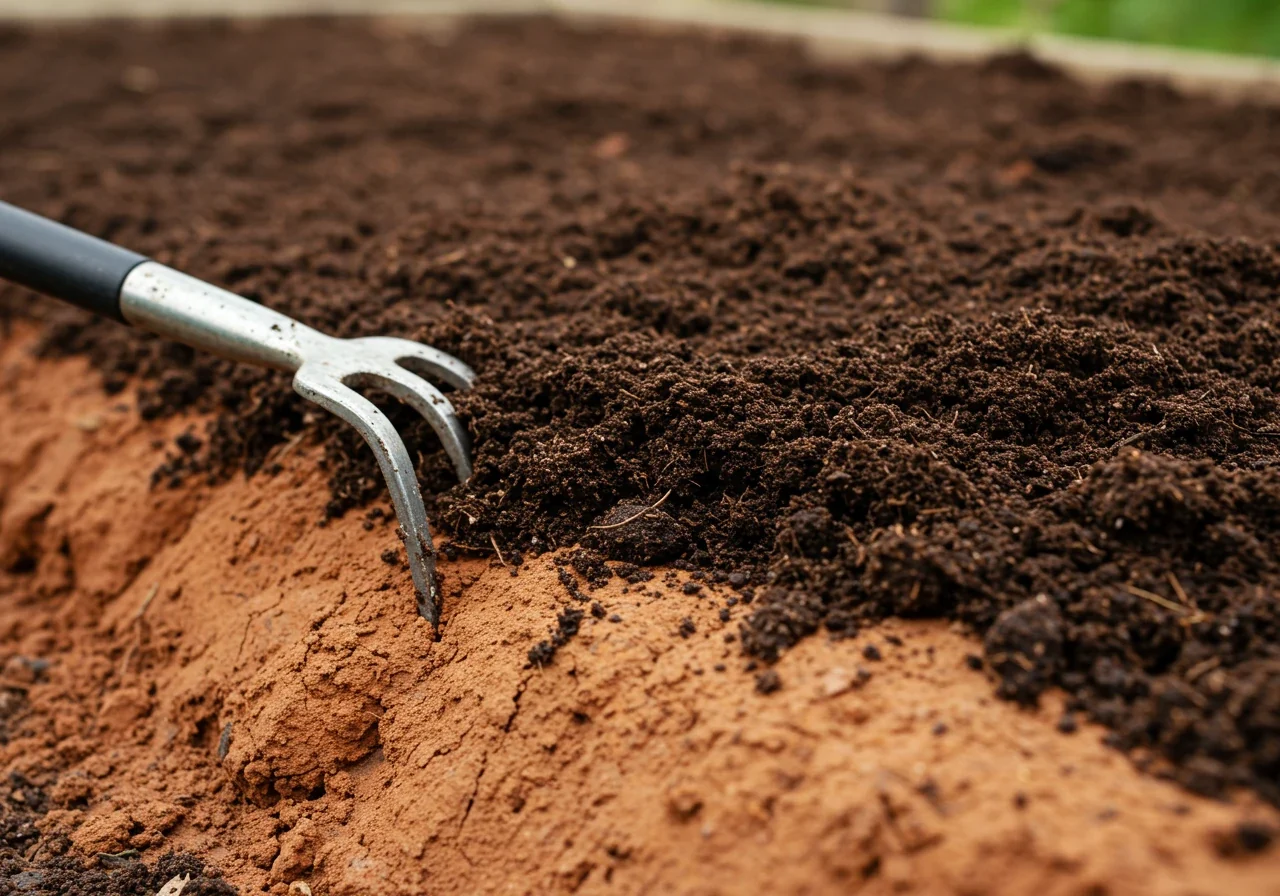
So, your shovel clangs off the ground like you’re trying to dig through paving stones? Welcome to the Ottawa clay club! It can feel like a gardening nightmare, but trust me, that heavy soil has potential. With a little effort and the right ingredients, you can transform that dense clay into the rich, dark, crumbly stuff gardeners dream of – true black gold! The secret? Amendments.
Think of soil amendments as conditioners for your earth. With heavy clay, our main goals are to improve drainage (so roots don't drown), boost aeration (roots need oxygen!), and make the soil easier to work. Adding organic matter is the key. It acts like a sponge, but also creates spaces between those tiny, sticky clay particles, loosening the structure over time. Never add sand to clay – you'll likely just create a substance closer to concrete! Stick with organic goodies.
Here are some top choices for amending clay soil:
- Compost: The absolute champion! Compost is decomposed organic matter teeming with beneficial microbes. It improves structure, adds slow-release nutrients, and boosts soil life. Homemade compost is fantastic, but bagged or bulk compost works great too. If you're doing a big fall cleanup, gathering leaves and garden waste is the first step towards making your own. Sometimes, getting the area prepped requires help; a thorough Metcalf Property Cleanup Service can clear the way for your soil improvement project. Consider our City Property Cleanup Service for urban settings too.
- Aged Manure: Another excellent source of organic matter and nutrients. Crucially, make sure it’s well-rotted or ‘aged’. Fresh manure is too strong and can burn plant roots. Look for bagged options or check local farms (perhaps around Richmond or Winchester) for sources, ensuring it's properly composted.
- Leaf Mold: Nature's free gift! Simply composted leaves create a wonderfully crumbly amendment that's fantastic for improving soil structure. Rake up those leaves in the fall! If you have too many leaves to handle, consider a professional fall Property Clean Up to manage the volume, whether in Ottawa or surrounding areas.
- Peat Moss or Coconut Coir: These can help lighten soil and improve water retention. Peat moss has some environmental concerns regarding harvesting, while coconut coir is a more sustainable byproduct. Use them sparingly as part of a mix with compost.
How Much and When?
Be generous! Aim to spread a layer of your chosen amendments (mostly compost if you can) about 3 to 6 inches deep over the soil surface.
The best time to do this in the Ottawa area is often in the fall. Why? You can incorporate the amendments, and then let winter’s freeze-thaw cycles do some of the mixing work for you. It gives the organic matter time to start breaking down before spring planting. Tackling this as part of your end-of-season tidying? A targeted Metcalf Garden Clean Up Service or City Garden Clean Up Service can help get your beds ready for amending. Spring amending works too, just be sure to do it a few weeks before planting.
How to Mix It In (Gently!)
Spread your amendments evenly over the cleared garden bed. Now, gently incorporate them into the top 6-8 inches of clay. Avoid aggressive rototilling, especially when the soil is damp. Over-tilling can destroy the existing soil structure and actually increase compaction over time. Use a digging fork or spade, lifting and turning the soil to mix in the organic matter without pulverizing it. For larger areas needing preparation before amending, an Ottawa Yard Cleanup Service can handle the initial clearing. Even smaller, targeted clearings like a specific bed prep can benefit from a Marionville Yard Cleanup Service if you're short on time. We also offer clean up in Marionville (garden specific) and Ottawa (garden specific).
Step-by-Step: Improving Your Clay Soil
- Clear the Area: Remove weeds, sod, rocks, and debris from the garden bed.
- Spread Amendments: Apply a thick layer (3-6 inches) of compost and/or other organic matter over the surface.
- Incorporate Gently: Use a digging fork or spade to mix the amendments into the top 6-8 inches of clay. Lift and turn, don't pulverize.
- Rake Smooth: Level the surface of the amended bed.
- (Optional) Water Lightly: If amending in spring or a dry fall, a light watering helps settle things.
- (Recommended) Mulch: Adding a layer of organic mulch on top helps retain moisture and suppress weeds (more on mulching and edging here).
Amending clay soil isn't a one-time fix; it's an ongoing process. Add compost every year, and you'll see steady improvement. It takes patience, but creating that rich, productive soil for your landscaping and gardening dreams is absolutely worth it! See some of our soil improvement results in our Transformations gallery.
Clay Soil Solutions: Amending vs. Raised Beds
Amending In-Ground Soil
This involves directly improving your existing clay soil by mixing in large amounts of organic matter like compost, aged manure, or leaf mold. The goal is to gradually improve soil structure, drainage, and aeration over time.
- Works with the existing soil profile.
- Can be less expensive initially if you have access to free/cheap amendments (e.g., homemade compost).
- Requires physical effort (digging, mixing).
- Improvement is gradual; may take several seasons for significant change.
- Benefits the surrounding soil ecosystem directly.
See our Soil Preparation service page for professional help.
Using Raised Garden Beds
Raised beds are built structures (wood, stone, metal) placed on top of the ground and filled with a custom soil mix. This bypasses the existing clay soil entirely for the plants within the bed.
- Provides immediate control over soil quality and composition.
- Guarantees excellent drainage, solving a major clay issue.
- Reduces bending and kneeling for easier gardening.
- Soil warms up faster in spring.
- Involves upfront cost and effort for building/buying beds and filling them.
- Ideal for very compacted or poorly draining areas.
We offer Garden Installation services, including raised beds.
Quick Comparison
| Feature | Amending In-Ground | Raised Beds |
|---|---|---|
| Drainage | Improved gradually | Excellent immediately |
| Soil Quality Control | Gradual improvement | Immediate control |
| Initial Cost | Lower (mainly amendments) | Higher (materials, soil fill) |
| Initial Effort | High (digging/mixing) | High (building/filling) |
| Speed of Results | Slower (over seasons) | Immediate (once filled) |
| Accessibility | Standard ground level | Easier (less bending) |
Both methods require ongoing addition of compost each year to maintain soil health. The best choice depends on your budget, timeline, physical ability, and the severity of your clay soil issues. You can always Contact Us to discuss options.
Raised Garden Beds: The Elevated Solution for Clay Challenges
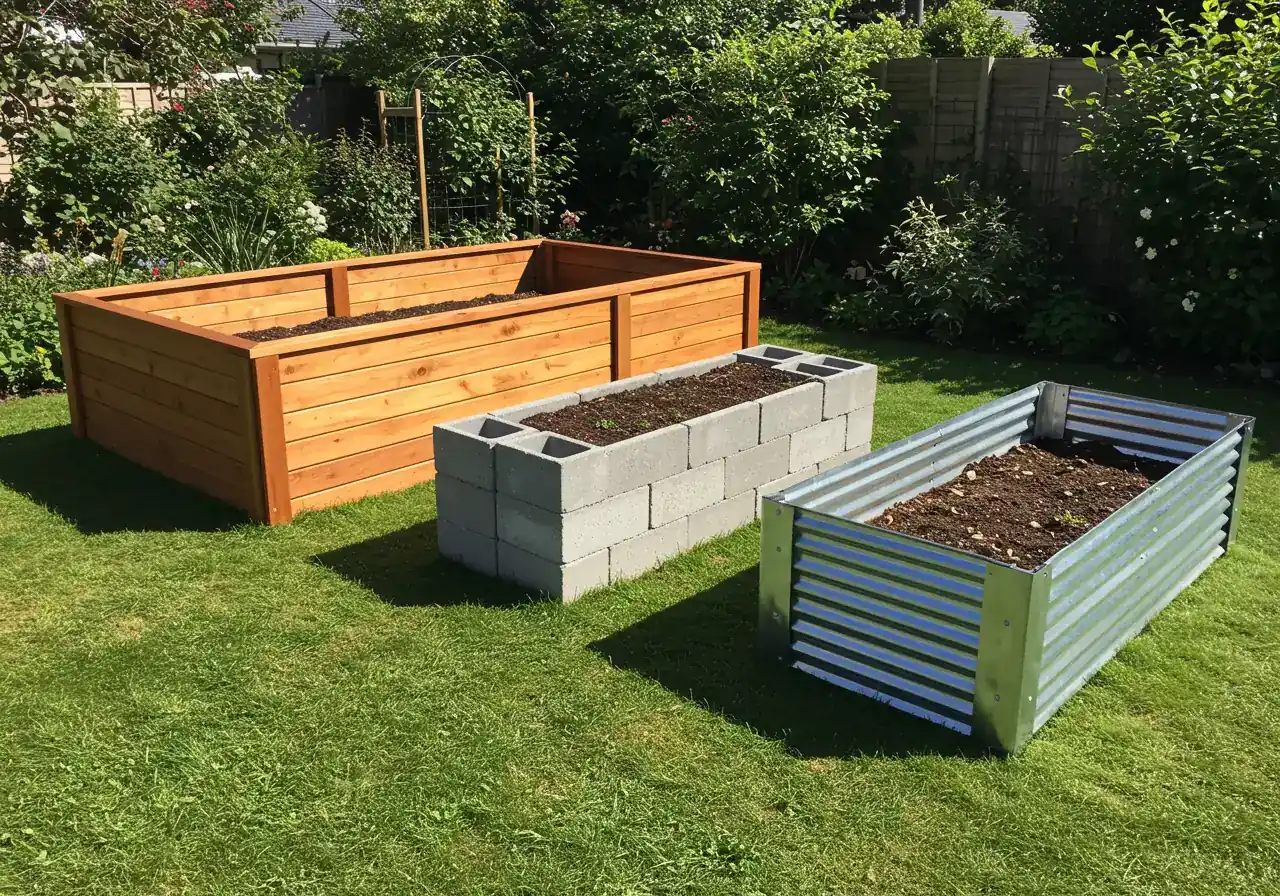
Feeling like your shovel needs a hard hat and a jackhammer just to garden in that Ottawa clay? You're not alone! While amending heavy soil works wonders (as we discussed!), sometimes you want a faster track to garden glory, or perhaps your soil is particularly stubborn – think compacted ground often found in newer developments around Barrhaven. Enter the raised garden bed: your garden's elevator to success!
Think of raised beds as VIP sections for your plants. They are essentially containers, typically bottomless boxes, that sit on top of your existing ground and hold a customized, perfect soil mix. Why is this fantastic for clay challenges?
- Drainage Dramas? Gone! This is the big one. Clay holds water like a sponge that forgot how to be squeezed. Raised beds lift your plant roots above the waterlogged zone, allowing excess water to drain away freely. Bye-bye, root rot!
- Soil Control Supreme: Instead of battling the existing clay, you get to create the dream soil environment from scratch. You control the texture, the nutrients, the pH – everything! It’s like giving your veggies their own custom-blended smoothie instead of making them sip on mud. Our Material Selection guide can help choose the right fill.
- Easier on the Back: Less bending and kneeling? Yes, please! The added height makes planting, weeding, and harvesting much more comfortable.
- Faster Warm-Up: The soil in raised beds tends to warm up quicker in the spring than the ground soil, giving you a head start on the gardening season.
- Weed Reduction: Filling with fresh soil mix means fewer initial weed seeds. Plus, the defined edges help keep lawn grass from creeping in.
Raised Beds vs. Amending In-Ground:
Let's compare quickly:
- Initial Effort: Raised beds often require more upfront work (building/buying, filling). Amending involves digging and mixing.
- Cost: Raised beds have material costs (wood, stone, soil). Amending uses mainly amendments (compost, etc.).
- Soil Quality: Raised beds offer immediate control. Amending improves soil gradually over time.
- Drainage: Raised beds provide excellent, immediate drainage. Amending improves drainage slowly.
- Long-Term: Both require ongoing top-ups with compost.
Building Basics & Filling Finesse
You can build raised beds from untreated lumber (cedar is great), concrete blocks, stone, or even buy pre-made kits. Keep them narrow enough (usually 4 feet max) so you can reach the middle from either side without stepping on the soil – avoiding compaction is key! Before you build anything substantial, it's always wise to be aware of local guidelines or our service specifics outlined in the Clean Yards Terms and Conditions and Privacy Policy.
Now, filling them. Please, please don't just shovel your existing clay into the boxes! That defeats the purpose. Aim for a light, fluffy, nutrient-rich mix. A popular recipe is:
- 60% High-Quality Topsoil
- 30% Compost (the more, the merrier!)
- 10% Other organic matter like peat moss, coconut coir, or aged manure for structure and water retention.
Another fantastic, budget-friendly method is "Lasagna Gardening" or sheet mulching. Layer cardboard on the bottom (to suppress weeds), then alternate layers of "green" materials (kitchen scraps, grass clippings) and "brown" materials (leaves, shredded paper, straw) right inside the bed frame. Top with compost/soil mix. Nature does the decomposition work for you! If preparing the site involves clearing significant debris or old landscaping features first, services like the Metcalf Property Cleanup Service can handle the heavy lifting before you build.
Raised beds offer a fantastic, manageable way to achieve gardening success despite challenging clay. They look neat, improve accessibility, and give you ultimate control over your growing medium. If you're considering raised beds or need help maintaining them once they're built, our City Garden Maintenance Service can keep them thriving. Curious about how we approach garden solutions? Learn more About Us and our commitment to happy yards. Still have questions about whether raised beds are right for your Ottawa space? Feel free to Contact Us – we’re happy to chat about your landscaping goals! We appreciate your business, check out our Thank You page after contacting us.
Planting Your Russell Veggie Patch: What Thrives in Amended Clay?
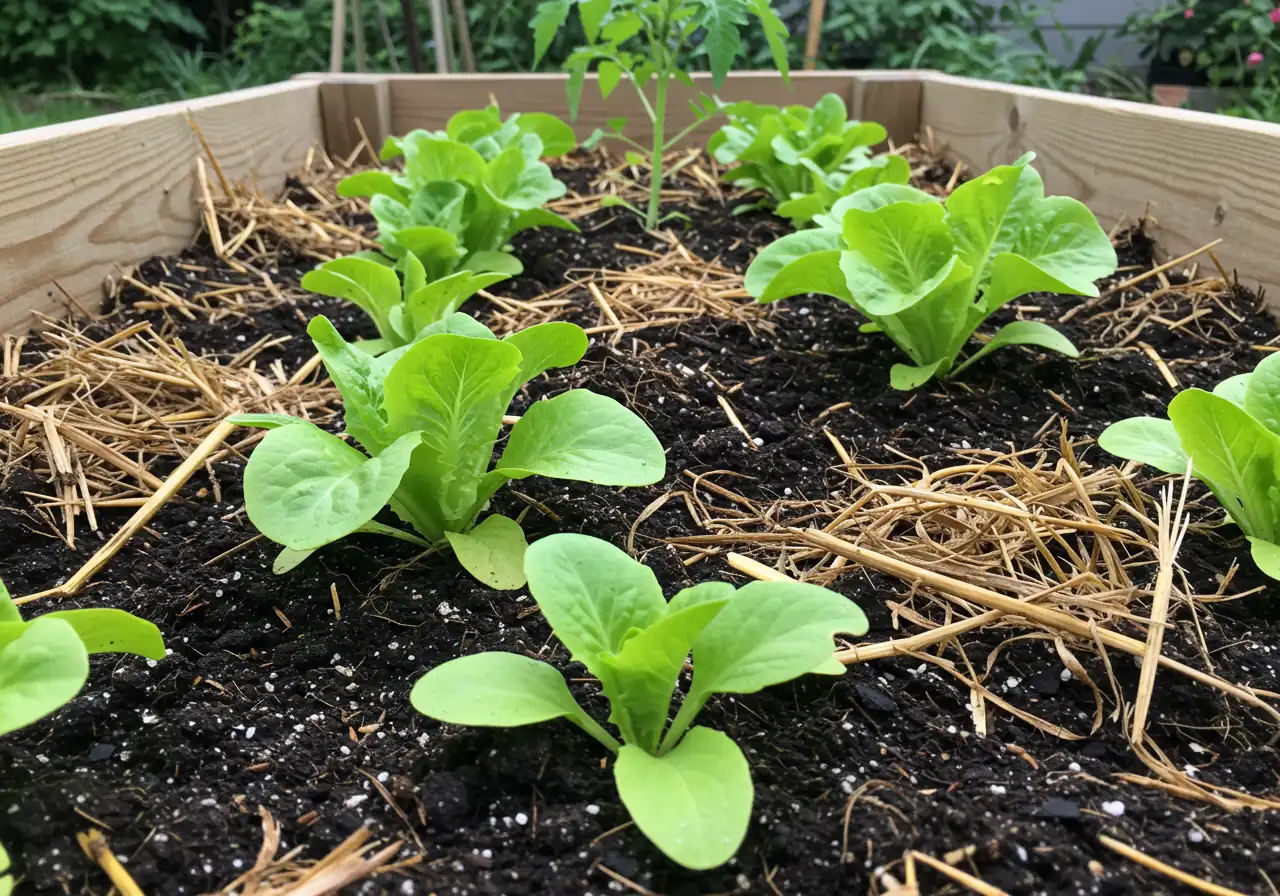
Okay, team Russell! You've wrestled that clay soil into submission (or cleverly bypassed it with raised beds). High five! Now for the really exciting part: choosing what deliciousness to plant in your newly improved veggie patch. Don't worry, you don't need a PhD in gardening to get a great harvest, even in areas like Embrun or Kenmore known for their clay base.
What Grows Well Here? Your Amended Clay All-Stars:
With better drainage and looser soil, a whole world of veggies opens up. Many plants love the nutrient-holding capacity of amended clay! Think about planting:
- Leafy Greens: Lettuce, kale, spinach, and Swiss chard are generally easygoing and productive. They don't need super deep roots.
- Beans and Peas: Both bush and pole beans, along with shelling peas and snow peas, usually thrive. They even help add nitrogen back to the soil!
- Root Veggies (with caution): Beets, potatoes, and shorter varieties of carrots can do well if the soil is well-amended and loose to at least 8-10 inches. Super long, perfect carrots or parsnips might still find dense clay tricky lower down.
- Summer Staples: Zucchini, cucumbers, tomatoes (especially sturdy determinate or bush varieties), and peppers generally flourish in the sun and richness.
- Brassicas: Broccoli, cabbage, and cauliflower often perform well, appreciating the consistent moisture amended clay can offer (as long as it drains!).
Some veggies can still be a bit fussy in less-than-perfectly-amended clay. Delicate herbs with fine roots or melons that demand perfect drainage and heat might require extra care or are best suited for those lovely raised beds.
Planting, Watering & Mulching Smarts:
When planting, give your veggies room to breathe! Check seed packets or plant tags for spacing guidelines – good air circulation helps prevent diseases, especially important when humidity lingers over damp soil. Getting everything laid out and planted correctly sets the stage for success. If setting up a new garden space feels overwhelming, remember that professional help is available through services like a Garden Installation Service.
Watering amended clay requires a different approach than sandy soil. Instead of frequent light sprinkles, aim for deep, less frequent watering. Water thoroughly until the soil is moist several inches down, then let the top inch or two dry out before watering again. This encourages roots to grow deeper, making plants tougher!
Mulching is your secret weapon! A 2-3 inch layer of organic mulch (like straw, shredded leaves, or compost) helps keep soil moisture even, suppresses weeds, prevents the clay from crusting over, and keeps roots cooler. Consistent care like proper watering and mulching makes all the difference, and if life gets busy, our Garden Maintenance Services can help keep your patch productive.
Seasonal Clay Garden Timeline
Late Fall (Oct-Nov)
Clear beds after harvest. Add a thick layer of compost/amendments. Let winter freeze/thaw cycles work on it. Perform final yard cleanup.
Early Spring (Apr-May)
Check soil moisture. If workable (not soggy), gently incorporate fall amendments if needed. Add more compost. Perform spring cleanup.
Mid-Spring (May-June)
Plant cool-season crops (lettuce, peas, spinach). Plant warm-season crops after frost risk passes. Apply mulch once plants are established.
Summer (June-Aug)
Water deeply as needed. Weed regularly (easier with mulch!). Side-dress heavy feeders (tomatoes) with compost. Monitor for pests/disease.
Early Fall (Sept)
Harvest remaining summer crops. Plant late cool-season crops (kale, fall lettuce). Begin planning next year's crop rotation.
Thinking Seasonally (Ottawa Zone 5a/5b):
Plan your planting for a continuous harvest! Think cool-season crops (lettuce, radishes, spinach, peas) for spring and fall, and heat-lovers (tomatoes, peppers, beans, zucchini) for the main summer season. Preparing the surrounding area is also key; ensuring the rest of your yard is tidy supports your gardening goals, and a City Yard Cleanup Service can help create that neat backdrop. When the season winds down after your final harvest, tidying up the beds and composting spent plants is crucial for next year; a targeted fall cleanup, similar to the Metcalf Yard Cleanup Service, ensures your garden goes into winter cleanly.
Growing veggies in Russell is absolutely achievable and rewarding. We love helping local homeowners create beautiful, productive spaces – Learn About Us and our passion for thriving yards! Now, get those seeds in the ground!
Clay Soil Success: Quick Wins!
Okay, let's cut to the chase! Dealing with heavy clay soil in Ottawa, whether you're in Nepean or further out, can feel like you drew the short straw in the gardening lottery. But fear not! While transforming clay takes time, there are definitely some quick wins and smart strategies you can use *right now* to see better results in your garden beds and landscaping efforts. Think of these as your cheat sheet to clay soil success! Creating new garden spaces often starts with removing existing grass; if that sounds like a workout you'd rather skip, remember that professional help is available for clearing, which is quite different from services focused on new Sod Installation.
Essential Clay Soil Quick Wins:
- Boost Big with Organic Matter: This is non-negotiable! Regularly add compost, aged manure, or leaf mold to your soil surface or gently mix it into the top few inches. It improves drainage *and* feeds your plants. Choosing quality amendments is key; think of it as Smart Material Selection for your soil's diet.
- Hands Off When Wet: Seriously, *never* walk on, dig, or till clay soil when it's soggy. You'll squeeze out the air and create rock-hard compaction that’s even tougher to fix later. Wait for it to dry out a bit – patience is a virtue here!
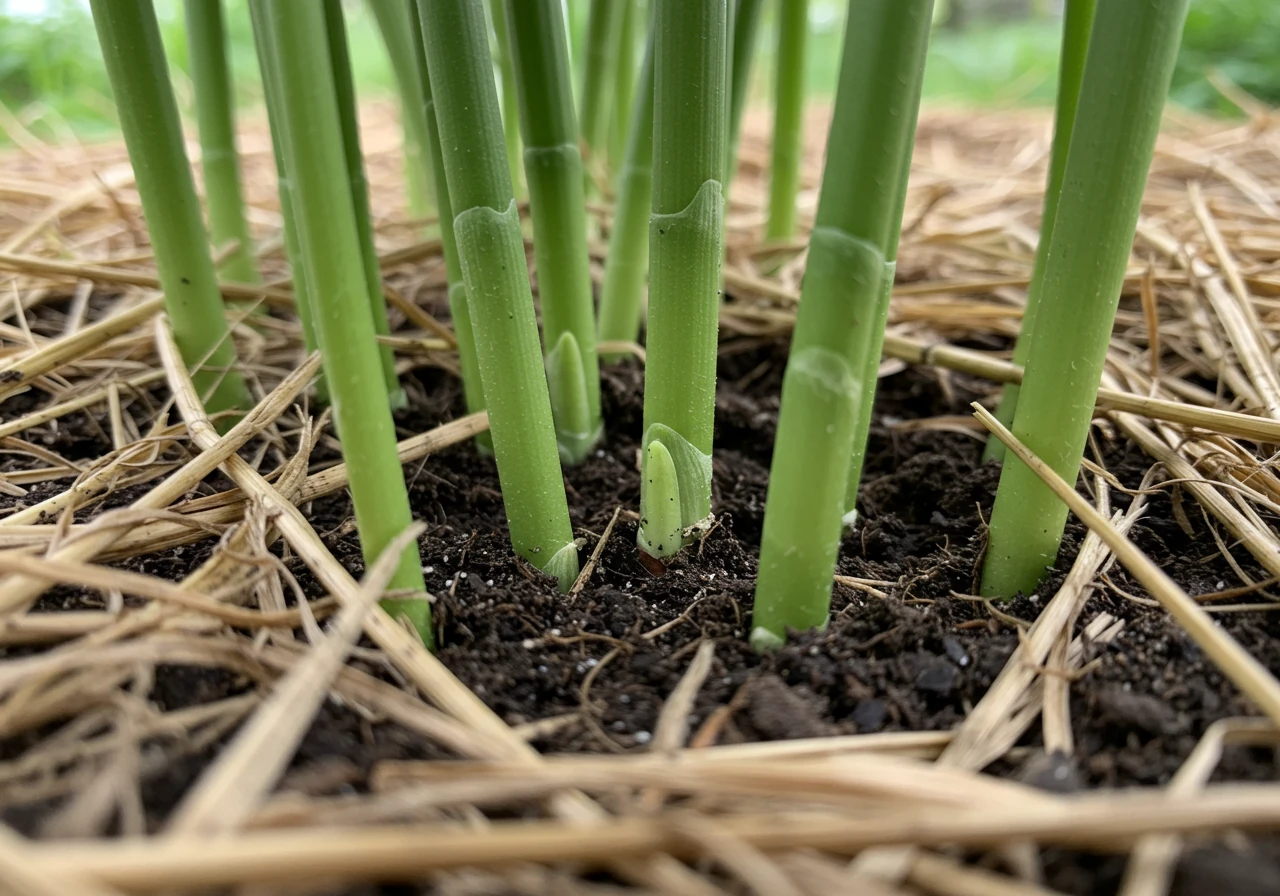
- Mulch Like You Mean It: Apply a 2-3 inch layer of organic mulch (wood chips, straw, shredded leaves) over your garden beds. Mulch helps retain moisture evenly, prevents the soil surface from baking into a crust, suppresses weeds, and gradually breaks down to add more organic matter. Getting the beds ready for mulch might involve seasonal tidying – a Marionville Garden Clean Up Service can be a real time-saver for this prep work.
- Water Wisely: Forget light, daily sprinkles. Water your clay soil deeply but less frequently. Allow the top inch or so to dry out between waterings. This encourages plant roots to grow deeper, searching for moisture, making them stronger and more resilient.
- Go Up! Consider Raised Beds: If amending your existing soil feels too daunting or slow, raised beds are your express lane. They offer immediate control over soil composition and guarantee excellent drainage, solving clay's biggest headaches instantly.
- Amend in the Autumn: If possible, add your compost and other amendments in the fall. Spread them over the garden bed and let Ottawa's winter freeze-thaw cycles do some of the initial mixing work for you. Getting beds cleared out in autumn sets the stage perfectly; if fall cleanup feels overwhelming, a Metcalf Yard Cleanup Service can handle the heavy lifting.
- Focus on Soil Structure: Remember that improving garden soil for planting beds involves different goals than general lawn maintenance. While healthy soil benefits your entire yard, the focus here is on creating a loose, rich medium for roots, distinct from the needs addressed by typical Ottawa Lawn Care.
Implementing even a few of these tips can make a noticeable difference in your gardening experience. Don't let that clay win – you've got this!
Ottawa Veggie Gardening FAQs: Clay Soil Edition
Ah, the dreaded clay-bake! Trying to dig rock-hard clay is an exercise in frustration (and possibly broken shovels). Your best bet is timing. Work the soil when it's moist, but *not* waterlogged – think damp like a wrung-out sponge. If it’s already brick-like, water the area deeply a day or two *before* you plan to dig. For planting mid-season, gently loosen just the planting hole and top-dress generously with compost around the plant instead of trying to cultivate the whole bed. Patience and moisture are key!
That’s a persistent gardening myth, unfortunately! Adding sand to heavy clay, like the kind we often find in Greely or Metcalfe, usually creates a substance closer to homemade concrete or mortar, not lovely loam. It makes compaction *worse*. The *only* effective way to truly improve clay structure is by consistently adding generous amounts of *organic matter* – compost, aged manure, leaf mold. Skip the sand; embrace the compost!
If you do only *one* thing, make it adding compost! Seriously, organic matter is the superhero clay soil needs. Don't worry about digging it deep if you're short on time or energy. Simply layering a good inch or two of quality compost over the entire bed surface as a top-dressing works wonders. Worms and weather will gradually pull it down, improving soil structure, aeration, and fertility right where your veggie roots need it most. It's the simplest, most effective step.
Oh yes, mulching is your clay soil best friend! It prevents that hard, cracked crust from forming in the summer sun, keeping moisture levels more consistent (less watering!). It also suppresses weeds and, as organic mulches break down, they continuously add vital organic matter. Straw, shredded leaves, or wood chips work great. Combining this with defined borders makes a huge difference; consider professional Mulching and Edging services for a super clean look and maximum benefit with minimal effort from you.
Tackling a whole clay yard can feel like wrestling an octopus! For the quickest *gardening* win, focus on improving your vegetable beds first, either by intensive amending or using raised beds. You'll see results faster there. For the lawn, core aeration combined with top-dressing with compost can gradually improve the soil structure, helping with drainage and root growth – key components of effective Ottawa Lawn Care. If you're dreaming bigger, planning phased Transformations allows you to improve sections over time without getting overwhelmed.
That's a common headache! Create a buffer zone. Installing deep landscape edging along the property line helps prevent weed roots from creeping into your beds. Keep the area immediately adjacent to your garden clear – even laying down landscape fabric topped with wood chips can help suppress weeds. If the city-owned strip is significantly overgrown or problematic, inquiring about a City Property Cleanup Service might be an option to address the source of the weeds and debris near your property line, making your barrier more effective.
Ready to Dig In? Let's Get Your Russell Garden Growing!
Whew! We've dug through a lot of info, but hopefully, you're feeling less intimidated and more inspired about your gardening prospects right here in Russell. Tackling Ottawa's famous clay soil might seem like a wrestling match, but as we've seen, victory is totally within reach! Whether you choose to enrich your existing earth with heaps of compost or go the elevated route with convenient raised beds, creating a thriving vegetable patch is absolutely possible. Remember, that clay might be stubborn, but it holds nutrients like a treasure chest once you improve its structure.
Here at Clean Yards, wrestling with Ottawa-area landscaping challenges, from the heavy clay near Greely and Manotick to diverse soils across Nepean, is our specialty. We understand the local quirks and have the know-how to turn tricky yards into productive, beautiful spaces. Check out our work on Google!
Ready to trade the garden planning overwhelm for actual planting? Contact Clean Yards today for expert garden installation, soil amendment help, or personalized landscaping consultations tailored to your Russell property! We're here to help your garden dreams take root.
Want even more tips for a flourishing Ottawa yard? Dig into our other articles on the Clean Yards Blog for year-round gardening and landscaping advice.
Don't let that clay soil win – your delicious, home-grown harvest is waiting!