Russell Cover Crops: Boost Clay Soil Health Over Winter
Introduction: Is Your Russell Garden Soil More Like Clay Bricks Than Black Gold?
Quick Summary:
- Heavy clay soil in Russell/Ottawa is challenging (poor drainage, compaction).
- Winter cover crops (planted in fall) act as a living mulch.
- Their roots break up clay, and the plant matter adds vital organic material.
- This guide covers why, which crops to choose (rye, radish, clover), and how to plant/manage them.
Let's face it, gardening in Russell can sometimes feel less like nurturing plants and more like wrestling with geology. Does trying to dig in your garden feel like chipping away at stubborn bricks, especially after a dry spell? Or maybe after rain, it turns into a sticky mess that clings to your boots like glue? If you're nodding along, you know the struggle of Ottawa's infamous heavy clay soil. It can be tough on delicate plant roots and even tougher on gardeners trying to create their dream landscape! Feeling the struggle? Request a quote for soil improvement help!
But don't despair or trade your favourite trowel for heavy machinery just yet. There's a fantastic, *natural* way to achieve real soil improvement, transforming that challenging clay into the rich, crumbly "black gold" gardeners dream of. The secret? Planting *winter cover crops* this fall. Think of them as a cozy, living blanket for your garden beds that works hard improving the soil structure while you stay warm inside.
In this guide, specifically for fellow Russell and nearby Embrun gardeners facing this common challenge, we'll dig into:
- What exactly winter cover crops are.
- Why they are absolute game-changers for breaking up our local clay soil.
- Simple steps to choose and plant them this autumn for a healthier, more workable garden next spring.
Get ready to say goodbye to frustrating clay bricks and hello to beautiful, productive garden soil!
The Clay Conundrum: Why Ottawa Soil Needs Some Winter TLC

Okay, let's talk about the elephant in the garden – or maybe the *brick* in the garden? We're talking about that famous Ottawa clay soil. If you're gardening in areas like Russell or Metcalfe, you know *exactly* what we mean. When it's wet, it’s stickier than a toddler with maple syrup, clinging to boots and tools with surprising determination. And when it's dry? It can turn into rock-hard clumps that make digging feel less like gardening and more like an archaeological dig. Sound familiar? You might find similar challenges across the region, even in nearby Marionville or wider City property cleanup service areas.
So, what *is* clay soil, really? Think of it as being made up of super tiny, flat particles all packed tightly together. This tight squeeze has its perks – clay is great at holding onto nutrients that plants need. But, (and it's a big 'but' for gardeners!), this density also makes it incredibly difficult for water and air to move through. This leads to two main headaches:
- Poor Drainage: Water tends to sit on top or soak in very slowly, leaving plant roots soggy and unhappy. Puddles lingering long after a rainstorm are a classic sign.
- Compaction: The soil particles easily get squished together, especially when wet or walked on. This compaction makes it tough for roots to penetrate and find the air they need to breathe.
Now, let's add a classic Ottawa winter into the mix. Those dramatic swings between freezing cold and thawing temperatures – the infamous *freeze-thaw cycles* – are particularly tough on clay soil. Here’s the scoop: water trapped within the clay expands significantly when it freezes. This expansion pushes the soil upwards, a process called "frost heave," which can disturb plant roots and even lift smaller plants partially out of the ground. When the thaw comes, the soil settles back down, often becoming even more soggy and compacted than before. Check out resources from the City of Ottawa gardening pages for more local climate info.
This constant winter workout weakens the *soil structure*. It makes spring planting a back-breaking chore and creates stressful conditions for your plants. Roots struggling in cold, wet, compacted soil can lead to weaker plants overall. This isn't just an issue for delicate annuals; even established trees can show signs of distress when their roots are unhappy in poor soil, something important to monitor as part of a Russell Root Flare Check & Tree Stress Signs. Poor drainage and compaction are also key reasons why achieving that perfect lawn can be challenging, often requiring more than just basic upkeep like following the Secrets to Perfect Russell Lawn Care: Your Ultimate Guide.
Furthermore, plants stressed by poor soil conditions can become more vulnerable to pests and diseases, making proactive measures like those in the Russell Garden Log: Pest Prevention Tips even more critical. Improving your soil benefits the entire *landscape*, enhancing the health and beauty of everything from your flower beds to the areas surrounding features like your Russell Outdoor Lighting Design: Safety Tips.
That’s why giving your clay soil some proactive attention *before* winter truly sets in – some dedicated TLC – is more than just a good idea; it's a strategy for a healthier, happier garden next year. It’s about buffering your soil against the harshness of winter and setting the stage for spring success. If tackling heavy clay feels like too much of a battle, remember that professional help is available through various Landscaping Services designed to improve your soil and overall yard health. You can also find helpful tips from local groups like the Ottawa Horticultural Society.
Winter Warriors: What Are Cover Crops and How Do They Battle Clay?
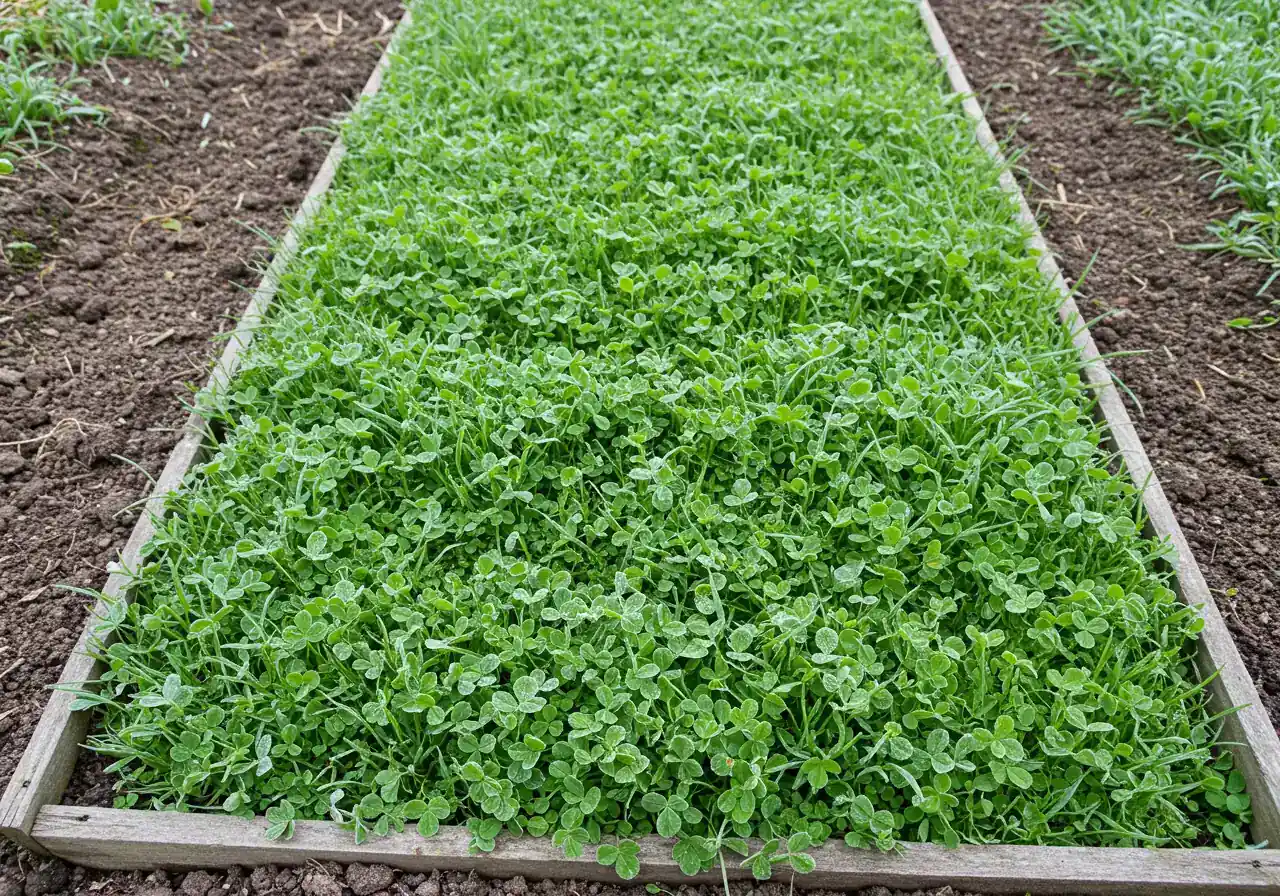
Alright, we've established that our lovely Ottawa clay soil, especially in areas like Russell and Nepean, can be a bit of a stubborn beast. It gets hard as rock when dry and turns into sticky goo when wet, making life tough for plant roots. So, how do we fight back without resorting to dynamite? (Please don't use dynamite). Enter the unsung heroes of the winter garden: *winter cover crops*! You can learn more about our work across different areas like our Ottawa Yard Cleanup Service.
Think of cover crops as a cozy, living green blanket you tuck your garden beds into for the winter. Instead of leaving that precious soil bare and exposed to harsh weather, you plant specific types of hardy plants in the fall that grow through the colder months. They’re not usually grown for harvesting food, but rather for the amazing benefits they provide *to the soil itself*. They are true winter warriors!
So, how exactly do these green goodies combat that challenging clay? It's like a two-pronged attack:
- The Root Drill Sergeants: Many cover crops, like tillage radish or winter rye, grow vigorous root systems. These roots act like tiny drills, pushing their way down into dense clay. As they grow, they create channels and pathways. When the roots eventually die and decompose, these channels remain, improving drainage (letting excess water escape) and aeration (letting air reach plant roots). This directly tackles that compaction problem we talked about earlier. No more soggy, suffocated roots!
- The Organic Matter Machines: This is where the magic really happens for clay soil. When spring arrives, and the cover crops have done their job, they are often tilled back into the soil (or cut down and left as mulch). As this plant material – leaves, stems, and roots – breaks down, it adds heaps of *organic matter*. Organic matter is the secret sauce! It acts like a sponge, helping sandy soil hold *more* water, but crucially for us clay-fighters, it helps clay particles clump together into larger aggregates. This process dramatically improves soil structure, making heavy clay lighter, crumblier (*friable*, if you want the fancy term), and much easier to work with. It’s the difference between trying to dig concrete and sinking your trowel into rich chocolate cake. See how we've improved gardens in our Transformations gallery.
Beyond breaking up clay, cover crops also help prevent soil erosion from wind and rain over the winter, suppress weeds (less work for you in the spring!), and some types, like clover or vetch, even add valuable nitrogen to the soil, acting as a natural fertilizer.
Getting your garden beds ready for cover crops often starts with a good fall tidying. If you're feeling overwhelmed by leaves and debris, consider professional help like a Russell Fall Yard Cleanup Service or broader Property Clean Up Options to get a clean slate. Incorporating cover crops is a fantastic step in ongoing Garden Maintenance Best Practices and sets the stage perfectly for future Successful Garden Bed Installation Projects. Improving your soil this way is one of the most effective natural methods available within a suite of Comprehensive Landscaping Services aimed at creating a healthy, beautiful yard.
Next up, we’ll look at some specific cover crop champions perfect for our Ottawa climate and how to get them planted!
Choosing Your Champions: Best Winter Cover Crops for Russell & Ottawa Clay
Okay, you're convinced! Winter cover crops sound like just the ticket for your stubborn Russell clay soil. But faced with a packet of seeds, which ones are the real *champions* for our specific Ottawa-area climate and soil type? Not all heroes wear capes, and not all cover crops are created equal, especially when battling heavy clay through a Canadian winter. Let’s meet some top contenders:
1. Cereal Rye (Secale cereale)
Often simply called Winter Rye, this is the heavyweight champion of cold tolerance. If you plant *anything* late in the season, rye is your best bet.
- Pros: Super hardy (survives Ottawa winters easily!), extensive fibrous root system excellent for breaking up compacted clay and improving soil structure, produces lots of organic matter (biomass), suppresses weeds like a boss.
- Cons: Can be *very* vigorous in spring. You need to terminate it (cut it down or till it in) before it gets too tall or sets seed, otherwise, it becomes a bit of a monster to manage. It can sometimes tie up nitrogen temporarily as it decomposes.
2. Crimson Clover (Trifolium incarnatum)
This one's a legume, meaning it's part of the magical group of plants that can pull nitrogen right out of the air and fix it in the soil – free fertilizer!
- Pros: Adds valuable nitrogen, beautiful crimson flowers if allowed to bloom (though usually terminated before then), decent root system helps with soil structure, relatively easy to manage in spring (winterkills more easily than rye in very cold zones, but often survives ours).
- Cons: Not quite as cold-hardy as cereal rye, needs slightly earlier planting (late August/early September is ideal). Doesn't produce as much biomass as rye.
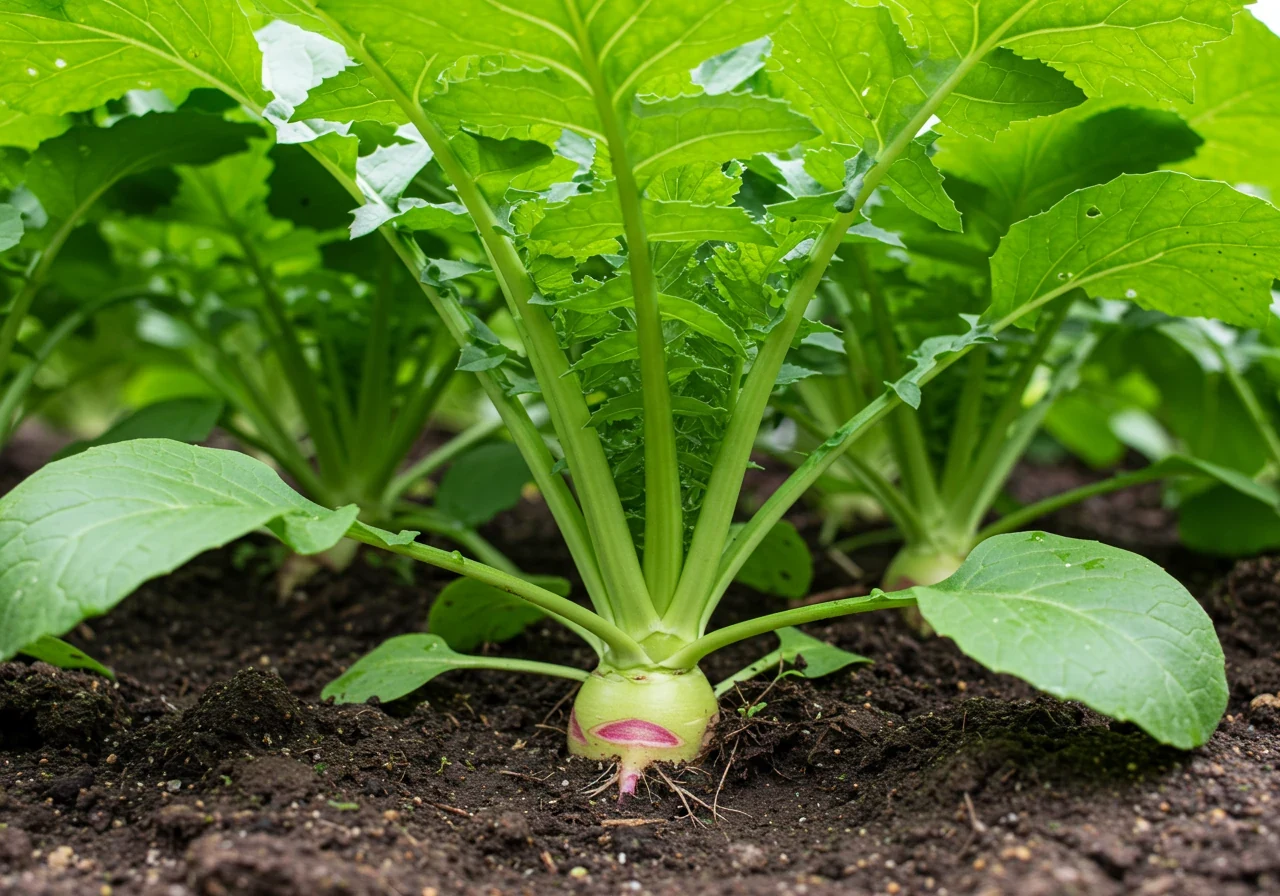
3. Tillage Radish (Raphanus sativus var. longipinnatus)
Think daikon radish, but grown for the soil! These develop a massive taproot that drills down deep into compacted clay.
- Pros: Incredible "biodrilling" action opens up pathways deep in the soil, excellent for severe compaction. Scavenges nutrients from deep down. Usually winterkills reliably in our climate, making spring management easy – the roots rot in place, leaving open channels.
- Cons: Needs to be planted fairly early (August) to develop that big root before deep frost. Can sometimes have a pungent aroma when decomposing (though usually minor). Doesn't add nitrogen like legumes.
Making the Choice:
Choosing the right champion depends on your goals and timing. For late planting and maximum soil loosening near Kars or Kenmore, Cereal Rye is fantastic. If adding nitrogen is a priority and you can plant a bit earlier, Crimson Clover is a great choice. For tackling serious compaction, Tillage Radish is a specialized tool. Sometimes, a *mix* of seeds, like rye and clover, gives you the best of both worlds! For expert advice on what might suit your specific yard, considering Material Selection for Landscaping Projects is key.
Here’s a quick comparison:
| Feature | Cereal Rye | Crimson Clover | Tillage Radish |
|---|---|---|---|
| Primary Benefit | Organic Matter, Clay Busting | Nitrogen Fixing | Deep Compaction Relief |
| Winter Hardiness | Excellent | Good | Usually Winterkills |
| Planting Time | Late Summer/Fall | Late Summer | Mid/Late Summer |
| Spring Mngmt. | Needs Timely Kill | Easier to Kill | Very Easy (Decays) |
Where to Find Seeds:
Your local garden centres in and around Russell or Ottawa often carry popular cover crop seeds in the fall. Agricultural supply stores are another excellent source, sometimes offering larger quantities or specific varieties. Local expertise can be invaluable; check resources from the Master Gardeners of Ottawa-Carleton.
Getting Started & Spring Management:
Before scattering your chosen seeds, ensure your garden beds are clear of old plants and weeds. A thorough fall tidying, perhaps part of a larger Property Clean Up, creates the perfect canvas. Some homeowners even opt for a professional City Yard Cleanup Service to handle the heavy lifting before planting.
Come spring, managing your cover crop is key. You'll typically cut it down or mow it *before* it sets seed, then either till it into the soil or leave the residue on top as mulch (no-till method). This step is crucial and part of good Ongoing City Garden Maintenance Service. Letting cover crops like rye get too tall can make incorporating them difficult. Remember, the goal is to improve the soil for your *next* planting season! If you're unsure about the best approach or need help integrating cover cropping into your garden care, leaning on local expertise can be helpful; you can learn more About Us and our experience with Ottawa soils. We also respect your privacy, as detailed in our Privacy Policy.
Cover Crop Insights
Benefits of Winter Cover Cropping
- Breaks Up Compaction: Roots penetrate dense clay.
- Adds Organic Matter: Improves soil structure, making it lighter and more workable.
- Prevents Erosion: Protects bare soil from winter wind and rain.
- Suppresses Weeds: Outcompetes weeds in fall and early spring.
- Boosts Fertility: Legumes (like clover) add nitrogen.
- Improves Drainage & Aeration: Root channels allow water and air movement.
Investing in cover crops is investing in long-term garden health, similar to how proper Lawn Care builds a resilient turf.
Why Clay Soil is Tough
- Poor Drainage: Waterlogs easily, suffocating roots.
- Compaction Prone: Particles pack tightly, hindering root growth and air circulation.
- Hard When Dry: Difficult to dig or cultivate.
- Sticky When Wet: Clings to tools and boots.
- Slow to Warm Up: Delays spring planting compared to lighter soils.
These challenges affect gardens across Ottawa, from suburban yards needing Ottawa Garden Clean Up Service to rural properties near Marionville.
Quick Crop Choice Guide
Use this simplified guide:
- Best All-Around & Late Planting: Cereal Rye
- Best for Nitrogen Boost (Plant Earlier): Crimson Clover
- Best for Severe Compaction (Plant Earliest): Tillage Radish
Consider a mix for combined benefits! Need help preparing the ground? Check out our Soil Preparation services.
Get Planting! Your Step-by-Step Guide to Cover Cropping in Russell
Step 1: Get the Timing Right
Aim for late August to mid-late September. Cereal Rye can go a bit later (early Oct). Think "winter tires" timing!
Step 2: Prep Your Garden Bed
Clear old plants/weeds. Lightly rake top 1-2 inches. No heavy digging needed. Consider a Metcalfe Property Cleanup Service if overwhelmed.
Step 3: Scatter Your Seeds
Check package rate or scatter evenly, slightly thicker than lawn overseeding. Mix seeds if using multiple types.
Step 4: Tuck Them In Gently
Lightly rake to cover seeds about ¼ - ½ inch deep. Good soil contact is key. Proper Mulching and Edging nearby can frame the area.
Step 5: Add Water
Water gently but thoroughly. Keep moist for 1-2 weeks until germination. Part of good City Garden Clean Up Service prep.
Step 6: Watch and Wait
Sprouts appear in 1-2 weeks. Growth slows in cold, but roots work underground. Admire your work! Questions? Contact Us for Gardening Advice.
Remember, we operate under clear Terms and Conditions and appreciate your Estimate Feedback if you use our services. And thank you to our clients! Thank You!
Spring Awakening: Managing Your Cover Crops for Planting Season
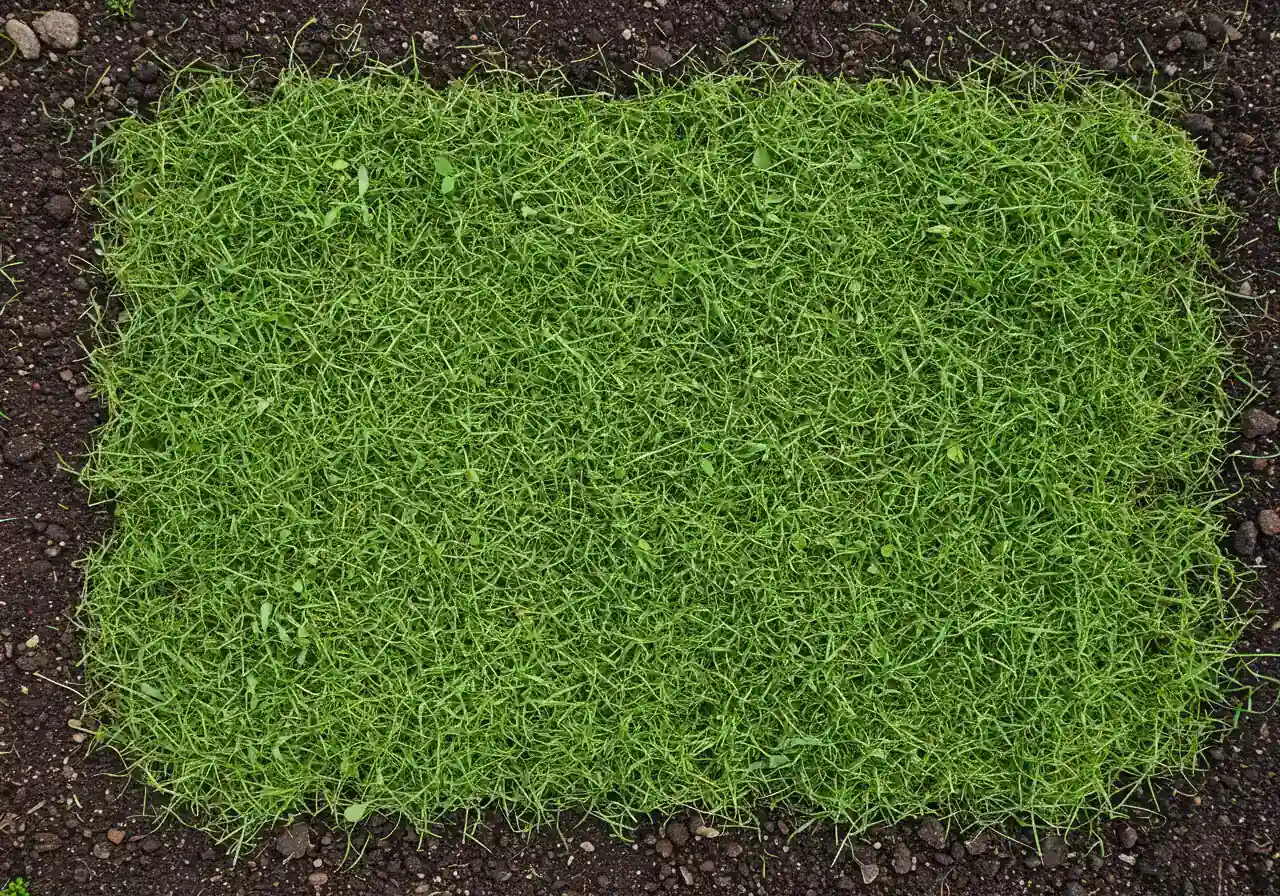
Alright, Ottawa gardeners, spring has sprung! Or at least, it's peeking around the corner. Your winter cover crops, those hardworking green blankets, have spent the cold months diligently improving your soil. Maybe you’re gardening in Barrhaven or near Osgoode and wondering, "Okay, my cover crop looks great... now what do I do with it before I plant my tomatoes?" Great question! Letting your cover crop just keep growing indefinitely isn't the plan – it might start competing with your desired garden plants or become tough and difficult to manage. Timing and technique are key for reaping the rewards. You can find us on Google here: Clean Yards on Google.
The *sweet spot* for dealing with your cover crop is typically 2 to 4 weeks before you plan to plant your spring garden in the Ottawa area. Why? You want to stop the cover crop *before* it goes to seed (unless you want volunteer rye next year!) and while it's still relatively tender and green. This makes it easier to break down. Waiting too long, especially with vigorous crops like Cereal Rye, can make it feel like you're wrestling a small shrub. Terminating it allows time for the plant matter to start decomposing before you pop in your seedlings or seeds.
So, how do you actually "manage" or "terminate" your cover crop? You've got a few options:
- Mowing or Cutting: Often the first step. Use a mower (set high), string trimmer, or shears for smaller areas.
- Pros: Quick, minimal initial soil disturbance.
- Cons: Doesn't kill roots immediately (especially for tough ones like rye), and you still need to handle the cut material.
- Tilling In: This is the classic method. After mowing (or sometimes without mowing if the crop isn't too tall), you use a rototiller or garden fork to turn the green plant matter directly into the soil.
- Pros: Incorporates organic matter quickly, kills the cover crop effectively, prepares the seedbed. This is often part of a larger spring prep, maybe alongside a general Ottawa Garden Clean Up Service.
- Cons: Can damage soil structure (earthworm tunnels, fungal networks), brings dormant weed seeds to the surface, requires more labour or machinery. Avoid tilling if your soil is very wet, as it can cause compaction.
- Chop and Drop (No-Till/Low-Till): This is the eco-warrior's favourite! Cut the cover crop down (as in step one) and simply leave the cuttings right on the soil surface as mulch.
- Pros: Excellent for soil health! Protects the soil surface, suppresses weeds, feeds soil microbes slowly as it decomposes, minimal soil disturbance. You can plant directly into the residue by parting it slightly. This method fits well if you prefer minimal intervention, maybe just needing help with heavier tasks like a Marionville Garden Clean Up Service for other parts of the yard.
- Cons: Slower decomposition (might need to wait a bit longer to plant), may not kill vigorous cover crops like rye completely without smothering (sometimes a black tarp is laid over for a week or two), can look a bit untidy to some eyes initially. Some find it helpful to combine this with targeted spring cleanup in other areas, perhaps using a Metcalf Yard Cleanup Service for general tidiness.
Which method is best? For building long-term soil health and reducing work, the chop-and-drop method is fantastic. If your cover crop was something like tillage radish that winterkilled, you might just rake the residue lightly or plant right through it! This whole process is a key part of getting your property ready for the growing season, sometimes tackled during a broader Ottawa Property Cleanup Service.
Managing your cover crop is the final, crucial step to unlocking all that winter work. Choose the method that suits your garden goals and energy levels! Feeling unsure about the best approach for your specific situation? Don't hesitate to get in touch; we're always happy to chat about soil health and garden prep. You can easily Contact Us for advice tailored to your Ottawa garden. Learn about local watersheds from the Rideau Valley Conservation Authority.
Estimated Organic Matter Boost
Cover crops significantly increase soil organic matter over time. Here's a hypothetical representation:
*Illustrative example of relative improvement in soil health/organic matter % increase with consistent cover cropping.
Quick Wins: Top Tips for Cover Crop Success in Ottawa
Ready to give cover crops a whirl but want the cheat sheet? We get it! Here are a few top tips specifically for making cover crops work wonders in Ottawa's sometimes tricky climate and clay soil:
- Timing is (Almost) Everything: Don't wait for the snow flies! Aim to get most cover crop seeds, like clovers or tillage radish, sown by mid-September at the latest here in Ottawa. If you're running late (life happens!), hardy Cereal Rye can often still be planted into early October and survive our winters like a champ.
- Prep Smart, Not Hard: Clear out the old summer plants and weeds first. Seriously, don't plant into a weedy mess! If your Manotick garden bed looks like a jungle and you're short on time, calling in reinforcements like a Metcalf Yard Cleanup Service can give you a clean slate fast. Then, just lightly rake the soil surface – no need for back-breaking deep digging before scattering seeds. Remember, improving soil *structure* with cover crops is a different goal than typical Lawn Care.
- Pick Cold-Weather Warriors: Cereal Rye is your reliable friend for surviving Ottawa winters and breaking up clay. Tillage Radish is amazing for deep compaction but needs earlier planting. Crimson Clover adds nitrogen but is slightly less cold-proof. Choose based on your planting window and soil goals. Investing in soil health *before* bigger projects pays off – good soil makes everything easier, even achieving that dream lawn via Sod Installation.
- Plan Your Spring Strategy: Don't let your cover crop become *next year's* weed! Plan to cut or till it down about 3-4 weeks before you want to plant your veggies or flowers. Leaving the cuttings on top (chop-and-drop) is awesome for soil health. This spring task is often part of a broader tidy-up; if the whole yard needs attention, an Ottawa Yard Cleanup Service or a comprehensive City Property Cleanup Service can get your entire space ready for the growing season.
Your Russell Cover Crop Questions Answered (FAQ)
Mostly, yes! Hardy varieties like Cereal Rye are practically Canadian-winter-proof and thrive even after deep freezes. Others, like tillage radish, are *meant* to winterkill – their job is done by freezing, leaving lovely channels in the soil. Crimson clover usually survives but might struggle in exceptionally harsh, snow-less winters. Choose rye for guaranteed survival!
Absolutely! Even small patches of soil benefit hugely from cover crops. It improves drainage, adds organic matter, and prevents erosion in containers or beds. Plus, it’s low effort for big rewards. Improving soil in one area often inspires work elsewhere, even setting the stage for a Perfect Lawn with Sod Installation nearby. If even a small bed feels like too much prep, a quick Metcalf Garden Clean Up Service can get it ready for seeding fast.
Nope! While tilling is one option, the "chop-and-drop" method (cutting and leaving the residue as mulch) is fantastic for soil health and requires only shears or a mower. Gently incorporating the residue with a garden fork is another low-tech option. Good Soil Preparation for Healthy Gardens focuses on minimizing disturbance, which cover crops help achieve.
Not if managed correctly! The key is terminating them (cutting, tilling, or smothering) *before* they set seed in the spring. Giving your beds a good clear-out before planting, perhaps with help from a service like the Marionville Yard Cleanup Service, also minimizes competition from existing weeds.
Generally, yes. Common cover crops like rye, oats, clover, and vetch are grasses or legumes, similar to things pets might encounter (and munch on) in lawns or fields without issue. Tillage radish tops are also generally safe. However, excessive consumption of *any* plant matter isn't ideal. If you have specific concerns about a pet with sensitivities, it's always best to consult your veterinarian.
Conclusion: Give Your Clay Soil the Winter Break it Deserves!
So, there you have it – the secret weapon against that stubborn Ottawa clay is sitting in a simple bag of seeds! We've dug into why our local soil, from Russell right through to Greely, can be such a challenge, turning from sticky mud to concrete depending on the weather. But now you know that planting *winter cover crops* this fall is like giving your garden beds a productive spa treatment while they rest.
These hardworking plants act like tiny superheroes, breaking up dense clay with their roots and boosting precious organic matter when they decompose. Think of it: less back-breaking digging, better drainage, and happier, healthier plants come springtime. It’s a simple, natural way to improve your soil structure without needing a geology degree!
Why not give it a try this fall? Choose a champion like Cereal Rye or Tillage Radish, follow the easy planting steps, and look forward to a more welcoming garden next year. Let your soil enjoy a beneficial winter break – it truly deserves it!
Ready to transform your clay patch but feeling a bit unsure where to start, or need help prepping your Manotick or Russell garden beds? We're passionate about helping Ottawa homeowners achieve their landscaping dreams, starting from the ground up.
*Contact Clean Yards today*for personalized advice or to learn more about our garden cleanup and soil improvement services! Happy planting!