
Vernon Garden Colour Boost: Coppice Shrubs This Spring
Ready to transform your Vernon garden with stunning colour this spring? Give your shrubs a powerful boost with coppicing! Need help achieving that vibrant look? Request your free quote today!
Quick Guide to Coppicing
- What: Coppicing is cutting certain shrubs down to near ground level (4-6 inches).
- Why: To get intensely coloured new stems (Dogwood, Willow) or larger, bolder leaves (Smokebush).
- When: Late winter/early spring (Mar-Apr in Ottawa) before buds break.
- Who: Best for Dogwoods, Willows, Smokebush, certain Elderberries, Smooth Hydrangeas.
- How: Use sharp tools, cut low and clean, tidy up branches, add compost/mulch.
Introduction: Give Your Vernon Garden a Jaw-Dropping Colour Injection This Spring!
Okay Ottawa, let's be real – we definitely *earned* some sunshine and colour after that winter! Especially if you're out in Vernon or nearby spots like Greely, you're probably itching to transform your landscape from winter-weary to wonderfully vibrant. Are you ready to give your garden a jaw-dropping colour injection this spring? We're not talking just a few flowers here and there; we mean knockout colour that makes people stop and stare!
So, what's the secret? It's a surprisingly simple pruning technique called coppicing. Sounds fancy, right? Don't worry, it's easier than assembling most furniture! Basically, you give certain types of shrubs a very hard prune, cutting them right back. The amazing result? They send up brand new stems bursting with the *most intense colours* – think fiery dogwood reds or electric golden willows! It’s a fantastic way to maximize impact with minimal fuss, turning parts of your garden into living art. Ready to learn this easy trick and make your garden the talk of the town? Let's get growing!
What in the Blazing Branches is Coppicing, Anyway?
Okay, "coppicing." Sounds like something wizards might do in the Forbidden Forest, right? Or maybe just a fancy word someone made up? Nope! It's actually a super practical (and totally non-magical) gardening technique that’s brilliant for bringing some serious *oomph* to your landscape, especially around Ottawa and neighbouring spots like Greely.
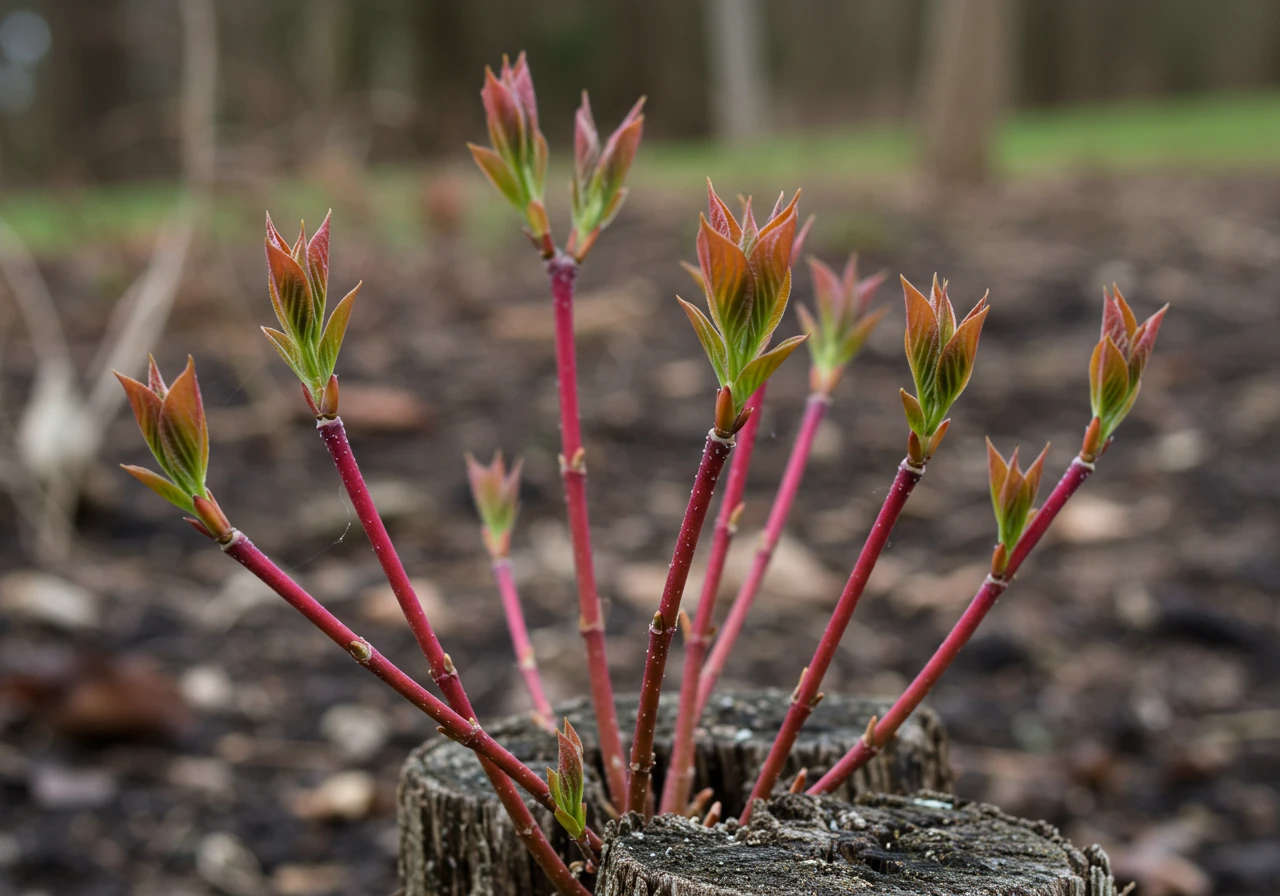
So, what in the blazing branches *is* it?
Think of it like giving certain shrubs a really, *really* short haircut. Like, buzz-cut short, right down near the base. Coppicing involves cutting specific types of shrubs or small trees down to just a few inches above ground level, typically done in late winter or very early spring before new growth starts.
Why on earth would you give a plant such a drastic trim? Because many shrubs have an amazing natural response: they send up a fantastic burst of *brand new stems*. It’s like the plant says, "Whoa, drastic change! Time to regrow with extra energy and flair!" And that new growth is often where the magic happens for gardeners.
Here’s the lowdown on why this technique is a favourite:
- Supercharged Stem Colour: This is often the star reason! For shrubs prized for their colourful winter stems – think the fiery reds of Dogwood or the electric yellows and oranges of certain Willows – the *youngest* stems pack the most vibrant punch. Coppicing forces the plant to produce *only* this intensely coloured new growth each year. So instead of the colour fading on older, duller branches, you get a spectacular show that lights up your garden, especially against Ottawa's snowy backdrop.
- More or Bigger Blooms: It's not just about stems! For some flowering shrubs, like the popular Annabelle Hydrangea (*Hydrangea arborescens*) or certain Panicle Hydrangeas (*Hydrangea paniculata*), cutting them back hard encourages vigorous new shoots that often produce larger, more impressive flower heads. Talk about flower power!
- Keeping Growth in Check: Got a shrub that’s enthusiastically trying to take over your backyard? Coppicing is a fantastic way to manage the size of naturally vigorous plants without constantly nipping and tucking. It keeps the shrub compact and renewed each year.
- Rejuvenation Station: Sometimes an older shrub can start looking a bit tired and sparse. Coppicing can act like a reset button, stimulating fresh, energetic growth right from the base, essentially giving it a new lease on life. This kind of proactive care ties into keeping your plants thriving, much like implementing a Vernon Plant Health Care Plan to combat summer stress.
Why It's Great for Ottawa Gardens Specifically:
Our growing season isn't the longest, so we want techniques that offer maximum visual reward. Coppicing delivers bright colour and potentially bigger blooms. Plus, those colourful stems provide much-needed *winter interest* – a huge bonus during those long months after the leaves fall.
Ready to Try? Some Quick Pointers:
- When to Chop: Timing matters! The ideal window is late winter to very early spring (around here, think March or early April, depending on the thaw). You want to cut *before* the buds really start to swell and leaf out. This task fits nicely into the season after you've tackled your Vernon fall cleanup and Ottawa winter prep.
- Know Your Shrubs: Coppicing isn't for every plant! It works best on multi-stemmed shrubs known to respond well. Classic candidates include:
- Dogwoods (*Cornus* species like *alba*, *sericea*, *stolonifera*)
- Willows (*Salix* species like *alba* 'Britzensis' or 'Flame')
- Elderberry (*Sambucus* - especially purple-leaved or golden varieties for foliage colour)
- Smokebush (*Cotinus coggygria* - enhances foliage colour)
- Certain Hydrangeas (*H. arborescens*, *H. paniculata* - check specific variety needs)
- Sharp Tools are Happy Tools: You’ll need clean, sharp loppers or a pruning saw for thicker stems. Ragged cuts from dull tools can stress the plant and invite disease. Keeping your equipment in top shape is key – something as simple as proper Vernon garden tool storage to prevent winter damage makes a difference. And speaking of tools, cutting low can sometimes be awkward. Remember that using Vernon fall ergonomic garden tools can help prevent back pain, a smart move for any pruning job!
- Cut Low and Clean: Aim to cut the stems back to about 10-15 cm (4-6 inches) from the ground. Try to make clean cuts just above a pair of buds if you can spot them.
- Feeling Hesitant? Taking sharp tools to your plants can feel daunting! If you're unsure about which plants to coppice, how low to go, or just prefer to leave it to the experts, remember that professional landscaping and gardening services are available to help keep your garden looking fantastic. Whether you need help in Vernon, Metcalfe, Marionville, or the city core, specific services like Metcalfe garden clean up or Marionville garden clean up are available.
So, coppicing isn't some mysterious garden secret – it's just a clever pruning strategy to unlock amazing colour, encourage great blooms, and keep certain shrubs looking their absolute best. Give it a go with the right plants, and prepare for some truly *blazing branches*!
The Coppicing All-Stars: Best Shrubs for This Technique in Your Ottawa Garden
Okay, you've mastered the *why* and *how* of coppicing, but which shrubs are the real rock stars for this technique right here in our Ottawa climate? Not every shrub enjoys such a drastic haircut, but some absolutely thrive on it, rewarding you with stunning results. Think of these as the "Coppicing All-Stars" – plants that will give you the most bang for your pruning buck!
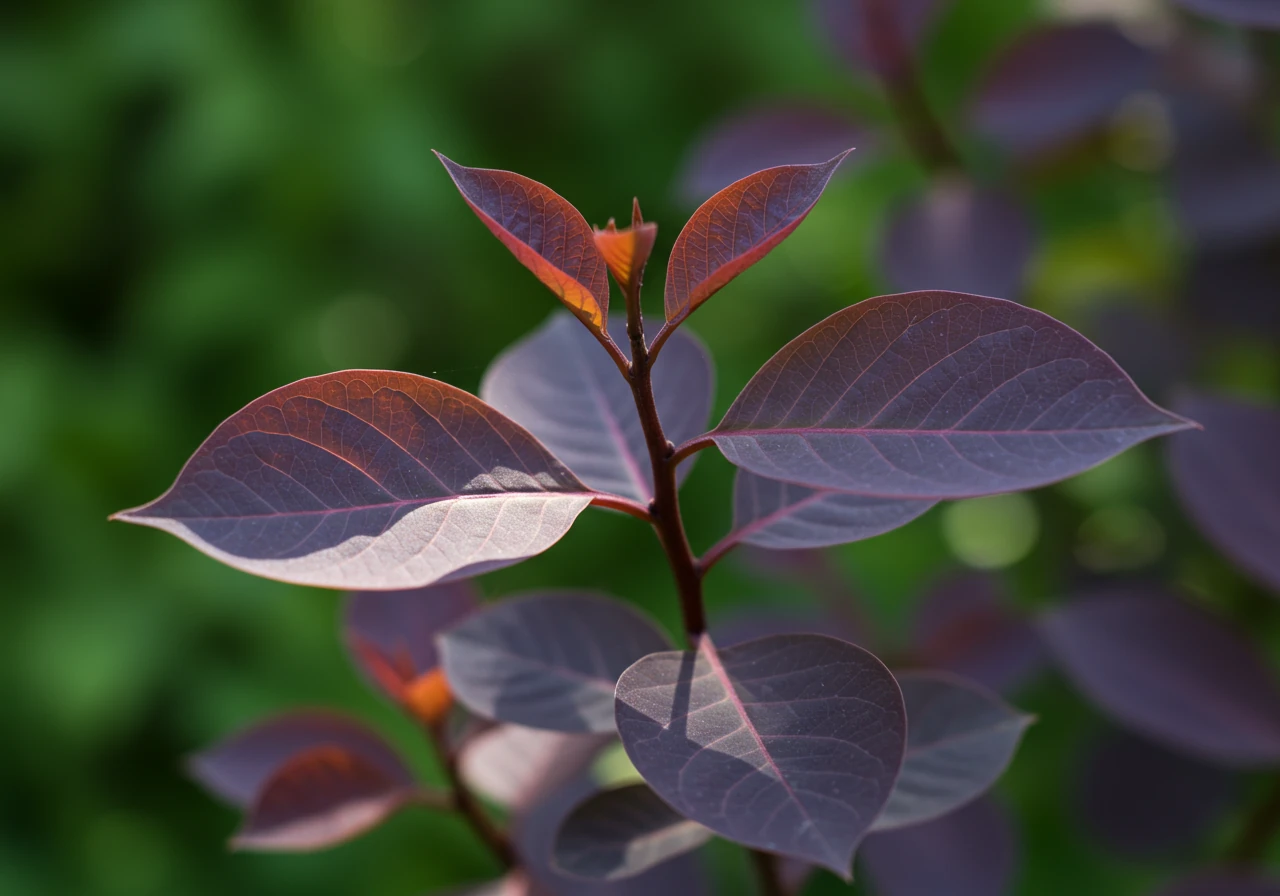
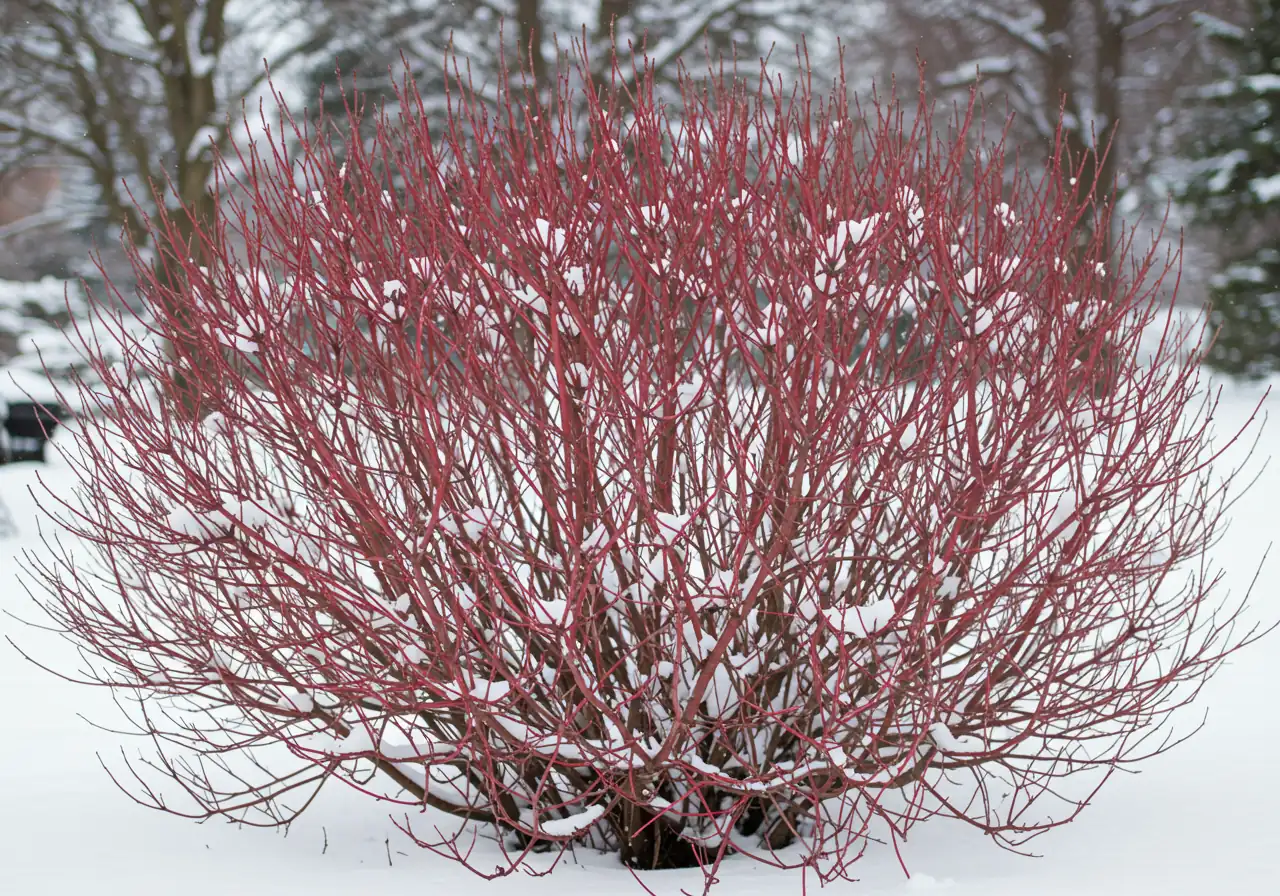
Here are some top contenders perfect for adding drama to gardens from Barrhaven to Richmond and beyond:
- Dogwoods (*Cornus* species - especially *sericea* and *alba*)
- Why Coppice? THE STEMS! Oh, those glorious stems. Red Osier Dogwood (*Cornus sericea*) and Siberian Dogwood (*Cornus alba* 'Sibirica') are famous for their brilliant red winter twigs. Other varieties offer bright yellows or even near-black stems. The *youngest* stems have the most intense colour, which fades to dull brown on older wood. Coppicing ensures a fresh flush of vibrant colour each year.
- The Look: Imagine fiery red or electric yellow branches standing out against the pure white snow in your Ottawa garden. It's breathtaking winter interest when everything else is dormant!
- Ottawa Fit: These are tough customers, perfectly hardy for our Zone 5a conditions. They tolerate a range of soils, including the clay many of us wrestle with, and don't mind moist spots. They are a fantastic, reliable choice.
- Pro Tip: For the absolute best colour, cut them back hard every year or every other year in late winter/early spring (March/early April). If you cut back only half the stems each year, you still get good colour but maintain a slightly larger shrub structure.
- Willows (*Salix* species - shrub forms)
- Why Coppice? Like dogwoods, certain shrub willows are grown for their colourful young stems. Think *Salix alba* 'Britzensis' (Coral Bark Willow) with its stunning orange-red stems, or 'Flame' which offers fiery yellow-orange tones. Coppicing keeps the colour show going strong.
- The Look: Similar to dogwoods, you get fantastic winter colour – oranges, yellows, reds – that really pops against snow or evergreen backgrounds. They tend to grow *fast*, so coppicing also helps manage their size.
- Ottawa Fit: Most shrub willows are very hardy here. They often prefer moist soil but can be quite adaptable. Just be aware they can be vigorous growers – give them space or commit to the annual coppice!
- Heads Up: Because they grow so quickly, annual coppicing is often best to keep them vibrant and contained. Again, late winter/early spring is prime time before those buds burst. Dealing with the resulting branches is part of the job – think of it as prep for needing a thorough Ottawa garden clean-up service later in the season!
- Smokebush (*Cotinus coggygria*)
- Why Coppice? This one's different – we coppice it for *foliage*, not stems! Purple-leaved varieties like 'Royal Purple' or golden ones like 'Golden Spirit' produce larger, more intensely coloured leaves on the vigorous new shoots that sprout after coppicing.
- The Look: Instead of the typical airy 'smoke' flowers (which you'll sacrifice), you get bold, dramatic foliage that makes a huge statement. The leaves on the new growth can be significantly bigger and richer in colour than on unpruned branches.
- Ottawa Fit: Generally hardy in Zone 5a, especially in a somewhat sheltered spot. They prefer well-drained soil and full sun for the best leaf colour. A stunning addition to a sunny Barrhaven border.
- Trade-off: You won't get the characteristic 'smoke' plumes (flowers) if you coppice hard every year. Some gardeners coppice every 2-3 years as a compromise, or just enjoy the super-charged foliage show. Cut back in early spring as growth begins.
- Elderberry (*Sambucus* species - coloured/cut-leaf forms)
- Why Coppice? Similar to Smokebush, certain Elderberry varieties like 'Black Lace' (deep purple, finely cut leaves) or 'Lemony Lace' (golden, feathery foliage) are coppiced to encourage the most vibrant and lush *foliage* on strong new stems. Without it, they can sometimes get a bit leggy and sparse at the base.
- The Look: You get a dense flush of beautifully coloured and textured foliage right from the ground up. It creates a much fuller, more impactful shrub.
- Ottawa Fit: Varieties like *Sambucus nigra* 'Black Lace' and *Sambucus racemosa* 'Lemony Lace' are reliably hardy here. They are quite adaptable but do best with decent moisture and sun or part shade (gold varieties need sun for best colour).
- Keep in Mind: Like Smokebush, hard coppicing can reduce or eliminate flowering and subsequent berry production (sorry, birds and jam-makers!). If berries are a goal, prune less drastically or selectively remove older canes. Prune back hard in early spring. The cleanup after pruning vigorous growers like Elderberry might feel like a job for a comprehensive Vernon yard cleanup service, but on a smaller scale in your own yard! This contrasts with more general cleanups like a city yard cleanup service.
- Smooth Hydrangeas (*Hydrangea arborescens*)
- Why Coppice? While maybe not *technically* coppicing in the traditional forestry sense, cutting Smooth Hydrangeas like the popular 'Annabelle' or 'Incrediball' right back to 15-30 cm (6-12 inches) in early spring is standard practice and achieves a similar result: promoting vigorous new stems that flower reliably.
- The Look: These hydrangeas bloom on *new wood*, meaning the growth that emerges in spring. Cutting them back hard encourages strong, sturdy stems topped with those huge, impressive white (or sometimes pink, like 'Invincibelle Spirit') flower heads. Without this hard prune, stems can be weaker and flowers smaller. Consider mulching and edging around these hydrangeas for a clean look.
- Ottawa Fit: Very hardy and reliable bloomers in our region. They prefer moist, well-drained soil and can take sun or part shade. They are a classic choice for many gardens.
- Timing is Key: Unlike the others done in *late* winter/very early spring, you can prune these a bit later in spring, just as the new buds start showing low on the stems. Just make sure it's done before major leaf-out. Getting this timing right is part of good seasonal prep, much like scheduling your Metcalfe yard cleanup service for spring readiness.
Feeling Overwhelmed or Need a Hand?
Choosing the right shrubs and knowing exactly how and when to prune can feel like a lot! If you're unsure about tackling coppicing yourself, or just want your garden landscape looking its best without the guesswork, consider reaching out for professional landscaping services.
Get Professional Help With PruningRequest a Free Quote
Ready, Set, Snip! Your Step-by-Step Coppicing Guide
Okay, deep breaths! You’ve learned *what* coppicing is and *which* shrubs wear it best. Now it's time for the main event: actually doing it! Don't worry, it's simpler than parallel parking downtown. Grab your gloves, channel your inner garden artist, and let's get snipping with this step-by-step guide.
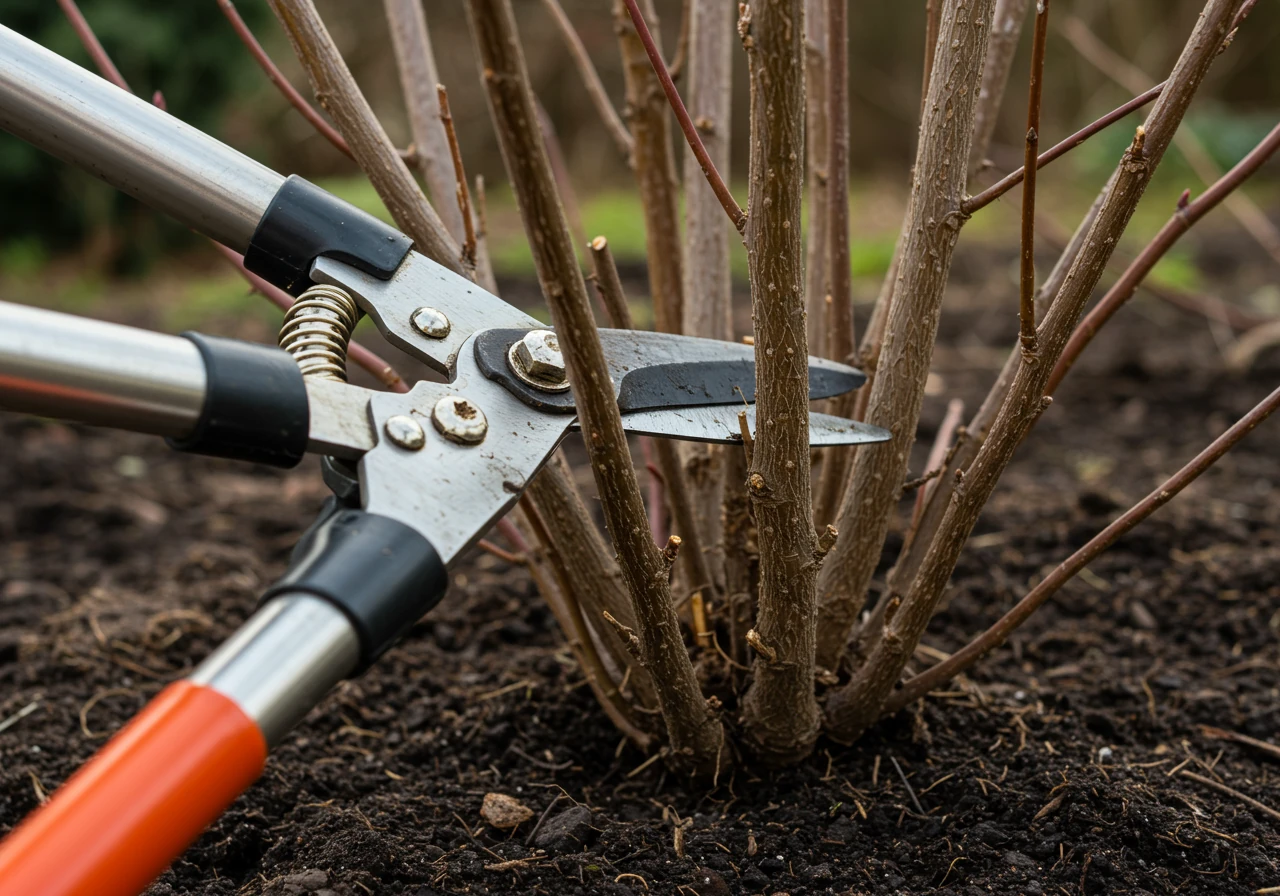
Step 1: Timing is Everything (Especially in Ottawa!)
This is crucial! The sweet spot for coppicing most shrubs in the Ottawa region is *late winter or very early spring*. Think March or early April, *before* you see significant bud swelling or leaf emergence, but *after* the absolute worst of the winter cold has passed. You want the plant to be dormant but ready to leap into action when spring truly arrives. Cutting too early can expose fresh cuts to harsh frost damage, while cutting too late means the plant has already wasted energy on growth you're about to remove.
Step 2: Gather Your Gear
You don't need a complex toolkit, but having the *right* tools makes the job easier and safer for both you and the plant:
- Sharp Loppers: Your best friend for stems up to about thumb thickness. Make sure they are *sharp*! Dull blades crush stems, inviting disease.
- Pruning Saw: For thicker stems that loppers can't handle cleanly. A small, foldable saw is often perfect.
- Hand Pruners (Secateurs): Good for tidying up any smaller twigs the loppers missed.
- Gloves: Protect your hands from scratches and blisters.
- Safety Glasses: Always a good idea when cutting woody material – branches can whip back!
- (Optional) Tarp: Makes cleanup much easier if you can lay one down to catch the cuttings.
Pro Tip: Clean your tools before and after use (rubbing alcohol works well) to prevent spreading any potential plant diseases. Sharp, clean tools are essential for healthy gardening practices.
Step 3: The Big Chop - Making the Cut
Okay, here we go! Take a good look at your shrub. The goal is to cut *all* (or most) of the stems right back close to the ground.
- How Low Can You Go? Aim to cut stems back to about 10-15 cm (4-6 inches) from the ground level. Look for buds low on the stems if you can spot them, and try to cut cleanly just above an outward-facing bud or pair of buds. Don't sweat it too much if you can't see buds clearly; the plant knows what to do!
- Clean Cuts: Make your cuts as clean as possible. Angling the cut slightly can help water run off. Avoid leaving ragged tears or stubs.
- All or Nothing? For the most dramatic colour effect (like with dogwoods or willows) or the biggest leaves (smokebush), cut *all* the stems back to the target height. If you want to maintain a slightly larger shrub or are feeling hesitant, you *can* cut back only half or a third of the oldest stems each year. This provides renewal but less intense results.
Step 4: Tidy Up Time!
Now you'll have a pile of branches. Don't just leave them there!
- Gather the Goods: Collect all the cut stems. If you used a tarp, this is super easy!
- Eco-Friendly Disposal: What to do with the cuttings? Don't just turf them in the waste bin!
- Chip 'Em: If you have a chipper (or access to one), chipped branches make fantastic mulch for your garden beds.
- Compost (Smaller Bits): Smaller, greener twigs can be added to your compost pile (chop them up a bit first). Avoid composting diseased wood.
- Crafty Corner: Those colourful dogwood and willow stems? They look amazing in winter containers or wreaths! Get creative!
- Bundling: Check Ottawa's green bin program guidelines for bundling branches for curbside pickup. See the City of Ottawa Green Bin page for details.
Cleaning up these branches might seem like a mini version of needing a full Metcalfe spring yard cleanup service, but handling it promptly keeps your garden looking neat. If you're coppicing several large shrubs, the pile of branches might rival what our crews handle during a thorough Marionville yard cleanup service – chipping is definitely your friend then! Sometimes, a complete Ottawa property cleanup service is the easiest way to handle large amounts of yard waste.
Step 5: Aftercare - A Little TLC
Your newly buzzed shrub will appreciate a little pampering as it prepares for its growth spurt:
- Water Wisely: If spring is unusually dry after you prune, give the plant a good watering to help it get established.
- Feed the Beast (Gently): Once you see new growth starting, applying a layer of compost around the base of the shrub is beneficial. This acts as a slow-release fertilizer and improves the soil structure. Good soil preparation helps plants thrive.
- Mulch is Magic: A layer of organic mulch (like shredded bark or those chipped branches!) around the base helps conserve moisture, suppress weeds, and keep soil temperatures even. Just don't pile it right up against the new stems. Consider our mulching services for a professional finish.
- Soil Smarts (Osgoode/Nepean Style): In areas like Osgoode, known for heavier clay soil, adding compost helps improve drainage. In parts of Nepean with sandier soil, compost and mulch are key for retaining moisture. Tailoring aftercare to your specific soil type is part of smart *landscaping*. Good aftercare is key, forming part of regular seasonal garden maintenance tasks to keep your plants happy. Even seemingly simple tasks like lawn mowing benefit from tailored approaches, explore our lawn care options.
Step 6: Sit Back and Admire (Soon!)
Don't panic if your plant looks like a bunch of sad sticks immediately after pruning! Trust the process. Within a few weeks, as the weather warms, you should see vigorous new shoots emerging from the base. These new stems will carry that vibrant colour or produce those lush leaves you're aiming for, becoming a highlight later in the season.
And that's it! You've successfully coppiced. High five! Give your shrubs this drastic haircut, provide a little follow-up care, and they'll reward you beautifully.
If you tackled this yourself based on our guide, fantastic! We truly hope this guide helps, and a sincere thank you for reading! We appreciate hearing about your gardening successes, just like we value the input you might provide on our service estimate feedback form if you ever use our professional services. Happy snipping!
Coppice vs. Prune: Clearing Up the Cutting Confusion
Okay, let's talk cutting! You've heard about coppicing, but then there's pruning this, and pruning that... is your head spinning yet? It's totally normal! "Pruning" is a big umbrella term in gardening, and different techniques achieve very different things. Think of it like using knives in the kitchen – you wouldn't use a butter knife to chop onions, right? Same idea here. Let's clear up the cutting confusion between coppicing, rejuvenation pruning, and regular maintenance pruning.
Knowing *why* you're cutting is just as important as knowing *how*. Getting it right means healthier, happier plants and a better-looking landscape in your Ottawa oasis. Getting it wrong... well, let's just say plants can be surprisingly forgiving, but sometimes mistakes lead to fewer flowers or weird shapes!
Here’s the lowdown on the main types of "pruning" you might hear about:
1. Coppicing: The Colour Crusader
- What it is: As we've discussed, coppicing is cutting specific shrubs right down to near ground level (usually 10-15 cm / 4-6 inches).
- The Goal: Primarily done to get the *most vibrant stem colour* (like dogwoods, willows) or *larger, more colourful foliage* (smokebush, certain elderberries) on the brand-new growth. It can also encourage bigger blooms on *some* shrubs that flower on new wood (like *Hydrangea arborescens* 'Annabelle').
- Severity: Drastic! You're removing almost all the top growth.
- Timing (Ottawa): Late winter / very early spring (March/early April) *before* buds break.
- Think: Maximum colour impact, keeping vigorous shrubs compact, resetting growth annually or biennially.
2. Rejuvenation Pruning: The Fountain of Youth Treatment
- What it is: This is also a hard prune, but the goal is different. It’s used to revive old, overgrown, tired shrubs that have become woody, sparse at the base, and maybe aren't flowering well anymore. Think of that ancient lilac in your Manotick backyard that’s mostly thick, old trunks.
- The Goal: To stimulate *new growth from the base*, essentially renewing the entire shrub over time. It brings old plants back to life.
- Severity: Can be drastic! Two common methods:
- Gradual: Remove about one-third of the oldest, thickest stems right down to the ground each year for three years. This is less shocking to the plant (and the gardener!).
- Hard Reset: Cut the *entire* shrub down to 15-30 cm (6-12 inches) from the ground. This is faster but can delay flowering for a year or two, and not all shrubs tolerate it well. (Lilacs and Forsythia often do).
- Timing (Ottawa): Usually done in late winter / early spring while the shrub is dormant. This gives it the whole growing season to recover.
- Think: Bringing an old, leggy shrub back from the brink. It’s a rescue mission, not usually an annual task. Dealing with the massive amount of branches removed during rejuvenation might require more than your green bin can handle; sometimes a full professional property clean up is the easiest solution. Healthy regrowth after such a hard cut also depends heavily on good foundations, underscoring the importance of proper soil preparation around the plant.
3. Maintenance Pruning: The Regular Health Check & Shape-Up
- What it is: This is the "everyday" type of pruning most shrubs and trees benefit from periodically. It involves selective cutting, not usually a hard chop-back.
- The Goal: Several goals fall under this umbrella:
- Removing the 3 D's: Dead, Diseased, or Damaged wood (essential for plant health!).
- Shaping: Maintaining a desired form or size (like trimming a hedge in Nepean).
- Improving Air Circulation: Removing crossing or rubbing branches.
- Encouraging Flowers/Fruit: Removing spent flowers (deadheading) or specific pruning to promote next year's buds (depends heavily on the plant).
- Severity: Light to moderate. You're typically removing individual branches or stem tips, not the whole top.
- Timing (Ottawa): This VARIES WIDELY depending on the plant and the specific goal!
- General Cleanup (Dead/Diseased): Any time you spot it.
- Spring-Flowering Shrubs (like Forsythia, Lilac): Prune *after* they finish flowering, so you don't cut off this year's buds.
- Summer-Flowering Shrubs (like Potentilla, Spirea): Often pruned in late winter/early spring before new growth starts.
- Hedges: Trimmed periodically during the growing season.
- Roses: Specific timing depending on the type.
- Trees: Often best pruned in late winter during dormancy (but consult an arborist for large trees!).
- Think: Regular check-ups, tidying up, keeping plants healthy and looking good. This is the most common type of pruning needed in *landscaping*. It's less about dramatic resets and more about ongoing care. The small debris from this type of pruning is usually easy to manage, perhaps as part of a regular Ottawa yard cleanup service. This kind of maintenance is key before considering bigger projects like sod installation.
Quick Comparison Cheat Sheet:
| Feature | Coppicing | Rejuvenation Pruning | Maintenance Pruning |
|---|---|---|---|
| Main Goal | Maximize stem/leaf colour, vigour | Revive old, overgrown shrubs | Health, shape, flowering, tidiness |
| Severity | Drastic (cut near ground) | Drastic (cut near ground or 1/3 oldest stems) | Light to Moderate (selective cuts) |
| Timing | Late Winter / Early Spring | Late Winter / Early Spring | Varies Greatly by Plant & Goal |
| Frequency | Annually or Biennially | Once, or over 3 years for old shrubs | Annually or as needed |
| Example Plants | Dogwood, Willow, Smokebush | Old Lilac, Forsythia, overgrown Spirea | Most shrubs/trees, hedges, roses |
The Takeaway?
Don't grab the loppers without knowing your mission! Coppicing is for specific plants to get specific colour results. Rejuvenation is a major reset for old-timers. Maintenance pruning is the regular care most plants need. Choosing the right cut at the right time keeps your Ottawa garden thriving and looking sharp. It's all part of creating a beautiful outdoor space, whether you're doing a complete new garden install or just caring for what you have.
Whew! Hopefully, that clears things up. Understanding these differences is a big step towards confident gardening. And hey, thank you for reading and taking the time to learn more about caring for your green space!
Key Insights: Coppicing Quick Tips
Alright, feeling ready to give coppicing a whirl but want the super-quick highlights? Think of this as your cheat sheet! Here are the absolute key things to remember for bringing that vibrant colour boost to your Ottawa garden:
- The Gist: Coppicing means cutting specific shrubs *way* back (think 4-6 inches from the ground) in late winter/early spring. It’s like a buzz cut for bushes!
- Why Do It? Simple: *Amazing Results!* You get intensely coloured new stems (like fiery dogwoods or willows that glow against the snow) or bigger, bolder leaves (think purple Smokebush). It’s a fantastic *gardening* trick for maximum wow factor.
- Ottawa Timing is Key: Don't snooze on this! The best time around here is *late winter or very early spring* (usually March into early April). You want to cut *before* the buds really get going but *after* winter’s worst bite. Getting this timing right is essential, just like scheduling your seasonal Metcalfe garden clean up service for optimal results.
- Know Your Candidates: This technique isn't for every shrub! The all-stars include colourful Dogwoods (*Cornus*), shrub Willows (*Salix*), Smokebush (*Cotinus*), certain Elderberries (*Sambucus*), and Smooth Hydrangeas (*Hydrangea arborescens* like 'Annabelle'). Double-check if your specific plant likes this treatment. Consult resources like the Ottawa Horticultural Society for plant advice.
- Sharp Tools Rule: Use clean, *sharp* loppers or a pruning saw. Dull tools make ragged cuts that can harm your plant. Treat your tools well!
- Cut Low & Clean: Aim for that 4-6 inch height above the ground. Make the cuts clean and slightly angled if you can. Don’t be shy!
- Branch Management: You'll have a pile of sticks! Chip them for mulch (best!), compost smaller bits, or bundle according to city guidelines. If you've coppiced a *lot* of large shrubs, the cleanup might feel overwhelming; sometimes calling for a professional property clean up is the simplest solution for large volumes of debris, whether in Marionville (Marionville cleanup), Metcalfe (Metcalfe cleanup) or the city (City cleanup).
- A Little TLC: After the chop, add some compost around the base and maybe some mulch (but not touching the stems). Water if spring is super dry. This helps fuel that vigorous regrowth.
- Coppicing vs. Others: Remember, this isn't your everyday trim! It's different from light maintenance pruning (shaping, removing dead bits) or rejuvenation pruning (saving really old, woody shrubs). Coppicing is all about forcing that fresh, vibrant growth.
- When in Doubt, Shout! (For Help): Feeling nervous about taking loppers to your beloved plants? Or maybe your *landscaping* to-do list is already sky-high? Professional help is available! Companies offering services like an Ottawa property cleanup service often have knowledgeable crews who can handle coppicing correctly. If you're contacting companies for quotes or information, it's always wise to understand how they handle your details; reputable businesses will have a clear Privacy Policy outlining their practices. For broader tidying needs beyond just the coppiced shrubs, look into a general city yard cleanup service to get your whole space looking sharp. Always check their terms and conditions.
There you have it! The quick and dirty on coppicing. Give it a try on the right plants, and get ready for some serious colour!
Coppicing Calendar & Long-Term View for Ottawa Gardens
So, you've taken the plunge (or are thinking about it!) and given some shrubs the big chop. Awesome! But what happens next? Does the plant just magically reappear? Pretty much! Let's walk through the typical year-in-the-life of a coppiced shrub here in Ottawa and chat about the long game.
A Year in the Life: The Coppiced Shrub Cycle (Ottawa Edition)
Imagine you've just coppiced your colourful dogwood in late March. Here's the general timeline in our timeline view:
Late Winter / Early Spring (Mar-Apr)
The Cut & The Wait. Prime coppicing time! Cut back to 4-6 inch stubs. Looks bare initially - be patient! Cleanup might require help if dealing with many shrubs, similar to needing an Ottawa property cleanup service.
Mid-to-Late Spring (May-Jun)
The Explosion! As soil warms, new shoots burst forth, growing rapidly. Stems show intense colour; foliage unfurls bright and large. A real comeback!
Summer (Jul-Aug)
Filling Out. Growth continues, shrub becomes dense and bushy. Foliage is the main feature, though stem colour persists underneath.
Fall (Sep-Oct)
Leaf Drop & Reveal. Leaves colour up and fall, revealing the vibrant stems again, ready for winter display. This is part of regular city garden clean up timing.
Winter (Nov-Feb)
The Colour Show. Payoff time! Bright stems shine against the Ottawa snow, providing crucial winter interest. The plant is dormant, resting.
How Often Should You Coppice? Frequency Matters!
This isn't necessarily a task for *every single year* for *every single plant*. Your goals and the specific shrub type dictate the frequency:
- Annual Chop (Every Year): This gives you the *absolute most vibrant colour* on stems (Dogwoods, Willows) or the *largest, most intensely coloured leaves* (Smokebush, coloured Elderberries). It also keeps the shrub at its most compact size. This is the most common approach for maximizing the key benefit of coppicing.
- Biennial Chop (Every Other Year): A good compromise. You still get good colour/foliage, but the shrub gets slightly larger and woodier. Some people find this less work. You could also cut back *half* the stems one year and the other half the next, maintaining more structure while still encouraging new growth.
- Less Frequent (Every 3-4 Years): Sometimes done for shrubs like Smokebush if you want *some* flowers (since hard coppicing removes flower buds) or if you just want to periodically reinvigorate the plant without the intense annual colour focus.
Rule of Thumb: For maximum stem colour on Dogwoods/Willows, aim for annual coppicing. For foliage colour on Smokebush/Elderberry, annual often gives the best results but biennial works too. For Smooth Hydrangeas ('Annabelle'), the annual cutback encourages the best blooms.
Long-Term Health: Is This Okay for the Plant?
It sounds harsh, cutting a plant back so drastically! But for the *right kinds* of shrubs, coppicing is actually a traditional and sustainable practice. Think of it this way: these specific shrubs are naturally adapted to regrow vigorously from the base after being damaged or browsed. Coppicing mimics this.
- Benefits: It keeps the plant perpetually youthful and vigorous *at the base*, preventing it from becoming a tangled mess of old, unproductive wood. It encourages strong, healthy new growth.
- Important Note: This only applies to shrubs suited for coppicing! Trying this on something like a cedar or a lilac expecting flowers will likely just stress or kill the plant, or at least remove its desirable features. Know your plant! Get expert advice from resources like the Master Gardeners of Ottawa-Carleton.
- Sustainability: Because you're working *with* the plant's natural growth habit, it's a very sustainable way to maintain vibrant colour and manage size long-term without needing constant replacements. It’s all about choosing the right plant for the right technique. This careful approach aligns with smart material selection in landscaping – picking plants and techniques that will thrive.
Integrating Coppiced Shrubs into Your Ottawa Garden Design
These plants are fantastic tools for *landscaping* design, especially in our climate:
- Winter Wow: Plant colourful Dogwoods or Willows in groups or as an informal hedge where their stems will shine against snow. Imagine a drift of fiery red stems brightening up a Kars winter garden – stunning!
- Foliage Focus: Use purple Smokebush or golden Elderberry as dramatic focal points or contrasting elements in mixed borders. Their intense colour provides season-long interest, looking great in gardens from Metcalfe to Winchester.
- Mass Plantings: A group of coppiced shrubs creates a bold block of colour or texture. Think a wave of 'Annabelle' Hydrangeas or a patch of Red Osier Dogwood.
- Background Brilliance: Plant them behind shorter perennials or grasses where their colourful stems or leaves provide a backdrop.
- Managing Vigour: They can be great for filling areas relatively quickly, but remember that vigorous regrowth needs management. If a coppiced willow gets away on you, the cleanup can be substantial, potentially needing help like a dedicated Marionville property cleanup service if you're in that area, or similar services elsewhere like Metcalfe property cleanup or City property cleanup.
Coppicing truly offers amazing visual rewards. You can see some fantastic garden makeovers featuring techniques like this in our project gallery showcasing garden transformations.
Understanding this cycle and the long-term view helps you use coppicing effectively. It's a powerful technique in the Ottawa *gardening* toolkit! If you're ever unsure about integrating these techniques or need help managing your landscape, learning more about us and our approach might give you some ideas or confidence to reach out for advice. Happy gardening!
FAQs: Your Coppicing Questions Answered for the Capital Region
Got questions about giving your shrubs the big chop? You're not alone! Coppicing might sound fancy, but it’s a super useful gardening trick for Ottawa landscapes. Let's tackle some common head-scratchers.
That's a totally valid concern – Ottawa weather loves to keep us on our toes! The good news is that the types of shrubs typically recommended for coppicing (like Dogwoods and Willows) are chosen *because* they are tough and hardy for our climate. Coppicing is ideally done in late winter/very early spring (think March/early April) while the plant is still mostly dormant. Even if a late frost nips the very tips of the *emerging* new growth, the plant's energy reserves are in the roots and crown (the base you left behind). It has plenty of oomph to push out more growth once the weather settles. While extremely harsh, prolonged freezes *after* significant growth has started could cause some dieback on the new shoots, it's very unlikely to kill a healthy, established shrub suited for coppicing. Timing it just before major bud break minimizes the risk. It's part of the rhythm of spring tasks, similar to planning your general spring city garden clean up service – timing matters!
Ah, clay soil – a classic challenge in parts of our region! While heavy clay can be slower to warm up in spring and can sometimes stay overly wet, most coppicing all-stars like Dogwoods and many Willows are surprisingly tolerant of various soil types, including clay. The key is ensuring the spot doesn't stay *waterlogged* constantly. The vigorous root systems of these plants usually handle regrowth just fine. However, giving them a little boost is always helpful! After coppicing, amend the soil around the base by top-dressing with a generous layer of compost. This gradually improves soil structure, aeration, and drainage over time, making it easier for those new roots and shoots to thrive. Good soil is the foundation of all successful *landscaping*. For help improving your soil, consider our soil preparation services.
Great question, and a common scenario in established neighbourhoods! Yes, you likely *can* coppice an older Dogwood, but manage your expectations for the first year. If it's very old and woody, the regrowth might be a bit less vigorous initially compared to a younger plant that's been coppiced regularly. You have two main options: 1) Coppice the whole thing back hard (to 4-6 inches). This will force all new growth, which should be colourful, but the overall size will be drastically reduced. 2) Do a 'gradual rejuvenation' – remove about one-third of the oldest, thickest stems right to the ground this year, another third next year, and the final third the year after. This renews the shrub more slowly but maintains some size and structure. Either way, you *should* see colourful new stems emerge. If you're feeling unsure about tackling a big old shrub, getting advice from experienced pros like those you can learn about us and our experience is a good step. They can assess the plant's health and recommend the best approach.
Ha! Yes, those vigorous growers can produce quite the pile! Tossing them in the landfill isn't the best option. Here are some greener choices:
- Chip 'Em: If you have access to a wood chipper (renting one might be worthwhile for a big job), chipped branches make fantastic mulch for your garden beds. It's recycling gold!
- Compost (Small Stuff): Thin, green twigs can be cut into smaller pieces and added to your backyard composter. Avoid adding thick, woody stems unless chipped, as they take ages to break down.
- Craft & Decor: Those colourful Dogwood and Willow stems are great for winter container arrangements, wreaths, or other garden crafts. Get creative!
- City Green Bin: Check the City of Ottawa's collection guidelines. Branches usually need to be bundled to a specific size and diameter. There might also be limits on the number of bundles per pickup.
Dealing with a huge pile of branches can be daunting, almost like needing a full Marionville garden clean up service if you have many large shrubs! If it's overwhelming, professional property clean up services can handle the removal and responsible disposal for you.
You're right, they'll be working hard! But hold off on the heavy chemical fertilizers. Coppicing is a bit of a shock (a beneficial one!), and pushing too much fast-release nitrogen right away isn't always best. The *best* thing you can do is apply a layer of good quality compost around the base of the shrub after cutting. Compost provides a slow, steady release of nutrients, improves the soil structure, helps retain moisture, and encourages healthy microbial activity – all things that support strong regrowth without overwhelming the plant. Think of it as giving them a healthy meal rather than a sugary energy drink! A layer of organic mulch (like shredded bark or those chipped branches) over the compost helps even more. While you're focused on the coppiced shrubs, remember other parts of your yard need attention too, like getting ready for spring expert lawn care services – it's all part of holistic garden care.
Conclusion: Unleash the Colour in Your Vernon Garden!
So there you have it! Coppicing isn't some mystical garden secret, just a brilliant gardening technique perfect for adding serious pizzazz to your Vernon landscape. Imagine those fiery red Dogwood stems against the snow, or super-lush purple Smokebush leaves making your *garden beds* pop – all thanks to a strategic snip! This *pruning* method is fantastic for maximizing colour, especially that much-needed winter interest here in the Ottawa area, and helps keep vigorous *shrubs* looking tidy and refreshed.
Feeling ready to grab your loppers? Awesome! Give it a try on the right plants – it’s probably less daunting than assembling that bookshelf you bought last year. Remember those sharp, clean cuts in late winter or early spring.
However, if the thought of giving your beloved plants such a drastic haircut makes you nervous, or if your landscaping to-do list is already overflowing, don't sweat it! Professional help is just a call or click away. Whether you're in Vernon, Russell, Embrun, Winchester, or anywhere nearby including Metcalfe or Marionville, expert teams can handle the *pruning* perfectly for you. Check out reviews or find local providers easily on platforms like Google Maps.
Ready to unleash the colour?
- Go DIY: Pick the right shrub and give coppicing a go!
- Get Expert Help: Contact us for professional pruning and landscaping services.
- Share Your Story: We'd love to hear about your coppicing adventures! Feel free to leave feedback.
Let’s get those gardens looking stunningly colourful this year. Happy gardening!