
Vernon Deadheading: Boost Plant Vigor Beyond Just Blooms
Quick Summary: Why Deadhead Your Vernon & Ottawa Garden?
- What it is: Removing faded or dead flower heads from plants.
- More Blooms: Encourages many plants (especially annuals) to produce more flowers.
- Plant Vigor: Redirects energy from seed production to stronger roots, leaves, and overall health.
- Tidiness: Keeps gardens looking neat and prevents a messy appearance.
- Disease Prevention: Improves air circulation and removes potential sites for fungi and pests.
- Control Spread: Stops unwanted self-seeding for certain plants.
Introduction: Why Vernon Gardeners (and all of Ottawa!) Should Talk About Deadheading
Okay, fellow garden enthusiasts in Vernon and across Ottawa! Ever feel like your beautiful blooms put on a spectacular show, then *poof* – they fade away faster than ice cream on a hot July day? You're certainly not alone! Whether you're carefully tending flower beds in Vernon, designing gorgeous landscapes in Manotick, or simply trying to boost curb appeal in Greely, keeping those vibrant colours going strong can feel like a real quest in our unique growing season.
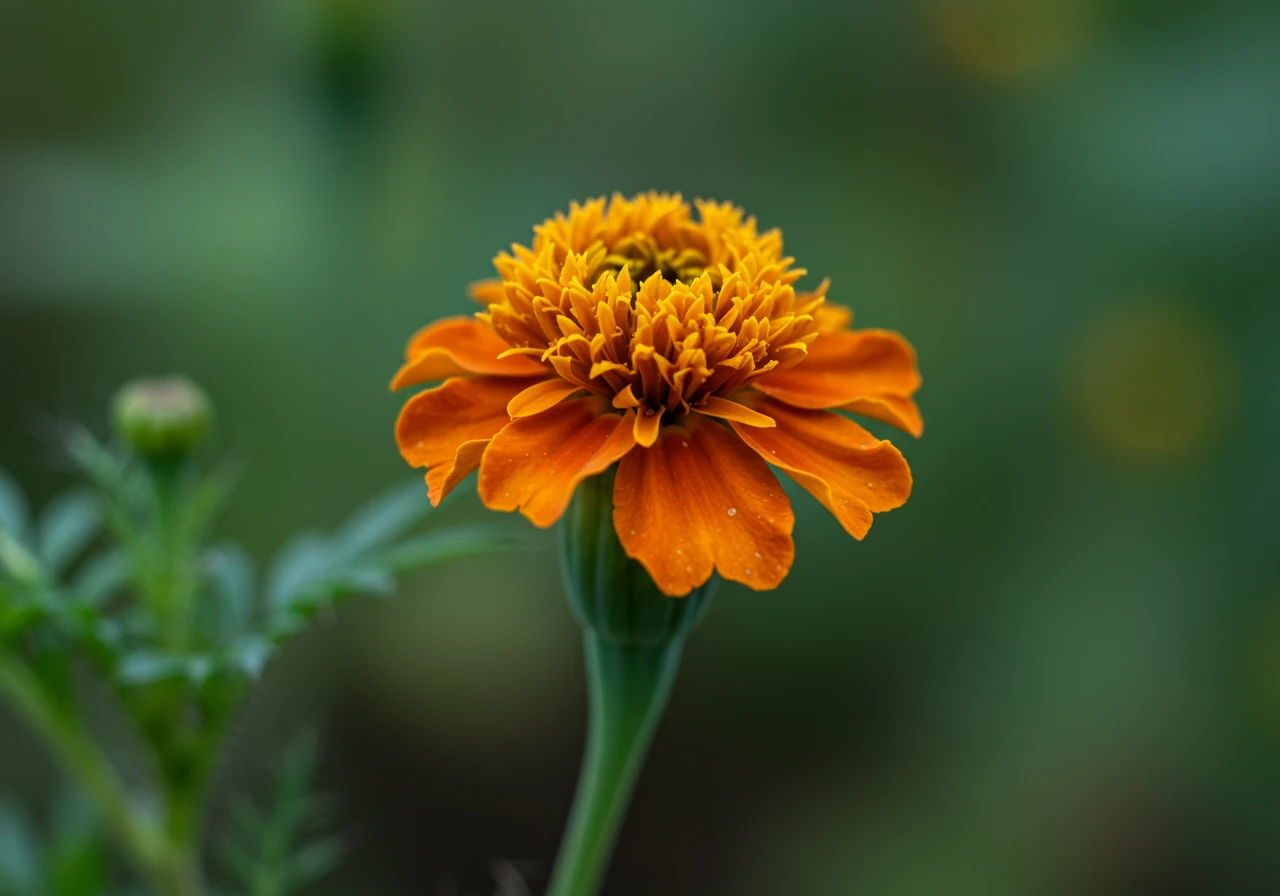
This is where a simple, yet super effective, gardening technique comes into play: deadheading!
So, what exactly *is* deadheading? Don't worry, it sounds more dramatic than it is. In simple terms, deadheading is just the practice of removing the old, faded, or dead flower heads from your plants. Think of it as giving your favourite perennials and annuals a little haircut once their initial blossoms start to look tired. Snip, snip!
Now, you might think, "Isn't that just for making things look tidier?" While neatness is definitely a perk, deadheading offers so much more! It's a key strategy for encouraging many plants to produce *more blooms*. But beyond the bonus flowers, it also helps redirect the plant's energy. Instead of putting effort into making seeds (which is what happens after a flower fades), the plant can focus on stronger roots, healthier leaves, and overall vigour. For some plants, it even prevents them from self-seeding everywhere if you don't want volunteers popping up next year.
Basically, taking a few minutes to deadhead is a small investment with big rewards for your garden's health and beauty right through the Ottawa gardening season. Let's explore how this easy task can make a real difference! Find out more about professional gardening approaches on our Services page.
Decoding Deadheading: The Science Behind the Snip
Alright, let's put on our imaginary lab coats for a second – don't worry, no pop quizzes! Why exactly does snipping off those spent flowers work so well? It's less garden folklore and more clever plant biology.
Think about it from the plant's perspective. Its ultimate mission, once established in your lovely Osgoode garden bed or Nepean planter box, is to make more plants. Flowers are basically the flashy advertisements to attract pollinators (bees, butterflies, etc.). Once pollination happens and the flower starts to fade, the plant thinks, "Mission accomplished! Time to make seeds!" All its energy shifts from producing beautiful blooms to developing viable seeds within that dying flower head.
This seed production takes a *massive* amount of energy. When you step in and deadhead – *snip!* – you effectively interrupt this energy-draining process. You're gently telling the plant, "Hold on, party's not over yet! No need to focus on seeds right now." This frees up the plant's resources. Instead of pouring energy into seed pods, the plant can redirect that power back into:
- More Flowers: Many plants, especially annuals and some perennials, will respond by pushing out new buds to try reproducing again. Result? More blooms for you!
- Stronger Roots: Redirected energy helps develop a more robust root system, crucial for anchoring the plant and finding water and nutrients. This is super helpful whether you have sandy loam or heavier clay, common across the Ottawa area. Understanding your specific conditions, perhaps by using a Soil Probe for Wet/Dry Garden Mapping, helps you appreciate how vital strong roots are.
- Healthier Growth: Energy can also go into producing more leaves and stronger stems, leading to a fuller, healthier-looking plant overall. This contributes to the success seen in our garden transformations.
Plant hormones also play a key role. Often, the dominant flower head produces hormones that suppress the growth of buds lower down the stem. Removing the spent flower changes the hormonal balance, signalling the plant to wake up those dormant side buds and get them growing.
This energy redirection is particularly beneficial in our Ottawa climate with its distinct growing season. We want to encourage as much flowering and healthy growth as possible during the warmer months. Deadheading is a simple way to boost plant performance and resilience, making it a key part of any good Summer Plant Health Care Plan to Reduce Stress. Stronger plants are better equipped to handle heat waves or unexpected dry spells.
Remember, consistent deadheading throughout the summer keeps your plants focusing on the show (flowers!) rather than the aftermath (seeds). It’s an ongoing task that contributes to a tidy garden, much like the services offered by a Vernon Yard Cleanup Service, but it’s quite distinct from the major tidying involved in Ottawa Winter Prep and Fall Cleanup Guides. Making these regular snips is easier on the plant and easier on you – especially if you use the right Ergonomic Garden Tools to Avoid Back Pain. And if managing your garden ever feels overwhelming, professional Landscaping and Gardening Services are always an option to help keep your outdoor space thriving. Check out our Google Reviews to see what clients say!
1. Pinching: The Gentle Touch
What it is: Using your thumb and forefinger to simply pinch or snap off the faded flower head and its stem.
Best for: Plants with soft, fleshy stems that break easily. Think annuals and some tender perennials.
How-to: Gently grasp the stem just below the spent flower head. Pinch it cleanly between your fingernails. Try to snap it off right above the next set of leaves or a developing bud.
Ottawa Favourites: Petunias, Coleus (pinch off flower spikes to encourage foliage), Impatiens, Basil (pinch flowers to boost leaf production). It’s quick, easy, and requires no tools – perfect for a casual stroll through the garden beds during routine essential garden maintenance.
2. Snipping: Precision Pruning
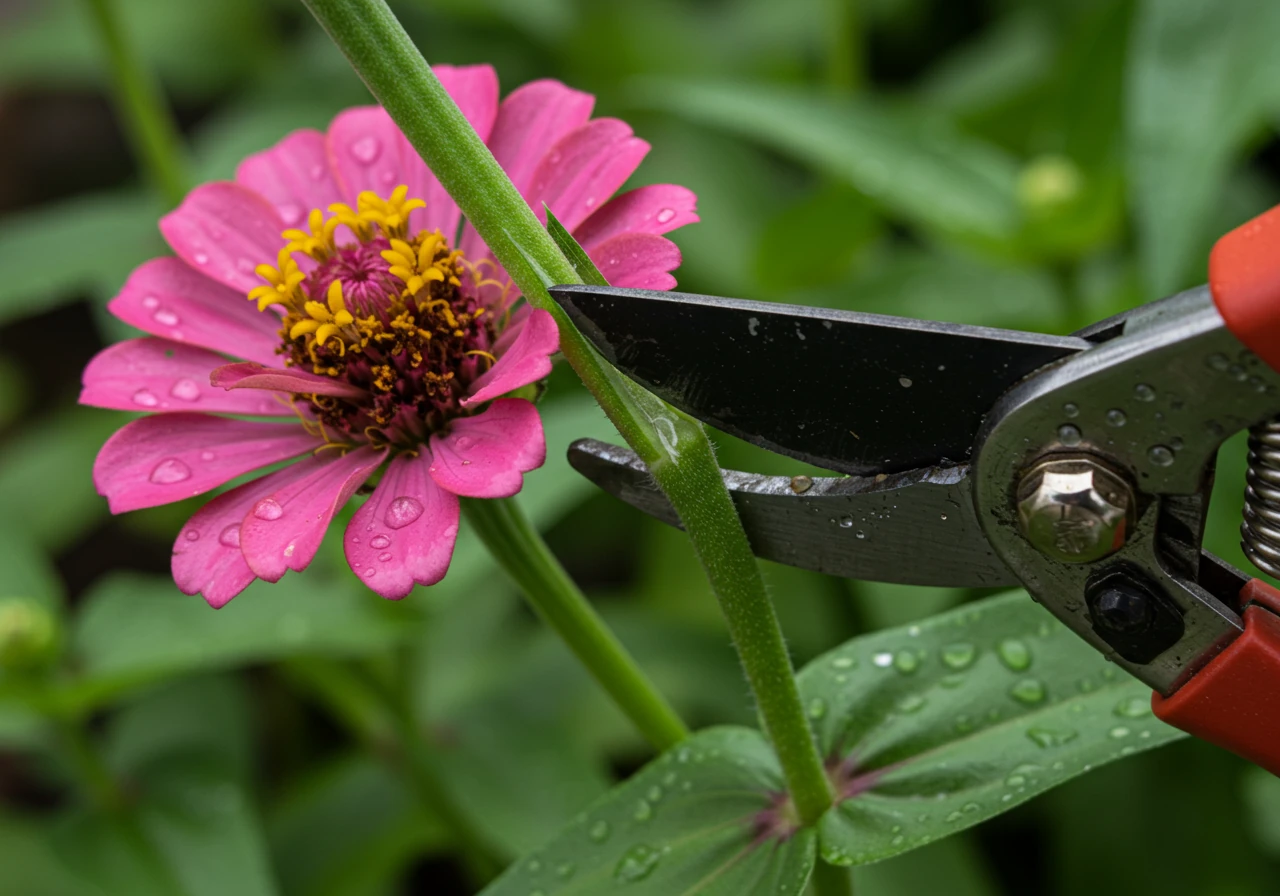
What it is: Using hand pruners, garden scissors, or snips for a clean cut on tougher stems.
Best for: Plants with woodier or thicker stems, or where individual flowers need removing from a cluster. This is your go-to for most perennials.
How-to: Identify the faded bloom. Follow its stem down to the first set of healthy leaves or a visible bud. Make a clean cut just above this point (about 1/4 inch). Cutting back to a leaf node encourages new growth from that point. For flowers on long single stems (like Daylilies), cut the entire stem back to the base once all blooms on it are finished.
Ottawa Favourites: Roses (cut back to an outward-facing, five-leaflet leaf), Daylilies, Coneflowers (Echinacea), Shasta Daisies, Zonal Geraniums, Zinnias. A precise snip helps the plant heal quickly and keeps things looking sharp – contributing to that tidy appearance you also get from professional mulching and edging. Proper care helps ensure beautiful results from garden installs.
3. Shearing: The Big Haircut
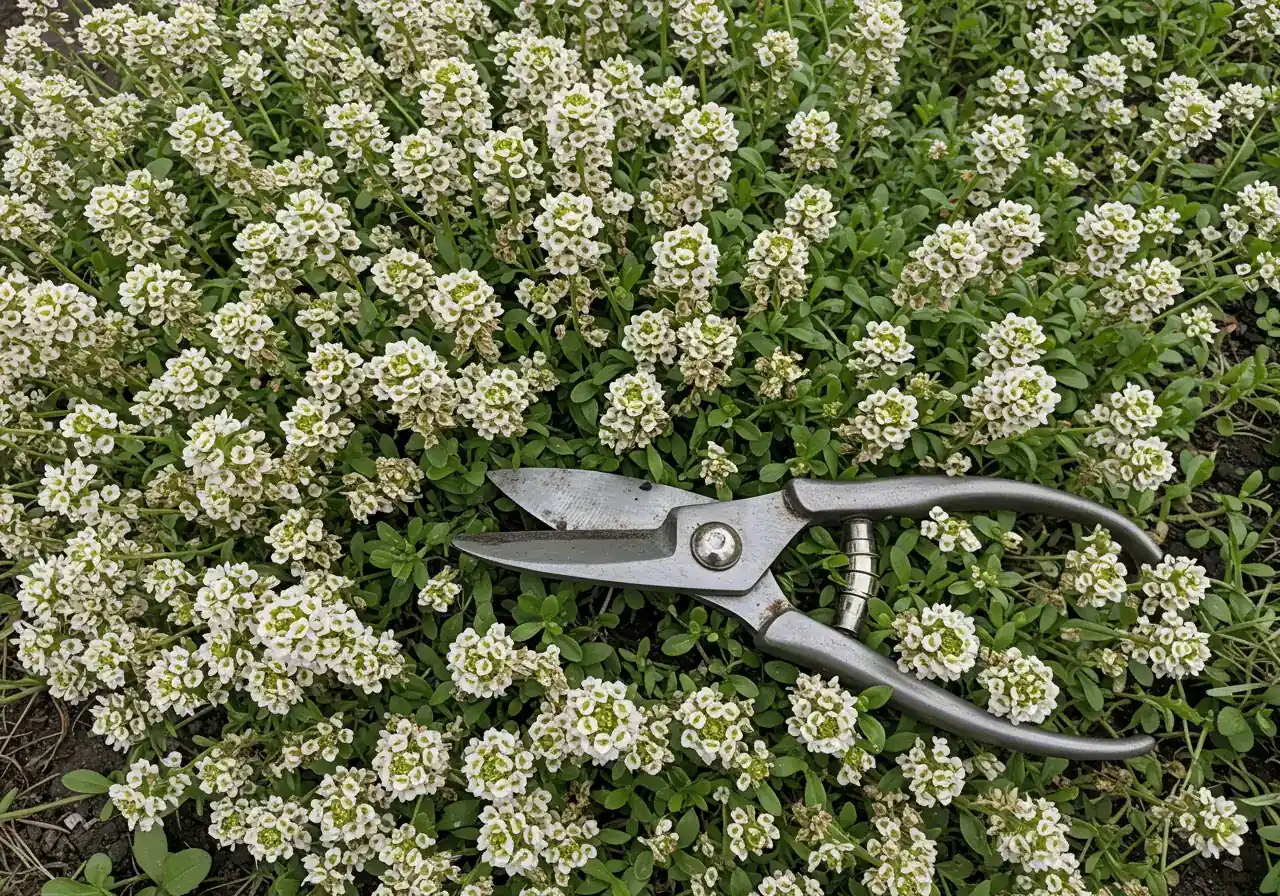
What it is: Using garden shears or hedge trimmers to give plants that produce masses of small flowers a general trim after their main flush of blooms fades.
Best for: Groundcovers or mounding plants that bloom all at once and then start looking scraggly.
How-to: Wait until the main show is over and about 50-70% of the flowers have faded. Grab your shears and trim off the top few inches of the plant, removing most of the spent flower heads along with some foliage. It might look a bit drastic initially!
Ottawa Favourites: Creeping Phlox (after spring bloom), Sweet Alyssum, Basket-of-Gold (Aurinia), Nepeta (Catmint), Hardy Geraniums (Cranesbill) if they get leggy. This often stimulates a fresh flush of foliage and sometimes even a second, smaller wave of blooms. It also prevents unwanted self-seeding, which is handy if your garden borders areas like walkways or even city property where cleanup might be a concern.
Get Snippy With It: Mastering Deadheading Techniques for Ottawa Favourites
Okay, garden gurus, let's roll up our sleeves and get down to the snipping business! Now that you know *why* deadheading is the bee's knees for your Ottawa garden, let's talk about *how* to actually do it. It’s not rocket science, but knowing the right technique for the right plant makes all the difference. Think of it as choosing the right tool for the job – you wouldn't use a hammer to prune your prize-winning roses, right? (Please tell me you wouldn't!)
Different plants call for different approaches. The tab section above covers the main techniques: Pinching, Snipping, and Shearing.
Quick Comparison Table:
| Technique | Tool | Best For | Examples |
|---|---|---|---|
| Pinching | Fingers | Soft stems, small jobs | Petunias, Coleus, Impatiens, Basil |
| Snipping | Pruners/Snips | Thicker stems, individual flowers | Roses, Daylilies, Coneflowers, Zinnias |
| Shearing | Shears | Masses of small flowers, post-bloom tidy | Creeping Phlox, Alyssum, Nepeta, Aurinia |
A Quick Word on Tool Hygiene:
No matter the method, keep those tools clean! Wipe blades with rubbing alcohol or a disinfectant wipe between plants, especially if you suspect any disease. This is extra important during humid Ottawa summers, like those we sometimes get in Barrhaven or Richmond, as moisture can help diseases spread. Clean tools mean healthier plants! Healthy plants make the most of good soil preparation by directing energy effectively. Remember, consistent deadheading is an ongoing task, different from a major seasonal tidy-up like you'd get from an Ottawa garden clean-up service or a Metcalf garden clean up service. It’s these small, regular actions that keep your garden looking its best all season long, contributing to that polished look often achieved through a thorough Ottawa yard cleanup service, but maintained week by week by you! Happy snipping!
More Than Just Pretty Flowers: The Vigor Virtues of Deadheading
Sure, we all love the extra encore of blooms that deadheading encourages, but this simple snip-snip routine is doing *so much more* for your plants behind the scenes. Think of it less as just cosmetic cleanup and more as essential preventative healthcare for your garden favourites right here in Ottawa. It’s a key part of good holistic garden maintenance that boosts overall plant vitality.
Let's dig into the bonus benefits beyond the blooms:
- Better Air Circulation: Those fading flower heads, especially dense clusters, can trap moisture and block airflow within the plant's canopy. In humid Ottawa summers, this creates a perfect little spa day for fungal diseases like botrytis (grey mould). *Snip!* Removing spent blooms opens things up, letting air circulate freely, drying leaves faster, and making the plant less inviting for unwanted fungal guests. Find out more about proactive plant care in our guide to reducing summer stress.
- Disease and Pest Patrol: Mushy, decaying flowers aren't just unsightly; they're practically a flashing neon sign for diseases and pests. Fungi love damp, dead plant matter, and certain insects are drawn to stressed or decaying parts. By promptly removing these fading flowers, you're essentially taking away potential breeding grounds and hiding spots. It’s like tidying up before trouble arrives, a more focused effort compared to the broad scale work done by Metcalfe yard cleanup services or a Marionville yard cleanup service which tackles larger debris.
- Stopping Unwanted Seed Spread: While sometimes letting plants go to seed is desirable (hello, saving seeds!), often it just leads to unwanted volunteers popping up *everywhere* next spring. Deadheading stops seed formation in its tracks for many plants. This means less weeding for you later and helps keep aggressive self-seeders from taking over your carefully planned garden bed or bothering the neighbours. It's about managing your garden ecosystem proactively, which is part of responsible city garden maintenance service.
- Promoting Bushier Growth: Remember how deadheading redirects energy? Instead of dumping resources into seed production, the plant often invests in producing more side shoots and leaves lower down the stem. This leads to a fuller, bushier, and often sturdier plant overall. Think stronger stems, lusher foliage – a more robust presence in your garden.
- Supporting Stronger Roots: That redirected energy doesn't just go sideways; it goes downwards too! By preventing seed production, deadheading allows the plant to invest more energy into developing a strong, healthy root system. Better roots mean better anchorage and improved water and nutrient uptake – absolutely critical for helping plants cope with Ottawa's unpredictable weather, from summer dry spells to sudden downpours. Strong roots make the most of good soil and thoughtful material selection for garden beds. A healthy plant from the roots up is also a factor homeowners might consider when providing details for project planning, similar to how clear information helps when getting feedback on garden project estimates.
- An Eco-Friendly Boost: By preventing diseases and pests naturally, you reduce the potential need for chemical sprays. Keeping invasive self-seeders in check helps protect local plant diversity. While leaving *some* seed heads (like coneflowers or black-eyed Susans) late in the season provides food for birds (check resources from Ottawa Field-Naturalists' Club), general deadheading throughout the peak growing season is a gentle way to keep plants vigorous using nature's own processes. This mindful approach echoes the respect shown in professional operations and responsible handling of information, as detailed in our privacy policy.
So, the next time you're out there snipping away, remember you're not just tidying up – you're actively investing in the long-term health, resilience, and *vigor* of your beloved garden plants!
Estimated Plant Energy Allocation
*Illustrative example: Deadheading redirects energy from seeds to roots & continued blooms/growth.
The Ottawa Deadheading Calendar: Knowing When to Snip and When to Stop
Alright garden friends, let's talk timing! Just like knowing the best time for City of Ottawa leaf and yard waste pickup, timing your snips is key to getting the most out of your Ottawa garden. Deadheading isn't a one-size-fits-all, all-season-long chore. Knowing when to go full Edward Scissorhands and when to hang up the pruners makes a big difference.
Here’s a rough guide tailored for our unique Ottawa growing season, from Winchester to Metcalfe and everywhere in between:
Spring Awakening (Late April - Early June): The Gentle Start
Focus on early bloomers. Snip faded bulb stalks (leave foliage!). Shear some early perennials like Phlox post-bloom. Let plants establish.
Summer Snipping Spree (Mid-June - Late August): Peak Performance
Prime deadheading time! Regularly snip/pinch annuals (petunias, zinnias) and repeat-blooming perennials (coneflowers, coreopsis) to keep flowers coming. Essential for ongoing beauty and complements professional property clean up efforts.
Fall Finale & The Big Stop (September - October): Time to Wind Down
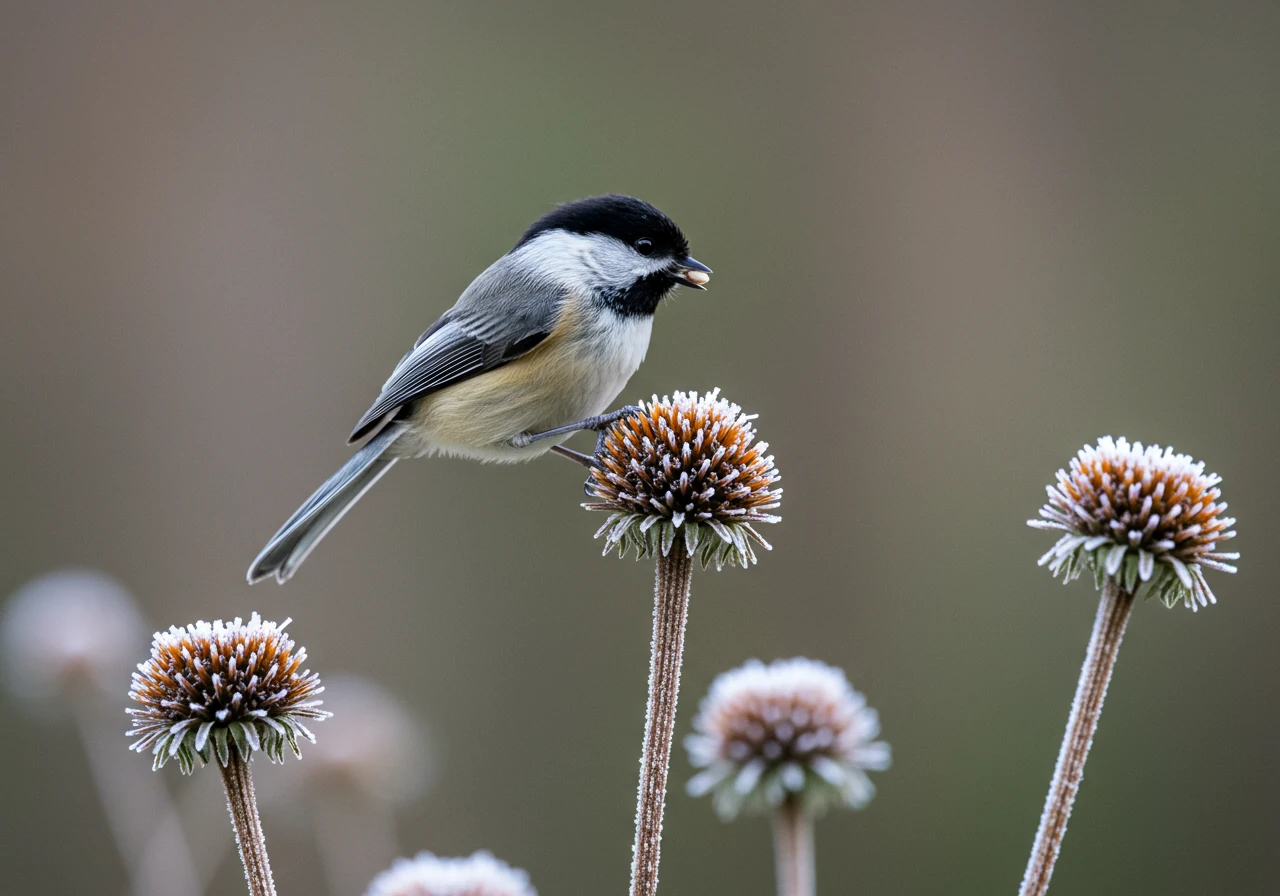
Ease off deadheading most perennials by early/mid-Sept. Why? Allow seed heads for birds (Wildlife Ontario has info on local birds) and winter interest. Let plants prep for dormancy. Continue deadheading annuals until frost. This timing aligns with preparing for winter, covered in our fall cleanup guide.
Key Considerations
Always consider the specific plant. Some benefit more than others. Stopping allows natural cycles and supports wildlife. Review our terms and conditions for service details. Need advice? Contact us! We appreciate your visit – check our thank you page after reaching out.
Quick Ottawa Deadheading Calendar Table:
| Season | Timing | Key Tasks | Why Stop? (If Applicable) |
|---|---|---|---|
| Spring | Late Apr - Jun | Snip faded bulb stalks (leave leaves!), shear some early perennials post-bloom | N/A |
| Summer | Mid-Jun - Aug | Regularly deadhead annuals & repeat-blooming perennials (pinch/snip). Consider sod installation for lawn areas. | N/A |
| Fall | Sep - Oct | Continue deadheading annuals until frost. STOP deadheading most perennials. | Allow seed formation, winter interest, dormancy |
So there you have it! A simple calendar to guide your snipping strategy. Knowing when to deadhead – and crucially, when to stop – helps keep your plants healthy, your garden beautiful, and supports local wildlife through the Ottawa seasons. Happy gardening!
Highlight Box: Quick Tips for Deadheading Dominance
Ready to become a deadheading dynamo in your Ottawa garden? Here are some quick pointers to keep your blooms booming:
- Snip Smart, Not Shallow: Always cut the faded flower stem back to the next set of healthy leaves or a visible bud. Just removing the flower head isn't as effective!
- Consistency is Key: A few minutes every couple of days beats one massive session. Keep those Manotick marigolds looking sharp! Consistent small tasks complement the look achieved by routine overall lawn care.
- Clean Tools Rule: Wipe your pruners between plants, especially if you suspect disease. Clean tools = happy, healthy plants.
- Diseased Bits Go Bye-Bye: Don't compost mouldy or diseased spent blooms. Toss them in the garbage to prevent spreading issues. Proper disposal matters, whether it’s small clippings or tasks suited for a Marionville garden clean up service.
- Know the Fall Stop: Ease off deadheading most perennials by early September in Ottawa to allow seed heads for birds and winter interest. Let nature prep for the cold!
- Feeling the Burden? If deadheading feels like just one part of a garden jungle takeover, remember help is available. An Ottawa property cleanup service can handle the big stuff, leaving you the enjoyable bits. We strive for results that bring relief, like reaching our simple booking confirmation and thank you page!
- Container Care Counts: Don't forget hanging baskets and patio pots! Deadheading is just as crucial for containers as it is for garden beds managed by a city garden clean up service.
FAQ: Your Ottawa & Area Deadheading Questions Answered
Great question! Generally, healthy deadheaded flower bits are fantastic additions to your home compost pile. They break down nicely and add valuable organic matter. However, if you notice *any* signs of disease (like powdery mildew, which can pop up in humid weather) or pests on those faded blooms, it's best to toss them straight into your City of Ottawa Green Bin or even the garbage. You don't want to accidentally spread problems in your compost! If you end up with a mountain of clippings after a bigger garden session, remember that a professional city yard cleanup service can help manage large volumes of green waste correctly.
Check City of Ottawa guidelines: Green Bin & Leaf/Yard Waste.
Probably not! While deadheading encourages more flowers on *many* plants, some perennials, including certain Coneflower varieties, are just naturally less inclined to put on a big second performance, especially later in our shorter Ottawa growing season. Deadheading them still benefits the plant by directing energy towards stronger roots and leaves for next year’s growth. Plus, leaving some later Coneflower seed heads provides winter food for birds – a nice bonus! So, keep snipping after the first main flush, but don't stress if the encore is quiet. Consistent care helps plants thrive, leading to impressive results you can see in garden transformations.
We totally understand! No, the garden police won't issue a warrant if you skip deadheading now and then. Your plants will likely survive just fine. The main things you'll miss out on are potentially more blooms throughout the season and a tidier appearance. Some plants might also self-seed more vigorously if left alone. If time is crunched, focus your efforts: prioritize deadheading annuals (like petunias) and repeat-blooming perennials (like coreopsis) that give the most floral bang for your buck. If the garden chores pile up significantly, getting help from a dedicated Marionville property cleanup service can provide a fresh start, making regular tasks like deadheading feel less daunting.
Yes, it’s often a good idea! Deadheading isn't *just* about getting more flowers. For plants prized for their foliage, like Hostas and Astilbes, many gardeners in Vernon and across Ottawa remove the spent flower stalks primarily for aesthetic reasons. It keeps the plant looking neater and directs focus back to those lovely leaves. It also prevents the plant from wasting even a little bit of energy on producing seeds you don't need. It’s really about maintaining the look *you* want for your garden space. Helping homeowners achieve their desired garden aesthetic is something we're passionate about – learn more about us and our approach!
Indirectly, yes! It's all about energy management for the plant. By snipping off those spent blooms, you stop the plant from pouring energy into making seeds. That saved energy can then be redirected into developing stronger, deeper roots and healthier foliage. Plants with more robust root systems are definitely better equipped to cope with stressful conditions like drought or extreme heat – challenges we sometimes face from Metcalfe to Manotick. While it's not a magic bullet, consistent deadheading contributes to overall plant resilience, helping them stand strong. For gardens needing more significant help bouncing back from stress, sometimes a targeted effort, like that offered by a Metcalf property cleanup service, can make a big difference.
Local resources like Rideau Valley Conservation Authority often have tips on water-wise gardening.
Conclusion: Snip Your Way to a Healthier, Happier Ottawa Garden
So there you have it, Ottawa gardening pals! Deadheading isn't some complicated horticultural mystery guarded by gnomes (though wouldn't that be fun?). It's simply a smart, easy technique – a little snip here, a pinch there – that delivers *big* rewards for your flower beds and container gardens. We've journeyed through the 'why' and 'how,' uncovering the science behind redirecting plant energy for more fabulous flowers, stronger roots, and overall healthier growth. This simple task helps keep your plants looking sharp and resilient, ready to face whatever our unique climate throws at them, whether you're tending roses in Russell or nurturing perennials in Kenmore.
Think of deadheading as your secret weapon for extending the bloom season and keeping your garden looking less like it partied too hard last night. It boosts curb appeal, supports plant health, and honestly, it can be quite relaxing! By regularly removing those spent blossoms, you're actively investing in the beauty and *vigor* of your outdoor space throughout the Ottawa growing season.