
Properly Store Vernon Garden Tools: Prevent Winter Damage
Quick Guide: Winter Tool Prep Essentials
- Clean Thoroughly: Remove all dirt, grime, and sap.
- Dry Completely: Moisture is the enemy; ensure tools are bone dry.
- Sharpen Edges: Prepare blades now for easy spring use.
- Oil Metal Parts: Apply lubricant to prevent rust.
- Manage Fuel: Use stabilizer or drain gas from power tools.
- Store Indoors: Keep tools in a dry garage or shed, off the floor.
- Drain Watering Gear: Empty hoses, sprinklers, and winterize irrigation.
Need help getting your yard ready for winter? Request a quote today!
Introduction: Hey Vernon, Winter's Coming! Let's Tuck In Those Tools.
Okay, Vernon, you know the feeling. One minute you're enjoying those crisp fall days, maybe raking the last leaves in Greely, the next minute *WHAM* – Ottawa drops that first real blanket of snow, usually right when you realize your winter boots are still hiding. Before we all fully embrace the snowblower season, let's chat about those hard-working landscaping and gardening tools that powered through the spring and summer.
Leaving your trusty trowel, lawn mower, or favourite pruning shears out to brave the freezing rain and Manotick frost isn't just neglectful, it's a recipe for rust, damage, and springtime frustration. Think cracked plastic handles, dull blades that won't cut butter, maybe even an engine that decides hibernation is permanent.
Taking a little time *now* to properly clean, maintain, and store your gardening and landscaping equipment is crucial. It protects your investment, prevents costly repairs or replacements, and ensures everything is ready to roll the moment the ground thaws next year. Let’s get those essential tools prepped and cozy for their long winter slumber! You can explore our range of property maintenance services if you need assistance.
Why Your Tools Dread Ottawa Winters (More Than You Do!)
Okay, let's be honest. We complain about Ottawa winters – the snow, the ice, the wind that feels like it’s coming straight from the Arctic. But guess what? Your trusty garden and landscaping tools have it way worse! They can’t exactly bundle up or sip hot chocolate. Left outside or unprotected, they face a brutal season.
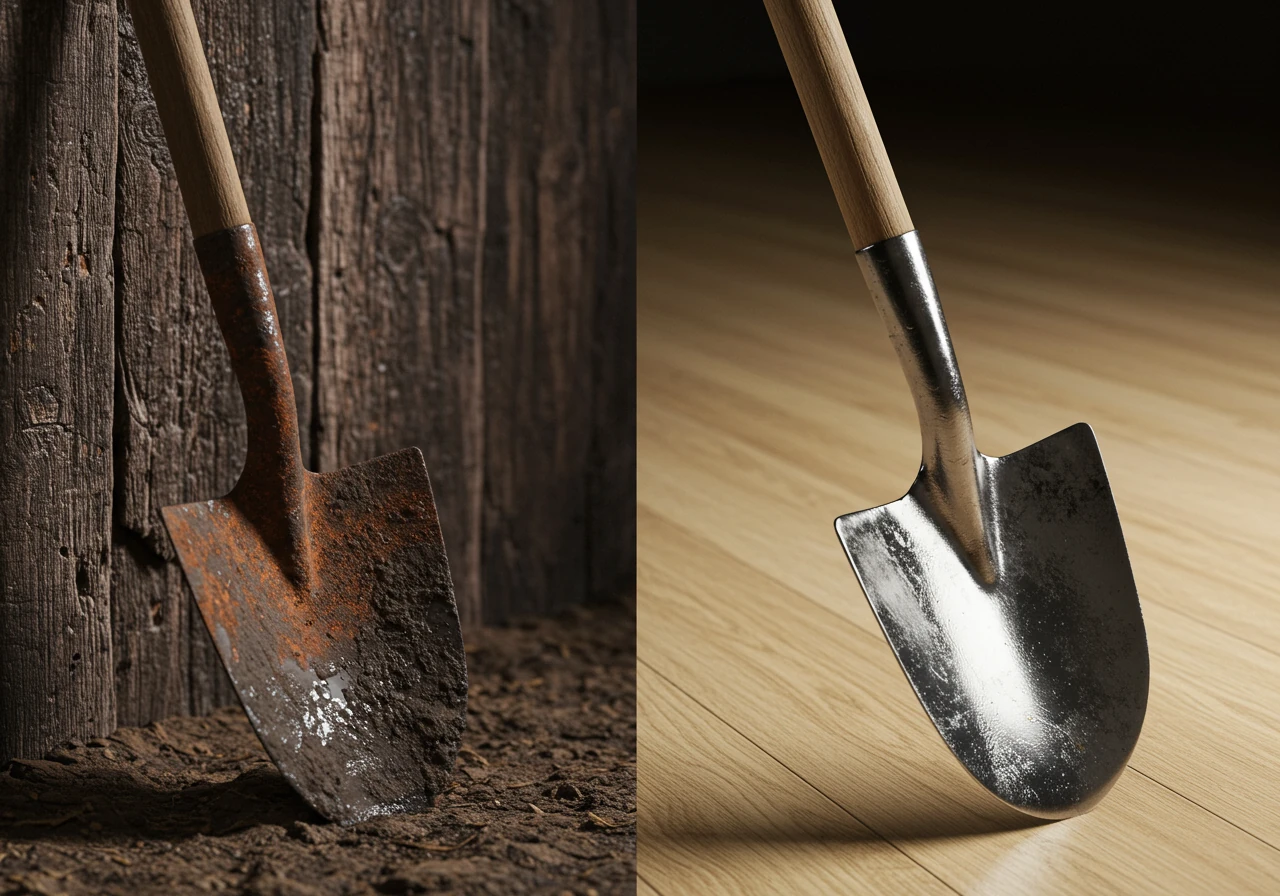
The biggest villain? That infamous Ottawa freeze-thaw cycle. Water seeps into tiny cracks and joints on your tools – think shovel handles, mower decks, or the mechanisms of your pruning shears. When it freezes, the ice expands, widening those cracks. Then it thaws, more water gets in, and it freezes again. It’s like a tiny, persistent demolition crew working away all winter long! Add heaps of heavy, wet snow pressing down and constant dampness, and you've got a recipe for disaster.
What kind of disaster? We're talking serious RUST on anything metal – your spade turns orange, secateur blades get pitted and dull, and lawn mower blades become less effective. Plastic handles and components can become brittle in the extreme cold and crack under the stress of freeze-thaw cycles. If you left fuel in your gas-powered equipment, it can gum up the engine, leading to frustrating start-up failures come spring.
And don't forget about dirt! That heavy clay soil, common in areas like Osgoode, really cakes onto tools. If you don't clean it off before storage, it traps moisture directly against the metal or wood, practically inviting rust and rot. Dealing with soil issues is key for plant health too, as unhealthy soil can lead to problems like leaf curl, sometimes related to calcium deficiency found in Kars. Clean tools work better and help prevent spreading potential problems around your garden during garden maintenance tasks.
Taking the time for proper cleaning and storage isn't just about keeping things tidy. It's about protecting your investment. Replacing a seized mower engine or constantly buying new hand tools gets expensive fast! Plus, who wants to waste precious spring gardening time wrestling with rusty, broken equipment? Ensuring your tools are sharp and ready is especially important for specific tasks, like achieving the perfect look when doing specialized pruning like cloud pruning on junipers.
Think of winter tool care as part of your overall autumn routine, just like clearing leaves or other tasks detailed in guides for Kenmore fall garden prep and winter secrets. Having tools ready also means you're prepared for spring tasks, ensuring your property is well-maintained, which can even involve being aware of local regulations like Barrhaven tree bylaws for fall planting and avoiding fines. Find out more about our approach on our about us page.
A little effort now saves you headaches and money later. If the whole process feels like too much, remember there are professional landscaping and cleanup services available to help get your yard and equipment winter-ready. Give your tools the cozy winter break they deserve! Explore specific options like our Ottawa yard cleanup service or services for surrounding areas like Metcalf yard cleanup.
Operation Tool Tidy-Up: Your Step-by-Step Cleaning Guide
Operation Tool Tidy-Up: Your Step-by-Step Cleaning Guide
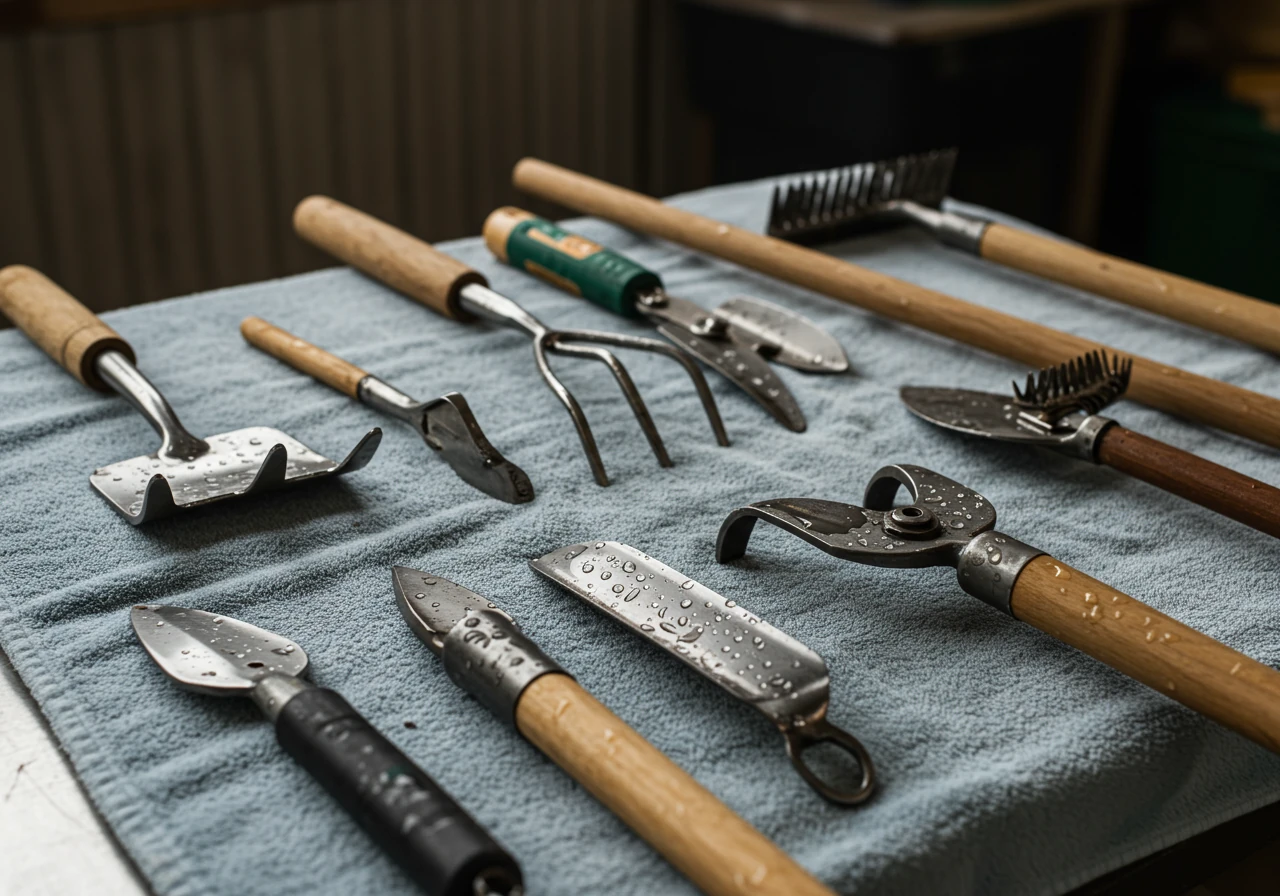
Alright team, let's roll up our sleeves for Operation Tool Tidy-Up! Getting your gardening gear squeaky clean before its winter nap is *essential*. Think of it like washing the dishes after a big meal – way better than facing crusty stuff later. Especially with that stubborn Ottawa clay soil we all know and... well, we know it. Let’s break it down so your tools are ready for action next spring.
1. Hand Tools First (The Little Guys):
Gather your trusty trowels, cultivators, pruners, and hand weeders. These often get the dirtiest!
- Scrape Off Gunk: Use a stiff brush (a wire brush works great on metal, but be gentle on wood/plastic) or even an old putty knife to knock off all the dried mud and plant bits. That clingy clay needs some elbow grease!
- Wash 'Em Up: A bucket of warm, soapy water is your best friend here. Give everything a good scrub. For sticky sap on pruners or stubborn grime, you can try rubbing alcohol. Looking for an eco-friendly option? A simple spray of vinegar and water often does the trick. The Ottawa Public Health site offers tips on safer cleaning practices.
- Rinse & *Thoroughly* Dry: This part is super important! Rinse off all the soap and then dry every single nook and cranny with an old towel or rag. Leaving any moisture is like sending rust an engraved invitation. Letting them air dry overnight in a warm, dry spot (like the basement or utility room) is even better.
2. Long-Handled Heroes (Shovels, Rakes, Hoes):
These workhorses need love too. The process is similar to hand tools, just on a bigger scale.
- Hose Down Major Mud: If they're really caked after a season of landscaping battles, give them a preliminary blast with the garden hose to remove the worst of it.
- Scrub-a-Dub: Use that stiff brush again on metal parts like shovel blades and hoe heads. Pay extra attention to where the handle meets the tool head – dirt loves to hide out there, trapping moisture. For wooden handles, use soap and water sparingly and wipe them down; try not to soak the wood.
- Check Handles: Wipe down wooden handles and give them a quick once-over for any splinters. A light sanding can smooth things out if needed.
- Dry, Dry, Dry: Lean them against a wall or lay them out somewhere dry and airy until they are *completely* moisture-free before storing.
3. Power Players (Mowers, Trimmers, etc.):
These require a bit more caution, but cleaning is just as vital.
- Safety First! Always disconnect spark plugs on gas-powered equipment and remove batteries from cordless tools before you start cleaning. *Seriously, don't skip this step*.
- Clear Debris: Use a brush or compressed air (if you have it) to blow grass clippings, dust, and leaves off the engine housing, cooling vents, and cutting deck or trimmer head. Clogged vents can lead to overheating next season.
- Clean the Undercarriage (Mower): Carefully tilt your mower according to the manufacturer's instructions (usually air filter side up to prevent fuel/oil spills). Scrape off caked-on grass and mud from the underside of the deck using a putty knife or a specialized mower scraper. Those wet grass clumps hold moisture right against the metal, promoting rust.
- Wipe Down: Use a damp cloth to wipe down the exterior plastic and metal surfaces. Try to avoid spraying water directly onto the engine or any electrical components.
- Blade Care: Cleaning mower and trimmer blades now makes sharpening (or replacing) them much easier later. Sharp, clean blades are key to a healthy lawn and contribute to the kind of neat results seen in our gallery of inspiring yard transformations.
4. Don't Forget the Hose!
Yes, even your garden hose needs prepping.
- Drain Completely: Make sure *all* the water is out. Stretch the hose out, preferably down a slight slope, to let gravity do the work.
- Wipe Down: Give the outside a quick wipe with a rag to remove surface dirt and grime.
- Coil Loosely: Coil the hose up, but not too tightly – tight coils can lead to cracks and weak spots when exposed to cold temperatures, especially over a long Ottawa winter. Store it in a shed or garage, away from direct sunlight. Even if storage space is a challenge, like in some denser Barrhaven areas, getting it indoors is best.
Cleaning might not be the most glamorous aspect of effective garden maintenance, but trust us, future you will be grateful! A clean tool is a happy tool, ready for action the moment spring arrives. If this whole process feels like one task too many at the end of a busy gardening season, remember that professional help is available. Many comprehensive landscaping and cleanup services can include tool preparation as part of a fall package, and specialized providers like the Embrun yard cleanup service are equipped to handle your entire fall to-do list. Still have questions about cleaning specific tools or need a hand getting your yard winter-ready? Feel free to contact us – we're happy to help! Also check our Google My Business page for reviews and updates.
Winter Prep Timeline: Key Stages
Stage 1: Cleaning (Mid-Late Fall)
After final use, thoroughly wash and scrub all tools to remove dirt, sap, and debris. Focus on getting rid of clingy soil.
Stage 2: Drying (Immediately After Cleaning)
Dry every tool completely using rags or towels. Allow for air drying overnight in a warm, dry place to eliminate all moisture.
Stage 3: Maintenance (Before Storage)
Sharpen blades, oil metal parts, inspect and repair handles, and manage fuel in power equipment (stabilize or drain).
Stage 4: Storage (Before First Hard Frost)
Store clean, dry, maintained tools indoors (garage/shed), preferably off the floor. Drain and store watering equipment.
Sharpen, Shine, and Safeguard: Prepping for Hibernation
Okay, so your tools are sparkling clean after their spa day – fantastic! But don't tuck them away just yet. Before they go into hibernation, a little extra TLC goes a long way. Think of this as the "sharpen, shine, and safeguard" phase – prepping them to wake up ready for action next spring, rather than groggy and needing repairs.
Sharpen Those Edges:
Dull blades are a drag – literally. They tear grass instead of cutting it cleanly, making your mower work harder and potentially damaging your lawn. Pruners with dull blades crush stems instead of slicing, opening plants up to disease. Now, *after* cleaning, is the perfect time to sharpen:
- Mower Blades: You can do this yourself with a file or grinder (always wear safety glasses!) or take the blade to a local hardware store or small engine repair shop like those found via Yellow Pages Ottawa. Sharp blades make a huge difference.
- Pruners, Loppers, Shears: Use a whetstone or a specialized hand-tool sharpener. Follow the existing bevel on the blade. A sharp edge means cleaner cuts and less effort for you.
- Shovels & Hoes: Believe it or not, even these benefit from a sharper edge! A quick touch-up with a file makes digging through that sometimes stubborn Ottawa soil much easier.
Shine & Safeguard Against Rust:
Ottawa winters mean dampness, and dampness means rust – the arch-nemesis of metal tools.
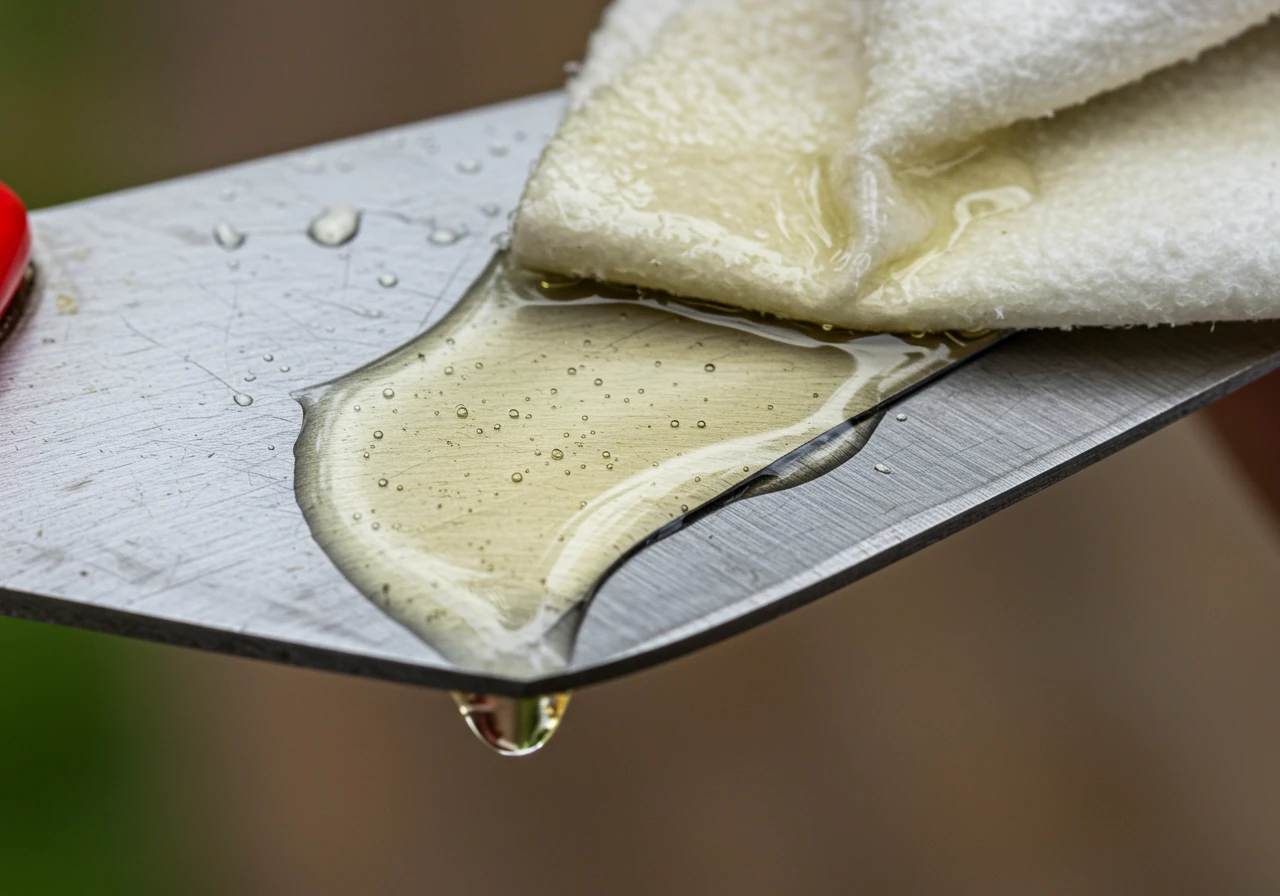
- Oil 'Em Up: Once completely dry, apply a thin coat of lubricating oil (like WD-40, 3-in-1 oil, or even vegetable oil in a pinch) to *all* metal surfaces. This creates a protective barrier against moisture. Use a rag to spread it evenly and wipe off any excess – you want a protective film, not a drippy mess. Pay extra attention to hinges and pivot points on pruners and loppers.
Inspect & Repair (Minor Fixes Now Save Major Headaches Later):
Give your tools a quick once-over before storing.
- Handles: Check wooden handles for cracks or splinters. Sand them smooth and consider applying some linseed oil to prevent drying and cracking. Ensure handles are securely attached to tool heads.
- Tighten Up: Check for any loose screws, nuts, or bolts, especially on larger equipment like wheelbarrows or mowers, and tighten them up.
- Minor Replacements: Notice the trimmer line is almost gone? Or a handle grip is badly torn? Order and replace small parts now while it's fresh in your mind, rather than scrambling in the spring rush. At Clean Yards, we make sure our gear is always in top shape - you can learn more about our commitment to quality service. Check our terms and conditions for service details.
Fuel Management for Power Tools:
Ah, the gasoline question for your mower, trimmer, or leaf blower, especially important for those managing larger properties out in Kars or Richmond. Leaving untreated gas in the tank over winter is a recipe for disaster. Stale fuel can gum up the carburetor and fuel lines, leading to frustrating start-up problems next year. You have two main options:
- Drain the Tank: Run the engine until it stops, ensuring all fuel is out of the tank *and* the carburetor. This is often recommended, but can sometimes dry out seals.
- Use Fuel Stabilizer: A generally easier and often preferred method. Fill the tank nearly full (less air space means less condensation), add the correct amount of fuel stabilizer (follow product instructions), and then run the engine for a few minutes. This circulates the treated fuel through the carburetor and internal engine parts, protecting them from gumming and corrosion.
Doing this maintenance *now* means your tools will be rust-free, sharp, and ready to tackle those gardening tasks the moment the ground thaws. It prevents frustrating delays and potentially costly repairs come springtime, helping you achieve those picture-perfect yard transformations more easily. If tackling tool maintenance or overall fall cleanup feels like too much, remember professional help is available. Services like the Marionville garden clean up service or the Metcalf property cleanup service can take these tasks off your plate. Even if you're right in the city, a general city garden clean up service or city property cleanup service can get your yard and tools ready for their winter rest. Need feedback on a previous estimate? Visit our estimate feedback page.
Tool Condition: Before vs. After Prep
Proper winter preparation significantly improves tool condition, preventing rust and maintaining sharpness.
(Grey = Before Prep, Green = After Prep - Higher is better)
Finding the Perfect Winter Nest: Smart Storage Solutions
Okay, your tools are clean, sharp, and protected. Now, where do they actually *live* during the long, cold Ottawa winter? Just like us seeking refuge from the snow, your tools need a cozy, dry spot to wait out the freeze. Leaving them exposed is like sending them camping on Ottawa's winter streets – not recommended!
The Ideal Winter Condo: Garages & Sheds
Your best bets are undeniably a garage or a sturdy shed. Why? Simple: they offer protection from the *biggest* enemies – moisture and the dreaded freeze-thaw cycle. Keeping tools dry prevents rust on metal parts and stops wooden handles from swelling, shrinking, and cracking. Inside, they're also safe from being buried under snowdrifts or becoming tripping hazards hidden beneath icy layers. This controlled environment is key.
Why Outdoors is a No-Go
Leaving tools outside, even under a porch or tarp, is asking for trouble. Tarps can trap moisture underneath, creating a humid rust-haven. Direct exposure means constant battles with rain, snow, ice, and temperature swings that stress materials. Plus, critters might decide your garden glove makes a lovely winter nest! Save yourself the springtime headache and bring them indoors.
Smart Storage Setups
Now, how to arrange everything *inside* your chosen sanctuary?
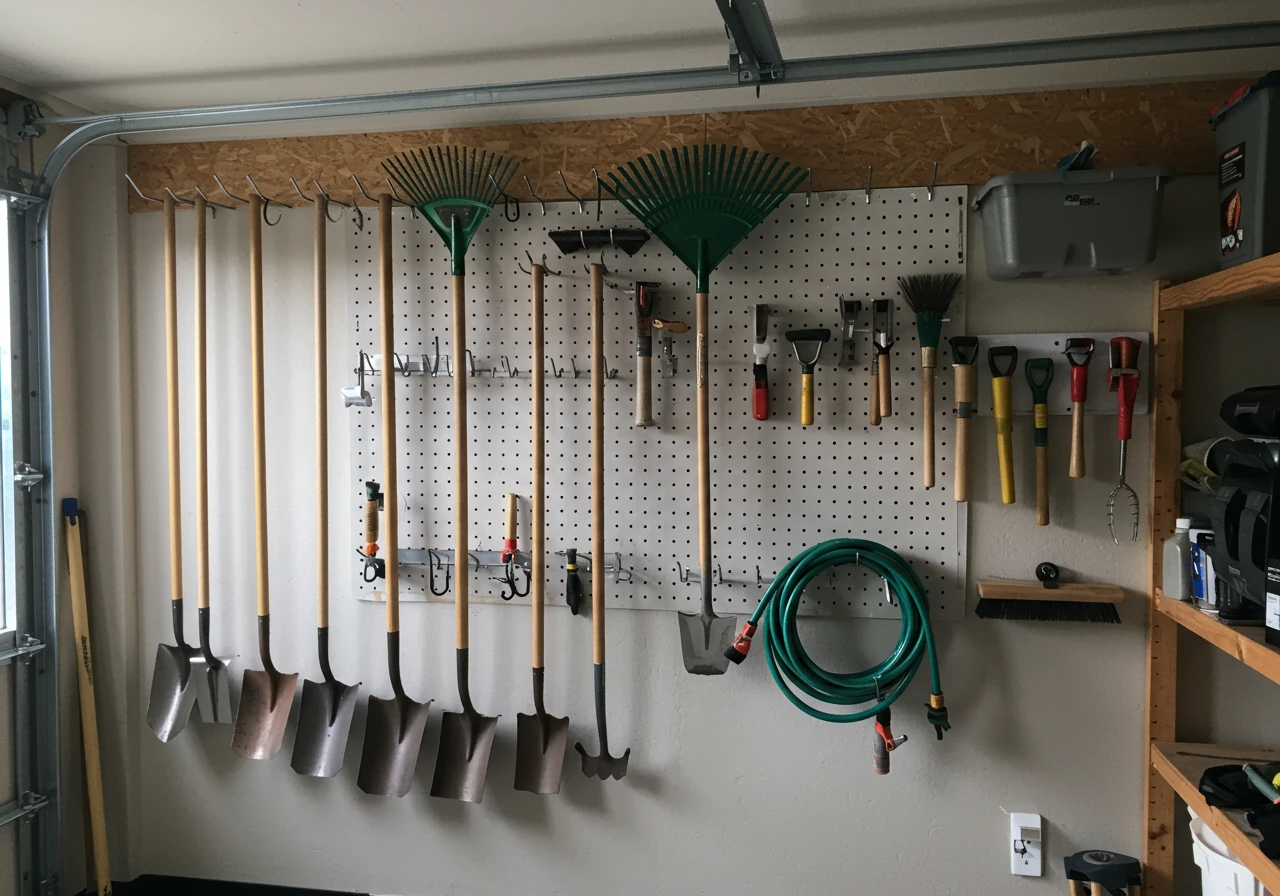
- Go Vertical! Hanging tools is fantastic, especially in places like Nepean where garage space might be at a premium. Use sturdy hooks or pegboard systems for shovels, rakes, and hoes. This keeps them off the damp floor and makes them easy to find. Getting tools organized now means you're ready for spring tasks like effective mulching and edging without a frantic search.
- Shelving Savvy: Metal or sturdy plastic shelves work well for medium-sized items, pots, and supplies. You can use bins on shelves to corral smaller hand tools, keeping trowels, cultivators, and gloves together. Just ensure tools are *completely* dry before binning them to avoid trapped moisture.
- Hose Haven: Drain your hose completely, coil it loosely (not tight!), and store it on a wall-mounted hose reel or on a shelf. Avoid leaving it kinked or on the cold concrete floor where it can become brittle.
- Power Tool Parking: Store mowers, trimmers, and blowers upright in a dry spot. Covering them loosely with an old sheet or breathable cover can keep dust off, but avoid plastic tarps that trap condensation. Properly stored equipment ensures you’re ready for that first burst of spring lawn care. Check out our Marionville yard cleanup service or city yard cleanup service options.
The goal is dry, organized, and protected storage. Taking these steps now complements the work done during a thorough fall cleanup, whether you did it yourself or utilized a helpful city garden clean up service. If managing storage feels overwhelming alongside other fall tasks, consider a professional city property cleanup service - reputable companies always respect your space and information, as outlined in their privacy policy. Give your tools the safe winter nest they deserve!
Tool Storage Quick Reference
Hand Tool Storage Tips
- Clean, dry, and oil metal parts thoroughly.
- Store in bins, on pegboards, or dedicated tool racks.
- Keep sharp edges protected (e.g., sheaths for pruners).
- Ensure wooden handles are dry and potentially oiled (linseed oil).
- Store indoors in a dry location like a shed or garage.
Power Tool Storage Tips
- Clean debris from housing, vents, and cutting mechanisms.
- Manage fuel: add stabilizer or drain tank and carburetor.
- Disconnect spark plug / remove battery.
- Store upright in a dry, protected area.
- Consider a loose breathable cover to keep dust off.
- Refer to services like Ottawa property cleanup for comprehensive care.
Watering Gear Storage Tips
- Disconnect hoses from spigots and nozzles.
- Drain hoses completely, forcing all water out.
- Coil hoses loosely and store indoors off the floor.
- Drain sprinklers and nozzles thoroughly.
- Winterize in-ground irrigation systems (professional blow-out recommended).
- Consider support from a city garden maintenance service.
Don't Forget the Watering Gear! (Unless You Like Ice Sculptures)
Okay, let's talk water. Or rather, let's talk about *getting rid* of water from your hoses, sprinklers, and irrigation lines before the deep freeze hits Ottawa. Seriously, water left inside this gear during winter transforms from life-giver to destructive ice monster. Unless you're aiming for avant-garde ice sculptures where your garden hose used to be, draining everything is non-negotiable. That solid freeze can split hoses, crack sprinkler heads, and cause expensive underground pipe bursts.
Here’s how to avoid icy disasters:
- Hoses: First things first, disconnect your hoses from *both* the spigot and any spray nozzles or sprinklers. Once detached, stretch the hose out fully, ideally down a slight slope. Lift one end and walk towards the other, forcing every last drop of water out. Think of it like squeezing the last bit of toothpaste out – be thorough! Coil the *completely* empty hose loosely (tight coils stress it in the cold) and store it in your garage or shed, safe from ice and sun. Forgetting this step can undermine all the effort you put into things like proper soil preparation by leaving you unable to water effectively next spring.
- Portable Sprinklers: If you use oscillating sprinklers or other movable types, disconnect them from the hose. Tip them over, shake them gently to get trapped water out, and let them air dry before storing them indoors with your hoses. This simple step helps preserve the investment made during any garden install that relies on effective watering.
- In-Ground Irrigation Systems: This is where things get serious. Simple draining usually isn't enough for complex underground systems common in areas like Russell or Winchester. Trapped water in low spots or valves *will* freeze and break things. These systems need a professional "blow-out" using compressed air to force all water out of the lines, valves, and sprinkler heads. This isn't typically a DIY job due to the equipment needed and risk of damaging the system with too much pressure. Many companies offering comprehensive fall services, like a Metcalf yard cleanup service, can handle irrigation winterization, ensuring your system is ready to support excellent lawn care next season. Alternatively, a dedicated city garden maintenance service often includes this task in their fall packages.
Don't let frozen water wreck your watering equipment! A few minutes spent draining now saves you soggy surprises and replacement costs come spring.
Highlight Box: Winter Tool Care Cheat Sheet
Winter Tool Care Cheat Sheet
Feeling a bit snow-ver-whelmed (sorry, couldn't resist!) by winter tool prep? Don't sweat it! Taking care of your trusty landscaping and gardening gear now means less hassle come spring in Ottawa. Here’s your super-quick cheat sheet covering the absolute must-dos before tucking your tools away for their winter nap:
- Clean 'Em Like You Mean It: Get *all* the dirt, mud, and grass clippings off. Seriously, that caked-on Ottawa clay holds moisture and invites rust. This basic scrubbing is often covered during a professional comprehensive property clean-up.
- Dry, Dry, and Dry Again: Moisture is the arch-nemesis! After washing, make sure every single tool is *bone dry* before it goes into storage. Towel dry, then air dry if possible. No damp tools allowed!
- Sharpen & Oil Up: Give blades (mowers, pruners, even shovels!) a sharpen now. Then, wipe down *all* metal parts with a thin coat of lubricating oil (like WD-40 or 3-in-1) to create a barrier against rust. Sharp tools make spring jobs, like preparing edges for new sod installation, way easier.
- Fuel Smarts for Power Tools: Don't let old gas gum up your mower or trimmer engine over winter! Either carefully drain the fuel tank *or* add the correct amount of fuel stabilizer and run the engine for a few minutes to circulate it. Check your owner's manual!
- Store Safe & Sound (Indoors!): Find a dry spot in your garage or shed – anywhere *inside* and protected from snow, ice, and moisture. Hanging tools up off the floor is a great space-saving trick, especially handy in areas like Barrhaven. If tackling the whole fall checklist feels like too much, remember a professional city garden maintenance service can often bundle tool care into their visits.
Following these steps protects your investment and ensures you’re ready for gardening action the moment the snow melts! Feeling buried under fall tasks? Don't hesitate to call in the pros; an Ottawa garden clean up service can handle everything, similar to how specialized teams provide support like the Marionville property cleanup service for folks further out. Happy hibernating to your tools!
Ottawa Gardeners' Winter Tool FAQs
Ah, the million-dollar question! There's no magic date on the calendar, unfortunately. Ottawa weather loves to keep us guessing, right? A good rule of thumb is to aim for *before* the first hard frost usually hits, typically sometime in mid-to-late October, though it can vary. You'll want to get things cleaned and stored *after* your final major lawn mowing and garden cleanup – maybe after that last big leaf raking session in Greely. Don't wait until the ground is frozen solid or snow is flying! If you're wrapping up late, remember that getting professional help, like a Metcalf garden clean up service, can speed things along before the deep freeze truly sets in. The key is consistency – once you're done using them for the season, start the winterizing process.
Oh, rust, the uninvited winter guest! It happens to the best of us. Even in a shed, Ottawa's damp winter air can cause trouble. The most common culprits are *not cleaning thoroughly* (that sneaky Ottawa clay soil holds moisture!) and *not drying completely* before storage. Even a little lingering dampness is rust's best friend. The *other* big secret weapon? A thin coat of protective oil! After cleaning and drying *perfectly*, wipe down all metal parts with WD-40, 3-in-1 oil, or even simple mineral oil on a rag. This creates a barrier against condensation. Think of it like putting chapstick on your lips before facing that dry winter air – essential protection! This protective step is crucial for keeping tools ready for spring tasks, including choosing the best options during landscape material selection for garden beds.
Yep, you really do! We know, it feels like one extra step when you just want to be done. But leaving untreated gasoline in your mower (or trimmer, or blower) over the long Ottawa winter is a classic recipe for springtime starting headaches. Old gas breaks down, gets gummy, and can clog the carburetor and fuel lines. Trust us, wrestling with a non-starting mower when the grass is already knee-high is *way* more hassle! Your easiest bet is usually adding fuel stabilizer to a nearly full tank (follow the product directions!) and running the engine for 5-10 minutes to get it circulated. It's much less work than a carburetor rebuild! If you're still unsure, many comprehensive services, similar to the Marionville property cleanup service, often include basic equipment checks and prep.
Space is definitely a challenge for many in Barrhaven and across Ottawa! The trick is to think *vertically*. Wall space is your best friend. Install sturdy hooks or a pegboard system to hang long-handled tools like shovels, rakes, and brooms. This gets them off the floor and out of the way. Foldable wheelbarrows are also space-savers. For smaller hand tools, use clear plastic bins on shelves – easy to see what's inside. Consider installing overhead storage racks for bulky but lightweight items you don't need often in winter. Even a small, dedicated corner, neatly organized, makes a huge difference compared to a jumbled pile! Get creative – every square foot counts! We truly appreciate finding clever solutions, just like we appreciate you visiting our site and hopefully finding useful info – a big thank you!
Draining is the *most crucial* step, but doing it *thoroughly* is key, especially with Ottawa's unpredictable early frosts that can sneak up even in places like Embrun. Water left inside *will* freeze and expand, potentially splitting your hose or wrecking nozzles. After disconnecting *both* ends, make sure you physically lift and walk the hose out to force *all* water out – gravity alone might not get low spots. Once totally empty, coil it *loosely* (tight coils add stress in the cold) and store it inside, ideally in a garage or shed, away from potential snow load and extreme cold. Don't forget sprinklers and nozzles too – drain them completely! Taking these extra few minutes prevents nasty (and potentially costly) surprises next spring. For info on Ottawa weather trends, check Environment Canada's Ottawa forecast.
Conclusion: Tuck Your Tools In & Dream of Spring Gardens
Whew! And just like that, another gardening season is winding down. We’ve covered the why and how of getting your essential landscaping and gardening tools ready for their long winter nap here in Ottawa. Taking a little time now to clean, sharpen, protect, and properly store your gear isn't just about tidiness – it's a smart investment. You’re actively fighting off rust caused by dampness, preventing damage from those notorious freeze-thaw cycles, and saving yourself from frustrating (and potentially costly) repairs or replacements come springtime.
Think of it as ensuring a smoother start next year. Imagine stepping out into that first warm spring day, grabbing tools that are sharp, clean, and ready to go, rather than battling rust and seized parts. That’s peace of mind!
But hey, we get it. Fall is busy! If adding tool maintenance to your already packed autumn checklist feels like too much, don't hesitate to reach out. The Clean Yards team is happy to help homeowners across Ottawa, including neighbourhoods like Vernon and Manotick, with fall cleanup tasks and getting your equipment winter-ready.
Give us a call to see how we can lend a hand, explore our blog for more landscaping tips and tricks, or contact us to inquire about our full range of garden maintenance and cleanup services. Now, go put your feet up and dream of those beautiful spring gardens!