
Vernon Young Plants: Secure Roots for Ottawa Winters (54)
Quick Overview
- Ottawa winters (Zone 5a/5b) challenge young plants with cold, frost heave, wind, and freeze-thaw cycles.
- Choose hardy plants (Zone 5 or 4) suited to local conditions. Natives are often best.
- Plant in late summer/early fall for optimal root establishment before freezing.
- Proper soil preparation (adding compost) and mulching are crucial.
- Protect vulnerable plants with wraps, screens, and ensure adequate fall watering.
- Need help getting your young plants ready? Request a quote today!
Introduction: Giving Your Young Plants a Fighting Chance Against Ottawa Winters
Alright, let's talk about Ottawa winters. We know they don't mess around – bringing snow, ice, wind, and temperatures that could make a moose reach for a scarf. While we're cozy inside, our vulnerable young garden plants are braving the storm. It's tough being the new kid on the block in an Ottawa garden, especially for those tender young shrubs, trees, and perennials just finding their footing after planting!
But don't throw in the trowel just yet! Giving your leafy newcomers a fighting chance against the deep freeze is totally doable. The secret weapon? It really boils down to two key things: starting strong with the *right* players – like hardy *Vernon Young Plants* chosen specifically because they can handle our climate zone – and focusing intently on establishing deep, healthy roots *before* winter slams the door shut. Think of it like building a strong foundation for a house; strong roots anchor the plant and are essential for it to survive the cold and bounce back vigorously come springtime. Explore our garden transformations to see what's possible.
Whether you're tackling a big landscaping project in Barrhaven or nurturing a small garden bed in Manotick, getting your young plants properly established and protected is crucial for long-term success. Let's dig into how you can help them not just survive, but *thrive* through their first frosty Canadian welcome! For larger projects, consider our garden installation services.
Why Ottawa Winters Are Tough on Tiny Roots (And What Makes Our Region Unique)
Okay, let's unpack why Ottawa winters seem to have a personal vendetta against tiny, developing root systems. It’s not just the *cold*; it’s a whole gang of challenges working together! Understanding these helps us give our young plants a fighting chance.
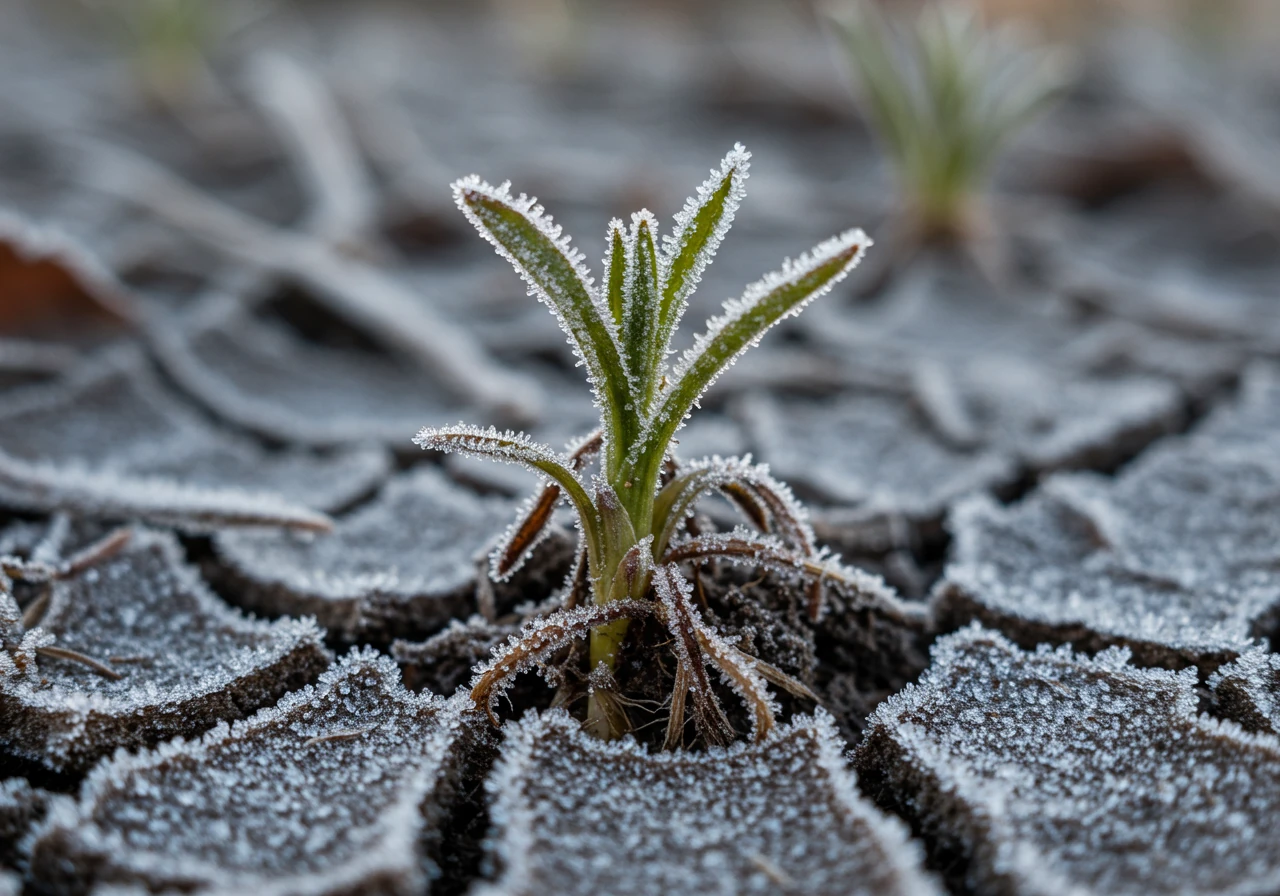
First off, Ottawa sits comfortably (or maybe *un*comfortably?) in Plant Hardiness Zone 5a or 5b. This rating tells us which perennial plants, shrubs, and trees *should* be able to survive our minimum winter temperatures. But here's the catch: that rating assumes a *mature*, well-established plant. Youngsters haven't had time to grow deep, extensive roots, making them much more vulnerable, even if they're technically rated for our zone. For more climate info, check Environment Canada's climate data.
Then comes the freeze-thaw rollercoaster. Our region is notorious for those annoying winter thaws followed by deep freezes. When the ground thaws slightly and then refreezes hard, the expanding ice can literally push young plants with shallow roots right out of the ground! This "frost heave" leaves delicate roots exposed to freezing air and drying winds – not exactly a spa day for them.
Snow itself can be a double-edged sword. A nice, thick blanket of fluffy snow acts like insulation, protecting the ground and roots from the harshest deep freezes. Awesome! But heavy, wet snow or layers of ice can physically damage young shrubs and tree branches. And if we get freezing rain followed by bitter cold, the soil can become encased in ice, limiting oxygen to the roots.
Let’s not forget the wind! Winter winds whip across open areas, sucking moisture out of evergreen needles and stems, and even from the exposed soil surface. This leads to winter desiccation, basically drying the plant out when its roots are frozen and can’t draw up more water. It’s like trying to drink through a frozen straw.
Our local geography adds another layer of complexity. Soil types vary wildly across the region. Think of the heavy clay soil common in parts of Nepean – it holds moisture (sometimes too much!) but can freeze solid like concrete and thaw slowly. Contrast that with the sandier soil you might find out in Greely, which drains fast but also freezes deeper and faster, offering less root insulation. And don't underestimate microclimates! A sheltered city backyard might be a few degrees warmer than an exposed rural property in Osgoode, which faces harsher winds and potentially deeper frost penetration. Proper soil preparation is key.
All this means that preparing young plants isn't just about choosing the right species. It involves thinking about *where* you plant, improving the soil if needed, and providing protection. A strong plant going into winter is key; ensuring good growth during the summer is vital, which is where having a solid Vernon Plant Health Care Plan for Summer Stress pays off later. Even simple tasks like Vernon Deadheading to Boost Plant Vigor and Blooms earlier in the season help the plant focus energy on root development before the freeze. Proper Vernon Fall Cleanup for Ottawa Winter Prep is crucial, including adding protective mulch around the base of vulnerable plants. And hey, doing all that autumn garden work is much nicer when you use Vernon Fall Ergonomic Garden Tools to Avoid Back Pain! If getting everything ready feels overwhelming, exploring professional Landscaping and Gardening Services can ensure your young plants get the best possible start against our tough Ottawa winters.
Choosing Wisely: Selecting Winter-Hardy Young Plants for the Capital Region
Okay, gardeners, let's talk strategy! Choosing the *right* young plants for our Ottawa-area gardens is like picking the right players for your hockey team – you need toughness and resilience to handle the season! Getting this step right is your absolute best defense against winter woes for those tender newcomers.
Zone In on Hardiness
First things first: the Plant Hardiness Zone. As we know, Ottawa generally sits in Zone 5a or 5b. When selecting young trees, shrubs, or perennials, always *always* check the plant tag for its hardiness rating. Here’s a pro tip: while Zone 5 plants *should* survive, choosing plants rated for Zone 4 gives you an extra buffer. Think of it as built-in insurance against those surprisingly brutal winters or unexpected cold snaps. It’s especially smart for young plants that haven't fully established their root systems before their first big freeze. Choosing plants rated for Siberia might be overkill, but leaning towards Zone 4 is just plain smart gardening in our region. You can verify zones via Natural Resources Canada's Plant Hardiness map.
Read Those Tags Like a Pro
Plant tags are your best friends! Don't just glance at the pretty picture. Look for:
- Hardiness Zone: Aim for 5, or preferably 4.
- Sunlight Needs: Full sun, part shade, full shade? Match it to your spot.
- Mature Size: That cute little shrub might want to become a behemoth! Plan accordingly.
- Water Needs: Does it like wet feet or dry conditions?
Picking Proven Performers
So, what actually *does* well here when planted young? You have lots of great options!
Recommended Hardy Trees
Look for hardy Maples (like Sugar or Red Maple, maybe avoid Silver Maple which can be weaker), Serviceberry (bonus: delicious berries!), or many Crabapple varieties known for cold tolerance. Ensure adequate space for mature growth.
Recommended Hardy Shrubs
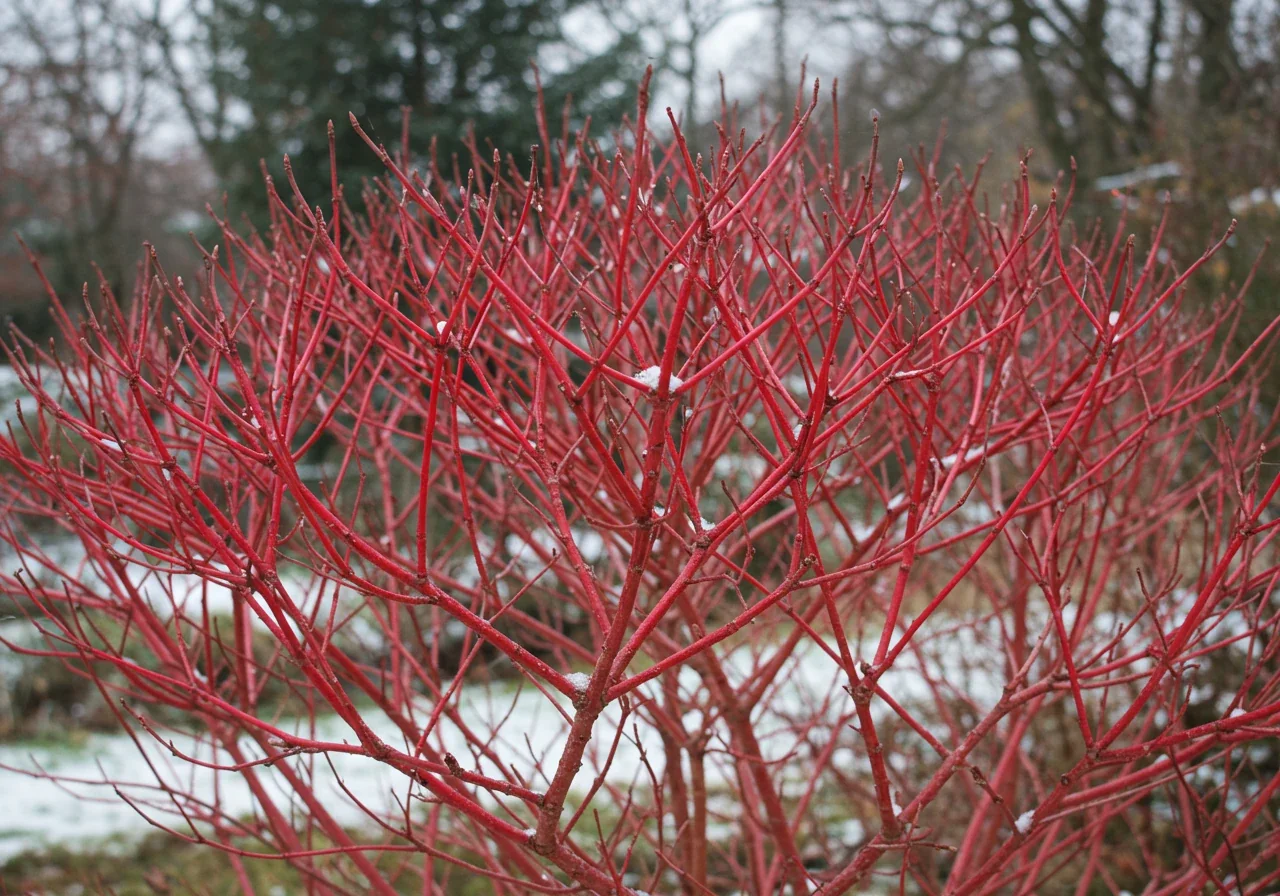
You can't go wrong with toughies like Red Osier Dogwood (a fantastic native!), Potentilla, hardy Hydrangeas (like Annabelle or Limelight), and many types of Spirea. These often establish quickly.
Recommended Hardy Perennials
Hostas (shade champs!), Daylilies (so easy!), Coneflowers (Echinacea), Sedum 'Autumn Joy', Peonies, and Coral Bells (Heuchera) often establish quickly and come back reliably after Ottawa winters.
Go Native (or Adapted)!
Consider seeking out plants native to Eastern Ontario or well-adapted varieties. Why? Because they're already used to our climate cycles, soil types (whether you're dealing with clay near the city centre or sandier soil out towards Richmond), and rainfall patterns. They often require less fussing and are naturally more resilient from the get-go. Plus, they're great for supporting local pollinators! Choosing the right plant is a key part of smart Material Selection for Landscaping Success.
Shop Local, Get Local Advice
Whenever possible, buy your young plants from reputable local nurseries, perhaps even ones near communities like Vernon. Plants grown locally are already somewhat acclimatized to our conditions compared to stock shipped from much warmer climates. Plus, local nursery staff are usually fountains of knowledge about what truly thrives in *our* specific area. They can provide tailored advice that big box stores might miss. Getting your garden beds prepped properly is also key; ensuring good drainage and healthy soil gives new plants the best start, something that might be part of thorough Reliable Vernon Yard Cleanup Services or overall Comprehensive Lawn Care Solutions. Investing in the right plants and preparation is part of a bigger picture, often covered within professional Landscaping and Gardening Planning Services.
Choosing wisely now sets your garden up for success and saves you potential heartache later. Take the time to select hardy, appropriate plants for your specific spot. Your future self (and your thriving plants!) will surely say 'thank you' for planning ahead!
Planting Power: Techniques for Establishing Roots Before the Freeze-Up
Alright, team green thumb! We've picked our winter warriors, now it's time to get them settled into their new Ottawa home before the ground slams shut for winter. Planting in late summer or early fall might seem counterintuitive – aren't things winding down? – but it's actually prime time for establishing strong roots. Think of it as giving your plants a head start on next spring, ninja-style.
Why Fall Planting Rocks (Especially Here):
The magic window is typically from late August until about mid-October in our region. Why then? The soil is still warm from the summer sun, which encourages roots to grow outwards and downwards. But the air temperature is starting to cool, which means less stress on the plant's top growth (leaves and stems). It’s the perfect combo platter: cozy soil for roots, cool air for the rest. This gives the plant weeks, sometimes even a couple of months, to focus its energy *below* ground, building that crucial root system before the deep freeze arrives. Trying to plant too late, right before a hard frost, is like trying to cram for an exam the night before – stressful and less effective!
Get Your Dirt On: Soil Prep is Key
You wouldn't build a house on shaky ground, right? Same goes for planting! Good soil is the foundation for healthy roots. Many areas, like parts of Barrhaven, deal with heavy clay soil. Clay holds moisture well (sometimes *too* well!) but can compact easily, making it tough for young roots to penetrate. Sandy soil, on the other hand, drains fast but might not hold enough moisture or nutrients.
The universal fix? Compost! Adding generous amounts of finished compost or well-rotted manure improves *any* soil type. For clay, it helps break up the dense structure, improving drainage and aeration. For sandy soil, it adds organic matter, helping it retain moisture and nutrients. Dig the compost into the top 6-12 inches of soil across the entire planting area, not just the hole itself. This encourages roots to spread wide. Investing time in soil preparation now pays off big time later. When sourcing materials, choosing the right soil amendments like quality compost is crucial for success.
Planting Like a Pro: Step-by-Step
Ready to get those roots in the ground? Let’s do this!
- Dig the Right Hole: Make it two to three times *wider* than the plant's root ball, but only as *deep* as the root ball. Planting too deep is a common mistake and can suffocate the roots or lead to rot.
- Check the Roots: Gently slide the plant out of its pot. Are the roots circling tightly? Gently tease them apart or make a few vertical cuts with clean pruners to encourage outward growth. Don't go nuts, just loosen things up.
- Position Perfectly: Place the plant in the center of the hole. The spot where the main stem meets the roots (the root flare or crown) should be level with, or *slightly above*, the surrounding soil surface.
- Backfill Gently: Use the soil you dug out (hopefully amended with that lovely compost!) to fill the hole back in around the root ball. Gently firm the soil as you go to eliminate large air pockets, but don't stomp it down hard.
- Water Well: Give your newly planted friend a deep, slow drink. This settles the soil around the roots and provides essential moisture.
Mulching: The Plant's Winter Blanket
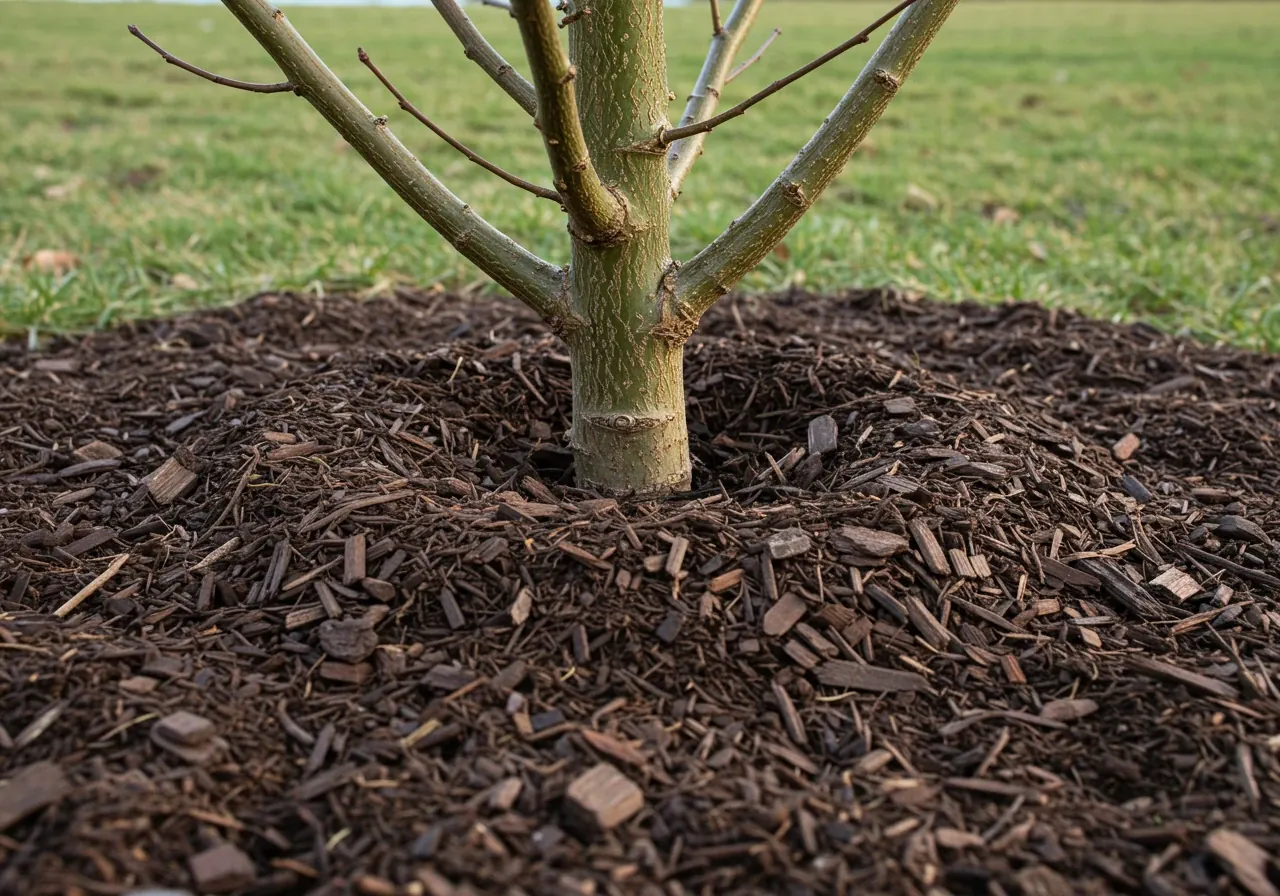
Mulch is like a cozy duvet for your plant's roots. Applying a 2-3 inch layer of organic mulch (like shredded bark or wood chips) after planting offers huge benefits:
- Insulation: Helps buffer the soil against extreme temperature swings and delays deep freezing.
- Moisture Retention: Reduces water evaporation from the soil, crucial during dry fall spells.
- Weed Control: Keeps pesky weeds from competing with your new plant.
Important: Keep the mulch a few inches *away* from the base stem or trunk of the plant. Piling it right against the stem can trap moisture and invite pests or disease. Think doughnut, not volcano!
For an eco-friendly option, consider using shredded leaves collected during fall cleanup. Getting your yard ready might involve preparing your garden beds with an Ottawa property cleanup service or even a more localized option like the fall yard preparation, like the Marionville yard cleanup service offers, which can sometimes provide leaf mulch. Properly managing fall leaves through a city yard cleanup service can also yield great mulch material.
Keep watering your new plantings regularly (about an inch a week, including rainfall) until the ground freezes solid. This consistent moisture helps those roots get established. If keeping up with fall tasks feels overwhelming, remember that a regular city garden maintenance service can help with planting, mulching, and watering. Give your young plants this strong start, and they'll be much better equipped to face their first Ottawa winter!
Tucking Them In: Essential Winter Protection Strategies for Young Plants
Okay, let's get those leafy youngsters ready for their first big sleep under Ottawa's winter blanket! Think of this as tucking them in – providing that extra bit of protection to help them wake up happy and healthy next spring. It’s not complicated, but taking a few key steps makes a huge difference.
Last Call for Water!
Before the ground freezes solid (usually sometime in November, but Mother Nature keeps us guessing!), give your young plants one last, *deep* drink. Even though they're going dormant, their roots still need moisture. Frozen ground means they can’t absorb water, so hydrating them well beforehand helps prevent them from drying out over winter, especially during windy or sunny spells. Don't just sprinkle – let the hose run slowly at the base until the soil is thoroughly damp several inches down.
Dress Them Up: Wraps, Screens, and Guards
Winter throws a few punches, mainly from hungry critters and harsh weather. Here's how to play defense:
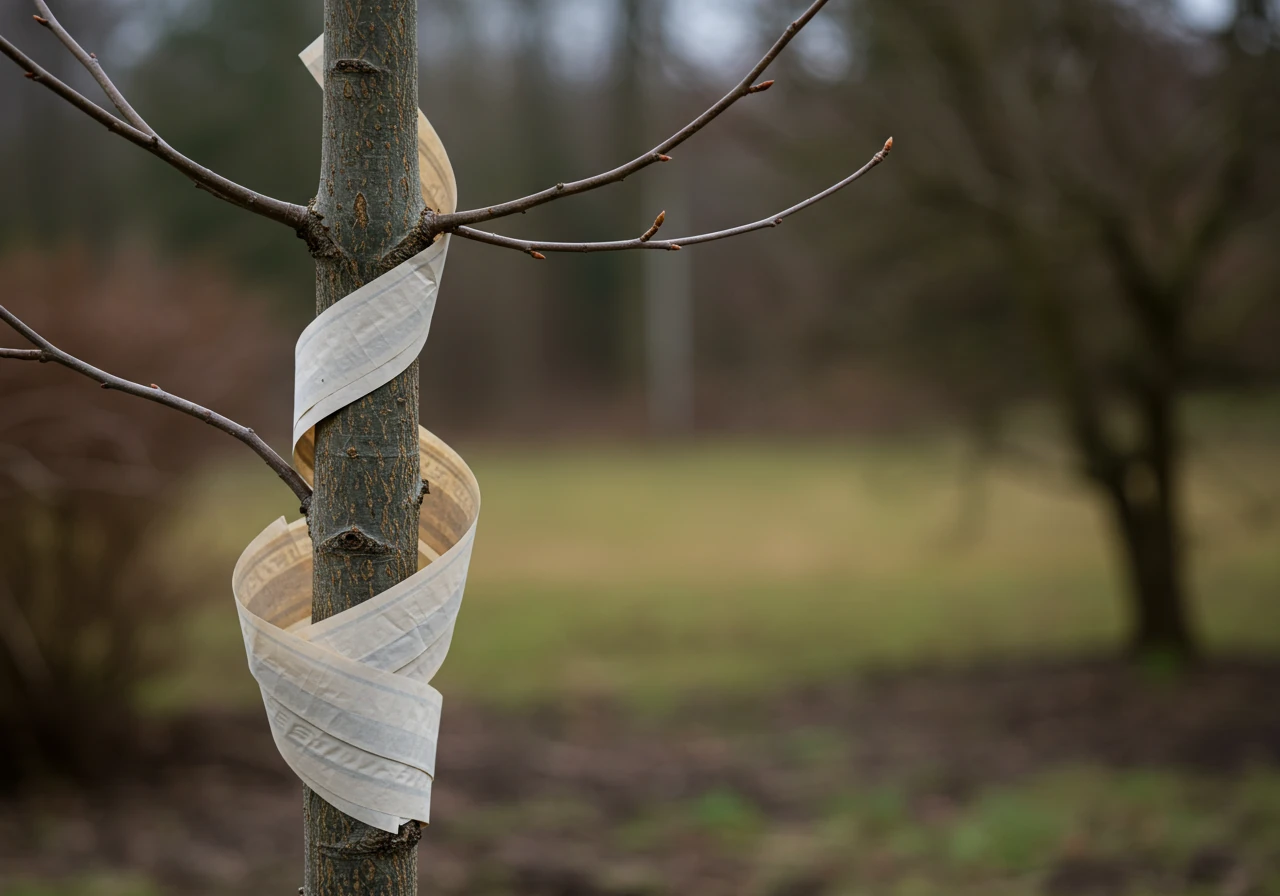
- Tree Trunk Protection: Young trees with thin bark (like maples or fruit trees) are susceptible to "sunscald." This happens when the winter sun warms the bark on the southwest side during the day, causing cells to wake up, only to be damaged when temperatures plummet at night. It creates cracks and wounds. Pesky rabbits and mice also love chewing on tender bark when food is scarce. The simple fix? Use commercial tree wrap (usually light-colored paper or plastic) starting from the base and wrapping upwards, overlapping slightly, up to the first set of branches. You can also use plastic tree guards or wire mesh cylinders around the base specifically for critter protection. Remember to remove wraps in the spring! Ensuring your yard is clear of debris, perhaps through a service like the Metcalf garden clean up service, also reduces hiding spots for these munching menaces.
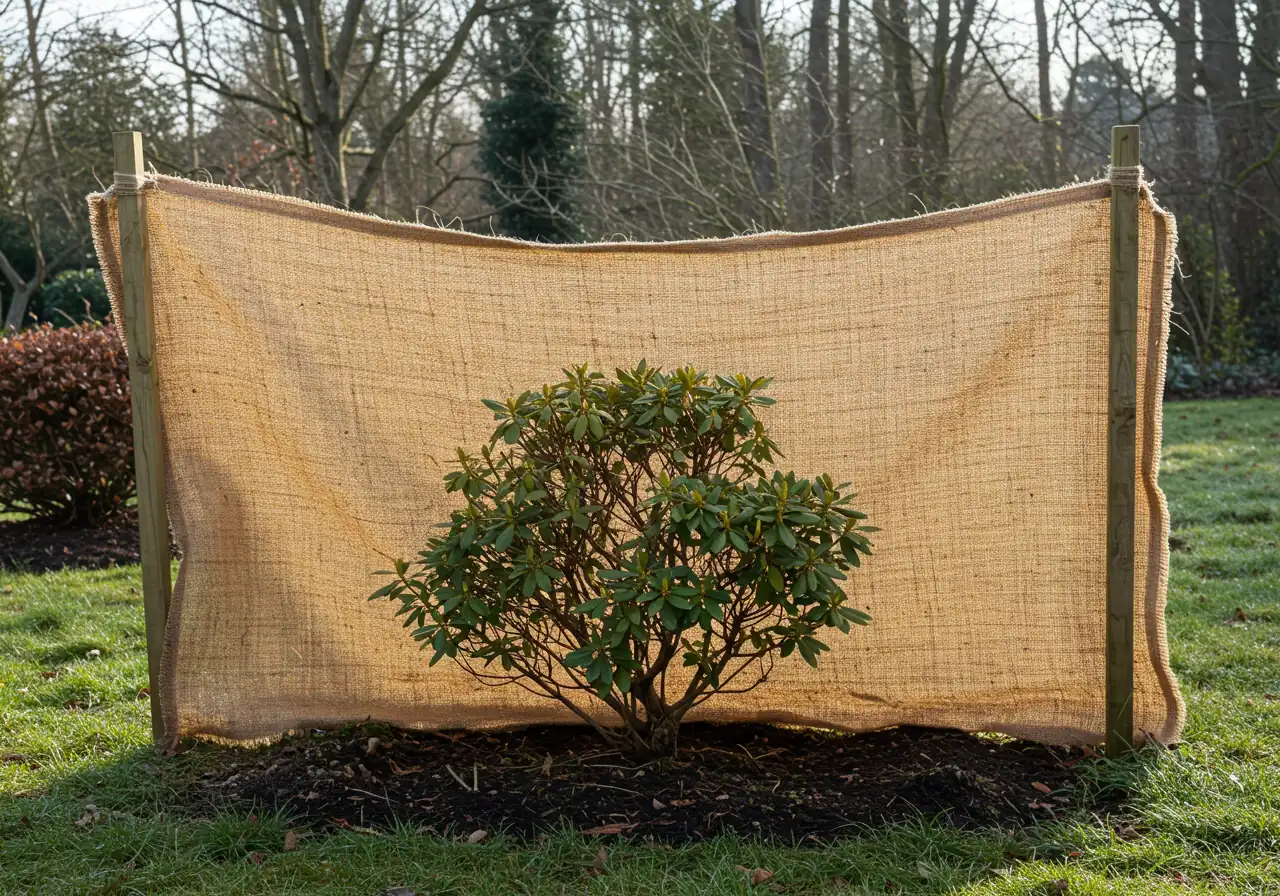
- Evergreen Sunblock (Burlap Screens): Broadleaf evergreens (like Rhododendrons) and even some conifers can suffer from "winter burn." This is drying out caused by wind and sun when the roots can’t replace lost moisture. For vulnerable young evergreens, especially those in exposed, windy spots (think wide-open properties maybe out near Kars), creating a burlap screen can be a lifesaver. Hammer in a few stakes around the plant (on the south and west sides, primarily) and staple burlap fabric to them. *Important:* Don't wrap the plant tightly *in* burlap – you want to create a windbreak and shade barrier, allowing air to circulate. Leave the top open.
Cozy Covers and Nature's Blanket
For smaller perennials or delicate shrubs like roses, extra insulation helps.
- Rose Cones & Cloches: Styrofoam rose cones work, but make sure to punch ventilation holes in them. Clear plastic cloches can also offer protection, but watch they don't overheat on sunny days.
- Leaf Litter Love: An eco-friendly and free option! Pile shredded leaves or clean straw loosely around the base of plants after the ground has started to freeze. This provides excellent insulation. Leaves gathered during a fall cleanup, like those handled by a Marionville yard cleanup service, are perfect for this. Just be sure to gently rake them away from the plant crown in spring. Proper mulching and edging in the fall also provides foundational root insulation before adding extra cover.
Snow Savvy
Snow is nature's insulator! A good snow cover protects roots from deep freezes. However, *heavy*, wet snow can bend or break branches on young shrubs and upright evergreens. Gently brush off excess snow buildup with a broom (sweeping upwards) to prevent damage. Don't whack iced-up branches – they're brittle and easily snap. Let ice melt naturally.
Battling the Salt Monster
If your garden beds are near roads or walkways that get salted in winter, especially in suburban areas like Embrun or Russell, salt spray can be brutal on young plants. Salt buildup in the soil draws moisture *out* of roots. You can create physical barriers using burlap screens (similar to the windbreaks mentioned earlier) along the edge of the bed facing the road. Planting salt-tolerant species further from the edge is also a smart long-term strategy. Good drainage, often improved through careful soil preparation before planting, can also help flush salts away more effectively in the spring.
Taking these steps might seem like a bit of extra work, but it’s a worthwhile investment in your young plants' future. As folks who spend a lot of time helping Ottawa gardens thrive (you can learn more about us here), we promise that giving your plants this extra TLC helps them face winter with confidence! Sweet dreams, little plants! Find our location and reviews on our Google My Business page.
Hypothetical Winter Survival Rates (Young Plants)
*Illustrative data showing importance of protection and plant choice.
Your Ottawa Young Plant Care Calendar: A Seasonal Guide
Okay, let's break down the year for your leafy little buddies here in Ottawa. Young plants need a bit more TLC, especially in their first year or two. Think of this as their cheat sheet for surviving and thriving!
Spring (The Big Thaw & Wake-Up Call)
- Wait for hard frost risk to pass (late April/May) before removing protection.
- Check for winter damage/frost heave; prune dead wood.
- Clean up debris around the base. Consider a city garden clean-up service.
- Check soil moisture and water if dry.
Summer (Growing Strong)
- Water deeply but less frequently to encourage deep roots.
- Keep weeds away! Mulching and edging helps immensely.
- Monitor for pests/diseases; act early.
- Enjoy the growth! Consider ongoing garden maintenance.
Fall (Tuck-In Time)
- Continue watering until ground freeze.
- Apply/top up mulch after ground cools.
- Install winter protection (wraps/screens) after light frosts.
- Perform thorough fall cleanup. See property clean-up options. Need help in the city? Try city property cleanup service.
Winter (Chill Out)
- Check winter protection after storms.
- Gently remove heavy snow load from branches.
- Avoid walking on frozen lawns or garden beds.
- Plan for next season! Dream about sod installation or new plantings.
Following these seasonal steps gives your young Ottawa plants the best shot at becoming strong, established members of your landscape for years to come! For tailored seasonal care, look into our Ottawa yard cleanup service offerings.
Highlight Box: Quick Wins for Winter-Proofing Young Plants
Got young plants looking a bit nervous about their first Ottawa winter? We get it – it can be nippy out there! Don't sweat it (or maybe *do* sweat it a little while doing these tasks!). Here are some super quick, must-do tips to tuck your garden newcomers in safely before the big freeze. Think of this as your express lane to happier plants next spring.
- Choose the Right Stuff: Set yourself up for success! Pick young plants rated for Zone 5, or even better, Zone 4 for extra peace of mind. Knowing your plant's needs is key – a bit like knowing our website's guidelines, which you can find in the Terms and Conditions. Hardy plants make happy gardeners!
- Plant Smart & Amend Soil: Aim for late summer or early fall planting. This gives roots time to settle in before the ground turns into an ice cube. Dig a hole wider than the pot, not necessarily deeper, and mix in generous amounts of compost. Improving soil structure is vital, whether you're in sandy soil or dealing with clay that might need attention from a crew like a Metcalf yard cleanup service prepares sites for planting.
- Mulch Like a Pro: Once the ground has cooled down (but before it freezes solid!), apply a cozy 2-3 inch blanket of organic mulch like shredded bark or leaves around the base of your young plants. Leaf mulch, sometimes a bonus byproduct from services like a Marionville property cleanup service, works great! Just remember the golden rule: keep mulch shaped like a doughnut, *not* a volcano piled against the stem.
- Water Before Winter Locks Down: This one's crucial! Give your young plants one last, long, deep drink of water just before the ground is expected to freeze solid. Making sure the area around the base is clear helps water soak in effectively – often a benefit of a good fall property clean-up. This pre-freeze hydration helps prevent roots from drying out over winter.
- Protect the Vulnerable Ones: Young tree trunks need protection from sunscald (winter sunburn!) and nibbling critters like rabbits. Use light-colored tree wrap or plastic guards. For broadleaf evergreens or conifers in windy spots (looking at you, exposed suburban lots!), create a burlap screen using stakes – think windbreak, not tight mummy wrap – to shield them from drying winds and harsh sun.
Taking these few steps can dramatically increase your young plants' chances of sailing through an Ottawa winter and greeting you with gusto next spring! We're serious about helping your garden thrive, and just as serious about handling information responsibly, as detailed in our Privacy Policy. Happy winter prepping!
Frequently Asked Questions (FAQs) for Ottawa Gardeners
Patience is key in Ottawa! Wait until the snow is completely gone and the ground isn't a soggy mess, usually late April or early May. Raking too early can damage tender shoots and compact wet soil. For a thorough refresh without the guesswork, consider booking a professional Ottawa garden clean up service once conditions are right. They know exactly when and how to tidy up for spring growth.
Ah, sandy soil – drains fast, but loses nutrients quickly! The best fix is adding *organic matter*. Mix generous amounts of compost or well-rotted manure into the planting area. This helps retain moisture and provides food for your plants. Applying mulch on top also helps conserve water. It takes time to build great soil, but adding compost every year makes a huge difference for those thirsty Greely gardens.
In areas like Metcalfe, early spring munchers are often rabbits enjoying tender new growth, or sometimes deer if you're more rural. Look for clean, angled cuts (rabbits) or ragged tearing (deer). Using physical barriers like wire mesh cages around young shrubs is very effective. Repellents can also work but need frequent reapplication, especially after rain. Keeping the garden tidy reduces hiding spots for smaller critters too. Consider service from Metcalf Garden Clean Up Service or even Metcalf Property Cleanup Service for broader area tidiness.
If yard tasks feel like a chore instead of a joy, or if you lack the time or tools, hiring help is a great idea! Professionals handle everything from planting design to seasonal cleanups. Most reputable companies offer free quotes. You can usually request an estimate online, and they'll assess your needs. Providing clear details helps get an accurate price – check out our easy Estimate feedback form to see what info is helpful.
Not at all! Think of 'Vernon Young Plants' as shorthand for choosing plants *well-suited* to our local climate, like varieties known to thrive in areas around Vernon or similar Ottawa region spots. What truly matters is the *hardiness zone* (aim for Zone 5 or ideally 4 for Ottawa), matching the plant's light and water needs to your site, and buying healthy stock from a reputable local source. Hardy means it can survive our minimum winter temperatures! Consider exploring options via Marionville Yard Cleanup Service for local insights, or get general help from a Ottawa property cleanup service.
Reputable companies take your privacy seriously! Whether you need a large Marionville garden clean up service or just basic maintenance, your personal details (name, address, contact info) should only be used for scheduling, service delivery, and billing. Always look for a clear statement on their website explaining how data is collected and protected. You can review our commitment to safeguarding your information in our Privacy Policy.
Conclusion: Planting Confidence for Every Ottawa Season
So, there you have it! Giving your young *plants* a fighting chance against Ottawa's frosty moods isn't some mystical gardening secret – it just boils down to smart planning and care. Remember the key takeaways: start with tough, *hardy* plants right for our climate, focus on establishing deep *roots* with proper *planting* and fall care, and give them a little extra protection before winter truly hits. It might seem like a challenge, especially when you hear those winter wind warnings, but trust us, seeing those plants bounce back strong in the spring sunshine makes it all worthwhile!
With the right approach, your leafy newcomers can absolutely thrive, adding beauty and life to your *landscape* year after year. Success is totally achievable, whether you're tending a small urban *garden* or managing larger plantings in neighbourhoods like Winchester or Kenmore. Don't let our famous winters intimidate you from creating the outdoor space you envision!
Ready to plant with confidence, no matter the season?
- Need personalized advice for your specific garden challenges or unique property needs? Reach out to book a consultation – we love talking plants and finding solutions!
- Short on time or prefer expert hands for planting, mulching, or winter prep, especially serving areas like Nepean and Barrhaven? Check out our reliable landscaping and gardening services designed for Ottawa homeowners, including specialized city garden clean up service.
- Have a fantastic winter protection tip you swear by, or a proud photo of your successfully overwintered young plants? We’d love to see it! Share your successes and connect with our local gardening community on social media.
Let's grow something great together, right here in Ottawa!