Winchester: Use Indicator Plants to Read Clay Soil Health
Quick Summary: Understanding Your Clay Soil
- Heavy clay soil is common in Winchester and the Ottawa area, known for poor drainage and compaction when dry/wet.
- Certain "weeds" (indicator plants like dandelions, plantain, chicory) signal specific soil conditions like compaction or moisture levels.
- Improve clay soil primarily by adding organic matter (compost, leaf mould). Avoid adding sand.
- Choose clay-tolerant plants (Hostas, Daylilies, Coneflowers) for better success.
- Regular soil amendment and mindful practices (like avoiding compaction) lead to healthier gardens.
Introduction: Hey Winchester! Let's Talk Dirt (Specifically, Clay!)
Hey Winchester! Ready to chat about something that truly grounds us gardeners? Let's talk dirt – specifically, that heavy, sticky clay soil many of us know so well. If wrestling with your shovel feels like a workout, trust us, you're in good company! Your neighbours over in Greely and Metcalfe, and folks throughout the wider Ottawa region, often share the same landscaping challenge.
But here's a neat trick: instead of just fighting the clay, what if you could read it? Nature gives us clues through the types of plants – sometimes seen as weeds – that pop up naturally. These are called indicator plants, and they act like little messengers, telling us about our soil health, like whether it's compacted, low in nutrients, or holding too much water.
This guide is here to help you decode those messages right in your own backyard. Our goal is simple: to empower you with the know-how and practical gardening tips to understand your specific Winchester soil conditions and help your garden truly thrive, working with the clay, not just against it. Let's learn to speak fluent "plant"!
Clay Soil 101: Understanding Your Winchester Foundation
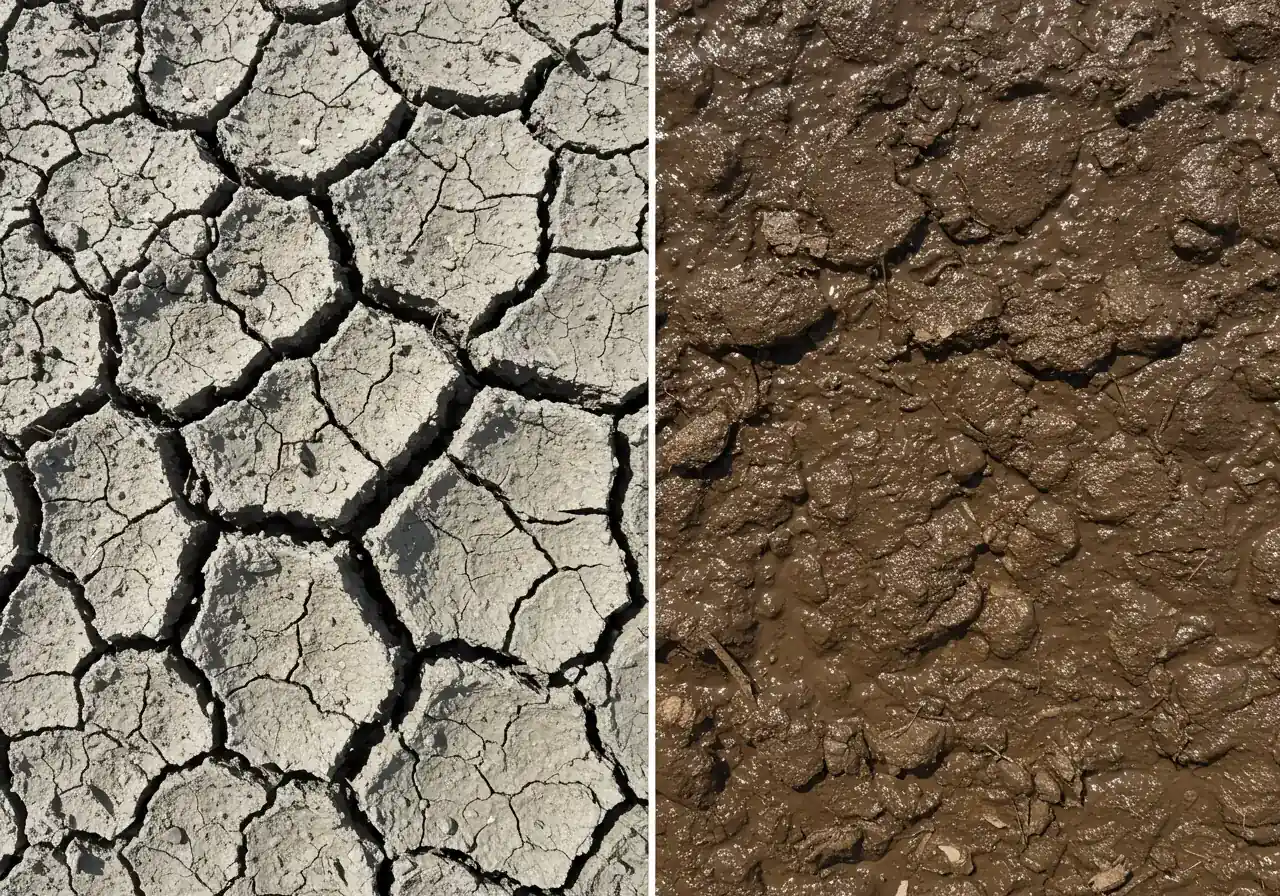
Okay, Winchester neighbours, let's dig into the heart of many local gardens: clay soil! If you've ever tried digging after a dry spell and felt like you hit concrete, or tried planting after a rain and ended up with muddy cement clinging to your shovel, chances are you're dealing with clay. Think of clay soil as being made up of super-duper tiny mineral particles. They're flat and like to pack together really tightly.
Now, clay isn't all bad news – it's actually a bit of a double-edged sword for gardeners:
- The Upside: Nutrient Magnet! One fantastic thing about clay is its ability to hold onto nutrients like a champ. Those tiny particles have electrical charges that grab onto essential plant food (like nitrogen, phosphorus, and potassium) and keep it from washing away easily. This means clay soil is often naturally quite fertile – a great starting point!
- The Downside: Stubborn & Clingy. Here's where the challenges come in, familiar to many in Winchester, Nepean, and Barrhaven:
- Compaction: Because those tiny particles pack so tightly, clay soil compacts easily. Foot traffic, heavy rain, even just its own weight can squash out air pockets. Plant roots need air just as much as water, and they struggle to push through dense, compacted clay. This can make planting feel like a wrestling match! Good soil preparation is crucial.
- Poor Drainage: When water hits tightly packed clay, it struggles to soak through. This can lead to waterlogged soil, especially after heavy rain or spring melt. Most plant roots hate sitting in soggy conditions ("wet feet") and can actually rot. Observing your plants closely can reveal issues; understanding Winchester Leaf Margins & Water Stress Clues helps identify if they're getting too much or too little water, often linked to drainage.
The Ottawa Climate Twist:
Our unique Ottawa area climate, with its freezing winters and thawing springs, adds another wrinkle. The freeze-thaw cycle can sometimes help break up the very top layer of clay, which is a small bonus. However, it can also cause "frost heave," pushing plants (especially smaller or newly planted ones) right out of the ground as the water in the soil expands and contracts.
Understanding these characteristics is crucial for successful gardening in Winchester. It influences everything from how you prepare your soil – a vital step in any effective Winchester Spring Garden Health Plan – to choosing the right plants that can tolerate heavier conditions. Smarter plant selection and layout are key components when planning your Winchester Garden Design: Your Oasis Awaits. Even seasonal tasks are affected; the density of clay can make jobs like splitting roots more difficult, so knowing what you're digging into is helpful when following guides like the Winchester Divide Perennials Fall Guide.
While clay presents unique challenges, knowing what you're working with is the first step to creating a thriving garden. And hey, if wrestling with heavy soil isn't your idea of fun, remember there are professional landscaping and garden maintenance services ready to help manage your Winchester landscape.
Nature's Tattletales: What Exactly Are Indicator Plants?
Okay, ever feel like your yard is trying to tell you something? Maybe whispering secrets about the soil beneath your feet? Well, you're not wrong! Nature has its own little messengers, often disguised as common weeds, that we call indicator plants. Think of them as nature's tattletales – they happily spill the beans on what's really going on underground, especially with that tricky clay soil we often find around Ottawa.
So, what exactly are these botanical blabbermouths? Simply put, indicator plants are specific types of plants (yep, often the ones you want to yank out!) that thrive in certain soil conditions. If you see a whole bunch of one type popping up year after year, it's like a flashing neon sign pointing to a particular characteristic of your soil. They aren't causing the problem, but they sure love living in it!
Here’s the kind of intel they can provide:
- Compaction Crew: Seeing lots of dandelions, broadleaf plantain, or chicory? These tough guys often signal compacted soil where roots struggle to penetrate. It's like they're waving a flag saying, "Hey, it's packed down tight here!"
- pH Pointers: Plants like sheep sorrel or wild strawberries often indicate acidic soil (low pH), while Queen Anne's lace might suggest more alkaline conditions (high pH).
- Moisture Meters: Fields of horsetail or rushes often point to wet, poorly drained soil. Conversely, plants like mullein might suggest drier, perhaps sandy or gravelly spots.
- Nutrient Notifiers: Some plants hint at fertility levels. For example, vigorous clover growth can indicate low nitrogen (clover makes its own!), while lamb's quarters might show up in nutrient-rich spots.
For homeowners in areas like Richmond or Manotick, paying attention to these plant clues is like getting free diagnostic information for your garden beds and lawn! Before you rush out for expensive soil tests or amendments, take a walk around your property. What's growing naturally (and maybe annoyingly)? Observing these plants helps you make smarter gardening decisions – maybe you need to aerate, adjust pH, improve drainage, or add compost.
Understanding your soil through these natural clues is a vital first step *before* deciding on things like material selection for new garden projects or choosing plants. Even professional landscaping and garden maintenance services use these visual cues as part of their assessment. Knowing which "weeds" are actually telling a story is also valuable when undertaking larger tasks. A thorough Winchester yard cleanup service, or similar teams offering help like a Marionville yard cleanup service, can clear unwanted vegetation, but understanding *why* certain plants were thriving helps address the root cause. Likewise, if you need assistance closer to the city's edge, insights from indicator plants can inform how a Metcalf property cleanup service approaches improving the site long-term. Learning to read these natural signs is a fantastic, low-cost way to become a more effective and successful gardener!
Decoding Your Yard: Common Clay Indicators Around Winchester
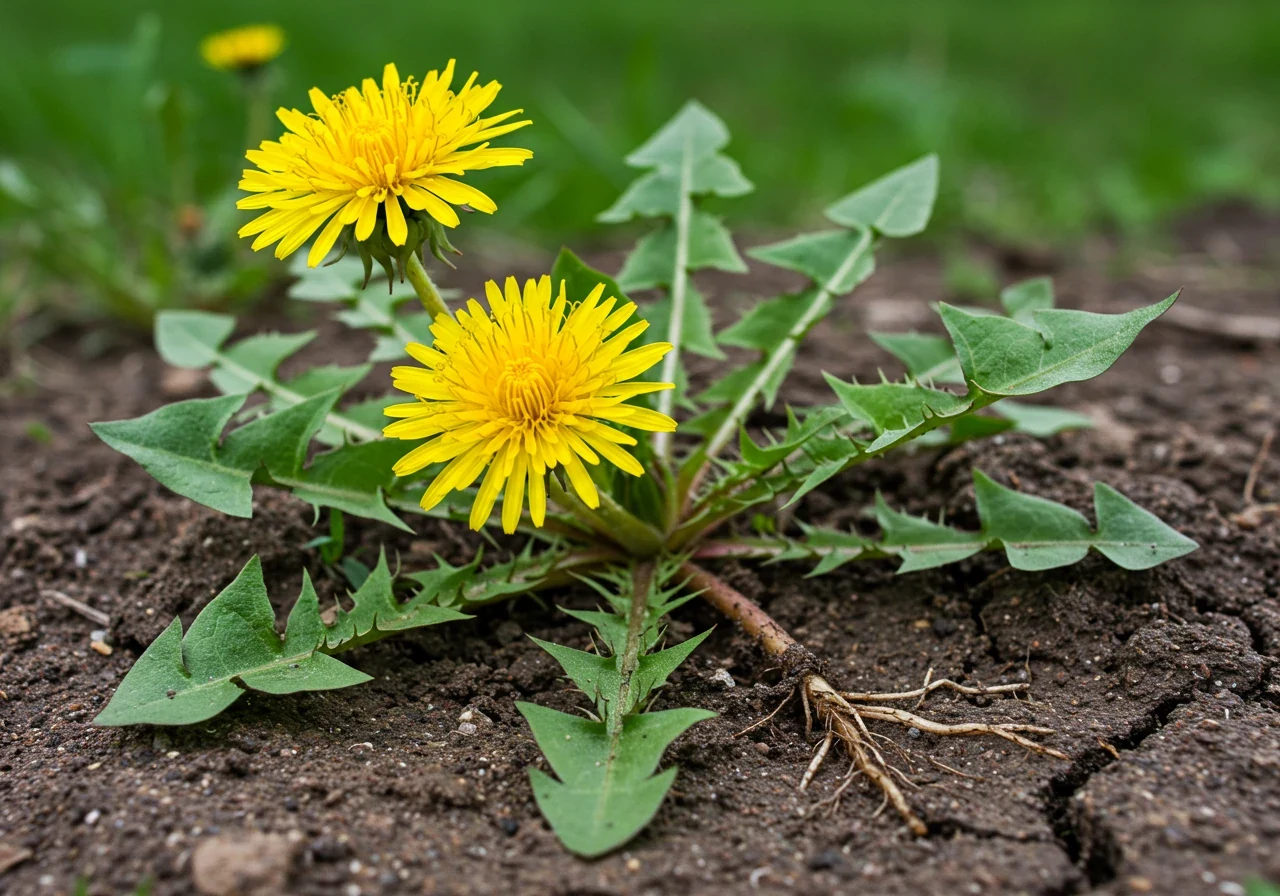
Alright, let's play detective in our own backyards! Your Winchester garden, much like those in nearby Russell and Embrun, might be hosting a few "volunteer" plants (okay, fine, weeds) that are actually dropping major hints about your soil. These aren't just random green things trying to annoy you; they're nature's little signals, especially good at pointing out common clay soil characteristics. Learning to read them can save you guesswork and help you nurture a happier garden.
Think of it this way: if your garden keeps throwing down the welcome mat for certain uninvited guests, it's probably because the conditions are just right for them. Here are a few common indicators you might spot around the Ottawa area and what they're often trying to tell you:
1. The Compaction Crew: Dandelion & Broadleaf Plantain
- What they signal: Heavily compacted soil, often clay-heavy. Dandelions might also suggest low calcium.
- Why: These guys are tough! Dandelions boast a formidable taproot that can muscle its way down into dense, packed earth where other plants give up. Broadleaf Plantain thrives where foot traffic (or mower traffic!) squashes the soil, forming low rosettes that hug the ground. If you see carpets of these, your soil likely needs loosening up to let air and water penetrate better.
2. The Deep Divers: Chicory
- What it signals: Compacted soil, often indicative of underlying clay, potentially low fertility.
- Why: Like the dandelion, Chicory has a long, sturdy taproot designed to punch through tough soil layers to find moisture and nutrients. Its presence suggests the topsoil might be shallow or compacted over a dense clay base. While pretty with its blue flowers, a field of chicory screams "hard ground below!"
3. The Tenacious Traveler: Quackgrass (also known as Couch Grass)
- What it signals: Can indicate compaction, but often signals recently disturbed soil or areas where competition is low (perhaps due to poor soil structure). It loves heavy clay.
- Why: Quackgrass is infamous for its aggressive, sharp-pointed rhizomes (underground stems) that spread horizontally like crazy. It can take hold easily in disturbed or compacted clay where other plants struggle to establish. Trying to pull it often just breaks the rhizomes, leading to more plants – frustrating!
4. The Wet-Foot Wonder: Coltsfoot
- What it signals: Poorly drained, moist soil, often clay or disturbed ground (like ditches or construction edges).
- Why: Coltsfoot is one of the first plants to flower in spring, often before its leaves appear. It doesn't mind having "wet feet" and frequently pops up in damp, clay-heavy areas where water tends to sit. If you see its yellow, dandelion-like flowers on leafless stalks early in the season, check that spot for drainage issues.
Here’s a quick summary table:
| Plant Indicator | Often Signals... | Why? |
|---|---|---|
| Dandelion | Compaction, Low Calcium | Strong taproot breaks compacted soil; seems to prefer lower calcium. |
| Broadleaf Plantain | Compaction, Often Moist Clay Surface | Tolerates heavy traffic & poor drainage near the surface. |
| Chicory | Compaction, Often Clay Subsoil | Deep taproot penetrates hard layers; tolerates low fertility. |
| Quackgrass | Compaction, Disturbed Clay Soil | Aggressive rhizomes spread easily where other roots struggle. |
| Coltsfoot | Poor Drainage, Disturbed/Wet Clay | Thrives in consistently moist conditions, common in clay. |
What Now? Actionable Insights!
Seeing these plants isn't a gardening death sentence! It's valuable intel.
- Compaction Indicators (Dandelion, Plantain, Chicory, Quackgrass): Your soil likely needs aeration and organic matter (like compost) worked in to improve structure. Regular core aeration for lawns can help significantly. For garden beds, try digging in compost or well-rotted manure.
- Poor Drainage Indicators (Coltsfoot, sometimes Plantain): Focus on improving drainage. This might involve adding lots of organic matter, creating raised beds, or, in severe cases, installing drainage solutions. Choosing plants tolerant of moist conditions is also key.
Dealing with widespread indicator weeds before improving the soil might feel overwhelming. If you're facing a jungle, getting professional help like a City Property Cleanup Service can provide a clean slate. Even properties on the edge of the city experience these issues; our team providing the Metcalf Property Cleanup Service frequently encounters clay indicators. Once the area is clearer, ongoing help through something like a City Garden Maintenance Service can ensure amendments are incorporated correctly and new weeds are managed.
Remember, when reaching out for advice or services, we respect your data; how we handle information is detailed in our Privacy Policy. Understanding the scope and details of any professional service is also important, which you can learn more about in our general Terms and Conditions.
So, next time you're surveying your Winchester domain, look closely at those common "weeds." They might just be telling you exactly what your soil needs to help your desired plants truly flourish!
Beyond the Weeds: What Thrives (and Dives) in Ottawa Clay?
Okay, so we've learned to read the "weeds" – those handy indicator plants telling tales about our heavy soil. But let's be honest, most of us aren't aiming for a prize-winning dandelion patch! The real goal is to grow beautiful flowers, shrubs, and maybe even some veggies that *don't* throw in the trowel at the first sign of clay.
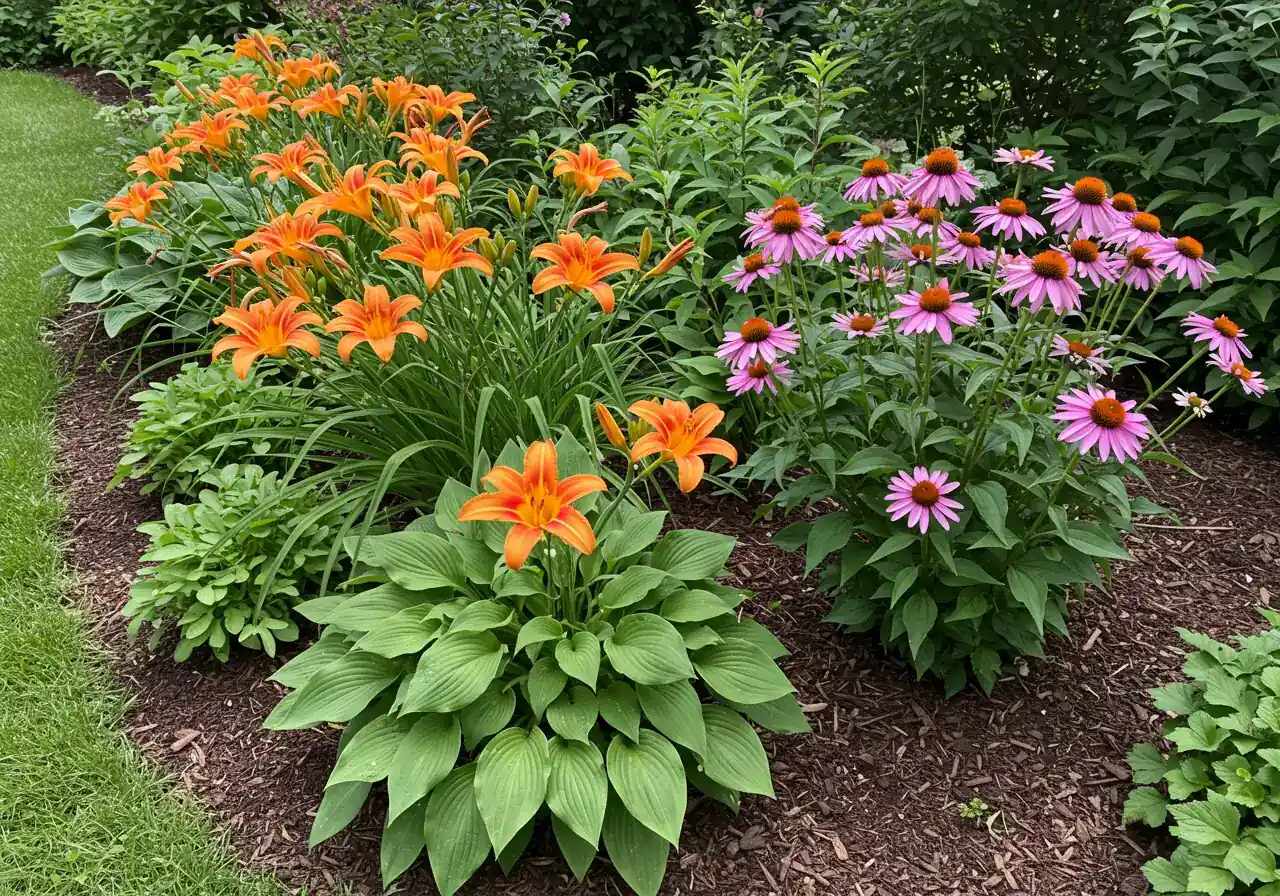
The good news? Plenty of fantastic plants are surprisingly tough and can handle the heavier soils found around Ottawa, even down towards Kars. You just need to choose wisely! Think of it like picking the right tool for the job – you wouldn't use a flimsy rake to break up concrete, right? Same idea with plants.
Clay Champions: Plants That Often Do Well
These troopers tend to be more forgiving of heavy soil, though *all* plants appreciate *some* soil improvement like adding compost!
- Hostas: The undisputed shade garden superstars! They come in countless sizes and colours and generally aren't too fussy about soil, as long as it's not constantly waterlogged.
- Daylilies (Hemerocallis): Tough, adaptable, and they put on a fantastic flower show. They can handle clay quite well once established.
- Coneflowers (Echinacea): These prairie natives are built tough. Their deep roots help them cope with various conditions, including clay. Plus, pollinators love them!
- Black-Eyed Susans (Rudbeckia): Cheerful, sunny, and reliable bloomers that tolerate heavier soils.
- Asters: Many varieties, especially native ones, are well-suited to our region and don't mind clay. Great for late-season colour.
- Coral Bells (Heuchera): Valued for their colourful foliage, many varieties handle clay okay, especially if the drainage isn't absolutely terrible.
Plants That Might Sulk (Without Help!)
Some plants just really, *really* hate having "wet feet" and demand the excellent drainage that heavy clay often lacks. You *can* grow them, but you'll likely need to significantly amend the soil with compost and potentially grit, or plant them in raised beds.
- Lavender: Dreams of Mediterranean hillsides, not soggy clay. Needs sharp drainage.
- Most Mediterranean Herbs (Rosemary, Thyme): Similar to lavender, they prefer well-drained, less fertile soil.
- Many Rock Garden Plants & Succulents (like Sedum): Require quick drainage to prevent root rot.
- Plants Native to Sandy Areas: If it evolved on a beach, it probably won't love dense clay!
Focus on These Clay Lovers:
Hostas, Daylilies, Coneflowers, Asters, Black-Eyed Susans are generally good bets for heavier soils around Winchester. Give them a good start with compost!
Use Caution or Amend Heavily:
Lavender, Rosemary, Thyme, and most succulents will struggle in unimproved clay due to poor drainage. Consider raised beds or significant soil amendment for these plants.
Pro Tip: Be a Neighbourhood Plant Spy!
Take a walk or drive around your area, perhaps near Vernon or other local communities. See what’s thriving in your neighbours' yards! If someone has spectacular peonies or hydrangeas seemingly growing right out of the clay, chances are those varieties are pretty adaptable (or they've done some serious soil amending!). You can also check our Google My Business page for project photos and reviews.
Making it Work:
Even with clay-tolerant plants, giving them a good start helps. Improving the soil structure with compost is always beneficial. Applying a layer of organic mulch is also crucial; our professional mulching and edging services help regulate soil moisture and temperature, preventing the clay from baking hard in summer or getting overly saturated. If you're clearing out plants that clearly struggled, starting fresh might be easiest; consider an Ottawa yard cleanup service to prep the area.
Remember, while garden beds offer opportunities for focused soil improvement, establishing lawns on heavy clay presents its own hurdles. If you're battling patchy grass, professional sod installation might offer a more immediate solution by bringing in better topsoil with the turf. Before committing to any large project or service, it's always a good idea to review the provider's commitments, such as those outlined in our General Terms and Conditions.
Choosing the right plants is half the battle. Give these clay champions a try, observe your local surroundings, and don't be afraid to amend that soil! Need a hand figuring it all out? Drop us a line – you'll find our Thank You page confirms your message got through after you contact us. Happy planting!
Giving Your Clay Soil a Boost: Eco-Friendly Fixes for Winchester Gardens
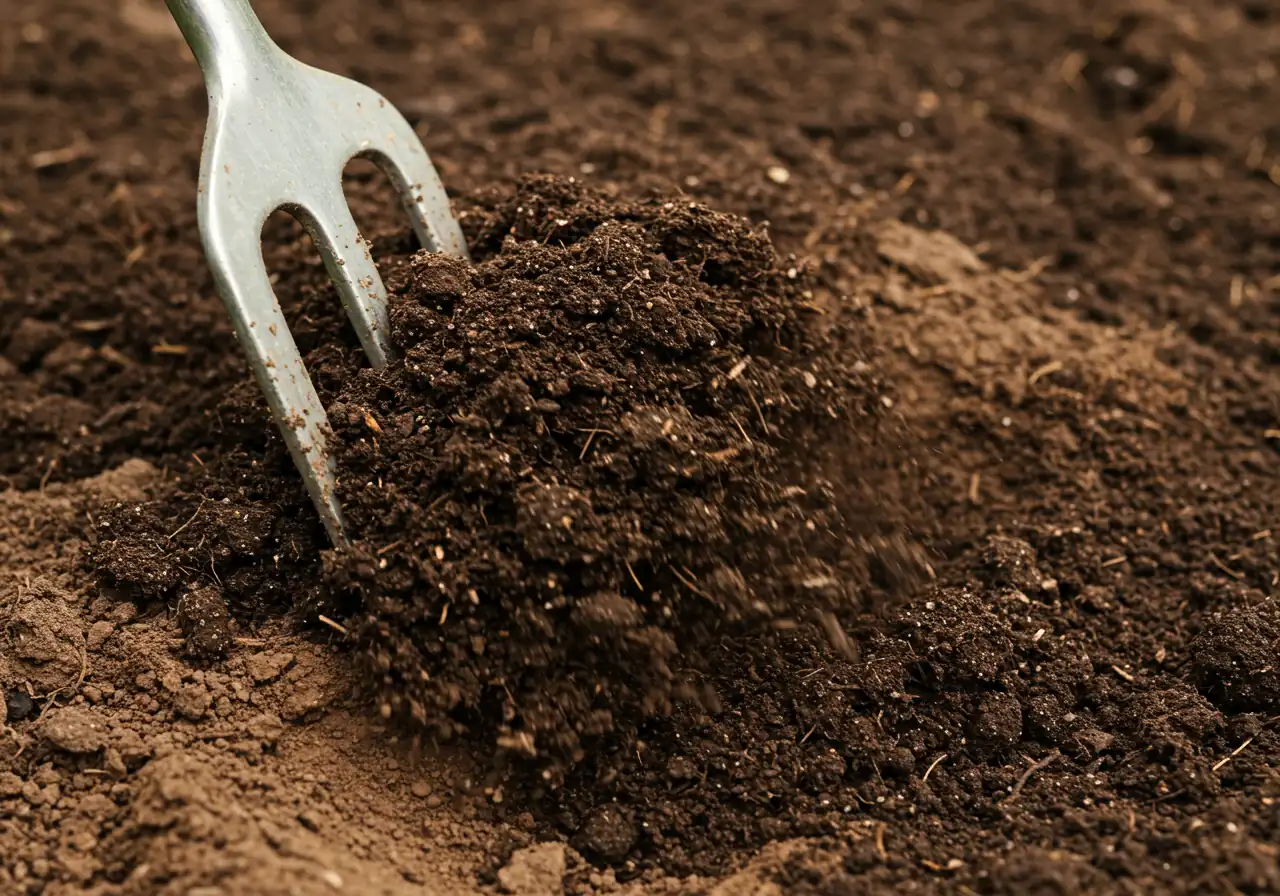
Alright Winchester green thumbs, let's roll up our sleeves and talk about transforming that stubborn clay into gardener's gold! Heavy soil might feel like a workout partner you didn't sign up for, but the good news is you *can* improve it, and you can do it in ways that are kind to the environment. Folks in health-conscious communities like nearby Kenmore and Greely appreciate sustainable gardening practices, and these tips fit right in. Forget harsh chemicals; we're talking about working *with* nature.
The Secret Sauce: Load Up on Organic Matter!
This is the single most important thing you can do for clay soil. Adding organic matter – things like compost, well-rotted manure, or leaf mould – works wonders. Think of clay particles as tiny, flat plates that pack together tightly, squeezing out air and blocking water. Organic matter acts like a fluffy sponge:
- It forces the tiny clay particles to clump together into larger aggregates, creating bigger spaces between them.
- These spaces improve drainage, letting excess water escape so plant roots don't drown.
- They also improve aeration, allowing vital oxygen to reach the roots.
- Plus, organic matter slowly releases nutrients and encourages beneficial soil life (like earthworms – yay!).
Your Step-by-Step Soil Amendment Plan:
Ready to give your soil some love? Here’s a simple guide:
- Timing is Key: Late fall is an excellent time for soil amendment in the Ottawa region. Spreading organic matter then lets winter’s freeze-thaw cycles help mix it in naturally. Spring is good too, just be careful not to work the soil when it's too wet.
- Clear the Decks: Remove existing weeds or unwanted plants from the area you want to improve. If you're dealing with a large or particularly overgrown space, tackling a full property clean up first can give you a clean slate to work with.
- Spread the Good Stuff: Lay down a generous layer of your chosen organic matter – think 2 to 4 inches (5-10 cm) thick right on top of the soil. Don't be shy! Compost is fantastic, aged manure adds nutrients (make sure it's well-rotted, not fresh!), and shredded leaves or leaf mould are free garden gold.
- Gentle Incorporation: Using a garden fork or spade, gently work the organic matter into the top 6 to 8 inches (15-20 cm) of your clay soil. The goal is to mix, not pulverize or excessively fluff it. Crucially, avoid doing this when the soil is very wet – working wet clay can damage its structure further, making things worse.
Hold the Sand! (Seriously, Don't Do It)
You might hear advice about adding sand to "lighten" clay. Please resist! Adding sand to clay soil, especially in the wrong proportions, doesn't create lovely loam. It often creates something closer to homemade concrete. The sand particles fill the tiny spaces between clay particles, making drainage and compaction even worse. Stick with organic matter – it’s the proven path.
Tread Lightly: Avoiding Compaction
Remember how clay loves to pack down? Help prevent this!
- Avoid walking on garden beds whenever possible, especially when the soil is wet after heavy rain or spring melt here in Ottawa.
- Use designated paths or stepping stones through garden areas.
- Minimize heavy equipment traffic over planting zones.
Eco-Friendly Extras:
- Mulch Magic: Applying a 2-3 inch layer of organic mulch (like shredded bark or wood chips) over your amended soil helps retain moisture, suppresses weeds, keeps the soil temperature stable, and slowly adds more organic matter as it breaks down.
- Cover Up: Consider planting cover crops (like oats, rye, or clover) in vegetable gardens or bare areas over the fall and winter. Their roots help break up soil, prevent erosion, and add organic matter when tilled in come spring. (Learn more about sustainable practices from resources like the Ontario Ministry of Agriculture, Food and Rural Affairs (OMAFRA) or the Rideau Valley Conservation Authority.)
Soil Improvement Over Time (Example)
Consistent addition of organic matter significantly improves soil quality. Here's a conceptual look:
(Conceptual % Improvement in Structure/Drainage)
The Long Game & When to Call for Backup:
Improving clay soil is a marathon, not a sprint. Keep adding organic matter each year, and you'll see gradual improvements. For larger landscaping projects, like preparing extensive beds or dealing with heavily compacted areas before considering a new lawn sod installation, professional help can be invaluable. If you're planning a bigger project and want input on the scope or costs involved, getting detailed estimate feedback can clarify the process. When faced with a significant initial cleanup task, services like an Ottawa property cleanup service or a targeted City Yard Cleanup Service can handle the heavy lifting, setting the stage for your soil improvement efforts. For nearby areas, we also offer a Marionville property cleanup service and Metcalf yard cleanup service.
By embracing these eco-friendly fixes, you’re not just improving your soil structure; you’re building a healthier, more resilient garden environment right here in Winchester. Happy amending!
Clay Soil Secrets – Quick Wins!
Feeling bogged down by heavy clay in your Ottawa garden? Don't despair! Wrestling with that sticky stuff can feel like a workout you didn't sign up for, but here are some quick wins to get you gardening smarter, not harder, whether you're in Winchester, Nepean, or Barrhaven.
- Go Big on Compost: This is your #1 clay-busting buddy! Regularly adding compost, leaf mould, or well-rotted manure is the *best* thing you can do. It improves drainage and aeration, making plant roots much happier. Think of it as the foundation of good soil preparation for Ottawa gardens.
- Skip the Sand Trap: Seriously, resist the urge to add sand directly to your clay soil! It sounds logical for lightening things up, but you often end up creating a substance closer to backyard concrete than lovely loam. Stick with that wonderful organic matter instead – it actually works!
- Mulch is Your Garden's Friend: Applying a 2-3 inch layer of organic mulch (like shredded bark or wood chips) is a simple win. It helps keep clay soil from baking into brick during dry spells or turning into a swamp after heavy rain. Plus, it suppresses weeds and slowly improves the soil as it breaks down – a key practice included in expert garden maintenance.
- Tread Lightly (Especially When Wet!): Remember, clay compacts easily! Avoid walking directly on your garden beds whenever possible, *especially* when the soil is wet after a downpour or during the spring thaw. Use designated paths or lay down boards temporarily if you absolutely must cross the area. Your soil structure will thank you.
- Clear the Decks & Call for Backup: Sometimes, the best start is a fresh one. Removing struggling plants or a thick patch of stubborn, clay-loving weeds can make improving the soil much easier. If the task seems daunting, getting help from a professional city yard cleanup service can give you that clean slate. We see this often in clay-heavy areas; our Metcalf yard cleanup service frequently helps homeowners tackle challenging site prep. Still have questions or need tailored advice for your specific yard? Don't hesitate to get in touch with our team – we're happy to help!
Timeline: A Year Improving Clay Soil (Example)
Spring (Year 1)
Assess indicator plants. Avoid heavy digging if soil is wet. Lightly top-dress beds with compost.
Summer (Year 1)
Apply organic mulch (wood chips/straw). Water deeply but less frequently. Observe plant performance.
Fall (Year 1)
Best time! Add 2-4 inches of compost/leaf mould and gently fork into the topsoil. Consider planting cover crops.
Spring (Year 2)
Soil should be slightly easier to work. Add another layer of compost before planting. Notice fewer compaction indicators?
FAQs: Your Winchester Clay Questions Answered
Ha! It's likely not you, it's the clay! Many areas around Ottawa, including Nepean and right here in Winchester, have heavy clay soil. When dry, it packs incredibly hard, making digging a real chore. Adding compost regularly is key to breaking it up and making it more workable over time. Remember, you're building better soil structure!
You're doing the right thing with compost! For persistent sogginess, consider creating raised garden beds to lift roots above the wettest zone. Also, ensure your downspouts aren't dumping water right into the garden. For expert help managing drainage and soil health, our professional garden maintenance services can provide tailored solutions for Ottawa conditions.
Absolutely! Don't despair. Tough beauties like Hostas, Daylilies, Coneflowers, and many ornamental grasses often thrive in clay once established. Observe neighbours' gardens in places like Manotick or Greely for local inspiration! Choosing the right plants is vital, something we focus on during our new garden bed installation projects to ensure success from the start.
It's a strong clue! Dandelions, with their tough taproots, often thrive where soil is compacted, a common issue with clay. While they *can* indicate other things too (like low calcium), widespread dandelions definitely suggest aeration and adding organic matter (like compost!) would benefit your soil structure significantly. Tackling widespread weeds can be part of a larger cleanup, like our City Garden Clean Up Service or specific cleanups in Marionville, Ottawa, or Metcalf.
While tempting, replacing large amounts of soil is often expensive and can create a "bathtub effect" where water gets trapped between the new soil and the surrounding clay. Amending your existing soil with lots of organic matter is usually the better long-term, sustainable approach. If you *are* doing a major overhaul, a thorough city garden clean up service can help remove old, unwanted material properly before you begin amending.
Yes, definitely! It takes consistent effort, mostly adding that magic organic matter, but the results can be amazing. Clay soil holds nutrients well, so once you improve the structure, plants can really take off. Check out some inspiring before and after garden transformations – many started with challenging soil conditions just like yours right here in the Ottawa area! Our About Us page shares our passion for making this happen.
Conclusion: Become a Soil Detective in Your Own Backyard!
So, are you ready to become a soil detective in your own Winchester backyard? You're now armed with the knowledge to decode those subtle (and sometimes not-so-subtle!) clues from indicator plants. Instead of just seeing weeds, you can now see valuable intel about your clay soil's compaction, drainage, and overall health. Understanding these natural signals is your secret weapon for smarter landscaping and gardening right here in the Ottawa area.
Remember, gorgeous gardens absolutely thrive in the clay soils common across our region, from here to Manotick and Greely – it just takes the right approach, like adding that wonderful organic matter and choosing plants wisely! Don't let heavy soil get the last laugh or discourage your green thumb dreams.
Put your detective skills to work and observe what your yard is telling you! Feeling a bit overwhelmed by the clues, or want expert guidance on the next steps? Whether you need help interpreting your soil's "plant language," hands-on assistance with soil amendments to improve structure, or tailored advice on choosing the perfect clay-tolerant plants for your specific conditions, we're here to help. For more details on local regulations or community gardening tips, you might explore the City of Ottawa's gardening resources or connect with the Master Gardeners of Ottawa-Carleton.
Give us a call or shoot us an email via our contact page. Let's work together to turn that clay challenge into gardening success!