
Pro Root Assessment Tips for Winchester Clay Gardens
Quick Overview: Winchester Clay & Root Health
- Winchester's heavy clay soil poses challenges like poor drainage and compaction.
- Healthy root systems are vital for plant survival and nutrient uptake in clay.
- Recognize signs of root stress: wilting (despite moisture), yellowing leaves, stunted growth.
- Learn gentle techniques to visually inspect roots and assess soil conditions.
- Improve clay structure with organic matter, proper planting, wise watering, and mulching.
Struggling with dense clay in your Winchester garden? Healthy roots are the key to thriving plants! Need expert help tackling your challenging soil? Request a free quote today!
Introduction: Digging Deep into Winchester's Clay Challenge
Welcome, Winchester green thumbs! Ever felt like your garden shovel deserves combat pay after a planting session? You're likely wrestling with our famous Winchester clay soil. Let's be honest, it can be a bit of a beast – rock hard when dry, and a sticky mess when wet. Trying to get delicate plant roots established can feel like a real landscaping puzzle, making successful gardening seem tricky.
But hey, you're not alone in this muddy mission! Your neighbours over in Greely and Metcalfe, plus many others across the greater Ottawa region, often share the same soil struggles. Heavy clay is just part of our local charm, apparently!
That's precisely why we're digging deep into this 'clay challenge'. Understanding how this dense soil impacts root development is absolutely key. Before you plant that beautiful new shrub or select perennials for your flower beds, knowing how their roots might struggle (or succeed!) in clay is your secret weapon. Let's explore why assessing root needs is so crucial here and set the stage for smarter planting in our unique soil. Check out our Google reviews to see how we've helped others!
Clay Soil 101: Understanding Your Winchester Garden's Foundation
Okay, let's get down and dirty (literally!) with the star of our Winchester gardens: clay soil. Think of soil like cake – some are light and airy (sandy), some are rich and dense (clay). Ours is definitely the rich, dense kind, sometimes bordering on fruitcake density after a dry spell!
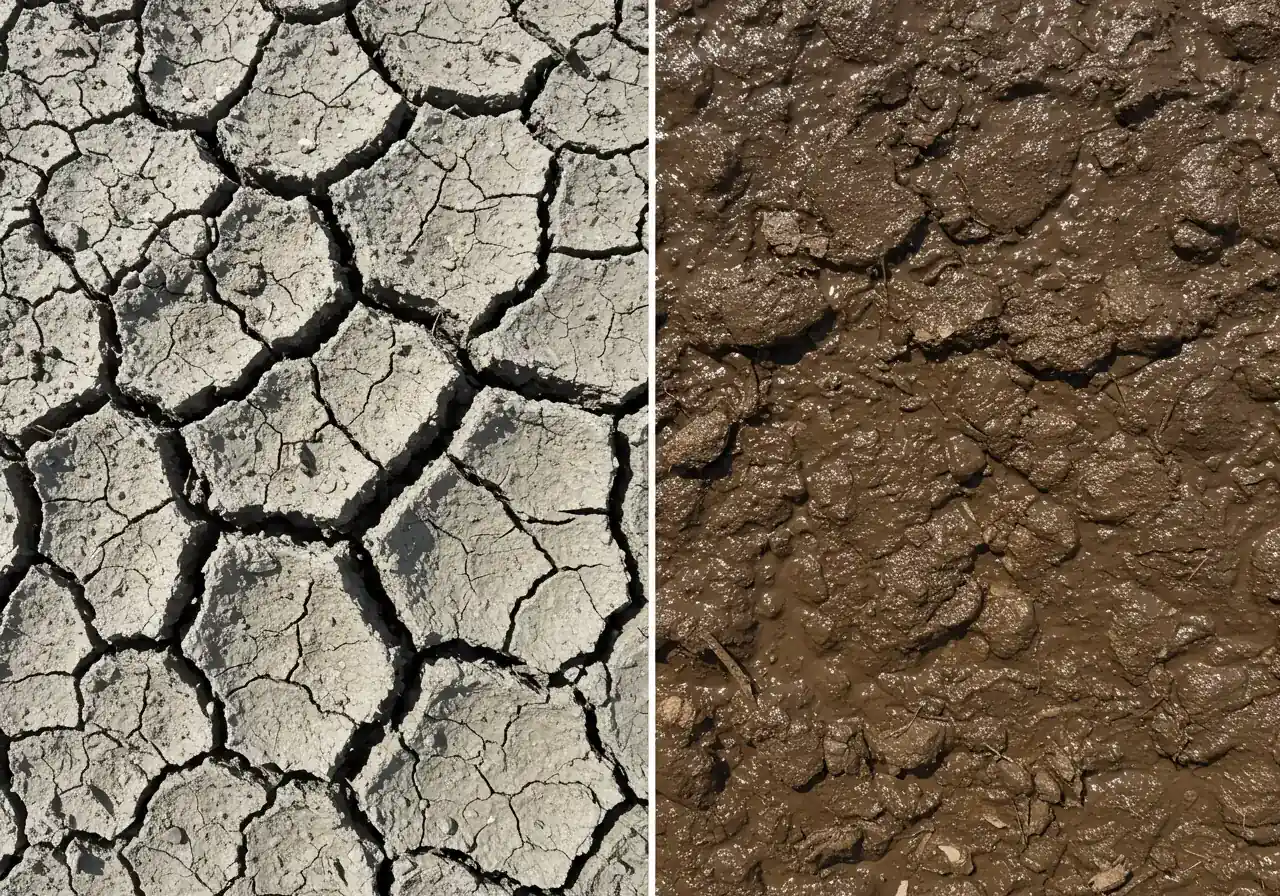
So, what is clay soil? It's made up of super tiny mineral particles. Imagine grains of sand are like beach balls, silt particles are like marbles, and clay particles are like microscopic specks of dust. Because these clay particles are so tiny and flat, they pack together really tightly, especially here in the Winchester and greater Ottawa area.
The Good, The Bad, and The Muddy:
Let's talk pros first. Believe it or not, clay isn't all bad news!
- Nutrient Powerhouse: Those tiny particles are great at holding onto essential plant nutrients. Think of it as a well-stocked pantry for your plants.
- Water Retention: Clay holds water longer than sandy soils. This can be good during dry spells, meaning less frequent watering once plants are established.
Now for the challenges, because let's face it, gardening in clay can feel like an extreme sport sometimes:
- Poor Drainage: While it holds water, it doesn't let excess water drain away easily. This leads to soggy roots, root rot, and unhappy plants, especially after heavy rain or snowmelt. You might see puddles lingering long after a storm.
- Compaction: Remember those tightly packed particles? They easily get squished together (compacted), especially when wet. Walking or using equipment on wet clay soil is a big no-no. Compacted soil makes it incredibly hard for roots to penetrate and access water and air. Improving this often involves understanding your soil structure and taking steps to loosen it through proper soil preparation.
- Rock Hard When Dry, Sticky When Wet: In summer heat, clay can bake into something resembling concrete. When wet, it becomes heavy, sticky goo that clings to your boots and tools. Finding that perfect 'just right' moisture level for working the soil can be tricky.
- Slow to Warm Up: Dense clay soil takes longer to warm up in the spring compared to lighter soils in areas like Manotick, potentially delaying planting time.
Ottawa's Climate Twist:
Our lovely Ottawa climate adds another layer. The freeze-thaw cycles in winter and spring can be tough on clay. Water freezes, expands (pushing soil and plants up – called frost heave), then thaws, causing the soil to settle back down, often even more compacted than before. While sometimes minor cracking occurs which can temporarily improve drainage, the overall effect is usually increased compaction and stress on plant roots. This makes practices like preparing your garden structure for winter even more important. Keeping an eye on your plants is key; check out these tips for assessing summer garden health which are relevant even with clay challenges.
But don't despair! Understanding these characteristics is the first step to working with your clay, not against it. There are many ways to improve it, such as improving clay soil with cover crops or amending with organic matter. If it feels overwhelming, remember our professional landscaping services are always here to help you build the garden of your dreams on your Winchester foundation.
Understanding Root Needs in Clay
Air & Drainage Challenges
Clay's tightly packed particles leave little room for air, essential for root respiration. Poor drainage means roots can sit in water, leading to suffocation and fungal diseases like root rot. Healthy roots need access to oxygen just as much as water.
Nutrient Access Issues
While clay holds nutrients well, roots must be able to physically reach them. Compaction restricts root exploration. Additionally, waterlogged conditions can change soil chemistry, making some nutrients unavailable to the plant even if they are physically present in the soil.
Physical Growth Impediments
Dense, compacted clay presents a physical barrier. Roots struggle to penetrate and anchor the plant effectively. This leads to shallow root systems that are more vulnerable to drought and wind. Improving soil structure is crucial for allowing roots to grow freely.
Why Healthy Roots are Non-Negotiable in Heavy Clay
Okay, let's dig into why those underground workers – your plant roots – are the real VIPs, especially when dealing with our infamous Winchester clay soil. Think of it this way: you wouldn't build a beautiful house on a shaky foundation, right? Well, trying to grow gorgeous plants in heavy clay without focusing on root health is pretty much the same gamble!
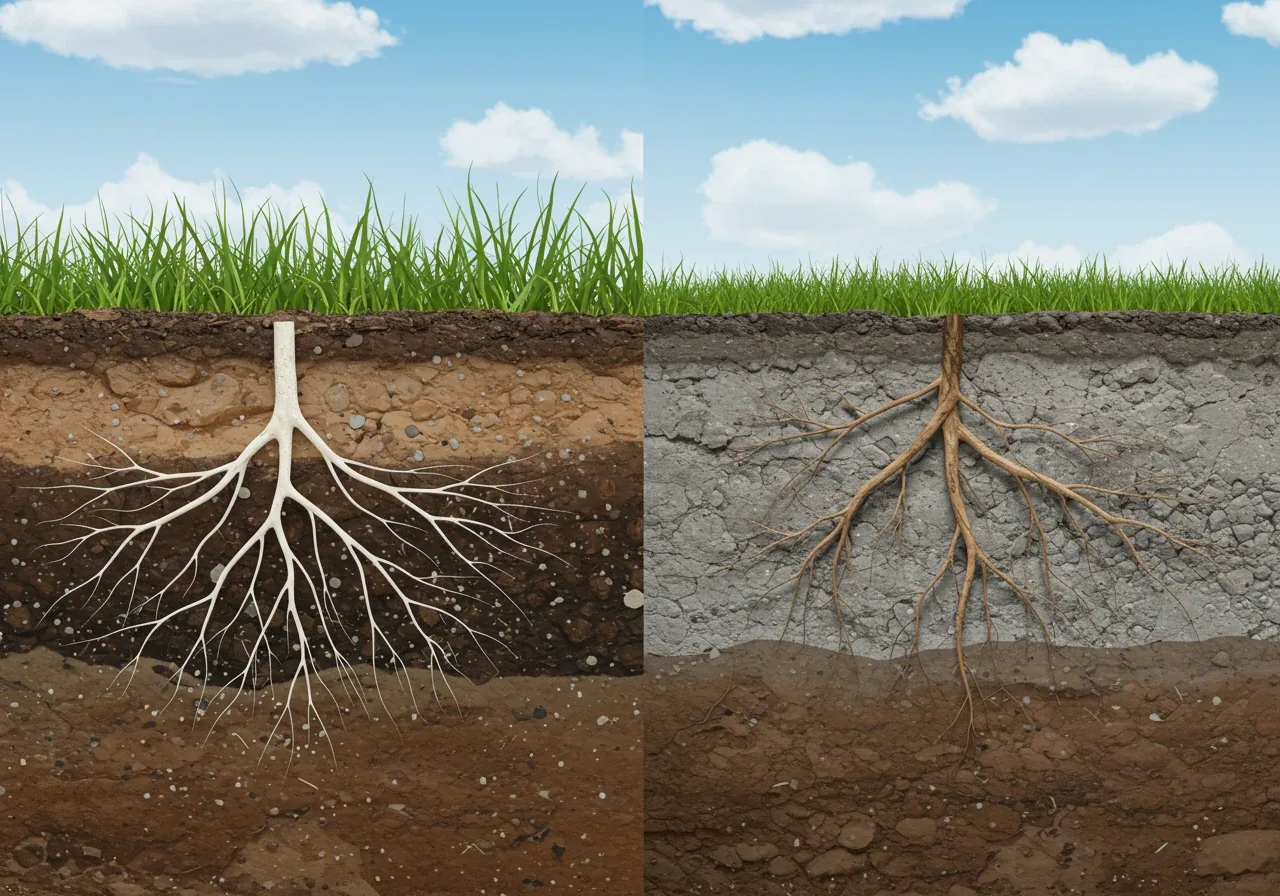
Why Healthy Roots are the Unsung Heroes in Clay
Roots have a tough job description: anchor the plant securely (important during those gusty Ottawa thunderstorms!), seek out and absorb water, and slurp up essential nutrients from the soil. In lovely, loose loam, this is straightforward. But in heavy clay, it's like asking them to do their job wearing cement boots.
Here’s the lowdown on why robust roots are non-negotiable here:
- Fighting Compaction: Clay particles love to cuddle up real close, squeezing out the air pockets roots need to breathe. Healthy, vigorous roots have a better chance of pushing through moderately compacted soil to find those pockets of air and pathways for water. Weak roots? They just hit the wall (literally) and give up, stunting the plant's growth above ground.
- Navigating Drainage Dramas: As we know, clay holds water like a champion. While good in a drought, poor drainage means roots can sit in soggy conditions after rain or snowmelt. This is prime time for root rot, a fungal disease that turns roots into mush. Strong, healthy root systems are slightly more resilient (though not immune!) and better able to cope with temporary wetness than already stressed, weak roots. Dealing with soggy spots might even require a focused property clean up to improve overall yard drainage.
- Accessing Nutrients & Water: Even though clay holds nutrients well, accessing them can be tough if roots can't spread out. Compacted clay restricts the exploration zone. Furthermore, water might be present but unavailable if the soil structure is too tight for roots to penetrate. Healthy roots are exploration experts, sending out fine hairs to maximize contact with available resources. Proper material selection for soil amendments can greatly improve this.
- Surviving the Extremes: From baked-hard summer clay to the freeze-thaw cycles of an Ottawa winter, roots in clay face serious stress. Strong root systems established before these extremes hit are far more likely to help the plant survive and bounce back. This is crucial whether you're putting in annuals or investing in long-term plantings during a garden install. Even your lawn needs strong roots; successful sod installation depends on roots quickly establishing in that challenging clay base.
Spotting the Difference: Healthy vs. Struggling Roots in Clay
How can you tell if roots are winning or losing the battle?
- Healthy Roots: Generally look firm, often white or light tan (though colours vary by plant), and spread outwards and downwards from the plant base. You'll see a network of finer roots branching off the main ones – these are crucial for absorption.
- Struggling Roots: Might appear stunted, circling near the surface (unable to penetrate deeper), dark brown or black (indicating rot), feel mushy, or break easily. A plant that wilts easily even when the soil surface is damp, or shows yellowing leaves, might be suffering from root problems below. This is a common sight in areas with heavy clay, like right here or over in nearby Kars or Vernon. Sometimes, a good clear-out is needed, and services like a Vernon garden clean up service or even a Marionville garden clean up service can help reset troubled garden beds.
Ultimately, giving your plants the best start means focusing on the foundation. Amending the soil with compost before planting, choosing plants suited to clay conditions, and watering correctly (deeply but less frequently) all contribute to happier roots. If you're finding the clay constantly winning, don't hesitate to explore professional landscaping services to help create a root-friendly environment for your plants to thrive. Healthy roots = happy plants, and that’s the bottom line in our Winchester clay!
Reading the Signs: Is Your Plant Crying Out from Below?
Okay, let's talk detective work! Your plants can't exactly tap you on the shoulder and say, "Hey, my roots are suffocating down here!" But they do send out SOS signals above ground, especially when they're struggling in heavy clay soil like we often see around Ottawa, including established neighborhoods like Richmond or Barrhaven. Learning to read these signs is crucial for successful gardening and landscaping. Remember to review our privacy policy and terms and conditions when using our services.
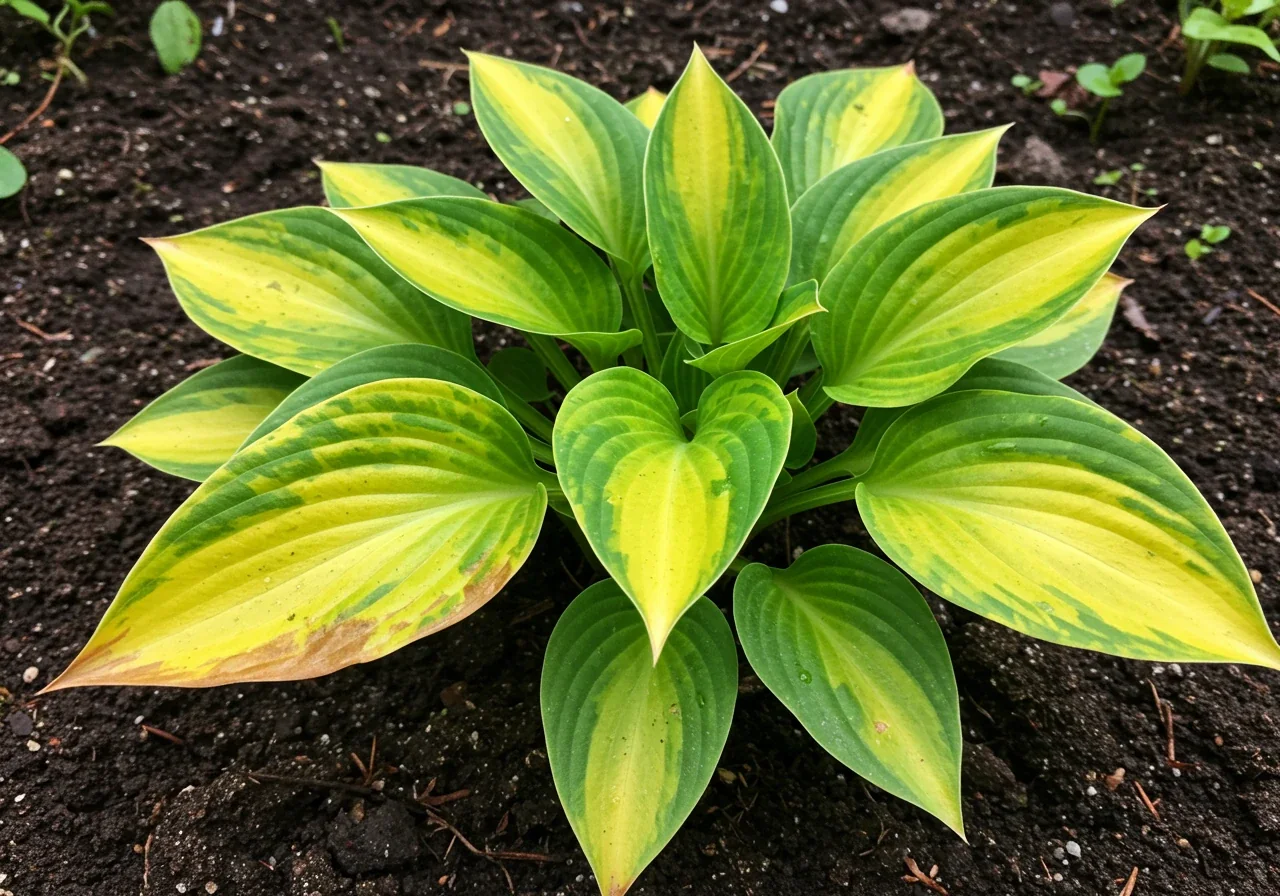
Think of it like this: if the roots aren't happy, nobody's happy (well, the plant isn't, anyway). Here’s what to watch for:
- The Wilting Wonder: Does your plant look droopy and thirsty, even when you know the soil is damp? This is a classic sign of root trouble in clay. Why? Because compacted clay or waterlogged conditions (poor drainage) can damage roots or prevent them from absorbing the water that's right there. The roots might be rotting or simply unable to function properly. It's like being stranded at sea – water, water everywhere, but not a drop to drink (for the roots, at least).
- Yellow Pages: Are the leaves turning yellow, especially starting with the older, lower leaves? Or maybe the veins stay green while the rest of the leaf yellows? This often points to a nutrient deficiency. Even though clay soil holds nutrients, damaged or restricted roots can't pick them up effectively. Compaction literally blocks their access to the soil's pantry.
- Stunted Growth: Is your plant refusing to grow, or is it noticeably smaller than its neighbours planted in better conditions? When roots can't spread out and explore because the clay is too dense, the plant's overall growth grinds to a halt. It simply doesn't have the underground support system to fuel new leaves and stems.
- Early Leaf Drop or Dieback: Are leaves dropping prematurely, or are tips of branches dying back for no apparent reason? This is often a sign of significant stress, and root problems are a common culprit. The plant is essentially "downsizing" because its damaged root system can't support all its existing growth. If entire plants are failing, sometimes a comprehensive Ottawa yard cleanup service or a specific Metcalf yard cleanup service is needed to remove the deceased and assess the soil situation.
Recognizing these signs early gives you a fighting chance to intervene. Sometimes simple fixes like adjusting watering or adding compost can help. Other times, the issue might be more severe, indicating poor planting technique or advanced root rot. If you see widespread problems, it might even warrant a targeted Ottawa property clean up or a Marionville property cleanup service to remove severely affected plants and amend the soil before replanting.
Not sure if you're reading the signs right? That's okay! With years of experience working with challenging Ottawa soils, the team mentioned on our About Us page can help diagnose the issue. Don't hesitate to reach out – you can easily contact us for advice or professional help. Addressing root issues proactively means healthier, happier plants – something we think deserves a big thank you, and you can even see what happy clients say on our Thank You page! We value your estimate feedback too.
Seasonal Root Care Timeline
Early Spring (April-May)
Assess drainage after snowmelt. Gently check roots of struggling perennials before major growth starts. Top-dress beds with compost.
Late Spring/Early Summer (June)
Plant new additions, ensuring wide holes and amended backfill. Apply mulch. Monitor watering needs as temperatures rise.
Mid-Summer (July-August)
Water deeply during dry spells. Watch for wilting or stress signs. Avoid digging/transplanting in extreme heat if possible.
Fall (Sept-Oct)
Ideal time for planting hardy perennials/shrubs. Assess roots of underperformers. Amend soil with compost. Ensure good drainage before winter.
Late Fall (November)
Ensure mulch layer is adequate (2-3 inches) to protect roots from freeze-thaw cycles. Clean up fallen leaves to prevent disease.
Pro Techniques: Getting Your Hands Dirty (Gently!) for Root Assessment
Alright garden detectives, sometimes the clues to a struggling plant aren't above ground – they're hidden beneath the surface! If you suspect root issues are causing problems in your Winchester clay, it might be time for a little gentle investigation. Don't worry, we're not talking major plant surgery, just some careful peeking to understand what's happening down there. Think of it as gentle garden archaeology.
When's the Best Time for a Root Rendezvous?
Timing matters, especially with our Ottawa climate swings. The best windows for a gentle root check are usually:
- Spring: After the ground has thawed but before plants kick into high gear growth mode. This gives them time to recover before summer stress. Think late April or May, depending on how quickly places like Embrun or Russell warm up.
- Fall: After plants have finished their main growing season and might be dropping leaves, but before the ground freezes solid. Late September through October is often ideal.
You can do a check mid-season if a plant is clearly screaming for help, but try to avoid the hottest, driest part of summer, as disturbing roots then adds extra stress.
Step 1: The Gentle Dig
Remember, we want to assess, not assault!
- Choose your spot: Pick an area near the plant's 'drip line' – the imaginary circle on the ground directly below the outermost leaves. Avoid digging right next to the main stem or trunk.
- Tools: A hand trowel or a small, sharp spade is best.
- Dig carefully: Gently remove soil layer by layer. If you hit a root, try to work around it. The goal is to expose a small section of the root zone, maybe 6-8 inches deep and wide. In heavy clay, go slow – forcing the shovel can compact the soil further or snap roots unexpectedly.
Step 2: Playing Root Detective (Visual Inspection)
Once you've exposed some roots, take a look:
- Healthy Signs: Look for firm, flexible roots. Colour varies by plant, but often they are whitish, tan, or light brown. You want to see a mix of thicker anchor roots and finer feeder roots branching out. They should look alive and energetic! Your plants will ultimately thrive and you'll be happy with the results, maybe even sharing your success like others on our Thank You page.
- Warning Signs:
- Dark, Mushy Roots: Black or dark brown, soft, and sometimes smelly roots signal root rot, often from poor drainage in clay.
- Circling Roots: Roots growing in tight circles, often mimicking the shape of the original nursery pot. This means they never spread out properly into the surrounding soil.
- Dry, Brittle Roots: Could indicate underwatering or that the roots simply died off.
- Few Roots or Only Surface Roots: Suggests the roots couldn't penetrate compacted clay deeper down.
Step 3: The Soil Probe Poke
A soil probe (a simple T-shaped metal rod) is less invasive and great for checking conditions between digs.
- Push the probe into the ground gently but firmly in several spots around the plant.
- Feel the resistance: Does it slide in easily? Hit a hard layer a few inches down (compaction)? Feel squishy (waterlogged)? This tells you a lot about the environment roots are facing further down, which visual inspection alone might miss.
What Now? Taking Action
Your findings guide your next steps:
- Healthy Roots, Compacted Soil: Aerate the area carefully. Top-dress with compost. Applying a good layer of organic mulch can work wonders; consider our professional mulching and edging services to really improve that top layer and reduce future compaction.
- Minor Root Issues (e.g., slight circling, some poor color): Gently loosen circling roots if possible. Improve soil structure by adding compost around the plant. Adjust watering habits – deep watering less often is usually best for clay. Seeing these plants bounce back can be one of the most rewarding garden transformations.
- Severe Rot or Damage: Unfortunately, sometimes the damage is too extensive. Removal might be the kindest option to prevent disease spread. If you're facing a larger issue across several plants, a thorough cleanup might be needed. Our Ottawa garden clean up service can help manage plant removal and soil preparation for replanting. For specific areas, like if this issue is prevalent in a bed near Marionville, our dedicated Marionville garden clean up service or Marionville yard cleanup service could be the perfect solution.
Getting your hands dirty (gently!) gives you invaluable insight into your plant's world. It takes the guesswork out of troubleshooting and helps you become a true partner in your garden's success, even in challenging Winchester clay.
Giving Roots Room to Breathe: Improving Your Winchester Clay
Okay, so we know our Winchester clay can be a bit... stubborn. Think of it like a grumpy toddler refusing to share its toys (in this case, space, air, and easy water access) with plant roots. But don't throw in the trowel just yet! With a few clever strategies, we can encourage that clay to loosen up and become a much friendlier place for roots to live and breathe. It's all about improving the soil structure.
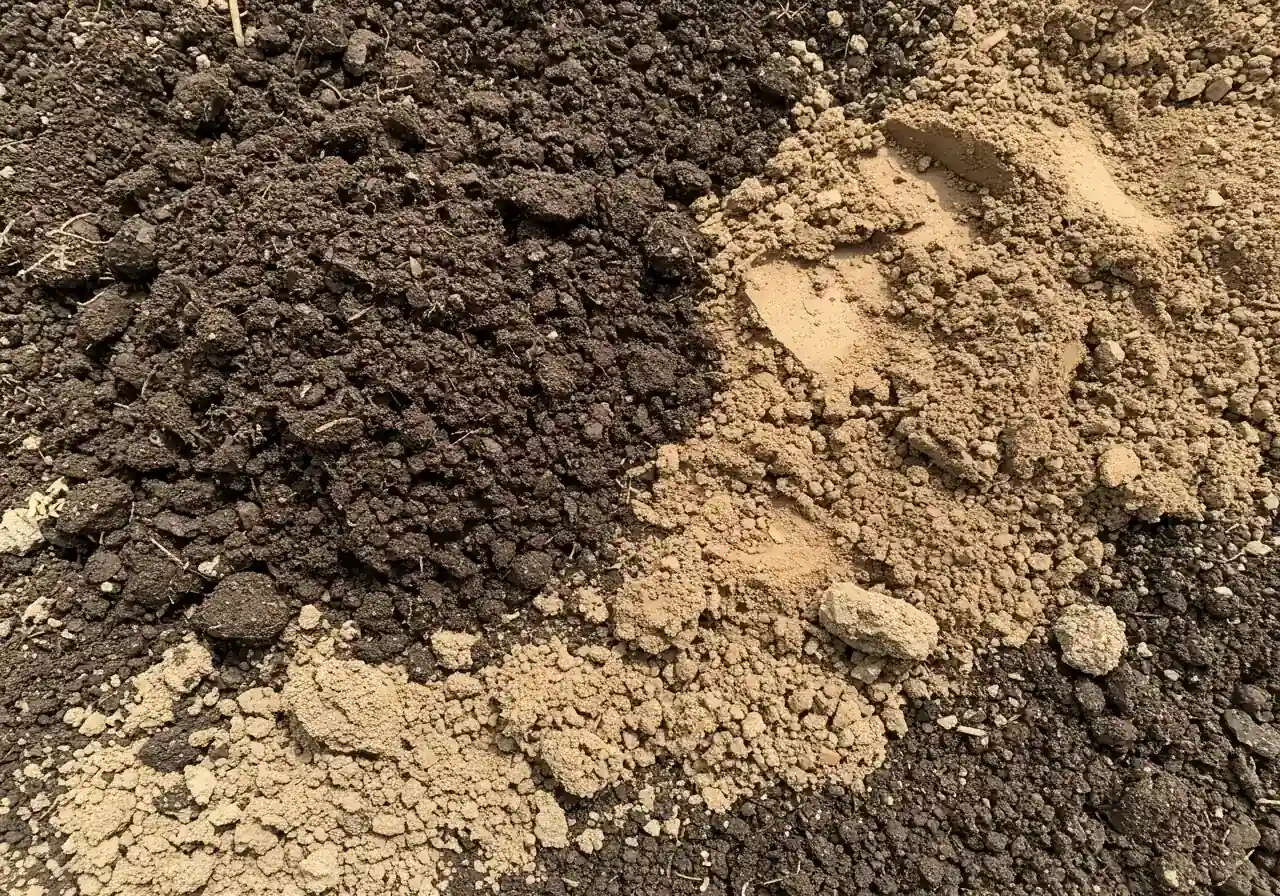
Become BFFs with Organic Matter
This is your absolute number one weapon against compacted clay. Organic matter – think compost, well-rotted manure, shredded leaves, or peat moss – works wonders. It acts like tiny wedges, getting between those tightly packed clay particles. This creates small air pockets (essential for root respiration!) and improves drainage, so roots aren't sitting in stagnant water.
- How to Apply: The best approach is to spread a generous layer (2-4 inches) of compost or other organic matter over your garden beds each year, ideally in the spring or fall. You can gently dig it into the top 6-8 inches of soil, but even just leaving it as a top dressing allows worms and soil microbes to slowly work it down for you. Don't go overboard digging when the soil is wet, though – you'll just create clods! Consistent yearly additions are key; improving clay is a marathon, not a sprint.
Plant Like a Pro (Even in Clay)
How you plant can make a huge difference in heavy soil. Forget digging a deep, narrow hole that acts like a clay pot holding water.
- Go Wide: Dig the planting hole two to three times wider than the plant's root ball, but only as deep as the root ball itself. This loosens the soil around the roots, encouraging them to spread outwards.
- Amend the Backfill: Mix some of that lovely compost (about 25-30% by volume) into the soil you removed from the hole before backfilling around the root ball. This gives the roots a transition zone from the potting mix to the native clay. Avoid amending only the hole, as this can create that "clay pot" effect where roots are reluctant to venture out.
- Score the Sides: If the sides of the hole look smooth or shiny after digging (especially if the clay was damp), gently rough them up with your trowel. This prevents "glazing" which can act like a barrier to root growth.
Water Wisely: Deep Drinks, Less Often
Clay holds water well, remember? So, frequent shallow watering is a recipe for soggy surface soil and shallow roots.
- Go Deep: Water deeply enough to moisten the soil down to root level (6-8 inches or more), but then let the top inch or two dry out before watering again. This encourages roots to grow deeper in search of moisture, making them more drought-tolerant and less prone to surface rot. Stick your finger in the soil – if it's dry an inch or two down, it's probably time to water. Proper watering complements good soil structure and is a cornerstone of proper lawn care techniques as well.
Mulch: Your Soil's Protective Blanket
Applying a 2-3 inch layer of organic mulch (like shredded bark, wood chips, or straw) is fantastic for clay soil gardens, whether you're in Winchester, nearby Kenmore, or even over in Metcalfe.
- Benefits Galore: Mulch helps keep the soil temperature even, reduces water evaporation (meaning you water less!), suppresses weeds that compete for resources, and prevents the clay surface from crusting over or eroding. Best of all, as organic mulch slowly breaks down, it continuously adds organic matter to the soil surface. If mulching feels like a big job, consider using professional mulching and edging services to get it done right.
Choose Clay-Tolerant Champions
While improving soil helps immensely, setting yourself up for success also means choosing plants known to handle heavier soils. Many beautiful shrubs, perennials, and trees are quite adaptable. A little research beforehand saves potential heartache later! Outbound resource example: Check the Master Gardeners of Ottawa-Carleton resource page for plant lists suited to local conditions, or consult reputable sources like the City of Ottawa's tree planting information.
Improving your Winchester clay takes time and consistent effort, but the payoff is healthier, happier plants with robust root systems ready to thrive. Sometimes, preparing a large area for amendment or dealing with plants that didn't survive the clay challenge requires a bigger effort; in such cases, a city-wide property cleanup service can provide the muscle needed. For specific issues in nearby areas, like revitalizing beds after removing struggling plants, a targeted approach like a dedicated Metcalfe property cleanup service can be invaluable. Remember, ongoing care through a regular garden maintenance service helps maintain these improvements year after year. Give those roots room to breathe, and your garden will thank you!
Highlight Box: Quick Clay Soil Root Check
Worried your plants are staging a silent protest beneath the soil surface? Wrestling with that notorious Ottawa clay can leave roots feeling stressed, cramped, and generally unhappy. If your plants are looking a bit 'meh' despite your best efforts, a quick peek underground might reveal the real story. Here’s a simple checklist to play root detective without causing major drama for your green pals:
- Time it Right: Your best windows are spring after the thaw (think late April/May) or fall before the deep freeze (Sept/Oct). Avoid disturbing roots during peak summer heat if possible – give them a break!
- Gentle Dig: Grab a hand trowel and carefully excavate a small area near the plant's 'drip line' (the edge of its leafy canopy). Go slow and steady in that clay soil – we're aiming for a sneak peek, maybe 6-8 inches deep and wide, not an archaeological dig.
- Look for Happy Campers: Healthy roots are usually firm, flexible, and often whitish or light tan (though colours vary!). You want to see a nice network of main roots with finer, branching feeder roots exploring the soil.
- Spot the Trouble Signs: Be wary of roots that are dark brown or black, mushy, or smelly (hello, root rot!). Also watch for roots growing in tight circles (girdling) or roots that feel dry and brittle. If several plants in one area, say around Metcalfe, look like they've given up the ghost, a focused Metcalfe garden clean up service might be needed to clear out the failures and assess the bed.
- Feel the Squeeze (or Squish): Gently push a soil probe (or even a sturdy stick) into the ground around the plant. Does it hit a rock-hard layer just inches down? That's compaction. Does it feel overly wet and squishy long after rain? That signals poor drainage. Knowing this is crucial for planning effective soil preparation to improve conditions.
- Check the Vitals Above Ground: Don't forget the clues your plant is showing you! Persistent wilting even when the soil is damp, yellowing leaves, or stunted growth are often linked directly to root stress below.
- Decide Your Next Move: Healthy roots? Awesome! Minor issues found? Time to amend with compost and adjust your watering strategy. If you uncover widespread rot or severely damaged roots, sometimes the kindest thing is removal, potentially using a city garden clean up service to handle diseased material properly. Doing these quick checks *before* tackling a larger project, like scheduling a big Metcalfe yard cleanup service, helps you understand the underlying soil challenges.
Remember, this quick check gives you vital clues. If the root problems seem widespread and linked to larger drainage or soil issues across your property, sometimes tackling the bigger picture with a city-wide property cleanup service to address grading or major soil amendment is the most effective long-term solution for happy roots and thriving plants.
Frequently Asked Questions (FAQs) for Ottawa Area Gardeners
Aim for after the snow fully melts but before plants vigorously leaf out, usually late April to mid-May. This lets crews tidy up winter debris without damaging new growth. Tackling this early prevents pests and diseases. For large jobs, consider booking a professional city yard cleanup service ahead of the rush to secure your spot!
It’s very likely! Heavy clay drains poorly, potentially suffocating roots (root rot) even if the surface seems dry. Proper soil preparation before planting is key to improve drainage. Ensure you aren't overwatering; check soil moisture a few inches down before adding more water. Persistent issues might signal compacted soil needing amendment.
Ditch the daily sprinkle! Clay holds moisture, so water deeply but less frequently. Check the soil 2-3 inches down; if it's dry, give it a good soak. This encourages deeper, stronger roots. During hot, dry spells, you might water established plants thoroughly once or twice a week, rather than light daily watering.
Ignoring the soil structure! Many people plant without amending heavy clay or choose plants unsuited for it. Another big one is neglecting consistent upkeep. Regular weeding, mulching, and monitoring are vital. Consistent effort, perhaps through a reliable garden maintenance program, prevents small issues from becoming big headaches in challenging soil.
Communication is key! Discuss your specific needs – planting, weeding, lawn care, dealing with clay soil challenges? Ask about their experience in the Ottawa region. Ensure you understand the scope of work, pricing, and scheduling. It's always wise to review the company's service details, often found in their customer terms and conditions, before agreeing to any work.
Conclusion: Nurturing Roots for a Thriving Winchester Garden
So, there you have it – the inside scoop on navigating the unique world of Winchester clay soil! We've dug into why our local soil acts the way it does, how crucial a healthy root system is for plant health, and how to spot trouble brewing beneath the surface. Remember, giving those roots room to breathe and access nutrients isn't just gardening fluff; it's the absolute foundation for success in heavy clay. Think happy roots, happy plants!
Working with your clay, mainly through smart soil amendment with organic matter and choosing the right plants, turns a challenge into an opportunity for lush landscaping. It takes a bit of know-how and maybe some elbow grease, but building that healthy soil structure pays off season after season.
Feeling like your soil needs more than just a pep talk? If tackling compacted clay or planning a major gardening overhaul feels daunting, don't sweat it! Our team is seasoned in dealing with the specific soil conditions found across Ottawa, from Winchester and Greely to Metcalfe, Russell, and Barrhaven. Whether you need expert soil preparation, planting assistance, or ongoing garden care, we're here to help nurture those roots for a truly thriving garden. Let's get your plants firmly rooted in success!