Winchester Clay: Selecting the Best Ergonomic Spade
Dealing with heavy clay soil in Winchester and the surrounding Ottawa areas? Choosing the right spade can save your back and make gardening much more enjoyable. Ready to tackle that tough soil without the strain? Request a quote for professional help today!
Quick Guide to Ergonomic Spades for Clay
- **Why Ergonomic?** Reduces strain on back, shoulders, and wrists when digging heavy clay.
- **Key Features:** Look for pointed forged steel blades, sturdy foot platforms, appropriate shaft length/material (fiberglass/ash), and D-handles.
- **Technique:** Use body weight and leg strength, take small scoops, and dig when soil is slightly moist.
- **Benefits:** Work longer, prevent injuries, and enjoy gardening more.
- **Maintenance:** Keep your spade clean and sharp for optimal performance.
Introduction: Taming the Tough Stuff - Your Back vs. Winchester Clay
Alright, let's be honest. Trying to dig in many parts of Ottawa can feel less like gardening and more like an archaeological excavation, right? If you live anywhere near areas like Winchester, Greely, or surrounding communities, you've likely battled the infamous 'Winchester Clay'. It’s that dense, heavy soil that seems to laugh in the face of standard shovels, especially after a rainy spring or during a dry summer spell. One minute it’s sticky goo clinging stubbornly to your boots and tools, the next it’s practically concrete.
Your back probably remembers your last encounter with it! Add in our classic Ottawa freeze-thaw cycles, which can make that clay even more compacted and challenging, and it’s easy to see why landscaping projects might get put on the back burner. But before you throw in the trowel (pun intended!), there’s good news. You don't need superhuman strength, just smarter tools. Enter the hero of our story: the ergonomic spade. These specially designed spades can make a huge difference, helping you work smarter, not harder, even when facing down the toughest clay soil. Let's dig into how they can save your back and help you conquer your garden tasks.
What Exactly *Is* This 'Winchester Clay' We Wrestle With?
Okay, let's get our hands dirty (metaphorically, for now!) and talk about this infamous "Winchester Clay." You hear the term tossed around Ottawa, especially in areas south and east like Greely, Metcalfe, and of course, Winchester itself, but what is it really?
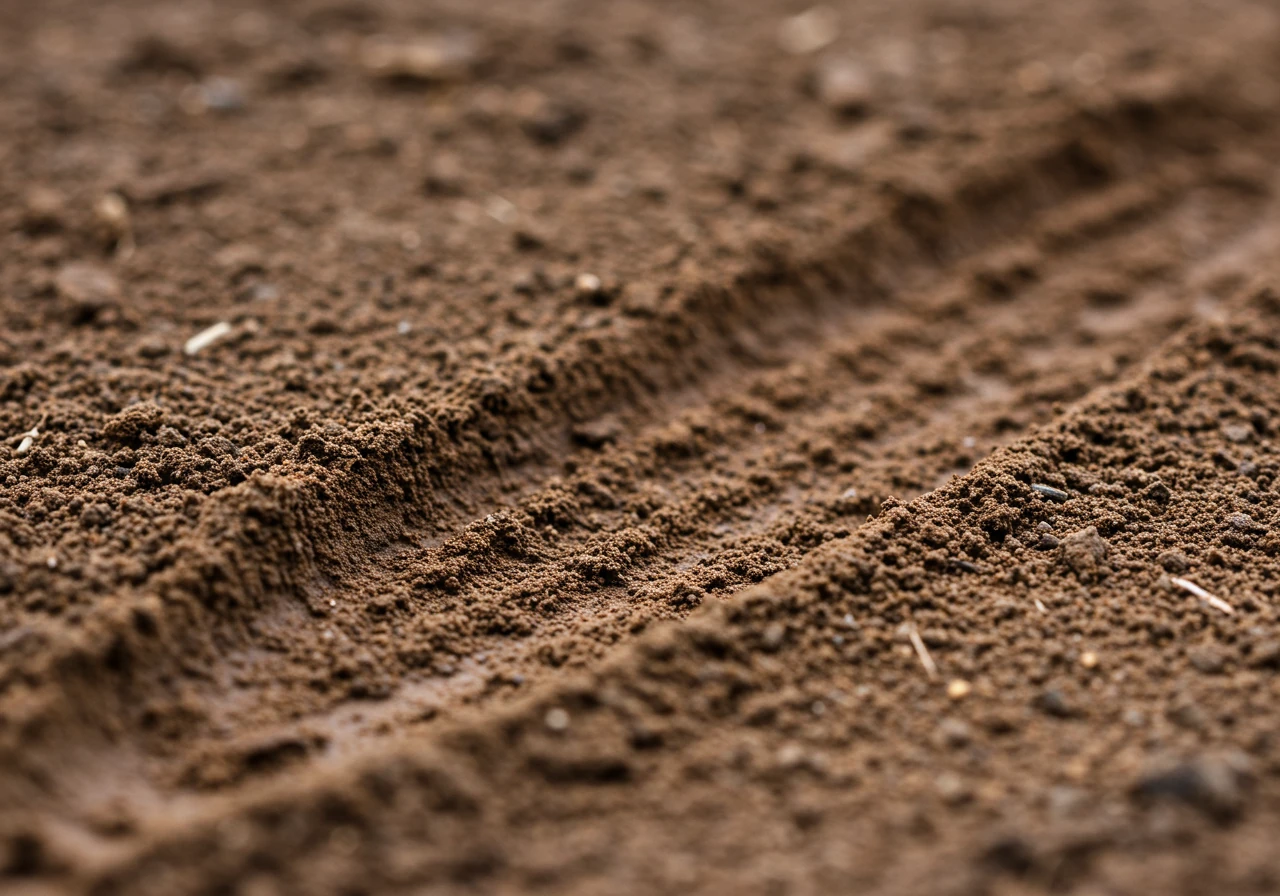
Think of soil like tiny building blocks. Sandy soil has big, chunky blocks with lots of space between them. Clay soil? It’s made of super tiny, flat particles, like microscopic plates. When wet, these plates slide easily, making the soil sticky and heavy – that muck that tries to steal your boots! When dry, they pack together tightly, turning the ground into something resembling a brick.
This "Winchester Clay" is our local nickname for what geologists often call Leda Clay. It’s a leftover deposit from the ancient Champlain Sea that covered this region thousands of years ago. Pretty neat history, but less neat when you’re trying to plant a rose bush! Leda Clay has a particularly tricky structure; it holds water like crazy (sometimes too well, leading to soggy roots) but can also compact very easily.
Why is it such a pain for gardening?
- Poor Drainage: Those tiny particles leave little room for water to pass through. After a heavy Ottawa rain, you might find puddles sitting for ages, potentially drowning plant roots. Planning for this is crucial, as discussed in our Winchester Spring Garden Health Plan.
- Compaction: Foot traffic, heavy equipment, even just time can squish those particles together, making it hard for air and water to reach roots. Our typical Ottawa freeze-thaw cycles make this worse, squeezing the soil tighter each winter. Understanding how roots cope is key; check out these Winchester Clay Soil Root Assessment Tips.
- Hard Labour: Digging in dry clay is like chipping concrete. Wet clay is heavy and awkward. It makes planting and landscaping physically demanding.
- Nutrient Lock-Up: Clay soils can be rich in nutrients, but sometimes they hold onto them too tightly, making it hard for plants to access them.
But don't despair! Understanding your soil is the first step. An eco-friendly tip? Generously amending clay with organic matter like compost works wonders. It helps separate those tiny particles, improving drainage and aeration over time. This is fundamental to any plan for Winchester Clay Soil Improvement & Healthy Gardens. Knowing your soil type is also vital when thinking about Winchester Garden Design: Your Oasis Awaits, as it influences plant choices.
Wrestling with Winchester Clay takes effort, but it can be improved to create beautiful gardens. If the challenge feels overwhelming, remember there are professional Landscaping and Yard Care Services available to help lighten the load. You can also check our Google Business Profile for reviews and updates.
Your Body Will Thank You: Why Ergonomics Isn't Just a Buzzword
Okay, let's chat about "ergonomics." It sounds a bit like a fancy science term, maybe something cooked up in a lab, right? But honestly, when it comes to gardening and landscaping, especially here in Ottawa, ergonomics is your best friend. Think of it this way: ergonomics is simply about designing tools and tasks to fit you better, so you don't feel like you wrestled a grumpy badger after an afternoon of digging.
Why does this matter so much? Well, let’s talk about that lovely clay soil we often find from Barrhaven to Osgoode and beyond. Trying to force a basic, straight-handled spade through heavy, compacted clay puts a ton of strain on your back, shoulders, and wrists. It’s like trying to paddle a canoe with a toothpick – lots of effort, not much progress, and something’s likely to snap (hopefully not you!).
Using ergonomic tools is all about working smarter, not harder. They’re designed with your body mechanics in mind:
- Better Leverage: Longer handles or slightly curved shafts mean less bending over, saving your lower back. Hooray!
- Improved Grip: Handles shaped like a 'D' or padded grips reduce hand fatigue and give you more control, preventing blisters and wrist strain.
- Efficient Power: Wider foot platforms on spades let you use your body weight more effectively to drive the blade into tough soil, without putting all the pressure on one small spot on your boot (and foot!).
Investing in ergonomic tools means less pain and more gain. You'll be able to garden for longer periods without feeling wiped out, prevent those nagging aches and potential injuries, and actually enjoy transforming your yard. It turns landscaping from a potential chiropractor visit into a satisfying activity.
Of course, even the best tools have their limits against truly stubborn ground or huge projects. If you're looking at a major overhaul or wrestling with particularly tough spots, remember that professional help is always an option. You can explore various Yard Care and Landscaping Services to find the right fit for your needs. Tackling big clean-ups, especially in areas like Metcalfe known for challenging soil, might make a dedicated Metcalfe Garden Clean Up Service a smart, body-saving choice. For larger tasks beyond just the garden beds, a comprehensive Metcalfe Property Cleanup Service can handle the heavy lifting. Understanding the scope of work is key; feel free to Request an Estimate and Provide Feedback to discuss your specific situation. Using ergonomic principles applies just as much to knowing when to call for backup, especially when facing the kinds of challenges that might necessitate a specialized Winchester Yard Cleanup Service.
So, next time you're shopping for garden tools, look for those ergonomic features. Your back, shoulders, and wrists will definitely thank you for it!
Decoding the Spade: Essential Ergonomic Features for Clay Conquest
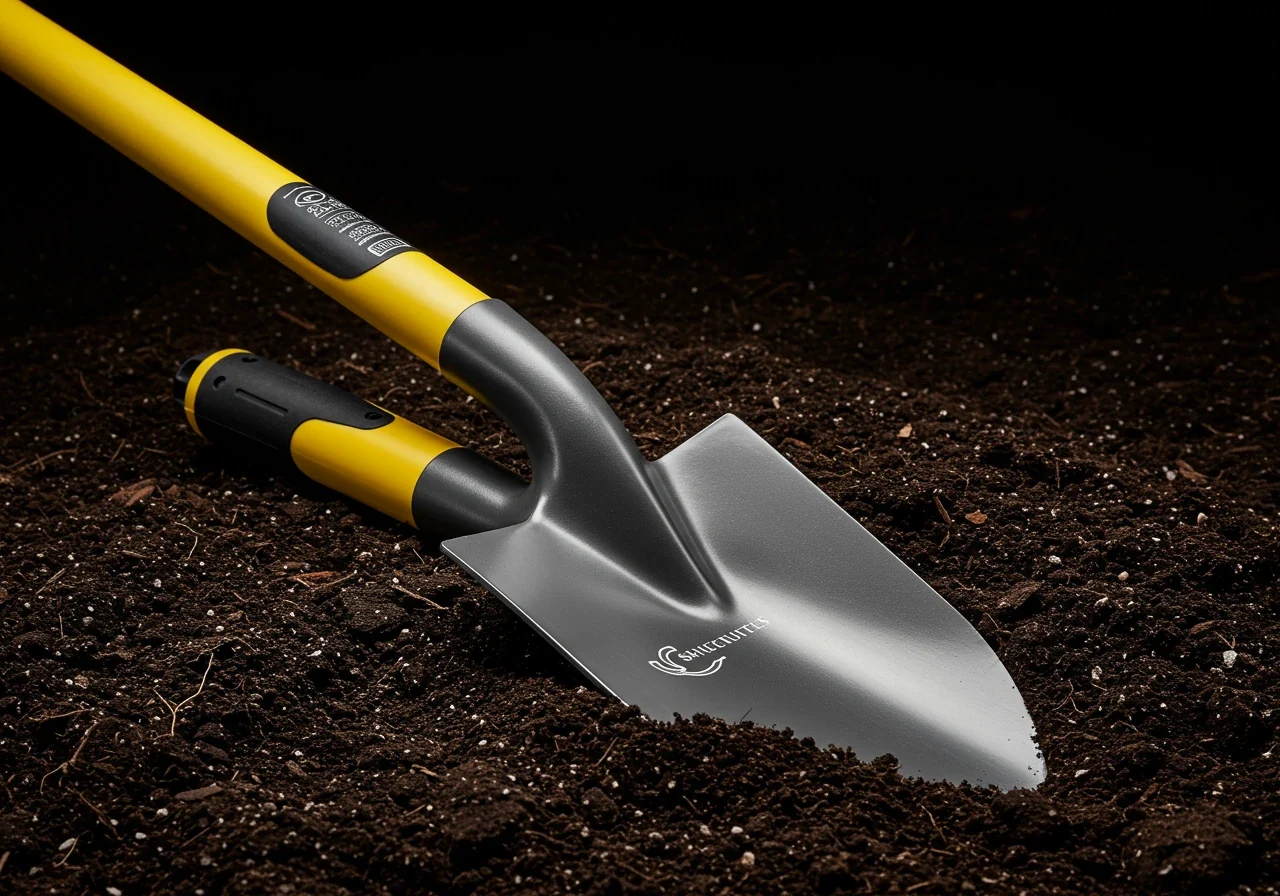
So, we've established that wrestling with Ottawa clay, whether you're in Metcalfe or Manotick, isn't exactly a walk in the park, and that ergonomic tools are the way to go. But what specifically should you look for when you're face-to-face with a wall of spades at the garden center, trying to pick your champion for the clay crusade? Let's decode the spade, piece by piece, so you choose a partner, not a pain-inducer.
Think of your spade like your trusty steed for landscaping battles. You wouldn't ride a wobbly pony into combat, right? Same idea here.
1. The Business End: The Blade
This is where the rubber (or rather, steel) meets the road (or clay!). For tough soil, pay attention to:
- Shape: Forget those wide, flat-bottomed shovels meant for scooping loose stuff. You want a spade with a pointed or slightly rounded tip. Why? It acts like a spearhead, penetrating dense clay much more easily than a blunt edge. This makes initial digging significantly less strenuous.
- Material: Look for forged steel. It’s stronger and holds an edge better than stamped steel. You need that strength to resist bending or breaking when you hit a stubborn patch or a hidden rock. A sharp edge slices through soil more cleanly, reducing effort.
- Size: Bigger isn't always better! A narrower blade requires less force to push into the ground compared to a wide one. You might move slightly less soil per scoop, but you'll save your energy (and back) in the long run.
- Foot Platform: This is crucial for clay. Look for a wide, sturdy step or ledge on the top edge of the blade. This lets you use your body weight effectively by stepping down firmly, driving the blade deep without putting all the pressure on the arch of your foot.
2. The Backbone: The Shaft
The shaft connects the handle to the blade and plays a huge role in leverage and posture.
- Material: You've got options:
- Wood (Ash): Traditional, feels good, absorbs some shock. Can break under extreme force and requires care (oiling) to prevent splitting.
- Fiberglass: Strong, durable, weather-resistant, lighter than steel. Doesn't absorb shock as well as wood.
- Steel: Very strong, but can be heavy and conducts cold/vibration. Often used in heavy-duty or contractor-grade tools.
- Length: This is key for ergonomics! A shaft that's too short forces you to bend over excessively, straining your back. Too long, and it can feel awkward and reduce leverage. How to choose? Stand the spade upright in front of you. The top of the handle should ideally reach somewhere between your lower ribs and your hip bone. Experiment in the store to see what feels most natural for your height and digging stance. Proper shaft length is fundamental for effective proper soil preparation.
3. The Control Center: The Handle
This is your direct connection to the tool. Comfort and control are paramount.
- Type: The most common ergonomic choice is the D-handle (or D-grip). It allows for a more natural wrist position and better control, especially when twisting or angling the spade. Think of it like a better steering wheel. T-handles are simpler but offer less grip security.
- Material & Comfort: Look for handles made of durable plastic, wood, or metal cores covered with comfortable padding. Padding helps absorb vibration and reduces the chance of blisters during long gardening sessions. A good grip prevents your hand from slipping, especially when dealing with wet clay.
Quick Comparison: Spade Materials
| Feature | Wood (Ash) | Fiberglass | Steel |
|---|---|---|---|
| Shaft | Good shock absorption, traditional feel. Needs care, can break. | Strong, weather-resistant. Less shock absorption. | Very strong, durable. Heavy, conducts cold. |
| Blade Pairing | Typically paired w/ forged steel. | Often paired w/ forged steel. | Often paired w/ forged steel. |
| Handle Type | Wood or Poly D/T Handle. | Poly or Cushioned D-Handle. | Often Cushioned D-Handle. |
| Best For | General use, traditionalists. | Durability, less maintenance. | Heavy-duty, rocky soil. |
Choosing the right spade won't magically turn compacted clay into fluffy loam, but it will make the process significantly easier on your body. It allows you to work more efficiently, preventing strain and helping you achieve those amazing garden transformations you've been dreaming of. Remember to keep the blade clean and occasionally sharpen it for best performance. And hey, if the digging still feels overwhelming, especially for larger projects like preparing a whole new garden bed or tackling years of compaction, don't hesitate to call in reinforcements. Professional help, like a dedicated Metcalfe yard cleanup service or even a broader city yard cleanup service for bigger tasks, can handle the heavy lifting. For really extensive projects involving more than just digging, a comprehensive city property cleanup service might be the back-saving solution you need.
Top Contenders: Ergonomic Spades That Don't Shy Away from a Challenge
Okay, you've decided an ergonomic spade is your weapon of choice against that stubborn Ottawa clay. Smart move! But which trusty sidekick should you choose? While specific brands come and go, here are a few types of ergonomic spades that consistently prove their mettle in challenging soil, whether you're gardening in Winchester, Russell, or Embrun.
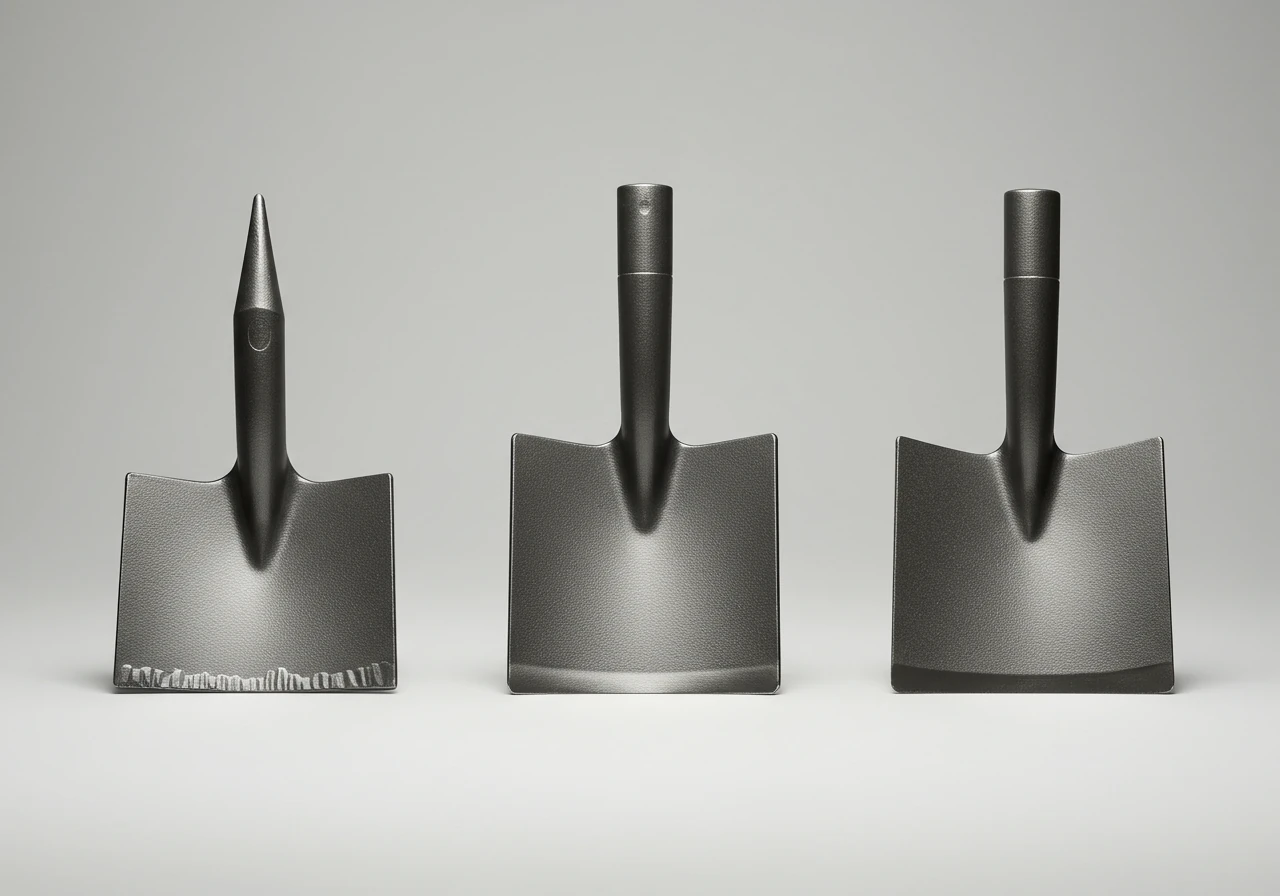
Think of these as profiles of top contenders, ready to join your landscaping team:
-
The Pointed Powerhouse (Long Fiberglass Handle & D-Grip):
- Why it works: Remember that pointed blade we talked about? This spade features one, designed to pierce tough clay like a hot knife through butter (well, maybe slightly chilled butter). The long fiberglass shaft gives you excellent leverage, reducing back strain because you stand more upright while digging. Fiberglass is tough and weather-resistant. The D-handle provides superior grip and control, especially when you need to twist or angle the blade to pry out compacted soil. Look for one with a generous foot platform – essential for driving it deep.
- Ideal for: General digging, breaking new ground, planting larger shrubs, starting new garden installations.
-
The Compact Crusader (Shorter Steel Shaft & Reinforced D-Handle):
- Why it works: Sometimes you need brute strength in tighter spaces or for really dense, rocky clay. A shorter, often steel, shaft provides less flex and transfers more power directly to the blade. The reinforced D-handle ensures it won’t buckle under pressure. While requiring a bit more bending, its compact nature offers excellent control for tasks like edging beds or working around existing plants. Again, a forged steel blade with a sharp edge and a solid footstep is non-negotiable here.
- Ideal for: Heavy-duty tasks, rocky soil, working in confined areas, tasks requiring precise control like mulching and edging prep.
-
The Border Buddy (Narrow Blade & Ergonomic Handle):
- Why it works: This is like the precision instrument of the spade world. Its narrower blade requires significantly less force to push into dense soil compared to a standard spade. This makes it fantastic for tasks like transplanting perennials, dividing plants, or working in tightly packed borders without disturbing neighbouring roots. Look for models with either a comfortable D-handle or sometimes even a specially molded ergonomic grip, often paired with a durable ash or fiberglass shaft.
- Ideal for: Transplanting, dividing plants, working in established beds, lighter digging tasks where precision matters during garden maintenance.
Finding Your Champion & The Investment
You can often find these types of high-quality ergonomic spades at larger garden centers and reputable hardware stores around Ottawa and surrounding areas like Winchester, Russell, and Embrun. Don't be afraid to pick them up, feel the weight, and check the handle height against your body.
Yes, ergonomic spades often cost a bit more than basic models. Think of it as an investment in your body and your gardening enjoyment! A good spade will last for years and save you countless aches and pains. Spending a little extra now can prevent much bigger problems (and chiropractor bills!) down the road.
Of course, even the best spade has its limits. If you're facing a truly massive landscaping project, preparing a large new garden area from scratch in clay soil, or dealing with heavily compacted ground across your entire property, sometimes calling in the pros is the smartest, most back-friendly option. For instance, clearing out overgrown beds might be more than just digging; a specialized service like a Marionville garden clean up service could be ideal. For larger scale clearing beyond just the garden plots, you might consider something like a Marionville yard cleanup service. Sometimes, the job requires more muscle than just one person with a spade, especially if it involves hauling away debris – that's where comprehensive help like an Ottawa property cleanup service or even a full property clean up can make all the difference. Unsure what level of help you need? Don't hesitate to contact us to discuss your project. But for everyday clay conquests, the right ergonomic spade is a game-changer!
Relative Digging Effort: Standard vs. Ergonomic Spades in Clay
This visualization estimates the perceived effort reduction when using ergonomic features in heavy clay soil compared to a basic, non-ergonomic spade.
Note: Effort reduction is illustrative and depends on specific tool design, soil conditions, and user technique.
Work Smarter, Not Harder: Using & Caring for Your Ergonomic Spade
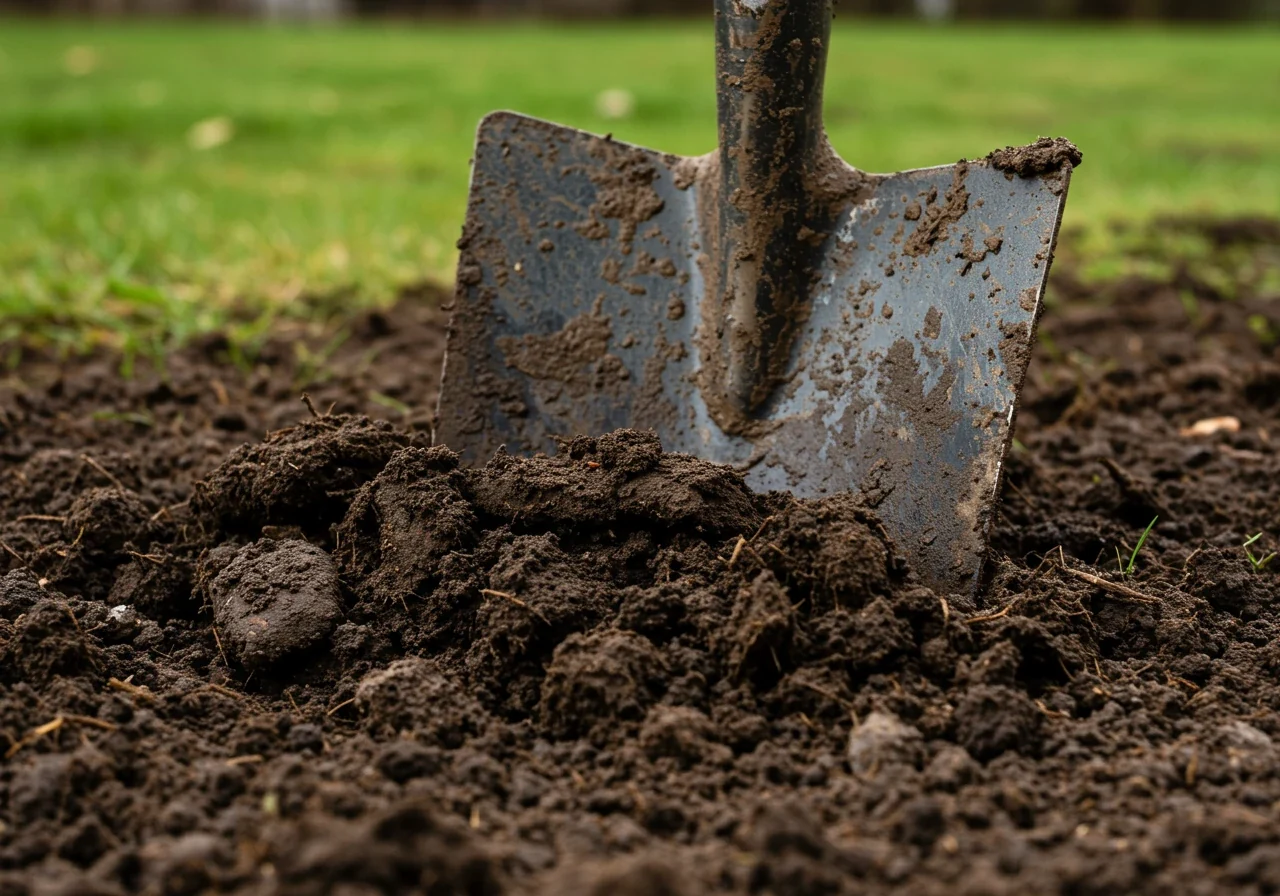
So, you've got your shiny (or maybe already mud-speckled) ergonomic spade! Fantastic choice. It's designed to be your back's best friend when tackling landscaping projects, especially in that challenging clay soil common around Ottawa, from Barrhaven to Manotick. But like any good tool, using it correctly makes all the difference. Let's get you digging smarter, not harder.
The Right Moves: Digging Without the Ouch
Using an ergonomic spade isn't complicated, but a little technique goes a long way:
- Stance is Everything: Stand with your feet shoulder-width apart for stability. Face your target area.
- Blade In: Place the pointed tip of the spade where you want to dig. Put your dominant foot firmly on the spade's foot platform. Use your body weight and leg strength – not just your back – to push the blade straight down into the soil.
- Leverage, Baby!: Once the blade is in, gently pull back on the handle, using the ground as a fulcrum. Keep your back relatively straight; bend at the knees and hips if needed. Let the ergonomic design do the heavy lifting – literally!
- Lift with Your Legs: Bend your knees and lift the soil. Crucially, don't overload the spade, especially in heavy clay. Smaller scoops are much easier on your body and the tool.
- Turn and Toss: Pivot your feet to turn – avoid twisting your back – and deposit the soil where you need it.
Tackling Tough Ottawa Clay:
- Moisture Matters: Aim to dig when the clay is slightly moist, like damp chocolate cake. Bone-dry clay is like concrete, and soaking wet clay is incredibly heavy and sticky. If it's brick-hard, watering the area moderately the day before can help. The Rideau Valley Conservation Authority sometimes provides updates on local soil moisture conditions.
- Small Bites: Seriously, don't try to be a hero. Take smaller scoops than you would in lighter soil. Your ergonomic spade's pointed tip is designed to penetrate, so let it work its way in gradually.
- Rock 'n' Roll: Sometimes gently rocking the spade handle side-to-side can help loosen the soil around the blade before you lift.
A Year of Digging in Ottawa: Timeline
Spring (April-May)
Clay is often very wet and easily compacted. Dig carefully, take small bites. Perfect time for planting, but be gentle! Ideal for starting a city garden maintenance service plan.
Summer (June-August)
Clay can bake hard. Water beforehand if needed. Good time for maintenance *digging* (edging). Keep lawn care routines going. Avoid massive projects in heatwaves.
Fall (September-October)
Often the *best* time for *gardening* and *digging*! Soil moisture usually ideal, temps pleasant. Great for planting bulbs, amending soil, or starting new beds. Consider a Ottawa yard cleanup service for leaf removal.
Winter (November-March)
Rest time for tools and backs! Focus on proper tool storage. Plan next year's projects and review privacy policies or terms and conditions if planning services.
Love Your Spade, and It'll Love You Back:
A little TLC keeps your ergonomic spade performing its best:
- Clean After Use: Scrape off mud and clay. A stiff brush works wonders. Your spade isn't self-cleaning... yet!
- Dry It Off: Wipe it down with an old rag to prevent rust, especially the metal parts.
- Sharpen Occasionally: A sharp edge cuts through soil (and small roots) much more easily. Use a file following the blade's existing bevel.
- Store Properly: Keep it indoors (garage or shed) away from the elements to protect wooden handles and prevent rust.
Following these tips helps ensure your investment lasts. It’s all part of the satisfaction that comes from effective gardening. For really big jobs that go beyond what one person with a spade can handle, like clearing large overgrown areas, exploring options like a professional Marionville property cleanup service might be the smartest move. You can learn more about us and our approach to tackling tough yards. Taking these steps to work smart and care for your tools really pays off – it’s like sending a future thank you to yourself for avoiding unnecessary strain and hassle!
Quick Tips for Easier Clay Busting
Tackling tough Ottawa clay for gardening or landscaping in areas like Nepean? Don't let it break your back (or your spirit)! Work smarter with these quick tips:
- Timing is Key: Dig when the clay is slightly moist – think damp brownie, not soup or a brick.
- Right Tool, Right Moves: Use a pointed ergonomic spade. Push with your leg strength on the footrest, not just your back muscles.
- Small Bites Win: Take smaller scoops. Seriously, your muscles will appreciate it later.
- Keep it Clean & Keen: A clean, sharp spade slices through soil much more easily.
- Know When to Call Backup: Facing a huge digging task, like prepping for sod installation, or just feeling overwhelmed? A professional Ottawa yard cleanup service can save the day. For larger municipal or extensive jobs, a city property cleanup service or a comprehensive Ottawa property cleanup service handles the heavy lifting. Your future self will definitely thank you!
FAQs: Your Ergonomic Spade Questions Answered (Ottawa Edition)
Even in a smaller garden in Greely, battling our local clay can strain your body! An ergonomic spade makes digging easier on your back and wrists, preventing aches. Think of it as a smart investment for comfortable gardening, no matter the garden size. If even small tasks feel daunting, consider a professional touch with an Ottawa garden clean up service to get things started right.
Spring and fall are usually your best bets! The clay soil, whether in Vernon or Kenmore, tends to have just the right moisture – not rock hard like a dry summer, and not super heavy like a soggy spring thaw. Trying to dig when it's slightly damp makes the job much less of a wrestling match for your ergonomic spade.
Absolutely! The pointed blade helps penetrate around roots, and the better leverage from ergonomic handles aids in prying them loose. It's still hard work, mind you! For really stubborn roots or preparing large areas, like for new lawn installations where complete root removal is key for successful sod installation, you might still need extra tools or professional help, like a city garden clean up service, but the ergonomic spade gives you a better fighting chance.
While you could technically move a tiny bit of mulch, it’s not ideal. Spades are designed for slicing and digging into soil, not scooping loose materials like mulch or gravel. You'll find a shovel or pitchfork much more efficient for those tasks. Using the right tool for the job is crucial, just like careful material selection is important for your landscaping projects.
Amending that tough clay with compost makes a huge difference! As the soil structure improves over time (becoming less compacted and better draining), your ergonomic spade will glide through much more easily. It reduces the sheer effort needed for digging and makes ongoing tasks simpler. Consistent amending is a core part of good garden maintenance in areas like Russell or Embrun. Consider checking resources like the City of Ottawa's composting guide for tips.
An ergonomic spade helps loads, but it's not magic! Remember to use proper digging technique: lift with your legs, keep your back straight, and take breaks. Gentle stretching before and after gardening can also help. If pain persists despite using good tools and techniques, especially with extensive landscaping, listen to your body and consider reducing the workload or seeking professional yard care assistance. You might find useful advice from organizations like the Master Gardeners of Ottawa-Carleton.
Conclusion: Dig Happier, Garden Longer in Your Ottawa Oasis
So, let's wrap this up! We've dug into the nitty-gritty of Ottawa's challenging clay soil and discovered that you don't need a superhero cape to conquer it – just the right tools. Choosing an ergonomic spade isn't just about buying another piece of equipment; it's about investing in your own comfort and gardening longevity. Think fewer aches and pains, more time spent actually enjoying the birds chirp in your Manotick backyard, and less time feeling like you wrestled a particularly stubborn patch of earth (and lost!).
Using tools designed with your body in mind transforms tough digging from a dreaded chore into a manageable task. It means you can spend more hours perfecting your landscaping, planting those dream perennials, and truly making your outdoor space, whether in Barrhaven or beyond, your personal oasis. Remember those smarter digging techniques and give your trusty spade a little TLC – it'll thank you with years of reliable service.
Of course, even the best tools have their limits, and sometimes big landscaping dreams require bigger muscles or more time than you have. If you're facing a major overhaul, wrestling with severely compacted ground, or simply want to hand off the heavy lifting, professional help is always a smart option.
Ready to take the backache out of gardening?
- Got questions about choosing the right tool or tackling your specific soil? Ask away!
- Dreaming of a beautiful yard without the strain?
We're happy to help you create the oasis you deserve right here in the Ottawa area!
Here's to happier digging and many wonderful seasons enjoying your beautiful Ottawa garden!