
Winchester Garden Rescue: Fix Summer Heat Stress Fast
Quick Guide to Combatting Garden Heat Stress
- Identify Signs Early: Look for wilting, drooping, leaf scorch (brown edges), or yellowing during hot weather.
- Water Smartly: Water deeply at the base of plants in the early morning or late evening. Avoid shallow, frequent watering.
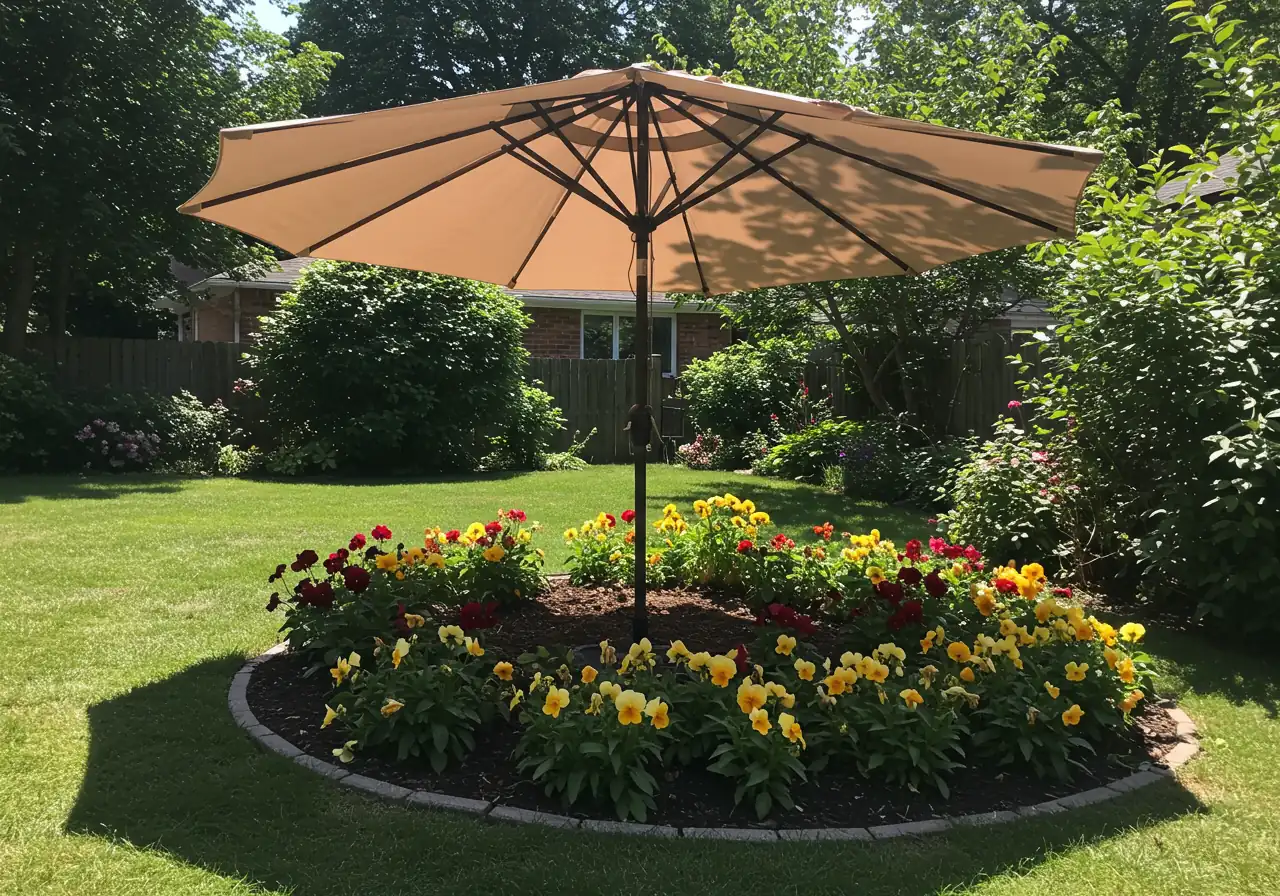
- Provide Shade: Use temporary covers (umbrellas, sheets) during the hottest afternoon hours for vulnerable plants.
- Mulch Generously: Apply a 2-3 inch layer of organic mulch to keep soil cool and retain moisture.
- Avoid Stressors: Hold off on fertilizing and heavy pruning when plants are already heat-stressed.
Need immediate help reviving your stressed garden? Request a quote today!
Introduction: Phew, It's Hot Out There! Giving Your Winchester Garden Some Summer Lovin'
Phew, Ottawa summers sure know how to turn up the heat! If you're in Winchester, you've probably noticed your garden looking a bit… well, *stressed* some afternoons. When plants get overwhelmed by intense sun and high temperatures, especially with that classic Ottawa humidity we know so well, they show signs of 'heat stress'. Think droopy leaves that look sad, maybe some crispy brown edges on your favourite flowers – basically, they look like they desperately need a cool drink and a shady spot! It's a common challenge for gardeners across our region, whether you're in Winchester, Greely, or tending flower beds closer to Metcalfe. But don't sweat it! (Okay, maybe sweat a little, it *is* summer.) This guide is your garden's summer survival kit. We'll dig into quick fixes you can use *right now* to help your plants cope, plus smarter, long-term landscaping ideas to create a more resilient, heat-tolerant outdoor space for future scorchers. Let's give that garden some proper summer lovin'!
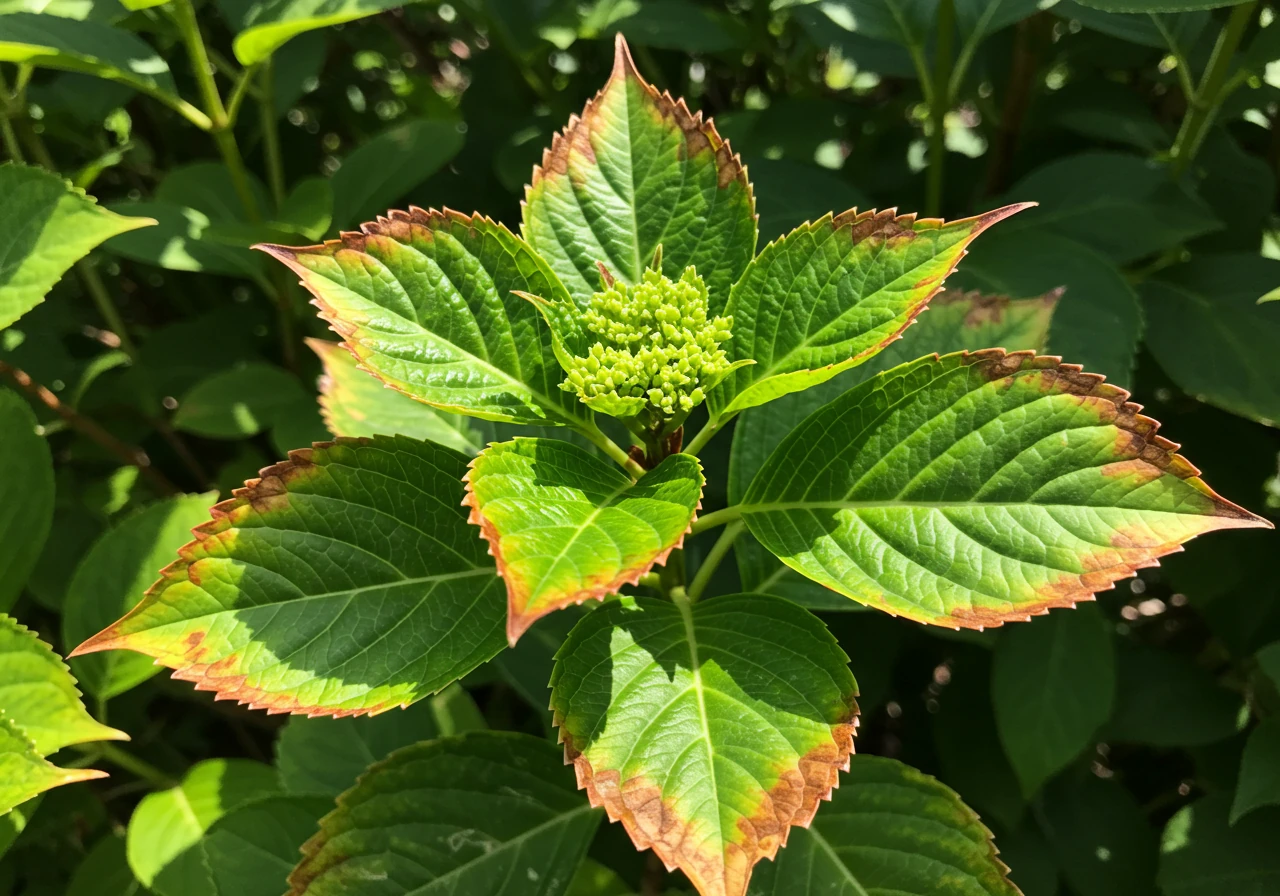
Spotting the Sizzle: How to Tell if Your Garden Needs an Intervention
Okay, let's play garden detective! Sometimes you look out at your yard and just *know* something isn't quite right. It’s not necessarily the dramatic wilting we talked about earlier (though that’s a big clue!), but more like your garden’s lost its sparkle, its *sizzle*. It might be whispering for help instead of shouting. Ignoring these subtle signs can lead to bigger headaches down the road, so let’s tune into what your Winchester garden might be trying to tell you.
Think beyond just thirsty plants. Are your leaves looking a bit yellow or pale green when they should be vibrant? This could signal a nutrient deficiency, or maybe even the opposite problem – discover [What to Do if You Suspect Overfertilizing in Winchester Gardens](https://cleanyards.ca/blog/winchester-garden-overfertilizing-fix-soil-repair/). Sometimes, unusual spots or fuzzy patches pop up, hinting at unwelcome guests like pests or diseases having a party on your plants.
Take a look at how things are *growing*. Are plants looking stunted compared to last year? Are they sparse and thin instead of lush and full? Maybe some are getting really tall and skinny, stretching desperately for more sunlight. These are all signs that something in their environment isn't quite meeting their needs. Healthy plants need strong foundations; sometimes the issue is hidden beneath the soil surface. You might want to [Learn How Mycorrhizae Can Boost Plant Roots](https://cleanyards.ca/blog/winchester-mycorrhizae-boost-plant-roots/) to give them a helping hand underground.
Don't forget the ground itself! Is water pooling after rain instead of soaking in? Or does it seem to run right off, leaving the soil bone dry underneath? Compacted soil or soil lacking good organic matter can seriously stress your plants. It’s tough for roots to thrive in brick-hard earth! For a quick peek at what’s happening below, you could carefully [Use a Soil Probe for Early Root Checks](https://cleanyards.ca/blog/winchester-soil-probe-early-root-checks/). And let's be honest, are the weeds starting to look healthier than your flowers? A major weed invasion often means your desired plants are struggling to compete.
If things feel a bit overwhelming – maybe the weeds have staged a coup, or the whole space just feels 'blah' – it might be time for a reset. Sometimes a thorough cleanup is the first step to reclaiming your garden's charm. Getting some help with [Professional Winchester Yard Cleanup Services](https://cleanyards.ca/winchester-yard-cleanup-service/) can make a huge difference. Or perhaps the issue is bigger, and the current layout isn't working for your plants or your lifestyle. Thinking about a fresh start? You can [Explore Winchester Garden Design Ideas](https://cleanyards.ca/blog/winchester-garden-design-your-oasis-awaits/) to create a space that truly thrives.
Spotting these signs early is key, whether you're in Winchester, enjoying the space in Manotick, or anywhere else in the Ottawa area. Paying attention allows you to step in before small issues become big problems. And remember, if you're feeling stumped or the job seems too big, expert help is available. You can [See Our Full Range of Landscaping Services](https://cleanyards.ca/services/) to see how professionals can lend a hand. Happy gardening!
Garden ER: Immediate First Aid for Heat-Stressed Plants
Oh dear. Did you walk outside to find your favourite hydrangea looking like it just ran a marathon in the scorching Ottawa sun? Seeing your plants wilt and droop during a heatwave can feel like a punch to the gut, especially after all your hard work. Whether you're gardening in Barrhaven, Greely, or anywhere feeling the heat, take a deep breath! Your plant might look dramatic, but often, quick action can turn things around. Think of this as the plant emergency room – let's triage!
Here’s your immediate action plan:
-
Water Wisely, Not Wildly: Your first instinct is probably to douse the poor thing, right? Hold on! *How* you water matters immensely.
- Timing is Key: Water deeply in the *early morning* (best) or *late evening*. Watering midday means much of it evaporates before reaching the roots, and wet leaves in the hot sun can actually scorch. Find local watering guidance from sources like the City of Ottawa's seasonal water use page.
- Go Deep: Give your plant a long, slow drink right at its base. Aim the hose or watering can at the soil, not the leaves. You want the water to soak down deep into the root zone, encouraging roots to grow deeper where the soil stays cooler and moister. Shallow, frequent watering encourages shallow roots, which suffer more in heat. Think low and slow. This principle applies to your grass too; proper watering is a cornerstone of good Ottawa Lawn Care.
- Check the Soil: Before watering again, stick your finger about an inch or two into the soil near the plant. If it feels damp, hold off. Overwatering can be just as harmful, leading to root rot.
-
Throw Some Shade (Literally!): If possible, provide temporary shade during the hottest part of the day (usually afternoon).
- Get Creative: Use a patio umbrella, a lawn chair draped with a light-coloured sheet (avoid dark colours that absorb heat), or even taller, potted plants moved strategically. Anything to block that intense direct sunlight for a few hours can make a huge difference. This is just temporary first aid, not a permanent landscaping change. Stay updated on heat warnings via Environment Canada's Ottawa forecast.
-
Hold the Fertilizer and Pruners: When plants are heat-stressed, they're in survival mode.
- No Extra Food: Adding fertilizer now is like asking someone who feels faint to run sprints. The plant can't process the nutrients efficiently and it can actually burn the already stressed roots. Wait until it recovers.
- No Major Haircuts: Resist the urge to prune off wilted leaves or stems *immediately*. Those slightly droopy leaves might still be providing some shade for the lower parts of the plant and may recover. Major pruning forces the plant to focus on healing wounds instead of conserving energy. Minor cleanup of *fully* brown, crispy bits is okay later, once the heatwave passes.
Quick Cheat Sheet: Heat Stress First Aid DOs and DON'Ts
| DO THIS | DON'T DO THIS |
|---|---|
| Water deeply at the base, early or late. | Water shallowly or during the heat of the day. |
| Provide temporary afternoon shade. | Leave plants exposed to relentless afternoon sun. |
| Check soil moisture before watering again. | Fertilize stressed plants. |
| Wait for recovery before major pruning. | Prune heavily while the plant is wilting. |
| Monitor the plant over the next few days. | Assume the plant is dead after one bad day. |
Usually, plants bounce back remarkably well with this TLC once temperatures cool down. However, if your garden consistently struggles with heat or looks generally overwhelmed even after the crisis passes, it might need more attention. Sometimes a good tidy-up can reveal underlying issues or just give plants more breathing room. Services like Professional Winchester Yard Cleanup Services or Marionville Garden Clean Up Service can help get things back in shape. If stress seems linked to broader property conditions, perhaps near public boundaries, remember specialized options like Ottawa City Property Cleanup Services are available for those unique situations.
Still worried or have specific questions about your plant's recovery? Don't hesitate to Contact Us for advice. We value your privacy when you reach out; you can review our commitment to it in our Privacy Policy. Hang in there, plant parent – you've got this!
Watering Wisely: Quenching Thirst Without Drowning Your Budget (or Breaking Bylaws!)
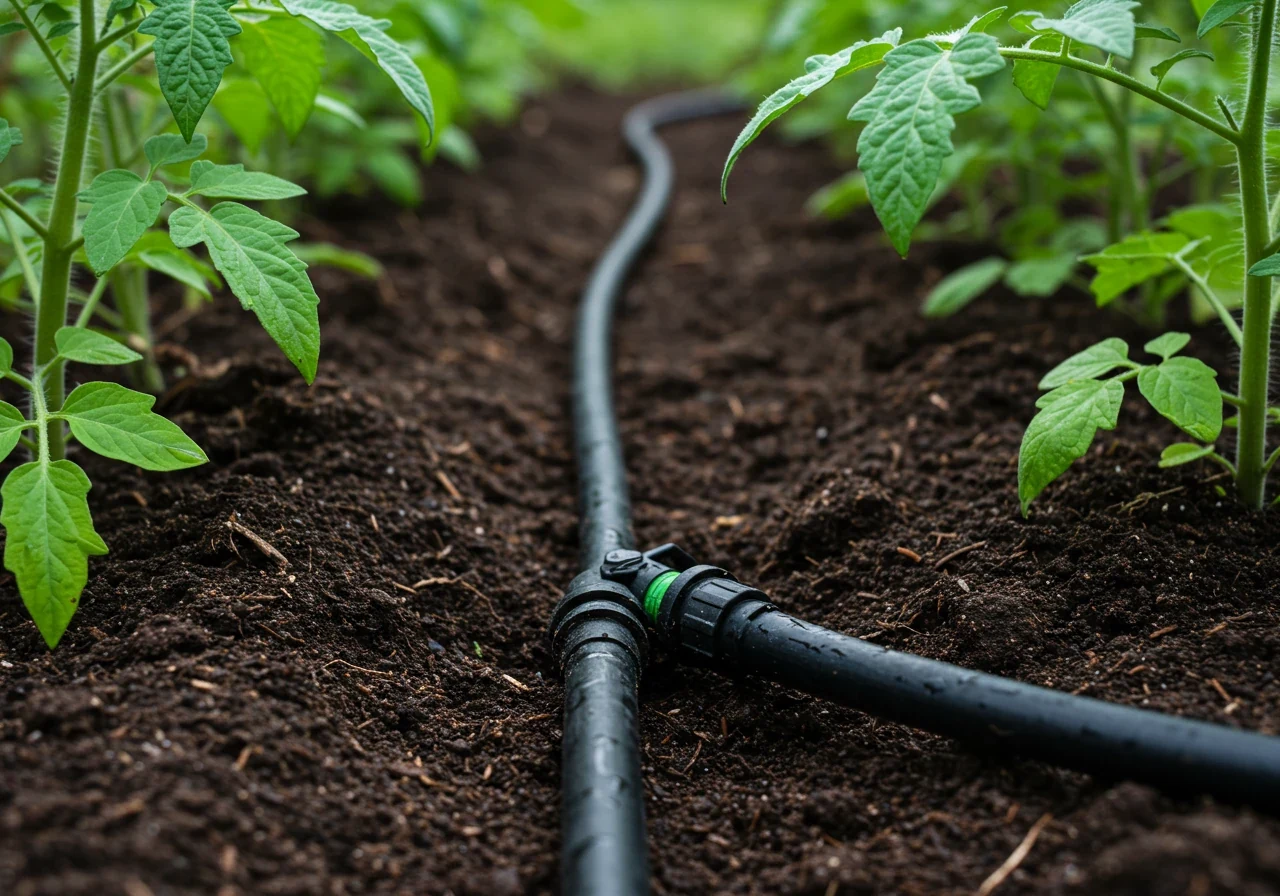
Ah, watering. Seems simple, right? Turn on the hose, point it at the green stuff, done! But hold your horses (or should we say, hoses?). Watering smarter, not harder, is key to a happy garden, a happy wallet, and staying on the right side of Ottawa's occasional summer watering restrictions. Let's dive into how to give your plants the drink they need without wasting a drop, whether you're dealing with sandy soil in parts of Greely or the denser clay found elsewhere.
First rule of Watering Club: Water deeply and infrequently. Forget that quick daily sprinkle! That only wets the top inch of soil, encouraging shallow roots that panic at the first sign of heat. Instead, give your garden beds a long, slow soak once or twice a week (depending on the weather and your soil). Aim the water directly at the base of the plants. This encourages roots to grow deeper where the soil stays moist longer, making them tougher and more resilient – kind of like us after a good Ottawa winter! For more local gardening wisdom, check resources like the Master Gardeners of Ottawa-Carleton.
How do you know *when* it's time for that deep soak? Forget guesswork; get your fingers dirty! Stick your finger about two inches into the soil near your plants. If it feels dry at that depth, it's time to water. If it's still damp, hold off. Plants hate soggy feet (it leads to root rot) as much as they hate being parched.
Choosing your tools matters too. Old-school sprinklers can lose a lot of water to evaporation, especially on windy days. Soaker hoses or drip irrigation systems are superstars – they deliver water slowly and directly to the root zone, minimizing waste. For containers or new plantings, a trusty watering can gives you pinpoint accuracy. Remember to water early in the morning (best!) or late evening to reduce evaporation.
Let's talk lawns. Your turf needs that deep watering too, but usually less often than flower beds. And keep an eye out for City of Ottawa summer water restrictions – they often have rules about *when* you can water your lawn (like odd/even house numbers on specific days) to ensure there's enough water for everyone. Sometimes managing areas near public spaces requires specific care; feel free to ask us about City Garden Maintenance Service if you have specific boundary concerns or questions about compliance.
Want to be an eco-watering hero?
- Install a rain barrel: Free water falling from the sky? Yes, please! Perfect for watering containers and garden beds.
- Embrace mulch: A layer of organic mulch does wonders for holding moisture in the soil, meaning you water less. It also suppresses weeds! Learn about proper Mulching and Edging Techniques to maximize benefits. If weeds are already outcompeting your plants for water, an Ottawa Garden Clean Up Service can clear the way for better hydration.
- Try hydrozoning: Group plants with similar water needs together. Your drought-tolerant lavender won't be drowning next to your thirsty hydrangeas.
Adjust your watering schedule with the seasons – plants need much less in the cooler, wetter spring and fall than during a Barrhaven heatwave in July. By watering wisely, you nurture a healthier, more resilient garden and conserve a precious resource. We want to say Thank You for doing your part! Remember, our approach to service, including how we handle information, is outlined in our Privacy Policy and operational Terms and Conditions.
Immediate Heat Stress Relief
When plants are wilting right now:
- Check Soil First: Is it actually dry 1-2 inches down? If so, water deeply at the base. If damp, wait.
- Provide Shade ASAP: Use umbrellas, sheets, etc., to block intense afternoon sun (1-4 PM).
- Mist (Maybe): Lightly misting the air *around* plants (not direct sun on leaves) can slightly increase humidity and offer minor cooling through evaporation, but deep watering is more crucial.
- Move Containers: Relocate potted plants to a shadier spot temporarily.
- Don't Fertilize or Prune: Avoid adding extra stress.
Focus on hydration and reducing sun exposure immediately.
Smart Watering Quick Guide
Efficient watering saves water and builds stronger plants:
- Timing: Early morning (best) or late evening minimizes evaporation.
- Method: Water deeply at the soil level (soaker hoses, drip irrigation, careful hand-watering). Avoid overhead sprinklers that wet foliage.
- Frequency: Less often but more thorough is better than daily sprinkles. Check soil moisture to determine need. Clay soils need less frequent watering than sandy soils.
- Lawn Care: Follow local watering restrictions. Water lawns deeply too, promoting deeper root growth. Consider professional lawn care for optimal health.
Building Long-Term Resilience
Prepare your garden for future heatwaves:
- Improve Soil: Regularly amend soil with compost to improve water retention (sandy soil) or drainage (clay soil). See our guide on Soil Preparation.
- Mulch Matters: Maintain a 2-3 inch layer of organic mulch (learn more here).
- Right Plant, Right Place: Choose drought-tolerant and native species suited to Ottawa's climate.
- Hydrozone: Group plants with similar water needs together.
- Consider Shade: Plant trees or large shrubs strategically for natural cooling. This might be part of a larger Garden Install.
Long-term planning creates a garden that handles heat with less intervention. Explore our Transformations gallery for ideas!
Building a Heat-Proof Haven: Long-Term Strategies for a Resilient Ottawa Garden

Okay, so we've covered the emergency first aid and smart watering for those "Help, my garden is melting!" moments. But wouldn't it be nice if your garden could handle the heat waves with a bit more *grace*? Like it barely breaks a sweat? That's where long-term thinking comes in! Building a heat-resilient garden is an investment, not just in plants, but in less work, less worry, and a more sustainable space for you to enjoy, whether you're in bustling Barrhaven or leafy Embrun.
Think of it like building a sturdy house – you need a strong foundation. In the garden, that foundation is your *soil*. Ottawa soil can be a mixed bag – sandy stretches near Kars needing better water retention, or heavy clay around Metcalfe needing improved drainage. The superhero here is *compost*. Adding generous amounts of organic compost year after year works miracles. It helps sandy soil hold onto precious moisture and loosens up clay so roots can breathe and water doesn't pool. Healthy soil = happy, less-stressed plants. Getting the right amendments is key; thoughtful Material Selection pays off down the road.
Next up: Mulch! Mulch is like a cozy blanket for your soil. A two-to-three-inch layer of organic mulch (like shredded bark or wood chips) does wonders:
- Keeps soil cool: Shields roots from the blazing sun.
- Holds moisture: Reduces evaporation, meaning less watering.
- Smothers weeds: Less competition for your plants!
Just remember to keep mulch slightly away from plant stems to prevent rot. Expert Garden Maintenance includes proper mulching techniques.
Choosing the right tenants for your garden haven is crucial. Let's face it, some plants handle Ottawa's Zone 5b heat better than others. Look for drought-tolerant superstars like Sedum (Stonecrop), Echinacea (Coneflower), Rudbeckia (Black-eyed Susan), Daylilies, and various ornamental grasses. Native plants are often fantastic choices as they're already adapted to our local climate extremes. For local plant advice, consult groups like the Ottawa Horticultural Society. Grouping plants with similar water needs together (hydrozoning) makes watering logical and efficient. Planning this during a new Garden Install is ideal, setting your space up for success from the start.
Don't forget your lawn! Raising your mower blade to cut grass higher encourages deeper roots and shades the soil. Overseeding with drought-tolerant grass types or even considering a professional Sod Installation with a hardier blend can make a huge difference. Strategically planting trees or large shrubs provides natural shade, cooling the whole area over time.
Sometimes, prepping your garden for these long-term changes involves a bigger reset. Clearing out weeds, struggling plants, or old landscaping features might be necessary. An Ottawa Yard Cleanup Service can provide the clean slate you need. If you're dealing with tricky spots bordering public land, remember specialized help like a City Yard Cleanup Service exists for those unique challenges. Tackling the whole property? Explore Property Clean Up options.
Building resilience takes time, but these strategies create a garden that thrives, not just survives, reducing your workload and water bill while being kinder to the planet. As with any service, ensure you understand our approach, detailed in our Terms and Conditions. Here's to creating your own beautiful, tough-as-nails Ottawa oasis!
Highlight Box: Heat Stress Quick Fixes!
Friend, is your garden putting on a dramatic wilting performance worthy of a daytime soap opera? Don't panic! When heat stress strikes your beloved plants – whether you're tending roses in Manotick or veggies in Metcalfe – here are some rapid-response tricks to help them chill out:
- Water Like a Pro (Immediately!): Forget the midday sprinkle! Grab your watering can or hose *early* in the morning or *late* in the evening. Aim low and slow, right at the base of the plant. Give it a good, deep drink so the water soaks way down to the roots. Think hydration, not a quick splash! Quick check: Stick your finger into the soil an inch or two down *before* watering again. If it's still damp, wait! Healthy roots are the goal, and long-term, that starts with proper soil preparation for good drainage and moisture retention.
- Throw Some Shade (Seriously!): Your plants need a break from that intense afternoon sun, just like we do. Rig up some temporary shade during the hottest hours (usually 1 PM to 4 PM). Pop open a patio umbrella, strategically place a lawn chair, or even drape a light-coloured sheet over some stakes. It might look a bit silly, but it provides instant relief. Dark colours absorb heat, so stick with white or beige!
- Easy Does It - Skip the Extras: Now is *not* the time for fertilizer or a major haircut. Stressed plants can't handle extra nutrients (it can burn their roots!) and heavy pruning just adds more stress. Let them focus all their energy on coping with the heat. You can tidy up any *truly* dead, crispy leaves once things cool down.
- Clear the Clutter (If You Can): Sometimes, overgrown weeds or crowded conditions make heat stress worse by competing for water and blocking airflow. If the area around your stressed plant is choked with weeds or debris, a quick tidy-up can help. For bigger situations where the whole yard feels overwhelming and stressed, getting professional help like an Ottawa Yard Cleanup Service might be the best first step to give your plants breathing room. We offer focused help in specific areas too, like our Metcalfe Yard Cleanup Service or even assistance with larger areas via our Marionville Property Cleanup Service. A clean space makes managing heat stress much easier. Find our business easily on Google for local service info.
These quick fixes can often help plants bounce back surprisingly fast. Keep an eye on them, and remember these tips the next time Environment Canada calls for a scorcher! If you're thinking about getting help with cleanup or other services, we always appreciate it when you take a moment to give us feedback on estimates; it helps us serve you better! Stay cool out there!
Garden Heat Rescue Timeline
Day 1 AM: Assess & Water
Notice wilting. Check soil moisture 2 inches deep. If dry, water thoroughly at the base. Provide immediate temporary shade for the afternoon.
Day 1 PM: Monitor
Check plants in the evening. Some recovery (less wilting) is a good sign. Ensure shade is still effective if needed. Resist pruning/fertilizing.
Day 2-3: Observe & Maintain
Continue morning/evening checks. Water again only if soil is dry 2 inches down. Leaves should perk up more. Remove temporary shade if temps moderate.
Day 4-7: Recovery & Cleanup
Plants should look much better. Now you can prune any truly dead/crispy leaves. Assess if mulching needs refreshing (Mulching Services available).
Long Term: Prevention
Consider adding compost, choosing more heat-tolerant plants, or improving lawn health (Lawn Care Info) to build resilience for the next heatwave. Check our About Us page to learn about our approach.
FAQ: Your Ottawa & Winchester Garden Heat Stress Questions Answered
Got questions about keeping your garden happy when the Ottawa summer decides to crank up the heat? You're not alone! Here are some common queries we hear from folks in Winchester, Barrhaven, Kars, and across the region.
You bet! While few plants *love* extreme scorchers, many are well-suited to handle typical Ottawa heat and humidity with grace. Think tough cookies like Coneflowers (Echinacea), Black-eyed Susans (Rudbeckia), Stonecrop (Sedum), Daylilies, and many ornamental grasses. Native Ontario plants are often fantastic choices because they're naturally adapted to our climate swings. Choosing these resilient beauties in your landscaping design makes summer gardening much less stressful! If you want to know more about how we select plants for local conditions, you can learn more about our local expertise.
Great question! Soil type makes a big difference. If you have heavy clay soil, common in parts of our region, water deeply but less frequently. Clay holds onto water longer, so let the top few inches dry out before soaking it again slowly to avoid runoff. If you've got sandy soil, like in some areas towards Kars, it drains quickly. You'll likely need to water a bit more often, but still aim for deep watering to encourage roots to go down where moisture lingers longer. Improving *any* soil with compost helps immensely – it improves drainage in clay and water retention in sand. Sometimes, a good clear-out is the first step to improving soil; our comprehensive Ottawa property cleanup service can help prepare your garden beds. We also serve nearby areas, like Metcalfe Garden Clean Up Service.
Oh, container plants feel the heat *intensely*! The soil dries out much faster than in the ground. First, make sure the pots are large enough – more soil means more moisture reserves. Light-coloured pots reflect sun better than dark ones. Water thoroughly whenever the top inch of soil feels dry (which might be daily in a heatwave!). Try moving them to a spot that gets morning sun but afternoon shade. Grouping pots together can also create a slightly more humid microclimate. If your patio is cluttered, making it hard to manage plants, maybe clearing out old debris with a Marionville yard cleanup service could create a better space for your potted pals.
Go for it! Adding a 2-3 inch layer of organic mulch (like shredded bark) is one of the best things you can do during hot weather. It acts like an insulating blanket, keeping the soil cooler and dramatically reducing water evaporation from the surface. Just be sure not to pile fresh, hot mulch directly against plant stems. If your garden edges near sidewalks or public areas are messy, consider tidying them up first; a City garden clean up service for edge tidying can handle that. Making sure the area is prepped can make mulching more effective; consider getting your beds ready with a Metcalfe property cleanup service if things are overgrown.
Conclusion: Keep Your Cool & Help Your Winchester Garden Thrive!
Okay, deep breath – you've got this! Dealing with Ottawa's summer heat in your Winchester garden doesn't have to be a sweaty panic. By learning to spot the early signs of heat stress, knowing those quick first-aid tricks (hello, temporary shade and smart watering!), and committing to long-term strategies like improving your soil with compost and using mulch magic, you're setting your plants up for success. Remember, watering deeply less often is way better than a daily sprinkle, saving water and encouraging strong roots – crucial whether you're in Winchester or tending a patch over in Manotick.
The goal isn't just survival; it's about creating a garden that *thrives* – lush, beautiful, and resilient enough to handle those inevitable scorchers with style. Keep *your* cool, follow these tips, and your garden will thank you for it with vibrant colour and healthy growth, even when the temperature climbs! Happy gardening!
Ready to take your outdoor space from just 'okay' to outstandingly resilient?
- Discover how our tailored Landscaping Services can help build your heat-proof haven.
- Got questions or need expert advice tailored to your specific yard conditions? Don't hesitate to Contact Us.
- Dive deeper into garden care solutions and landscaping ideas on our helpful Blog.