
Winchester Garden SOS: Fix Over-Fertilizing Damage Fast
Quick Summary: Accidentally over-fertilized your Winchester garden? Don't panic! Here's the fix:
- Identify Signs: Look for leaf scorch (brown edges/tips), wilting (even if soil is moist), slowed growth, or white crust on soil.
- Immediate Action (CPR): Stop fertilizing! Gently remove surface granules. Flush soil deeply with water for several days (leaching). Prune severely damaged parts.
- Recovery: Be patient. Avoid fertilizer for weeks/months. Improve soil health with compost *after* initial flushing.
- Prevention: Test your soil, use slow-release/organic fertilizers, follow label directions precisely, apply evenly, and water before fertilizing.
Experiencing fertilizer burn? Need help assessing the damage or creating a recovery plan? Request a quote today!
Introduction: Uh Oh, Winchester! Did Your Garden Get Too Much 'Love'?
Okay, Winchester green thumbs, let's chat. Did you get a *little* too enthusiastic with the fertilizer this season, maybe thinking "more is better!" for those prize-winning petunias or that perfect patch of lawn? Uh oh. Sometimes our gardens get too much 'love', and suddenly plants look… sad. Yellowing leaves? Scorched-looking edges? Stunted growth? You might be dealing with *fertilizer burn*.
Don't worry! Think of it like a plant sunburn, caused when excess fertilizer salts overwhelm the roots and damage the foliage. It happens to the best home gardeners, whether you're tending flower beds in Osgoode or landscaping a beautiful yard near Metcalfe. We understand wanting the best for your plants!
The good news? It's often fixable. As your local landscaping and gardening guides (check us out on Google!), we've got straightforward, actionable tips specifically for our Ottawa-area conditions to help you undo the oops and revive your green space. We'll walk you through identifying the signs and taking the right steps to nurse your plants back to health. Let's get started!
Spotting the SOS: Signs Your Garden is Crying 'Too Much Fertilizer!'

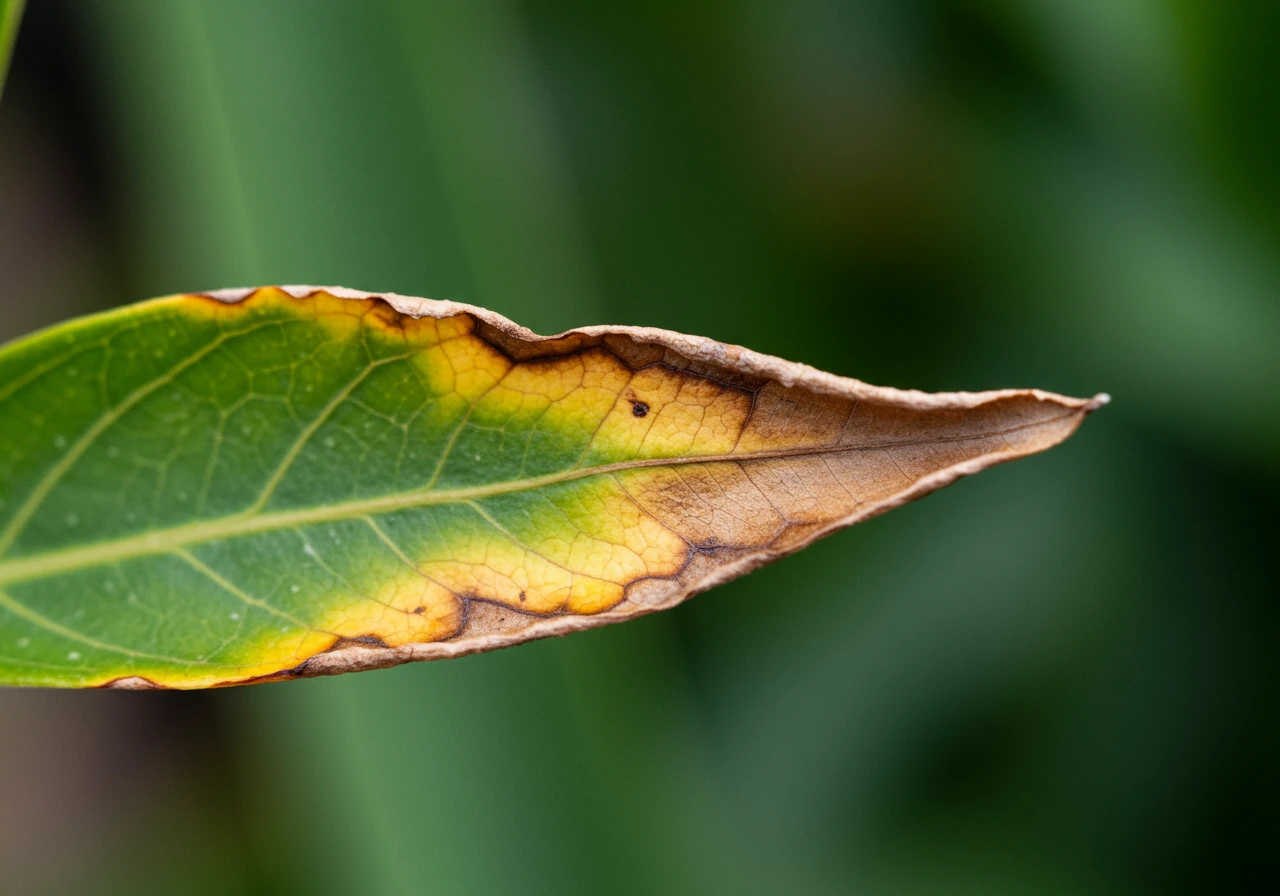
Alright, Ottawa gardeners, let's tune into our plants. Sometimes, instead of a happy thank you, our gardens send out an SOS after feeding time. Giving too much fertilizer, even with the best intentions for your landscaping dreams, can cause serious plant stress. Think of it like us eating way too much salty food – it throws our system off balance! Here’s how to spot the signs that your plants might be shouting, "Whoa, easy on the goodies!" especially during those warm stretches we get in areas like Nepean or Barrhaven.
- Leaf Tip and Edge Burn: This is a classic! Look for yellowing, browning, or crispy edges on leaves, especially older ones. It often starts at the very tip and works its way back. Why? Excess fertilizer salts essentially draw moisture *out* of the plant tissues, scorching them from the inside out. It’s like a plant sunburn. Even tough plants featured in thoughtful Winchester Garden Design Ideas for Your Oasis can suffer from this common gardening mistake.
- Wilting Despite Watering: Does your plant look droopy and sad, even though the soil feels damp when you check it? Over-fertilizing damages the delicate root hairs, making it hard for them to absorb water, no matter how much is available. It’s a frustrating sight! Checking the roots directly might be necessary; sometimes carefully using a Soil Probe for Early Root Checks can help assess the situation below ground without major digging.
- Slowed or Stunted Growth: If your usually vigorous plants suddenly hit the brakes, putting out little or no new growth, or if new leaves look small, weak, or slightly distorted, too much fertilizer could be the culprit. The plant is basically overwhelmed and shuts down non-essential functions like vigorous growth to survive. Building strong roots is crucial for overall plant health, and while beneficial soil life can help, even plants benefiting from things like Mycorrhizae to Boost Plant Roots Naturally can't handle extreme salt levels from over-fertilization.
- Leaf Drop: In more severe cases, plants might start shedding leaves, often beginning with the lower, older ones. This is a clear sign of significant stress as the plant tries desperately to conserve resources.
- White Crust on Soil Surface: Sometimes you can actually *see* the problem – a visible white, crusty buildup of fertilizer salts right on the soil surface. This is often more noticeable in potted plants or raised garden beds.
- Lawn Issues: Don't forget your turf! For lawns, over-fertilization often shows up as uneven growth, distinct yellow or brown patches (sometimes in revealing stripes if a spreader was used incorrectly), and generally unhappy, scorched-looking grass blades.
These signs can appear quite quickly, sometimes within just a few days, especially when the weather is warm and dry. Remember, successful gardening and landscaping involve balance – just like knowing the right techniques for specific plant care, such as proper Summer Hydrangea Pruning to Shape Your Shrubs, knowing the right *amount* (and type) of fertilizer is absolutely key.
It can be tricky sometimes to tell over-fertilizing apart from other garden woes like disease, pests, or underwatering. If you're scratching your head and unsure what's causing the plant distress, don't hesitate to seek expert advice. Professional Landscaping and Gardening Services can help diagnose the issue accurately and recommend the best course of action.
For more resources on maintaining a healthy garden in the Ottawa area, consider checking out the Friends of the Central Experimental Farm or the Ontario Horticultural Association for local tips.
To help clarify things visually, we'll provide a handy comparison table in the next section (via tabs) to help distinguish fertilizer burn from other common problems.
Distinguishing Fertilizer Burn
It can be easy to confuse fertilizer burn with other plant problems. Here’s a quick comparison:
| Symptom | Fertilizer Burn | Underwatering | Fungal Disease | Pest Damage |
|---|---|---|---|---|
| Pattern | Edges/tips brown first, often uniform on affected leaves. Can appear quickly after fertilizing. | Whole leaf wilts/yellows/browns, often lower leaves first. Soil is dry. | Spots, lesions, powdery mildew, often irregular patterns. May spread over time. | Holes, chewed edges, stippling, webbing, visible insects/eggs. |
| Wilting | Plant wilts even if soil is moist (root damage). | Plant wilts, perks up after thorough watering (if not too far gone). Soil is dry. | Wilting can occur if severe, often accompanied by other signs. | Wilting possible with severe infestation (e.g., root pests). |
| Soil Clues | May see white crusty salt buildup on surface. Recent fertilizer application. | Soil is clearly dry deep down. | Soil moisture might be high (contributing factor). Visible mold/mycelium possible. | May see insects in soil or around base. |
Fertilizer Types and Burn Risk
The type of fertilizer you use significantly impacts the risk of burning your plants:
| Fertilizer Type | Burn Risk | Nutrient Release | Pros | Cons |
|---|---|---|---|---|
| Quick-Release Synthetic | High | Fast | Rapid results, nutrients immediately available. | Easily leached, high salt concentration, easy to over-apply and burn. |
| Slow-Release Synthetic | Low to Moderate | Gradual (weeks/months) | Less chance of burning, longer feeding period, less leaching. | More expensive, results are slower. |
| Organic (Compost, Manure, etc.) | Very Low | Slow (relies on soil microbes) | Improves soil structure, feeds soil life, very low burn risk. | Nutrient content variable, very slow release, bulky to apply. |
| Liquid Synthetic | Moderate to High | Very Fast | Quick absorption (foliar or root), easy application. | Must be diluted correctly, easy to burn if too concentrated, short-lived effect. |
Choosing the right material selection based on plant needs and your gardening style is crucial for prevention.
The Science Behind the Burn: Why Good Intentions Went Wrong
Okay, so you sprinkled on some plant food, dreaming of lush greenery that would be the envy of Winchester, but ended up with crispy critters instead? Oops! Don't feel bad, it happens to lots of folks gardening around Ottawa. Let's break down the "why" behind that dreaded fertilizer burn – it’s basically a case of good intentions gone a *little* too salty.
Think of it like this: fertilizers are essentially salts packed with nutrients. Plant roots naturally absorb water through a process called osmosis, where water moves from areas of low salt concentration (like healthy soil moisture) to areas of higher concentration (inside the roots). It's how plants drink! But when you add *too much* fertilizer, the soil water outside the roots suddenly becomes *saltier* than the water inside the roots. What happens? Reversal! Water gets pulled *out* of the roots and the plant, dehydrating it from the ground up. That’s what causes those sad, brown, burnt-looking leaf tips and edges. It’s the plant’s version of feeling totally parched after eating a whole bag of salty chips!
Why does this happen so easily, turning your landscaping dreams into a bit of a nightmare? Here are a few common slip-ups, especially understandable given our sometimes-short Ottawa growing season pressure where we try to maximize growth:
- The 'More is Better' Myth: Probably the biggest culprit! Thinking a little extra feed will supercharge growth is tempting, but it usually just supercharges the burn risk. *Always* follow package directions – they really mean it!
- Uneven Application: Dumping fertilizer in clumps or getting uneven coverage with a spreader creates toxic hotspots in the soil. This is often how you get those weird stripes or patches on a burnt lawn.
- Fertilizing Dry Soil: Applying fertilizer when the ground is bone dry means the salts are super concentrated around already-stressed roots. *Always* water your garden beds or lawn thoroughly a day *before* feeding, especially during those dry spells we sometimes get out in Kars or Greely. Let the soil drink first!
- Wrong Type for the Job: Using a potent, high-nitrogen lawn fertilizer on your delicate potted annuals or vegetable garden is asking for trouble. Different plants have different needs!
Your garden's soil type plays a role too. Sandy soils, sometimes found scattered around the region, drain quickly. This can sometimes lessen burn risk as salts might wash away faster, *but* it also means nutrients leach out quickly. Heavy clay soils, quite common in the Ottawa Valley, hold onto water *and* fertilizer salts much longer. This increases the risk of prolonged exposure and burn if you over-apply, as those salts don't easily rinse away.
Quick-release synthetic fertilizers offer fast results but generally have a higher salt concentration and, therefore, a higher burn potential. You need to be extra careful with measuring and application. Slow-release or organic options break down gradually, feeding plants more gently with a much lower risk of burn – often a safer bet if you're worried or new to fertilizing.
If the damage is done and significant cleanup is needed to remove the casualties, remember that professional help is available. Services like a dedicated Winchester Yard Cleanup Service or even a broader Ottawa City Yard Cleanup Service can efficiently handle the removal of severely affected plants and debris. For lawns, severe burn might scorch areas beyond recovery, sometimes making professional Ottawa Sod Installation a good option for a fresh start on the worst patches. Tackling widespread issues across a larger property might benefit from the kind of support offered by our Marionville Yard Cleanup Service for extensive recovery projects. And hey, if you're ever unsure about feeding schedules, fertilizer types, or diagnosing plant problems, getting advice from experienced providers of Lawn Care and Landscaping Services is always a smart move to prevent future "oops" moments!
Garden CPR: Immediate Steps to Minimize Fertilizer Damage
Okay, deep breaths, fellow Ottawa gardeners! So you might have gone a bit wild with the plant food, and now your green space looks less like a lush oasis and more like it went ten rounds with a hairdryer. Don't panic! Think of this as Garden CPR – immediate actions you can take right now to minimize fertilizer damage and give your plants a fighting chance. Let's jump into first aid mode:
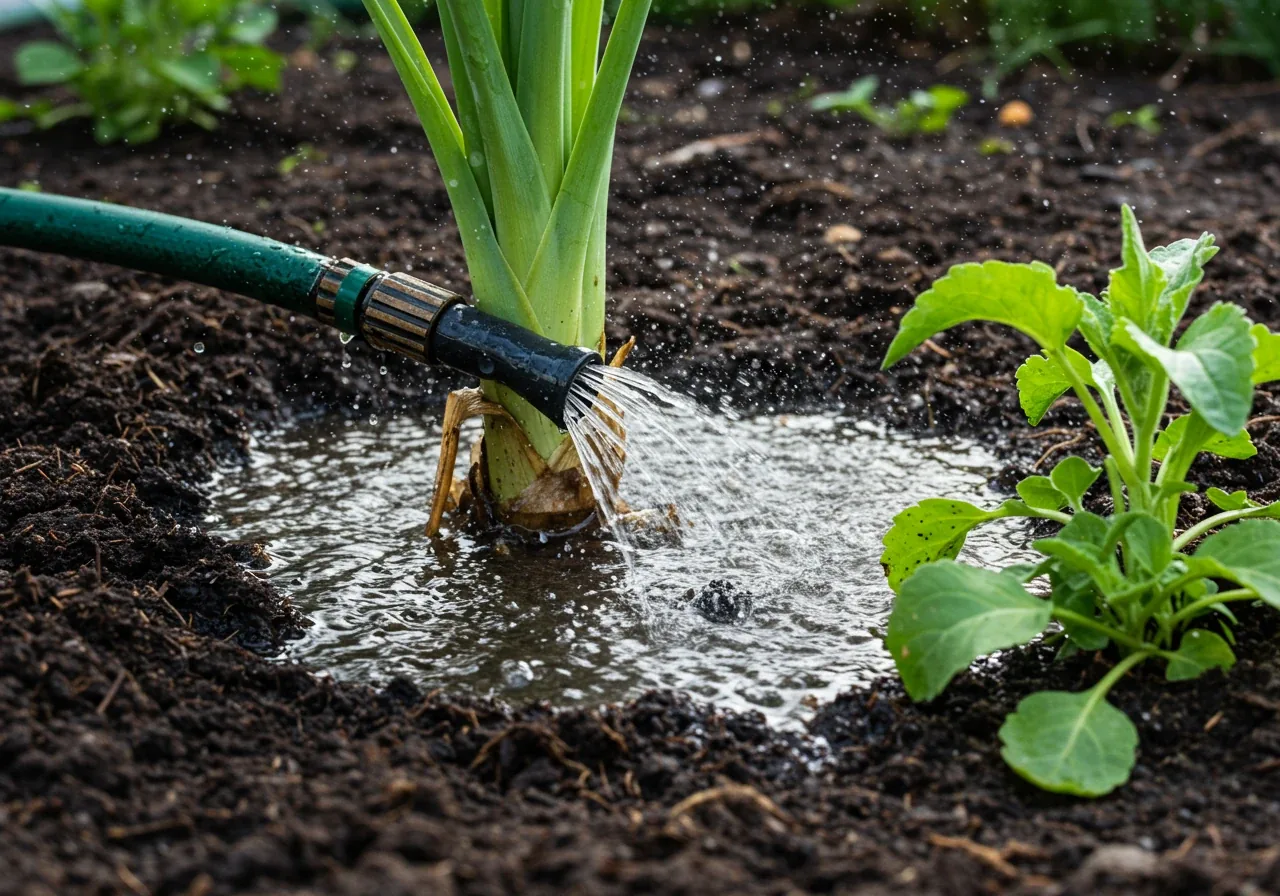
Realized you’ve overdone it? Maybe that extra scoop for your Metcalfe lawn or Winchester flower beds wasn't the best idea after all. Here’s your emergency action plan:
- Stop the Feeding Frenzy! Seems obvious, right? But seriously, put the fertilizer bag *away*. No more feeding until you know your plants have recovered. Adding more fuel to the fire is the last thing you want to do.
- Surface Sweep (If Possible): If you just applied a granular fertilizer and can still see pellets or powder on the soil surface or trapped in plant leaves, *gently* try to remove as much as possible. You can carefully sweep or scoop it off beds, or lightly brush it off foliage. Be careful not to damage the plants further. Removing the source reduces the amount of excess salt that can dissolve into the soil. If the fertilizer spill was significant or involves sensitive areas, sometimes calling in pros for a targeted cleanup is wise. Handling larger scale issues might even warrant looking into a thorough Metcalfe Property Cleanup Service to reset the affected zone.
- Operation: Flush! (Leaching is Key): This is your most critical step. You need to wash those excess fertilizer salts down below the root zone where they can’t cause as much harm. This is called *leaching*. Grab your hose and water the affected area thoroughly and deeply.
- How it Works: Think of it like rinsing out a salty soup bowl. You're diluting the concentration of salts in the soil water and pushing them deeper into the ground, away from sensitive roots.
- Be Thorough: Don't just sprinkle! For garden beds, let the water run slowly for a good hour or so, allowing it to soak deep. For lawns, water deeply – aiming for at least an inch of water (use a tuna can to measure!). Repeat this deep watering every day for 2-3 days, then every few days for the next week or two, depending on rainfall and City of Ottawa water restrictions. This consistent flushing is vital. Proper Lawn Care often involves knowing correct watering techniques, and this is a prime example.
- Prune the Casualties (Gently): If leaves are severely browned or crisped, you can carefully trim them off. This improves the plant's appearance and removes dead tissue that could invite disease. Don't go overboard, though – leave any partially green leaves, as they can still provide some energy. If whole plants are goners, removing them prevents them from decaying and potentially causing issues for neighbours. Significant plant removal might be part of a larger Ottawa Yard Cleanup Service if the damage is widespread.
- Wait and Watch: Give your plants time to recover. It won't happen overnight. Monitor them closely for signs of new, healthy growth. Avoid *any* fertilizer for at least a month, possibly longer, until you see clear signs of recovery. Patience is key! If things look really bad across a large area, like needing help beyond simple pruning, consider reaching out for professional assistance. Our team is always ready to help - you can learn more About Us and our commitment to Ottawa gardens. We've even helped with extensive recovery jobs needing a Marionville Garden Clean Up Service approach.
A Note on Watering: While flushing is crucial, be mindful of local water restrictions, especially during hot Ottawa summers. Water deeply during permitted times, usually early morning, to maximize absorption and minimize evaporation. Using a soaker hose or watering wand can help deliver water directly to the root zone efficiently.
Taking these immediate steps can significantly improve your garden's chances of bouncing back from a fertilizer oopsie. Good luck, and happy (and careful!) gardening!
The Road to Recovery: Nursing Your Garden Back to Health
Okay, you’ve performed the Garden CPR, flushed the excess salts, and maybe pruned away the worst of the damage. Phew! Your plants might still look a bit shell-shocked, like they survived a really bad haircut, but the immediate crisis is over. Now, welcome to the recovery ward! This next phase is all about long-term healing and rebuilding resilience, whether you're gardening in Russell, tending a lawn in Embrun, or anywhere else in the Ottawa area. The biggest temptation now? To jump right back in with *more* fertilizer, thinking it’ll speed things up. Resist! Resist! Your plant’s roots are likely still damaged and sensitive; hitting them with more salts now would be like asking someone with a sunburn to go tanning. Patience is your new best friend on this road to recovery.
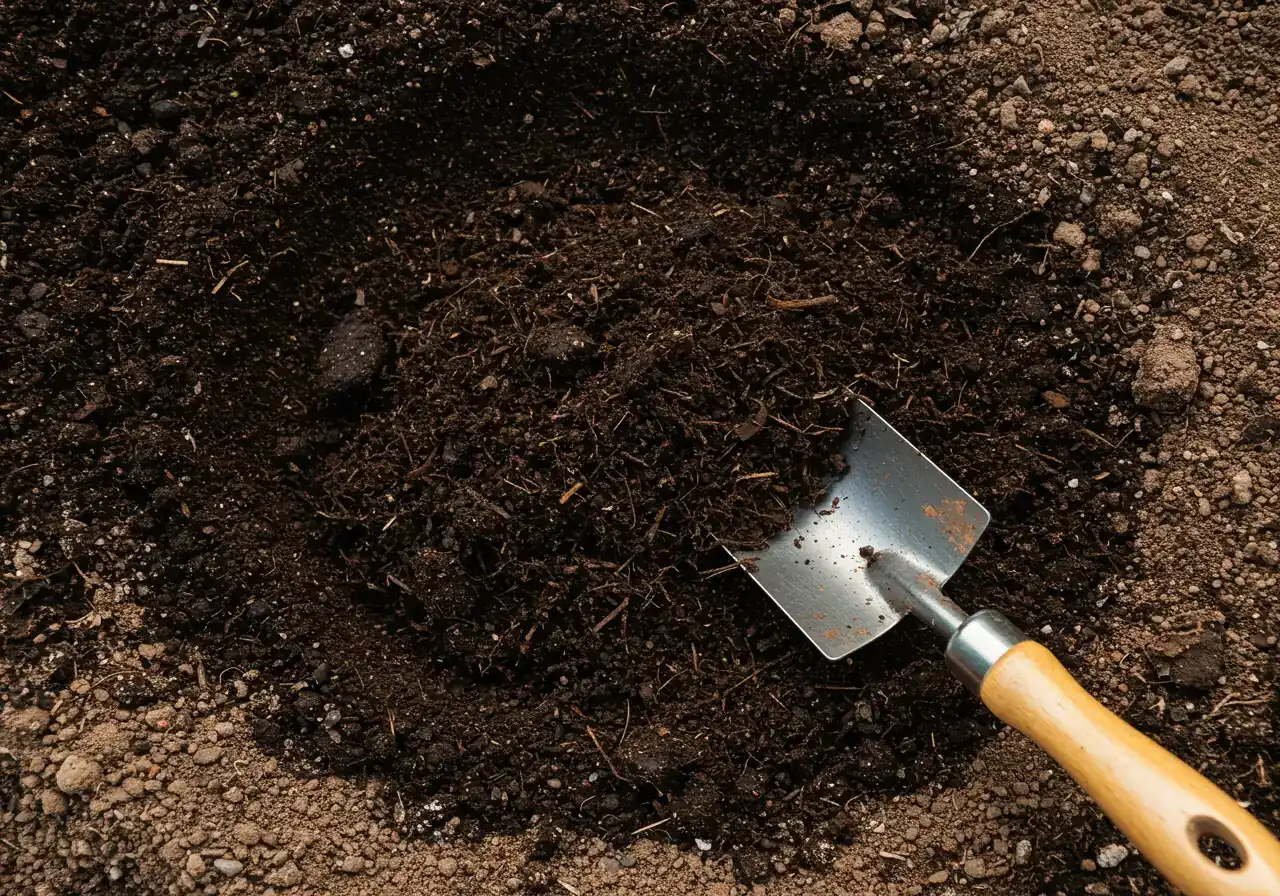
Instead of focusing on feeding the plants directly, let's shift our energy to rebuilding their home: the soil. Healthy soil is the absolute foundation of a thriving garden, the bedrock of successful landscaping. After a fertilizer burn incident, the soil's delicate ecosystem, full of beneficial microbes, can be thrown off balance. The superhero in this recovery story? *Organic matter!* Think compost, well-rotted manure, or leaf mold. Gently incorporating these goodies into the top few inches of your garden beds does wonders. It improves soil structure (making it less compacted and easier for delicate, recovering roots to penetrate), helps retain moisture consistently (crucial for damaged roots that struggle to uptake water), and provides a *slow*, gentle release of nutrients as it breaks down naturally. This is far kinder than a sudden chemical jolt. Investing time in thoughtful Soil Preparation now pays huge dividends for future garden health.
Compaction can also be an issue, especially in the clay soils common around Ottawa or if there was foot traffic during the emergency flushing phase. Aeration helps combat this! For lawns, core aeration pulls small plugs of soil out, creating channels that allow vital air, water, and eventually nutrients to reach the root zone more easily. For garden beds, gently loosening the topsoil with a garden fork (being super careful not to disturb existing roots too much) achieves a similar benefit, improving drainage and airflow. This improved air circulation is vital for helping damaged roots breathe and heal. If you're considering professional help for your turf's recovery, ask about aeration as part of their comprehensive Lawn Care services. When you *do* eventually feel the soil and plants are ready for some nourishment (months down the line!), stick to gentle, eco-friendly amendments like worm castings or a diluted compost tea to provide mild support without the harsh salt risk. Need help with Mulching and Edging to protect your recovering soil? We can help!
Want to avoid this whole "oops, too much fertilizer" saga next season? Your secret weapon is knowledge: get your soil tested! A soil test is like a diagnostic check-up for your garden's foundation. It tells you exactly what nutrients are present, which might be lacking, and your soil's pH level. Armed with this information, you can fertilize smartly and sparingly in the *future*, giving your plants precisely what they need – no more guesswork leading to accidental scorching. Many local garden centers or labs like A&L Canada Laboratories (affiliated with UofGuelph) offer testing services. As your plants continue their recovery journey, keep gently removing any dead leaves or stems that appear to keep things tidy and discourage disease. If the initial fertilizer burn caused widespread plant death leaving significant debris behind, calling in professionals for an Ottawa Yard Cleanup Service can efficiently clear the affected area, making way for new growth or replanting projects like a new garden install. Depending on the specifics and location, sometimes more specialized assistance like a City Property Cleanup Service might be required. Whenever you engage with online services or share information, it's always wise to be aware of how your data is used; feel free to review our company's Privacy Policy for details on data protection.
Remember, nursing your garden back to health is a marathon, not a sprint. It often takes a full growing season, sometimes more, for plants and soil to fully recover. To help you stay on track with these long-term care steps, we've created a simple visual timeline below.
Immediate Action (Days 1-7)
Stop all fertilizing. Flush soil deeply with water daily (leaching). Gently remove visible surface fertilizer. Prune only severely burnt, dead tissue.
Short-Term Care (Weeks 2-4)
Continue deep watering every few days (check soil moisture). Monitor plants closely for signs of stress or new growth. Still NO fertilizer.
Mid-Term Recovery (Months 1-3)
If plants show new growth, *gently* incorporate compost into topsoil. Maintain consistent watering. Consider core aeration for lawns. Still avoid strong fertilizers.
Long-Term Healing (Months 3+)
Continue monitoring. Introduce very gentle, diluted organic feed *only if needed* and plants are clearly recovering. Get a soil test for future planning.
Next Season Prep
Use soil test results to fertilize smartly. Choose slow-release or organic options. Follow application rates carefully. Water before applying.
Smarter Feeding: Preventing Fertilizer Burn in Your Ottawa Garden Next Time
Okay, Ottawa gardening friends, let's turn that past fertilizer frown upside down! We've talked about rescuing your plants from an accidental overdose of 'love', but how about we avoid the drama altogether next season? Preventing fertilizer burn is way less stressful than fixing it, and it leads to genuinely happier, healthier plants that contribute to stunning garden Transformations. Let's talk smart feeding strategies so your garden in Vernon, Kenmore, or wherever you call home thrives without the ouch factor.
First things first: *know thy soil!* Seriously, guessing your soil's nutrient levels is like trying to bake a cake without a recipe – sometimes it works, mostly it doesn't. Getting a soil test is the smartest first step. It tells you exactly what nutrients your soil already has plenty of and what it might be missing. This way, you only add what's needed, drastically cutting the risk of overloading the system with those problematic salts.
Next up: Choose your weapon wisely! Not all fertilizers are created equal. (Refer back to the 'Fertilizer Types & Burn Risk' tab above for a comparison!)
- Slow-Release vs. Quick-Release: Granular slow-release or organic fertilizers are generally your buddies for burn prevention. They break down gradually, feeding plants gently over time, kind of like a nutritional IV drip instead of a sudden jolt. Quick-release synthetics *can* work, but they have a higher salt concentration and require much more precision – they're the espresso shot of the fertilizer world, potent but easy to overdo.
- Organic Matter is Your Friend: Incorporating compost or well-rotted manure improves soil structure and adds nutrients gently. Think of it as building a healthy pantry for your plants rather than force-feeding them. Good soil prep is key! Ensuring the area is clear of excessive debris through routine Property Clean Up helps fertilizer make good contact with the soil, not just sit on leaves or mulch.
Application technique is where many good intentions go sideways. Remember the package directions? They aren't just suggestions!
- Measure, Measure, Measure: Use the recommended amount, or even slightly less if you're unsure. More is *not* better here.
- Spread Evenly: Whether using a spreader for your lawn or scattering by hand in garden beds, aim for uniform coverage. Clumps = hotspots = burn.
- Water Wisely: Always water the soil well *before* applying fertilizer, especially granular types. Applying to dry soil concentrates the salts right where thirsty roots are most vulnerable. Water again *lightly* after applying granules to help them start dissolving and move into the soil.
Timing matters too, especially with Ottawa's distinct seasons. Avoid fertilizing stressed plants during peak summer heat or drought. The best times are generally when plants are actively growing – often spring and maybe early summer, depending on the plant and fertilizer type. Regular, sensible feeding is a cornerstone of effective Garden Maintenance. If you're tackling a larger, perhaps previously neglected area and want to start fresh with good practices, utilizing an Ottawa Property Cleanup Service can give you a clean slate. Even public-facing spaces benefit from careful nutrient management; if managing such areas, know that professional help like a City Property Cleanup Service often includes debris removal that aids proper soil care.
By testing your soil, choosing gentler fertilizers, applying carefully, and timing it right, you feed your plants effectively without the fiery consequences.
Relative Fertilizer Burn Risk by Type
Note: Chart shows *relative* risk potential based on typical usage and salt content. Improper application of *any* fertilizer can cause issues.
Key Takeaways: Your Quick Guide to Fixing Fertilizer Fumbles
Key Takeaways: Your Quick Guide to Fixing Fertilizer Fumbles
Alright, gardeners of Ottawa and beyond (we see you, Barrhaven!), let's boil it all down. Fertilizer oopsies happen, but here’s your cheat sheet to handle the situation and prevent a repeat performance. Think of this as the highlight reel for happy plants!
- Emergency Flush! Saw the signs of fertilizer burn? Your absolute first move is deep, slow watering (leaching) for several days. Flush those excess salts away from the roots. Don't just sprinkle – soak! If the burn was severe and led to significant plant loss, tackling the removal might call for a Comprehensive Ottawa Property Cleanup Service to clear the way for recovery.
- Know Before You Throw (Fertilizer, That Is): Stop guessing! Get your soil tested. It’s the *best* way to know what nutrients your garden actually needs, preventing wasteful and potentially harmful over-application. Smart fertilizing is a core part of good garden stewardship.
- Read the Label – Seriously! Those instructions aren't just suggestions. Use the recommended amount, or even a little less if you're nervous. More is *not* better when it comes to fertilizer salts. Uneven spreading? Also bad news. Precision pays off! Provide feedback on our estimates to help us serve you better.
- Go Slow & Gentle: Whenever possible, opt for slow-release granular or organic fertilizers (like compost!). They feed plants gradually, drastically reducing the risk of shocking delicate roots. Building healthy soil with organic matter is key to long-term resilience and is fundamental to any good Expert City Garden Maintenance Service.
- Clean Up Crew: Gently prune away any truly dead, crispy leaves or stems after a burn. This tidies things up and removes potential entry points for disease. For more extensive clearing of damaged plants or debris, especially after a major fertilizing mishap, calling in pros for an Efficient Ottawa Garden Clean Up Service can save you time and effort. Dealing with affected areas in prominent locations might even benefit from a specialized Dedicated City Garden Clean Up Service. Even our neighbours in Metcalfe need garden clean ups sometimes!
- When in Doubt, Shout (for Help)! Feeling unsure about diagnosing the problem, choosing the right products, or nursing your garden back to health? Don't hesitate! Professional advice can save your plants and your sanity. Feel free to Contact Us for Personalized Advice – we're always happy to help Ottawa gardeners succeed. Check out our thank you page after contacting us!
Ottawa & Winchester Garden Q&A: Your Over-Fertilizing Worries Addressed
Oh dear, it happens! Recovery time really varies depending on how severe the burn was, the type of plants, and how quickly you started flushing the soil. Think weeks, not days. Some hardy perennials might bounce back within a month or two with careful watering, showing new, healthy growth. More sensitive plants or annuals might take longer or sadly not recover fully. Keep flushing initially, avoid *all* fertilizer, and focus on consistent moisture. Remember, patience is key in our Ottawa climate – plants need time to repair damaged roots. Recovery timelines are influenced by nature, something we respect in our service approach, as outlined in our Terms and Conditions.
Don't give up hope just yet! Check for signs of life. Gently scratch the bark on a few stems – is it green underneath? Are there any tiny buds, even if they look dormant? If yes, there's a chance! Continue the deep watering (flushing) routine we discussed. Carefully prune away only the completely dead, brittle stems and leaves. Give it several weeks, maybe even until the next growing season for woody plants in Winchester. If you see *no* signs of green or new growth after a good chunk of time, then it might be time to say goodbye. Removing dead plants promptly is wise; our Efficient Ottawa Garden Clean Up Service can help clear the space if needed.
That's a great thought, but hold off slightly! While compost is fantastic for long-term soil health, adding it *immediately* after a bad burn isn't the magic fix. Your first priority is flushing excess salts *below* the root zone. Adding bulky compost right away could potentially trap some salts or interfere with deep watering. Give the flushing process a solid week or two. *Then*, gently incorporating high-quality compost or other organic matter (part of smart Material Selection) is an excellent recovery step. It helps improve soil structure, water retention, and slowly rebuilds soil life damaged by the salt overload, aiding long-term healing for your Manotick garden.
Mostly true, but with a small asterisk! Synthetic chemical fertilizers have much higher salt concentrations, making them far more likely to cause that classic, quick fertilizer burn if over-applied. Organic options break down slowly, releasing nutrients gently. However, applying *extremely* large amounts of very fresh manure ("hot" manure) right next to plant roots *can* sometimes cause issues due to ammonia release or temporary nutrient imbalances, though it's different from salt burn. So, while the risk is *much* lower with organics, moderation and following recommended application rates for any soil amendment is still the smartest approach for gardeners everywhere from Kars to the core of Ottawa.
It sure sounds like it! Lawns are quite susceptible, especially if fertilizer wasn't applied evenly (those stripes are a dead giveaway from spreader overlap!) or if it was applied to dry grass. The yellowing and patchiness are classic signs of turf stress from excess salts. Follow the same first aid: flush, flush, flush! Water deeply for several days to leach the salts. Avoid mowing stressed turf too short. Aeration can also help recovery later on. For widespread, severe damage across larger lawns, sometimes seen on properties needing more extensive care like those covered by our Marionville Property Cleanup Service, professional assessment might be needed to see if overseeding or patching is required once the initial crisis passes.
Conclusion: From Garden SOS to Winchester Wow!
So, there you have it! That accidental fertilizer fiesta doesn't have to mean curtains for your beloved garden. From the initial "Uh oh!" moment to nursing your plants back, we've seen there's a clear path from Garden SOS to potential *Winchester Wow!* It mostly boils down to quick action (hello, flushing!), patience (lots of it!), and focusing on rebuilding that crucial soil health. Remember, understanding the quirks of gardening in the Ottawa region, with our unique soils and seasons, really helps avoid these fumbles in the first place.
Feeling a bit overwhelmed by the recovery process, or want expert eyes on the damage? Don't sweat it! If your Winchester garden needs a helping hand, or you're in nearby communities like Richmond, Russell, or Embrun and want to prevent future fertilizer woes, we're here for you. Let us take the guesswork out of it. *Contact us today* for professional damage assessment, preventative soil testing, or to discuss ongoing landscaping and garden care that keeps your green space thriving – the *right* way!