
Overview
- Turn frustrating clay soil into a beautiful, low-maintenance rock garden.
- Rock gardens solve drainage issues common in Ottawa/Winchester clay.
- Key installation steps: Excavate deeply, add gravel drainage, use gritty soil mix, place rocks strategically.
- Choose hardy, drought-tolerant plants like Sedum, Sempervivum, and Thyme.
- Boosts curb appeal and property value with less long-term effort.
Introduction: Ditch the Clay Frustration, Embrace Winchester Rock Garden Charm
Okay, Winchester neighbours, let's have a chat about soil. If you're gardening anywhere from here to Metcalfe or Vernon, you've likely met our local clay. You know, the stuff that acts like peanut butter after a spring rain and turns into something resembling fired pottery by August? Sigh. Trying to coax delicate flowers to thrive in it can feel less like relaxing gardening and more like an extreme sport you didn't sign up for.
But what if you could turn that patch of stubborn soil into a stunning, low-maintenance landscape feature? It's time to ditch the clay frustration and embrace the elegant charm of a Winchester rock garden! Imagine swapping muddy boots and plant struggles for beautiful textures, interesting stones, and hardy, attractive plants that actually like the conditions. It's a sophisticated landscaping solution that solves problem areas beautifully. Plus, let's talk benefits: a well-designed rock garden seriously boosts your home's curb appeal and can increase your property value right here in the Ottawa region. Less work, more beauty, and a smarter investment? Now that's gardening we can get behind!
Why Rock Gardens Rock (Especially on Ottawa's Stubborn Clay!)
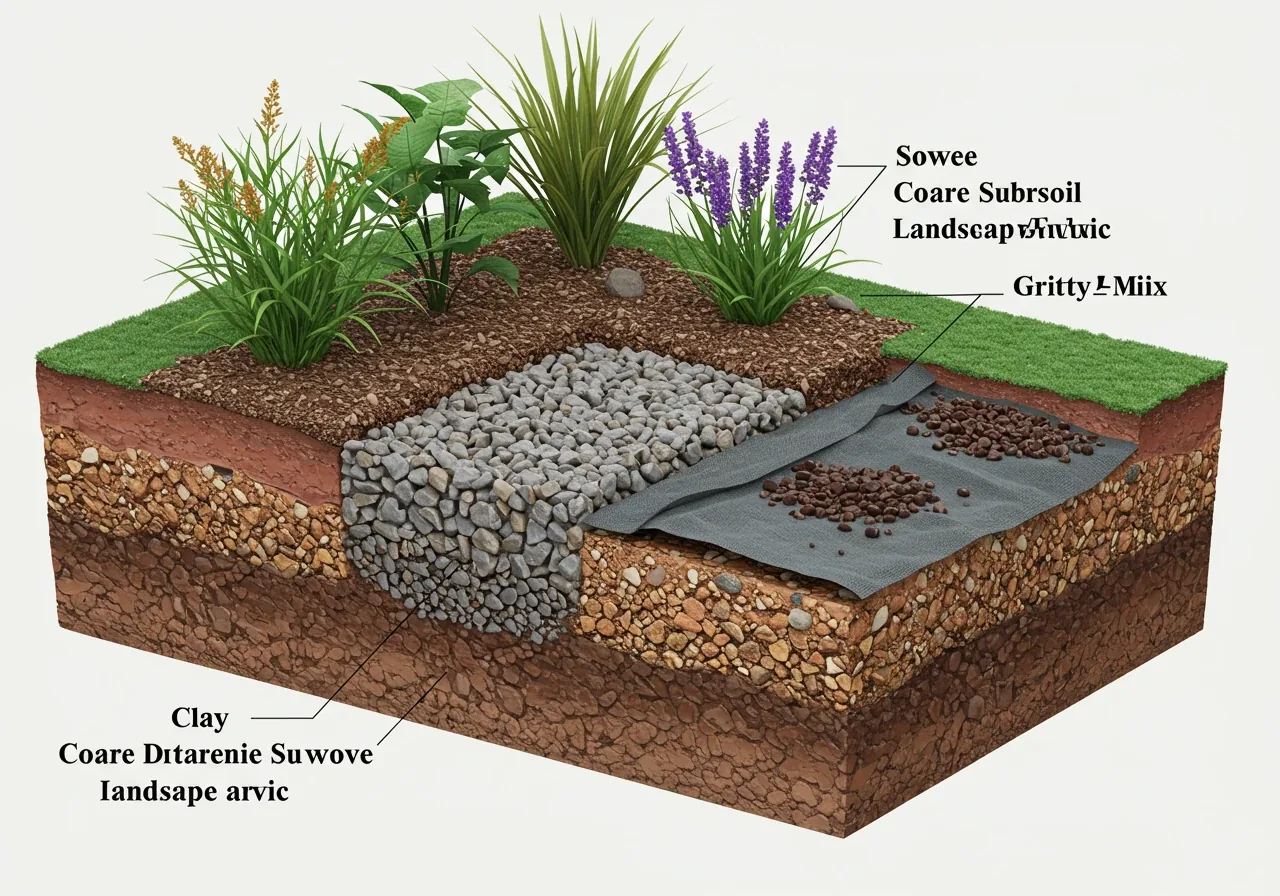
Let's be honest, gardening in many parts of Ottawa, from Manotick right through to Greely, often means facing off against our infamous heavy clay soil. It's the kind of stuff that leaves you feeling like you need a pickaxe, not a trowel! But before you throw your gardening gloves up in frustration, let's talk about why a rock garden isn't just a pretty face - it's a brilliant solution for our tricky terrain.
The Clay Conundrum vs. Rock Garden Relief:
- Problem: Swampy Springs & Soggy Roots. Remember that spring thaw or those heavy summer downpours? Clay soil holds onto water like a sponge that forgot how to let go. This means poor drainage, leading to sad, waterlogged plant roots prone to rot. Your flowerbeds can turn into mini-ponds faster than you can say "more rain?!"
- Rock Garden Solution: Drainage Dreams! Rock gardens are built with drainage as a top priority. Layers of gravel and sand mixed with soil create countless pathways for excess water to escape. This means happier, healthier roots for plants that hate sitting in water - crucial for surviving Ottawa's wet seasons without drowning. Considering proper soil preparation is fundamental here.
- Problem: Summer Concrete & Impenetrable Soil. Fast forward to a hot, dry August. That same water-loving clay transforms into rock-hard, cracked earth. Trying to plant anything new? Good luck. Existing plants struggle as roots fight for air and water in the compacted soil.
- Rock Garden Solution: Breathing Room & Easy Access. The structure of a rock garden, with its mix of soil, sand, gravel, and strategically placed rocks, naturally prevents severe compaction. Planting involves tucking specimens into pockets of suitable soil mix between the rocks, which is much easier than excavating clay. Plus, learning about proper plant spacing techniques is simpler when you aren't fighting concrete-like soil.
- Problem: Back-Breaking Work & Constant Amendments. Getting clay soil just right often involves years of adding compost, sand (carefully!), and other amendments. It's heavy work, and keeping it balanced is an ongoing chore.
- Rock Garden Solution: Less Work, More Wow! While initial setup takes effort, rock gardens are champions of low maintenance. The rocks suppress weeds, the typical alpine or drought-tolerant plants require less water once established, and you largely skip the annual soil amendment marathon. This focus on hardy plants means you're building a resilient garden, a core idea behind a good fall plant health plan to save money and effort later.
- Problem: Limited Plant Choices (That Survive!). While some plants tolerate clay, your choices can feel limited if you don't want to constantly battle the soil conditions.
- Rock Garden Solution: A Unique & Hardy Palette. Rock gardens open the door to a fascinating world of alpine plants, succulents, ornamental grasses, and groundcovers that thrive in well-draining conditions and can handle Ottawa's temperature swings. They offer unique textures and forms, creating visual interest year-round. It's about creating beauty through structure and plant choice, turning your garden into a living sculpture - a different approach than, say, training plants into unique garden art like spring espalier, but equally artistic. Check out reputable sources like the Rideau Valley Conservation Authority for info on native plants suited to our region.
Ultimately, choosing a rock garden is about working with our Ottawa environment, not against it. It solves the drainage and compaction issues inherent in clay, reduces long-term maintenance, and allows for stunning visual designs. If you're dreaming of turning a problem area into a beautiful, enduring feature, exploring Winchester garden design ideas, including rockeries, is a great start. Ready to transform your landscape? Check out our landscaping services to see how we can help build your perfect rock garden oasis.
Dream It, Design It: Planning Your Winchester Rock Garden Masterpiece
Okay, let's get down to the fun part - turning that rock garden dream into a beautiful reality! Planning might sound like homework, but trust us, a little forethought now prevents head-scratching (and maybe some back-straining!) later. This is where you get to be the artist, envisioning your very own Winchester rock garden masterpiece.
Step 1: Scout Your Location (Like a Landscape Detective!)
Before you even think about rocks, grab a notepad and observe your chosen spot. Ask yourself:
- Sunlight Situation: Does the area bake in full sun all day, or is it more of a shady character? This is crucial for choosing plants that will thrive, not just survive, in our Ottawa climate. An area getting full sun, like you might find on an open property in Greely, needs different plants than a spot shaded by the house. Need tips on sun mapping? Check the Ontario Horticultural Association resources.
- Slope Smarts: Is the ground flat, gently sloping, or dramatically angled? Slope affects drainage (which rock gardens love!) and how you'll place your rocks for stability and visual appeal. A slope can be a fantastic feature, not a drawback!
- Size Matters (Sort Of): How much space are you dedicating? A tiny corner rockery needs a different approach than a sprawling landscape feature. Measure it out.
- Existing Elements: Are there trees nearby (watch for roots and falling leaves!), paths, fences, or your house foundation to consider? Plan around them, not into them. Ensure your design doesn't direct water towards your foundation.
Step 2: Choose Your Vibe (Unleash Your Inner Designer!)
What kind of feeling do you want your rock garden to evoke?
- Natural Alpine Meadow: Think rugged, informal, mimicking a mountain landscape with smaller rocks, gravel paths, and drifts of hardy, low-growing plants.
- Japanese Zen Garden: Minimalist, serene, often using carefully placed larger stones ("feature rocks"), raked gravel, and select plantings like mosses or dwarf conifers. Very calming.
- Modern & Sleek: Clean lines, perhaps using geometric pavers or retaining walls alongside angular rocks and bold, architectural plants like grasses or succulents.
Sketch out a rough idea! It doesn't need to be fancy, but visualizing helps immensely. Consider how the new rock garden will blend with the rest of your yard. Sometimes, starting with a clean slate makes planning easier; think about a thorough Winchester yard cleanup service before you begin construction. For larger properties needing preparation, especially out towards Metcalfe, our Metcalfe property cleanup service can handle clearing and prep work.
Step 3: Rock Star Selection (Choosing Your Heavy Hitters!)
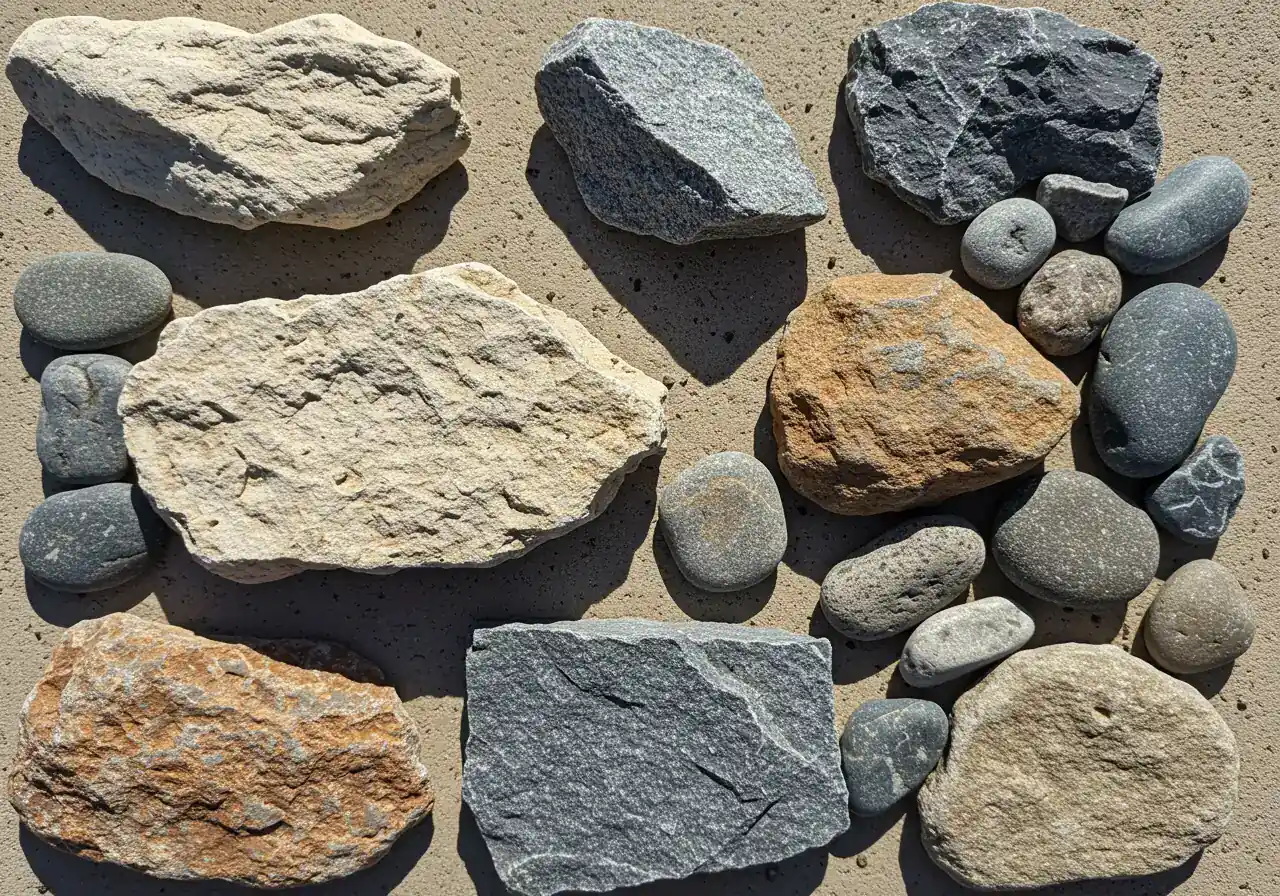
The rocks are the backbone! Aim for variety in size but consistency in type for a natural look. Here are some common choices available around Ottawa:
| Rock Type | Appearance | Typical Use | Notes |
|---|---|---|---|
| Limestone | Grey to buff, often flat or angular, may have fossils | Walls, steps, accents, good general purpose rock | Common locally, relatively easy to work |
| Granite | Speckled grey, pink, black; very hard, rounded/angular | Feature boulders, accents, durable pathways | Very durable, heavier, lasts forever |
| Fieldstone | Varied colours/shapes, weathered, rounded | Naturalistic look, walls, edging, accents | Collected locally, provides rustic charm |
| River Rock | Smooth, rounded, various colours/sizes | Dry river beds, accents, ground cover (use sparingly) | Can look unnatural if overused |
Pro Tip: Source rocks locally if possible! Visit landscape suppliers. Choose rocks that look like they belong together. Remember, placing heavy rocks is tough work; check out our landscaping services if you need professional muscle and design expertise or want guidance on material selection.
Compare Rock Types Visually
Limestone: Often grey or buff, can be angular or flat. Good for stacking or creating natural ledges. Relatively easy to work with compared to granite. Common in Eastern Ontario.
Granite: Very hard, durable rock, often speckled. Comes in various colours. Excellent for large, statement boulders due to its longevity and resistance to weathering. Heavier and harder to move.
Fieldstone: Naturally weathered stones, often rounded with varied colours. Collected from fields. Great for a rustic, informal look. Sizes and shapes can be inconsistent.
Step 4: Budget Basics (Let's Talk Loonies and Rocks)
Creating a rock garden involves costs:
- Rocks: Can range from inexpensive fill stone to pricey feature boulders.
- Soil & Amendments: You'll need gravel for drainage and a suitable soil mix.
- Plants: Costs vary depending on size and rarity.
- Labour: DIY saves money but costs time and effort. Professional installation costs more upfront but ensures it's done right. Need help clearing the area first? A city garden clean up service can prepare the site.
Setting a budget helps guide your choices. You can phase the project over time to spread costs. Before committing, ensure the site is truly ready. Ready to explore options and costs? Get a personalized idea using our easy estimate and feedback form.
Getting Your Hands Dirty: A Step-by-Step Rock Garden Installation Guide
Alright, you've dreamt it, you've planned it - now it's time to roll up those sleeves and actually build your rock garden! This is where the magic happens, transforming your vision into a beautiful, functional landscape feature. Don't worry, we'll break it down step-by-step. Grab your gloves, maybe bribe a friend with pizza for later, and let's get digging!
Project Stages Overview
Step 1: Mark & Clear
Outline the garden shape. Remove all grass, weeds, and debris. Safety first: use gloves and sturdy shoes!
Step 2: Excavate Deeply
Dig down 30-45 cm (12-18 inches) to create a drainage basin, especially crucial for Ottawa's clay soil. Slope base slightly away from foundations.
Step 3: Add Drainage Layer
Fill the bottom 15-20 cm (6-8 inches) with coarse gravel (e.g., 3/4 inch clear stone). This is the most important step for clay!
Step 4: Add Growing Medium
Top gravel with a gritty mix: ~50% topsoil, 30% coarse sand/grit, 20% compost. Avoid using heavy clay.
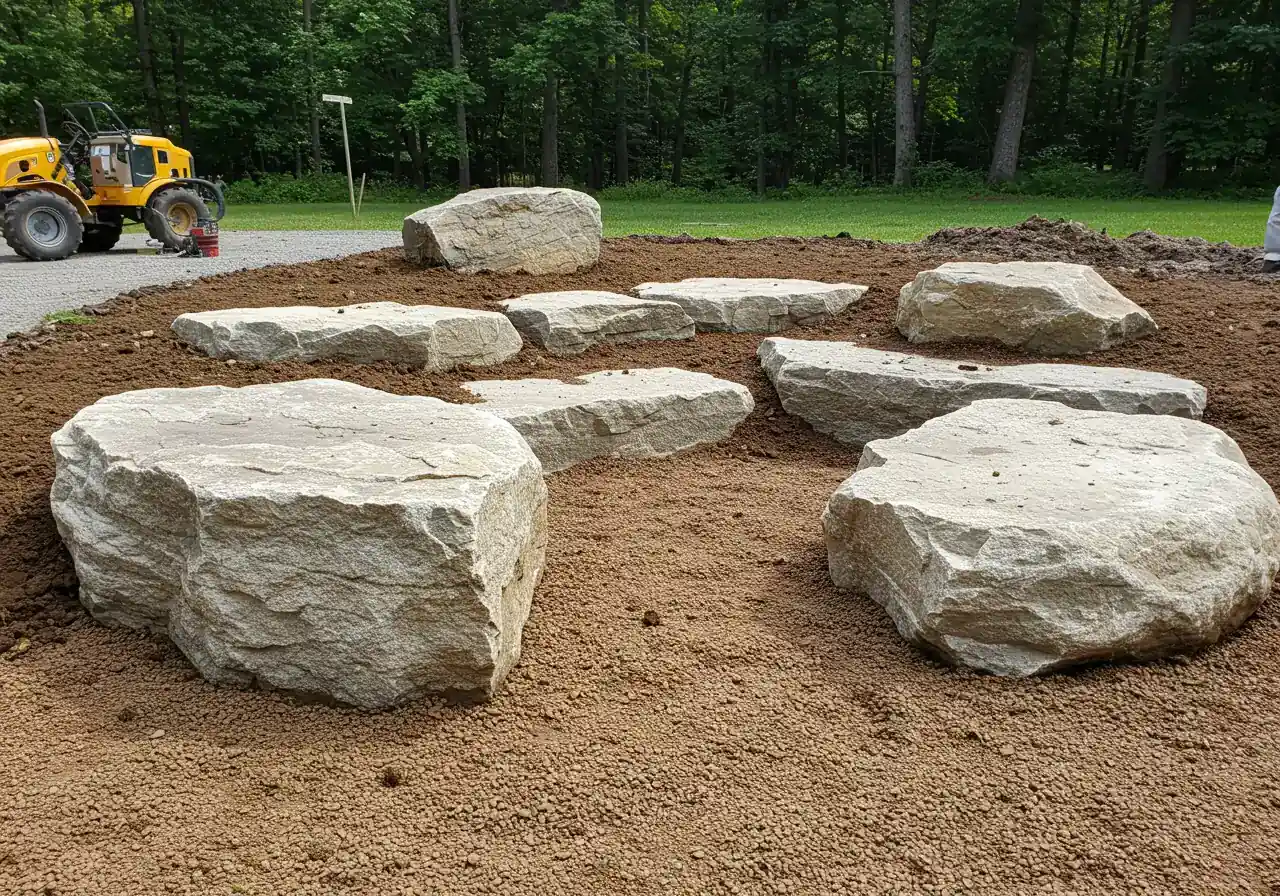
Step 5: Place Rocks
Position largest rocks first, burying the bottom third for stability. Arrange smaller rocks creating planting pockets. Check composition often. Get help for heavy rocks! See examples of our transformations.
Step 6: Plant
Carefully place chosen plants in the pockets between rocks. Water well to settle soil.
Step 7: Finish
Add top dressing of pea gravel or crushed stone over exposed soil to retain moisture and suppress weeds, similar to mulching and edging.
Phew! You did it! Building a rock garden is rewarding work. It takes effort, but the result is a stunning, low-maintenance feature perfectly suited to our Ottawa conditions. Feeling a bit overwhelmed by the heavy lifting or unsure about getting that drainage just right? That's perfectly okay! You can always get a professional quote using our straightforward estimate and feedback form. And if you have questions specific to your property, don't hesitate to get in touch with our team. We handle your information responsibly, as outlined in our privacy policy. Happy rock gardening!
Plant Power: Choosing Hardy Beauties for Your Ottawa Rock Garden
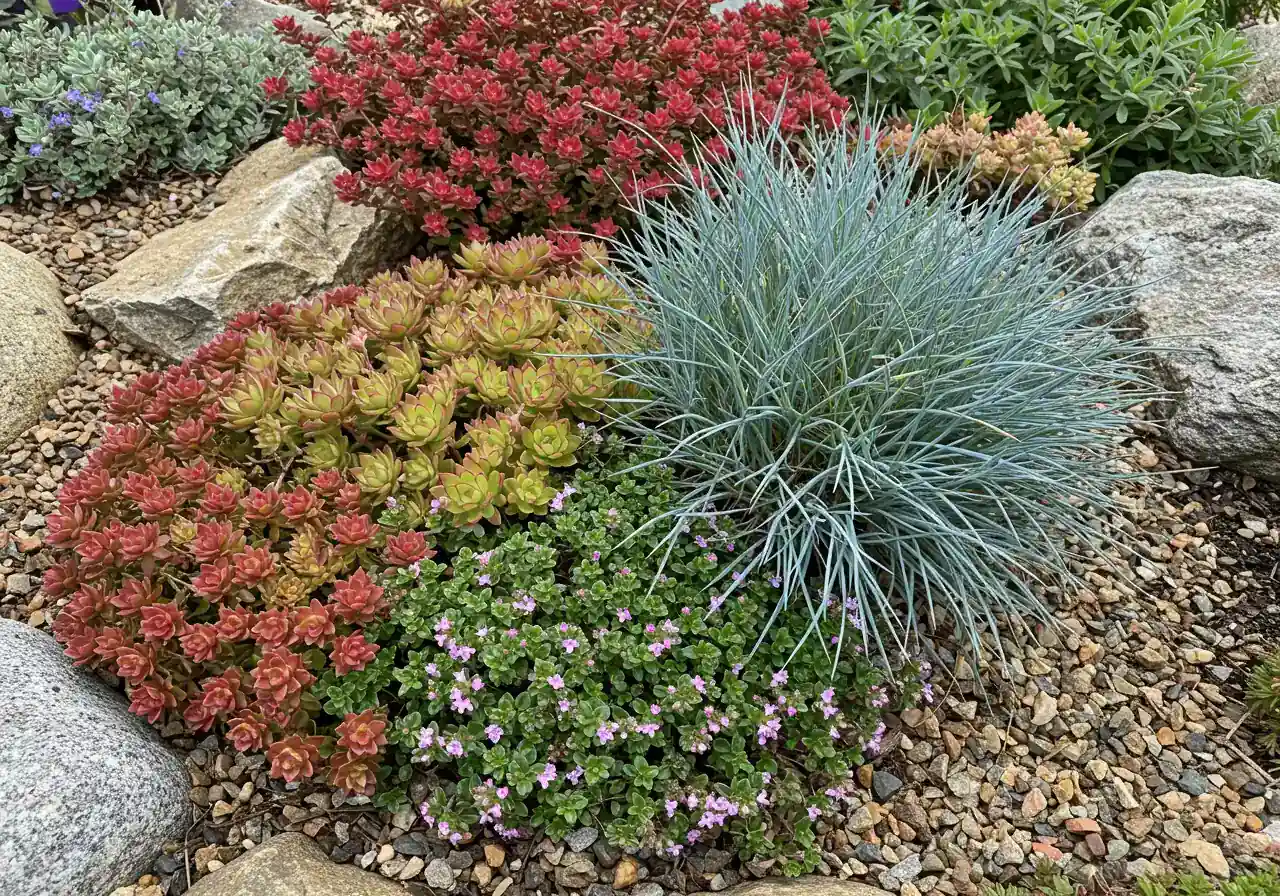
Okay, you've wrestled the rocks into place, perfected the drainage, and now comes the really fun part - choosing the plants! Filling your new rock garden isn't about grabbing just any pretty face from the garden centre. We need plants tough enough to handle Ottawa's dramatic mood swings, from sweltering summer humidity to bone-chilling winters, whether you're gardening in Nepean, Barrhaven, or anywhere in between. We're talking hardy, low-water champions that look fantastic without demanding constant fuss.
Why Hardy & Drought-Tolerant are Your Best Friends
Rock gardens, by design, have excellent drainage. This is great for preventing root rot but means the soil dries out faster than our typical clay beds. Choosing plants adapted to dry conditions is key. "Hardy" means they can survive our Zone 5 (sometimes dipping to Zone 4!) winters without elaborate protection. Think of it this way: selecting these tough beauties means less watering, less worrying, and more time admiring your work, which is a lovely contrast to the sometimes demanding schedule of perfect lawn care or even advanced techniques like sod installation for lawns.
Meet Your Rock Star Plants:
Let's look at some reliable performers that thrive in Ottawa rock gardens:
- Ground-Hugging Heroes (Groundcovers):
- Sedum (Stonecrop): An absolute must-have! Varieties like 'Angelina' (chartreuse) or 'Dragon's Blood' (reddish) offer fantastic colour and texture, spreading beautifully over rocks. Super tough.
- Creeping Thyme (Thymus serpyllum): Forms a dense, fragrant mat with tiny pink or purple flowers. It's tough enough to handle light foot traffic between stones. Releases a lovely scent when brushed against.
- Pretty & Persistent Perennials:
- Hens-and-Chicks (Sempervivum): These fascinating rosette-forming succulents come in countless colours and sizes. They store water in their leaves and produce offsets ("chicks") readily. Classic rock garden stuff!
- Pinks (Dianthus): Look for low-growing varieties like Dianthus gratianopolitanus ('Firewitch' is popular). They offer grassy blue-green foliage and masses of fragrant pink flowers in late spring/early summer.
- Carpathian Bellflower (Campanula carpatica): Forms neat mounds with lovely upward-facing blue or white bell-shaped flowers in summer. Prefers sun but tolerates a little shade.
- Grasses for Grace:
- Blue Fescue (Festuca glauca): Creates neat clumps of fine, silvery-blue foliage. Adds wonderful texture and movement, especially beautiful when contrasted with darker rocks. Keep it in well-drained spots to maintain its best colour.
- Year-Round Structure (Dwarf Conifers):
- Dwarf Mugo Pine (Pinus mugo pumilio): A slow-growing, compact evergreen that provides essential winter interest and structure. Perfect for adding height variation without overwhelming the space.
The Native Advantage:
Consider incorporating some Ontario native plants! They are perfectly adapted to our climate and soil (once established in the free-draining rock garden mix) and support local pollinators. Bearberry (Arctostaphylos uva-ursi) is a fantastic native groundcover with small evergreen leaves, pinkish flowers, and red berries. Find more native options via resources like the Government of Ontario's native plant guide.
Tips for Planting Success:
- Group 'Em: Place plants with similar light and water needs together.
- Sun Savvy: Match plants to your garden's sun exposure (full sun, part shade).
- Visualize: Think about mature sizes to avoid overcrowding. Check out examples of finished projects; seeing different plant combinations in our gallery of completed garden transformations can spark ideas.
- Local Knowledge: Choosing plants proven to thrive locally is always wise. Leveraging experience, like the kind detailed on the Clean Yards About Us page, helps ensure success. Check out our work and reviews!
A Peek Through the Seasons:
| Season | What to Expect in Your Rock Garden |
|---|---|
| Spring | Emergence of foliage, early blooms (Thyme, Dianthus) |
| Summer | Peak flowering (Campanula), colourful Sedum foliage |
| Fall | Foliage colour changes (some Sedums), grass textures |
| Winter | Evergreen structure (Pines), dormant grasses, rock forms |
While low-maintenance, your rock garden isn't no-maintenance. You'll still need occasional weeding and maybe a light tidy-up. For seasonal spruce-ups, especially removing fallen leaves in autumn, an Ottawa garden clean-up service can lend a hand. Established rock gardens often require less intensive cleanups than other garden types, a welcome relief compared to the larger tasks sometimes needed for extensive properties requiring something like a Metcalfe yard cleanup service. Choose your plants wisely, and enjoy the durable beauty!
Potential Property Value Boost (Illustrative)
Rock Solid Care & Value: Maintaining Your Garden & Boosting Your Equity
So, you've built your beautiful rock garden - congratulations! You've already conquered the heavy lifting (literally!). The fantastic news is that maintaining a rock garden is generally much less work than fussing over traditional beds, especially on that stubborn Ottawa clay. Think less back-breaking labour, more enjoying the view. But "low maintenance" doesn't mean "no maintenance." Here's the skinny on keeping your rockery looking sharp through the seasons and why it's such a smart move for your home's value.
Seasonal TLC for Your Rocky Retreat:
- Spring Wake-Up: As the snow melts (finally!), gently rake away any winter debris like matted leaves or twigs. Check for any rocks that shifted during the freeze-thaw cycle and nudge them back into place. Trim away any dead bits from perennials or grasses. This is also a good time for light weeding - catch 'em while they're small! Consider regular garden maintenance to keep things optimal.
- Summer Surviving & Thriving: Your main job is weed patrol. Thanks to the rocks and possibly gravel mulch, this should be minimal. Hand-pull any invaders promptly before they get established. Newly planted additions might need occasional watering during dry spells, but established drought-tolerant plants should be quite self-sufficient. Deadhead spent flowers if you like, to encourage more blooms or just tidy things up.
- Fall Tidy-Up: Leaves happen! Removing fallen leaves is important to prevent them from smothering small alpine plants over winter. A leaf blower on a low setting or careful raking works well. You can cut back some perennials, but leaving ornamental grasses and sturdy seed heads adds lovely winter interest. If large amounts of leaves are an issue, especially on bigger properties perhaps like those near Metcalfe, using a professional [professional fall garden clean up service](/property-clean-up/) ensures everything is properly cleared before winter sets in. For general seasonal help anywhere in the city, our main city garden maintenance service is always an option.
- Winter Snooze: Mostly, just enjoy the view! The rocks and any evergreen plants provide structure and visual interest even under a blanket of snow. Ensure drainage paths aren't blocked by ice dams if possible.
Troubleshooting Tips:
- Pesky Weeds Persist? Ensure your gravel or mulch layer is thick enough (5-7 cm / 2-3 inches). If weeds are creeping in from the edges, consider installing edging. Persistent weeds might mean reviewing your base layers - proper initial material selection for landscaping projects prevents many future headaches.
- Plants Look Sad? Check watering (too much or too little?) and sun exposure. Ensure drainage isn't blocked. Sometimes a plant just isn't happy in its spot - it happens!
The Value Proposition: More Than Just Pretty Rocks
Let's talk equity. In competitive Ottawa housing markets, from established areas like Nepean to growing communities, curb appeal is huge. A well-designed rock garden screams "updated, low-maintenance, and problem-solving." You've taken a potential negative (difficult clay soil, drainage issues) and turned it into a sophisticated, attractive feature. That resonates with buyers! It suggests you care for your property thoughtfully. It's an investment that looks great, requires less ongoing effort than thirsty lawns or needy flowerbeds, and directly adds to your home's desirability and perceived value. Seeing your garden flourish and knowing it's boosting your equity is incredibly satisfying - it's a landscape that genuinely says 'thank you for taking care of me!'. Remember, when dealing with service providers for maintenance, it's always wise to understand the agreement, just like reviewing standard terms and conditions. Your rock garden isn't just landscaping; it's a smart, beautiful investment in your Ottawa home.
Rock Garden Success
Nailed the basics? Awesome! Here are the top takeaways to keep in mind for creating and loving your Ottawa rock garden:
- Drainage is King (Especially on Clay): Remember our tricky Ottawa soil? Rock gardens conquer clay by draining like champs. The secret sauce is digging out that heavy stuff and starting with a deep gravel layer. This step is non-negotiable for happy plant roots - think of it as preventing soggy feet! And speaking of foundations, choosing the right landscaping materials for drainage and aesthetics is key from the start.
- Prep Work Prevents Problems: Don't just start tossing rocks around! Planning your spot (sun, slope) and thoroughly clearing the area of grass and weeds first is crucial. A clean slate makes everything easier. Ensure thorough site preparation, maybe even using a dedicated garden clean-up service like the one for Marionville neighbours, for the best possible start to your project.
- Build it Solid, Make it Natural: Excavate properly, use that gritty soil mix we talked about (not heavy clay!), and bury the bottom part of your larger rocks. They should look nestled in, not like they just crash-landed. Dealing with the excavated soil or other site debris? Sometimes calling for backup like handling debris removal with a city property cleanup service makes the process smoother.
- Choose Tough Plants Wisely: Select plants known to be hardy in our zone (Zone 5/4) and that prefer well-drained soil. Think Sedums, Sempervivums (Hens-and-Chicks), creeping Thymes, and hardy Dianthus. These beauties thrive in rock garden conditions and won't need constant watering once established. Proper plant choice is easier after a good initial clearing ensures you see the space clearly.
- Low Maintenance ≠ No Maintenance (But it's Close!): Rock gardens are wonderfully low-effort compared to traditional beds, but keep an eye out for weeds (pull 'em quick!) and do a little seasonal tidying. Keeping things neat, perhaps with occasional help from an Ottawa yard cleanup service, protects your beautiful investment and seriously boosts your home's curb appeal and value. Rock solid beauty and brains!
FAQ: Your Ottawa & Winchester Rock Garden Questions Answered
Ah, the million-dollar question (well, hopefully not that much!). Costs vary wildly depending on size, the type and quantity of rocks you choose (big feature boulders cost more than smaller fill stones!), soil and gravel needs, and your plant selections. Doing it yourself saves on labour but costs you time and sweat equity. Professional installation costs more upfront but ensures it's built right, especially the crucial drainage base. Don't forget potential site prep costs - sometimes a major clear-out is needed first, which might involve services like an Ottawa property cleanup service. Get quotes for materials and compare DIY effort versus hiring pros.
Absolutely! While natural slopes offer easy drainage, you can definitely create a fantastic rock garden on flat ground. The trick is digging down. Remember that essential excavation step? You'll need to dig out the area (at least 30-45 cm) and build up your drainage layer of gravel below the surrounding ground level. You can also use the excavated soil (mixed with amendments) to create gentle mounds or berms within the garden for visual interest and even better drainage. If building up seems daunting, expert help for new garden installation projects can make sure it's engineered correctly.
For a natural look, stick to one or two types of rock but vary the sizes. Limestone is common locally and often used. Granite offers durability, while local fieldstone provides rustic charm. Think about the vibe you want! Check out landscape supply yards - there are several serving the Ottawa region, with locations accessible from areas like Greely, Richmond, or Manotick. Visiting lets you see the rocks firsthand. Tell them you're building a rock garden; they can advise on quantities and types suitable for landscaping features versus just fill.
It's a common worry, but a well-maintained rock garden isn't usually a major critter magnet. Snakes might appreciate a warm rock on a sunny day anywhere in your yard, but rock gardens don't inherently attract them more than, say, dense shrubbery or woodpiles. Keeping the area tidy, free of overgrown weeds, and sealing gaps near your house foundation are good general practices recommended by many property cleanup services. The bigger pest issue is often weeds, not wildlife! Focus on good construction and plant choices, and enjoy your garden without too much worry about unwanted slithery guests.
Weeds love bare soil, so prevention is key! First, be super thorough when initially clearing the area - get rid of all grass and existing weed roots. Using landscape fabric between the drainage layer and your soil mix can help, but the best defence is a top layer of gravel or stone mulch (about 5-7 cm deep) covering any exposed soil between plants. This smothers most weed seeds. Be vigilant and hand-pull any little invaders that do sprout immediately, before they set seed or establish deep roots. Consistent, quick action is your best friend!
Yes, definitely! Converting lawn is a popular way to create a rock garden. First, you'll need to remove the existing grass sod completely - renting a sod cutter can help for larger areas. Then, follow the main installation steps: excavate the area deeply (remember that drainage!), add your gravel layer, place landscape fabric if desired, add your gritty soil mix, position your rocks, and finally, plant your selections. It's a bit of work, but tackling it might be easier after a good seasonal tidy-up, perhaps getting help from an city yard cleanup service or a similar team like the Marionville yard cleanup service if you're further out.
Conclusion: Ready to Rock Your Winchester Landscape?
So, feeling ready to tell that stubborn clay soil who's boss and truly rock your Winchester landscape? We hope this journey through the world of rock gardens has sparked some serious inspiration! From ditching drainage disasters to picking plants that practically thrive on neglect (okay, maybe not total neglect!), you've seen how these beauties can transform problem spots into stunning features. They are a fantastic, low-maintenance landscaping solution perfectly suited for Ottawa's conditions, adding serious curb appeal and value whether you're right here in Winchester, over in Greely, or anywhere in between. Less weeding, more wow-factor - what's not to love?
You've got the know-how now, from planning your design to planting those hardy heroes. Building a rock garden is incredibly rewarding, creating a unique space that reflects your style while solving common gardening frustrations. It's a smart investment in your property that pays off in beauty and enjoyment for years to come.
But if wrestling heavy rocks or getting that crucial drainage layer just right sounds like more sweat than satisfaction, we get it! Our team loves turning tricky yards into beautiful, enduring gardens. Ready to make your rock garden vision happen without the heavy lifting? Reach out to us today! Let's chat about your ideas and get you a personalized quote to bring your dream landscape to life.