
Winchester Log Tip: Track Water Use per Garden Zone
Struggling to get your garden watering just right? Efficient watering starts with understanding each zone's needs. Request a free quote today for personalized garden care services at https://cleanyards.ca/contact-us/.
Quick Summary: Water Smarter
- Divide & Conquer: Group plants by similar water needs (hydrozones).
- Track Simply: Use a log (like the Winchester Log Tip) or simple tools to note when and how much you water each zone.
- Check Soil First: Always test soil moisture before watering (finger test!).
- Benefits: Save water & money, improve plant health, make informed garden decisions.
Introduction: Watering Smarter, Not Harder in Your Ottawa Garden
Hey Ottawa gardeners! Ever feel like you spend half your summer locked in mortal combat with a garden hose, desperately trying to figure out if your prize-winning petunias are thirsty or secretly learning to swim? You're definitely not alone! Getting the watering *just right* for your landscaping can feel like a mysterious art form, especially dealing with Ottawa's unique climate – sunny one minute, pouring the next! Plus, the soil in one corner of your yard might be totally different from another.
But fear not, green thumbs! There’s a better way than just guessing or flooding everything. It's about watering smarter, not harder. Imagine knowing precisely what each section of your garden needs, ensuring every plant gets its perfect drink without wasting a drop. That's where a nifty little technique we call the *Winchester Log Tip* comes into play. Think of it as your garden's personal hydration diary – a simple method to track water needs zone by zone, perfect for our local conditions. Whether you're managing sprawling flower beds out in Nepean or perfecting container gardening downtown, understanding specific needs is key. Get ready to conserve water (your wallet will thank you!), save precious time, and cultivate a truly thriving, beautiful garden. Let's make your plants happy! Need help taming a larger space? Consider our Ottawa yard cleanup service.
Why Treat Your Rose Bush Like Your Lawn? Understanding Garden Zones
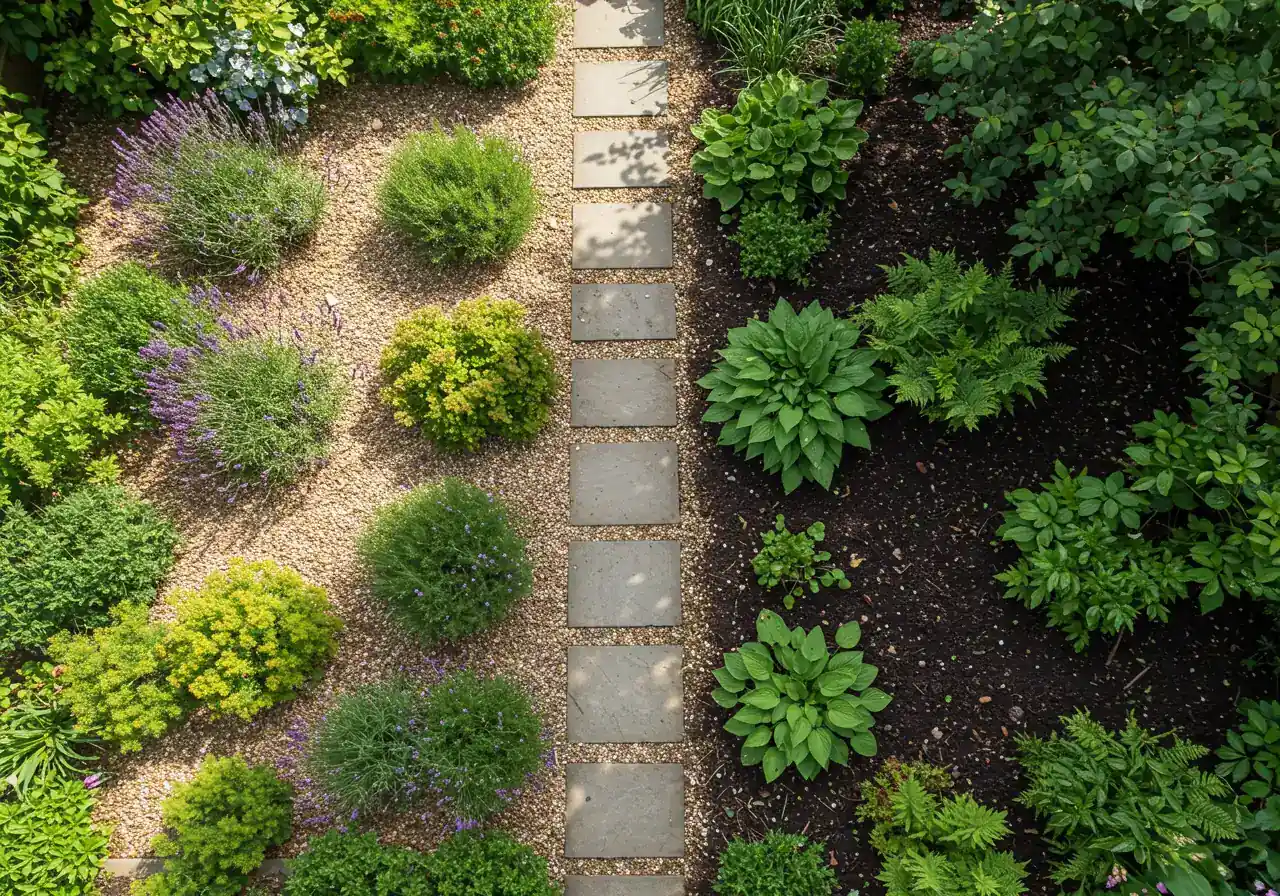
Okay, let's be honest. Would you feed your cat the same thing you feed your goldfish? Probably not! (Unless you have a *very* unusual cat). So, why would we treat every plant in our garden exactly the same, especially when it comes to water? Your thirsty rose bush has very different needs than your sprawling lawn or your sun-loving succulents. Giving everything the same drink is like setting the sprinkler and walking away – easy, but not always best for your plants' health or your water bill.
This is where understanding *garden zones*, sometimes called *hydrozones*, comes in handy. It sounds fancy, but it just means grouping areas of your garden based on similar needs, mainly water. Think of it as creating little neighborhoods within your yard where the residents (your plants) like similar conditions.
What creates these different zones in your Ottawa garden? Several things play a part:
- Plant Type: This is the big one! Some plants, like ferns or hydrangeas, are water hogs. Others, like lavender or sedum, prefer to stay on the drier side. Grouping plants with similar thirst levels makes watering much simpler. Smart garden planning considers this from the start; learn more about smart garden design principles.
- Sun Exposure: That blazing hot spot against a south-facing wall will dry out *way* faster than the shady nook under your maple tree. Plants in full sun often need more water, and understanding this helps with dealing with heat stress in sunny spots.
- Slope: Got hills? Water likes gravity (it’s lazy like that). Sloped areas drain faster at the top and can collect water at the bottom, creating different moisture levels.
- Soil Type: Ottawa has a real mix! You might be battling heavy clay soil out in Barrhaven, which holds water like a sponge (sometimes too well!), while folks closer to the river in Manotick might enjoy loamier soil that drains more readily. Knowing your soil helps you water effectively and avoid issues like overfertilizing in different soil conditions. Healthy soil structure also encourages plants to develop strong roots to find water. Improving soil is fundamental; see our tips on effective soil preparation.
So, a typical Ottawa yard might have zones like:
- A sunny, dry zone for drought-tolerant perennials.
- A partially shaded zone for moisture-loving plants.
- The lawn zone, needing regular, even watering, often covered by our lawn care services.
- A vegetable garden zone, requiring consistent moisture during growth.
By recognizing these zones, you can water smarter, giving each area just what it needs. This saves water, time, and leads to happier, healthier plants. If sorting out your garden's zones feels a bit daunting, remember that tailored professional landscaping services can help create a beautiful and water-wise garden perfectly suited to your space, including new garden installations.
The Perks of Precision: Benefits of Zone-Specific Water Tracking
Okay, so you've mapped out your garden zones. High five! But what's the *real* payoff for keeping track of who gets watered when? Why bother being so specific instead of just blasting everything with the hose and hoping for the best? Oh, the benefits are sweeter than a perfectly ripe tomato! Let's dive into the perks of precision watering.
- Save Water, Save Money (Your Wallet Will Thank You!): This is the big one. When you water only the zones that *need* it, *when* they need it, you stop wasting precious H2O on areas that are already perfectly happy (or even soggy!). Think about it – your drought-loving lavender patch doesn't need the same drenching as your thirsty hanging baskets. Cutting back on unnecessary watering directly translates to lower water bills, especially during those dry Ottawa summers. It's also much kinder to the environment, conserving a vital resource like those managed by the Rideau Valley Conservation Authority. Less waste, more savings – it’s a win-win! If you've noticed water pooling or dry patches from past 'blanket watering' habits, getting things sorted might even involve some targeted help, like yard cleanup services in the Winchester area to refresh problem spots.
- Boost Plant Health (Goodbye, Drama Queen Plants!): Remember how different zones have different needs? Zone-specific watering respects that. You avoid drowning the plants that prefer drier feet (goodbye, root rot!) and ensure the moisture-lovers get the consistent drink they crave. This leads to stronger root systems, lusher foliage, fewer pest and disease problems (stressed plants are magnets for trouble!), and overall happier, more resilient plants. It means less time diagnosing sad-looking leaves and more time enjoying your beautiful garden oasis, whether it's a compact space needing careful ongoing city garden maintenance service or a larger property requiring general garden maintenance.
- Become a Garden Whisperer (Smarter Decisions): Tracking water use per zone gives you *data*. Sounds nerdy, but it's powerful! You'll quickly learn things like, "Wow, that sunny patch near the driveway in Greely *always* needs water twice as often as the shady corner." This knowledge helps you fine-tune your watering schedule, anticipate needs before plants show stress, and make informed decisions about future planting or adjustments. It turns guesswork into garden wisdom. Keeping track might just be a simple notebook, but rest assured, when you work with professionals offering comprehensive lawn and garden care services, any data shared is handled with respect, as outlined in our commitment to your privacy. Sometimes, the results of *not* tracking and inconsistent watering become obvious, requiring more intensive fixes like an expert property cleanup near Marionville or even a cleanup in the Metcalfe area to get things back on track.
Simple Showdown: Blanket Watering vs. Zone Tracking
| Feature | Blanket Watering (The Hose Blast) | Zone Tracking (The Smart Sip) |
|---|---|---|
| Water Use | High / Wasteful | Efficient / Lower |
| Cost | Higher Water Bills | Lower Water Bills |
| Plant Health | Risk of Over/Underwatering, Stress | Healthier, Resilient Plants |
| Your Effort | Less thought, potentially more fixing | More initial setup, less fixing |
| Environmental | Higher Impact | Lower Impact |
| Decision Making | Guesswork | Informed |
Switching to zone-specific tracking might seem like a bit more effort upfront, but the long-term rewards for your plants, your wallet, and the planet are definitely worth it!
Becoming a Water Detective: Methods for Tracking Garden Water Use
Okay, let's channel your inner water detective! Now that you understand *why* treating different garden zones uniquely is so important, let's talk about *how* you can actually track what's going on with your watering. Knowing how much water each zone gets is key to saving water, money, and keeping those plants happy. It's not about complex spying, just smart observation!
Here are a few methods, ranging from old-school simple to tech-savvy:
1. The Manual Log (a.k.a. The Winchester Log Tip)
This is the classic detective notebook method. Grab a simple notebook or use a spreadsheet. For each garden zone, jot down:
- Date and Time Watered
- Zone Name (e.g., "Sunny South Bed," "Shady Fern Corner")
- Method (Hose, sprinkler, watering can)
- Duration (How long did you water?)
- Observations (Did the soil *feel* damp afterwards? Did the plants look perkier? Did you notice runoff?)
Pros: Super cheap (just needs paper!), increases your awareness of garden needs, very satisfying when you crack the code.
Cons: Takes discipline, relies on your memory and consistency, doesn't measure exact water volume.
2. Water Timers & Hose-End Flow Meters
Water Timers: These handy gadgets attach to your hose faucet. You set them for a specific duration (like 20 minutes), and they automatically shut off the water.
Pros: Prevents accidentally leaving the sprinkler on all night (we’ve all been there!), relatively inexpensive, easy to use. Helps ensure consistent duration for zones watered by hose/sprinkler. Especially useful for establishing new greenery like areas needing focused watering after sod installation.
Cons: Doesn't measure the *amount* of water, just the time. Doesn't adjust for rainfall or varying needs – you still need to decide *when* and *how long* to set it for.
Hose-End Flow Meters: This device attaches between your faucet or hose and your sprinkler/nozzle. It measures how many litres or gallons of water actually pass through.
Pros: Tells you the exact *volume* of water used per session for a specific zone. Great for knowing precisely how much you're applying.
Cons: Costs more than a basic timer, doesn't automate anything (you still turn it on/off), requires you to log the readings (often manually).
3. Smart Irrigation Systems
Welcome to the future! These systems replace your standard sprinkler controller or attach to your faucet. They connect to Wi-Fi and often use weather data (rainfall, temperature forecasts for Ottawa) or even soil moisture sensors placed in different zones to water automatically *only when needed*.
Pros: Maximum water efficiency, automation saves time and worry, adjusts to real-time conditions, can be controlled remotely (from your couch!). Considering a pro installation? It's always good to provide feedback on estimates you receive and ensure compliance with our terms and conditions.
Cons: Most expensive option, requires setup and Wi-Fi, potential for technical glitches (though usually reliable). Overkill for very small gardens.
4. The Catch Can Test (for Sprinklers)
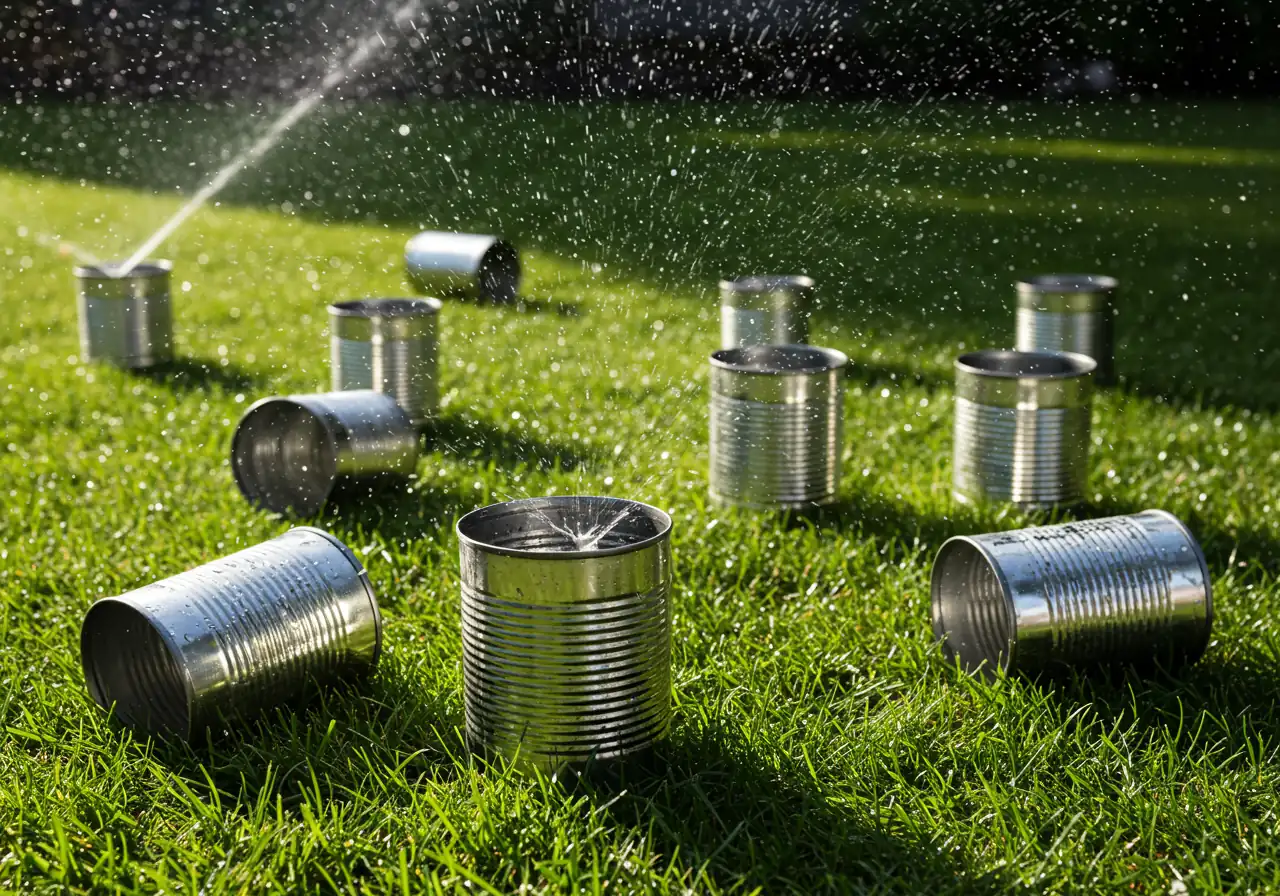
This isn't about tracking total use over time, but *how much* water your sprinklers deliver in a specific period and *how evenly*. Grab several identical, straight-sided containers (tuna cans or cat food cans are perfect). Scatter them randomly across *one* sprinkler zone (e.g., your front lawn in Barrhaven). Run that sprinkler zone for a set time (say, 15 minutes). Afterwards, measure the depth of water in each can with a ruler. Average the amounts.
Pros: Shows actual water delivery in inches/cm for that run time, reveals dry spots or overly wet areas caused by uneven sprinkler coverage. Essential for calibrating sprinkler systems effectively. A well-calibrated system prevents the kind of waste and plant stress that might eventually necessitate an Ottawa property cleanup service.
Cons: Only measures sprinkler output for one zone at a time, requires manual setup and measurement, doesn't track hose or drip irrigation use. If you find significant dry patches or soggy areas consistently, it might indicate deeper issues beyond simple calibration, maybe even requiring an Ottawa garden clean up service to address resulting weeds or dead plants. Sometimes, neglected watering issues can compound, needing a more intensive fix like a dedicated property cleanup service near Marionville or even one for Metcalfe property cleanup to fully restore the area. Maybe even a city property cleanup service is required for larger issues.
Choose the method (or combination of methods!) that best suits your garden, budget, and how hands-on you want to be. Even simple tracking is better than pure guesswork!
Putting it into Practice: Your Step-by-Step Guide to Zone Watering
Okay, garden adventurers, time to roll up those sleeves and put this zone watering magic into practice! Don't worry, it's easier than wrestling a tangled hose in the dark (we've all been there). Here’s your step-by-step guide to becoming a water-wise wizard in your own backyard.
Step 1: Map Your Zones
Sketch your yard. Mark areas with different sun exposure, plant types (thirsty vs. dry-loving), slopes, and general soil feel. Label them clearly (e.g., "Sunny Rose Bed").
Step 2: Choose Your Tracking Tool
Select the method you'll stick with: manual log (Winchester Log Tip!), timer, meter, or smart system. Consistency matters most!
Step 3: Start Watering & Tracking
Water zones based on your initial guess. Immediately record the zone, date, time, and duration/volume using your chosen tool. Just get started!
Step 4: Observe Soil & Plants
Before watering again, check soil moisture (finger test!). Look at your plants – are they perky or wilting? This is crucial feedback. Good observation is key to effective garden maintenance.
Step 5: Adjust and Adapt
Use your log and observations to refine your schedule. Does one zone dry out faster? Adjust timing or duration. Account for changing Ottawa weather and seasons. See inspiring garden transformations achieved through tailored care.
Step 6: Stay Consistent
Keep tracking! It becomes intuitive. Don't panic over missed days or rain; just note it. If things are unruly, an Ottawa property cleanup service can offer a fresh start. Feel free to contact us for advice.
That’s it! By following these steps, you'll be watering smarter, saving water, and enjoying a happier, healthier garden. It takes a little effort upfront, but the payoff is huge. Learn about us and our commitment to practical solutions for homeowners. Find us easily on Google!
Water Wisdom Year-Round: Seasonal Watering Considerations for Ottawa
Okay, Ottawa folks, let's face it – our weather likes to keep us on our toes! From slushy springs to sizzling summers and frosty falls, each season brings its own personality... and its own watering rules for your garden. What works in May might drown your plants in October, and July's needs are totally different again. Watering wisely year-round means tuning into these seasonal shifts, whether you're tending plants in Barrhaven or Osgoode.
Here’s a quick seasonal guide:
- Spring Splash: As the snow finally bids farewell (hooray!), your garden starts stretching and yawning. But resist the urge to immediately blast everything with the hose! Spring in Ottawa is often quite damp, thanks to melting snow and frequent rain showers. Before you water, *always* do the finger test – poke a finger a couple of inches into the soil. If it feels damp, hold off. Overwatering now can lead to soggy roots and problems later. This is also the perfect time to clear away winter debris and get beds ready. Starting the season fresh, perhaps even with help from a professional city garden clean up service or a Metcalfe garden clean up service, sets the stage for easier watering management. Consider planting native species; they’re already pros at handling our local spring conditions! Joining the Ottawa Horticultural Society can provide great local planting insights.
- Summer Sizzle: Ah, glorious Ottawa summers! Long sunny days are great, but they can also mean heatwaves and potential dry spells that leave your lawn looking a bit... crunchy. This is peak watering season, but *smart* watering is crucial, especially if the city announces water restrictions. The golden rule? Water *deeply* but *less frequently*. This encourages plant roots to dig deeper for moisture, making them tougher. Aim for early morning watering sessions – less water evaporates, and plants have time to dry off before nightfall, reducing disease risk. Make friends with eco-friendly helpers! A rain barrel is fantastic for catching free water for your thirsty plants. Applying a good layer of organic mulch is another superhero move; smart mulching and edging techniques act like a protective blanket, keeping soil cool and locking in moisture. Remember that your choice of groundcover matters; good landscaping material selection plays a big role in how well your soil retains water. If the summer heat reveals particularly stressed or neglected areas, sometimes a focused cleanup, like the kind a focused Metcalfe yard cleanup service or Marionville yard cleanup service provides, can help reset the space.
- Fall Farewell: As the air cools and the leaves put on their spectacular show, plant growth naturally slows down. It's time to gradually reduce how often you water. However, don't pack the hose away just yet! It's important to give trees and shrubs, especially evergreens, a good, deep soaking before the ground freezes solid. This final drink helps them withstand winter's drying winds and avoid dehydration.
- Winter Slumber: For most established plants snug in your garden beds, winter is naptime. A blanket of snow usually provides all the insulation and moisture they need. Generally, you can hang up the hose for in-ground plants. The main exception might be container plants sitting under overhangs or on covered porches – these don't get natural precipitation. Check them during mild thaws; if the soil feels bone dry a few inches down, give them a small drink.
This seasonal rhythm is precisely why tracking your watering (remember our detective methods?) is so valuable. Your notes will clearly show how needs change from the cool, damp spring to the hot, dry summer and back again. Adjusting your watering based on this data, rather than just guessing, saves water, prevents plant stress, and is a key step toward achieving those beautiful, healthy garden transformations we all dream of. We appreciate your trust, and you can review our service journey with our thank you page info.
Highlight Box: Winchester Log Tip - Quick Wins!
Want easy wins for your Ottawa garden? Try these Winchester Log Tips:
- Zone In: Stop treating everything the same! Group thirsty plants together, away from drought-tolerant ones. This smart landscaping approach is key, even when getting help with professional garden installation. Different zones need different drinks!
- Check Before Watering: Don't just guess! Use the good old finger test – stick your finger a couple of inches into the soil. Is it *actually* dry? If yes, water away. If damp, hold off! Find helpful tips on effective soil preparation to improve moisture management and make checking easier.
- Log It Simply: Grab a notebook (or use your phone!) and quickly jot down *when* and *which zone* you watered. You'll be amazed how fast you spot patterns! If past watering woes or neglect left a bit of a mess, getting help from a Metcalfe yard cleanup service or perhaps a focused Marionville yard cleanup service can provide a clean slate. There are even dedicated city property cleanup service options if needed.
These small steps save water, money, and lead to happier, healthier plants – quick wins all around!
Your Ottawa Watering Questions Answered (FAQ)
Ah, Ottawa clay! It holds water well but absorbs slowly. Water deeply but less often, giving it time to soak in – avoid runoff! Improving drainage helps; incorporate organic matter using good soil preparation techniques to make watering much more effective over time.
Ottawa often sets odd/even day rules in summer to conserve water. Always check the City's website for current guidelines! Cope by watering early, mulching, using rain barrels, and watering deeply but less often to build plant resilience between permitted days.
Newbies need consistent moisture to get established. Check soil daily at first; water if the top inch or two is dry. Gradually water less often as they settle in. This encourages them to dig deeper roots for water later on.
Early morning wins! Less evaporation than midday, and leaves dry before nightfall, reducing disease risk. Evening is okay, but aim water at the soil, not leaves, to minimize overnight fungal problems.
Sure! Consider Sedum (Stonecrop), Echinacea (Coneflower), Lavender, Feather Reed Grass, or Potentilla shrubs. Once established, these tough plants handle drier Ottawa conditions beautifully, saving you water and effort.
It might be over/underwatering, bad drainage, or even pests. Check soil moisture deep down first! If past issues left dead plants or weedy messes, sometimes professional help is best. A thorough property clean up can reset the whole yard. For specific garden beds, a dedicated city yard cleanup service or even specialized help like a Metcalfe garden clean up service or Marionville garden clean up service can tackle the problem zones effectively.
Conclusion: Become a Water-Wise Gardener in Ottawa
Phew! We've covered a lot of ground, digging into the secrets of smart watering for your Ottawa garden. Hopefully, you're feeling ready to ditch the old 'spray everything and pray' method! The big idea is simple: treat different areas (zones!) of your yard according to their unique needs – sunlight, soil, and plant type all play a part. Tracking water use, even with the super-simple *Winchester Log Tip* (your trusty notebook!), is your key to unlocking serious benefits. Think less wasted water, lower bills, healthier, more resilient plants that aren't constantly thirsty or drowning, and more time for *you* to actually enjoy your beautiful outdoor space. It's about working *with* nature and your specific landscape, not against it.
Ready to become the water-wise guru of your block? Here’s how:
- Take the Plunge (Figuratively!): This week, identify just *one* garden zone. Before you water it next, use the finger test to check the soil moisture a couple of inches down. Is it actually dry, or just thirsty-looking on top? This simple check is a game-changer!
- Expert Help Nearby? Dreaming of a gorgeous, water-efficient landscape but unsure where to start? Whether you need help with smart garden design, improving challenging soil, or selecting and installing the right plants in Manotick, Greely, Winchester, or surrounding Ottawa areas, our landscaping team can create a plan that saves water and looks fantastic.
- Let's Chat! Have questions about your specific garden challenges, or a brilliant water-saving trick you swear by? Get in touch directly via our contact page – we love hearing from fellow Ottawa gardeners and helping cultivate beautiful, sustainable spaces!