Kenmore Xeriscape Plan: Cut Water Use on Clay Soil
Ready to transform your challenging Kenmore yard into a water-wise oasis? Get a personalized quote!
Request a Quote TodayKey Takeaways for Kenmore Xeriscaping:
- Xeriscaping creates beautiful, low-water yards ideal for Ottawa's climate and clay soil.
- It involves smart design, soil improvement (crucial for clay!), choosing adapted plants, efficient watering, and using mulch.
- Amending heavy clay with compost is vital for better drainage and plant health.
- Many drought-tolerant perennials, shrubs, and grasses thrive in Zone 5 and tolerate clay.
- Focus on reducing lawn areas and watering deeply but infrequently.
Introduction: Say Goodbye to Thirsty Lawns! Xeriscaping Your Kenmore Yard on Clay Soil
Is your lawn constantly thirsty, demanding endless watering sessions throughout the Ottawa summer? And let's talk about that infamous clay soil we have here in Kenmore – you know, the kind that’s either sticky goo after rain or hard as brick during a dry spell? Yup, we get it. Gardening and landscaping in areas like Kenmore, or even nearby communities like Greely or Osgoode, can feel like a real workout thanks to that heavy, slow-draining soil! Find trusted local services on our Google My Business page.
But don't hang up your gardening gloves just yet! There's a brilliant landscaping approach perfect for our situation: xeriscaping. Don't let the fancy name intimidate you; it's simply a smart, water-wise way to design beautiful yards that thrive with less water. Think of it as creating a garden that works with our local climate and soil, not against it.
The payoff? Big time! Xeriscaping means:
- Slashing your water bill.
- Spending less time on tedious lawn maintenance (like endless mowing!). Explore our lawn care services if you need assistance.
- Creating a gorgeous, unique landscape that's full of life and colour. See examples in our Transformations gallery.
- Doing your part for water conservation – learn more about water efficiency from the City of Ottawa's Water Wise Tips.
This guide is your friendly neighbourly advice, packed with practical tips specifically for tackling xeriscaping on Kenmore's clay soil. Ready to transform that challenging patch into a beautiful, low-maintenance oasis? Let's dig in!
What is Xeriscaping Anyway? (Hint: It's Not Just Cacti and Dust!)
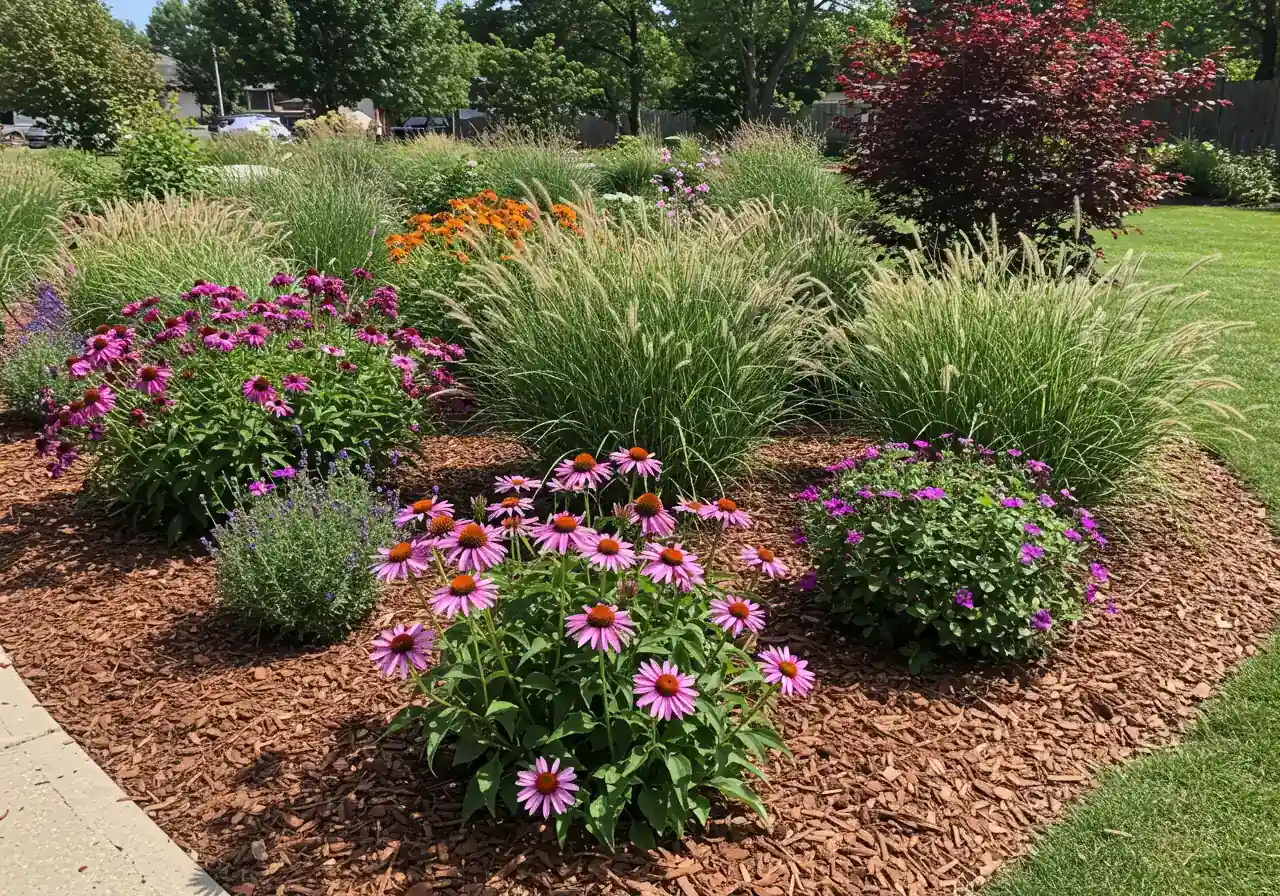
Alright, let's clear the air. When you hear "xeriscaping," does your mind instantly conjure up images of barren desert landscapes, tumbleweeds, and maybe a lonely cactus looking thirsty? If so, you're not alone! But that image is, well, drier than the reality. Xeriscaping isn't about creating a mini-Sahara in your Barrhaven backyard; it's about smart, beautiful, water-wise gardening and landscaping.
Think of it this way: xeriscaping is designing a landscape that works with our local Ottawa climate, not constantly fighting against it. It comes from the Greek word xeros, meaning dry. So, it’s about using water efficiently, choosing the right plants for the right place, and reducing the need for constant watering and fussing. It's definitely not "zero-scaping" – you can still have lush, colourful gardens!
Why does this matter here in places like Kenmore or Metcalfe? Two big reasons: our sometimes unpredictable rainfall (hello, summer dry spells!) and that lovely clay soil many of us deal with. Clay holds water, which can be good, but it also drains slowly and compacts easily, stressing out thirsty plants. Xeriscaping techniques help manage these challenges beautifully. Instead of pouring water onto a lawn that struggles in the heat, you create zones with plants suited for drier conditions, improve your soil structure, and use water much more effectively.
Forget the dusty stereotype! A xeriscaped yard can feature gorgeous flowering perennials, ornamental grasses that sway in the breeze, hardy shrubs, and strategically placed trees. Many beautiful, low-water plants thrive in our region. Of course, even drought-tolerant plants need some care; reviewing fall plant care tips like hosta division can help keep your chosen perennials healthy year after year. The key is selecting plants adapted to our conditions and grouping them according to their water needs. Understanding your specific soil is also crucial; getting helpful information from understanding your soil analysis results is a fantastic starting point for improving clay or any soil type. Better soil structure not only helps with water management but also aids recovery from environmental stress – check out these useful garden hail damage recovery tips for dealing with unpredictable weather events.
Essentially, xeriscaping follows seven common-sense principles:
- Smart Planning and Design: Thinking ahead about layout, sun exposure, and water zones.
- Soil Improvement: Making your soil healthier so it holds moisture better (especially important for clay!). Learn more about our approach to soil preparation.
- Appropriate Plant Selection: Choosing plants suited to our climate and your specific yard conditions (water-wise doesn't mean boring!).
- Practical Turf Areas: Reducing lawn size or using drought-tolerant grasses, focusing turf only where it’s truly functional. This contrasts with traditional approaches often detailed in a typical spring fertilizing guide for lawns, which assume large, thirsty grass areas.
- Efficient Irrigation: Watering wisely, only when needed, and delivering water directly to the roots.
- Use of Mulches: Covering the soil to conserve moisture, reduce weeds, and moderate soil temperature. See our mulching services.
- Appropriate Maintenance: Less mowing, less watering, but still requires basic upkeep like weeding and occasional pruning. We offer garden maintenance packages.
See? No desolate wasteland required! It's all about creating a sustainable, attractive landscape that saves water, reduces maintenance, and looks fantastic. If you're intrigued but not sure where to start, feel free to explore our landscaping services for professional guidance tailored to our Ottawa region.
Decoding Ottawa's Clay: Working With, Not Against, Your Kenmore Soil

Okay, let's talk about the elephant in the garden – that infamous Ottawa clay soil! If you live in Kenmore, Nepean, or many spots around the region, you're likely well-acquainted with this stuff. It’s the kind of soil that makes you feel like you need a pickaxe, not a trowel, especially during a dry spell. And after a good rain? Let's just say "mud boots required" is an understatement. It's the kind of soil that can make gardening feel less like a relaxing hobby and more like wrestling a sticky monster.
So, what's the deal with clay? It's made of super-tiny particles packed tightly together. Think of it like microscopic plates stacked *really* closely. This unique structure causes a few specific headaches for gardeners and landscapers:
- Slow Drainage: Water struggles to seep through those tiny gaps. After rain or heavy watering, it can sit on top for ages, leading to puddles and potentially drowning plant roots. Poor drainage is a fast track to root rot – plants literally get "wet feet" and can't access the oxygen they need.
- Poor Aeration: Those tightly packed particles leave very little room for air pockets. Healthy roots need oxygen just as much as they need water, and compacted clay seriously limits that airflow.
- Compaction Prone: Clay compacts easily, whether from simple foot traffic, wheelbarrows, or even heavy rainfall. Compacted soil is like concrete for delicate plant roots trying to spread out and establish themselves.
- Hardpan When Dry: During those dry Ottawa summers, that sticky mud can bake into something resembling hard pottery. Water struggles to penetrate this surface, often just running off instead of soaking down to the roots where it's needed.
- Tough to Work: Digging in wet clay is heavy, sticky, and generally messy. Trying to dig in dry, baked clay? That's a serious workout that can leave you feeling defeated!
All this means plants often struggle in unimproved clay soil. They might show stunted growth, have yellowing leaves (a sign of stress or nutrient issues), or simply fail to thrive or even survive. This can impact everything from your delicate perennials to the health of your lawn, potentially leading to more involved upkeep than standard lawn care services might typically address. Dealing with struggling or dead plants due to poor soil conditions often requires extra effort, like needing a thorough Kenmore yard cleanup service to clear out the old before you can amend the soil and try planting anew. It's a common challenge, faced by homeowners across the area, from Kenmore to Metcalfe, where folks might also need a Metcalf garden clean up service for similar soil-related garden issues.
But here's the really good news: clay soil isn't a gardening death sentence! In fact, it holds onto essential nutrients quite well, which is a bonus. The secret isn't usually to try and completely replace it (an expensive and back-breaking task), but to *improve* it. By working *with* the clay, adding generous amounts of the right organic matter (like compost), you can gradually improve its structure, aeration, and drainage. You can transform it into a much happier, healthier home for your plants. Improving your soil is often the crucial first step in creating a thriving, beautiful landscape, something our team considers fundamental in all our landscaping and yard care services. And just so you know, whenever you engage with services like ours online, we take protecting your information seriously; you can always review Our Commitment to Your Privacy.
The Xeriscape Playbook: Applying the 7 Principles to Your Kenmore Project
Alright, let's roll up our sleeves and get down to the nitty-gritty of making xeriscaping work for you right here in Kenmore (or maybe you're over in Russell or Manotick – these tips work there too!). Remember that tricky clay soil we talked about? These seven principles are your roadmap to creating a gorgeous, water-smart yard that actually likes our local conditions. Think of it as giving your garden a superpower!
1. Smart Planning & Design
Map your yard, noting sun/shade, slopes, and problem clay spots. Zone areas by water needs (hydrozoning). Decide on functional lawn vs. garden beds/hardscape.
2. Soil Improvement
Amend clay generously with organic matter (compost!) worked into the top 6-8 inches. This improves drainage and aeration. Avoid working when very wet or dry.
3. Appropriate Plant Selection
Choose plants adapted to Ottawa's Zone 5a/b climate and tolerant of clay/drier conditions (e.g., Coneflowers, Sedum, Daylilies, native grasses). Match plants to sun/shade zones.
4. Practical Turf Areas
Reduce traditional lawn size. Replace less-used turf with low-water groundcovers, mulched beds, or permeable hardscaping. Consider drought-tolerant fescue mixes if keeping lawn.
5. Efficient Irrigation
Water deeply and infrequently to encourage deep roots. Use drip irrigation or soaker hoses on clay to minimize runoff. Water early morning. Check soil moisture before watering.
6. Use of Mulches
Apply a 2-3 inch layer of organic mulch (bark, wood chips). Conserves moisture, suppresses weeds, moderates soil temperature, prevents crusting. Explore options with our Thoughtful Material Selection for Your Project guide.
7. Appropriate Maintenance
Less mowing/watering, but still need weeding, occasional pruning, mulch replenishment. Need help with upkeep? Consider services like a Metcalf Yard Cleanup Service or Marionville Garden Clean Up Service. Check our Privacy Policy for data handling.
By following these principles, you can create a stunning, sustainable landscape in Kenmore that thrives despite the challenges of our clay soil and variable weather, saving you water, time, and effort in the long run!
Plant Power! Drought-Tolerant Beauties That Thrive in Ottawa Clay
Okay, so we've established that Ottawa clay soil can be a bit of a diva – demanding, heavy, and sometimes downright difficult. But don't despair! There's a whole squad of beautiful, tough plants that actually *don't mind* getting their roots into that challenging soil, and they won't faint dramatically if you forget to water them constantly. Choosing the right plants is like picking the perfect teammates for your garden – ones that are ready to play hardball with our local conditions! Find expert plant advice from resources like the Master Gardeners of Ottawa-Carleton.
Let's meet some superstars perfect for Ottawa's Zone 5 climate and that infamous clay:
Perennial Powerhouses (Come back year after year!)
- Coneflower (Echinacea): Cheerful, sun-loving, drought-tolerant once established. Butterflies love them!
- Black-Eyed Susan (Rudbeckia hirta): Bright yellow, native, tough bloomers for sun.
- Daylily (Hemerocallis): Very easy-care, clay-tolerant, sun/part shade, many colours.
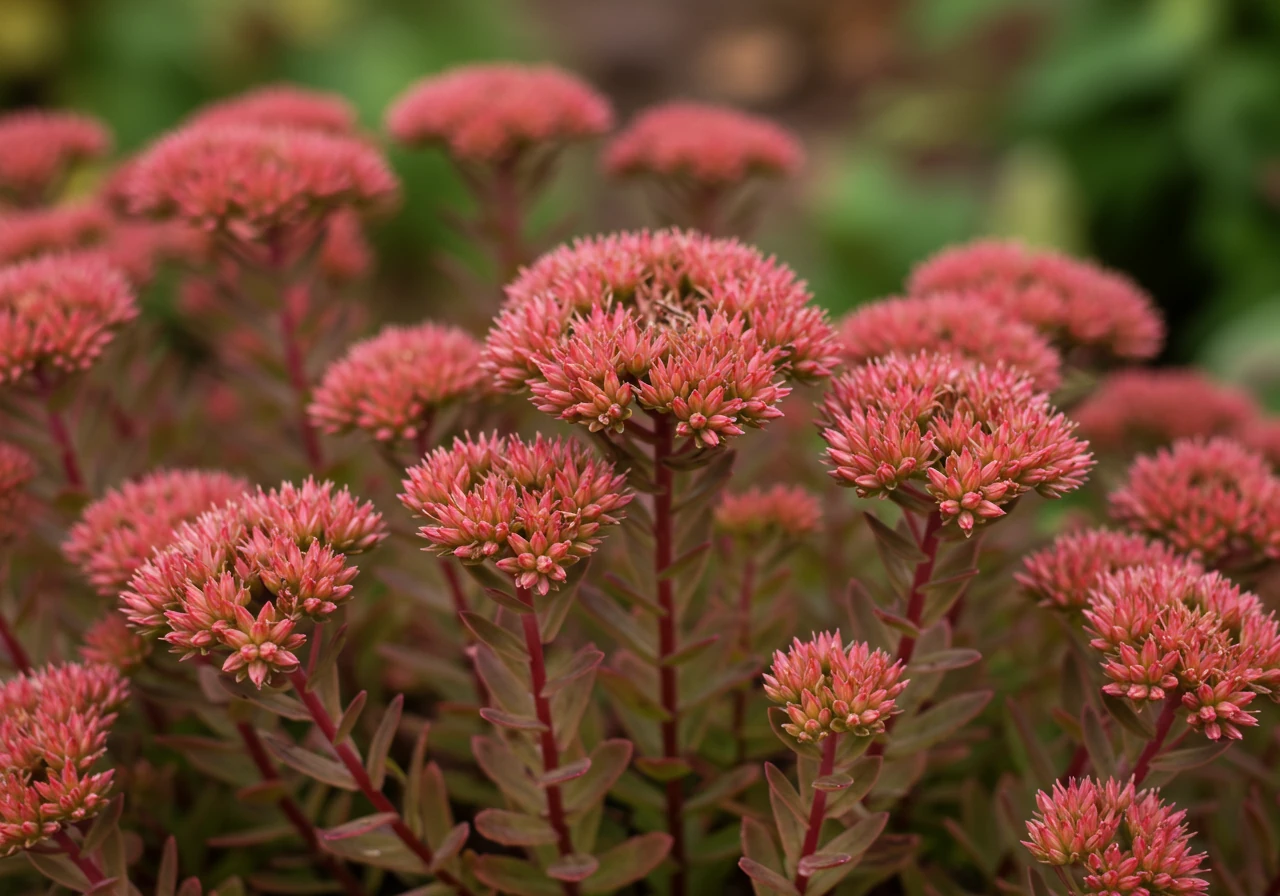
- Sedum 'Autumn Joy': Super drought-tolerant, fleshy leaves, pink/rusty flowers, needs sun.
- Siberian Iris: Elegant blue/purple/white flowers, surprisingly clay-tolerant, sun/light shade.
Sturdy Shrubs (The backbone of your garden)
- Potentilla: Hardy, blooms all summer (yellow, white, pink, orange), loves sun, not picky about soil.
- Ninebark (Physocarpus opulifolius): Native, great foliage (purple, gold, green), white/pink flowers, adaptable, drought-tolerant. Clearing old shrubs may require a full property clean up approach.
- Serviceberry (Amelanchier): Native, four-season interest (spring flowers, summer berries, fall colour), large shrub/small tree, adaptable.
Graceful Grasses & Groundcovers (Texture and low-maintenance coverage)
- Feather Reed Grass (Calamagrostis 'Karl Foerster'): Upright, plumes last into winter, loves sun, tolerates clay.
- Little Bluestem (Schizachyrium scoparium): Native prairie grass, blue-green summer foliage turning russet-red, very drought-tolerant, needs full sun.
- Creeping Thyme: Fragrant, tough groundcover for sun, great between stones, tolerates foot traffic.
Finding Your Plants: Look for these beauties at local garden centres, especially those around communities like Richmond or Winchester, as they often stock plants well-suited to our specific regional challenges.
Important Note: While these plants are clay-tolerant, giving them a good start by amending the soil with compost (as we discussed earlier) is always a fantastic idea. It helps improve drainage just enough to prevent "wet feet" in the heaviest clay. If preparing your garden beds means removing a lot of stubborn old plants or debris that just won't quit, consider getting professional help. Teams offering a local city property cleanup service can make quick work of getting your space ready for these new, resilient plants. Even these low-maintenance stars benefit from occasional attention; keeping weeds down and ensuring plants have room to thrive might fall under regular city garden maintenance service to keep everything looking sharp. And if you're tackling a larger project, perhaps reclaiming a neglected corner of your property similar to needing a specialized cleanup like a Marionville property cleanup service might handle, getting expert help ensures the site is perfectly prepped for planting success.
By choosing these plant powerhouses, you're well on your way to a beautiful, resilient garden that laughs in the face of drought and happily settles into our Ottawa clay!
Smarter Soil & Watering: Giving Your Kenmore Xeriscape the Right Foundation
Alright team, let's talk dirt and drinks! Even the toughest, most water-wise plants need a decent place to live and a sensible watering plan, especially when dealing with our Kenmore clay soil. Getting the soil structure and watering right is like giving your xeriscape project a sturdy pair of boots – essential for navigating the challenges ahead! Skimp here, and you'll be fighting an uphill battle.
Taming the Clay Monster: Soil CPR
Remember how clay particles are tiny and stick together like buddies who’ve had too much maple syrup? Our goal is to gently introduce some space between them. The undisputed champion for this job is organic matter. Think compost, aged manure, or leaf mould.
- How it Works: Adding generous amounts of compost does wonders. It physically separates clay particles, creating tiny air pockets. This improves drainage (less sogginess!), allows roots to breathe (happy roots!), and helps the soil hold moisture without becoming waterlogged.
- Action Plan: Aim to work 2-4 inches of compost into the top 6-8 inches of your garden beds before planting. Don't just layer it on top; gently mix it in. Avoid working the soil when it's super wet or bone dry. For a deeper dive into getting this right, check out these essential soil preparation steps. Sometimes, preparing a bed means clearing out old roots or stubborn debris first – a task not unlike what a dedicated Marionville yard clean up service might tackle to get a fresh start.
Water Wisely: Drink Deeply, Not Daily
Clay soil makes watering tricky. Sprinklers often lead to runoff because the water can't soak in fast enough. Plus, frequent shallow watering encourages shallow roots, which suffer quickly in dry spells. Learn about local water conservation from organizations like the Rideau Valley Conservation Authority.
- Smart Tools: Drip irrigation or soaker hoses are your best friends here. They deliver water slowly, right at the base of the plants, allowing it to soak deep into the clay instead of running off. This is super efficient and crucial during summer, especially if areas like nearby Metcalfe face water restrictions.
- Smart Timing: Water early in the morning to minimize evaporation.
- The Golden Rule: Water deeply but infrequently. Check the soil moisture a few inches down. If it's dry, it's time to water thoroughly. If it's still damp, wait! This encourages plants to send roots deep down, making them much more resilient.
Mulch Magic: The Finishing Touch
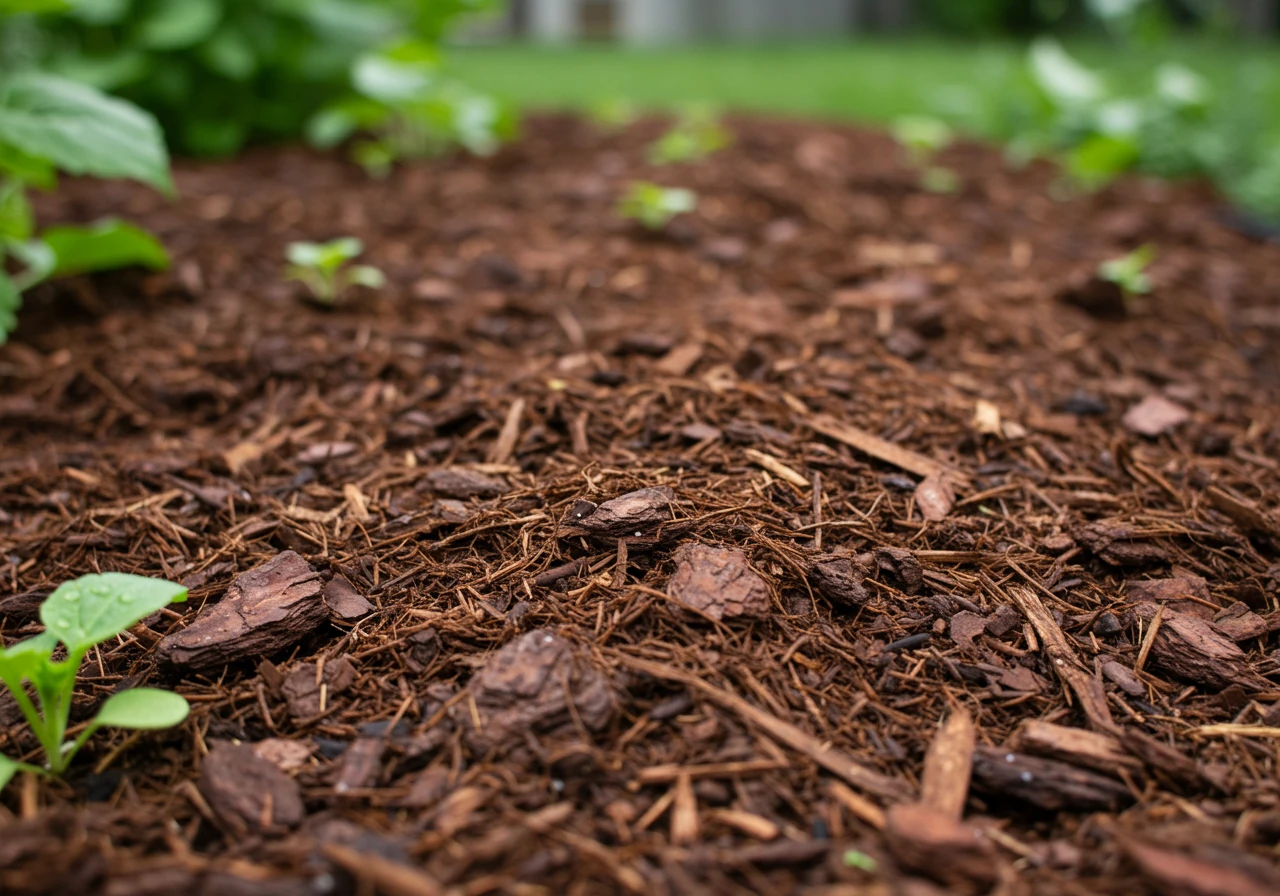
Mulch is non-negotiable in a smart xeriscape, especially on clay. A 2-3 inch layer of organic mulch (shredded bark, wood chips) is fantastic.
- Why Mulch? It drastically reduces water evaporation from the soil surface, keeps soil temperatures more even (cooler in summer!), prevents that hard crust from forming on dry clay, and suppresses weeds. As it breaks down, it even adds more organic matter! It’s a win-win-win.
Seasonal Soil & Water Rhythm:
- Spring: Assess soil, amend beds with compost before planting. Check and set up irrigation systems. Apply mulch once the soil has warmed up a bit. Tackle any major overgrown areas or debris – similar clean-up challenges might lead someone to seek out a Metcalf property cleanup service if the job feels too big.
- Summer: Water deeply only when needed, monitoring soil moisture. Spot-weed as necessary (mulch helps!).
- Fall: Top up mulch layer if needed. Continue watering new plantings until the ground freezes. Consider adding more compost to prepare for next season.
- Winter: Relax! Your smart soil and mulch choices are protecting plant roots.
Investing time in improving your soil and setting up efficient watering might seem like work upfront, but the payoff is huge: healthier plants, less water used, and less time spent fussing. The long-term beauty and resilience of your garden will be its own reward, a living 'thank you for choosing Clean Yards' for the foundational effort you put in. You've got this!
Estimated Water Savings: Traditional vs. Xeriscape Lawn (Medium Kenmore Yard)
*Estimates vary based on specific design, plant choices, and weather conditions.
Design Ideas: Making Your Water-Wise Kenmore Garden Look Amazing
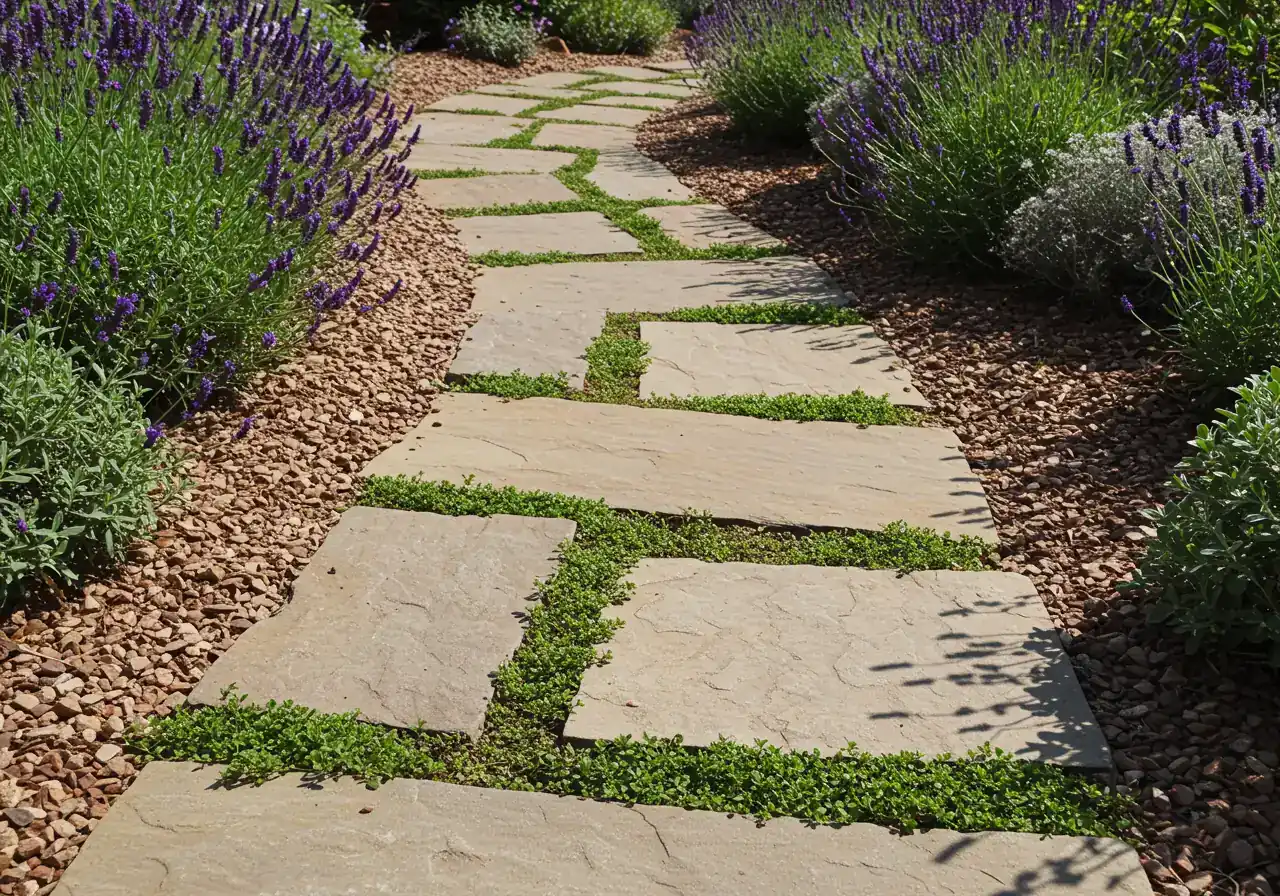
Think water-wise gardening means your yard has to look like a dusty scene from an old western, complete with tumbleweeds? Think again! Your Kenmore xeriscape can absolutely be the star of the street, brimming with colour, texture, and life, all while being kind to our water resources (and your water bill!). Let's ditch the bland and design something beautiful and smart.
Here are some ideas to get your creative landscaping juices flowing:
- Rethink the Green Carpet: Does every square inch really need to be traditional lawn? Often, the answer is no! Consider reducing the size of your turfgrass areas to just where they're functional – maybe a spot for the kids or pets to play. Instead of focusing solely on extensive sod installation, explore replacing less-used lawn sections with beautiful alternatives. Think colourful, low-water perennial beds, flowing ornamental grasses, attractive gravel areas, or durable groundcovers that suppress weeds. Less lawn means less mowing and less watering – hurray!
- Hardscaping with Smarts: Patios, paths, and walkways are key parts of landscape design. When planning yours, lean towards permeable materials. Options like interlocking pavers set with gaps filled with sand or small gravel, flagstone pathways with creeping thyme planted between them, or even just decorative gravel allow rainwater to soak gently into the ground. This is especially helpful with our Ottawa clay soil, reducing runoff and recharging groundwater. Plus, these materials add fantastic texture and structure.
- Zone Your Garden Like a Pro (Hydrozoning): This sounds technical, but it's simple: group plants with similar water needs together. Put any slightly thirstier plants (maybe favourites you just can't part with) in areas that naturally stay moister or are closer to a water source. Reserve the sunniest, driest spots for your drought-tolerant superstars. You can use natural-looking rock arrangements, attractive edging, mulched pathways, or even install a decorative dry stream bed (great for visual interest and managing drainage!) to transition between different water-use zones.
- Four Seasons of Fabulous: A great xeriscape looks good year-round, not just in summer! Plan for continuous interest by mixing plants with different bloom times, textures, and forms. Include sturdy shrubs for structure (like Ninebark with its colourful leaves), ornamental grasses that provide winter silhouettes, maybe a few dwarf conifers for evergreen colour, and perennials that offer fall foliage or seed heads birds love. Considering the full year helps maintain appeal. Once the vibrant colours of fall fade, a tidy-up might be in order; calling an Ottawa Yard Cleanup Service can help prepare your beds for winter dormancy.
- Local Inspiration is Everywhere: Take a drive or walk around Kenmore or nearby communities like Kars or Vernon. Notice which plants are thriving in yards with similar conditions. See how neighbours combine textures, colours, and hardscaping elements. Sometimes the best ideas are growing right down the street! If you're undertaking a major garden makeover, maybe clearing out old, overgrown sections, remember that tackling a large-scale refresh can be made easier with professional help. An Ottawa Property Cleanup Service can efficiently clear the way for your new vision. Curious about the folks behind these helpful services? You can learn more About Us and our commitment to creating beautiful, practical landscapes right here in the Ottawa area.
With a little planning and creativity, your water-wise Kenmore garden can be a stunning, low-maintenance oasis you'll love for years to come!
⭐ Kenmore Xeriscape Quick Wins ⭐
Ready to dip your toes into water-wise landscaping without feeling overwhelmed? Totally understandable! Transforming your whole yard feels like a big job, especially with that lovely Kenmore clay. But here’s the good news: you can make a real difference with just a few easy steps. Think of these as your xeriscaping cheat codes for the Ottawa area!
Here are some simple, high-impact wins you can tackle right now:
- Mulch Like You Mean It: This is the easiest win, seriously! Adding a 2-3 inch layer of wood chip or bark mulch to your existing garden beds *instantly* makes them look tidier, helps hold moisture in the soil (less watering!), and keeps weeds down. Less work, better look? Yes, please! If spreading it yourself sounds like a chore, exploring professional mulching and edging services can give you that perfect finish with zero sweat equity.
- Supercharge Small Planting Spots: Forget digging up the whole yard for now. Focus on where you *plan* to plant next. Before putting in that new perennial or shrub, mix a generous amount of compost into just that planting hole or small area. This gives your new plant buddy a much better start in our heavy clay soil without requiring a massive soil amendment project right away.
- Start Small, Win Big: Feeling daunted? Pick *one* manageable area to tackle first. Maybe it's that sad, sunny patch by the mailbox, or a corner where the grass struggles. Converting just this small spot into a low-water garden bed is a fantastic first step. Clearing out tough weeds or old, unwanted plants first can make all the difference; sometimes getting help from a thorough city yard cleanup service is the quickest way to a clean slate. Then, you can focus on starting with a manageable new garden installation in that prepared space.
- Water Smarter, Starting Today: You don't need fancy systems for this win. Just change *how* you water. Instead of frequent light sprinkles, water your existing plants deeply but less often. Poke your finger into the soil – if it's damp a couple of inches down, wait! This simple change encourages deeper roots, making plants tougher during dry spells common around Ottawa and neighbouring areas like Greely.
- Plant One Tough Cookie: Add just one or two proven drought-tolerant perennials known to handle clay, like Coneflowers or Sedum 'Autumn Joy'. See how easily they thrive with less fuss. It’s a great confidence booster and adds beauty without adding work!
Try one or two of these quick wins, and you'll start seeing the benefits of xeriscaping sooner than you think! And hey, if these small steps get you dreaming bigger, we're always happy to chat about larger projects – feel free to use our system to provide feedback or discuss your estimate anytime. Happy gardening!
FAQs: Your Kenmore Xeriscaping Questions Answered
Seriously, how much compost do I *actually* need for this stubborn Kenmore clay? Is a little sprinkle enough?
Think generously! For clay soil, aim to mix in 2-4 inches of good quality compost into the top 6-8 inches of your garden bed. A light sprinkle won’t cut it; you need enough organic matter to physically break up those packed clay particles and improve drainage. It’s an upfront effort for long-term plant happiness!
Okay, these plants handle dry summers, but can they survive our brutal Ottawa winters?
Absolutely! The key is choosing plants rated for our hardiness zone (Zone 5a/b). Many drought-tolerant perennials like Coneflowers, Sedum, and native grasses are perfectly adapted to cold temperatures *and* clay soil. Good drainage (thanks, compost!) also helps prevent roots from sitting in icy water, which is a major winter killer for many plants.
Where can I find these amazing drought-tolerant, clay-loving plants around here?
Check local garden centres! Many nurseries near Kenmore, perhaps heading towards Embrun or Winchester, often stock plants proven to thrive in our region’s specific conditions. Look for plants labelled as drought-tolerant or suitable for clay. Don't be afraid to ask nursery staff for recommendations – they’re usually happy to help you find the perfect fit for your landscaping project.
I'm worried a xeriscape will look sparse or just… brown. How do I keep it looking lush and colourful?
Forget the desert image! A well-designed xeriscape uses colourful flowering perennials, textured ornamental grasses, vibrant shrubs, and even smart hardscaping. By choosing plants with different bloom times and interesting foliage, your garden can have visual appeal all season long, proving water-wise *can* be beautiful. Regular upkeep helps too; consider checking out options for ongoing garden maintenance to keep it looking sharp.
Will switching to xeriscaping hurt local pollinators like bees and butterflies?
Quite the opposite! Many fantastic xeriscape plants, especially native ones like Coneflowers (Echinacea), Bee Balm (Monarda), and Black-Eyed Susans (Rudbeckia), are pollinator magnets. By including a variety of these flowering plants in your gardening plans, your water-wise garden can become a buzzing haven for beneficial insects doing their happy dance.
I live in an area like Greely with a sloped yard. Can xeriscaping work there, especially with clay runoff?
Yes, xeriscaping is excellent for slopes! Planting deep-rooted, drought-tolerant plants helps stabilize the soil. Terracing, using groundcovers, and incorporating permeable hardscaping can slow water runoff. Improving the clay with compost is still key. If prepping a challenging slope feels daunting, professional help like an Ottawa garden clean up service or perhaps a city garden clean up service can clear the way. For complex projects, feel free to get in touch with us to discuss specifics, and always review our service terms and conditions for clarity on project scope.
Ready to Ditch the Sprinkler? Start Your Kenmore Xeriscape Journey!
Okay, let's be honest. Wrestling with that Kenmore clay soil and constantly feeding a thirsty lawn can feel like a workout you didn't sign up for! But imagine a gorgeous yard that *sips* water instead of gulping it, shrugs off Ottawa's dry spells, and actually *likes* our local conditions. That's the beauty of xeriscaping!
Making the switch means:
- Saying goodbye to sky-high water bills.
- Spending weekends relaxing, not dragging hoses or endlessly mowing.
- Creating a stunning, unique landscape full of colour and life that thrives naturally.
- Finally making peace with that stubborn clay soil!
Starting your xeriscape journey might seem like a big leap, but it doesn't have to be overwhelming. You can create a beautiful, low-maintenance oasis right here in Kenmore. Ready to explore how water-wise landscaping can transform your property?
Let’s turn your yard frustration into garden inspiration! Contact us today for a free consultation and let's chat about your specific needs and how xeriscaping can work for you.
Get Your Free ConsultationOr, take a moment to browse our landscaping services online to see the range of possibilities and how we can help bring your vision to life.
Explore Our Services