Metcalfe Gardens: Integrated Healthcare Stops Plant Loss
Worried about losing plants in your Metcalfe garden? Integrated Plant Healthcare offers a smarter, proactive approach. Request a quote today to see how we can help build a resilient, thriving landscape for your Ottawa-area home.
Key Takeaways: Integrated Plant Healthcare
- Prevention is Key: Focuses on creating healthy environments (soil, plant choice, watering) to prevent problems.
- Holistic Approach: Uses a hierarchy of controls, starting with cultural and physical methods, reserving chemicals as a last resort.
- Ottawa-Specific: Addresses local challenges like clay soil, short growing seasons, and common pests (e.g., Japanese beetles).
- Long-Term Health: Builds resilient plants that require fewer interventions over time.
- Eco-Conscious: Minimizes harm to beneficial insects, soil health, and the environment.
Introduction: Your Garden's Health Insurance - Why Ottawa Plants Need Integrated Care
Think of your garden's well-being like your own health. You wouldn't *only* see a doctor when something feels drastically wrong, would you? (We hope not!) Your plants, bless their leafy hearts, deserve proactive care too! Introducing Integrated Plant Healthcare, or IPHC – consider it top-notch *health insurance* for your precious trees, shrubs, and flower beds. It's way smarter than just reaching for the spray bottle *after* disaster strikes.
IPHC is about playing the long game: building strong, healthy plants that can naturally fend off problems. This approach is especially key right here in Ottawa. Our weather loves to keep us guessing – from frosty surprises to summer scorchers – and our soil conditions vary greatly, whether you're gardening on the heavier clay sometimes found around Metcalfe or navigating the specific microclimate near the river in Manotick. These local challenges mean our plants can sometimes use a helping hand. For reliable assistance, visit our Google Business Profile to see reviews and service areas.
Integrated Plant Healthcare helps your landscape cope by focusing on prevention, careful monitoring (like regular check-ups!), and using targeted, often eco-friendly, treatments only when absolutely necessary. It’s all about understanding your *specific* garden environment and creating a plan so your green investments don’t just *survive* our unique conditions, but truly *thrive*. It’s the smart way to protect your beautiful outdoor space. You might find related information on maintaining patios in clay soil helpful: Metcalfe patio clay soil sinkage & cracks.
Decoding Integrated Plant Healthcare: More Than Just Bug Spray!
Okay, let's dive into what Integrated Plant Healthcare (IPHC) *really* means. You might hear the term and think, "Isn't that just fancy talk for spraying bugs?" Nope! It’s much smarter and, frankly, kinder to your garden and the environment. Think of it less like calling an exterminator after the pests have moved in and set up furniture, and more like building a super strong, healthy home (your garden!) that pests and diseases mostly just pass by.
Essentially, IPHC is a holistic approach. Instead of waiting for a problem and hitting it with the strongest chemical available, we focus on *prevention* and use a whole toolbox of strategies, starting with the gentlest. It’s about understanding the *why* behind a plant problem – is the soil unhappy? Is it getting the right amount of sun or water? Are we accidentally rolling out the welcome mat for pests?
This is a big shift from older methods that often relied heavily, sometimes *only*, on chemical sprays as a first resort. That approach can be like using a sledgehammer to crack a nut – sometimes effective, but often causing collateral damage to beneficial insects (like bees!), soil health, and potentially us. IPHC, on the other hand, is more like being a garden detective and wellness coach rolled into one. We look at the big picture, from the soil structure – which can be a real challenge if you're dealing with issues like those discussed in our blog on Metcalfe patio clay soil sinkage & cracks tips – to the specific needs of each plant.
Cultural Controls: The Foundation
This is all about creating a healthy environment *before* problems start.
- Choosing the right plants for the right spot (sun-lovers in sun, shade-lovers in shade).
- Proper watering – not too much, not too little.
- Improving soil health with compost via services like soil preparation.
- Using mulch effectively – check out these Metcalfe mulch magic expert installation tips. Our mulching and edging services ensure professional application.
- Good sanitation – tidying up fallen leaves. This is key for fall cleanup services to get your Metcalfe yard ready.
- Proactive steps like learning about Metcalfe fall garden frost protection tips.
Physical & Mechanical Controls: Hands-On Methods
If prevention isn't enough, we look at direct, non-chemical actions.
- Hand-picking pests off plants.
- Using barriers like row covers or copper tape.
- Setting traps for specific pests.
- Pruning out diseased or infested branches. Sometimes a professional touch helps, like our Ottawa garden clean up service or specialized city garden clean up service.
Biological Controls: Nature's Helpers
Using living organisms to manage pests.
- Introducing or encouraging natural enemies (e.g., ladybugs for aphids, beneficial nematodes for grubs).
- Planting species that attract beneficial insects.
- Avoiding broad-spectrum pesticides that harm these helpers. This aligns with sustainable garden maintenance practices.
Chemical Controls: The Last Resort
Used only when necessary, focusing on the least toxic, most targeted options.
- Careful identification of the pest/disease is crucial.
- Using targeted options like insecticidal soaps or horticultural oils first.
- Precise application to affected areas only.
- Timing applications to minimize harm to pollinators and beneficials.
- This selective approach differs greatly from indiscriminate spraying. For broader property needs, consider our Ottawa property cleanup service or the Metcalf property cleanup service.
By following this thoughtful process, Integrated Plant Healthcare helps create resilient, beautiful landscapes that require fewer interventions over time. It’s about working *with* nature, not constantly fighting against it. It often involves combining several of these strategies, tailored to your specific yard's needs – a service cornerstone you can explore further by looking into comprehensive landscaping Services.
The Ottawa Gardener's Diagnosis: Understanding Local Hurdles

Alright Ottawa gardeners, let's talk shop! Trying to make things grow beautifully around here can sometimes feel like... well, gardening on hard mode. Our unique climate and landscape throw us some curveballs, but understanding these local hurdles is the first step to a thriving yard, whether you're tending a small plot in Barrhaven or managing larger grounds out near Osgoode.
First up: Mother Nature's Mood Swings. We've got a relatively short growing season sandwiched between frosty springs and potentially early falls. That means choosing plants rated for Zone 5a, or even 4b for extra insurance, is pretty important. And let's not forget the lovely freeze-thaw cycle we experience each winter and spring. It isn't just tough on our roads; it can heave less-established plants right out of the ground and contribute to soil compaction. You can find tips on preparing for colder weather here: Metcalfe fall garden frost protection tips. Add in unpredictable summer heatwaves and rainfall patterns, and you can see why our plants need to be troopers! For insights from local experts, consult resources like the Master Gardeners of Ottawa-Carleton.
Then there's the dirt on our dirt. While soil types vary across the region, many Ottawa neighbourhoods, including areas of Nepean and communities further out like Richmond, often grapple with heavy clay soil. Bless its heart, clay holds moisture and nutrients, but sometimes *too* well! This often leads to poor drainage (soggy roots = unhappy plants) and compaction, making it tough for roots to spread out and breathe. Getting the texture right through proper soil preparation using plenty of compost and organic matter is absolutely essential *before* you plant anything, especially if you're dreaming of lush green grass and considering new sod installation. Without good prep, you're basically asking your plants to swim upstream.
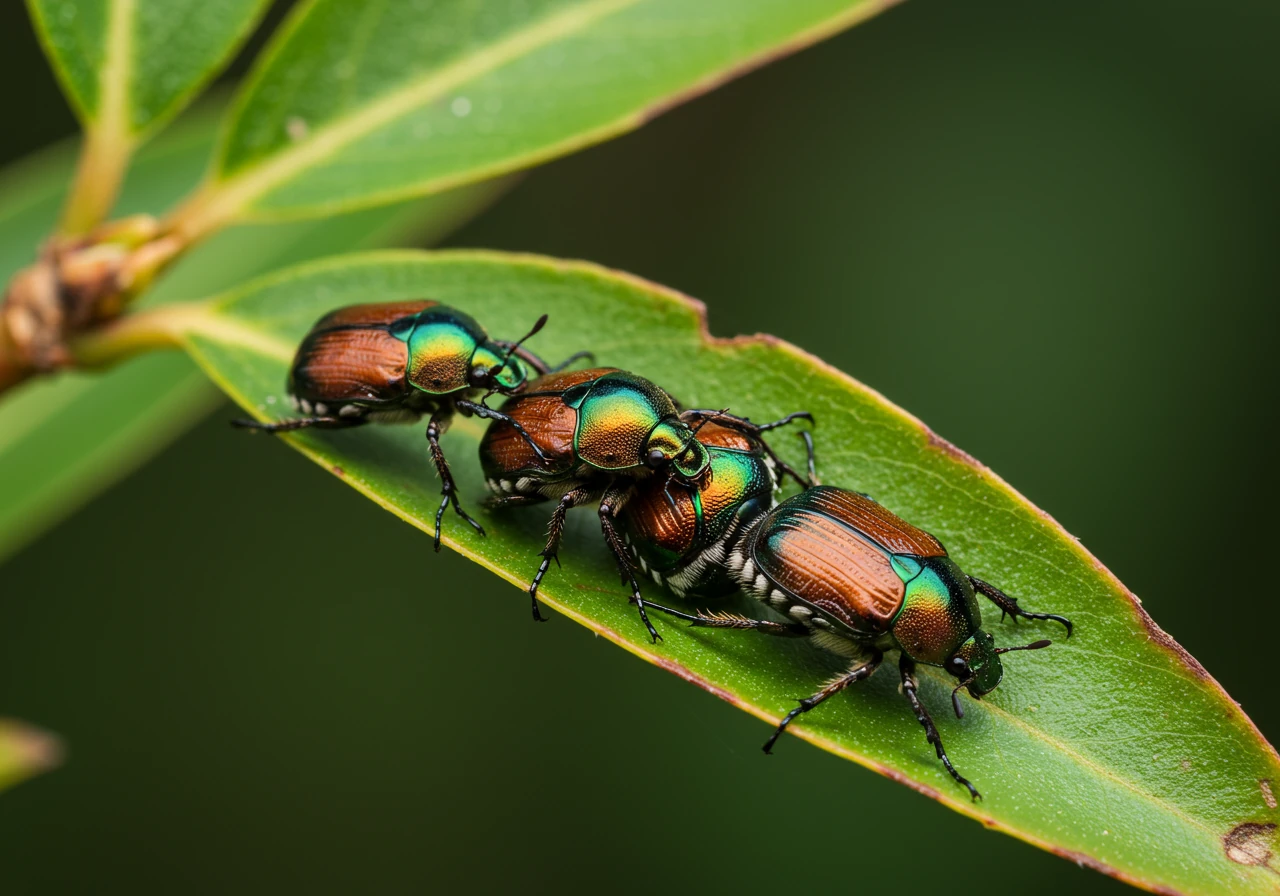
And who could forget the uninvited guests? Pesky critters like Japanese beetles seem to view our prize roses as an all-you-can-eat buffet, skeletonizing leaves practically overnight. Lawn grubs, particularly those pesky European Chafer beetles, happily munch away at grassroots below ground, leading to those mysterious dead patches in your lawn. Fungal diseases like powdery mildew or black spot also thrive in our sometimes humid summer weather, especially if plants are crowded and air can't circulate well. Keeping garden beds tidy and removing diseased debris is a crucial preventative step – sometimes calling in a professional Ottawa garden clean up service can reset the stage and make a huge difference in breaking pest and disease cycles. This need for tidiness applies everywhere, whether it's routine maintenance or a more focused Metcalf yard cleanup service tailored to specific property needs. Don't forget the edges either; managing weeds along boulevards, sometimes requiring a city property cleanup service, helps prevent problems from migrating into your yard.
Knowing these specific Ottawa challenges – the tricky climate, the common soil types (hello, clay!), the usual suspects in pests and diseases – is *vital* for making Integrated Plant Healthcare work effectively. It allows us to choose the *right* plants from the start, anticipate likely problems, monitor intelligently, and use targeted, efficient strategies instead of just reacting or guessing. Whether it's deep soil amending before planting in a new development or dealing with specific insect pressures after a major tidying effort like a comprehensive Metcalf property cleanup service, understanding our local hurdles makes all the difference between a garden that merely survives and one that truly thrives.
Your Plant Wellness Prescription: Proactive Steps for a Thriving Ottawa Garden
Alright, let's roll up our sleeves and talk about keeping your Ottawa garden happy *before* problems even think about showing up. Think of this as your garden's daily vitamins and wellness routine! Instead of waiting for pests or diseases to crash the party, we're going to build a landscape so resilient, they’ll hopefully just pass on by.
1. Start Smart: The Right Plant in the Right Place
This is rule number one, folks! Trying to force a sun-loving plant into a shady corner is like asking a fish to climb a tree – it’s just not going to end well. Before you even *think* about buying a plant, assess your spot: How much sun does it get? Is the soil usually wet or dry? Is it sheltered or exposed to wind?
Choose plants suited to our Ottawa climate (Zone 5a or colder) and your specific yard conditions. Native plants are often fantastic choices because they're already adapted to our weather swings and local critters (the beneficial kind, hopefully!). Consider plants known to be disease-resistant. If you're gardening out near Kars or Vernon where conditions might vary even more, paying attention to microclimates becomes extra important. Doing your homework upfront saves so much heartache later. Getting the proper material selection right from the beginning is key to long-term success. The City of Ottawa's website also offers resources on suitable tree species.
2. Build a Healthy Foundation: Love Your Soil!
Healthy plants start with healthy soil. As we know, many spots around Ottawa have heavy clay. While clay holds nutrients, it can also get compacted and waterlogged. The *best* time to improve your soil is *before* planting. Mix in generous amounts of compost or other organic matter. This stuff is like magic – it improves drainage in clay soil and helps sandy soil hold moisture better. Healthy soil structure allows roots to breathe, find water, and access nutrients easily, building stronger, more resilient plants. This ground-level preparation is a critical part of any professional garden installation. Don't skip this step!
3. Water Wisely: Less Often, More Deeply
Put down the hose and step away slowly... unless your plants *really* need it! Overwatering is one of the most common garden mistakes. It encourages shallow roots and can promote fungal diseases. Aim to water deeply but less frequently. This encourages roots to grow deeper into the soil where moisture is more consistent. Water early in the morning so leaves can dry off during the day, reducing the risk of disease. Check the soil moisture an inch or two down before watering – if it feels damp, hold off. Using soaker hoses or drip irrigation directs water right to the roots, minimizing waste.
4. Mulch is Your Friend: The Gardener's Secret Weapon
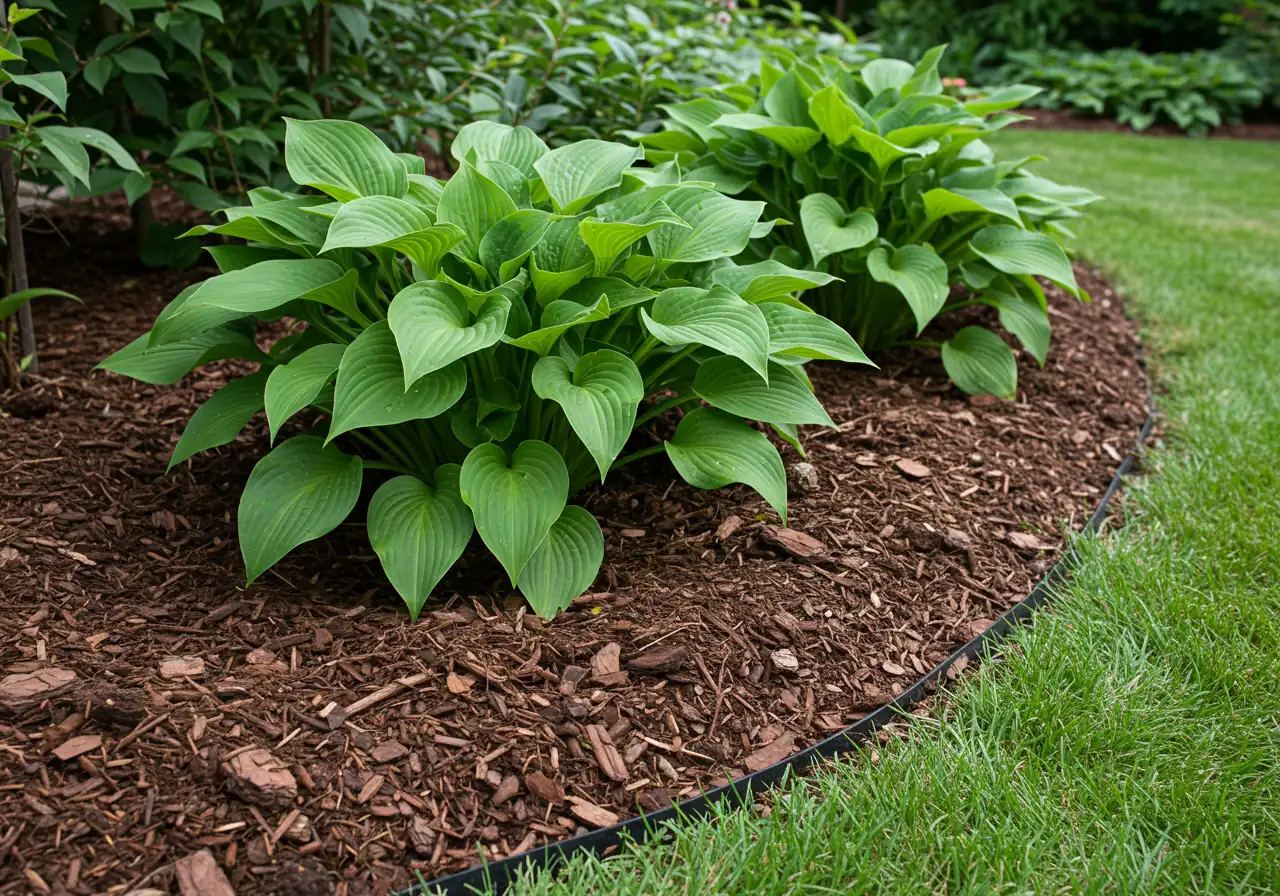
Seriously, if you're not mulching, you're missing out. Applying a 2-3 inch layer of organic mulch (like shredded bark or compost) around your plants (but not right up against the stems!) does wonders:
- Keeps soil moisture even.
- Suppresses weeds (Hallelujah!).
- Regulates soil temperature (cooler in summer, warmer in winter).
- Slowly breaks down, adding organic matter to the soil.
Make sure the edges are neat for a polished look; investing in expert mulching and edging can make a huge visual impact and maximize the benefits.
5. Keep it Tidy: Basic Maintenance Goes a Long Way
A little regular housekeeping makes a big difference.
- Prune Wisely: Remove dead, damaged, or diseased branches promptly. Pruning can also improve air circulation within dense shrubs, making them less inviting for fungal problems.
- Clean Up Debris: Rake up fallen leaves and diseased plant material, especially in the fall. Pests and diseases love to overwinter in garden debris. A thorough cleanup removes their cozy winter homes. Services like a thorough Metcalfe property cleanup service or the similar Marionville property cleanup service handle exactly this kind of essential tidying.
- Scout Regularly: Take a stroll through your garden often. Spotting a few aphids early is much easier to deal with than a full-blown infestation later.
A Simple Ottawa Seasonal Checklist (Concept):
Spring
Clean up winter debris, test/amend soil, apply fresh mulch, prune summer-flowering shrubs. Book Ottawa yard cleanup service if needed.
Summer
Monitor pests/diseases, water wisely, weed regularly, deadhead flowers. Consider ongoing city garden maintenance service.
Fall
Plant bulbs, divide perennials, thorough leaf/debris cleanup (fall cleanup is crucial), protect sensitive plants from frost (frost protection tips).
Winter
Plan for next year, check winter protection, admire snow. Perhaps say thank you for the garden's rest!
By focusing on these proactive steps, you’re setting your Ottawa garden up for success. It’s about creating a healthy ecosystem where plants have the best possible chance to thrive, naturally resisting many common problems. Happy gardening!
Integrated Treatments: A Measured Response When Problems Strike
Okay, you've done your homework, built healthy soil, picked the right plants, and generally treated your garden like royalty. High five! But sometimes, despite our best efforts, pests or diseases decide to show up anyway. It happens! Maybe it’s an invasion of Japanese beetles turning your roses into lace, or powdery mildew making your phlox look dusty. When prevention isn't quite enough, Integrated Plant Healthcare (IPHC) gives us a smart, measured way to respond. It’s not about reaching for the panic button (or the strongest spray bottle); it's about using the *right* tool for the job, starting with the gentlest.

Think of it like climbing a ladder of options:
- Check Your Culture (Again!): Before anything else, quickly review – did watering habits slip? Is airflow still good? Sometimes a minor tweak here can curb a small problem.
- Physical & Mechanical Controls: Get Hands-On!
This is often the next best step and surprisingly effective.
- Hand-Picking: Got Japanese beetles or big caterpillars? Pluck 'em off and drop them into a bucket of soapy water.
- Water Jet: A strong spray of water can knock aphids or spider mites off plants.
- Pruning: See black knot or fire blight? Prune out infected branches well below the diseased area (disinfect pruners!). Removing diseased parts is crucial, often done during an Ottawa yard cleanup service. For larger properties, services like the Marionville property cleanup service ensure thorough removal.
- Traps: Sticky traps or specific pheromone traps can monitor or help control certain pests.
- Biological Controls: Call in the Good Guys!
Nature often has its own pest control crew. Biological control uses living organisms to manage pests.
- Encourage Predators: Plant flowers that attract beneficial insects like ladybugs and lacewings.
- Introduce Helpers: Having grub problems in your Barrhaven lawn? Introduce beneficial nematodes. This targeted approach leaves beneficials unharmed. Learn more about our philosophy on our About Us page.
- Chemical Controls: The Last Resort
Sometimes, despite everything, a problem gets out of hand. *If* chemicals are needed, IPHC insists on a cautious, targeted approach:
- Identify Correctly: Make *sure* you know the problem.
- Choose Wisely: Opt for the *least toxic* option first (insecticidal soaps, horticultural oils).
- Read the Label: Follow instructions *exactly*.
- Spot Treat: Only spray affected plants, ideally when pollinators are inactive.
Common Ottawa Garden Challenges (Conceptual Prevalence)
Note: Chart is illustrative of common issues, not based on specific statistical data.
Your Action Plan When Trouble Appears:
- Identify: What *exactly* is the pest or disease?
- Assess: How bad is it? Can the plant tolerate some damage?
- Review: Check cultural practices – watering, airflow, sanitation.
- Intervene Gently: Try physical removal or traps first.
- Go Biological: Can natural enemies help? This is key for ongoing city garden maintenance service success.
- Consider Low-Impact Chemicals: If needed, use targeted, safer options precisely.
- Evaluate: Did it work? Monitor. Your feedback helps refine strategies – use our estimate feedback form!
By following this measured approach, you tackle problems effectively while minimizing harm to yourself, your family, pets, beneficial insects, and the overall Ottawa environment. It’s about smart, safe, and sustainable solutions for a garden you can truly enjoy. Protecting our local environment is crucial, learn more via our Privacy Policy.
Highlight Box: Your Quick Guide to Healthier Metcalfe Gardens
Okay, skipped straight to the end, did we? No worries! Here’s your express lane guide to keeping those Metcalfe gardens looking sharp and feeling healthy, using smart Integrated Plant Healthcare principles:
- Prevention First: Build strong foundations with healthy soil and the right plants suited for Ottawa life. It’s like giving your garden superpowers!
- Scout & Act Gently: Spot issues early! Look often and try simple fixes like hand-picking pests first. Regular tidying, perhaps with help from a professional Metcalfe garden clean up service, removes pest hiding spots.
- Chemicals = Last Resort: Use targeted, milder options *only* when absolutely necessary after trying other methods. Avoid the "spray everything" approach.
- Keep it Tidy: Good garden hygiene prevents many problems! This applies everywhere, from small urban spaces needing a city garden clean up service to larger properties benefiting from an Ottawa property cleanup service. It's just as crucial in neighbouring communities like Marionville (Marionville garden clean up service).
- Need Specific Advice? We can help tailor a plan for your unique Metcalfe yard. Don't hesitate to Contact Us!
FAQs: Tackling Your Tough Ottawa Plant Health Questions
Ah, the classic Ottawa clay challenge! Don't pack your bags just yet. The *best* defence is constantly adding organic matter like compost or aged manure. Mix it in whenever you plant or top-dress beds annually. Mulch is also key! This improves drainage and prevents compaction over time. For large areas needing fixing, incorporating soil amending might be part of a broader seasonal property clean up plan, preparing beds properly. Patience is vital – think marathon, not sprint! It really does get better with consistent effort.
Ugh, Japanese beetles! Persistent party crashers in Russell and beyond. Spraying is a last resort. Early morning hand-picking into soapy water works if you're diligent (and maybe a little grossed out). Pheromone traps can attract them, but place them *away* from prized plants. Focus on plant health – stressed plants are easier targets. If hiring help for pest issues, check the scope of work; our terms and conditions outline what services typically cover, ensuring clarity. Keeping plants strong is your best defence!
Patchy lawns after our Ottawa winters can have a few culprits! Winter kill, salt damage (especially near sidewalks – managing the edge near public areas might relate to city yard cleanup service needs), or compaction are common. Grubs are often sneaky villains, munching roots. Check by peeling back sad sod in late summer/early fall – 5-10+ grubs/sq ft might mean trouble. Beneficial nematodes are a great non-chemical control. Good aeration and overseeding also build toughness against these common Greely lawn gripes. Explore our lawn care options.
Totally understandable – gardens can feel demanding! You don't need to inspect every leaf daily with a magnifying glass. Aim for a mindful stroll maybe once or twice a week during the growing season (May-September). Look for obvious changes: yellowing leaves, spots, chewed edges, pests. Early detection is key! Consistent observation is a core part of good ongoing garden maintenance, whether you do it yourself or hire professionals. Relax, enjoy your garden, but keep those eyes peeled! It makes tackling issues much easier.
Great question! Beyond wrong-plant-wrong-place, a huge mistake is *reacting* instead of *preventing*. Many issues – weak growth, disease, pests – stem from neglecting foundational care like soil prep or proper watering *before* problems show up. Improving clay soil, watering deeply but less often, and mulching are key. Sometimes fixing years of neglect requires significant work, viewing the project more like one of our garden makeover transformations to truly address underlying issues and set the stage for long-term plant health in Manotick.
Conclusion: Grow Stronger - Healthier Gardens for Metcalfe and All of Ottawa
Okay, let's wrap this up! Think of Integrated Plant Healthcare as that *wellness plan* we talked about for your garden – less frantic fix-it mode, more building healthy habits! By focusing on prevention first, building *super strong* soil, choosing plants that actually *like* living here, and using gentle solutions when needed, you create a landscape that can better handle Ottawa’s unique challenges. Goodbye constant stress, hello thriving greenery!
This smart approach means healthier, more resilient gardens that rely less on constant chemical interventions. It’s about becoming a partner *with* nature in your own backyard, not constantly fighting against it. Whether you're tending your patch in Metcalfe, nurturing flowerbeds in Winchester, or dreaming of a lush lawn in Embrun (where services like the Marionville yard cleanup service might be relevant nearby), focusing on plant health from the roots up pays off with beauty that truly lasts. You get to enjoy your garden more, and maybe even brag a little – we won't tell!
Ready to give your garden its best shot at greatness?
- Feeling inspired but need a hand? Let us help tailor an Integrated Plant Healthcare strategy for your yard. Explore our professional Landscaping Services to see how we can support your garden's health journey.
- Want more local tips? Check out resources like the Friends of the Central Experimental Farm for Ottawa-specific gardening advice.
Grow stronger, healthier gardens, Ottawa – your plants will thank you!