Kenmore Gardens: Using Stone Mulch Effectively on Clay
Quick Overview
- Ottawa's clay soil is dense, drains poorly when wet, and gets hard when dry.
- Stone mulch offers longevity and a modern look but can increase soil heat and compaction on clay.
- **Crucial Step:** Amend clay soil with organic matter *before* adding fabric and stone.
- Use permeable landscape fabric and choose heat/drought-tolerant plants.
- Proper installation and seasonal maintenance (mainly debris removal) are key to success.
- Considering professional help? Request a quote today!
Introduction: Taming the Clay Beast in Your Kenmore Garden with Stone Mulch
Ah, Ottawa gardening. Glorious summers, crisp autumns, and... the clay soil. If you're trying to cultivate a beautiful landscape in Kenmore, or maybe you're wrestling with the earth in nearby Greely or Manotick, you've likely met our region's notorious clay. It can be a real beast – sticky and waterlogged after a spring melt or a heavy rain, and baking into near-concrete hardness during dry spells. Honestly, sometimes digging in it feels less like gardening and more like an archaeological dig!
Our unique Ottawa climate, with its dramatic freeze-thaw cycles, doesn't exactly help matters, often leaving soil compacted and drainage less than ideal. It’s enough to make even the most enthusiastic gardener sigh. But fear not, fellow soil tamers! There's a fantastic landscaping tool that can help manage these heavy soil challenges while adding serious curb appeal: stone mulch.
Think beyond wood chips for a moment. Using materials like river rock, pea gravel, or other decorative stones isn't just about creating a neat, modern look. It can actually improve drainage around your plants, suppress weeds more effectively in certain areas, and drastically cut down on yearly maintenance. This article is your friendly guide to understanding how stone mulch can work for you, helping you conquer that Kenmore clay and create a garden you love spending time in, not just fighting with. Let's explore how to make this durable choice work wonders in your yard! For broader landscaping help, check out our range of landscaping services.
Clay Soil Conundrum: Understanding What Lies Beneath Ottawa Gardens
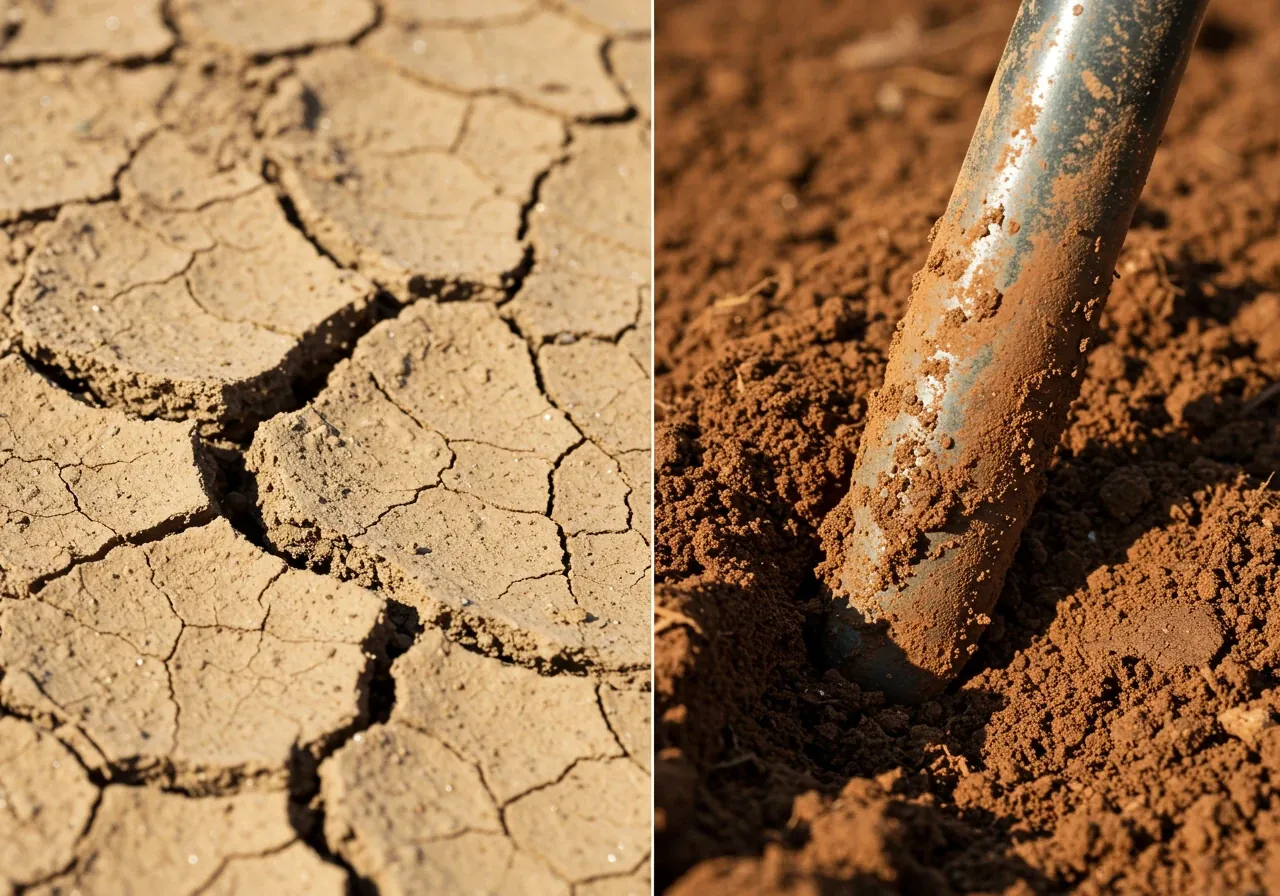
So, you're digging in your Ottawa garden, maybe in Nepean or Barrhaven, and your shovel hits something… dense. Welcome to the club! Much of our region, including areas out towards Osgoode, is blessed (or cursed, depending on your mood!) with heavy clay soil. It’s the stuff garden legends – and frustrations – are made of. But what is it, really?
Clay soil is made up of super-tiny mineral particles packed tightly together. Think of it like microscopic plates stacked up. This structure gives clay its defining characteristics:
- Sticky When Wet: After rain, it holds onto water like a sponge that forgot how to let go. This leads to poor drainage, soggy roots (a recipe for rot!), and compaction if you walk on it or work it too soon. Forget digging – you might need a canoe!
- Rock Hard When Dry: During dry spells, that same clay can bake into something resembling a brick. Water struggles to penetrate, and plant roots have a tough time pushing through. Your shovel might just bounce right off.
- Nutrient Rich (Mostly Good News!): On the plus side, those tiny particles are great at holding onto essential plant nutrients. The challenge is making sure plants can actually access them and that you don't add too much fertilizer, thinking the plants aren't getting enough. Getting the balance right is key; overdoing it can cause problems, as outlined in this guide on how to fix overfertilization garden damage. A tailored approach, like the one discussed in our Kenmore Lawn Care Spring Fertilizing Guide, is often best.
- Slow to Warm: In spring, clay soil takes longer to warm up than lighter soils, which can delay planting a bit.
Trying fancy landscaping techniques? Healthy soil is the foundation. Whether you dream of creating living art through professional topiary shaping techniques or are interested in architectural greenery like that described in the Kenmore pleaching guide for living garden walls, starting with well-understood and amended soil is crucial for plant health.
Simple Soil Comparison:
| Feature | Clay Soil | Loam Soil (The Dream!) | Sandy Soil |
|---|---|---|---|
| Feel | Sticky when wet, hard when dry | Crumbly, slightly moist | Gritty, loose |
| Water Drainage | Slow | Moderate | Fast |
| Nutrient Holding | High | Good | Low (nutrients leach out) |
Working with heavy clay can feel like a workout, and sometimes clearing out old, compacted areas requires more muscle than enthusiasm. If you're facing a big soil challenge or just need help removing heavy debris, considering a professional touch like our Kenmore Yard Cleanup Service can save your back.
Understanding your clay soil is the first step to making it work for you. While it has its challenges, it’s definitely not impossible to create a gorgeous garden. You just need the right strategies, which often involve improving its structure over time. For broader landscaping needs beyond just soil, check out the range of professional landscaping services we offer.
Stone Mulch on Clay: A Match Made in Heaven or Recipe for Disaster?
Alright, let's talk stone mulch. It looks sharp, lasts practically forever, and whispers promises of low-maintenance gardening bliss. But when you layer it over the heavy clay soil common around Ottawa and neighbouring areas like Greely, is it truly a dream come true, or are you setting yourself up for some stony struggles? The answer, like most things in gardening, is... it depends. Let's dig into the nitty-gritty (or maybe the nitty-rocky?).
The Sunny Side: Why Stone Mulch Can Be Great
- Longevity: Unlike wood mulch that breaks down, stone mulch is practically permanent. Buy it once, place it once (well, mostly!).
- Weed Control (Initially): When installed correctly over high-quality landscape fabric, stones create a barrier that weeds struggle to penetrate, at least for a while.
- Clean Look: Stone offers a modern, neat aesthetic that many homeowners love. It doesn't blow away easily either.
- Surface Drainage: Water tends to run off the surface or through the gaps quickly, which can be good around foundations where you want to avoid pooling moisture.
- No Decomposition Issues: It won't rot or attract termites like some organic mulches might.
The Rocky Road: Potential Problems on Clay Soil
- Heat Absorption: Stones soak up the sun and get hot. This heat radiates down, baking the clay soil underneath, stressing plant roots, and potentially making the clay even harder. Think "brick oven effect."
- Compaction: Stone is heavy! Its weight can further compact already dense clay soil over time, reducing air and water penetration to plant roots.
- Soil Health Stagnation: Stone mulch adds zero organic matter to the soil. Clay desperately needs organic matter to improve its structure, drainage, and nutrient availability. Stone prevents this natural improvement. Proper soil preparation before installation is vital.
- Difficult Planting & Amending: Want to add a new perennial or amend the soil later? Good luck! Removing stones, digging through potentially embedded landscape fabric, and then replacing everything is a major chore. A thorough initial property clean up is vital before installation, because changes later are tough.
- Runoff: While water drains through the stones, if the underlying clay can't absorb it quickly (which is often the case), heavy rain can lead to runoff, potentially carrying soil or debris with it. Keeping adjacent public areas clear is essential; managing things like city property cleanup service requirements falls on the homeowner.
- Weeds... Eventually: Seeds blow in, dirt accumulates between stones, and eventually, weeds will find a way. Removing them from stone can be more tedious than from organic mulch.
Choosing Your Weapon: Types of Stone Mulch
Not all stone mulch is created equal. Here’s a quick look:
- River Rock: Smooth, rounded stones, often 1-3 inches. Good aesthetic, but can shift on slopes.
- Pea Gravel: Small (1/4" to 3/8"), rounded pebbles. Can migrate easily and be hard to walk on. Best for small decorative areas.
- Crushed Stone/Aggregate: Angular pieces that lock together better than rounded stone. More stable on slopes, good for paths. Comes in various sizes.
- Lava Rock: Porous, lighter weight than other stones. Can have sharp edges. Offers some aeration but still gets hot.
Quick Stone Comparison:
| Stone Type | Typical Look | Stability | Feel Underfoot | Notes |
|---|---|---|---|---|
| River Rock | Smooth, Natural | Moderate | Okay | Can shift, classic look |
| Pea Gravel | Small, Rounded | Low | Shifts easily | Decorative, migrates |
| Crushed Stone | Angular, Modern | High | Firm | Locks together well |
| Lava Rock | Porous, Textured | Moderate | Can be sharp | Lighter weight, holds heat |
Tips for Success (If You Dare!)
- Fabric is Key: Use a high-quality, permeable landscape fabric underneath. Don't cheap out here!
- Choose Plants Wisely: Opt for drought-tolerant, heat-loving plants that don't mind tougher conditions. Think sedums, ornamental grasses, or yuccas. Avoid plants needing rich, moist soil.
- Location, Location: Best used in areas with minimal planting, like around foundations, pathways, or as accents, rather than large garden beds.
- Edging: Install proper edging to keep stones contained and prevent them from migrating into lawns or onto walkways.
- Prepare Properly: Ensure the ground is graded correctly *before* laying fabric and stone. For big jobs, getting help from an Ottawa yard cleanup service for site prep can save time and effort. This applies across the region – homeowners needing assistance, for example, via a Marionville yard cleanup service, know that good prep makes all the difference.
- Think Long Term: Stone mulch is a commitment. Removing it later is labour-intensive – sometimes requiring a dedicated effort similar to our Kenmore Yard Cleanup Service focused on heavy material removal.
The Verdict?
Stone mulch on clay isn't automatically a disaster, but it requires careful planning and understanding the downsides. For low-traffic, low-planting areas where long-term low maintenance (re: no re-mulching) is the top priority, it can work. But for vibrant garden beds needing healthy, breathing soil, organic mulches are generally kinder to our Ottawa clay. Unsure about the best approach for your specific situation? Getting advice from experienced landscapers can help – learn more about us and how we tackle Ottawa's unique landscaping challenges. Check out our Google My Business page for reviews!
The Stone Mulch Success Strategy for Clay: A Step-by-Step Guide
Okay, so you've weighed the pros and cons, stared down your stubborn clay soil, and decided that stone mulch is the way forward for at least part of your Ottawa landscape. Go you! While it takes more upfront work than tossing down wood chips, doing it right is key to avoiding future headaches (and backaches!). Here’s your step-by-step strategy for stone mulch success on clay:
Step 1: Clear the Decks (Literally!)
First things first, you need a clean slate. Remove *everything* from the area – existing weeds, grass, old mulch, stubborn rocks. Get down to the bare soil. This is the foundation! If it's a big job, consider a professional property clean up service. Similar to prepping for sod installation, a clean start is essential.
Step 2: The MOST Important Step – Amend That Soil!
Non-negotiable! Improve the clay *before* fabric. Spread 2-4 inches of quality compost/conditioner and work it into the top 6-8 inches. This improves drainage and gives roots a chance. Yes, it's work, but skipping it causes issues. Need help? An Ottawa garden clean up service often handles soil preparation.
Step 3: Grade Away!
While the soil is worked, ensure the area slopes slightly *away* from your house foundation to prevent water pooling. Even small slopes help direct water flow.
Step 4: Edge Like You Mean It
Install sturdy landscape edging *before* the fabric. This contains the stones. Metal, heavy plastic, or pavers work. Deep installation helps prevent frost heave issues common in areas like Metcalfe. Check out professional mulching and edging services for a perfect finish.
Step 5: Fabric Fundamentals
Roll out high-quality, *permeable* landscape fabric. It must let water and air through! Avoid solid plastic. Overlap seams by 6+ inches and secure with landscape staples, especially at edges and seams.
Step 6: Planting Pockets (Optional)
If planting, cut an 'X' in the fabric *before* placing stone. Make cuts just big enough for the root ball. Plant, backfill, water, and fold fabric flaps snugly around the plant base. Remember: choose tough plants!
Step 7: Let the Stones Roll
Spread your chosen stone mulch carefully over the fabric, aiming for a 2-3 inch depth. Use a wheelbarrow and rake to spread evenly. Consider various options from our material selection guide.
Step 8: Tidy Up Time
Give the stone a final rake for smoothness. Sweep stray stones off paths and lawns. Admire your work!
Installing stone mulch properly is an investment of time and effort, especially the soil amendment. For larger properties or complex designs, consider professional assistance. Services like the Ottawa property cleanup service handle prep, and specialized teams like a Metcalf yard cleanup service understand local conditions. Following these steps maximizes your chance of long-term success.
Stone Mulch Benefits
Key advantages include extreme longevity (no yearly replacement), excellent initial weed suppression (with fabric), a clean modern aesthetic, and reduced issues with decomposition or certain pests compared to organic mulch.
Stone Mulch Drawbacks on Clay
Potential downsides on heavy clay include heat absorption stressing plants, added weight causing compaction, lack of soil improvement (no organic matter), difficulty planting/amending later, and potential runoff issues if underlying drainage is poor.
Alternatives to Stone on Clay
For improving clay soil health and supporting a wider range of plants, consider organic mulches like shredded bark, wood chips, or compost. These break down over time, adding vital organic matter. For specific plant needs, consult our lawn care or garden maintenance guides.
Seasonal Stone Mulch Care: Keeping Your Clay Garden Looking Sharp Year-Round in Ottawa
So, you’ve got your stone mulch down over that notorious Ottawa clay. Looks great, right? While stone is definitely lower maintenance than wood chips, it’s not *zero* maintenance – especially with our four distinct seasons throwing everything from ice storms to heat waves at it. A little seasonal TLC will keep your stone mulch looking sharp and functioning well year-round. Think of it as a quick check-up for your landscape!
Here’s a simple seasonal guide:
Spring Spruce-Up:
- Post-Winter Patrol: Once snow melts, check for stones or edging displaced by freeze-thaw cycles (common near Kars or Winchester) and reposition them.
- Weed Watch Begins: Catch early spring weeds while small. Hand-pulling is best.
- Rake & Refresh: Gently rake stones smooth, remove winter debris, and top up any low spots if needed.
- Big Mess?: For significant winter debris, consider professional spring cleanup. A Marionville garden clean up service, for example, gets things tidy quickly.
Summer Surveillance:
- Weed Patrol Continues: Stay vigilant with regular hand-pulling.
- Spot Cleaning: Remove fallen leaves/petals promptly to prevent soil build-up. A leaf blower (low setting) helps.
- Check Your Plants: Monitor plants for heat stress due to reflected heat from stones. Water deeply, less often.
- Need Consistent Care?: If upkeep is challenging, scheduled help like a City garden maintenance service can manage seasonal tasks.
Fall Cleanup Focus:
- Leaf Lockdown: *Crucial step!* Remove fallen leaves regularly before they decompose among the stones. Rake or blow them off.
- Final Weed Sweep: Thorough weeding before winter.
- Edging Check: Ensure edging is secure.
- Tidy = Terrific: A clean look boosts curb appeal. For heavy leaf fall, a Metcalf yard cleanup service can assist. See neat stone areas in our Transformations gallery!
Winter Watch:
- Minimal Action: Let snow cover insulate.
- De-Icing Awareness: Use salt/chemicals sparingly near stone beds, especially with plants. Sand is safer for traction. Check terms and conditions for service details regarding winter impacts.
- Plan Ahead: Winter is great for planning next season's projects. Browse ideas in our Material Selection guide.
A little attention each season keeps stone mulch looking great. If you need help, feel free to Contact Us!
Helpful Ottawa Resources:
- City of Ottawa - Gardening Information
- Friends of the Central Experimental Farm
- Rideau Valley Conservation Authority (Watershed Info)
Relative Maintenance: Stone vs. Organic Mulch
*Organic mulch requires reapplication, increasing long-term effort. Stone requires primarily debris removal.
Quick Tips for Stone Mulch Success on Clay
- Amend First! Never skip improving clay *before* fabric. Proper expert soil preparation is key.
- Fabric Matters: Use high-quality, *permeable* landscape fabric.
- Plant Smart: Choose heat-tolerant, tougher plants.
- Edge It Up: Contain stones with sturdy edging.
- Stay Tidy: Keep leaves/debris off stones. Need upkeep help? Explore garden care plans. Initial prep daunting? Our Marionville property cleanup team helps region-wide. See potential in our landscape transformations gallery, and reach out via our thank you page after contacting us! Or leave estimate feedback after a quote.
FAQs: Your Ottawa Stone Mulch & Clay Questions Answered
That's a fair concern! Stone mulch *does* absorb and hold heat more than organic mulches, which can stress plant roots and bake the clay underneath, especially during our hot spells. The key is careful planning. Amending the clay soil *before* putting down fabric and stone helps improve its structure and resilience. Choosing heat-loving, drought-tolerant plants is also crucial. Lighter-colored stones might reflect *slightly* more heat than dark ones, but the biggest factor is good soil prep and smart plant choices suited to the conditions.
Good question! You'll want tough plants that don't mind heat, potentially drier conditions near the surface, and aren't fussy about rich soil right at the crown. Think plants like Sedums (Stonecrop), Sempervivums (Hens and Chicks), Ornamental Grasses (like Feather Reed Grass or Blue Oat Grass), Daylilies (tough varieties), Yuccas, or even hardy shrubs like Potentilla or certain Junipers. Avoid moisture-loving plants like Hostas or Astilbe right in the stone zone. If you're planning a new bed, our team can help with plant selection as part of our professional garden installation services.
It *can* be done DIY, but let’s be honest – it's hard work! The toughest part is properly amending the clay soil beforehand, which involves digging and mixing in compost. Then there's hauling and spreading heavy stone. If you've got a small, manageable area, a strong back (or helpful friends!), and the right tools, go for it! But for larger areas or if digging heavy clay feels daunting, getting professional help might save you time, sweat, and potential chiropractic visits. If you need assistance with just the heavy prep work, services like our Metcalf property cleanup service cover surrounding areas and can handle the tough stuff.
Think of it this way: stone mulch has a higher *upfront* cost. You're paying more for the material itself and often for delivery because it's heavy. However, wood mulch needs to be reapplied every year or two, which adds up over time. Stone mulch is basically permanent. So, while you spend more initially, stone can be more cost-effective in the long run because you don't have the recurring expense and labour of re-mulching.
Generally, stone mulch is *less* attractive to many common garden pests compared to organic mulch. Wood chips can provide shelter for slugs, earwigs, and millipedes. Stone doesn't offer that cozy, moist habitat. You might still find ants tunnelling underneath, or spiders making webs, but it typically doesn't encourage infestations like organic mulch can. Keeping the area free of leaf litter and debris helps too – something a regular city garden clean up service can assist with.
We won't sugarcoat it – removing established stone mulch is a significant job. You'd need to shovel or rake off all the stone (which is heavy!), pull up the landscape fabric (which might be pinned securely and potentially embedded with roots or soil), and then deal with the underlying soil, which might be compacted. It's labour-intensive work. If you find yourself in that situation, calling in professionals like our city yard cleanup service who handle heavy material removal is often the most practical solution. Feel free to reach out if you have questions about this process; details about how we handle your information can be found in our privacy policy.
Conclusion: Rock On! Creating Beautiful, Enduring Gardens in Kenmore and Beyond
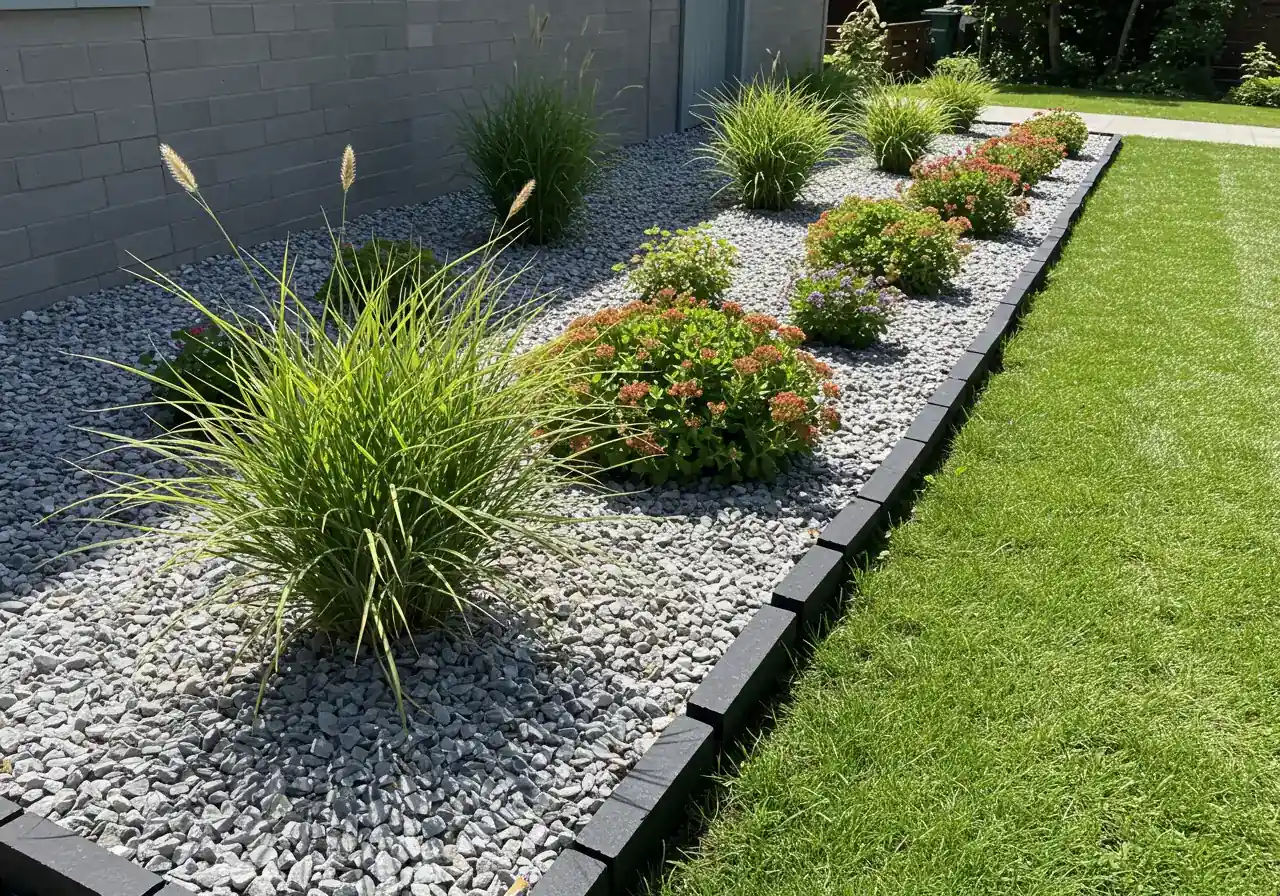
So, there you have it – the real scoop on pairing stone mulch with that stubborn Ottawa clay! It might sound a bit challenging, like teaching a rock to swim, but using stone *can* absolutely lead to beautiful, long-lasting garden features in Kenmore, Greely, and beyond. The absolute key? Doing it right from the ground up.
Remember the rock-solid advice:
- Amend that heavy clay soil with organic matter *before* anything else goes down. It makes a world of difference for drainage and plant roots.
- Always use high-quality, permeable landscape fabric to allow water and air exchange.
- Choose tough, heat-tolerant plants suited for the spot – not every flower enjoys baking beside rocks!
- Keep up with simple seasonal tidying – mostly pulling opportunistic weeds and clearing leaf litter before it turns into soil.
Stone mulch isn't a zero-effort solution, especially on our region's clay, but thoughtful planning and proper installation unlock its impressive low-maintenance potential and sharp looks. Ready to transform your landscape? If you're dreaming up a stone mulch project or just need expert advice tailored to your specific Ottawa-area yard, reach out for a friendly consultation. You can also visit our website to see examples of stunning transformations and learn more about how we help homeowners conquer their landscaping challenges, whether it's in Ottawa (Ottawa property cleanup), Marionville (Marionville property cleanup), Metcalfe (Metcalfe property cleanup) or the wider city area (City property cleanup). Know someone wrestling with clay in Manotick or Vernon? Share this guide! Now go forth and create that beautiful, enduring garden – Rock on!