
Metcalfe: Keep Plants In Bounds with Root Barriers
Quick Summary
- Uncontrolled plant roots can damage patios, driveways, and foundations in Metcalfe.
- Root barriers are physical shields installed underground to guide roots away from structures.
- Common types include solid HDPE panels and permeable fabric barriers.
- Proper installation depth (often 18-30 inches) is crucial, especially in Ottawa's clay soil.
- Combine barriers with smart planting choices, spacing, and watering techniques for best results.
- Consider professional help for deep trenches or near large, established trees.
Need help managing unruly roots or planning your landscape? Request a free quote today!
Introduction: Taming Unruly Roots in Metcalfe – Why Root Barriers are Your Garden's Best Friend
Hey Metcalfe homeowners! Love your beautiful trees but maybe *not* so much what their ambitious roots are doing to your patio? You're definitely not alone. Those underground explorers can become real troublemakers in our yards, cracking driveways, potentially unsettling foundations, and even strangling your favourite garden beds by hogging all the resources. It’s a common landscaping headache right across the Ottawa region, from nearby Greely and Osgoode to right here in Metcalfe. It can feel like you're constantly playing defence against your own plants!
But what if there was a way to *politely* show those roots where they shouldn't wander? Meet your garden's new best friend: the root barrier! Think of it as a gentle but firm guide for your plant roots, keeping them away from valuable hardscaping like pathways and patios, and ensuring harmony beneath the soil. Root barriers are a smart, proactive solution that protects your property *before* damage occurs. They help maintain peace between your vigorous plants and your valuable infrastructure. Ready to learn how these simple installations can save you future hassle and expense, keeping your Metcalfe landscape looking great? Let's dig in!
Root Ruckus: Understanding the 'Why' Behind Root Barriers in Ottawa's Unique Landscape
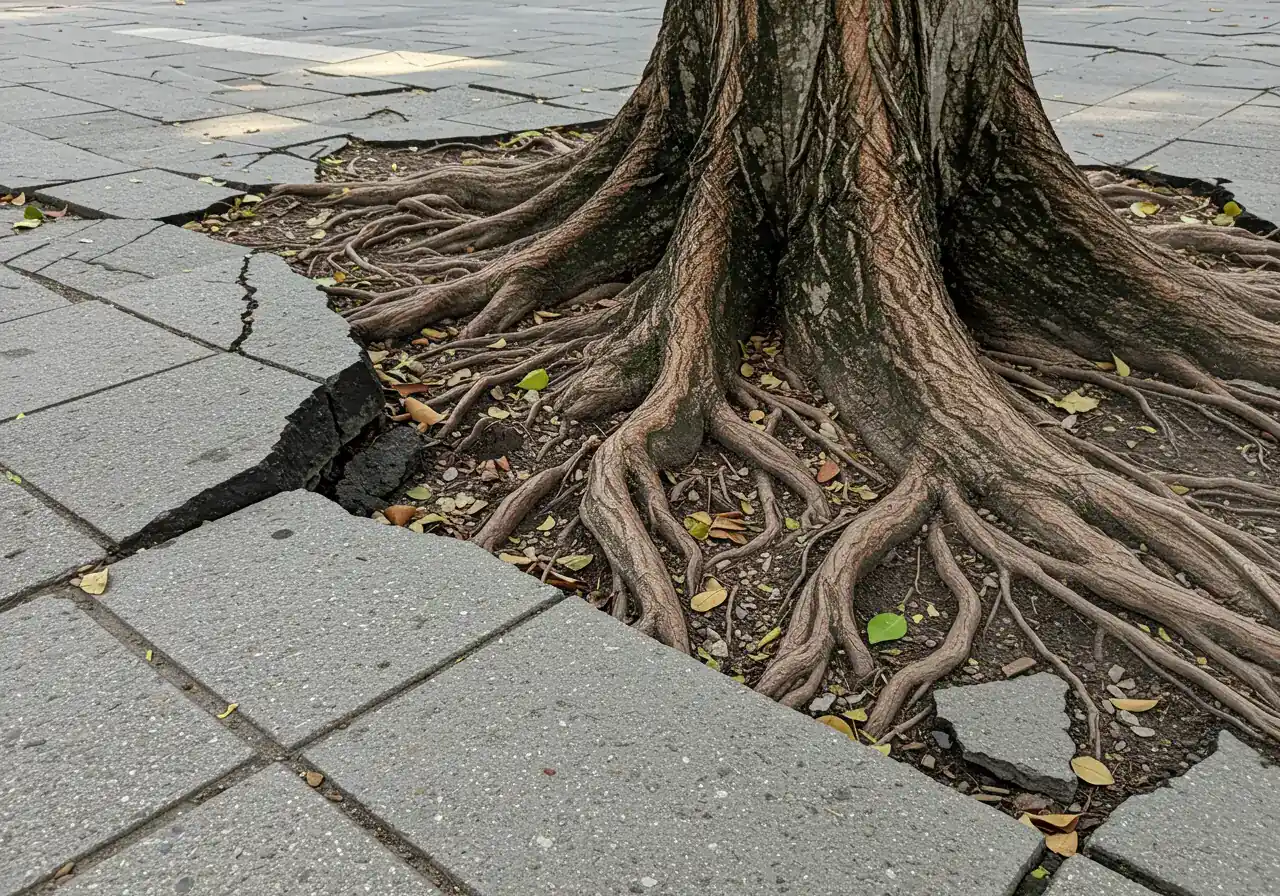
So, why all the fuss about roots? Don't plants *need* them? Absolutely! But sometimes, like enthusiastic party guests, they don't know when they've overstayed their welcome or wandered into the wrong room (like under your driveway!). Let's break down the "why" behind needing root barriers, especially here in the Ottawa area.
What Exactly *is* a Root Barrier?
Think of a root barrier as a polite but firm underground fence. It's typically a durable panel made of plastic or sometimes fabric, installed vertically into the soil. Its job is simple: to redirect exploring roots *downwards* or *sideways*, steering them clear of areas where they could cause trouble. It’s not about stopping growth entirely, but guiding it safely.
The Usual Suspects: Common Root-Related Headaches
Without guidance, some plant roots can become underground bullies. Homeowners across Ottawa, from Greely to Manotick, often face:
- Cracked Concrete: Driveways, sidewalks, and patios are prime targets. Expanding roots lift and crack these expensive surfaces. Anyone dealing with Ottawa's notorious clay soil and potential patio problems knows how frustrating shifting hardscaping can be, and roots often worsen the situation.
- Foundation Worries: While less common, aggressive roots seeking moisture *can* potentially exploit existing tiny cracks in foundations over time, making small problems bigger.
- Plumbing Problems: Older pipes, especially clay or concrete ones with joints, can be invaded by thirsty roots seeking water, leading to blockages and breaks.
- Garden Bed Bullies: Some vigorous tree or shrub roots can spread far and wide, sucking up all the moisture and nutrients, essentially starving out your prized perennials or vegetable patch. Certain trees, like Norway Maples or Poplars, are notorious for their extensive, shallow root systems.
Ottawa's Special Blend: Clay Soil and Wild Winters
Our local landscape adds extra layers to the root challenge:
- Heavy Clay Soil: Much of the Ottawa region sits on heavy clay. Clay soil holds a lot of water but doesn't drain quickly. This often forces roots to spread out *near the surface* where oxygen is more plentiful, increasing the likelihood of conflicts with patios, paths, and lawns.
- Freeze-Thaw Funhouse: Ottawa winters are famous (or infamous!) for their freeze-thaw cycles. Water in that heavy clay soil freezes, expands (frost heave!), and then thaws, causing the ground to shift. This constant movement stresses both structures *and* roots, making root damage more likely and harder to predict. Properly preparing your landscape involves more than just protecting your garden through Ottawa's harsh winters; it includes managing potential subsurface shifts. Assessing these risks is one of the essential fall cleanup steps to consider.
Why Barriers Make Sense
Installing root barriers *before* problems start, or when planting potentially problematic species, is a smart, proactive landscaping strategy. While things like the benefits of proper mulching techniques help manage soil moisture near the surface, mulch won't stop a determined root system. Barriers provide physical protection for your hardscaping investments and help maintain harmony in your garden beds. It’s about preventing the ruckus before it begins, ensuring your landscape thrives without destroying itself. If you're considering adding new trees or tackling existing root issues, exploring professional landscaping services for proper barrier installation is a wise move. Find local professional landscaping services on resources like Landscape Ontario.
Choosing Your Shield: A Guide to Root Barrier Types for Your Ottawa Property
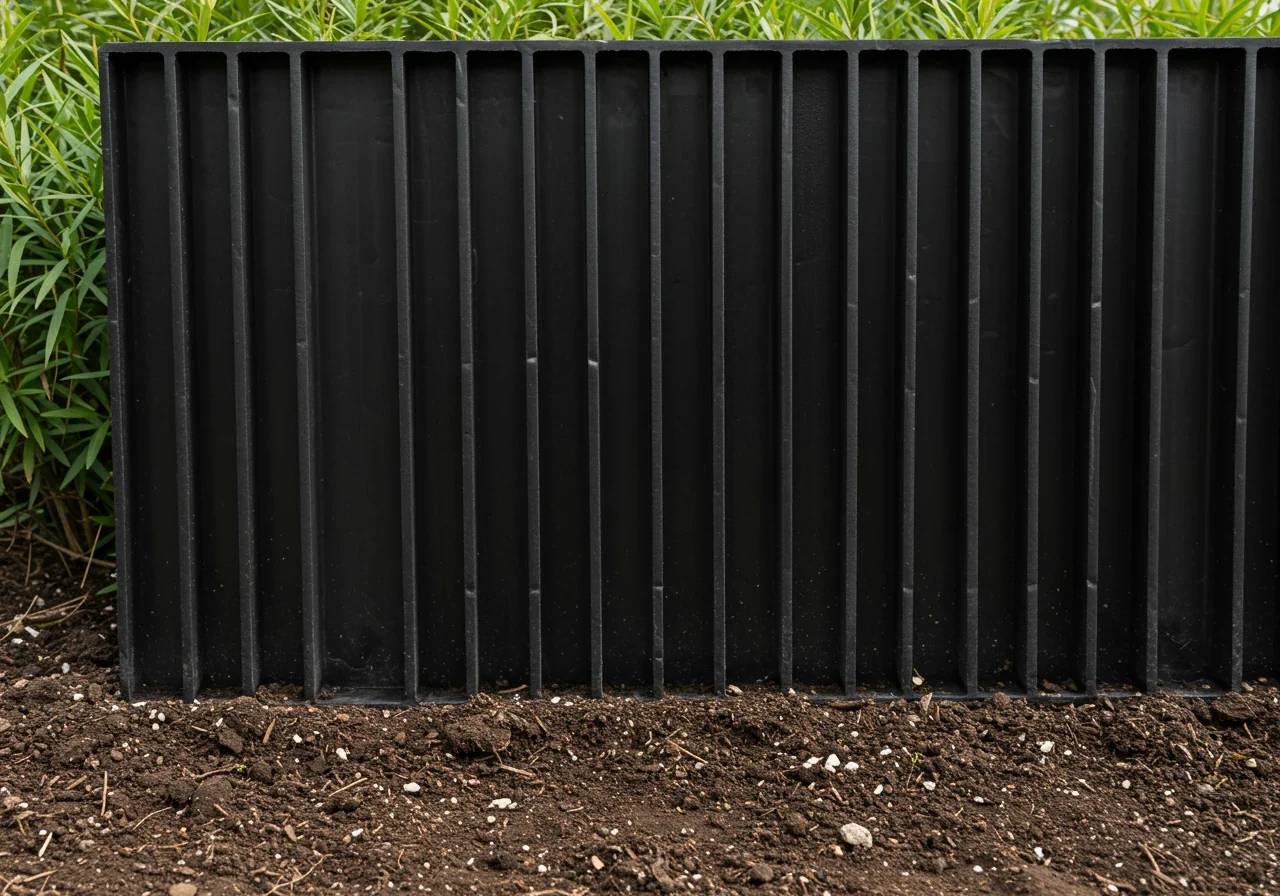
Okay, you’ve decided it’s time to lay down the law for those wayward roots – excellent choice! But just like picking the right tool for a job, choosing the right *type* of root barrier is key to success. Think of it as selecting the perfect shield for your property's specific needs. Let's explore the main contenders available for your Ottawa landscape.
The Heavy Hitters: Solid Panel Barriers (HDPE)
These are the most common type you'll encounter, and for good reason. Made from High-Density Polyethylene (HDPE), these rigid plastic panels are tough cookies.
- What they do: They create an impenetrable wall, forcing roots to dive deeper or turn away completely. No ifs, ands, or buts about it – the roots shall not pass!
- Best for: Protecting serious investments like foundations, driveways, patios, and sidewalks. If you're planting a tree known for aggressive roots near concrete, this is often your best bet. Essential for invasive species control (e.g., Japanese Knotweed).
- Things to know: Installation needs to be deep enough (often 18-30 inches), extend slightly above the soil line, and block water flow (which is often the goal when protecting structures).
The Considerate Cousin: Permeable/Fabric Barriers
These barriers are typically made from woven or non-woven geotextile fabrics. They're a bit more 'go with the flow'.
- What they do: The fabric allows water and nutrients to pass through but is tightly woven enough to physically block root penetration. Think of it like a bouncer letting water in but keeping unruly roots out.
- Best for: Separating garden beds, protecting utility lines where water flow is acceptable, or guiding roots around sensitive areas without starving one side. Useful in city garden settings.
- Things to know: Might not be tough enough for the most aggressive roots. Ensure it's rated specifically as a root barrier, not just landscape fabric.
Making the Right Choice for Your Ottawa Yard
How do you pick your champion? Consider these factors:
- The Plant: Aggressive trees need solid, deep barriers. Less vigorous shrubs might only need permeable or shallower solid ones.
- The Location: Protecting a driveway? Solid panels. Defining a garden bed border? Permeable might work. Proximity matters!
- The Goal: Absolute protection (solid) or guidance with resource sharing (permeable)?
- Installation Savvy: Solid panels require more digging. Incorrect installation makes any barrier useless. Professional landscaping services ensure it's done right. See examples of protected landscapes in our transformations gallery.
- Eco-Considerations: Look for recycled HDPE. Proper installation prevents waste from future repairs. Choose physical barriers over chemical ones. Maintaining your Metcalfe yard includes proactive measures like this, potentially alongside services like sod installation.
Choosing the right root barrier is a smart investment in protecting your property and keeping your landscape looking its best for years to come!
DIY Defence: Installing Root Barriers Like a Pro (Even in Osgoode Clay!)
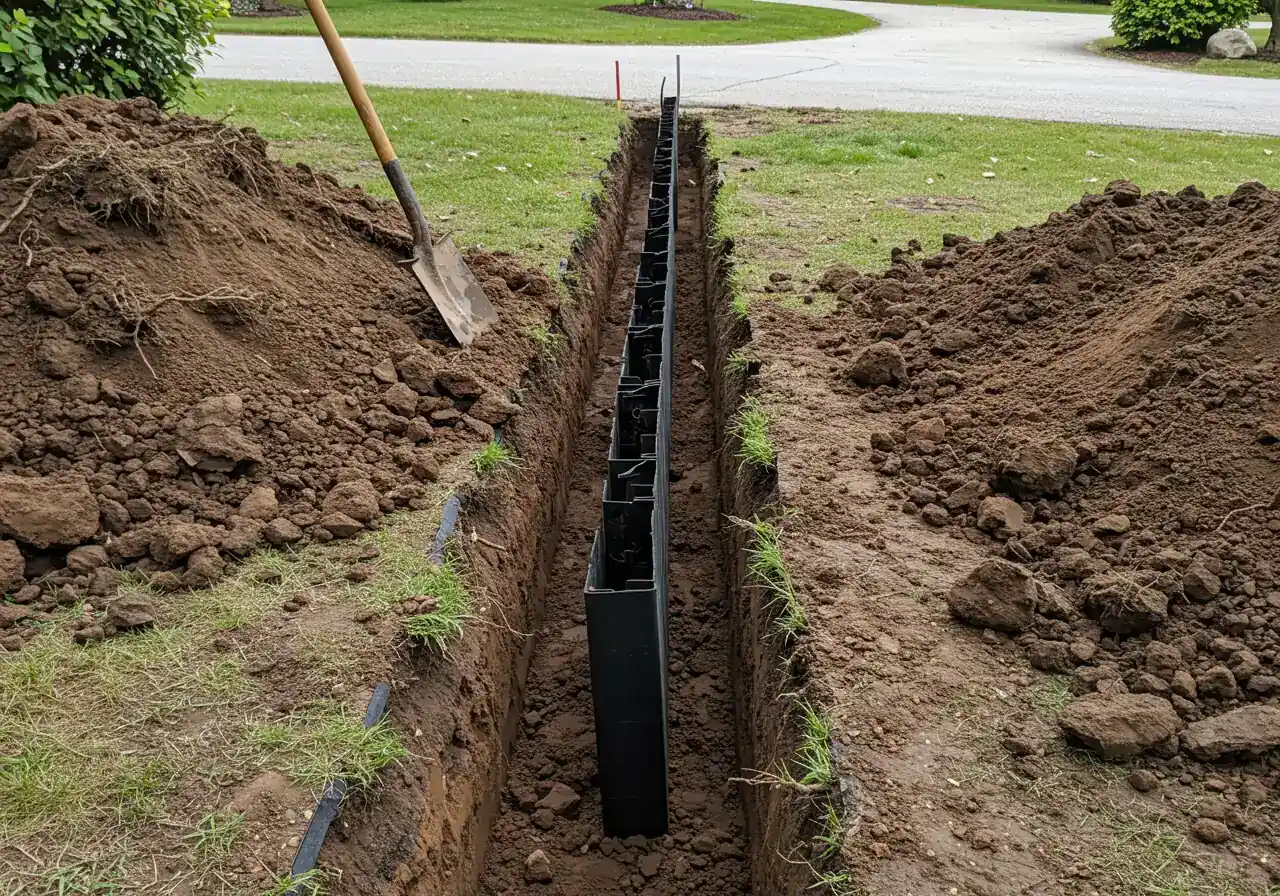
Okay, time to roll up those sleeves and get hands-on! Installing a root barrier might seem daunting, especially if you've ever tried digging in that infamous Osgoode clay, but with the right plan and a bit of elbow grease, you can definitely DIY this defence project. Let's break it down like a pro.
Step 1: Plan & Call Before You Dig!
Mark your barrier line precisely. Determine the required depth (check recommendations, often 18-24+ inches). CRITICAL: Contact Ontario One Call (1-800-400-2255) days before digging to locate underground utilities for FREE. Do NOT skip this!
Step 2: Dig the Trench
Excavate a narrow trench along your line. For heavy clay: dig when slightly moist (not wet or bone-dry), use sharp tools (pointed/trenching shovel, mattock carefully), and take breaks! If needed, prune crossing roots cleanly with sharp loppers/saw. Consult an arborist for large roots.
Step 3: Install the Barrier
Lower the barrier into the trench. Overlap solid panels (follow instructions) and join securely. Ensure the top edge sits 0.5-1 inch *above* the final soil level to prevent roots growing over. Keep the barrier vertical.
Step 4: Backfill & Compact
Refill the trench with the removed soil, breaking up clumps. Gently compact the soil in layers around the barrier to remove air pockets and prevent settling. Proper soil preparation techniques apply even here. Water thoroughly afterwards to settle the soil, adding more if needed.
Step 5: Cleanup
Rake up excess soil and debris. Protect nearby lawn areas during digging. If significant cleanup is needed, consider local services like Marionville property cleanup, Marionville yard cleanup, or a broader Ottawa property cleanup service.
When to Call the Pros?
Consider professional help from Clean Yards if:
- The trench needs to be very deep (>24 inches).
- Working close to foundations.
- Dealing with large, established trees/roots.
- The soil is extremely difficult to dig.
- You want to ensure perfect installation and save your back!
Proper installation protects your investment, potentially including adjacent lawn health needing services like sod installation if disturbed.
Visualizing Root Management: Barrier Depth vs. Root Zone
Typical Effective Barrier Depth vs. Problematic Root Zone
*Illustrative percentages showing effectiveness zones. Deeper barriers intercept more potentially damaging shallow roots common in clay soils.*
Beyond Barriers: Smart Landscaping Strategies for Root Control in Kars and Kenmore
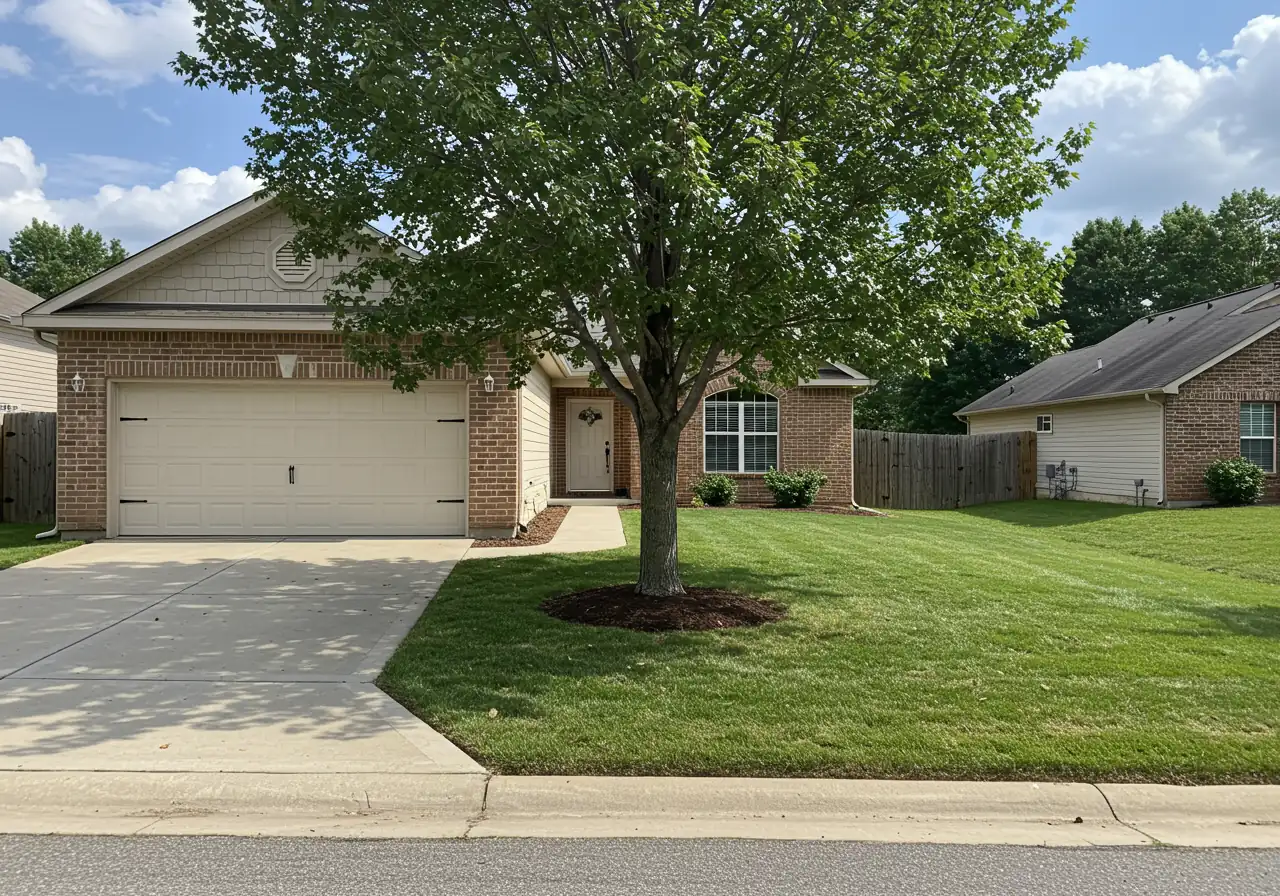
Alright, so root barriers are fantastic defenders for your Kars or Kenmore property, like having a well-placed goalie guarding your foundation and patio. But even the best goalie needs a good team playing defence in front of them! Relying *only* on barriers isn't always the whole picture. Let's chat about some smart, complementary landscaping strategies that work *with* barriers (or sometimes even reduce the need for them) to keep those roots playing nicely underground. Think of it as creating a whole root management game plan.
- Plant Smarter, Not Harder: Choose plants with less aggressive or deeper root systems. Research native species suitable for the Ottawa region. Making smart garden installation choices initially prevents future issues. Local resources like the Master Gardeners of Ottawa-Carleton can offer plant advice.
- Give 'Em Room to Breathe (and Grow): Plant trees/shrubs far enough from structures, considering their mature size and root spread. Adequate spacing allows natural root expansion away from conflict zones.
- Water Wisely, Not Weakly: Encourage deeper root growth with deep, infrequent watering instead of shallow, frequent sprinkles. Let soil dry slightly between waterings.
- Mulch: The Unsung Root Guide: A consistent layer of organic mulch regulates soil temperature and moisture, discouraging roots from seeking the hot, dry surface near pavement. Explore material selection options for the best mulch type.
- Careful Cuts: Strategic Root Pruning: Minor, careful pruning of specific problem roots (during transplanting or adjustments) can sometimes help redirect growth. Avoid aggressive pruning of major roots; consult professionals for significant interventions during regular garden maintenance.
Combining these strategies creates an integrated approach. It’s about working *with* nature. This proactive landscaping reduces long-term stress and minimizes potential damage, avoiding the need for extensive cleanups handled by services like an Ottawa property cleanup service or city property cleanup service. It’s about smart, preventative care – learn more about our approach. Layering these techniques promotes peaceful coexistence, above and below ground!
Seasonal Smarts: Root Barrier Care Through Ottawa's Year
Alright neighbours, let's talk timing! Installing a root barrier is a great first step, but like any part of your landscape in the Ottawa region – whether you're in Winchester, Russell, or right downtown – it needs a little seasonal attention to keep doing its job effectively. Our wild weather swings mean we can't just install and forget! Here’s a quick guide to keeping your root defence strong all year round.
- Spring (Thaw & Assess Time): Ideal for installing new barriers in workable soil. Inspect existing barriers after winter thaw for frost heave damage. Ensure the top edge is still slightly above ground level. Integrate this check into your spring city garden maintenance service.
- Summer (Hydration & Observation): Water deeply but infrequently. Check soil near the barrier during extreme heat/drought to prevent shrinkage gaps. Ensure plants aren't stressed due to altered water flow, tying into your lawn care routine.
- Fall (Prep & Another Install Window): Another good time for installation before the ground freezes. Double-check barrier height before freeze-up to mitigate frost heave issues. Add this to your fall cleanup, whether using a Metcalfe property cleanup service or a general city yard cleanup service.
- Winter (The Waiting Game & Heave Watch): Monitor for signs of frost heave during thaws. Significant shifting might push barriers up. Note any issues to address in spring, potentially during a post-winter city property cleanup.
Think of these seasonal check-ins as quick tune-ups for your underground fence, ensuring it protects your pathways, patios, and foundations year after year!
Expert Insights: Key Takeaways for Root Barrier Success
Golden Rules for Root Barrier Success:
- Prevention is Priceless: Install barriers *before* planting problem trees near hardscaping. It's easier and cheaper than repairs.
- Know Your Enemy (and Your Shield): Match barrier type (solid HDPE vs. permeable) and depth to the specific plant and the structure you're protecting.
- Precision Matters: Correct depth, top edge above ground, and secure joints are crucial for effectiveness. Call Ontario One Call before digging!
- Barriers Don't Work in Isolation: Combine with smart planting, spacing, deep watering, and good mulching and edging practices.
- A Little Check-Up Goes a Long Way: Inspect barriers spring and fall for frost heave or damage, especially given Ottawa's climate. This can be part of an Ottawa garden clean up service.
- Don't Hesitate to Ask for Help: For large roots, deep digging, tricky soil, or peace of mind, professional installation is a smart investment. Check our reviews on Google!
Ultimately, root barriers are a fantastic tool. By planning carefully, installing correctly, and integrating them with smart habits, you protect your property. Need help? Our Privacy Policy outlines how we handle your information.
Frequently Asked Questions: Root Barriers in the Ottawa Region
Not necessarily! It really depends on the type of tree, how close it is, and what you're protecting. Some trees have very polite, deep roots. Others, especially in our heavy Ottawa clay soil which encourages shallow rooting, are notorious wanderers. If you're planting known adventurers like Norway Maples or Poplars close to concrete or foundations, a barrier is a really smart investment. For less aggressive species planted further away, you might be fine without one. Best bet? Research the tree's habits first!
Depth is super important, especially in our local clay! For protecting structures from tree roots, you're typically looking at 18 to 30 inches deep. Ottawa clay can be tough digging, but don't skimp – shallow barriers won't stop determined roots. Roots might just dive under a barrier that isn't deep enough. Always check the manufacturer's recommendation for your specific barrier type, and consider going a bit deeper for really aggressive tree species or if planting very close to a structure.
It *can*, if not done carefully. Digging the trench will inevitably prune some roots. Cutting too many large roots, especially close to the trunk, can stress or even destabilize a mature tree. Use clean, sharp tools for any necessary cuts and avoid hacking. If you need to dig very close to a large, established tree or cut roots thicker than your wrist, it's wise to consult a professional arborist first. Careful installation ensures minimal stress, much like the attention to detail needed for a thorough Metcalfe garden clean up service.
Around Ottawa, some usual suspects are notorious for surface roots that challenge sidewalks and patios. Norway Maples are a big one, as are Poplars (including Aspens), Willows, and Silver Maples. Their roots tend to spread wide and shallow, especially in clay. Honey Locusts can sometimes be culprits too. While beautiful, planting these near hardscaping often calls for a root barrier strategy. Managing problematic plants is key to overall yard health, sometimes requiring a comprehensive property clean up approach. Always research a tree's root system *before* planting! Check resources from the City of Ottawa Urban Forestry Services for local tree information.
Ah, the classic neighbourly root dispute! First step: friendly chat. See if you can work out a solution together. Legally, in Ontario, you generally have the right to trim roots (and branches) that cross onto your property *at the property line*. However, be cautious – aggressively cutting major roots could potentially harm or destabilize their tree, leading to other issues. Installing a root barrier along the property line *on your side* is often the best long-term solution. Before undertaking significant work or if discussions stall, it's good practice to understand general responsibilities, similar to reviewing terms and conditions before starting a project. You might also need help cleaning up debris from invasive roots, a task that could be part of a specific service like a Marionville garden clean up service if you were in that neighbourhood. Checking with the City of Ottawa for any specific tree bylaws is also a good idea.
Conclusion: Secure Your Landscape & Peace of Mind in Metcalfe
Alright Metcalfe neighbours, we've dug deep into the world of root barriers! Hopefully, you see how these simple underground shields can be genuine landscape lifesavers, protecting your precious patios, driveways, and even foundations from those overly enthusiastic roots. It's like telling your tree roots, "This far, and no further, please!" – saving you major headaches and costly repairs down the road, a familiar story from Greely right across the Ottawa region. Root barriers are a smart *gardening* investment, guiding growth safely and ensuring long-term harmony between your *plants* and *property*. They are key to maintaining both the beauty and the integrity of your outdoor space.
Ready to secure your landscape and enjoy that peace of mind?
- Got questions about your specific situation or wondering which barrier is best for your *landscaping* needs? Give us a call or send a message for friendly advice and a consultation!
- Prefer to skip the sweat and ensure a perfect setup? Let our experienced team handle the professional *installation* – we know *Ottawa* soil and how to handle tricky *root* situations! We offer free estimates - see what others thought via our estimate feedback or check our general thank you page concept.
Reach out today via our Contact Page to discuss your needs. We're passionate about helping Metcalfe residents achieve beautiful, secure yards and lasting peace of mind. Happy gardening!