Metcalfe Invasive Vine Control: Protect Trees & Structures
Quick Summary: Invasive Vine Control in Metcalfe
- Identify:** Learn to spot common Ottawa invaders like Dog-Strangling Vine (paired oval leaves, tiny purple flowers) and Wild Cucumber (lobed fuzzy leaves, spiky green fruit).
- Remove:** Cut vines low to the ground first. Gently remove upper growth. Dig out roots (especially for DSV).
- Dispose:** Bag all vine material (roots/seeds included) in black plastic bags and put in regular garbage (NOT Green Bin/compost).
- Prevent:** Patrol regularly, create mulch buffer zones, choose non-invasive plants.
- Get Help:** For large infestations or difficult areas, call professionals. Request a free quote today!
Hey Metcalfe! Ever feel like your beautiful garden is staging a slow-motion, leafy takeover? We're talking about those relentless vines – the ones that seem to appear overnight and decide your favourite maple tree or sturdy fence looks like a perfect climbing frame. It’s not just a Metcalfe thing; your neighbours over in Osgoode might be nodding along right now. These aren't just enthusiastic green additions to your landscape; they're the uninvited party guests of the gardening world, potentially causing real damage.
They can choke out valuable trees, weaken structures like fences and pergolas, and even sneak under siding if you're not careful. Left unchecked, these "creepy crawlers" can turn a landscaping dream into a bit of a maintenance nightmare, impacting the health and appearance of your property. But don't worry! This article is your friendly guide. We'll help you identify the common culprits strangling our local greenery and provide practical, actionable solutions to safely remove them and keep them from coming back. Let's protect our properties and keep Metcalfe beautiful!
The Vine Invasion: Why Metcalfe and Ottawa Are Prime Targets
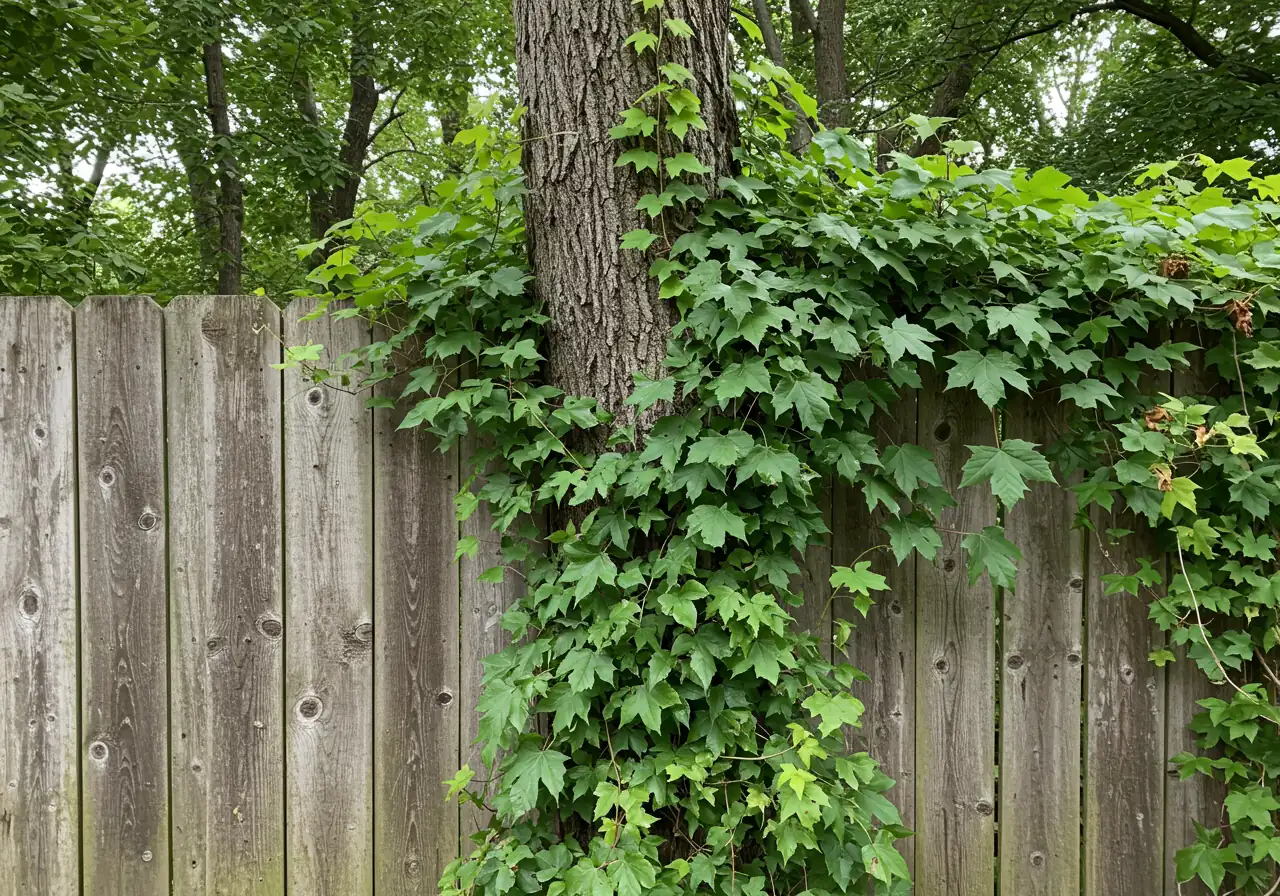
Ever wonder why it feels like Metcalfe, and indeed much of the wider Ottawa region, is rolling out the green carpet for aggressive vines? It’s not your imagination! Our local conditions, unfortunately, create a bit of a VIP lounge for certain invasive vines. These aren't just any gardening climbers; invasive vines are the bullies of the plant world – non-native plants that spread rapidly and outcompete our local species, causing significant damage. For reliable information on invasive species in our region, check resources from the Ontario Invasive Plant Council or the City of Ottawa's invasive species page.
So, what makes our area such a hotspot?
- Climate Compatibility: Our summers are warm enough, and winters cold enough (but often with snow cover insulating the roots) for these tough invaders to survive and thrive. While we're thinking about protecting delicate plants from fall frost, these hardy vines are often settling in for the long haul.
- Soil Types: From sandy loam to heavier clay, these vines aren't too fussy. Some soils, like the clay common in parts of Metcalfe which can sometimes lead to patio sinkage and cracking issues, can hold moisture that helps certain vines establish.
- Mix of Sun & Shade: Our mix of open fields, treelines, and residential landscapes provides the varied conditions these vines love.
- Room to Roam: Less densely built-up areas, like parts of Metcalfe, Kars, Vernon, and Manotick, offer more undisturbed edges, fencerows, and natural spaces where vines can get a foothold before marching into our yards.
The two main leafy villains staging these takeovers locally are Dog-Strangling Vine (DSV) and Wild Cucumber. DSV, despite its name, is actually in the milkweed family. It forms dense mats, strangling small trees and native plants, and is notoriously difficult to eradicate due to its deep root system. Wild Cucumber is an annual vine, but don't let that fool you – it grows incredibly fast, blanketing everything in its path (shrubs, fences, hydro poles!) with its prickly seed pods ensuring a return next year.
The damage isn't just cosmetic. These vines can:
- Smother and kill valuable trees and shrubs by blocking sunlight.
- Add significant weight to tree branches, making them prone to breaking in wind or snow.
- Damage fences, siding, and even roofs by creeping into crevices and holding moisture against surfaces.
- Reduce biodiversity by crowding out native wildflowers and plants that local wildlife depends on, impacting ecosystems managed by groups like the Rideau Valley Conservation Authority.
Dealing with a serious vine problem often requires more than casual weeding. Thorough removal is key, which can be a big job. Applying a thick layer of mulch can sometimes help suppress new seedlings, making it a useful part of your gardening strategy – something to consider when thinking about the benefits of expert mulch installation. For established infestations, especially covering large areas or structures, professional help might be the most effective solution. Tackling these invaders is a crucial part of maintaining your property's health and appearance, much like regular upkeep. Getting vines under control is often a key part of preparing for the seasons, similar to how fall cleanup services get your Metcalfe yard ready for winter. If you're feeling overwhelmed by the green tide, exploring professional landscaping and cleanup services can provide the solutions you need. Specifically, a targeted garden clean up service can focus on removing these troublesome vines from tricky spots.
Know Your Enemy: Identifying Invasive Vines Lurking in Your Yard
Dog-Strangling Vine (DSV)
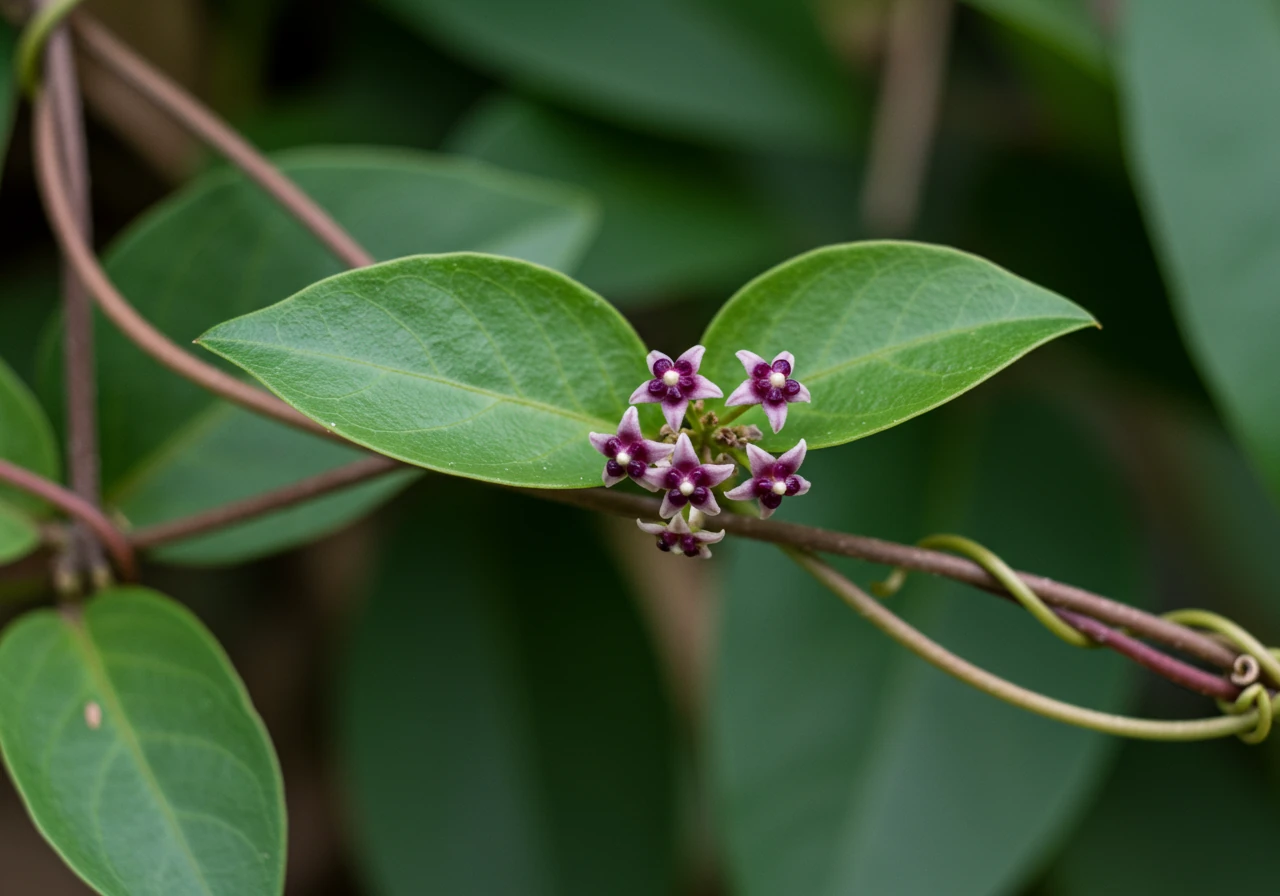
Despite the dramatic name (don't worry, it's not *actually* after Fido!), this vine is bad news for your plants.
- Look for: Pairs of oval or heart-shaped leaves directly opposite each other on the stem. They're usually dark green, smooth-edged, and kind of shiny.
- Flowers: Tiny (less than 1 cm), dark purple or pinkish, star-shaped flowers in small clusters. They're easy to miss!
- Seeds: Produces slender, bean-like pods (think milkweed pods, as they're related) that split open to release fluffy seeds that travel on the wind.
- Habit: Twines tightly around plants and structures, forming dense mats that smother other vegetation. It loves sun but tolerates shade. You'll often see it trying to conquer fences and small trees along property lines in neighbourhoods like Richmond.
Wild Cucumber
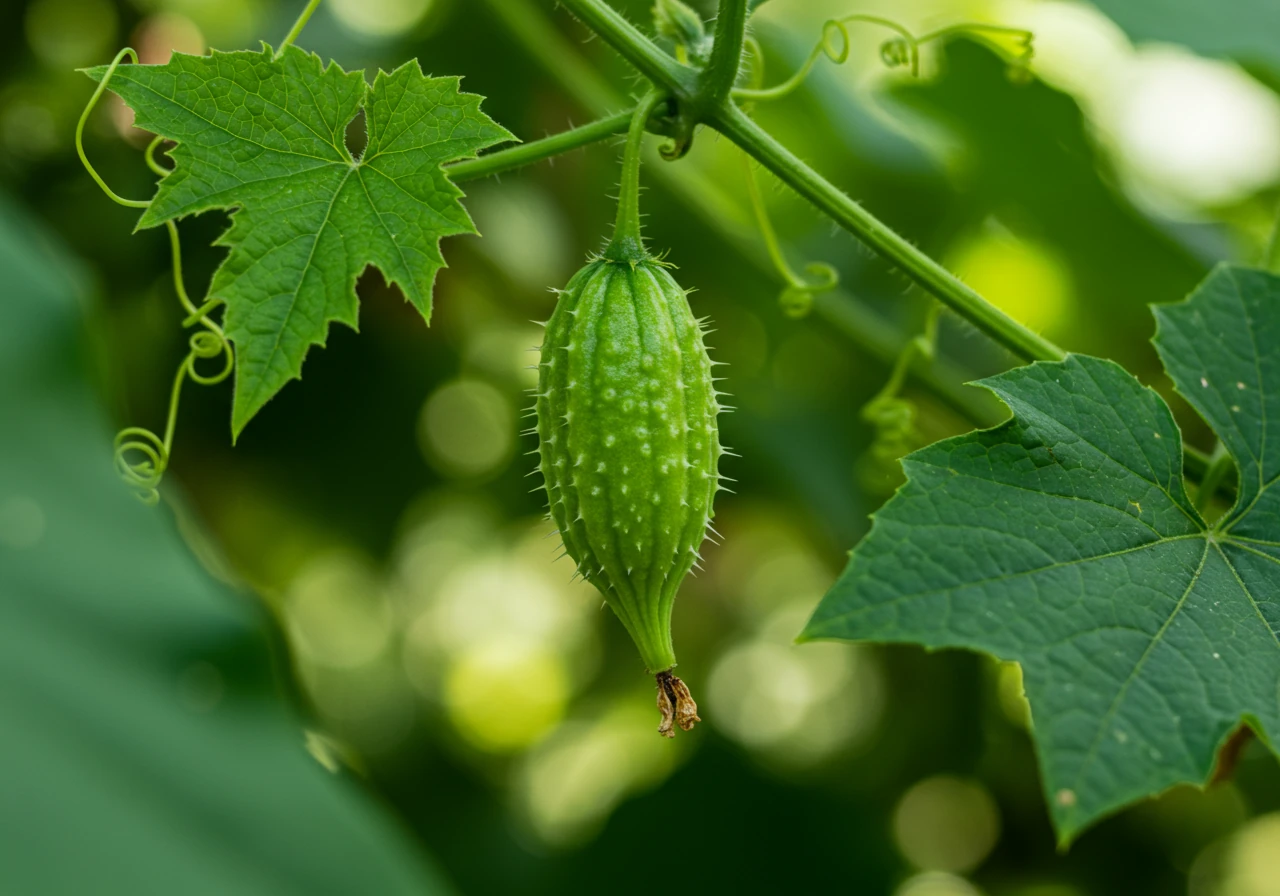
This one is the speed demon of the vine world.
- Look for: Large leaves that look a bit like maple leaves (5-7 pointy lobes), but they feel fuzzy or rough. Leaves grow alternately along the stem (not in pairs).
- Flowers: Small, greenish-white, star-shaped flowers appearing in clusters later in the summer.
- Seeds: The giveaway! Produces unique, spiky, green, fleshy pods (about 2 inches long) that look like mini medieval weapons. They dry out and often burst open dramatically to spread seeds. Definitely *not* the cucumber you want in your salad!
- Habit: Uses coiling tendrils to climb *everything* – shrubs, fences, hydro poles, even your garden shed. It grows incredibly fast in a single season, creating dense blankets of leaves.
Friend or Foe? Avoiding Mix-Ups
Sometimes, harmless native plants get mistaken for these invaders. Here’s a quick cheat sheet:
- DSV vs. Native Milkweed: Native milkweeds (like Swamp Milkweed) also have pods, but their flowers are usually much showier (bright pink/purple clusters) and their leaves often thicker. DSV flowers are tiny and dark.
- Wild Cucumber vs. Wild Grape or Virginia Creeper: Wild Grape leaves are also lobed but generally larger, less fuzzy, and the plant uses forked tendrils. Virginia Creeper is easily identified by its compound leaves made up of *five* separate leaflets (like fingers on a hand) and uses little adhesive pads on its tendrils. Wild Cucumber's spiky fruit is unique.
Identifying these invaders correctly is crucial before you start any removal efforts. If DSV has really dug in deep, you might need more than just pulling. Dealing with a widespread infestation covering structures or tangled in valuable shrubs can be tough work. If you're feeling overwhelmed or just want it handled correctly, considering a professional specific Ottawa garden clean up service can save you time and effort. A thorough cleanup can be part of a larger effort to improve your yard's health, complementing services like regular lawn care. Sometimes, these vines hide in messy corners, so a comprehensive Ottawa yard cleanup service can help expose them. If you're anywhere in the wider city region, a professional city garden clean up service is equipped to tackle these leafy pests. Before engaging services, you can always review our service terms and conditions and see how we handle your information in our privacy policy. Knowing your enemy is half the battle!
Taking Back Control: DIY Vine Removal & When to Call for Backup
Okay, deep breath! You've identified those leafy ninjas taking over your yard, maybe even spotted them setting up camp over by your neighbour's place in Russell. Now it's time to roll up your sleeves and reclaim your landscape. Tackling invasive vines yourself can be satisfying work, but it pays to do it right – and safely!
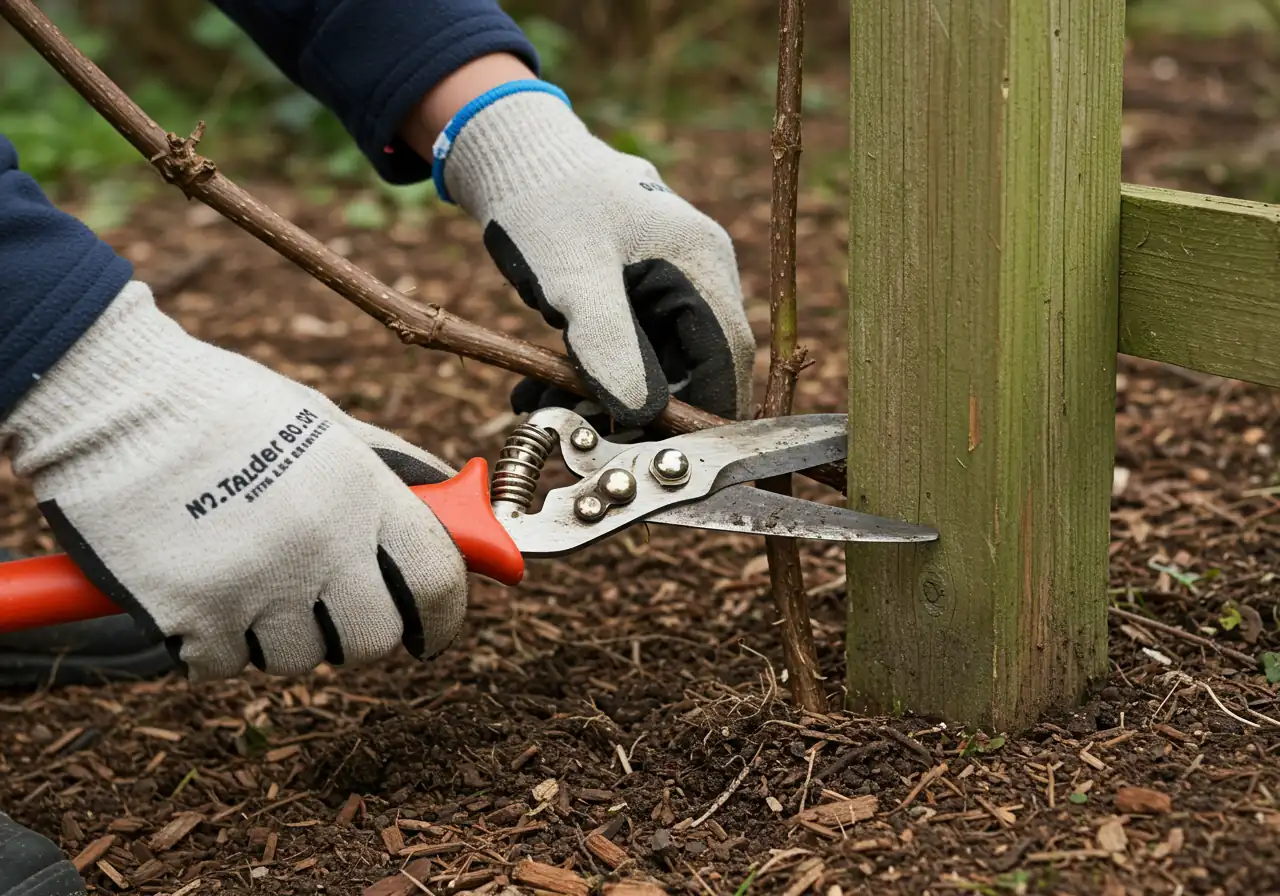
Gearing Up for the Green Battle:
Safety First!
- Cover Up: Wear sturdy gloves, long sleeves, and long pants (protects from irritants, thorns, ticks).
- Eye Spy: Safety glasses are essential against whipping vines and debris.
- Look Around: Check for poison ivy, unstable structures, power lines (call pros if near lines!), and insect nests before starting.
Your DIY Vine Removal Action Plan:
Ready? Let's get those climbers under control.
- Know Thy Enemy (Briefly): As we discussed, knowing if you have DSV or Wild Cucumber helps plan your attack, especially for root removal.
- Tool Time: Grab your essentials:
- Strong pruning shears (secateurs) for smaller stems.
- Loppers or even a small hand saw for thicker, woodier vines.
- A trowel or small shovel for digging roots.
- Heavy-duty yard waste bags or a wheelbarrow for disposal.
- Cut Low: The key first step is to sever the vine's connection to its roots. Cut the main stem(s) as close to the ground as possible. This stops water and nutrients flowing upwards, effectively killing off the growth climbing your trees or fence. For thick stems, you might need those loppers or a saw.
- Clear the Heights (Carefully!): Once the top growth starts to wither (this might take days or weeks), it's often easier to remove. Gently pull the dead vines away from structures or plants. Don't yank hard! You could cause damage to tree bark, pull down fence boards, or rip shingles. If it doesn't come easily, cut it into smaller sections. Sometimes leaving the high-up bits to decay naturally is the safest bet if they aren't causing immediate structural damage.
- Dig Deep: This is the MOST important step for perennial villains like DSV. Use your trowel or shovel to dig around the base where you made the initial cut. Follow the stem down and remove as much of the root system as you can. DSV roots can be deep and stubborn, so be prepared for some digging. You might not get it all the first time – persistence is key!
Disposal Done Right (The Ottawa Way): Crucial Step!
Do NOT put invasive vines or their seeds in your Green Bin or backyard composter. They can survive and spread!
- Bag It: Place all removed vine material (stems, leaves, roots, and especially seed pods) into heavy-duty black plastic garbage bags.
- Seal It: Tie the bags securely. Leaving them in the sun for a few days can help 'cook' the contents.
- Trash It: Put the sealed bags out with your regular household garbage. This follows City of Ottawa guidelines and prevents further spread.
Eco-Friendly Follow-Up:
Once the main offenders are gone, discourage their return:
- Patrol Duty: Regularly walk your property line and garden beds, pulling any new sprouts immediately.
- Mulch Power: Apply a thick layer (3-4 inches) of wood chip mulch over the cleared area. This blocks sunlight and helps suppress new seedlings. Check out our material selection guide for mulch options.
- Plant Power: Fill the cleared space with desirable native plants or groundcovers. Healthy competition can keep invaders out. Perhaps after clearing a large area, you might even consider professional sod installation to quickly establish a healthy lawn.
When to Wave the White Flag (and Call for Backup):
Sometimes, the vine invasion is just too much for a DIY approach. It's smarter (and safer!) to call in the professionals if:
- Height Fright: The vines are climbing high up mature trees, reaching second-story windows, roofs, or dangerously close to power lines. Don't risk a fall!
- The Sheer Volume: The infestation covers a huge area, is incredibly dense, or feels completely overwhelming. A job that might take you multiple weekends could be handled efficiently by a crew.
- Structural Entanglement: Vines are woven deeply into intricate fences, lattices, under siding, or around delicate architectural features where removal could cause significant damage.
- Physical Limits: You have back problems, mobility issues, or simply lack the time and energy for such strenuous gardening labour.
- Stubborn Regrowth: You've tried removing them, especially DSV, but the roots are too established, and they keep coming back with a vengeance.
Professional services have the right equipment, experience, and knowledge to tackle these tough situations safely and effectively. Whether you need a comprehensive Metcalfe property cleanup service or a more focused Marionville garden clean up service, help is available. You can often see examples of how professionals handle tough jobs and see stunning landscape transformations on their websites. For ongoing issues, a regular city garden maintenance service might include monitoring for vine regrowth. When hiring any service, it's wise to understand how they operate, so be sure to check their privacy policy regarding your information. Find us on Google: Clean Yards Google Business Profile.
Keeping Them Out: Prevention and Long-Term Vine Management
Okay, you’ve wrestled those pesky vines into submission (or called in the cavalry!). High five! But like that one relative who *always* overstays their welcome, invasive vines love to make a comeback. The good news? Keeping them out long-term is way less back-breaking than the initial eviction party. This section is all about prevention and smart long-term vine management – your secret weapons for a peaceful landscape!
Play Detective Regularly: The Power of Patrol
Think of yourself as a Garden Guardian on patrol. Make it a habit, especially during the Ottawa growing season (roughly April to October), to take a quick stroll around your property. Pay close attention to:
- Fence lines (both sides, if possible!)
- The base of trees and large shrubs
- Around sheds, garages, and foundation walls
- Those often-overlooked back corners or edges bordering wilder areas like you might find near a Marionville property.
Spotting a tiny Dog-Strangling Vine sprout or a young Wild Cucumber tendril and pulling it immediately (roots and all!) is *much* easier than tackling a full-blown invasion later. Seriously, spending five minutes on patrol every week or two can save you hours of sweaty removal work (and maybe a few frustrated tears) down the road. Early detection is your best friend!
Create Buffer Zones: The No-Vine Land
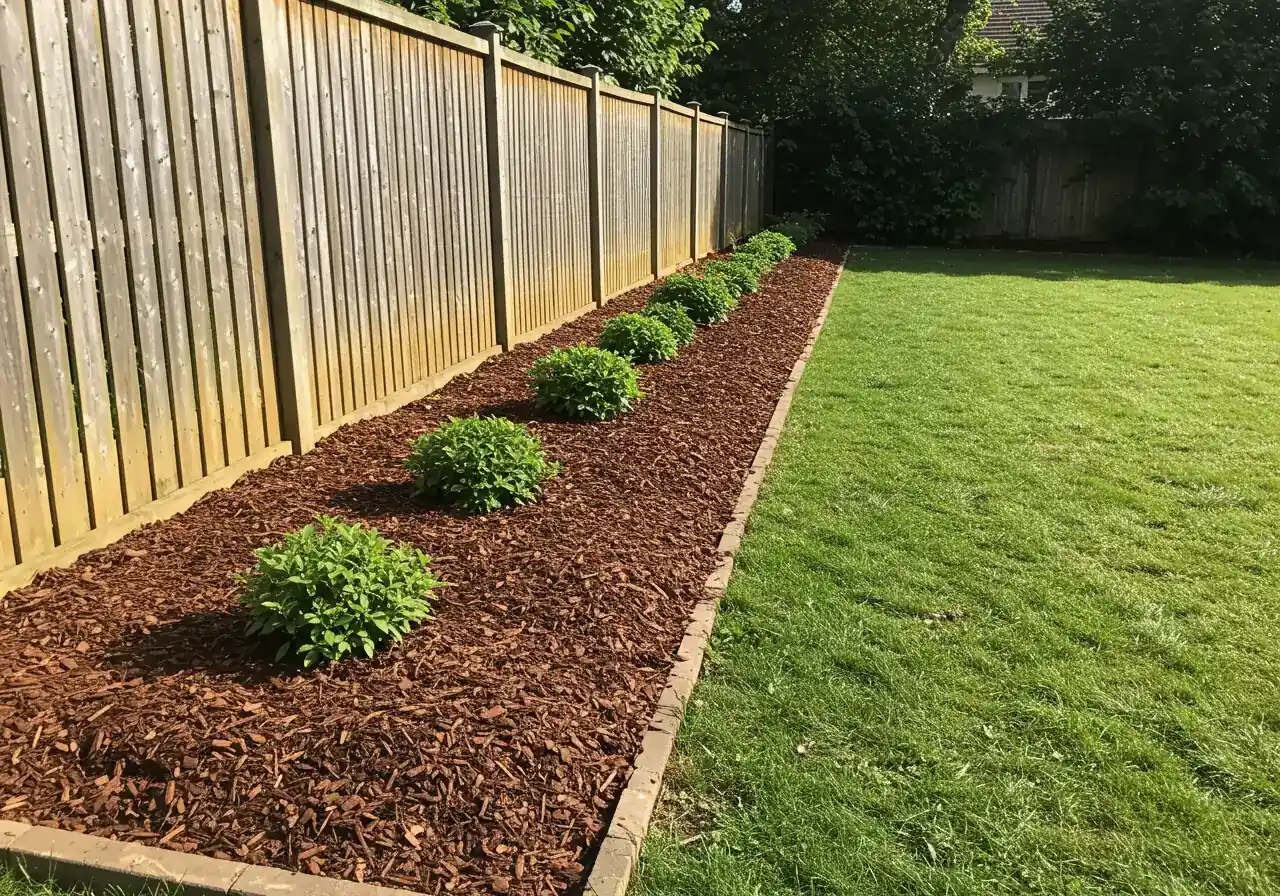
Give those creeping invaders nowhere easy to sneak in! Creating a "buffer zone" between your cherished garden beds or lawn and potential vine hotspots (like a neighbouring woodlot, an unkempt alley, or even just the fence line) works wonders. This doesn't have to be complicated:
- A wide strip of regularly mown lawn acts as a great barrier.
- A path of wood mulch (at least a foot or two wide) makes it hard for vines to cross unnoticed.
- A gravel strip can also be effective.
The point is to create a clear, easily monitored 'no-vine-zone' where invaders are quickly spotted and stopped before they reach your prized plants or structures. This is especially smart if your property borders fields or natural areas, which you might find around neighbourhoods like Kenmore. Sometimes, after a major vine clearing, establishing a dense, healthy lawn with services like professional sod installation can be part of this strategy, making the area less hospitable to weeds and vines.
Plant Smart: Choose Allies, Not Enemies
This is HUGE for long-term prevention. When adding plants to your landscape, especially climbers, *choose non-invasive species*. It sounds obvious, but sometimes aggressive vines are mistakenly sold or shared. Avoid known offenders like DSV or Goutweed (another Ottawa troublemaker) like the plague!
Instead, opt for beautiful, well-behaved climbing plants. Native options like Virgin's Bower (a type of Clematis) can be lovely. Even Virginia Creeper, while vigorous, is native and generally less damaging than DSV if kept in check. If you're unsure, ask knowledgeable staff at a local nursery. And if you're planning a new flower bed or replacing plants after a vine removal, getting professional help with a thoughtful garden install ensures you start with beautiful, non-invasive choices suited for our Ottawa climate.
Your Ottawa Vine Management Calendar:
Spring (April-May)
Vigilance is key! Patrol for new seedlings (esp. DSV). Pull while small & soil is moist. Check cleared areas for regrowth.
Summer (June-August)
Peak growth season. Continue patrols. Cut back Wild Cucumber *before* it seeds. Tackle any missed spots or regrowth.
Fall (September-October)
Attack the roots! Best time to dig out perennial roots (DSV). Ensure Wild Cucumber is gone before pods burst. Prime time for major cleanups like a fall city yard cleanup service.
Winter (November-March)
Plan and observe. Growth stops. Spot woody stems. Note problem areas for spring. Dream of a vine-free summer!
Neighbourhood Watch: Vine Edition
Remember, invasive vines don't respect property lines. An infestation next door can easily become your problem. If you notice invasive vines creeping over from a neighbour's yard in Embrun or your specific Ottawa neighbourhood, consider having a friendly, constructive chat. Sharing information about identification and the damage these plants cause can encourage community-wide action. Sometimes tackling a shared problem together is the most effective solution. It reflects a commitment to community and property care, something you can learn more about our approach embodies as well.
Staying vigilant and employing these preventative strategies is the most effective way to manage invasive vines long-term. It takes consistency, but it protects your property value and the health of your beloved garden and trees. If the task ever feels overwhelming, remember that professional help is available, offering reliable solutions. Checking what past customers say through estimate feedback can give you confidence when choosing a service provider. Keep up the good work, Garden Guardian!
Visualizing the Problem: Where Vines Love to Grow
Invasive vines aren't picky, but they often favor certain spots. Here's a look at common areas where infestations take hold:
*Illustrative percentages based on common observations.
Quick Comparison: DSV vs. Wild Cucumber
| Feature | Dog-Strangling Vine (DSV) | Wild Cucumber |
|---|---|---|
| Leaves | Opposite, oval/heart-shaped, smooth, shiny | Alternate, large, lobed (maple-like), fuzzy/rough |
| Flowers | Tiny, dark purple/pink, star-shaped | Small, greenish-white, star-shaped clusters |
| Fruit/Seeds | Slender milkweed-like pods, fluffy seeds | Spiky, green, fleshy pods (unique) |
| Growth Habit | Twines tightly, forms dense mats, perennial (roots persist) | Climbs rapidly with tendrils, dense blankets, annual (dies yearly, regrows from seed) |
| Removal Focus | Cutting low + THOROUGH root removal | Cutting/Pulling before seeds form, remove all pods |
Metcalfe Vine Control: Quick Tips!
Dealing with those grabby vines doesn't have to feel like a wrestling match! Here are some quick answers to common vine woes you might encounter right here in Metcalfe and surrounding Ottawa areas.
Take a breath! First, grab some sturdy gloves and snip the main vine stems as close to the ground as possible. Think of it like cutting off their supply line – dramatic, right? This immediately stops them from climbing higher and choking your beloved Metcalfe maple tree or fence any further. Don't yank the top growth down right away if it's really tangled; let it wither for a bit to avoid damaging your property. This initial cut is your crucial first punch in regaining control. For keeping things tidy and preventing future problems, regular upkeep helps; consider professional garden maintenance services for ongoing support.
We get it, digging is nobody's favourite gardening chore! But for tough perennial vines like Dog-Strangling Vine, skipping the root removal is like hitting the snooze button on an alarm – the problem *will* come back, probably louder! You really need to dig out as much of the root system as you can after cutting the tops. It's a bit gritty, but think of it as essential prep work, much like good soil preparation before planting anything new – skipping this step almost always leads to headaches later on.
Ah, the relentless return! Your best quick tricks are vigilance and mulch. After you've cleared the vines and bravely tackled the roots, make patrolling the area part of your routine, especially in spring. Pull any new little sprouts immediately – it’s way easier! Then, apply a thick layer (think 3-4 inches) of wood chip mulch over the cleared soil. This acts like a superhero cape, blocking sunlight and smothering many emerging seedlings. Bonus: proper mulching and edging techniques make your garden beds look fantastic and seriously help suppress weeds and unwanted vines.
Absolutely! Sometimes the vine invasion is just too epic for one person, especially when they're densely tangled in fences or climbing high on shrubs. If you're feeling swamped, or maybe dealing with a monster patch in the Metcalfe or Osgoode area, calling in the pros is definitely the easier way. They’ve got the right gear, the experience, and can tackle it safely and efficiently. Booking a dedicated Metcalfe yard cleanup service can specifically target these challenging vine removals, saving your back and your weekend!
The dreaded cross-border creep! First, diplomacy: try a friendly chat with your neighbour. They genuinely might not realize their vine has wanderlust. If that doesn’t work, or the issue is coming from an unmanaged area, focus your efforts on your side of the property line. Keep cutting back anything that crosses over, diligently dig out any roots trying to establish in your yard, and consider that buffer zone trick (like a wide mulch path). For really large-scale issues originating nearby, sometimes specialized teams are needed; certain companies even offer a targeted Marionville yard cleanup service equipped for major clear-outs.
Your Invasive Vine Questions Answered (Ottawa Edition)
Got questions about those grabby green invaders taking over your slice of Ottawa? You're not alone! Here are answers to some common head-scratchers we hear from folks around town.
Great question! That five-leaf wonder you're seeing is most likely Virginia Creeper, which is actually native to our area. Dog-Strangling Vine (DSV), our main invasive culprit, has pairs of smooth, oval or heart-shaped leaves directly opposite each other on the stem. While Virginia Creeper isn't technically *invasive*, it can definitely be an enthusiastic spreader in a garden setting and might need managing! It uses little sticky pads on its tendrils to climb, unlike DSV which twines itself around supports.
It does feel a bit counterintuitive, doesn't it? But yes, that's the official guidance from the City of Ottawa for invasive plant material! Putting invasive vines like Wild Cucumber or DSV (especially roots or seed pods) into your Green Bin or backyard compost could actually help them spread. So, bag those invaders securely in black plastic garbage bags and put them out with your regular household trash for proper disposal. You're doing the right thing to protect our local environment!
Your neighbour isn't just spinning yarns! While tiny vines won't crack solid concrete, aggressive climbers *can* definitely cause issues over time. They can wiggle into tiny existing cracks, and as the stems thicken, they can gradually widen them. Perhaps more commonly, dense vine growth traps moisture against the foundation walls. In our Ottawa climate, this trapped moisture combined with freeze-thaw cycles can lead to gradual deterioration. Keeping vigorous vines well away from your foundation is just smart preventative landscaping. A city property cleanup service can help clear vegetation away from structures.
Absolutely! We hear you on avoiding chemicals. For those really persistent patches, especially after you've cut the stems near the ground and dug out as many roots as possible, try the smothering technique. Lay down overlapping layers of plain cardboard (remove any plastic tape first!) directly over the problem area. Then, pile on a really thick layer of wood chip mulch – we're talking at least 6 inches deep, maybe more. This blocks sunlight and creates a physical barrier. It requires patience (it might take a full growing season or longer), but it's very effective and earth-friendly! If the infestation is just too widespread for this method, consider professional help focused on thorough removal, like a dedicated Metcalfe Garden Clean Up Service for efficient results.
Take a deep breath – you don't have to face the jungle alone! Getting professional help is often the smartest move for overwhelming situations. The easiest way to start is usually by requesting an estimate. Many landscaping companies allow you to do this easily through their website. For instance, you can check out a straightforward contact us form to see how simple it is – just provide your details and briefly explain the vine issue. A good company will then assess the scope of work needed for a complete property clean up and give you a clear plan.
Good news – often, yes! A comprehensive Ottawa property cleanup service typically includes clearing out unwanted vegetation, which definitely includes invasive vines hiding in garden beds or along fence lines. The key is to clearly mention the specific vine problem when you book the service. This ensures the crew comes prepared with the right tools and allocates sufficient time for proper removal. Getting that big cleanup done, vines and all, brings such a satisfying feeling of relief – almost like finally landing on the thank you page after a successful online checkout!
Conclusion: Reclaim Your Metcalfe Property from Invasive Vines
Whew! We've tangled with the topic of those pesky invasive vines, and hopefully, you're feeling empowered to fight back for your beautiful Metcalfe property. Letting these leafy bullies run wild isn't just an eyesore; it can cause real damage to your cherished trees, fences, and overall landscape. Remember, your neighbours in Greely and Osgoode might be facing the same leafy invasion!
Taking control boils down to a few key steps: correctly identifying the culprits (like Dog-Strangling Vine or Wild Cucumber), cutting them low to stop their climb, digging deep to tackle the roots (especially for DSV!), disposing of the debris properly (in the garbage, not the green bin!), and staying vigilant with regular patrols and preventative measures like mulching. Consistent gardening diligence is your best defence against their return.
Feeling a bit green around the gills just thinking about it? Or maybe the vine situation looks more like a jungle scene from a movie? Don't sweat it!
- Need advice or not sure where to start? Let's chat! Contact us today for a friendly, no-obligation consultation to assess your vine situation. Visit our Contact Page.
- Ready to skip the struggle and get straight to a clear yard? Our professional team offers expert invasive vine removal services right here in Metcalfe, as well as Greely, Osgoode, and across the wider Ottawa region. We have the tools and know-how to provide effective solutions. Book your service today via our Services Page or Contact Us!
Let's work together to keep Metcalfe beautiful and vine-free!