Kenmore: When to Renovate vs. Replace Old Shrubs
Need help deciding the fate of your shrubs or planning a landscape refresh in Kenmore?
Request a Quote Today!- Assess shrub health by checking for green wood (scratch test) and signs of life (buds).
- Consider renovation pruning (hard reset or gradual renewal) if less than 1/3 is dead and the structure is sound.
- Replacement is likely needed if over 50% is dead, disease/pests are rampant, or it's the wrong plant for the location.
- Proper removal involves digging out the root ball; improve soil before replanting.
- Choose new shrubs suitable for Ottawa's climate (Zone 5a/b or colder), matching sunlight and mature size to the spot.
Introduction: Those Aging Shrubs in Kenmore – Keep 'Em or Kick 'Em to the Curb?
Hey there, Kenmore neighbours! Ever look out your window, maybe sipping your morning coffee, and get that nagging feeling your landscaping shrubs have seen better decades? You know the ones – maybe they’re a bit overgrown, looking scraggly, or just plain tired after years of faithful service. It’s a familiar sight in yards all over, from here in Kenmore right through to Greely and Russell. So, the big question pops up: is it time for some serious pruning magic, or should these veteran plants be thanked for their service and, well, kicked to the curb?
Deciding whether to keep 'em or replace 'em isn't always simple. That's exactly what this article is here to help you figure out! We'll walk you through how to evaluate your aging shrubs, explore your gardening options – from hopeful rejuvenation techniques to strategic removal and exciting new planting possibilities – and ultimately, help you make the best choice for boosting your home's curb appeal. We'll also touch on how our unique Ottawa climate, with its frosty winters and sometimes humid summers, plays a big role in your shrubs' long-term health and influences your decision. Let's dive in and sort out those shrubs together!
Playing Plant Detective: How to Assess Your Old Shrubs Like a Pro
Alright, time to put on your gardening gloves and maybe a metaphorical detective hat! Figuring out if your old shrubs are venerable veterans or just plain worn out requires a bit of sleuthing. Don't worry, you don't need a magnifying glass (usually!), just your eyes and a willingness to get slightly up close and personal with your landscape. Especially here in the Ottawa area, where our plants endure everything from icy winters to sometimes muggy summers, knowing what to look for is key. Let's do some shrub CSI!
1. The Vital Signs Check: Is Anyone Home?
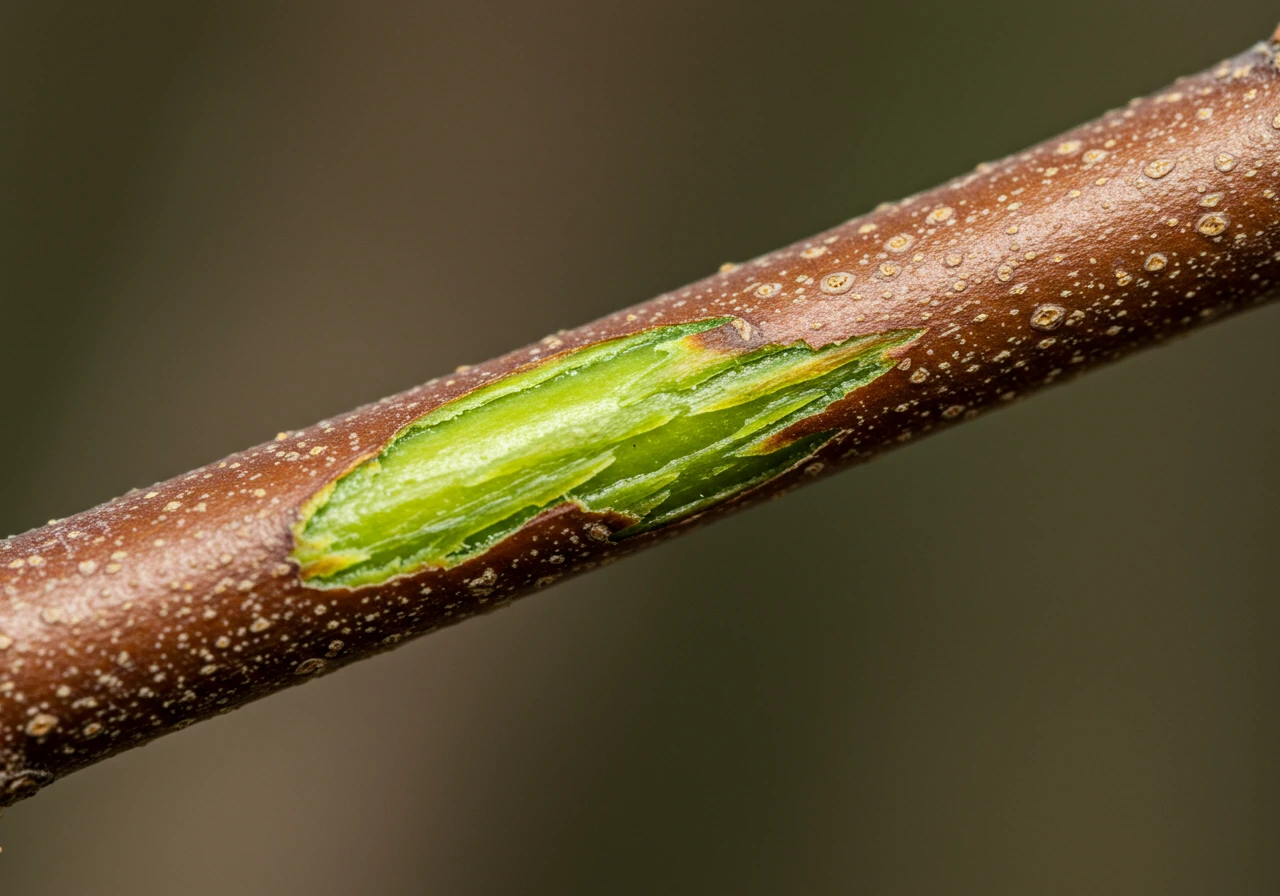
First, check for signs of life. The easiest trick is the "scratch test." Gently scratch a small patch of bark on a few different branches with your fingernail or a clean knife. If you see green underneath, hooray! That part is alive. Brown and dry? Not so good. Also, look closely for buds, even in late winter or early spring. Healthy shrubs, even old ones, will usually show some signs of wanting to wake up. Are there any flowers or signs it's still contributing to attracting garden pollinators? That's a plus!
2. Damage Assessment: How Bad is It, Doc?
Now, be honest. How much of the shrub looks dead, diseased, or damaged? A few dead twigs are normal, especially after a harsh Ottawa winter like we sometimes get out in Barrhaven. But if more than half the shrub is brown, brittle, and lifeless, revival might be a long shot. Look for:
- Lots of Dead Wood: Branches that snap easily with no green inside.
- Disease Signs: Weird spots on leaves, powdery mildew (that white fuzzy stuff), or large patches of rot or cankers (sunken dead areas) on the main stems. Check for common issues via resources like the Ontario Invasive Plant Council for identification guides (though focused on invasive, they show disease types).
- Pest Infestations: Are the leaves chewed to bits? Are there visible scale insects or borers? A few bugs are normal, but a full-on invasion weakens an already struggling plant.
3. Foundation & Form: Checking the Base and Structure
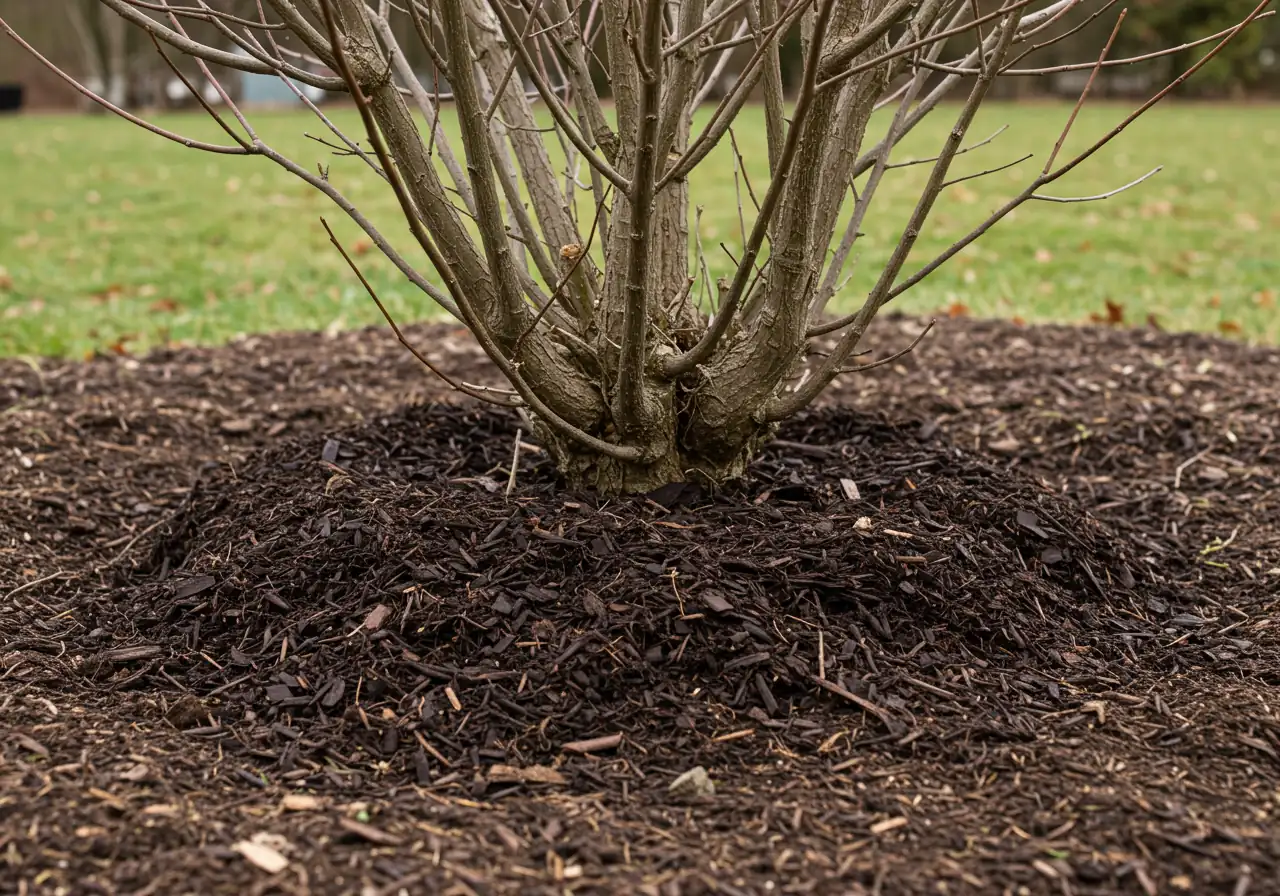
Take a peek at the base of the shrub. Is the soil waterlogged or pulling away? Is the mulch packed too high against the stems (this can cause rot)? While you're down there, you might consider if your soil type needs specific care – our guide with tips for using stone mulch on clay soil might offer some related insights for general soil health around shrubs. Look at the overall shape. Is it just overgrown but fundamentally healthy-looking at the core, or is it sparse, lopsided, and weak-stemmed? Some shrubs respond well to drastic pruning, while others just won't recover their form. Think about its potential – could it be rejuvenated, or is it past the point where even advanced techniques like creative pruning like pleaching for living garden walls could save its aesthetic appeal? Sometimes, simpler rejuvenation pruning combined with good care, like following a proper spring fertilizing guide tailored for shrubs, can work wonders, but only if the basic structure is sound.
4. Gut Feeling & Getting Help:
Sometimes, you just know. Does the shrub look sad, tired, and out of place? Trust your instincts. If after checking these points, you're still scratching your head, don't hesitate to bring in the experts. Getting a professional opinion can save you time and effort. Sometimes, a trained eye can spot potential or confirm that it's time to say goodbye. Feel free to explore professional landscaping services if you need help with assessment, rejuvenation pruning, or eventual removal and replacement. Check out our reputation on Google!
Doing this detective work gives you the clues you need to make an informed decision in the next step: deciding whether to prune, pamper, or replace that aging garden resident.
Not sure if your shrubs can be saved? Let our experts take a look!
Get Professional Help With Your ShrubsShrub Rehab: Giving Your Plants a New Lease on Life Through Renovation
Okay, so you’ve played plant detective and decided your old shrub isn’t quite ready for the compost heap. Maybe it’s just looking a bit… wild, overgrown, or congested after surviving years of Ottawa weather, from snowy Barrhaven winters to humid Osgoode summers. Good news! Many shrubs can bounce back beautifully with a special kind of haircut called renovation pruning. Think of it as shrub rehab – a chance for your plant to ditch the old, tired growth and burst forth with youthful energy.
There are two main ways to tackle this gardening makeover:
1. Rejuvenation Pruning (The "Hard Reset")
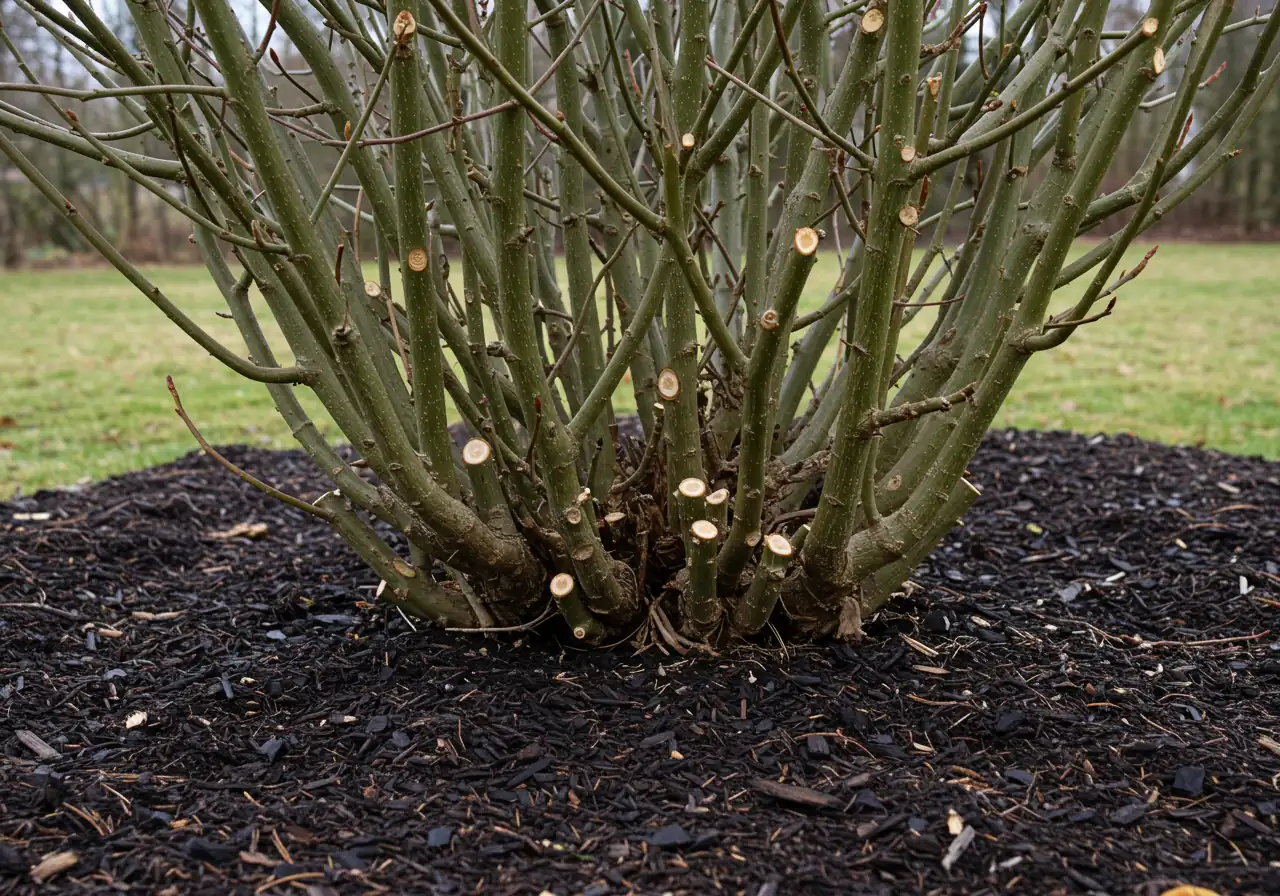
This is the more drastic approach, but super effective for certain shrubs. It basically involves cutting the entire shrub down to just above ground level. Sounds scary, right? Like giving your poodle a buzz cut! But for the right plants, it works wonders.
- Who Likes It? Best for multi-stemmed, cane-growing shrubs that sprout readily from the base. Think varieties of Spirea, Potentilla, Dogwood (especially the colourful twig types!), Forsythia, and even overgrown Lilacs (though you might sacrifice flowers for a year).
- When to Do It: The ideal time in the Ottawa region is late winter or very early spring (think March or early April) while the shrub is still dormant, before the sap starts flowing heavily.
- How to Do It: Using clean, sharp loppers or a pruning saw, cut all the stems back to about 4-6 inches (10-15 cm) from the ground. Yes, all of them! Make clean cuts.
- Safety First! Always wear eye protection and sturdy gloves. Sharp tools are essential but demand respect.
2. Renewal Pruning (The "Gradual Refresh")
This method is less shocking to the plant (and maybe to you!). Instead of cutting everything at once, you selectively remove the oldest, thickest, least productive stems over several years.
- Who Likes It? Good for many multi-stemmed shrubs, especially those that might not respond well to a hard reset or if you want to maintain some size and flowering during the process. Examples include Mock Orange, Weigela, some Viburnums, and Ninebark.
- When to Do It: Late winter/early spring dormancy is still a great time. For shrubs prized for their spring flowers (like Lilac or Forsythia, if you choose this method), you can do it right after they finish blooming to maximize next year's flowers, but winter pruning is often easier to see the structure.
- How to Do It: Aim to remove about one-third of the oldest, thickest stems right down to the ground each year for three years. Old stems are usually darker, thicker, maybe have peeling bark, and fewer flowers/leaves. This encourages new, vigorous shoots to replace the old ones gradually.
- Identify Your Target: Take a moment to really look at the base of the plant and identify those ancient-looking canes before you cut.
Tools and Aftercare are Key
Whichever method you choose, use the right tools: sharp bypass pruners for smaller stems, loppers for thicker ones (up to 1.5 inches), and a pruning saw for anything larger. Clean your tools between cuts, especially if you suspect any disease.
After pruning, clear away all the cuttings. This tidying step is crucial for appearance and preventing disease. If the debris pile looks daunting, remember that help is available; for instance, a Metcalf garden clean up service can make short work of the mess. The same goes if you need a more comprehensive tidying; consider a Kenmore yard cleanup service or a Metcalf yard cleanup service to get the whole space looking neat.
Give your pruned shrub a good watering if the soil is dry, and consider applying some compost around the base (but not touching the stems). Then, be patient! It takes time for the shrub to recover and push out new growth. Give it time, and your revitalized shrub will practically show its gratitude for the TLC.
If this all sounds a bit much, or if you're unsure which method is best for your specific shrub, don't hesitate to look into professional landscaping and garden care services. Sometimes an expert eye and experienced hand are the best way to guarantee shrub rehab success!
Knowing When to Say Goodbye: Signs It's Time for Shrub Replacement
Okay, let's talk about the tough stuff. Sometimes, despite our best efforts at shrub rehab, a plant just isn't going to bounce back. It’s hard admitting defeat, especially with a plant that’s been part of your landscaping for years, perhaps watching kids grow up in your Manotick home. But knowing when to call it quits is key to keeping your whole garden looking its best. So, how do you know when it’s really time for shrub removal and replacement?
Here are some tell-tale signs that it’s probably curtains for your shrub:
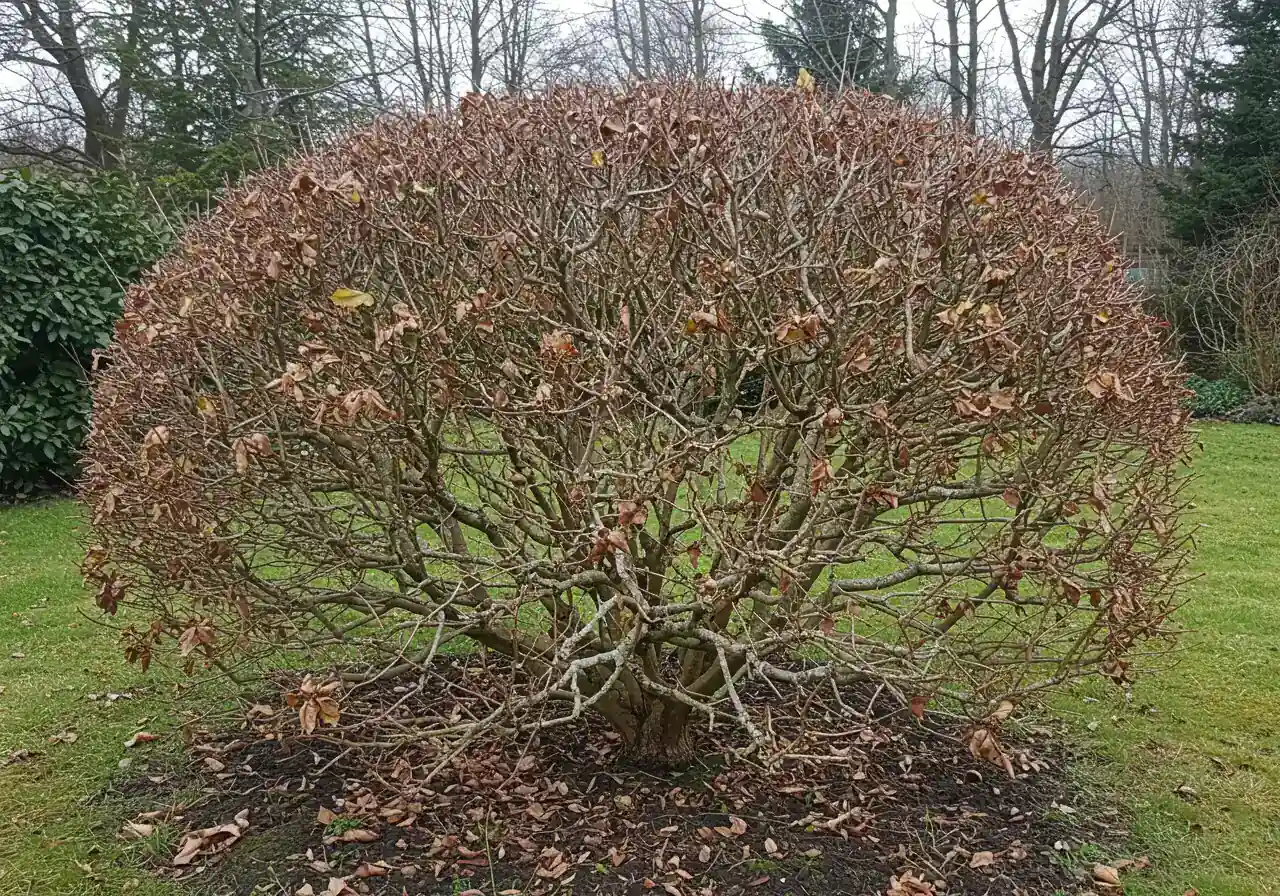
- More Dead Than Alive: Remember that scratch test? If you did the assessment and found that more than 50% (or let’s be honest, even close to half) of the shrub is dead, brittle wood, revival is unlikely. Constant die-back year after year is another bad sign. It's like trying to bail out a boat with a sieve – eventually, you gotta stop bailing.
- Rampant Disease or Pests: Some problems just won’t quit. If your shrub is constantly battling serious diseases (like black knot or fire blight) or is a magnet for damaging pests that you can't control without constant intervention, it might be healthier for your garden (and your sanity!) to remove the source. It can also prevent the problem from spreading to healthier plants nearby.
- Wrong Plant, Wrong Place Syndrome: Maybe the shrub was planted too close to the house foundation years ago, and now its roots are causing trouble. Perhaps it has grown so massive it’s blocking windows, overwhelming walkways, or shading out everything else in Kars. Sometimes, a perfectly healthy plant is just fundamentally incompatible with its location. Trying to keep it small might ruin its natural shape, making replacement a better gardening choice.
- Major Structural Damage: Has a harsh Ottawa winter storm caused irreparable harm, like splitting the main trunk? Is the base hollowed out or severely rotten? Significant structural weakness makes the shrub unsafe and unlikely to thrive long-term.
- It Just Looks Bad (And You Know It): Sometimes, a shrub is technically alive but looks so sparse, leggy, or misshapen that it actively detracts from your home's curb appeal. If it makes you sigh sadly every time you look at it, it might be time for a change.
Making the decision to remove an old shrub isn't the end; it's the beginning of a new opportunity! It opens up space for exciting new planting possibilities. Imagine replacing that tired old thing with something vibrant and perfectly suited to the spot! Check out some stunning landscape transformations for inspiration on what a fresh start can look like.
Once the decision is made, the actual shrub removal and cleanup can be a bit of work. Dealing with digging out roots and disposing of the debris might require some muscle, whether you need help in the suburbs or require a dedicated city garden clean up service. And don't forget the aftermath – tidying up the branches and mess is crucial, and services like a professional Metcalf garden clean up service or a thorough Marionville yard cleanup service can handle that heavy lifting. When choosing any service provider, it's wise to understand their procedures; reputable companies are transparent, often detailing practices like how they handle customer information in their Privacy Policy. Saying goodbye might be bittersweet, but welcoming something new and beautiful is always exciting!
Benefits of Renovation
Renovating an existing shrub can be rewarding and cost-effective if the plant is fundamentally healthy.
- Preserves mature root systems, leading to faster recovery.
- Maintains the genetic stock if it's a cherished variety.
- Often less expensive than removal and purchasing a new plant.
- Can be satisfying to bring an old plant back to vigour.
- Requires knowledge of correct pruning techniques (like those used in our garden maintenance).
Benefits of Replacement
Replacing a shrub offers a clean slate and the chance to choose the perfect plant for the spot.
- Guaranteed fresh start with a healthy, vigorous plant.
- Opportunity to correct "wrong plant, wrong place" issues (size, light needs).
- Chance to update landscape style or introduce new features (colour, texture).
- Solves persistent disease or pest problems definitively.
- Requires investment in removal and new garden installation materials/plants.
Decision Factors Recap
Consider these when making your choice:
- Health: How much of the shrub is alive and vigorous?
- Structure: Is the basic form sound, or is there major damage?
- Disease/Pests: Are problems minor or chronic and severe?
- Location: Is it suitable for the shrub's mature size and needs?
- Goals & Effort: Do you prefer restoration or a fresh look? How much effort can you invest? Consider if you need help with property clean up afterward.
The Fresh Start: Removing Old Shrubs and Choosing Smart Replacements
So, you've made the call – the old shrub is getting the boot! Don't feel bad; think of it as opening up prime real estate in your landscape for something new and exciting. This is your chance to upgrade your curb appeal and choose a plant that really works for your space and style. Let's get down to the nitty-gritty of the removal process and the fun part: picking the perfect replacement!
Removing an established shrub can be a bit of a workout, kind of like wrestling a stubborn octopus. First, prune back the branches significantly – this gives you better access to the base and makes the plant less unwieldy. Grab your sturdy gloves and maybe some safety glasses. Then, dig a trench around the root ball, going as wide and deep as you can manage. Try to cut through the major roots extending outwards with sharp loppers or a spade. Now, the fun part: leverage! Use your spade or a digging bar to pry the root ball loose. Sometimes rocking it back and forth helps. If it’s a real beast, you might need a friend or even professional help. Once it's out, what do you do with the remains? Smaller branches can often be composted or put in your City of Ottawa green bin (check their size limits!). For larger shrubs or extensive root systems, consider a yard waste removal service. When hiring any service, it's wise to understand their procedures; reputable companies are transparent, so take a moment to review their approach to customer data in their Privacy Policy.
Before you rush to plant the new star, take a moment to pamper the soil. That old shrub likely depleted some nutrients. Dig over the area, breaking up compacted soil, and remove any remaining old roots. This is the perfect time to improve the soil structure by mixing in generous amounts of compost or other organic matter. This step is crucial, especially if you're dealing with challenging soil types, like the heavy clay often found in newer subdivisions around Barrhaven or parts of Nepean. Good soil preparation gives your new planting the best possible start. When thinking about soil amendments or even top dressings later on, exploring options for thoughtful material selection can make a big difference in long-term plant health.
Now for the exciting part – choosing a new shrub! For success in Ottawa and surrounding areas like Richmond or Metcalfe, you must pick plants suited to our climate (typically Hardiness Zone 5a/5b, sometimes colder). Look for shrubs labelled hardy to Zone 4 or 5. Consider:
- Sunlight: Does the spot get full sun, partial shade, or mostly shade? Match the plant to the light conditions.
- Mature Size: Read the plant tag! Choose a shrub that will fit the space when fully grown to avoid repeating the "wrong plant, wrong place" saga.
- Soil Type: Does your soil drain well, or does it stay wet? Some plants tolerate clay better than others.
- Maintenance: Be honest about how much gardening upkeep you want to do. Some shrubs need regular pruning; others are low-maintenance champs like those used in our lawn care integrated plans.
- Interest: Think about year-round appeal – flowers, fall colour, interesting bark, or evergreen foliage.
Some Ottawa-Friendly Shrub Ideas:
- For Sun: Potentilla (long blooming), Spirea (many varieties), Weigela (colourful flowers), Serviceberry (multi-season interest), Ninebark (great foliage).
- For Shade/Part Shade: Hydrangeas (especially 'Annabelle' or panicle types), Yews (evergreen), Dogwood (some varieties tolerate shade, great winter stem colour). A local resource like Landscape Ontario might have searchable plant databases.
Once your new shrub is happily planted, give it a good watering. Applying a layer of mulch is highly recommended – it conserves moisture, suppresses weeds, and improves the soil over time. Proper mulching and edging techniques give your garden bed a clean, professional look. Remember, even low-maintenance plants need some care, especially in their first couple of years. Regular watering, occasional feeding, and monitoring for pests or diseases are part of good ongoing garden maintenance practices. If you ever get professional help with planting or maintenance and want to share your thoughts on the service, providing feedback on estimates or work completed helps companies improve and ensures you're happy with the result.
Choosing the right replacement shrub is a fantastic way to refresh your yard and enjoy your outdoor space even more. Happy planting!
Renovate vs. Replace: The Kenmore Homeowner's Cheat Sheet
Question: When should I renovate my old shrub versus just replacing it here in Kenmore?
Answer:
Hey there, Kenmore and Greely neighbours! Feeling stuck staring at that old, tired shrub, wondering if it deserves some tough love (renovation) or if it's time to send it packing (replacement)? It’s a classic landscaping puzzle that many homeowners face. Sometimes a good prune works wonders, other times you're just delaying the inevitable. To help you decide, here’s a quick cheat sheet summarizing the key factors:
| Factor | Lean Towards Renovation If: | Consider Replacement If: |
|---|---|---|
| Overall Health | Mostly green, good signs of life (buds, green cambium), < 1/3 dead wood. Seems vigorous but overgrown. | > 50% dead/brittle wood. Significant yearly die-back. Looks weak despite care. |
| Structure & Form | Basic shape is okay, even if large. Multiple healthy stems from base (good for rejuvenation). Potential to regrow nicely. | Major damage (split trunk, rot, hollow base). Naturally sparse, lopsided, weak-stemmed. Pruning won't fix the fundamental shape. |
| Disease & Pests | Minor, treatable issues (e.g., manageable leaf spot, occasional aphids). | Severe, persistent diseases (black knot, fire blight). Magnet for damaging pests resisting control. Weakens plant yearly. |
| Location Suitability | Happy with sun/soil. Just too big/shaggy but can be pruned back into bounds reasonably. | Wrong plant, wrong place (too close to house, wrong light, mature size overwhelms space). |
| Goals & Effort Level | Like the shrub type. Willing to prune drastically & provide aftercare. Patient for recovery. Needs ongoing garden clean up. | Crave a fresh look. Want lower maintenance or different type. Need faster curb appeal boost. Removal may require property cleanup. |
Making the Final Call
Ultimately, there isn't always one perfectly right answer – it's about weighing these factors for your specific shrub and situation. Sometimes, bringing a plant back from the brink is incredibly rewarding. Other times, embracing a fresh start with a new planting is the best way forward. If removing the old shrub leaves a big, ugly patch in your lawn, you might need to repair that area, potentially even considering professional sod installation if the damage is extensive or you want quick results. And remember, whether you're doing a major renovation pruning or a full removal, dealing with the branches and debris can be a hassle. If you're near Marionville or just looking for an example of localized help, services like a Marionville garden clean up service specialize in tackling that kind of mess. Always review terms and conditions before engaging services.
Trust your judgment, consider the points above, and choose the path that makes the most sense for enhancing your beautiful Kenmore property!
Shrub Renovation: Potential Success Rates (Example)
Note: Success depends heavily on shrub type, specific condition, and aftercare. This is illustrative.
Quick Tips for Happy Shrubs in Ottawa
Hey Ottawa gardeners! Keeping your shrubs looking great doesn't have to be rocket science, even with our wacky weather. Whether you're in Barrhaven, Nepean, or out near Manotick, a little TLC goes a long way. Here are some quick tips to keep those leafy friends flourishing:
- Water Wisely, Especially When Dry: Ottawa summers can get parched! Instead of frequent light sprinkles, give your shrubs a deep soaking every week or two during dry spells. Check the soil first – stick your finger in a couple of inches. If it's dry, it's time to water. This encourages deep, strong roots.
- Mulch is Your Friend: A 2-3 inch layer of organic mulch (like shredded bark) around the base of your shrubs (but not touching the stems!) is magic. It helps keep moisture in, suppresses weeds, and keeps soil temperatures even. Plus, as it breaks down, it contributes to ongoing healthy soil preparation and structure.
- Don't Fear Light Pruning: While major renovation is for specific situations, light annual pruning helps maintain shape and remove any stray dead or crossing branches. The best time depends on the shrub, but often late winter/early spring (before major growth) or just after flowering works well. Tidy up those cuttings promptly! If the debris piles up after a big gardening session, remember services like a local Marionville garden clean up service can whisk it away.
- Feed Thoughtfully, Not Excessively: Healthy soil is the best food! Often, just adding compost around the base in spring is enough. Over-fertilizing can harm shrubs. If your plant looks pale or isn't growing well despite good watering and soil, then consider a balanced fertilizer specifically for shrubs, following package directions carefully.
- Keep the Area Tidy: Regularly remove fallen leaves, dead twigs, and weeds from around your shrubs. This looks neater and, more importantly, helps prevent pests and diseases from taking hold. Keeping the whole yard neat makes a difference; whether you need a basic city yard clean up service or a more comprehensive Ottawa yard cleanup service, tidiness promotes plant health. If you've undertaken larger landscaping changes, a full Marionville property cleanup service might be needed to handle the aftermath. Even areas like Ottawa proper benefit from regular cleanups.
- Plant Smart from the Start: Remember the golden rule: Right plant, right place! Choose shrubs hardy for Ottawa (Zone 5a/b or colder) and match them to your sunlight, soil, and available space at maturity. This prevents headaches down the road and sets your planting up for long-term success with proper garden installation.
Shrub Lifecycle & Decision Points
Year 1-3: Establishment
Focus on watering, light mulching, minimal pruning. Ensure good soil preparation at planting.
Year 4-10: Vigorous Growth
Annual light pruning for shape, monitor health. Address minor issues promptly. Consider mulching and edging for neatness.
Year 10-20: Maturity
May start showing signs of slowing down or getting dense. Consider light renewal pruning on susceptible types. Garden maintenance becomes key.
Year 20+: Aging / Assessment Point
Evaluate health, structure, and location suitability seriously. Decide: Renovate (if viable) or Replace (if declining/problematic)? Plan for potential property cleanup.
Your Ottawa Shrub Questions Answered (FAQ)
Great question! For most deciduous shrubs (the ones that lose their leaves), the best time for major pruning here in Ottawa is late winter or very early spring – think March or early April. The plant is dormant, the structure is easy to see without leaves, and the cuts heal quickly when growth starts. However, for shrubs that bloom in early spring on last year's wood (like Lilacs or Forsythia), wait until *right after* they finish flowering, or you'll cut off the buds! After a big pruning session, if the branches pile up, consider a comprehensive Ottawa yard cleanup service to handle the mess.
Ah, cedar winter woes – a common sight! Don't panic just yet. Winter burn and salt damage can make them look rough. First, gently scratch a few brown twigs; if you see green underneath, there's hope! Give them consistent, deep watering through spring and summer, especially during dry spells. Avoid heavy fertilization. Prune out only the totally dead, brittle bits. Sometimes they bounce back surprisingly well. If large sections are truly dead with no green, they may need replacement. If removal is necessary, especially for large hedges or those near property lines, a thorough city property cleanup service can manage the job safely and efficiently.
You bet! For sunny spots, you can't go wrong with Potentilla (long bloom time!), certain varieties of Spirea (like 'Goldflame' or 'Little Princess'), or tough Ninebarks (great foliage colour). For evergreen options, dwarf Mugo Pines or low-growing Junipers are very hardy and require little pruning. These are great choices for busy homeowners wanting decent curb appeal without intense gardening. Remember, even 'low-maintenance' doesn't mean 'no-maintenance,' so if you need occasional help keeping things tidy, a reliable city garden maintenance service can be a great resource.
Yes, yes, a thousand times yes! Skipping soil improvement is like building a house on a shaky foundation. That old shrub likely used up many nutrients and might have compacted the soil around its roots. Digging in compost or good quality garden soil loosens things up, improves drainage (crucial in Ottawa's sometimes clay-heavy areas), adds vital organic matter, and gives your new planting the best possible start for healthy growth. Trust us on this one – good soil preparation is foundational for healthy planting. You can learn more about our team and approach to see how much we emphasize getting the basics right for successful landscaping.
Totally understand that fear! Here’s the simple rule: Shrubs that bloom in SPRING (like Lilac, Forsythia, Weigela, Mock Orange) form their flower buds on last year's growth. So, prune them immediately after they finish flowering. Shrubs that bloom in SUMMER (like Hydrangeas – especially Panicle and Smooth types, Potentilla, Spirea) bloom on new growth from the current season. You can prune these in late winter or early spring before they start growing, and they'll still flower beautifully that same summer. Getting the timing right maximizes your blooms!
Conclusion: Giving Your Kenmore Landscape the Shrubbery It Deserves
Whew! Deciding the fate of those long-serving shrubs in your Kenmore yard can feel like a big deal, right? We've walked through playing plant detective, exploring the potential of renovation pruning, and knowing when it's truly time to say farewell and embrace a fresh start with removal and new planting. Remember, the goal isn't just about keeping plants alive; it's about creating a vibrant, healthy landscape that boosts your home's curb appeal and makes you smile every time you look outside, whether you're in Kenmore, nearby Greely, or Manotick.
Investing a little thought (and maybe some elbow grease!) into your shrubs pays off big time in the overall look and feel of your property. A well-chosen, well-cared-for shrub is like the perfect accessory for your home – it just fits! Whether you decide to rejuvenate an old favourite or bring in something new and exciting, you're taking a great step towards the beautiful gardening space you deserve here in the Ottawa region.
Feeling unsure which path is right for your specific shrubs? Let us help! Contact us today for a professional shrub assessment right here in Kenmore and our surrounding service areas (including Metcalf and Marionville).
Ready to make a change and replace those tired plants? We offer expert shrub removal and planting services!
Explore Our Landscaping Services