
/* --- CSS Reset (Minimal) --- */ #kenmore-stem-article-container *, #kenmore-stem-article-container *::before, #kenmore-stem-article-container *::after { box-sizing: border-box; margin: 0; padding: 0; }/* --- Brand Colors --- */ :root { --primary-green: #93C020; --black: #000000; --dark-grey: #2D2C2C; --light-grey: #EBEBEB; --darker-green: #287734; --white: #FFFFFF; --lime-green: #B7FE00; /* Accent */ }/* --- General Styles within Container --- */ #kenmore-stem-article-container { font-family: -apple-system, BlinkMacSystemFont, "Segoe UI", Roboto, Oxygen-Sans, Ubuntu, Cantarell, "Helvetica Neue", sans-serif; line-height: 1.6; color: var(--dark-grey); background-color: var(--white); overflow-x: hidden; /* Prevent horizontal scroll */ }#kenmore-stem-article-container .article-content-wrapper { max-width: 800px; margin: 20px auto; padding: 0 15px; }/* --- Headings --- */ #kenmore-stem-article-container h1, #kenmore-stem-article-container h2, #kenmore-stem-article-container h3, #kenmore-stem-article-container h4, #kenmore-stem-article-container h5, #kenmore-stem-article-container h6 { margin-top: 1.5em; margin-bottom: 0.8em; color: var(--darker-green); line-height: 1.3; font-weight: 700; }#kenmore-stem-article-container h1 { font-size: 2.2rem; /* Mobile first */ text-align: center; margin-top: 1em; margin-bottom: 1em; }#kenmore-stem-article-container h2 { font-size: 1.8rem; border-bottom: 2px solid var(--primary-green); padding-bottom: 0.3em; }#kenmore-stem-article-container h3 { font-size: 1.5rem; color: var(--dark-grey); }/* --- Paragraphs & Text --- */ #kenmore-stem-article-container p { margin-bottom: 1.2em; font-size: 1rem; }#kenmore-stem-article-container a { color: var(--darker-green); text-decoration: none; transition: color 0.3s ease; }#kenmore-stem-article-container a:hover { color: var(--primary-green); text-decoration: underline; }#kenmore-stem-article-container strong, #kenmore-stem-article-container b { font-weight: 600; }#kenmore-stem-article-container em, #kenmore-stem-article-container i { font-style: italic; color: var(--darker-green); /* Make italics stand out slightly */ }/* --- Lists --- */ #kenmore-stem-article-container ul, #kenmore-stem-article-container ol { margin-bottom: 1.2em; padding-left: 30px; }#kenmore-stem-article-container li { margin-bottom: 0.5em; }/* --- Images --- */ #kenmore-stem-article-container figure { margin: 25px auto; text-align: center; }#kenmore-stem-article-container img { max-width: 100%; height: auto; border-radius: 8px; box-shadow: 0 4px 8px rgba(0, 0, 0, 0.1); }#kenmore-stem-article-container figcaption { font-size: 0.85rem; color: #777; margin-top: 8px; font-style: italic; }/* --- Progress Bar --- */ #kenmore-stem-article-container .progress-container { position: fixed; top: 0; left: 0; width: 100%; height: 8px; background-color: var(--light-grey); z-index: 1000; }#kenmore-stem-article-container #progress-bar { height: 100%; width: 0%; background-color: var(--primary-green); transition: width 0.1s linear; }/* --- Back to Top Button --- */ #kenmore-stem-article-container #back-to-top { position: fixed; bottom: 20px; right: 20px; background-color: var(--primary-green); color: var(--white); border: none; border-radius: 50%; width: 50px; height: 50px; font-size: 24px; text-align: center; line-height: 50px; cursor: pointer; display: none; /* Hidden by default */ z-index: 999; transition: background-color 0.3s ease, opacity 0.3s ease, visibility 0.3s ease; opacity: 0.8; }#kenmore-stem-article-container #back-to-top:hover { background-color: var(--darker-green); opacity: 1; }/* --- CTA Buttons --- */ #kenmore-stem-article-container .cta-button-container { text-align: center; margin: 30px 0; }#kenmore-stem-article-container .cta-button { display: inline-block; background-color: var(--primary-green); color: var(--white); padding: 12px 25px; border-radius: 25px; text-decoration: none; font-weight: bold; font-size: 1.1rem; transition: background-color 0.3s ease, transform 0.2s ease; border: 2px solid transparent; cursor: pointer; }#kenmore-stem-article-container .cta-button:hover { background-color: var(--darker-green); color: var(--white); transform: translateY(-2px); text-decoration: none; }/* --- Highlight Boxes --- */ #kenmore-stem-article-container .highlight-box { background-color: #f5fcec; /* Light green tint */ border-left: 5px solid var(--primary-green); padding: 20px; margin: 25px 0; border-radius: 5px; }#kenmore-stem-article-container .highlight-box p:last-child { margin-bottom: 0; }/* --- Responsive Tables --- */ #kenmore-stem-article-container .responsive-table-container { overflow-x: auto; margin: 20px 0; -webkit-overflow-scrolling: touch; /* Smooth scrolling on iOS */ }#kenmore-stem-article-container table { width: 100%; border-collapse: collapse; border: 1px solid #ccc; }#kenmore-stem-article-container th, #kenmore-stem-article-container td { padding: 10px 12px; text-align: left; border: 1px solid #ddd; font-size: 0.95rem; }#kenmore-stem-article-container th { background-color: var(--light-grey); color: var(--dark-grey); font-weight: bold; }#kenmore-stem-article-container tr:nth-child(even) { background-color: #f9f9f9; }/* --- Tab Interface --- */ #kenmore-stem-article-container .tab-container { margin: 30px 0; border: 1px solid var(--light-grey); border-radius: 5px; overflow: hidden; } #kenmore-stem-article-container .tab-buttons { display: flex; background-color: var(--light-grey); border-bottom: 1px solid #ccc; flex-wrap: wrap; /* Allow buttons to wrap on small screens */ }#kenmore-stem-article-container .tab-button { padding: 12px 18px; cursor: pointer; border: none; background-color: var(--light-grey); color: var(--dark-grey); font-size: 1rem; transition: background-color 0.3s ease, color 0.3s ease; flex-grow: 1; /* Make buttons fill space */ text-align: center; border-right: 1px solid #ccc; /* Separator */ } #kenmore-stem-article-container .tab-button:last-child { border-right: none; }#kenmore-stem-article-container .tab-button:hover { background-color: #ddd; }#kenmore-stem-article-container .tab-button.active { background-color: var(--primary-green); color: var(--white); font-weight: bold; border-bottom: 2px solid var(--darker-green); /* Active indicator */ }#kenmore-stem-article-container .tab-content { display: none; padding: 20px; animation: fadeIn 0.5s ease; }#kenmore-stem-article-container .tab-content.active { display: block; }@keyframes fadeIn { from { opacity: 0; } to { opacity: 1; } }/* --- Collapsible Sections (FAQ) --- */ #kenmore-stem-article-container .collapsible { margin-bottom: 10px; border: 1px solid var(--light-grey); border-radius: 5px; overflow: hidden; }#kenmore-stem-article-container .collapsible-toggle { background-color: var(--light-grey); color: var(--dark-grey); cursor: pointer; padding: 15px; width: 100%; border: none; text-align: left; outline: none; font-size: 1.1rem; font-weight: bold; display: flex; justify-content: space-between; align-items: center; transition: background-color 0.3s ease; }#kenmore-stem-article-container .collapsible-toggle:hover { background-color: #ddd; }#kenmore-stem-article-container .collapsible-toggle::after { content: '+'; /* Plus icon */ font-size: 1.5rem; color: var(--primary-green); transition: transform 0.3s ease; }#kenmore-stem-article-container .collapsible-toggle.active::after { content: '−'; /* Minus icon */ transform: rotate(180deg); }#kenmore-stem-article-container .collapsible-content { padding: 0 18px; max-height: 0; overflow: hidden; transition: max-height 0.4s ease-out, padding 0.4s ease-out; background-color: var(--white); } #kenmore-stem-article-container .collapsible-content p:first-child { padding-top: 15px; /* Add padding when expanded */ } #kenmore-stem-article-container .collapsible-content p:last-child { padding-bottom: 15px; }/* --- Bar Chart Visualization --- */ #kenmore-stem-article-container .chart-container { background-color: var(--white); padding: 20px; border-radius: 8px; box-shadow: 0 2px 5px rgba(0,0,0,0.1); margin: 30px 0; text-align: center; } #kenmore-stem-article-container .chart-title { font-size: 1.2rem; margin-bottom: 20px; color: var(--dark-grey); font-weight: bold; }#kenmore-stem-article-container .bar-chart { display: flex; justify-content: space-around; align-items: flex-end; height: 200px; /* Adjust height as needed */ border-bottom: 2px solid var(--dark-grey); padding-bottom: 5px; }#kenmore-stem-article-container .bar { background-color: var(--primary-green); width: 15%; /* Adjust width/spacing */ margin: 0 2%; height: 0; /* Initial height for animation */ transition: height 1s ease-out; position: relative; border-radius: 3px 3px 0 0; }#kenmore-stem-article-container .bar-label { margin-top: 8px; font-size: 0.85rem; color: var(--dark-grey); } #kenmore-stem-article-container .bar-value { position: absolute; top: -20px; /* Position value above bar */ left: 50%; transform: translateX(-50%); font-size: 0.8rem; color: var(--darker-green); font-weight: bold; opacity: 0; transition: opacity 0.5s ease 0.5s; /* Fade in after bar animates */ } #kenmore-stem-article-container .bar.animated .bar-value { opacity: 1; }/* --- Timeline Component --- */ #kenmore-stem-article-container .timeline { position: relative; max-width: 700px; margin: 50px auto; padding: 20px 0; }#kenmore-stem-article-container .timeline::before { content: ''; position: absolute; top: 0; bottom: 0; left: 50%; width: 3px; background-color: var(--primary-green); margin-left: -1.5px; }#kenmore-stem-article-container .timeline-item { padding: 10px 40px; position: relative; background-color: inherit; width: 50%; margin-bottom: 30px; }/* Circle on the timeline */ #kenmore-stem-article-container .timeline-item::after { content: ''; position: absolute; width: 20px; height: 20px; right: -10px; background-color: var(--white); border: 4px solid var(--primary-green); top: 15px; border-radius: 50%; z-index: 1; }/* Items on the left */ #kenmore-stem-article-container .timeline-left { left: 0; text-align: right; /* Align text towards the line */ padding-right: 30px; /* Space from line */ }/* Items on the right */ #kenmore-stem-article-container .timeline-right { left: 50%; padding-left: 30px; /* Space from line */ }/* Adjust circle position for left/right items */ #kenmore-stem-article-container .timeline-left::after { left: -10px; } #kenmore-stem-article-container .timeline-right::after { left: -10px; /* Keep consistent placement relative to item */ }/* Content box */ #kenmore-stem-article-container .timeline-content { padding: 15px 20px; background-color: var(--light-grey); position: relative; border-radius: 6px; box-shadow: 0 2px 4px rgba(0,0,0,0.08); } #kenmore-stem-article-container .timeline-content h3 { margin-top: 0; color: var(--darker-green); font-size: 1.2rem; } #kenmore-stem-article-container .timeline-content p { font-size: 0.9rem; margin-bottom: 0; }/* Responsive Timeline */ @media screen and (max-width: 768px) { #kenmore-stem-article-container .timeline::before { left: 15px; /* Move line to the left */ }#kenmore-stem-article-container .timeline-item { width: 100%; padding-left: 50px; /* Space items away from the line */ padding-right: 15px; text-align: left; /* Align all text left */ }#kenmore-stem-article-container .timeline-left, #kenmore-stem-article-container .timeline-right { left: 0%; /* Stack items */ }#kenmore-stem-article-container .timeline-left::after, #kenmore-stem-article-container .timeline-right::after { left: 6px; /* Position circle relative to new line position */ } }/* --- Media Queries for Responsiveness --- */ @media (min-width: 769px) { #kenmore-stem-article-container h1 { font-size: 2.8rem; } #kenmore-stem-article-container h2 { font-size: 2.2rem; } #kenmore-stem-article-container h3 { font-size: 1.7rem; } #kenmore-stem-article-container p { font-size: 1.05rem; } }@media (max-width: 600px) { #kenmore-stem-article-container h1 { font-size: 1.8rem; } #kenmore-stem-article-container h2 { font-size: 1.5rem; } #kenmore-stem-article-container h3 { font-size: 1.3rem; } #kenmore-stem-article-container .cta-button { padding: 10px 20px; font-size: 1rem; } #kenmore-stem-article-container .tab-buttons { flex-direction: column; /* Stack buttons vertically */ } #kenmore-stem-article-container .tab-button { border-right: none; border-bottom: 1px solid #ccc; } #kenmore-stem-article-container .tab-button:last-child { border-bottom: none; } } { "@context": "https://schema.org", "@type": "Article", "headline": "Kenmore Garden Alert: Decode Stem Signs, Prevent Loss", "author": { "@type": "Organization", "name": "Clean Yards", "url": "https://cleanyards.ca/" }, "image": "https://cleanyards.ca/wp-content/uploads/2025/04/Split_image_macro_photograph_c_1228.webp", "description": "Learn to identify common plant stem problems in your Kenmore garden, understand their causes (pests, diseases, care issues), and find prevention and treatment tips to keep your plants healthy.", "publisher": { "@type": "Organization", "name": "Clean Yards", "logo": { "@type": "ImageObject", "url": "https://cleanyards.ca/wp-content/uploads/2024/01/Clean-Yards-Logo-Small.png" } } } { "@context": "https://schema.org", "@type": "FAQPage", "mainEntity": [ { "@type": "Question", "name": "My poor shrub stems look battered after winter here in Barrhaven! How can I give them a fighting chance against Ottawa's cold?", "acceptedAnswer": { "@type": "Answer", "text": "To help stems survive Ottawa winters: ensure plants are well-watered before the freeze (not soggy), avoid late-fall fertilizing, wrap sensitive shrubs (like some hydrangeas or roses) in burlap or use insulating covers. Good snow cover acts as a natural insulator. In spring, prune out dead or damaged stems." } }, { "@type": "Question", "name": "I think I have tiny critters munching on my stems in Kenmore. What are the usual suspects, and what's my first move?", "acceptedAnswer": { "@type": "Answer", "text": "Common stem pests in Kenmore/Ottawa include aphids (tiny, clustered bugs) and scale insects (small bumps). First, try a strong spray of water to dislodge aphids. If pests persist or you see webbing (spider mites), consider targeted applications of insecticidal soap or horticultural oil." } }, { "@type": "Question", "name": "The clay soil in my Manotick garden seems tough on my plants' stems. What's the connection, and how can I help them?", "acceptedAnswer": { "@type": "Answer", "text": "Heavy clay soil (common in Manotick) holds water, risking root rot and mushy stems if drainage is poor. It can also compact, hindering root growth needed for strong stems. Improve structure by regularly amending the soil with compost or other organic matter to enhance drainage and aeration. Consider smart material selection for amendments." } }, { "@type": "Question", "name": "Help! I'm confused about pruning. When should I trim my shrubs in Ottawa to keep stems healthy, not hurt them?", "acceptedAnswer": { "@type": "Answer", "text": "General Ottawa pruning rule: Prune spring-blooming shrubs (e.g., lilac) *after* flowering. Prune summer-blooming shrubs (e.g., potentilla) in late winter/early spring. Avoid heavy late-fall pruning. Always use clean, sharp pruners. Remove dead, damaged, or crossing stems anytime to improve air circulation." } }, { "@type": "Question", "name": "Is it *really* worth doing a big fall cleanup for stem health? Seems like a lot of work!", "acceptedAnswer": { "@type": "Answer", "text": "Yes, a fall cleanup is very beneficial for stem health! Removing fallen leaves and dead plant debris eliminates overwintering spots for pests and diseases. This reduces potential problems in the spring and improves air circulation around plant bases. Thorough services like a Marionville property cleanup service can make this easier and highly effective." } }, { "@type": "Question", "name": "Does the type of mulch I use actually make a difference for stem strength?", "acceptedAnswer": { "@type": "Answer", "text": "Yes, mulch significantly impacts stem health. Organic mulch (like shredded bark) regulates soil moisture and temperature, preventing stress. It also suppresses weeds and prevents soil splash, reducing disease transmission to lower stems. Effective mulching and edging create a healthier environment for strong stems, often complemented by regular maintenance like a city garden clean up service." } }, { "@type": "Question", "name": "Okay, my stems look REALLY bad, and I'm overwhelmed. What now?", "acceptedAnswer": { "@type": "Answer", "text": "If you're facing widespread stem issues (severe dieback, pests, disease) and basic fixes aren't working, consider professional help. A local landscaping expert or certified arborist can accurately diagnose complex problems. Getting expert advice can save time and prevent further plant loss. We're happy to help diagnose issues and value feedback, often received via our contact form or pages like our thank you page area." } } ] }

Kenmore Garden Alert: Decode Stem Signs, Prevent Loss

Quick Summary:
  • Plant stems show early signs of stress like wilting, discoloration, spots, or damage.
  • Common issues include improper watering, nutrient deficiency, pests (aphids, scale), diseases (rot, cankers), and physical damage.
  • Prevention is key: Choose suitable plants, improve soil, water wisely, mulch, prune correctly, and perform regular inspections.
  • Address problems promptly by adjusting care, pruning damage, or using targeted, eco-friendly treatments.

Need help diagnosing stem problems or improving your garden's health? Request a quote today!

Introduction: Hey Kenmore! Are Your Plant Stems Trying to Tell You Something?

Hey Kenmore gardeners! Ever stare at your favourite shrub or perennial and feel like something’s just… *off*? Maybe the leaves look a bit sad, or the flowers aren't quite putting on their usual show? Before you start worrying (or watering *again*), take a closer peek at the stems. Often overlooked, these vital structures are like your plant's highway system and can be surprisingly chatty, showing early signs of stress, thirst, or unwelcome visitors.

Living here in the Ottawa region, especially in communities like Kenmore and nearby Vernon, our plants have unique challenges thanks to our demanding Zone 5a/b climate. From frosty surprises to summer heatwaves, those stems need to be tough! Understanding what their colour, flexibility, or unusual spots might mean is a superpower for successful gardening in our area. Find more local insights on our Google My Business page.

Don't worry, you don't need to be a plant detective! Think of this as learning a few key phrases in "Plant." Paying attention to stems can make your landscaping look its best and save you headaches down the road. Let's explore what those stems might be whispering (or shouting!) about your plant's health.

Why Your Plant Stems Deserve a Standing Ovation (and Close Inspection!)
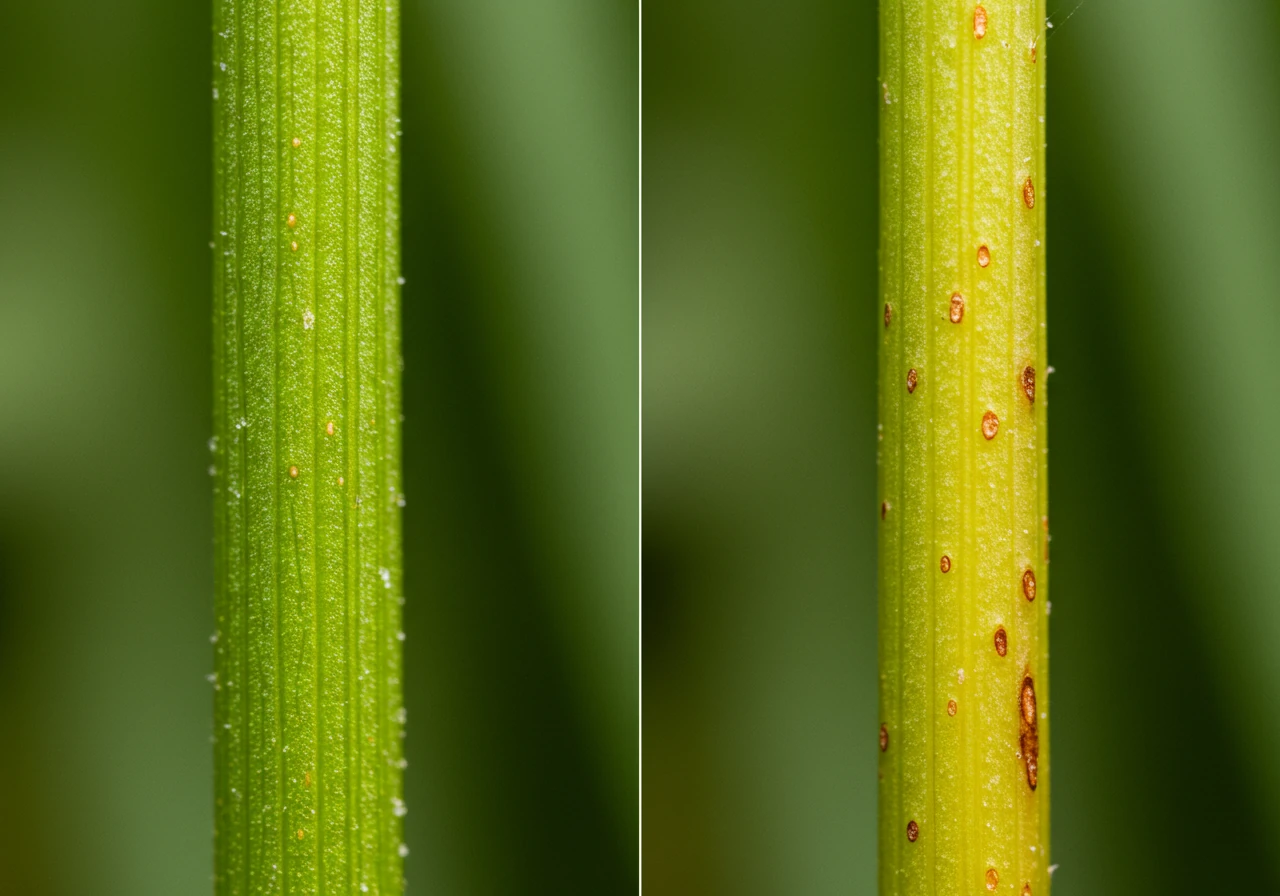
A visually contrasting split image or side-by-side close-up showing two plant stems. On one side, a vibrant, healthy green herbaceous stem, looking sturdy and thriving. On the other side, a stem from the same type of plant that is yellowing, slightly limp, and possibly showing small brown spots, clearly indicating stress or poor health. The focus should be sharp on the stems' texture and colour differences against a slightly blurred garden background.
Healthy vs. Stressed Stem Comparison

Okay, let's be honest. When we admire our gardens, we usually rave about the flowers or the lush foliage. Stems? They often get overlooked, like the roadies at a rock concert – absolutely essential, but rarely in the spotlight. But it’s time to give these hard-working structures the credit (and the close look) they deserve! Think of stems as your plant's super-highway and structural support rolled into one. They bravely hold leaves up to the sun, hoist those beautiful blooms high, and crucially, transport water and nutrients from the ground up, and sugars (plant food!) from the leaves down. Without healthy stems, everything else literally falls apart.

So, why should you become a stem inspector? Because they're fantastic tattletales! Stems often show the *first* signs that something isn't quite right long before the leaves dramatically wilt. Are they the wrong colour – maybe suspiciously yellow or developing dark spots? Do they feel mushy, brittle, or cracked? These aren't just cosmetic issues; they're signals. A weak stem might mean trouble brewing below ground, hinting at problems better explained in guides on root zone health clues. Mushy stems could indicate overwatering or disease, while brittle stems, especially after a tough Ottawa winter like we sometimes get out in Greely, might signal dehydration or frost damage. Speaking of water, stems quickly show drought stress; for water-wise gardening solutions, especially in tricky soil, exploring a Kenmore xeriscape plan for clay soil water saving might offer great ideas.

What should you look for during your stem inspection tour?

  • Colour Changes: Watch for yellowing (often nutrient deficiency), browning or black spots (could be fungal issues or rot), or unusual streaks.
  • Texture Issues: Gently feel the stems. Are there soft or mushy spots? Is the bark peeling when it shouldn't be? Are stems unusually hard or brittle?
  • Damage: Look for physical injuries like cracks from wind or frost, breaks, holes chewed by pests, or cankers (distinct, often sunken, dead areas on the stem).
  • Weird Growths: Notice any unusual swellings (galls, often caused by insects or mites) or surface coatings like powdery mildew.

Regular inspection helps you catch problems early, often when they're easiest to fix. Maybe the plant just needs a good feed – understanding Kenmore lawn care and spring fertilizing principles applies to garden beds too, as stems need nutrients to stay strong! Healthy stems contribute hugely to the overall visual appeal of your landscaping. If you're planning changes, visualizing how robust plants will look is key; tools like Kenmore 3D landscape plans visualization can help picture the final result. If identifying stem issues or figuring out the right fix feels overwhelming, remember that professional help is available through various landscaping and gardening services. So next time you're enjoying your garden, give those stems a nod of appreciation and a quick check-up. They're working hard for you!

Stem SOS: Decoding Common Distress Signals in Your Garden

Okay, garden detectives, let's zoom in on those stems! They might not use words, but they sure can show us when things aren't going well. Learning to read these signals is key, especially in areas like Nepean or Osgoode where our Ottawa weather throws curveballs. Here’s a breakdown of common stem SOS calls:
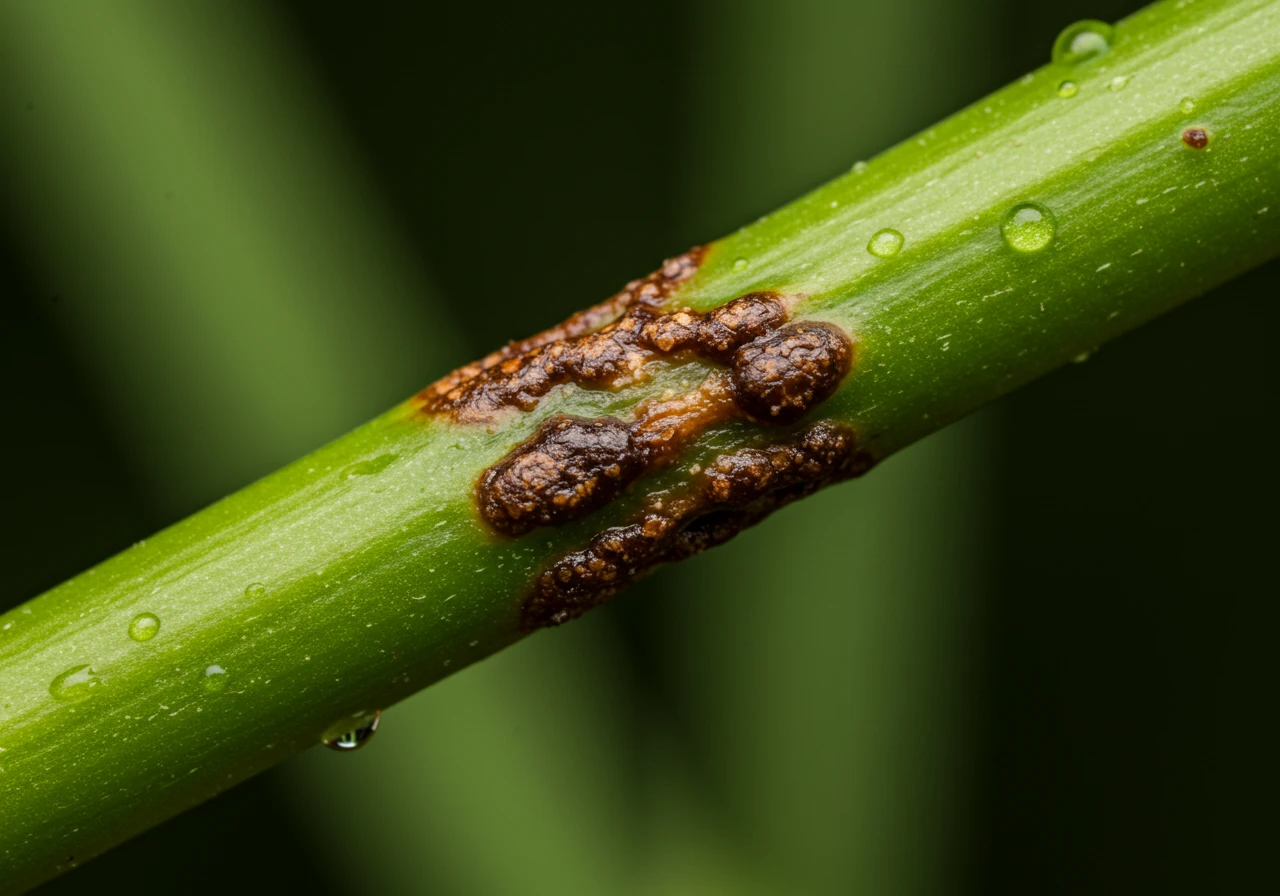
A close-up photograph focusing specifically on a plant stem exhibiting brown, slightly sunken spots indicative of a fungal issue or rot. The surrounding stem area might look water-soaked or discolored. The image should clearly highlight the texture and colour change associated with stem rot or disease, perhaps with morning dew present to subtly hint at moisture conditions.
Signs of stem rot or disease.
  • Wilting or Drooping Stems: This is the most obvious cry for help, usually screaming "I'm thirsty!" Before you drown it, though, check the soil moisture. If the soil is actually damp, drooping stems can signal root rot (too much water) or other root problems. Think of it like a person feeling faint – it could be dehydration, or something else making them weak at the knees. For more on local conditions, check resources from the City of Ottawa gardening pages.
  • Yellowing or Pale Green Stems: When stems that should be green start looking pale or yellowish (and it's not their natural colour), it often points to a nutrient deficiency, especially nitrogen. It’s like the plant is looking a bit anaemic, lacking the building blocks for healthy green growth. Proper feeding can usually perk them right up.
  • Brown/Black Spots or Mushy Sections: Uh-oh, this often spells trouble. Dark, spreading spots or stems that feel soft and mushy are classic signs of fungal or bacterial diseases, like rot. Sometimes, sudden blackening can also be frost damage after a surprise cold snap. This is where good garden hygiene is crucial; a thorough yard cleanup, like our Kenmore service, can remove infected debris and reduce hiding spots for diseases and pests. Similarly, maintaining clean garden spaces through a regular city yard cleanup service helps prevent the spread of such problems.
  • Cracks, Splits, or Peeling Bark (when unusual): Physical damage! This can happen due to rapid growth spurts, strong winds whipping branches around, accidental bumps from the lawnmower, or freeze-thaw cycles common in our Ottawa winters. Minor cracks might heal, but deep splits can invite pests and diseases.
  • Powdery White Coating: Seeing stems (and leaves) dusted with what looks like flour? That's likely powdery mildew, a common fungal issue, especially when airflow is poor or humidity is high. While often cosmetic, severe cases can weaken the plant.
  • Holes, Chewed Edges, or Tiny Bumps/Webs: These are telltale signs of unwanted guests! Insects or slugs might be munching away. Tiny bumps could be scale insects, and fine webbing might indicate spider mites. Catching these early makes control much easier.

Recognizing these signs is the first step. Sometimes the fix is simple (water, fertilizer), but other times, especially with diseases or persistent pests, it can get tricky. Our experienced team, learn more about us, sees these issues frequently in local gardens. If you're seeing multiple confusing symptoms or the problem persists, exploring professional landscaping and garden care services might be your best bet. Don't hesitate to get in touch with us for advice if your plant stems are sending out an SOS you can't quite decode!

The Unwanted Guests: Pests Wreaking Havoc on Stems
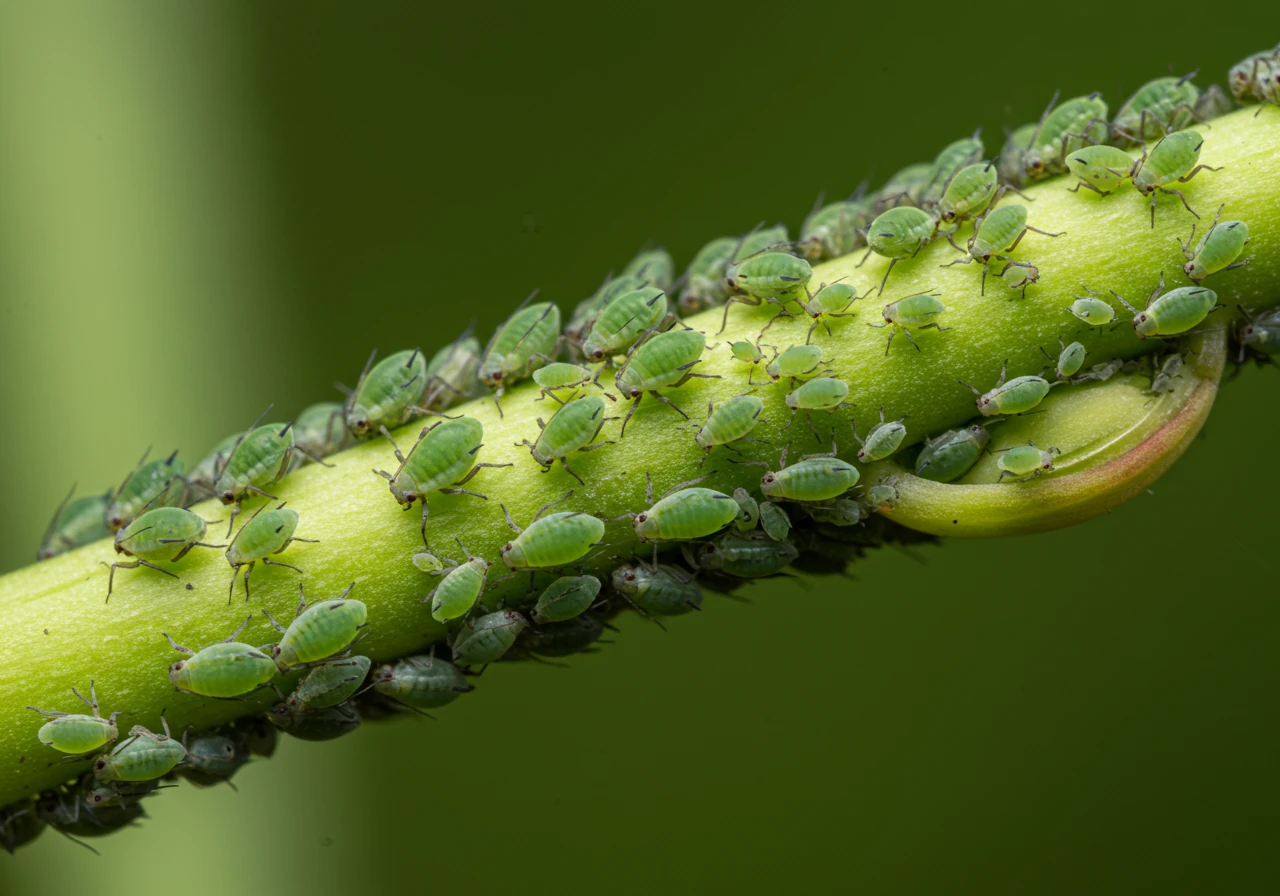
A detailed macro shot of tiny aphids clustered densely on a tender green plant shoot or stem. The aphids should be clearly visible, perhaps in green or black, actively feeding. The image needs to be sharp enough to show the individual insects and the plant stem's surface texture, illustrating a common pest infestation discussed in the section.
Aphids clustered on a plant stem.

Alright, let's talk about the party crashers – the pests that decide your plant stems are the perfect buffet. Our lovely Ottawa climate, with humid summers, can sometimes welcome these troublemakers.

  • Aphids: Tiny, sap-sucking insects often found on new growth. Can cause yellowing, distortion, and leave sticky honeydew.
  • Scale Insects: Look like small bumps or shells. They also feed on sap, weakening the plant.
  • Borers: Larvae that tunnel *inside* stems, disrupting nutrient flow. Often cause wilting or dieback above the entry point. Look for small holes and sawdust-like frass.
  • Spider Mites: Tiny pests causing stippling on leaves and fine webbing on stems, especially in hot, dry conditions.

Regular monitoring helps catch these early. Sometimes a strong spray of water is enough for aphids. For more persistent issues, check our tips on control.

Stem Diseases to Watch For

Fungal and bacterial diseases can also target stems, often thriving in damp conditions.

  • Fungal Cankers: Sunken, dead areas on stems, sometimes oozing. Can girdle the stem, cutting off flow to parts above.
  • Stem Rots: Often occur near the soil line, causing stems to become soft, mushy, and dark brown or black. Poor drainage is a major contributor.
  • Powdery Mildew: White, powdery coating on stems and leaves. Thrives in high humidity with poor air circulation.
  • Botrytis Blight (Gray Mold): Fuzzy gray mold on stems, flowers, and leaves, often starting on damaged or dying tissue in cool, damp weather.

Good sanitation, improving air circulation, and avoiding overwatering are key preventative measures.

Fighting Smarter: Integrated Pest Management (IPM)

Instead of reaching straight for strong chemicals, smart gardening uses Integrated Pest Management (IPM). It’s a common-sense approach:

  1. Monitor Regularly: Check stems frequently! Early detection is crucial.
  2. Identify Correctly: Know your enemy. Is it a pest, disease, or something else? Consult resources like the Master Gardeners of Ottawa-Carleton for help.
  3. Use Cultural Controls: Choose resistant varieties, improve air circulation (proper spacing, pruning), manage water correctly, and maintain good garden hygiene. A thorough fall property clean-up removes overwintering spots.
  4. Try Physical/Biological Controls: Use water sprays, traps, hand-picking, or encourage beneficial insects (ladybugs love aphids!).
  5. Use Chemical Controls Wisely: If necessary, opt for the least toxic option first (e.g., insecticidal soap, horticultural oil). Target applications carefully. Always follow label instructions and understand service scope as outlined in the Clean Yards Terms and Conditions.

Dealing with persistent stem issues effectively is vital for achieving beautiful garden transformations. Good overall yard health, including proper lawn care, reduces pest pressure. If overwhelmed, our experienced team can assist.

Oops! When Care & Conditions Cause Stem Calamities

Let's face it, sometimes *we* are the reason our plant stems are staging a protest. It's usually unintentional – maybe we loved them a little *too* much with the watering can, or got a bit ambitious with the trimmer. Environmental factors, especially our unique Ottawa weather, also play a big role. Here are some common slip-ups and conditions that lead to stem sadness:

  • Water Woes (Too Much or Too Little): This is a big one! Overwatering leads to root rot and mushy stems. Underwatering causes stems to become brittle and unable to support the plant. Getting watering right is crucial gardening 101, especially in local soils.
  • Nutrient Niggles: Lack of essential nutrients makes stems weak, spindly, or discoloured. Soil testing helps, but generally, balanced feeding supports strong stems needed for impressive garden transformations. Learn more about soil preparation here.
  • Oops... Physical Damage: String trimmers, mowers, wind, or even clumsy feet can wound stems, creating entry points for pests and diseases. Careful maintenance around beds is key, whether managing existing areas or planning new sod installation. Sometimes damage requires a reset via services like the Metcalf garden clean up service or Ottawa garden clean up service.
  • Pruning Problems: Incorrect pruning (wrong time, bad cuts, leaving stubs) stresses plants and invites trouble. Proper technique is vital for long-term landscaping success and garden maintenance.
  • Winter Wallops (Hello, Zone 5!): Freeze-thaw cycles cause cracking (sunscald). Drying winds and cold lead to dieback. Choosing hardy plants during new garden installations and providing winter protection helps prevent stem calamities.

Keeping stems happy often comes down to consistent, thoughtful care. Regular observation and timely action are key. This kind of ongoing attention is often part of a comprehensive city garden maintenance service, preventing small issues from becoming big stem emergencies. By avoiding these common pitfalls, you give your plant stems the best chance to thrive!

Common Causes of Stem Issues Reported (Example)
40%
Watering Issues
25%
Pests
20%
Disease
15%
Damage/Other

Stem Savers: Prevention & Treatment for a Thriving Ottawa Garden
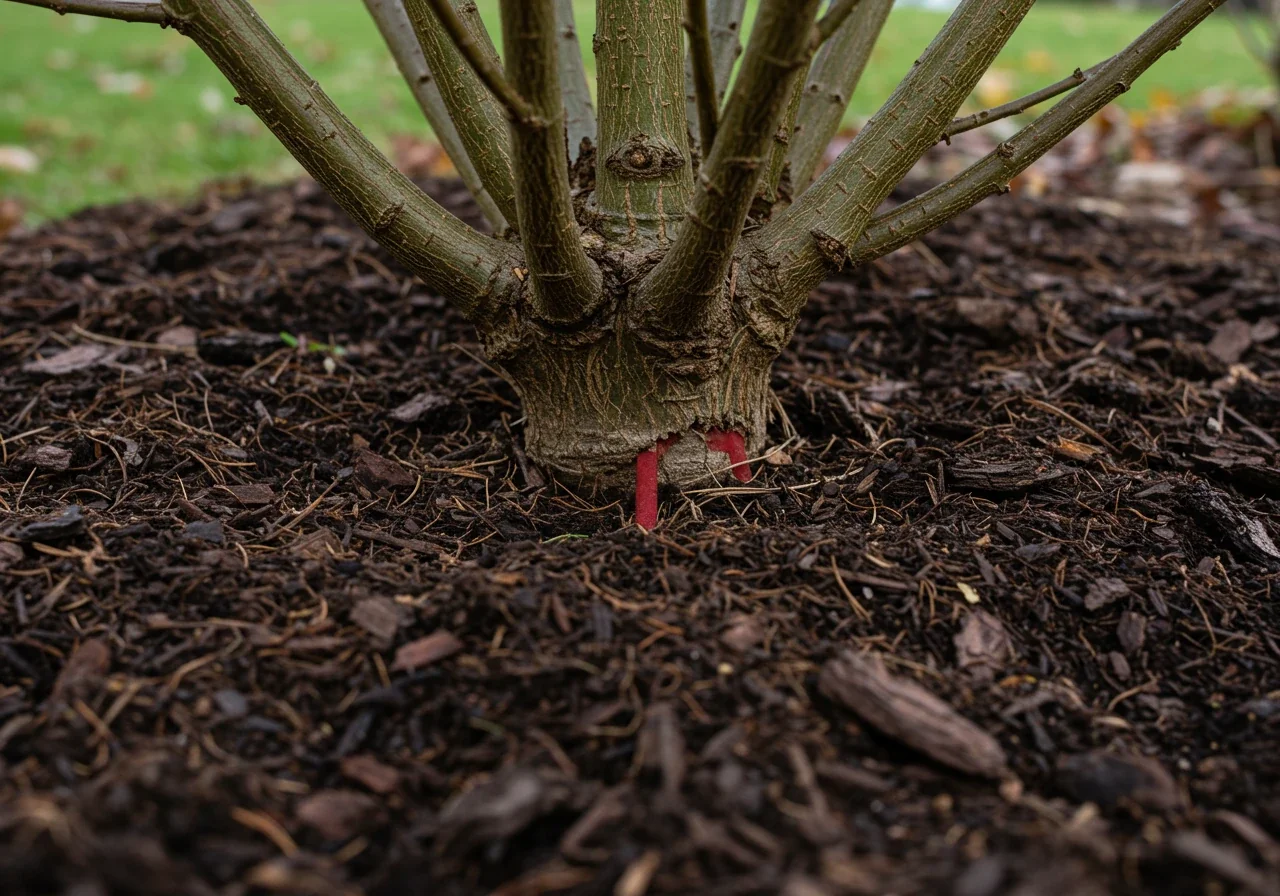
A low-angle shot showing the base of a healthy shrub planted correctly in a garden bed. The image highlights a proper layer of dark brown wood chip mulch spread around the base, leaving a small, clear gap between the mulch and the plant stem itself to prevent moisture buildup against the bark. The stem looks strong and healthy where it emerges from the soil/mulch.
Proper mulching protects plant stems.

Alright, garden enthusiasts, let's talk about keeping those plant stems strong and healthy! While knowing the warning signs is great, the best strategy is always prevention. Think of it like this: it's easier to keep your stems happy from the start than to nurse them back from the brink. Especially here in Ottawa, with our feisty climate, a little proactive gardening goes a long way.

Prevention: Your Stem's Best Friend

So, how do we become stem superheroes?

  • Start Smart: Choose plants suited for Zone 5. Hardy varieties stress less.
  • Soil Matters (A Lot!): Improve drainage and texture with compost, especially in heavy clay. Healthy soil is key for landscaping. Consider an Ottawa property cleanup service or Metcalf property cleanup service to clear debris hindering soil health.
  • Water Wisely: Water deeply, less often. Let the topsoil dry slightly between waterings to avoid rot. Check resources like the Rideau Valley Conservation Authority for local conditions.
  • Feed Appropriately: Provide balanced nutrients, avoiding excess nitrogen which causes weak growth.
  • Mulch is Magic: Apply organic mulch to moderate temperature/moisture, suppress weeds, and prevent soil splash. Explore effective mulching and edging options.
  • Prune Properly: Learn correct techniques and timing. Clean cuts heal faster.
  • Guard Duty: Be careful with mowers/trimmers. Clear debris from plant bases – regular tidying, like a Metcalf yard cleanup service or Marionville yard cleanup service, prevents issues. This is also relevant if planning careful sod installation near beds.

Your Quick Stem Inspection Routine:

  1. Stroll & Scan: Weekly walk-through, looking specifically at stems.
  2. Base to Tip: Check the entire length.
  3. Colour Check: Note yellowing, brown/black spots, streaks.
  4. Texture Test: Feel for mushiness, brittleness, roughness.
  5. Look for Damage: Scan for cracks, holes, pests, sticky residue, growths.

Treatment Tips (When Prevention Isn't Enough):

  • Adjust Care: Correct watering/feeding first.
  • Prune Damage: Snip off affected stems *below* the problem area. Clean pruners between cuts (rubbing alcohol)!
  • Eco-Friendly Options: Try insecticidal soap or horticultural oil before stronger chemicals.
  • Remove & Dispose: Get rid of severely diseased material in the garbage (not compost!). Ensure compliance with local waste disposal, possibly handled during a Ottawa yard cleanup service or city property cleanup service.

Being proactive is key for gardeners in communities like Russell or Embrun. By paying attention and taking preventative steps, you can save your stems and keep your garden thriving. Remember, reliable information is crucial; review our site's Privacy Policy for data handling details. Happy stem saving!

Seasonal Stem Care Timeline (Example)

Early Spring (March-April)

Inspect for winter damage (cracks, dieback). Prune out dead/damaged stems *before* major growth starts. Apply dormant oil for scale insects if needed.

Late Spring (May-June)

Monitor for aphids on new growth. Check soil moisture as temperatures rise. Apply mulch after soil warms. Prune spring-flowering shrubs *after* they bloom.

Summer (July-August)

Watch for signs of drought stress (wilting stems). Check for borers or fungal spots, especially in humid weather. Ensure good air circulation.

Fall (September-October)

Ensure adequate water before ground freezes. Perform fall cleanup (e.g., Marionville garden clean up) to remove debris. Consider winter protection for sensitive plants.

Quick Tips: Your Stem Health Cheat Sheet

Quickest Check? Weekly "walk and scan" focusing on stem colour, texture, damage, and pests.

Floppy Stems? Usually water (too much/little). Check soil first! Then consider nutrient needs.

Best Prevention? Right plant/right place, good soil, wise watering, mulch, careful maintenance.

Found Spots/Mush? Prune below damage immediately, clean tools, discard infected parts (not compost!). A good cleanup like the Metcalf property cleanup service can help reset heavily affected areas.

Widespread Issues? Consider professional help. Explore options like a city property cleanup service for broad assistance. Check site's Privacy Policy for data handling.

FAQs: Your Ottawa & Kenmore Stem Questions Answered

Oh, those Ottawa winters *can* be brutal on stems! Especially in exposed areas like some parts of Barrhaven. To help, make sure your plants are well-watered going into the freeze (but not soggy!). Avoid late-fall fertilizing, which encourages tender new growth that gets zapped. For sensitive shrubs like some hydrangeas or roses, wrapping them in burlap or using insulating covers can make a huge difference. Also, ensure good snow cover if possible – it's nature's best insulator! Come spring, prune out any clearly dead or damaged stems to encourage healthy regrowth for your landscaping.

You've got eagle eyes! Common stem-munchers in Kenmore and across Ottawa include aphids (tiny pear-shaped bugs, often green or black, clustered on new growth) and sometimes scale insects (look like little bumps stuck to the stem). Your first move? Try a strong spray of water from the hose to physically blast aphids off! Inspect closely – sometimes it’s just a few, easily squished. Avoid broad-spectrum pesticides right away. If the problem persists or you see webbing (spider mites!), then consider insecticidal soap or horticultural oil, targeting just the affected plants during your gardening routine.

You're right, heavy clay soil, common in areas like Manotick and Kars, can be tricky for stems! It holds lots of water, which can lead to root rot and mushy stem bases if drainage is poor. It can also compact easily, restricting root growth needed for strong stems. The best fix? Improve the soil structure! Regularly mixing in generous amounts of compost or other organic matter works wonders over time. This improves drainage *and* aeration. Careful material selection when amending your soil is key to building a better foundation for your plants.

Pruning panic is real! A good rule of thumb for many shrubs in Ottawa is to prune *after* flowering for spring bloomers (like lilac or forsythia) and in late winter/early spring for summer bloomers (like potentilla or some spireas). Avoid heavy pruning in late fall, as it can stimulate new growth that won't harden off before winter. Always use sharp, clean pruners and cut back to just above a healthy bud or side branch. Removing dead, damaged, or crossing stems anytime is usually fine and improves air circulation, crucial for healthy gardening.

Yes, totally worth it! Think of fallen leaves and dead plant debris as cozy winter condos for pests (like insect eggs) and diseases (like fungal spores). Removing this stuff in the fall significantly reduces the number of problems waiting to attack your plant stems come spring. It improves air circulation around the base of plants too. It's like the deep clean provided by a professional crew, such as the dedicated Marionville property cleanup service, setting your garden up for a healthier start next gardening season. Less trouble later makes the effort now pay off! Also see our general property clean-up page.

Absolutely! Mulch is like a superhero cape for your soil and stems. A good layer of organic mulch (like shredded bark or wood chips) helps keep soil moisture even (less wilting/stress), prevents extreme temperature swings that can damage stems, and keeps soil from splashing onto lower stems, which can spread disease. It also suppresses weeds that compete for water and nutrients. Keeping the garden tidy overall enhances these benefits. Combining good mulching with regular maintenance, perhaps through a helpful city garden clean up service, creates the best environment for strong, healthy stems in your landscaping.

Take a deep breath! It happens to the best of us gardeners. If you're seeing widespread issues like severe dieback, lots of pests, or suspicious spots across many plants, and simple fixes aren't working, it might be time to call in reinforcements. A local landscaping professional or certified arborist can help accurately diagnose the problem – sometimes it’s more complex than it looks. Getting expert advice can save you time, money, and heartache in the long run. We're always happy to help diagnose issues, and hearing from satisfied clients is the best reward – it makes seeing messages via our contact form or site feedback (like on our thank you page area or estimate feedback page) truly worthwhile!

Conclusion: Grow Strong Stems for a Gorgeous Kenmore (and Beyond!) Garden

So there you have it! Who knew plant stems had so much to say, right? Hopefully, you’re now feeling like a certified stem detective, ready to spot the subtle clues your plants are sending. Paying attention to these vital structures isn't just about fixing problems; it's about proactive gardening that leads to healthier, more resilient plants – the kind that really make your Kenmore landscaping shine, even with our tricky Ottawa weather. Strong stems are literally the backbone of a beautiful garden.

From understanding water woes to battling pesky invaders, you've learned how crucial healthy stems are. Remember, gardening in places like Embrun or Winchester means being prepared, and stem health is a big part of that preparation. Don't feel overwhelmed – even small steps make a difference.

Ready to put your new knowledge into action? Your first mission: Head outside this week and give your plant stems a closer look using the tips we shared. Just observe and see what you notice! But, if you find yourself scratching your head over stubborn stem issues, persistent pests, or just need expert help bringing your garden vision to life, Clean Yards is ready to assist. We offer professional landscaping and gardening services throughout Kenmore and the wider Ottawa region. Happy gardening!

document.addEventListener('DOMContentLoaded', function() { const articleContainer = document.getElementById('kenmore-stem-article-container'); if (!articleContainer) { console.error("Article container not found!"); return; }// --- Progress Bar --- const progressBar = document.getElementById('progress-bar'); const contentWrapper = articleContainer.querySelector('.article-content-wrapper');function updateProgressBar() { if (!progressBar || !contentWrapper) return; const windowHeight = window.innerHeight; const contentHeight = contentWrapper.offsetHeight; const contentTop = contentWrapper.offsetTop; const scrollY = window.scrollY;// Calculate scroll percentage relative to the article content const scrollableHeight = contentHeight - windowHeight; const currentScroll = scrollY - contentTop;let percentage = 0; if (scrollableHeight > 0 && currentScroll > 0) { percentage = (currentScroll / scrollableHeight) * 100; } else if (currentScroll >= scrollableHeight) { percentage = 100; }percentage = Math.max(0, Math.min(100, percentage)); // Clamp between 0 and 100 progressBar.style.width = percentage + '%'; }// --- Back to Top Button --- const backToTopButton = document.getElementById('back-to-top');function toggleBackToTopButton() { if (!backToTopButton) return; if (window.scrollY > 300) { backToTopButton.style.display = 'block'; } else { backToTopButton.style.display = 'none'; } }if (backToTopButton) { backToTopButton.addEventListener('click', () => { window.scrollTo({ top: 0, behavior: 'smooth' }); }); }// Add scroll listener for Progress Bar and Back to Top window.addEventListener('scroll', () => { updateProgressBar(); toggleBackToTopButton(); }); // Initial checks updateProgressBar(); toggleBackToTopButton();// --- Collapsible Sections (FAQ) --- const collapsibles = articleContainer.querySelectorAll('.collapsible-toggle');collapsibles.forEach(button => { button.addEventListener('click', function() { this.classList.toggle('active'); const content = this.nextElementSibling; // Assumes content div is immediately after button if (content && content.classList.contains('collapsible-content')) { if (content.style.maxHeight && content.style.maxHeight !== '0px') { // Collapse content.style.maxHeight = '0px'; content.style.paddingTop = '0'; content.style.paddingBottom = '0'; } else { // Expand content.style.paddingTop = '15px'; content.style.paddingBottom = '15px'; content.style.maxHeight = content.scrollHeight + "px"; } } }); });// --- Tab Interface --- const tabContainer = articleContainer.querySelector('.tab-container'); if (tabContainer) { const tabButtons = tabContainer.querySelectorAll('.tab-button'); const tabContents = tabContainer.querySelectorAll('.tab-content');tabButtons.forEach(button => { button.addEventListener('click', () => { const tabId = button.getAttribute('data-tab');// Deactivate all buttons and content tabButtons.forEach(btn => btn.classList.remove('active')); tabContents.forEach(content => content.classList.remove('active'));// Activate clicked button and corresponding content button.classList.add('active'); const activeContent = tabContainer.querySelector(`#${tabId}`); if (activeContent) { activeContent.classList.add('active'); } }); }); }// --- Bar Chart Animation --- const chart = articleContainer.querySelector('#stem-issue-chart'); if (chart) { const bars = chart.querySelectorAll('.bar');const observerOptions = { root: null, // relative to document viewport rootMargin: '0px', threshold: 0.5 // Trigger when 50% of the element is visible };const observerCallback = (entries, observer) => { entries.forEach(entry => { if (entry.isIntersecting) { bars.forEach(bar => { const value = bar.getAttribute('data-value'); if (value) { bar.style.height = value + '%'; bar.classList.add('animated'); // Add class to trigger value fade-in } }); observer.unobserve(entry.target); // Stop observing once animated } }); };const chartObserver = new IntersectionObserver(observerCallback, observerOptions); chartObserver.observe(chart); }});
Share This Article
Facebook
X
Pinterest
Email
Print

Thank you for sharing!

Contact Us Today

To request a quote, kindly fill out the form below.

Where Can we Reach you?
Which Service Do You Require? (Click all that apply)
Provide a Breif Description of The Work You'd Like Done

Before You Go

We’re confident in our services, we offer a 30-day money-back guarantee. Not 100% satisfied? We’ll swiftly refund all labor costs. Your satisfaction is our top priority!

Get in touch today for expert service and satisfaction guaranteed. You won't regret it!

Where Can we Reach you?
Which Service Do You Require? (Click all that apply)
Provide a Breif Description of The Work You'd Like Done
Where Can we Reach you?
Which Service Do You Require? (Click all that apply)
Provide a Breif Description of The Work You'd Like Done
Where Can we Reach you?
Which Service Do You Require? (Click all that apply)
Provide a Breif Description of The Work You'd Like Done