
Kenmore Pond Check: Prevent Liner Leaks This Summer
Quick Guide to Preventing Pond Leaks:
- Regularly inspect liner edges, especially after winter.
- Understand common causes: age, punctures, installation issues, freeze-thaw cycles.
- Perform a water level test to confirm leaks vs. evaporation.
- Protect liner edges with smooth stones or proper edging.
- Choose durable liner materials like EPDM for Ottawa's climate.
- Keep the surrounding area clean and free of sharp debris.
Suspect a leak or need help with pond maintenance? Don't wait for a small issue to become a big problem. Request a quote from Clean Yards today for professional pond care and leak detection in the Kenmore area!
Introduction: Keep Your Kenmore Pond Pristine This Summer!
Ah, summer in Kenmore! Picture relaxing by your beautiful backyard pond, the gentle sound of water, maybe a few happy fish darting about. It’s the centerpiece of your garden, a perfect little ecosystem you’ve carefully nurtured. But then you notice it… the water level is dropping faster than ice cream melts on a hot Ottawa day. Uh-oh. Is it just evaporation, or is it the dreaded pond liner leak? Suddenly, your peaceful landscaping feature feels more like a puzzling plumbing problem!
Don't let a sneaky hole turn your aquatic paradise into a frustrating, soggy situation (or run up your water bill!). Liner leaks can happen to anyone, whether you're in Kenmore, enjoying a pond in nearby Greely, or tending a water garden anywhere across the Ottawa region. They're annoying, but definitely not impossible to deal with. Consider getting reputable local advice, like checking our Google My Business page for reviews.
Fear not, fellow pond lovers! This guide is here to help. We'll walk you through easy ways to *prevent* leaks in the first place and give you practical, step-by-step advice on how to find and *fix* them if they do occur. Let's work together to keep your Kenmore pond looking its best and bubbling happily all summer long!
Uh Oh, Where'd the Water Go? Common Causes of Pond Liner Leaks in the Ottawa Area

So, you’ve noticed your beautiful Kenmore pond’s water level is dropping faster than usual, and it’s not just the summer sun sipping it away. That sinking feeling (pun intended!) often points to a leak in your pond liner. Don't worry, it happens! Understanding *why* it happens is the first step to fixing it and preventing future headaches in your garden oasis.
Let's look at some usual suspects:
- Age Isn't Just a Number: Pond liners, especially older vinyl or PVC ones, don't last forever. Years of sun exposure (UV rays) can make them brittle and prone to cracking. Sooner or later, they just wear out.
- Oops! Accidental Punctures: Dropped a sharp garden tool? Did a pointy rock work its way up from underneath? Maybe a clumsy step during maintenance? Small holes from accidents are a very common cause of slow leaks.
- Installation Issues: Sometimes, the problem started way back when the pond was built. Liners stretched too tightly over corners, awkward folds creating stress points, or inadequate underlayment allowing sharp objects underneath can all lead to leaks down the road. Visualizing potential issues *before* you build, perhaps using something like 3D landscape plans for better visualization, helps avoid sharp objects or poor grading during the landscaping process.
Ottawa-Specific Challenges:
Living here means dealing with unique environmental factors:
- The Freeze-Thaw Cycle: Ottawa winters are tough on everything, including pond liners! When water freezes, it expands with incredible force, pushing against the liner. As things thaw and the ground shifts (especially common after the snow melts), this stress can create tiny tears or worsen existing weak spots. After the big thaw, while you're getting ready for tasks like your Kenmore spring lawn care and fertilizing, it's also the perfect time to inspect your pond liner for any winter damage.
- Tricky Soil & Pesky Roots: Our region has diverse soil types. In areas like Greely, you might find sand or clay mixtures. Over time, soil can settle unevenly beneath the liner, creating stress. Worse, if the ground wasn't perfectly cleared during installation, a hidden sharp stone or root can eventually work its way through. Speaking of roots, aggressive tree or shrub roots near your pond can be surprisingly strong! Keeping an eye on root zone health clues around your pond can help you spot potential invaders before they puncture the liner.
- Curious Critters: Especially in lovely semi-rural spots around Ottawa like Richmond or Metcalfe, wildlife can be a factor. Muskrats or groundhogs might try to burrow near the pond edge, accidentally damaging the liner. Even pets digging enthusiastically can cause a tear. Keeping the surrounding area tidy, perhaps with help from a Kenmore yard cleanup service, can sometimes deter unwanted digging guests. For similar needs in nearby areas, consider the Metcalf yard cleanup service.
Finding the leak often involves careful inspection. Look closely along the edges, folds, and around any pipes or fixtures for tears or stressed areas, much like you'd inspect plant health using our Kenmore guide to plant stem signs for preventing loss – visual clues are key! If pinpointing the source feels overwhelming, remember that professional help is available through various landscaping and maintenance services.
Playing Detective: How to Spot a Pond Liner Leak Before It's a Disaster
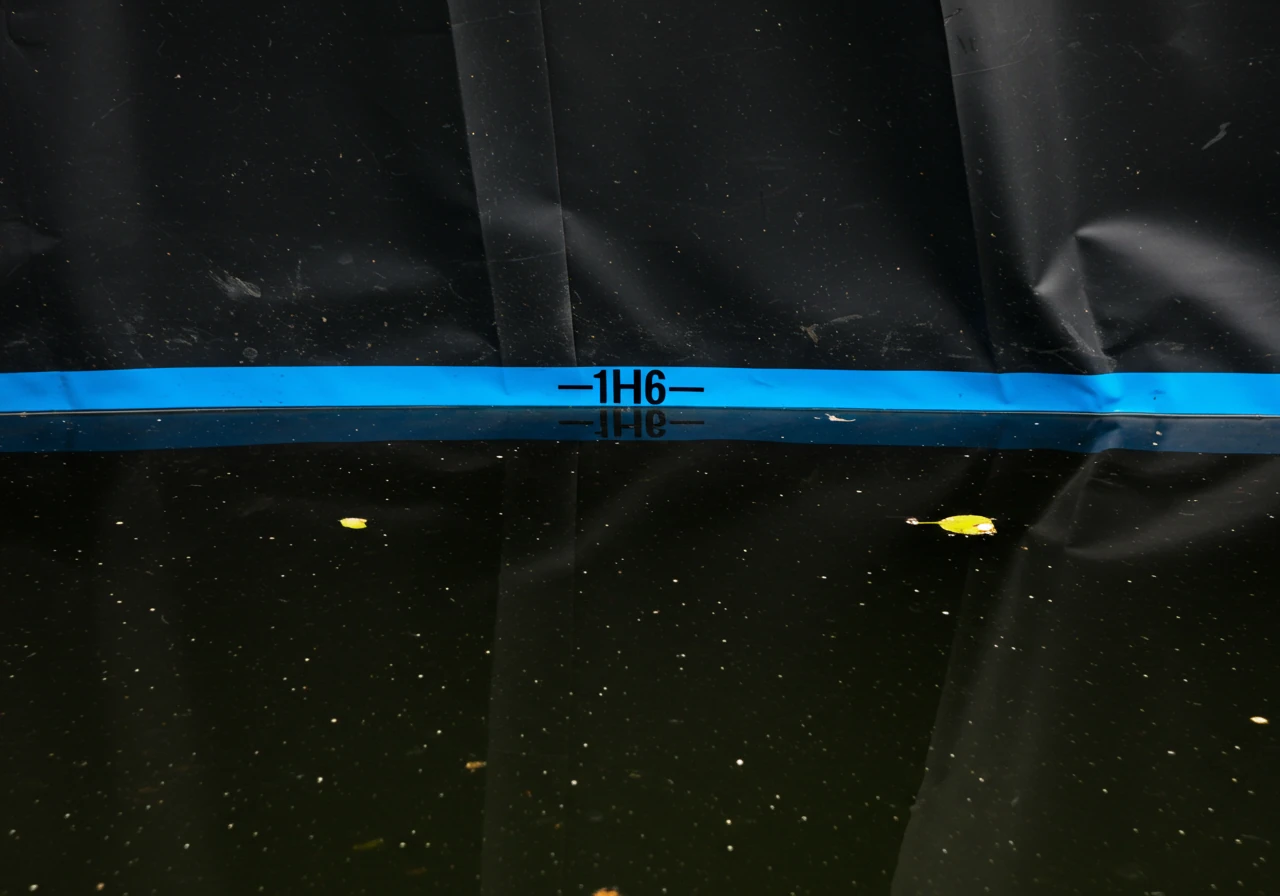
Okay, your pond water seems to be doing a vanishing act. Before you start blaming thirsty squirrels or a tiny black hole opening up in your backyard landscaping, let's put on our detective hats! Spotting a pond liner leak early is key – it can save you water, money, and a whole lot of gardening heartache before it turns into a soggy disaster.
First things first: is it a leak or just the notorious Ottawa summer heat playing tricks on you? A little evaporation is totally normal, especially during those sunny, breezy days we love (and sometimes curse!). Depending on sun exposure and wind, you might lose an inch or two *per week* naturally from your pond surface. But if your pond level is dropping like a lead balloon, consistently losing several inches overnight, or taking a nosedive far beyond typical evaporation rates, it's time to investigate further. A dramatic, unexplained drop is your first big clue that something's amiss. You can find helpful resources on water conservation from the City of Ottawa.
Sometimes, the culprit isn't hiding very well. Keep an eye out for these less-subtle signs:
- Squishy Spots: Is the ground mysteriously soggy or mushy *around* the pond edges when it hasn't rained? This is a classic sign that water is escaping the liner nearby. On larger properties like you might find in Manotick or Osgoode, this wet patch might be further away from the pond edge or harder to notice than in a more compact Nepean garden, where a soggy spot practically shouts "Leak here!". Keeping the surrounding garden beds tidy, maybe with some help from a Metcalf property cleanup service, makes these damp areas much easier to spot.
- Visible Damage: Take a slow walk around the perimeter of your pond. Look closely at the liner material just above and below the current water line, paying special attention to folds, seams, or areas near rocks or skimmers. Sometimes you can spot an obvious tear, crack, or puncture if you look carefully.
If the clues aren't jumping out at you, performing a simple water level test is your best bet for confirming a leak. Here’s how:
- Shut it Down: Turn off your pond pump, waterfall, fountain, and any auto-fill devices. You want the water in the main pond basin to be completely still, isolating it from the circulation system.
- Mark Your Spot: Accurately mark the current water level. You can use a piece of waterproof tape stuck to the liner, a grease pencil, or even carefully place a flat rock precisely at the water's edge inside the pond.
- Wait Patiently: Leave everything off and undisturbed for a full 24 hours. No topping up the water, no running the waterfall – let it sit!
- Check the Drop: After 24 hours, check the water level against your mark. Has it dropped? If it's fallen significantly more than a tiny fraction (maybe ¼ inch, allowing for minimal evaporation on a calm day), you likely have a leak in the main pond basin itself.
- Pinpoint the Zone (If it stops dropping): Observe if the water level stabilizes. If it drops a few inches and then stops, the leak is probably located right *at* that new water level along the liner's edge. Carefully inspect the liner along that entire line.
- Check the Plumbing (If it barely drops): What if the water level *didn't* drop much (or at all) with the pump turned off? Aha! This suggests the leak might be in your waterfall, stream, plumbing lines connecting the pump, or filter system – somewhere outside the main pond basin. To test this, turn the pump and waterfall back on and monitor the water level closely for the next few hours. If it starts dropping noticeably faster *now*, the issue lies within that circulation system. Keeping the area around your pump and filter equipment clear, possibly with assistance from a city yard cleanup service, makes inspecting these external components much easier.
Finding a leak can sometimes feel like searching for a needle in a haystack. If these detective steps don't reveal the source, or if the fix looks like it involves more than a simple patch kit, it might be time to call in landscaping professionals. Fixing a persistent leak could even become part of larger garden transformations you might be planning for your property. Don't hesitate to get professional advice; checking what others thought about their service via our estimate feedback page can be helpful when choosing who to call. Remember, overall garden tidiness, perhaps maintained by a team like the Kenmore yard cleanup service or the Metcalf yard cleanup service, often makes spotting potential problems like leaks much simpler in the first place!
Your Pre-Summer Pond Checkup: A Kenmore Homeowner's Checklist
Alright, Kenmore neighbours! The snow has finally retreated (mostly!), the birds are singing, and thoughts are turning to BBQs and relaxing evenings by the pond. Before you kick back completely, though, let's give your beloved water feature a quick once-over. Think of it as a little spa day for your pond before the busy summer season truly kicks off here in the Ottawa region. Catching small issues now can prevent bigger headaches later, ensuring your pond stays a peaceful paradise, not a perplexing puddle.
This checklist is designed to be straightforward – no engineering degree required! Let's dive in:
Your Pre-Summer Pond Inspection Steps:
- Clear the Coastline (and the Water): Before you can inspect, you need to see! Gently rake away leftover winter leaves, twigs, and other debris from around the pond edges. Skim out any gunk floating on the surface or settled on the bottom that’s easy to reach. Getting the general area tidy makes everything easier – if you're tackling the whole yard, consider getting help with the big stuff via an Ottawa yard cleanup service to free up your time for pond-specific tasks.
- Edge Assessment: Carefully walk the perimeter of your pond. Pay close attention to the liner material visible *above* the current water line. Is it looking brittle, faded, or showing any small cracks from winter's freeze-thaw cycles? Gently feel the liner – it should still feel somewhat flexible, not stiff like old plastic.
- Water Level Lookout: Take note of the current water level *before* you turn on pumps or waterfalls for the season (if they aren't already running). This gives you a baseline. While some fluctuation is normal, knowing the starting point helps if you suspect faster-than-usual water loss later on.
- Fold & Seam Scrutiny: Peek at any folds or seams in the liner, especially near corners or shelves. These areas can sometimes be under more stress. Look for any signs of stretching, wear, or pinholes. It’s like checking the seams on your favourite jeans – you want to catch a small rip before it becomes a disaster!
- Skimmer & Waterfall Checkpoints: If you have a skimmer box or a waterfall, inspect the liner where it connects to these features. Are the seals tight? Is the liner pulled taut or showing wear around fittings? Sometimes leaks hide where the liner meets other components. Ensuring these areas are free of debris is crucial; detailed cleaning around these features might even be something handled by specialized teams like a Marionville yard cleanup service, highlighting the reach of professional help across the region from Kenmore to Vernon.
- Pump & Plumbing Peek: Give your pump, hoses, and any external plumbing connections a visual check. Look for drips, wet spots underneath connections, or cracked/worn hoses. Sometimes a "liner leak" is actually a plumbing issue happening outside the pond itself. Ensuring clear access around these mechanical parts, perhaps as part of a broader city yard cleanup service, makes this check much simpler.
- Water Quality Glance: Is the water reasonably clear for this time of year, or is it excessively murky or pea-soup green already? While not a direct liner check, poor water quality can sometimes stress fish and mask other issues. Early algae blooms might need addressing.
- Fish & Flora Friend Check: Briefly observe your fish (if you have them) and aquatic plants. Are the fish swimming normally? Are the plants looking healthy? Stressed inhabitants can sometimes hint at underlying water quality or level problems. For local plant advice, check resources from the Friends of the Central Experimental Farm or Ottawa Horticultural Society.
A Quick Ottawa Seasonal Pond Care Calendar
Early Spring (April/May)
Initial debris removal, reconnect/restart pump & filter, first water test.
Late Spring/Early Summer (Late May/June)
THIS Checkup! Detailed liner/equipment inspection. Add bacteria, manage algae, introduce new plants.
Summer (July/August)
Regular partial water changes (if needed), algae control, top off evaporation loss, fertilize plants, enjoy!
Fall (Sept/Oct)
Net pond for leaves, trim plants, prep for winter pump/filter strategy. Consider a final Ottawa property cleanup service.
Winter (Nov-March)
Store pump/filter (or ensure winter operation), install de-icer/aerator, minimize disturbance.
Completing this checkup doesn't take long, and the peace of mind is worth it! If you spot something concerning that looks beyond a simple fix, don't hesitate to seek advice from landscaping professionals. Getting your pond ready is a rewarding task. If tackling the surrounding garden cleanup feels like too much, remember that professional teams can help. Learn more about who we are on our About Us page. We believe a clean yard leads to happy homeowners – a big Thank You is what we aim for from every client! Now, go enjoy that beautiful Kenmore pond!
Fortress for Your Fishies: Protecting Your Liner Year-Round in Ottawa's Climate
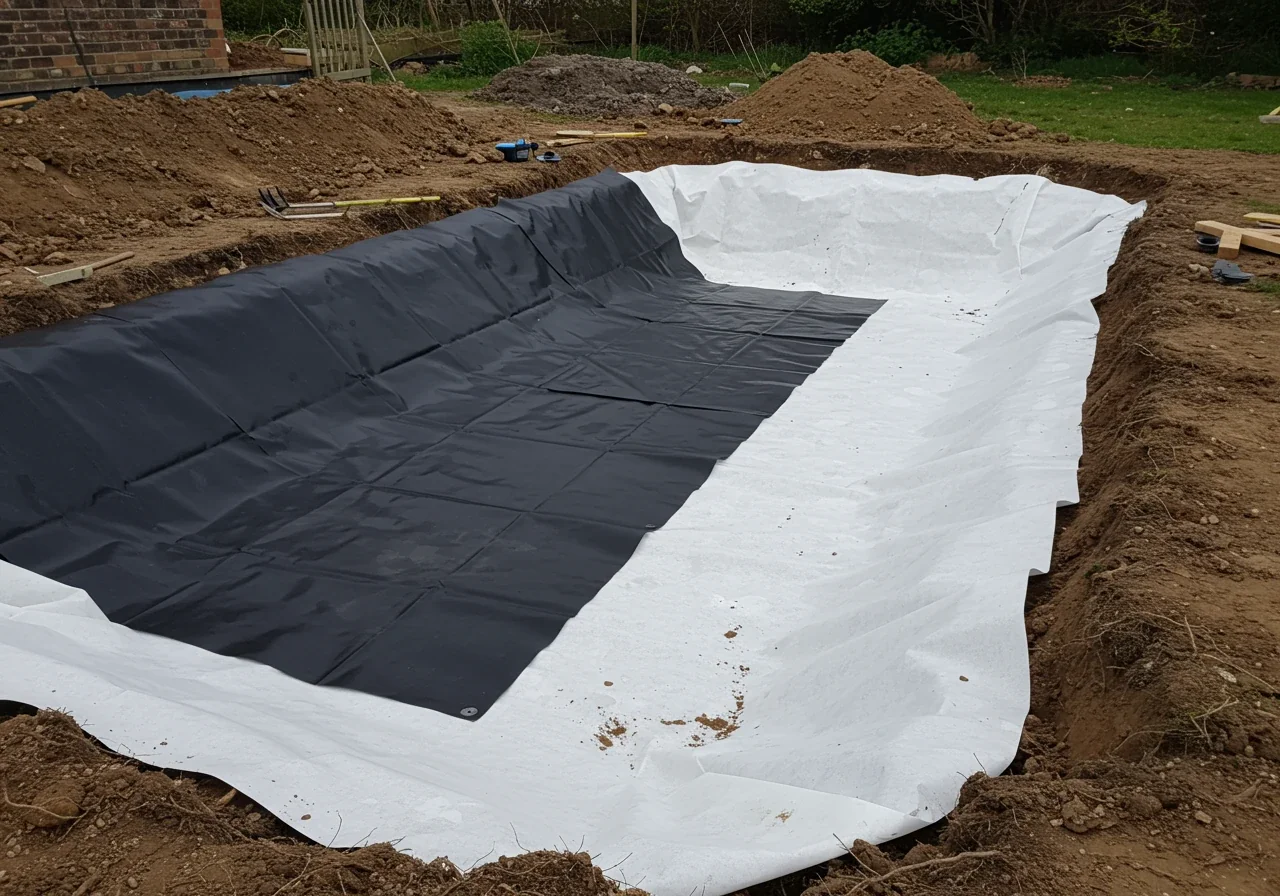
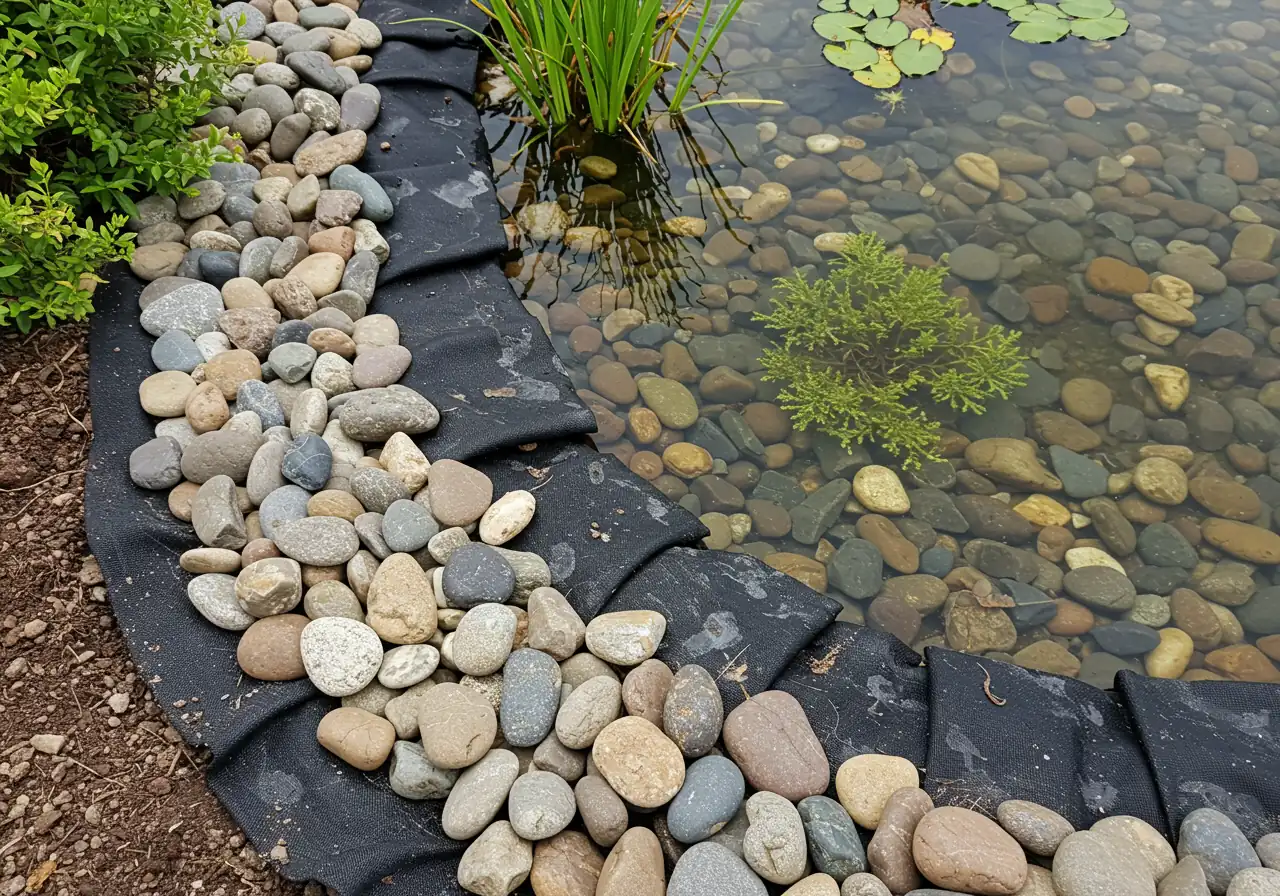
Think of your pond liner as the superhero cape for your backyard oasis – it keeps the water in and the troubles out! But even superheroes need protection, especially against the dastardly villains of Ottawa's wild weather swings. From scorching summer sun to the infamous freeze-thaw cycle that makes our sidewalks heave, your liner needs a little TLC year-round to prevent leaks and keep your fishy friends swimming happily. Protecting it isn't rocket science, but it does take a bit of foresight and care.
Starting Strong: Installation Matters
The best defence starts on day one. When installing (or replacing) a liner, remember these golden rules:
- Underlayment is Non-Negotiable: Seriously, don't skip this! A good quality geotextile fabric underneath the liner acts like body armor against sharp rocks, roots, or sneaky bits of debris working their way up from the soil. It cushions the liner and drastically reduces puncture risk. Proper soil preparation is key here.
- Smooth Operator: Dig your pond shape with gentle slopes and avoid sharp corners or tight folds where stress can concentrate. Ensure the base is free of *any* sharp objects before laying the underlayment and liner. Consider professional garden install services for complex shapes.
- Give it Slack: Don't stretch the liner drum-tight. Leave a little wiggle room, especially around shelves and edges, to allow for settling and minor ground movement without straining the material.
Everyday Defence: Sun, Critters, and Klutzes
Once installed, keep that protection going:
- Edging is Everything: Create a protective buffer zone around your pond's edge. This is where most accidental damage happens (think stray lawnmower wheels or a misplaced shovel). Using smooth flagstones, rounded river rocks, or well-maintained mulching and edging not only looks great but shields the liner edge from harm and UV rays. It also helps prevent soil erosion into your pond.
- Throw Some Shade (Literally): Direct sunlight, especially intense Ottawa summer sun, degrades liner material over time. Encourage marginal plants (like cattails or irises – native options are fantastic!) to grow slightly over the water's edge. Their leaves provide natural UV protection for the liner below. Strategic placement of larger rocks can also help. Local resources like the Rideau Valley Conservation Authority (RVCA) often have info on native aquatic plants.
- Keep it Tidy: Regularly clear leaves, sharp twigs, and other debris from around the pond edge. This prevents sharp objects from accidentally falling in or getting pushed against the liner. A thorough fall property clean up can make a big difference before winter sets in. For folks in areas like Metcalfe dealing with surrounding gardens, keeping those beds neat via a specialized service like the Metcalf garden clean up service also reduces the chance of pointy garden stakes or tools finding their way to the liner. Even simple adjacent lawn care helps by keeping clippings and potential hazards away.
Winter is Coming: Ottawa-Proofing Your Pond
Our winters are the ultimate test! That freeze-thaw cycle is brutal on liners.
- Ice Pressure Relief: Never let your pond freeze solid if you have fish. The expanding ice puts immense pressure on the liner. Use a pond de-icer or an aerator running through winter to keep a small hole open in the ice. *Never* try to chop ice with sharp tools!
- Pump Protection: Unless your pump and filter system are specifically designed for winter use, remove them before the hard freeze. Clean and store them indoors (a bucket of pond water in a cool, frost-free place works well).
- Debris Removal: Before the snow flies, do a final clean-up. Removing leaves and sludge minimizes decomposition over winter, which is healthier for any overwintering fish and makes spring opening easier. If the whole yard needs attention, getting help from an Ottawa property cleanup service ensures the area around your pond is clear and ready for winter. For other areas, consider the Marionville property cleanup service or the City property cleanup service depending on your location.
EPDM (Rubber) Liner
- Pros: Excellent flexibility in extreme cold, very durable, fish-safe, long lifespan (20+ years). Relatively easy DIY installation.
- Cons: Heavy, typically black (can absorb summer heat), can be more expensive initially.
- Ottawa Verdict: Often the top choice for reliability in our harsh winters.
PVC (Vinyl) Liner
- Pros: Lighter weight, less expensive, comes in various colours.
- Cons: Can become stiff and brittle in deep cold, less puncture resistant than EPDM, shorter lifespan (10-15 years), some may contain plasticizers potentially harmful to fish (check for fish-safe rating).
- Ottawa Verdict: Can work for smaller, sheltered ponds but less ideal for harsh winters.
RPE (Reinforced Polyethylene) Liner
- Pros: Very strong and puncture-resistant for its weight, lightweight, UV resistant.
- Cons: Stiffer and less flexible (can make installation trickier, especially on complex shapes), seams may require special tools/tapes.
- Ottawa Verdict: A good durable option, but installation needs more care regarding folds and corners due to stiffness.
Protecting your pond liner is an ongoing process, but these steps will go a long way toward ensuring your watery haven stays leak-free for years to come. If you're ever unsure about the best approach for your specific pond setup or run into issues, don't hesitate to contact us for professional advice! A little prevention keeps the water—and your fishies—right where they belong. Always be sure to follow best practices, respecting guidelines like our Privacy Policy and Terms and Conditions when engaging services.
Top Tips for a Trouble-Free Pond Summer
Hey pond pals in Ottawa! Want to keep your backyard oasis looking splash-tastic all summer long without springing a leak? Nobody wants their beautiful landscaping feature turning into a leaky headache, right? Here are five quick tips to keep things swimmingly:
- Start Smart with the Base: Before laying that liner, ensure the ground beneath is smoother than a senator's promise! Proper soil preparation means removing *all* sharp rocks and roots – they love poking holes. Good underlayment is non-negotiable armour for your liner.
- Choose Your Armor Wisely: Our wild Ottawa freeze-thaw cycles are tough! Select a durable, flexible liner material like EPDM rubber that can handle the extremes. Considering climate during your pond material selection pays off big time in the long run.
- Guard the Edges: Most liner damage happens right at the pond's edge. Use smooth stones or proper edging to protect it from feet, tools, or even enthusiastic lawn care efforts near your Barrhaven pond. Keep this zone clear of potential hazards!
- Win the Winter War: Don't let expanding ice crush your liner dreams! Use a pond de-icer or aerator to maintain an open patch of water during deep freezes. Preventing ice damage avoids costly spring repairs – think of it like understanding the long-term commitments outlined when reviewing project details or even our service Terms and Conditions; preventative knowledge saves trouble!
- Keep it Clean & Inspect Regularly: Make quick checkups part of your routine. Skim out sharp debris and visually inspect liner edges, especially after winter melts. Consistent surrounding garden maintenance makes spotting potential punctures *before* they become gushers much easier.
FAQs: Your Ottawa & Kenmore Pond Questions Answered
Got questions about keeping your backyard pond in tip-top shape here in the Ottawa area? You're not alone! From Kenmore to Kanata, pond owners face similar joys and occasional challenges. Here are answers to some common head-scratchers:
Ah, the classic Ottawa freeze-thaw cycle strikes again! When water freezes, it expands with mighty force, potentially stressing or creating tiny tears in the liner, especially older ones. Ice shifting can also pull the liner. Keeping sharp debris clear before winter helps; a tidy space managed perhaps by a city garden clean up service means fewer pointy things freezing near the liner edge. For the Ottawa area specifically, consider the Ottawa garden clean up service.
You bet! Muskrats or groundhogs sometimes burrow near pond edges and can accidentally puncture the liner. Even overly enthusiastic digging dogs can cause tears. Keeping the immediate pond perimeter clear and less inviting for burrowing can help. Regular tidiness, maybe even with help from a team familiar with larger properties like the Marionville garden clean up service, reduces hiding spots and makes critter activity easier to spot.
Often, yes! For simple, clean punctures away from seams or edges, a good quality pond liner patch kit can work wonders. Clean the area thoroughly first! However, large tears, leaks near fittings, or damage along stressed folds are trickier and might need professional repair. Preventing nicks during nearby gardening with careful regular city garden maintenance service is always a good idea.
It's a strong possibility! A leaky liner is a common cause of persistently wet ground nearby. However, poor drainage or runoff from elsewhere could also be culprits. Investigate the pond edge carefully. If a leak *did* damage the lawn, after fixing the liner, you might need professional sod installation to properly repair the turf and ensure good grading away from your pond.
For our climate, EPDM (a type of synthetic rubber) is generally considered the gold standard. It stays flexible even in extreme cold, reducing the risk of cracking compared to PVC liners. While potentially costing a bit more upfront, its durability and longevity often make it the most reliable choice for Ottawa and areas like Manotick or Metcalfe in the long run.
Definitely! Keep an eye out for perpetually damp or mushy soil right near the pond edge when it hasn't rained. Sometimes you might notice algae growing more heavily on one side where nutrient-rich ground water might be seeping *in* through a small hole. Maintaining a clear view around the pond helps; a thorough city property cleanup service ensures overgrown plants or debris don't hide these early clues.
Conclusion: Enjoy Your Beautiful, Leak-Free Kenmore Pond!
So there you have it! Taking a little time for proactive pond liner care is *way* better than dealing with a surprise swimming pool where your lawn used to be. From understanding the tricky Ottawa freeze-thaw cycle to knowing the signs of trouble, you're now equipped to keep your backyard water feature looking its best. Remember, a healthy, leak-free pond isn't just nice to look at; it's a vibrant part of your garden ecosystem, a source of relaxing sounds, and the perfect backdrop for those lovely summer evenings here in Kenmore.
Why let a tiny tear turn into a big headache? Keep your pond pristine and your landscaping investment protected. If you suspect a leak, need help with a tricky repair, or just want a professional eye for a seasonal inspection, we're here to help homeowners in Kenmore, Manotick, Russell, Embrun, and across the region.
Ready for peace of mind? Contact Clean Yards today for expert pond maintenance and leak repair services. Let us handle the detective work so you can get back to enjoying the splash!
Want a handy reminder? Download our Free Seasonal Pond Care Checklist (Link placeholder - you would add a link here if available) to keep your maintenance on track all year long!