Metcalfe Sharp Edges: Ergonomic Edger Tools for Clay
Ready for perfectly defined lawn edges without the backache? Get a free quote today!
Request Your Free Quote NowQuick Guide to Ergonomic Edging in Clay Soil:
- Ottawa's heavy clay soil makes edging difficult when too wet or dry.
- Ergonomic edgers (manual with step plates, powered) reduce physical strain.
- Choose the right tool based on yard size, soil condition, and physical ability.
- Edge when soil is slightly moist for best results and least effort.
- Use proper technique: leverage body weight, take small cuts, maintain posture.
- Long-term soil amendment with organic matter makes future edging easier.
Introduction: Taming the Tenacious Turf of Metcalfe (and Beyond!)
Hey Ottawa homeowners! Ever feel like achieving those perfectly crisp lawn edges is more of a wrestling match than a relaxing gardening task? If you live in areas like Metcalfe or Greely, you *definitely* know the struggle. That heavy Ottawa clay soil isn't just dirt; it's practically nature's concrete, especially when you're trying to cut a clean line! Shovels get stuck, manual edgers fight back, and suddenly your weekend landscaping project leaves your back screaming for mercy. Taming that tenacious turf feels impossible sometimes, right?
But hold on – don't hang up your gardening gloves just yet! What if edging could be... easier? Imagine defining your lawn and garden beds with sharp, professional lines *without* feeling like you wrestled a bear afterwards. This is where ergonomic lawn edgers step in. Designed specifically to reduce strain and give you better leverage, these tools are game-changers for anyone battling tough soil, whether you're in the aforementioned clay-heavy zones or enjoying slightly easier digging in Manotick or Barrhaven. Let's explore how these back-saving heroes can transform your edging experience and give you lawn lines worth bragging about.
The Ottawa Clay Conundrum: Why Your Edges Feel Like Concrete
Okay, let's dig into why creating those crisp lawn edges in Ottawa can feel like trying to chisel granite!
So, you've decided today's the day – you're going to finally get those sharp, clean edges around your lawn and garden beds. You grab your shovel or edger, head out with enthusiasm, and... *thud*. Your tool barely makes a dent. Sound familiar? If you live anywhere in the Ottawa region, from Barrhaven to Osgoode or Greely, chances are you're battling our infamous heavy clay soil. It's the "secret" ingredient that turns a simple landscaping task into a full-blown workout.
What exactly *is* clay soil? Imagine tiny, tiny, microscopic flat plates. That's clay. Unlike sandy soil with its larger, rounder particles that leave lots of space for air and water, clay particles pack together *super* tightly. This tight packing is the root cause of our edging woes.
Here's the deal with clay:
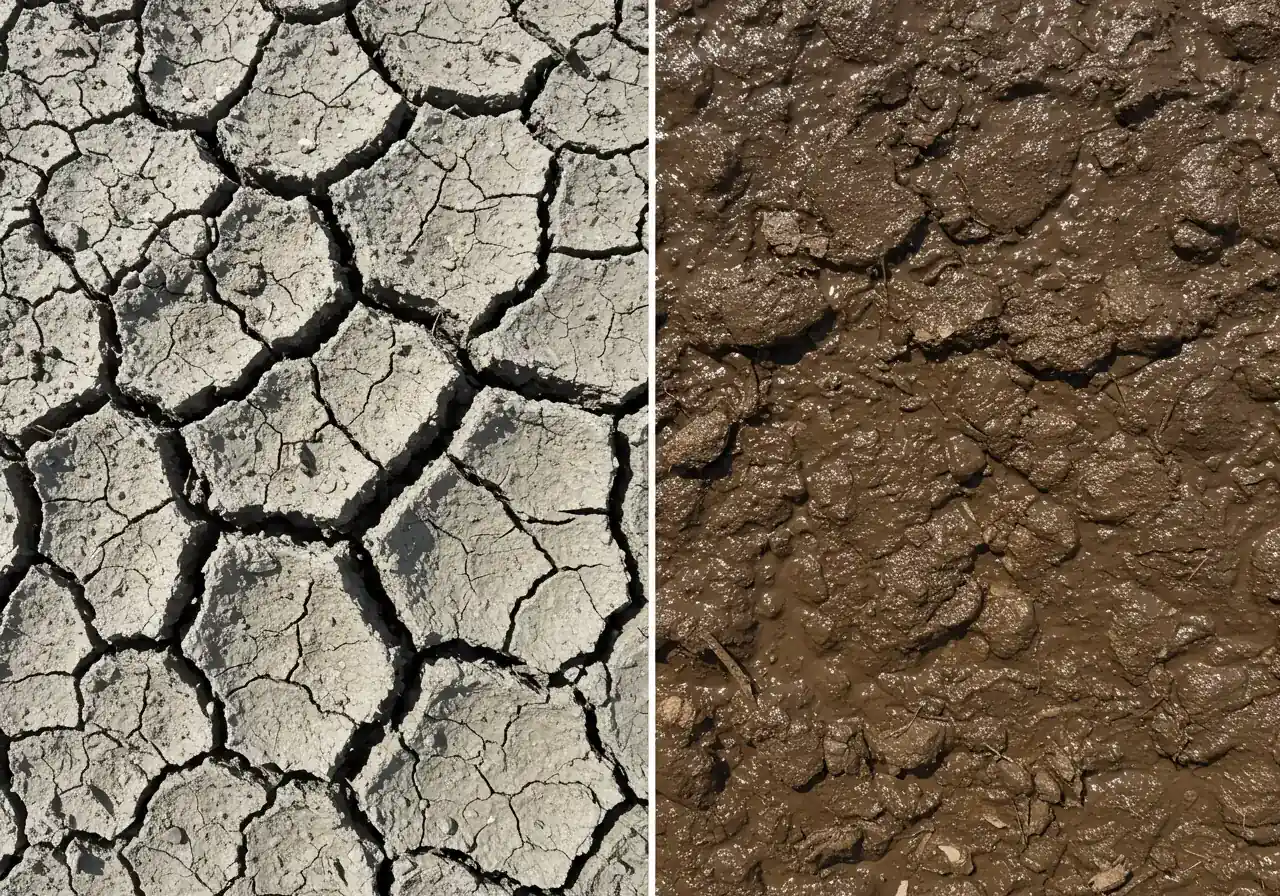
- When it's wet: Think sticky, heavy, modelling clay. It holds onto water like a sponge that refuses to be wrung out. Trying to edge wet clay is a recipe for a muddy mess. Your tools get gummed up, the soil clumps awkwardly instead of cutting cleanly, and you might even compact it further just by walking on it. Drainage is slow, which isn't just annoying for edging; it can also lead to bigger issues. You can learn more about how heavy clay contributes to patio problems like sinkage and cracks if you've noticed issues elsewhere in your yard.
- When it's dry: This is where the "concrete" comparison really hits home. As the water evaporates, those tiny clay particles bake together into a hard, dense mass. It shrinks, cracks, and becomes incredibly difficult to penetrate with *any* tool, let alone a simple edger. Trying to force an edger through bone-dry clay can feel impossible and might even damage your tools (or your back!).
So, what's an Ottawa gardener to do? Timing is key! The sweet spot for edging clay soil is when it's *slightly* moist – not soaking wet and definitely not rock hard. Think damp enough to yield to the tool, but dry enough not to be sticky.
Over the long term, improving your soil structure helps immensely. Regularly adding organic matter like compost is fantastic. Applying a good layer of mulch is also beneficial; explore the benefits of adding organic matter like mulch to see how it helps break up clay over time. Proper soil preparation, especially before winter, is also crucial. Considering why comprehensive fall cleanup services are vital for clay soil health can set you up for better success next spring, alongside understanding frost protection tips for your garden beds which often sit beside those tricky edges. Our mulching and edging services tackle these exact issues.
If the battle feels too overwhelming, remember that sometimes calling in reinforcements is the smartest move. For consistently perfect edges or help amending that stubborn clay, exploring professional landscaping services might be your best bet for saving time and frustration. Understanding the soil you're working with is the first step to conquering the Ottawa clay conundrum!
Your Back Will Thank You: The Magic of Ergonomics in Edging Tools
Okay, let's talk about saving your aching muscles! That weekend warrior spirit is admirable, but wrestling with stubborn lawn edges, especially in tough Ottawa soil, shouldn't leave you reaching for the heating pad every Sunday night.
Remember that feeling after edging? The stiff back, sore shoulders, maybe even tweaked wrists? You’re not alone! Traditional edging tools, especially basic shovels or manual half-moon edgers, often force you into awkward positions. Think lots of bending, twisting, and putting *way* too much pressure on your lower back and joints. When you add the resistance of heavy clay soil, like you find in many parts of Ottawa from Nepean to Kars, it’s a recipe for strain. It feels like you need the strength of a linebacker just to cut a clean line! Repetitive motions combined with poor posture are notorious culprits for causing aches and pains that can linger long after the gardening gloves come off.
So, what’s this "ergonomics" buzzword all about? Simply put, ergonomic tools are designed *with your body in mind*. They aim to make tasks more comfortable, efficient, and safer by reducing physical stress. It's about working *smarter*, not harder.
How does this translate to edging tools?
- Better Leverage: Many ergonomic edgers feature longer handles, reducing the need to bend over excessively. Some have step plates, allowing you to use your body weight and leg strength (which are much stronger than your arms and back!) to push the blade into the soil.
- Comfortable Grips: Padded or contoured handles reduce hand fatigue and blisters, providing a more secure, comfortable hold. No more death-gripping a cold metal shaft!
- Adjustable Features: Some models offer adjustable handle lengths or angles, letting you customize the tool to *your* height and preferred working posture.
- Smart Design: Curved shafts or specially angled blades can improve the cutting action, requiring less brute force to slice through turf and soil.
Using an ergonomic edger means less hunching, less straining, and more efficient power transfer. The difference is often night and day! Instead of dreading the task, you might find edging becomes quicker and, dare we say it, *almost* enjoyable. Your back, shoulders, and wrists will definitely notice the improvement.
Investing in ergonomic tools makes DIY landscaping more sustainable and pleasant. It helps you maintain those crisp lines that make a newly installed garden bed truly pop – something we love seeing after a successful garden installation project. Sharp edges also beautifully frame a lush lawn, perhaps even one established through professional sod installation.
Of course, even with the best tools, some landscaping tasks are just big jobs. If you find edging or other yard work consistently causing discomfort, or if you're looking for help with broader tasks like seasonal tidying similar to our dedicated Marionville yard cleanup service or Metcalf yard cleanup service, don't hesitate to explore professional options. Taking care of our clients is important to us – you can learn more about us and our approach – and sometimes, calling in the experts is the most ergonomic choice of all! Check out the range of professional landscaping services available if you need a hand keeping your outdoor space looking its best without the backache. Find our contact details easily on our Contact Us page.
Choosing Your Clay Combatant: Edgers Compared
| Feature | Manual Ergonomic Edger | Powered Ergonomic Edger (Battery/Electric) | Powered Ergonomic Edger (Gas) |
|---|---|---|---|
| Primary Power | Human (Leg/Body Weight) | Battery / Electricity | Gasoline Engine |
| Ergonomic Features | Long Handle, Step Plate, Padded Grips | Adjustable Handle, Guide Wheel, Lighter Weight | Adjustable Handle, Guide Wheel, Anti-Vibration |
| Best For | Smaller yards, precise curves, budget-conscious | Medium-large yards, convenience, lower noise/emissions | Large yards, very tough soil, maximum power |
| Pros | Affordable, quiet, no fuel/charging, precise | Faster, less effort, no fumes (battery), lighter than gas | Fastest, most powerful, no cord/battery limit |
| Cons | Requires physical effort, slower for large areas | More expensive, battery life/cord limits, less power than gas | Most expensive, noisy, maintenance, emissions, heavier |
Choosing Your Clay Combatant: Ergonomic Edgers Decoded
Okay, team, let's dive into the world of ergonomic edgers! Choosing the right tool for battling that infamous Ottawa clay can feel like picking your champion for a duel. You need something strong, reliable, and, most importantly, something that won't leave *you* feeling like you lost the fight. So, let's decode these "Clay Combatants" and find the perfect ergonomic edger for your landscaping needs.
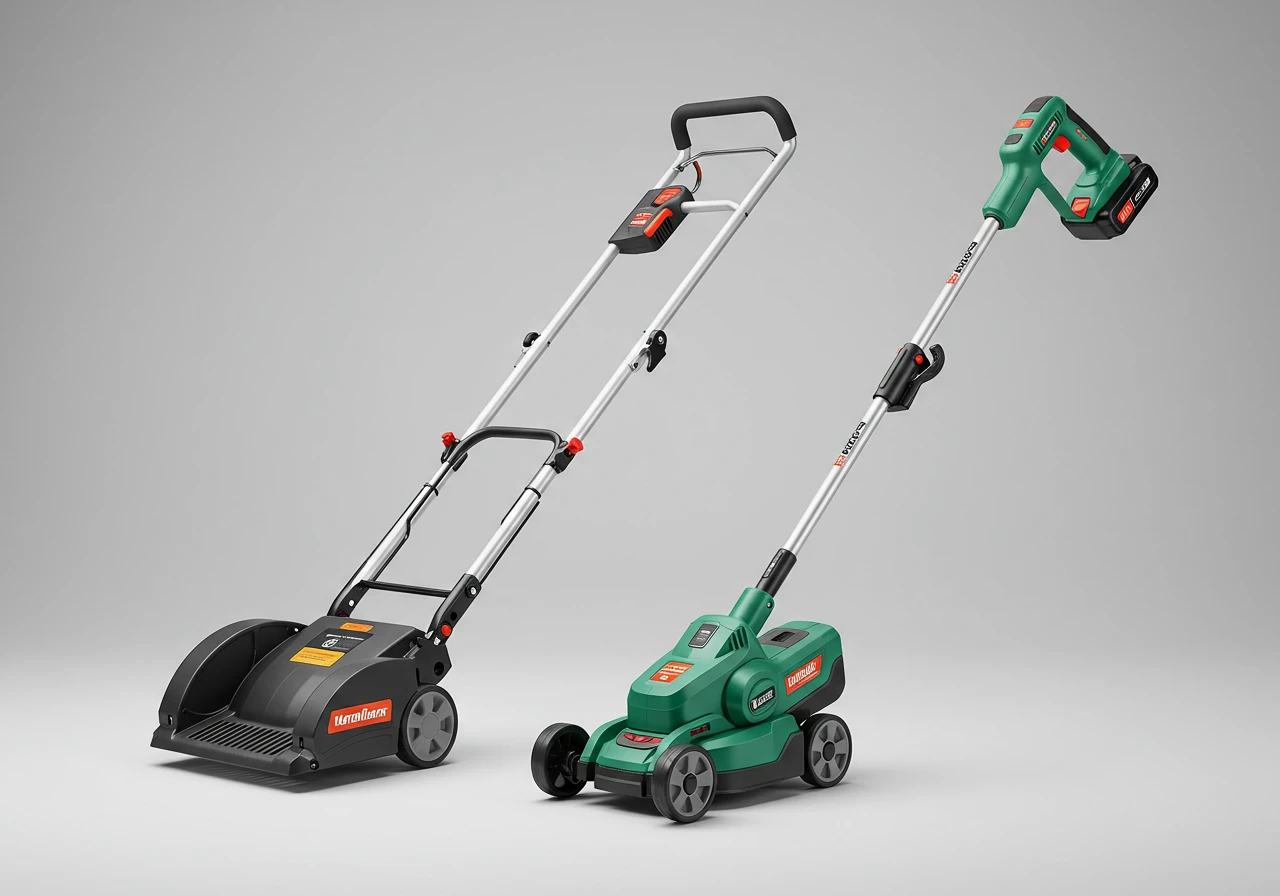
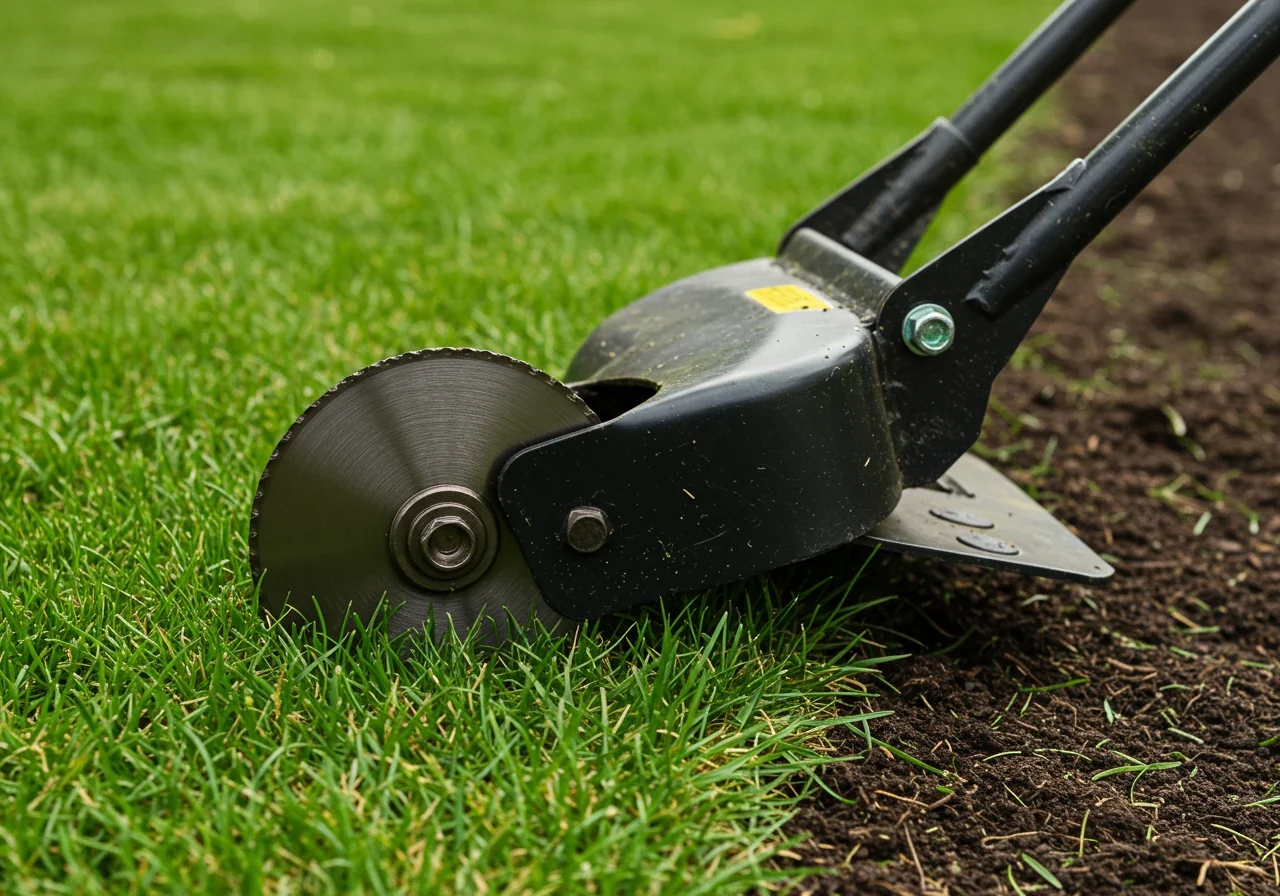
First off, what makes an edger "ergonomic"? As we touched on, it’s all about design that reduces strain on *your* body. Think less bending, better leverage, and more comfortable grips. When facing down compacted soil in areas like Manotick or Winchester, these features aren't just nice-to-haves; they're essential for saving your back and getting the job done without reaching for the pain relievers.
Let's break down the main contenders:
1. Manual Ergonomic Edgers: The Stalwart Steppers
These are your classic edgers, but with thoughtful upgrades. Think of them as the dependable foot soldiers of lawn care.
- Types: The most common ergonomic versions are the long-handled half-moon edger (often with a T-handle or D-handle) and rotary or "wheel" edgers with long shafts.
- Ergonomic Edge:
- Longer Handles: Reduce the need to hunch over, promoting better posture.
- Step Plates: These are GOLD, especially for clay. A wide, sturdy plate lets you use your body weight and leg power to drive the blade into the ground, instead of just relying on arm strength.
- Padded/Comfort Grips: Save your hands from blisters and fatigue during longer edging sessions.
- Optimized Blade Shape: Some designs feature sharpened or serrated blades angled for easier soil penetration.
- Pros: Generally more affordable, no noise, no fuel or charging needed, lightweight, offer precise control for intricate flower beds. They’re often perfect for smaller yards or touch-up jobs.
- Cons: Still require significant physical effort, especially in dense, dry clay. Not ideal for very large properties as it can be time-consuming. You might break a sweat!
Practical Tip: When using a manual step edger in tough soil, try moistening the edge line slightly beforehand (but not soaking it!). Aim for consistency – small, overlapping steps often work better than trying to take huge bites.
2. Powered Ergonomic Edgers: The Effortless Engines
If you have a larger property, consistently tough soil, or simply want to make the job faster and less physically demanding, powered options are worth considering.
- Types: Electric (corded or battery/cordless) stick edgers and Gas-powered stick edgers.
- Ergonomic Edge:
- Adjustable Handles/Shafts: Allow you to customize the fit for your height, reducing strain.
- Guide Wheels: Help maintain a consistent depth and direction with less effort, supporting the tool's weight.
- Lighter Weight (Cordless Electric): Advances in battery technology are making these much more manageable.
- Anti-Vibration Technology (Gas): Reduces hand and arm fatigue caused by engine vibrations.
- Motor Power: The engine/motor does the hard cutting work, requiring less pushing from you.
- Pros: Much faster than manual edgers, require significantly less physical exertion, great for large lawns or very compacted soil often found around the Ottawa region. Can create very sharp, deep edges.
- Cons: More expensive, noisier (hearing protection often recommended!), require maintenance (especially gas models), electric cords can be cumbersome, batteries have limited run times and need recharging. Gas engines produce emissions.
Practical Tip for Winchester Homeowners (often with larger lots): A battery-powered stick edger might offer a good balance of power, convenience (no cord!), and reduced weight compared to gas, making those long stretches more manageable. Always ensure you operate powered equipment safely; it’s like reviewing our service terms and conditions – understanding the details beforehand prevents problems later.
Making the Choice
Consider these factors:
- Yard Size: Smaller yard? A manual ergonomic edger might be perfect. Larger property? Powered options will save significant time and effort.
- Soil Condition: Is your clay *always* rock-hard? A powered edger might be less frustrating. If it's workable when moist, a good manual tool could suffice. Check out our guide on material selection for soil amendment options.
- Your Physical Ability: Be realistic about the effort you're willing and able to exert.
- Budget: Manual tools are cheaper upfront, while powered tools are an investment.
Sometimes, even with the right tool, the job feels overwhelming, or you want that truly professional finish without the hassle. That's where expert help comes in. Teams like ours specialize in handling Ottawa's challenging conditions. You can learn more about us and our commitment to quality service. Whether it's edging as part of regular city garden maintenance service or a component of a larger Ottawa yard cleanup service, professional crews have the equipment and experience to make your lawn lines razor-sharp. If you decide to reach out for a quote, you'll find the process straightforward, right down to landing on our cheerful thank you page!
Get Edgy (The Right Way!): Your Step-by-Step Ergonomic Edging Technique
Okay, let's get down to the nitty-gritty – actually *doing* the edging without making your body regret it later! Follow these steps for a sharper lawn line and a happier back, even when tackling that stubborn Ottawa soil.
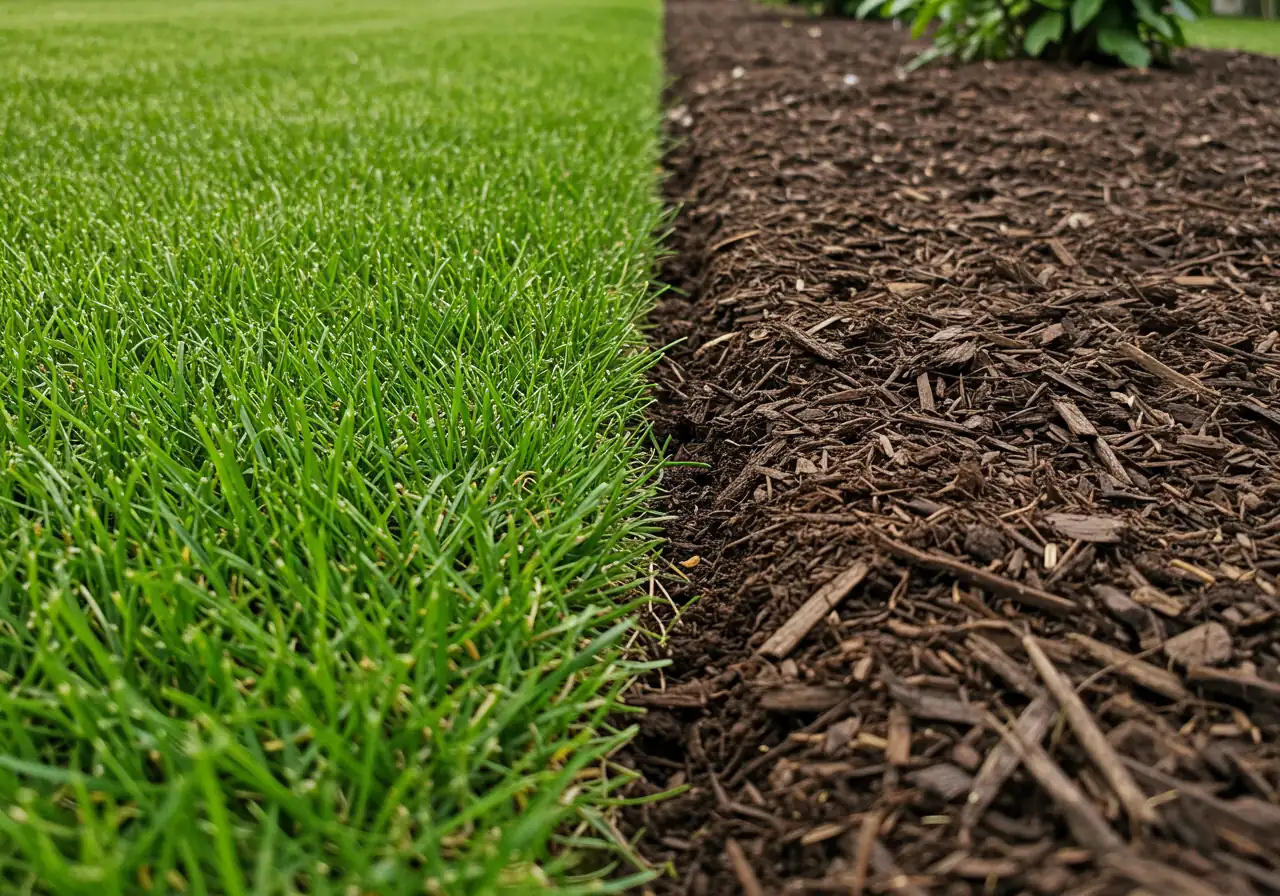
Ready to carve out those crisp lines like a pro, without the post-gardening groan-fest? Here’s how to edge smart:
- Timing is Everything (Especially in Ottawa!)
Remember our chat about clay soil? Trying to edge when it's baked hard and dry (hello, Ottawa summer drought!) or soaking wet (spring thaw, anyone?) is just asking for frustration and sore muscles.
- The Sweet Spot: Aim for when the soil is slightly moist – damp enough to give way, but not muddy. Think after a light rain, or a day or two after a good watering. It should feel like firm cake, not concrete or pudding.
- Seasonal Tip: Late spring (after the ground has thawed and dried *a bit*) and early fall are often ideal times in the Ottawa region for establishing or redefining edges. Summer edging might require targeted watering of the edge line a day beforehand.
- Gear Up for Comfort and Safety
Grab your chosen ergonomic edger (remember the step plates on manual ones, or the adjustable handles on powered models?). Don't forget:
- Sturdy closed-toe shoes (no flip-flops for this dance!)
- Gardening gloves to protect your hands
- Eye protection (especially vital with powered edgers kicking up debris)
- Hearing protection if using a gas-powered model
- Prep Your Edge
Before you start slicing, clear the path!
- Remove any loose debris like leaves, twigs, or rocks along the edge line.
- If you're creating a new edge or want ultimate precision, consider laying down a garden hose or using landscape marking paint to guide your cuts. This helps keep your lines straight or smoothly curved.
- Assume the (Ergonomic) Position
This is key to saving your back!
- Stand tall with your feet shoulder-width apart. Keep your back relatively straight – avoid hunching over.
- Engage your core muscles slightly to support your spine.
- Position the tool comfortably. If it's adjustable, set the handle height so you're not bending excessively.
- Execute the Cut – Power Up (Smartly!)
- Manual Step Edger: Place the blade on your line. Put your foot squarely on the step plate. Use your body weight and leg strength to press the blade down into the soil. *Don't* rely just on arm and back strength! Rock the handle slightly back and forth if needed to help slice through. Lift, move over slightly (overlapping the previous cut just a bit), and repeat. Small, consistent steps are better than trying to take huge, forceful bites.
- Powered Stick Edger: Position the guide wheel (if it has one) on the solid surface (walkway, driveway). Start the edger according to manufacturer instructions. Let the *machine* do the work. Guide it smoothly along your line, keeping a firm but relaxed grip. Don't force it; let the blade cut at its own pace. Maintain that good posture!
- Tackle Tough Spots & Finish Strong
- Roots & Rocks: If you hit a stubborn root or rock, stop! Don't try to force the edger through it – you could damage the tool or yourself. Use hand pruners or a small trowel to carefully cut the root or dig around the rock. For seriously tough spots in areas like Nepean where older trees might have extensive root systems, sometimes patience (or calling for backup) is the best approach. Check our Google reviews to see how we handle challenges!
- Clean Up: Once you've cut the edge, use a shovel or trowel to scoop out the loosened strip of sod and soil. Toss this onto your compost pile or into your yard waste bin. Rake the area lightly for a tidy finish.
Voila! Crisp, clean edges achieved with minimal strain. Maintaining these lines becomes much easier with regular attention, perhaps as part of a regular lawn care program or garden maintenance plan. Seeing the difference a sharp edge makes is incredibly satisfying – you can see some amazing lawn transformations where defined edges play a huge role.
If this still feels like too much work, or if you're dealing with particularly challenging terrain, remember that help is available. Whether you need a one-time edge definition as part of a larger cleanup, like a professional Metcalfe garden clean up service, or more specialized assistance, such as an expert Marionville garden clean up service can provide, reaching out is easy. You'll often get a prompt response, sometimes leading right to our friendly thank you page confirmation once you submit a request! Happy (and comfortable) edging!
Manual Ergonomic Edging Technique Refresher
Focus on these key points when using a manual ergonomic edger, especially the half-moon type with a step plate:
- Moisture is Key: Target slightly damp soil.
- Posture Perfect: Stand tall, back straight, feet shoulder-width.
- Leg Power: Place your foot fully on the step plate and push down using your body weight and leg strength. Avoid relying solely on arm/back muscles.
- Small Steps: Overlap your cuts slightly (e.g., by half the blade width) for a continuous, clean line. Don't try to remove huge chunks at once.
- Wiggle Gently: If you encounter resistance, a slight back-and-forth rocking motion of the handle can help the blade slice through.
- Consistent Depth: Try to apply even pressure for a uniform edge depth.
Tips for Powered Ergonomic Edgers
Using a powered edger (battery or gas) requires less brute force but more attention to safety and technique:
- Safety First: Always wear eye and hearing protection (especially for gas). Keep bystanders clear.
- Use the Guide: If your edger has a guide wheel, keep it firmly on the hard surface (walkway/driveway) for a straight, consistent cut.
- Let the Tool Work: Don't force the edger. Guide it smoothly along your intended line, allowing the blade speed to do the cutting.
- Adjust for Comfort: Use adjustable handles/shafts to set the tool to a comfortable height, minimizing bending or reaching.
- Clear Debris: Ensure the path is clear of rocks, thick roots, or hidden objects that could damage the blade or cause kickback.
- Battery Management: For cordless models, ensure batteries are fully charged before starting large jobs. Have a spare if needed.
Maintaining Sharp Edges
Once you've established your crisp edges, keeping them looking good is easier:
- Regular Touch-ups: Re-edging lightly once or twice during the growing season is much easier than tackling overgrown edges annually.
- Mowing Matters: Mow carefully along edges to avoid damaging the clean line. Use a string trimmer vertically (carefully!) for quick touch-ups between full edging sessions.
- Mulch Management: Keep mulch pulled back slightly from the lawn edge to maintain definition and prevent it from spilling onto the grass. Our mulching services can help with this.
- Weed Control: Remove weeds promptly along the edge to prevent them from blurring the line.
- Soil Health: Continue improving soil health with organic matter near the beds; this makes subsequent edging easier over time. Good soil preparation pays off.
Healthier Lawn, Happier You: Eco-Friendly Tips for Clay Soil Care
Okay, let's dig into making peace with that Ottawa clay, the green way! It might seem like a stubborn beast, but with a little eco-savvy care, you can create a thriving lawn and garden that’s good for you *and* the planet. No wrestling matches required, we promise!
So, that heavy clay soil? It’s not all bad news! Its main superpower is holding onto nutrients. The trick is making it less like concrete and more like a welcoming home for plant roots. The absolute *best* way to do this is soil amendment. Think of it as giving your soil a healthy diet. Regularly mixing in organic matter like compost, well-rotted manure, or leaf mold works wonders. This stuff breaks up those tightly packed clay particles, improving drainage (goodbye puddles!) *and* aeration (hello happy roots!). It’s a cornerstone of long-term, sustainable lawn care.
Improving your soil structure also helps with water conservation. While unamended clay gets waterlogged easily, healthy soil with lots of organic matter acts more like a sponge – absorbing water readily but also letting excess drain away. This means you can water *less* frequently but more deeply, encouraging stronger root growth. Consider using a rain barrel to capture free water for your garden beds! For more tips, check local resources like the City of Ottawa's water conservation page or the Ontario Horticultural Association for gardening advice.
Let's talk plants! Fighting clay soil is exhausting, so why not work *with* it? Choose plants that are native to the Ottawa region or known to tolerate heavier soils. Whether you're gardening in Kars or over in Vernon, selecting varieties like Hostas, Daylilies, Coneflowers, or certain ornamental grasses means less fuss, less water, and plants that are naturally adapted to thrive. They often require fewer fertilizers and pesticides too – a win-win! Need suggestions for your specific spot? Don't hesitate to get in touch with us; we love talking plants!
Finally, what about the waste from edging and cleanup? Don't just trash those grass clippings and loosened soil! Add them to your compost bin. Leaves make fantastic mulch or compost additions come fall. If you’ve done a major overhaul, like amending large beds, and have excess soil or debris, ensure it's disposed of responsibly. Sometimes, calling in help for larger jobs makes sense; a professional city yard cleanup service can handle the heavy lifting and proper disposal. For really big projects that involve more than just green waste, an Ottawa property cleanup service or city property cleanup service might be what you need. We aim to work sustainably in all aspects of our business, right down to respecting your data – you can always review our commitment to your privacy.
By adding organic matter, watering wisely, choosing the right plants, and handling waste responsibly, you’ll be well on your way to a healthier, happier lawn and garden, even in challenging clay soil!
Estimated Effort Reduction with Ergonomic Edgers (vs. Basic Shovel)
*Illustrative percentages representing perceived reduction in physical strain compared to using a standard shovel for edging in moderate clay soil.
Highlight Box: Metcalfe Sharp Edges - Quick Wins for Clay
Alright, Metcalfe neighbours (and everyone else wrestling with Ottawa's clay!), getting those crisp lawn edges doesn't have to feel like arm-wrestling concrete. Using ergonomic tools helps immensely, but *how* you use them on tough soil is key. Here are five quick wins to make edging easier and save your back:
- Time It Right: Forget trying to edge baked-hard clay or sloppy mud. The sweet spot is slightly moist soil – think damp enough to yield to your edger, but not sticky. This makes a HUGE difference in effort required.
- Leverage Your Power (Smartly!): Ergonomic tools are designed to help! If using a manual step edger, plant your foot firmly on the plate and use your body weight and leg strength, not just your arms and back. For powered edgers, let the motor do the heavy lifting – guide it smoothly without forcing.
- Improve Soil Over Time: While edging, notice how tough that clay is? Long-term, amending the soil along your beds with compost or other organic matter is a game-changer. This improves drainage and makes future edging way easier. Good material selection for these amendments is crucial for breaking down heavy clay.
- Take Small, Consistent Bites: Resist the urge to hack away huge chunks. Whether manual or powered, aim for small, overlapping cuts. It’s less strenuous, gives you better control, and results in a cleaner, straighter line. Patience pays off!
- Know When to Call for Backup: Sometimes, the clay is just too stubborn, the job is too big, or you simply want that perfect edge without the sweat. Don't hesitate! Calling in the pros is the ultimate ergonomic move. For local help, a professional Metcalfe property cleanup service can make quick work of tough edges.
Remember, sharp edges are often just one part of maintaining a great-looking property. If you need help with bigger tasks across the city, an Ottawa property cleanup service can tackle larger projects, while a general city property cleanup service can assist with various cleanup needs throughout the Ottawa area. Happy edging!
Timeline: Achieving & Maintaining Perfect Edges
Step 1: Assess & Plan (Early Spring)
Examine existing edges. Decide on desired lines (straight, curved). Check soil moisture - wait if too wet or frozen.
Step 2: Choose Your Tool
Select an ergonomic edger (manual or powered) based on yard size, soil type, and personal preference. See our services if you prefer professional tools.
Step 3: Initial Edging (Late Spring / Early Summer)
Edge when soil is slightly moist. Use proper ergonomic technique. Remove debris and sod strips. Consider applying mulch after edging - see mulch tips.
Step 4: Mid-Season Touch-up (Summer)
Use a string trimmer vertically (carefully) or perform a light re-edge if lines become overgrown or blurred.
Step 5: Fall Definition (Early Fall)
Perform a final, clean edging before winter. This helps define beds during fall cleanup. Consider fall cleanup services for comprehensive care.
Step 6: Soil Improvement (Ongoing)
Annually amend soil near beds with compost to gradually improve clay structure, making future edging easier. Link to soil preparation guide.
FAQs: Your Ottawa Clay Edging Conundrums Answered
Oh, we feel your pain! That Ottawa clay, especially when dry, can humble even the best tools (and gardeners!). First, double-check your timing – are you trying to edge when the soil is *slightly* moist? That's the magic window. If it's bone dry, even an ergonomic edger with a step plate needs serious muscle. Try watering the edge line lightly the day before. Also, focus on technique: use your body weight on the step plate, keep your back straight, and take *smaller*, overlapping cuts rather than trying to chomp off huge sections. Wiggling the handle slightly side-to-side can sometimes help slice through. If it *still* feels like a wrestling match, the clay might be exceptionally compacted, or you might consider if a powered ergonomic edger is a better fit for your specific patch. Sometimes, the amount of effort involved just isn't worth the backache, and looking into a comprehensive property clean up that includes professional edging might be the sanest option!
Great question! For larger properties, especially with stubborn clay soil, a powered ergonomic edger (either battery or gas) can be a *massive* time and effort saver. Think about how long it takes you manually – could you be enjoying your weekend instead? Powered edgers slice through tough turf and soil much faster and with significantly less physical strain, thanks to features like guide wheels and motor power doing the hard work. While the upfront cost is higher, weigh it against the time saved and the potential for fewer aches and pains. If you only edge once or twice a year, maybe stick with manual or hire it out. But if you like maintaining crisp lines regularly on a big property, a powered model can definitely be worth it. Alternatively, incorporating edging into a regular Ottawa garden clean up service ensures it gets done professionally without you needing to buy or maintain the equipment.
Ah yes, the post-edging aftermath! Dealing with those heavy clay strips isn't fun. The *most* ergonomic way is often using a flat shovel or spade – slide it underneath the cut strips and lift them out in manageable sections. Try not to overload the shovel; lift with your legs, not your back! Have a wheelbarrow handy nearby so you're just lifting and pivoting, not carrying heavy loads across the yard. These clay clumps can often be added to your compost bin (break them up a bit first if they're huge) or placed in your municipal green bin, depending on local guidelines (check City of Ottawa waste explorer). If the cleanup feels overwhelming after the effort of edging, that's another task where professional help shines, like our Marionville property cleanup service. We always appreciate hearing from clients about their experience, which is why we encourage you to provide feedback on our estimate process if you explore getting a quote for cleanup assistance.
Absolutely! While ergonomic tools help with the *task* of edging, improving the *soil* itself is the best long-term strategy. Regularly amending the soil along your garden beds with compost or other organic matter is key. Think of it as feeding your soil! Over time, this improves drainage and aeration, making the clay less compacted and *much* easier to work with – including edging. Adding a layer of mulch along the bed edge also helps retain moisture consistently (preventing that rock-hard state) and suppresses weeds. Choosing plants that thrive in heavier soil reduces stress on both you and the garden. These steps make future edging less of a battle and contribute to a healthier overall garden ecosystem. Consider advice from local experts like the Master Gardeners of Ottawa-Carleton.
You definitely can! Many landscaping companies offer edging as a specific service, or as part of broader maintenance packages. Don't feel like you have to struggle through it if it's causing pain. Professional crews have efficient, powerful equipment (often beyond typical homeowner tools) and the know-how to create sharp lines quickly, even in tough clay. It can be surprisingly affordable when you factor in your time and potential chiropractor bills! You can often get edging included as part of seasonal tidying, like a professional city garden clean up service, ensuring your beds and lawn borders look sharp all season long without you lifting a finger (or straining a muscle!). Get a quote and see if it fits your budget – your back will thank you!
Conclusion: Claim Victory Over Clay with Smarter Edging!
So there you have it! Wrestling with stubborn Ottawa clay soil, especially when trying to carve out those perfect lawn edges in neighbourhoods like Osgoode or Greely, doesn't have to feel like a losing battle. We've dug into *why* our local soil can be so tough and, more importantly, how the right tools can make all the difference. Ergonomic edgers aren't just fancy gadgets; they're thoughtfully designed *back-savers* that give you better leverage, reduce strain, and help you achieve those crisp, professional-looking lines with less grunt work.
Remember, timing your edging when the soil is slightly moist and using proper technique – letting the tool do the work – are key strategies. By choosing an edger that suits your yard and your body, you really *can* claim victory over the clay and enjoy beautifully defined garden beds and walkways without the usual aches and pains. Landscaping should be rewarding, not punishing!
Ready for effortlessly sharp edges without breaking a sweat? If tackling the turf yourself still sounds like too much hard work, let us handle the heavy lifting!
Get Your Free Edging Quote Explore Lawn Care Packages