Metcalfe Lawn Health: Pro Mowing Tips for Clay Soil
Struggling with mowing your Metcalfe clay soil lawn? Get expert help tailored to local conditions.
Request a Free Quote Today!Quick Guide: Mowing Clay Soil Lawns
- Understand clay soil's properties (compaction, poor drainage).
- Aerate regularly to relieve compaction.
- Amend soil with organic matter (compost).
- Mow high (3-4 inches) to protect roots and conserve moisture.
- Use sharp mower blades for clean cuts.
- Never mow when the soil is wet or soggy.
- Follow the one-third rule when cutting height.
- Vary mowing patterns to prevent ruts.
Introduction: Taming the Tough Turf - Your Guide to Mowing Clay Soil in Metcalfe
Hello Metcalfe! Living in our beautiful slice of Ottawa certainly has its charms, doesn't it? But let's talk turf. Specifically, that infamous clay soil under our feet. Ever feel like you're trying to mow concrete after a dry spell, or maybe battling a sticky mud pit after one of our classic summer showers? You're definitely not alone! Many homeowners from Metcalfe right through to neighbouring Osgoode know the *unique* challenges clay soil brings to lawn care and general landscaping. It compacts easily, drains slowly (hello, puddles!), and can make mowing feel like a real wrestling match with your machine.
But don't hang up your gardening gloves just yet! Having a great-looking lawn on clay soil *is* possible, it just requires a slightly different approach. This guide is your friendly neighbourly advice column for taming that tough turf. We'll dig into practical tips – covering everything from the best time to mow after rain, the ideal cutting height for your mower blades, and other simple tricks – to make mowing your clay soil lawn less of a chore and more of a success story. Let's get your lawn looking its best without the usual clay-induced headache!
The Clay Conundrum: Understanding Your Ottawa Area Soil
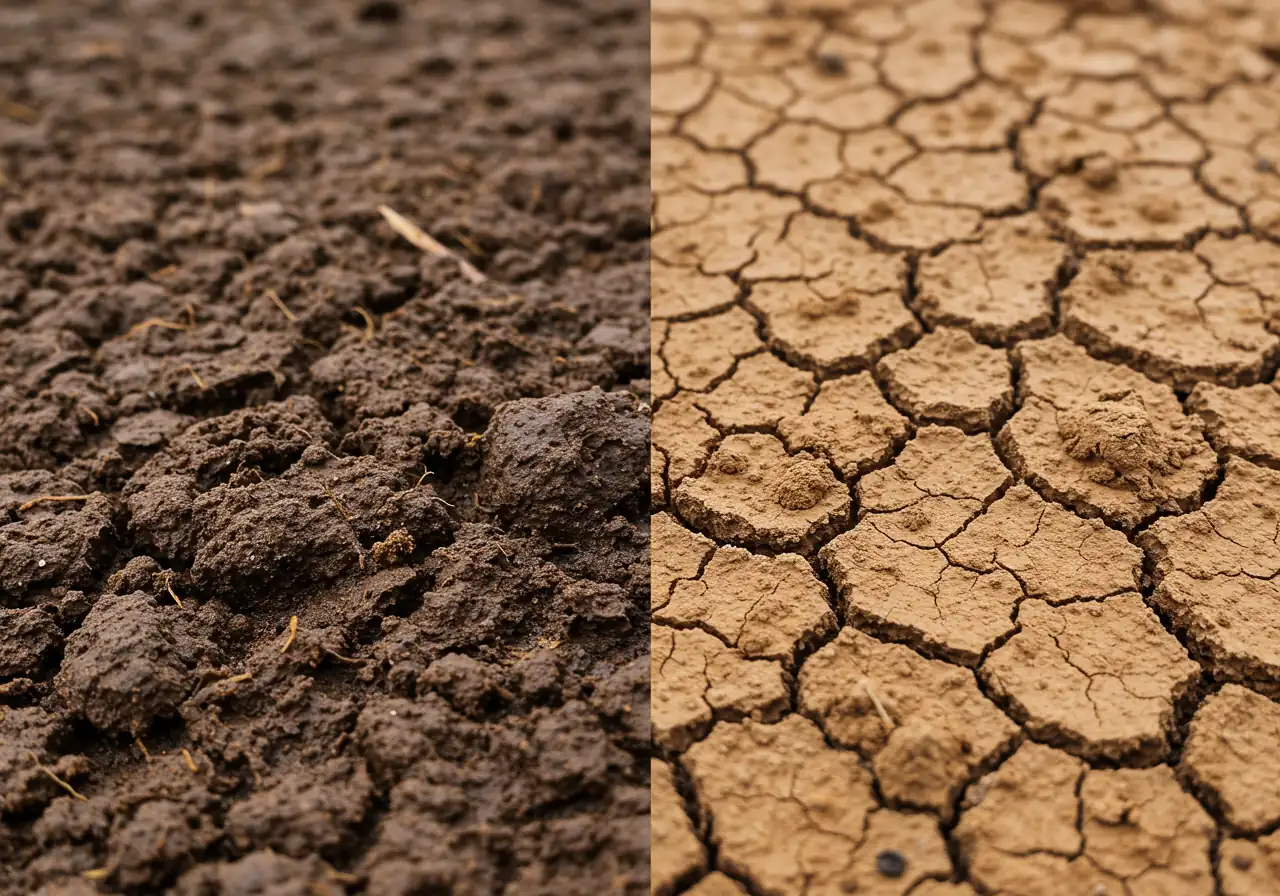
So, you've noticed your soil feels less like fluffy earth and more like... well, pottery waiting to happen? Welcome to the Ottawa area soil club! Much of our region, including lovely spots like Greely and Osgoode, sits on what's known as Leda Clay. Think of clay soil as being made up of super tiny particles all packed together like sardines in a can. This closeness is what gives clay its unique personality – both the good and the, let's say, *challenging*.
On the plus side, those tiny particles are great at holding onto nutrients and water. This means your plants *can* have access to food and moisture for longer periods, which sounds pretty good, right? Hold that thought.
Here's the other side of the coin: because the particles are so tight, water doesn't drain through easily. After a heavy Ottawa downpour, you might find puddles hanging around for ages. It also compacts *very* easily – foot traffic, mowers, even heavy rain can squish it down, making it hard for plant roots, water, and air to get through. Then, when summer hits and things dry out, it can shrink and crack, sometimes looking like a mini desert landscape. This shrinking and swelling cycle can even cause issues for hardscaping; we've got some specific tips for preventing patio problems on clay soil if that sounds familiar.
Working clay soil can feel like wrestling a sticky monster when wet and trying to chisel concrete when dry. But don't despair! The key is improving its structure. Adding organic matter – think compost, aged manure, or shredded leaves – works wonders. It helps separate those tiny clay particles, improving drainage and aeration over time. Applying a good layer of organic material is crucial, and understanding how expert mulch installation benefits clay soil is a great first step. Amending your soil is often best done in the fall, making it a key part of preparing your garden beds; indeed, our fall cleanup services can help prepare your soil and also involves getting your garden ready for colder weather.
Understanding this tricky turf is the first step to creating a beautiful landscape that thrives. If wrestling with clay feels overwhelming, remember help is available! You can always explore our landscaping services for expert assistance tailored to our unique Ottawa soil conditions.
For more information on local soil types, check the City of Ottawa's resources on urban environment or the Ontario Soil and Crop Improvement Association.
Setting the Stage: Pre-Mowing Prep for Clay Soil Success
Okay, let's roll up our sleeves and get that tricky clay soil lawn ready for a smooth mowing experience! Think of this as the warm-up routine before the main event – it makes all the difference, especially here in Ottawa where our soil can be, shall we say, *temperamental*. Skipping this prep is like trying to run a marathon without stretching... probably not going to end well!
Give Your Lawn Some Breathing Room: Aeration is Key
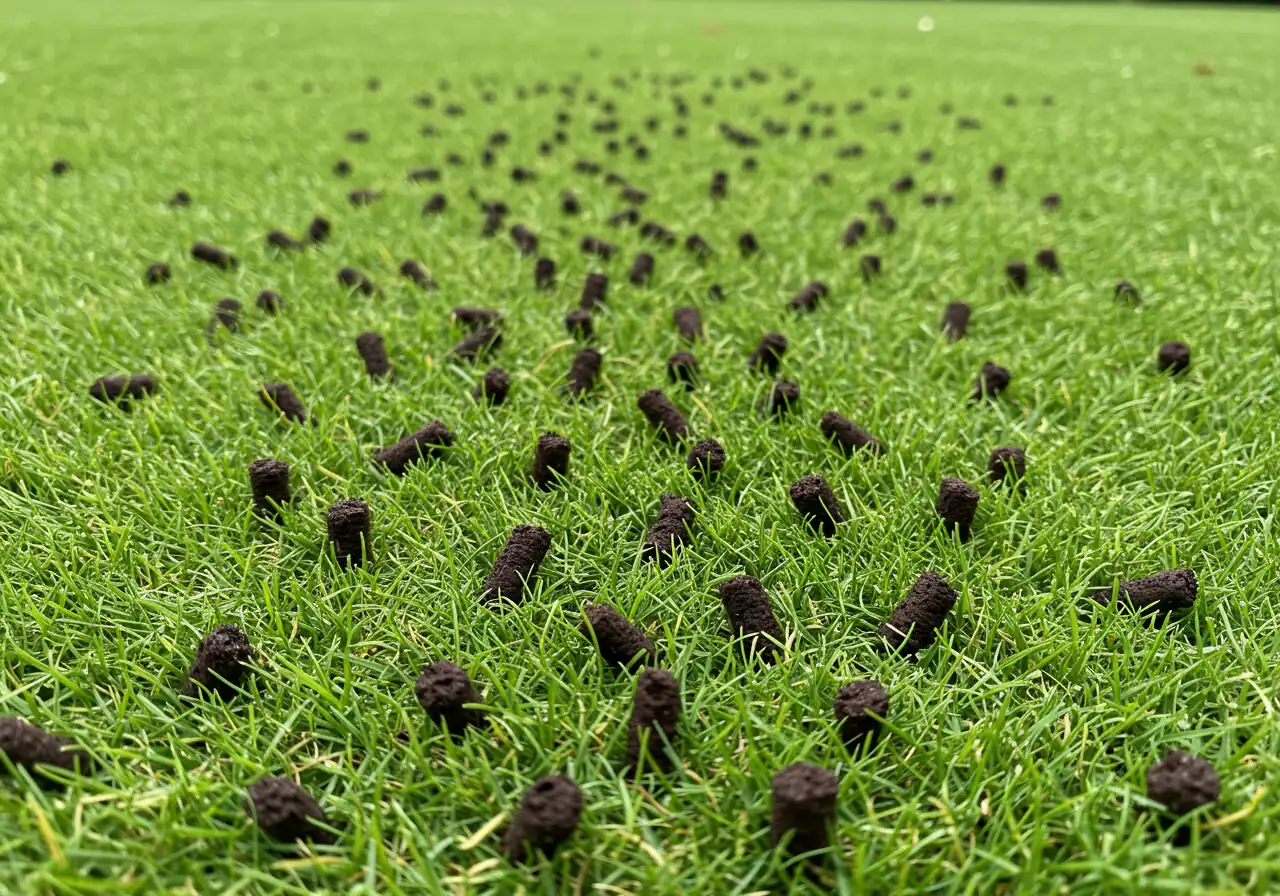
Remember how we talked about clay soil getting packed down tighter than a suitcase after a vacation? This compaction is enemy number one for healthy grass roots. It literally suffocates them, blocking air, water, and nutrients. The solution? Core aeration.
- What it is: This involves pulling small plugs of soil out of your lawn. It sounds a bit aggressive, but trust me, your lawn loves it!
- Why it works: Those little holes create channels that let air, water, and fertilizer reach the root zone where they're needed most. It instantly relieves compaction. Imagine loosening your belt after a big Thanksgiving dinner – same idea for your soil!
- When to do it: Spring or fall are generally the best times in the Ottawa area.
Before you can even think about aerating, ensure the lawn is clear of debris. A thorough cleanup is essential, and if you're short on time, consider looking into professional help. For instance, an Ottawa Garden Clean Up Service can tackle leaves and twigs, ensuring the aerator can do its job effectively. Over in the surrounding areas? No problem, there's help available like the Marionville Garden Clean Up Service too. A tidy yard also makes general property clean up easier throughout the year.
Feed the Soil, Feed the Grass: Amend with Organic Matter
After aerating, it's the perfect time to add the secret sauce: organic matter, especially compost! Clay soil might hold nutrients, but its structure needs help.
- Why Compost Helps: Spreading a thin layer of compost over your lawn (called topdressing) allows that goodness to work its way into the aeration holes. Compost helps break up heavy clay particles, improves drainage (fewer puddles!), and encourages beneficial soil microbes. It gradually makes your soil richer and easier for grass roots to grow through. Whether you're maintaining an existing lawn or preparing for expert sod installation in Ottawa, improving the base soil is crucial. Our team specializes in soil preparation techniques ideal for local conditions.
Water Wisely: Deep and Infrequent is the Goal
Clay holds water well, sometimes too well. The trick is to encourage deep roots, which makes your lawn more resilient, especially during dry spells common in places like Barrhaven.
- Avoid Daily Sprinkles: Watering lightly every day encourages shallow roots that suffer quickly in heat.
- Go for Deep Soaks: Water less often, but for longer periods. Let the water soak down deep (at least 6 inches). This trains the roots to grow deeper to find moisture.
- Check Before Mowing: Never mow when the clay soil is soggy. Wait for the surface to dry out a bit. Mowing wet clay compacts it further and makes a muddy mess. Give it a day or two after heavy rain.
Getting this pre-mowing prep right sets the foundation for a healthier, easier-to-manage lawn. It might seem like extra work, but the results are worth it. If tackling aeration, topdressing, or major yard clear-outs feels daunting, remember there are comprehensive Clean Yards Services available, including options like a full Marionville Yard Cleanup Service to get your entire property in shape. Getting the prep right makes mowing day much less of a battle!
The Main Event: Pro Mowing Techniques for Clay Soil Lawns
Alright, you've done the prep work – the aeration, the topdressing, maybe even wrestled that soil into better shape (go you!). Now it's time for the main event: actually mowing that beautiful, albeit slightly stubborn, clay soil lawn. Don't worry, this isn't mission impossible! With the right techniques, you can keep your Ottawa lawn looking sharp without compacting the soil into a brick. Think of it less like a battle and more like a strategic dance.
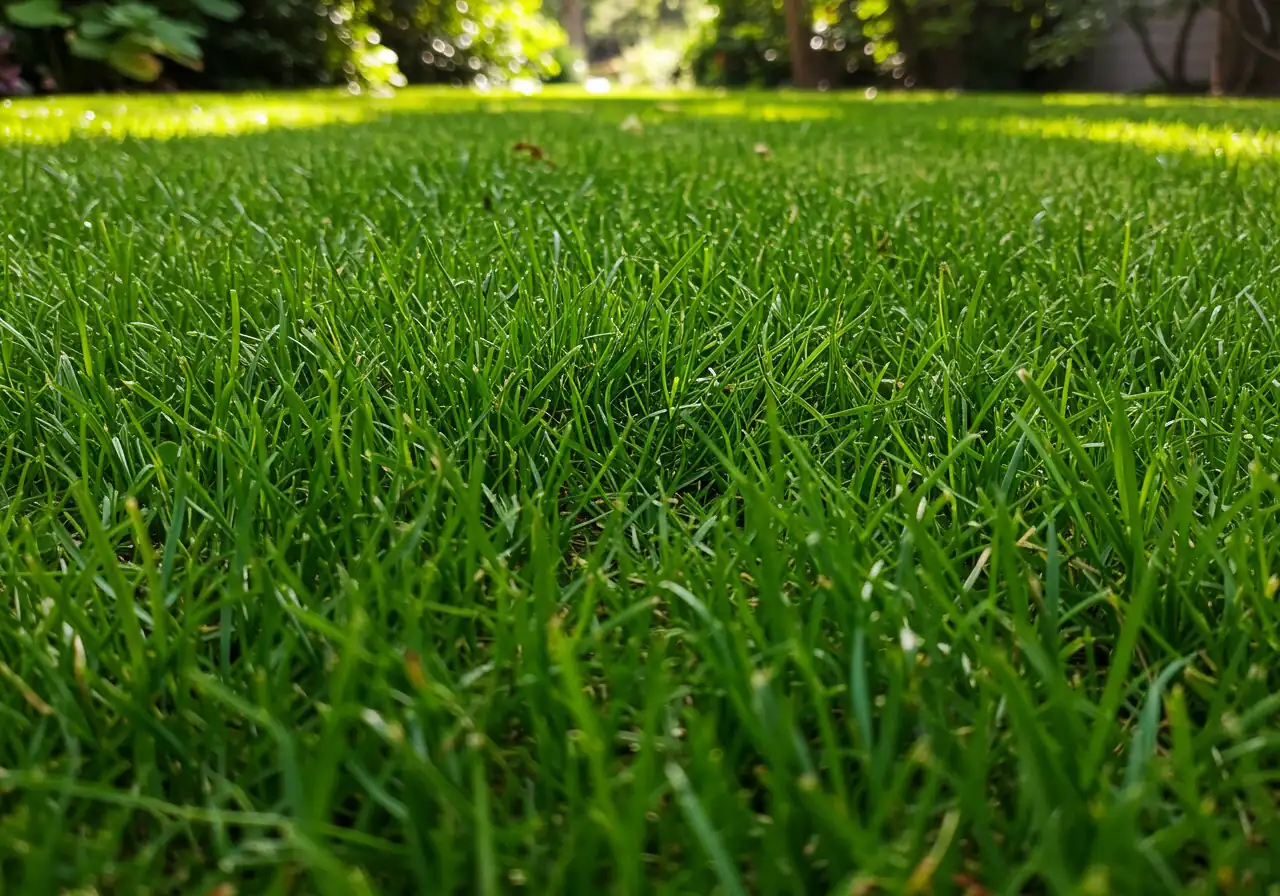
Here’s how to lead the dance with your mower:
1. Aim High: The Altitude Adjustment
Forget the super-short golf green look. On clay soil, especially in areas like Richmond where summer can bring dry spells, mowing high is your best friend.
- The Sweet Spot: Aim to keep your grass around 3 to 4 inches tall. Set your mower deck to one of its higher settings.
- Why Go High? Longer grass blades provide more shade for the soil surface, keeping it cooler and reducing moisture evaporation – crucial when water struggles to penetrate compacted clay. Taller grass also develops deeper roots, which helps it access moisture further down and navigate that dense soil structure better. Think of it as giving your grass longer legs to find water! This complements the work done during foundational soil preparation.
2. Stay Sharp: The Blade Imperative
This isn't just good advice; it's critical for clay soil lawns. Grass growing in tough conditions is already under stress.
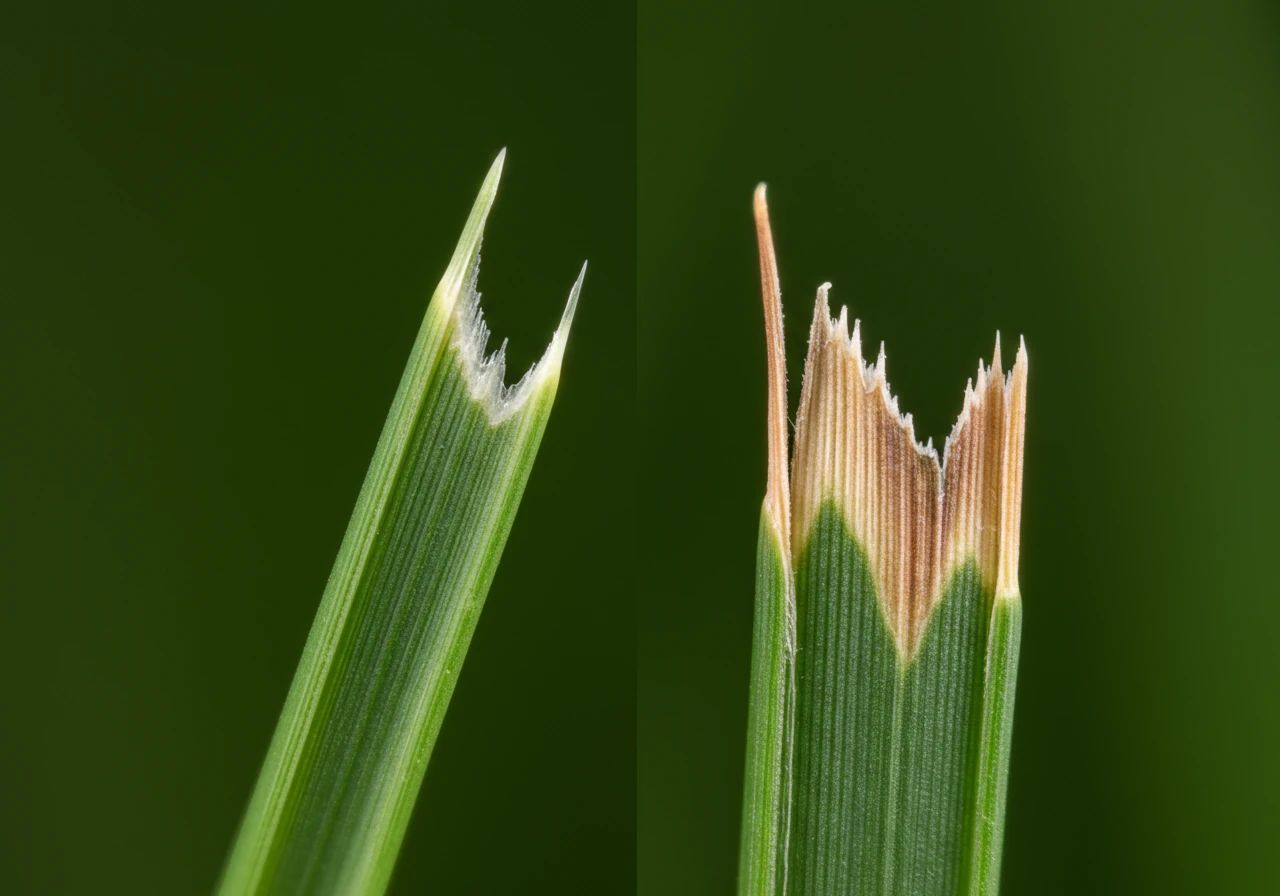
- Clean Cuts Only: Sharp mower blades slice cleanly through the grass. Dull blades tear and shred, leaving ragged edges that invite disease and stress the plant further. Imagine trying to cut thick bread with a dull knife – messy and damaging!
- Check Regularly: Sharpen your blades at least a couple of times per mowing season, or more if you hit rocks or mow a large area. A clean cut helps the grass heal quickly and stay healthy.
3. Timing is Everything (Especially After Rain!)
We touched on this in prep, but it bears repeating: Never mow soggy clay soil. Seriously. Just don't.
- The Squish Test: If you walk on the lawn and it feels spongy or leaves deep footprints, wait! Give it a day or two (or more after heavy Ottawa rain) for the surface to dry out.
- Why Wait? Mowing wet clay leads to maximum compaction from the mower wheels, creates ugly ruts, makes a muddy mess of your mower, and causes grass clippings to clump horribly. Patience is a virtue here!
4. The One-Third Rule & Frequency
Don't try to whack off too much grass at once. It shocks the plant, especially on clay.
- Stick to the Rule: Never remove more than one-third of the grass blade height in a single mowing. If your target is 3 inches, mow when the grass reaches about 4.5 inches.
- Listen to Your Lawn: This might mean mowing more frequently during peak growing seasons (like spring) and less often during slower growth periods or drought.
5. Mix Up Your Mowing Patterns
Avoid mowing in the exact same direction every single time. It’s like always walking the same path on the carpet – eventually, you wear it down!
- Change is Good: Alternate your pattern – mow horizontally one week, vertically the next, then diagonally. This prevents wheel ruts from forming (a real risk on soft or slightly damp clay) and encourages the grass blades to grow more upright.
- Bonus: Changing patterns also contributes to that lovely, manicured look that perfectly complements professional landscaping efforts, like those involved in a new garden installation.
6. Clipping Management
Generally, leaving grass clippings (grasscycling) is great – free fertilizer! But on clay, watch out for clumping, especially if the grass was a bit damp or too long.
- Avoid Thick Clumps: Heavy clumps can smother the grass underneath and look messy. If you see clumping, you might need to bag the clippings for that mow or rake them up afterwards. Sometimes, if things get really overgrown or messy, a more thorough cleanup might be needed; services like the Marionville Yard Cleanup Service demonstrate how professionals handle significant yard debris. For general tidiness across the city, a reliable Ottawa property cleanup service can also keep your entire yard looking its best. A neat lawn often encourages visits from local wildlife, monitored by organizations like the Ottawa Field-Naturalists' Club.
Quick Clay Mowing Checklist:
- Mow High: Aim for 3-4 inches.
- Blades Sharp: Ensure clean cuts, not tears.
- Soil Dry: Never mow when soggy or squishy.
- Follow 1/3 Rule: Don't remove too much height at once.
- Vary Patterns: Avoid creating ruts.
- Manage Clippings: Prevent smothering clumps.
Mowing clay soil might require a little extra thought, but follow these pro techniques, and you’ll be rewarded with a healthier, happier lawn that’s the envy of your Kars or Richmond neighbourhood. Still feeling stuck or have questions specific to your tricky turf? Don't hesitate to get in touch with lawn care pros for tailored advice! Happy mowing!
Your Ottawa Seasonal Mowing Calendar (Clay Soil Edition)
Okay, neighbour, let's map out your mowing year! Clay soil in Ottawa, whether you're in Vernon or closer to the city core, behaves differently with the seasons. Sticking to a schedule (loosely – Mother Nature always has the final say!) helps keep your lawn happy and your mower out of the mud or dust bowl.
Spring (April - Early June): The Awakening (Slowly!)
- Patience is Key: Wait for dry ground & active growth (3-4 inches). Avoid mowing soggy clay!
- First Cut High: Set mower to 3.5-4 inches for the initial trim.
- Debris Duty: Clear winter debris before mowing. Consider an Ottawa property cleanup service for major messes.
- Frequency: Weekly or every 10 days as growth increases.
Summer (Mid-June - August): The Heat is On
- Keep it High: Maintain 3-4 inch height to shade soil and conserve water.
- Water Wisely: Deep, infrequent watering. Never mow right after rain/watering.
- Adjust Frequency: Mow less if growth slows in heat/drought. Let the lawn guide you. Good garden maintenance includes adapting schedules.
Fall (September - October/November): Winding Down
- Gradual Lowering: Lower height over weeks to final cut around 2.5-3 inches.
- Leaf Management: Mulch light leaves or remove heavy layers. A Metcalf yard cleanup service handles this well. Consider soil improvements with good material selection.
- Final Cut Timing: Mow last time when growth stops, before permanent snow.
Winter (November - March): The Big Sleep
- Mower Hibernation: Clean and store mower.
- Stay Off the Lawn: Avoid walking on frozen/soggy ground to prevent compaction.
- Plan Ahead: Dream of spring improvements! Plan for a city garden clean up service if needed.
Following this seasonal rhythm helps you work with your Ottawa clay soil, not against it, leading to a healthier, greener lawn year-round!
Beyond the Blade: Holistic Care for a Thriving Clay Lawn
Okay, let's think beyond just the weekly trim! Mowing correctly is super important for clay soil lawns, absolutely. But getting that truly *thriving*, lush green carpet requires looking at the bigger picture – a holistic approach, if you will. Think of it like this: you can have the best haircut in the world, but if you're not eating well and looking after yourself, you won't *feel* your best. Same goes for your lawn, especially on our challenging Ottawa clay! Neglecting the fundamentals can sometimes lead to bigger issues, where a full refresh like an Ottawa yard cleanup service is needed just to get back to basics. A comprehensive approach often leads to stunning transformations.
Feed Me Seymour! (Fertilization)
Clay soil holds nutrients well, but *which* nutrients and *when* they're available matters. Over-fertilizing can lead to runoff. Opt for slow-release fertilizers, especially in spring and fall. These feed your lawn steadily, promoting strong roots without overwhelming growth. Healthy, well-fed grass handles clay stress better. This is fundamental to good lawn care.
Thicken the Plot (Overseeding)
Got thin patches? Clay compaction makes it hard for grass to spread. Overseeding – scattering new grass seed over your existing lawn, especially after aeration – is your secret weapon. It fills in bare spots, increases density, and builds resilient turf. Doing this in the fall often pairs well with tasks handled during a Metcalf yard cleanup service.
Unwanted Guests (Weed & Pest Control)
A thick, healthy lawn is the best defence. Stressed lawns on clay are vulnerable. Focus on cultural practices: mow high, water deeply, feed appropriately. Try hand-pulling or spot treatments for weeds. Keeping borders tidy with a Metcalf garden clean up service helps prevent pest migration. Check out our reliable Clean Yards Google My Business page for reviews on our thoroughness!
Eco-Warrior Lawn Care
Many in communities like Russell and Embrun appreciate eco-friendly approaches. This means watering wisely (deeply, infrequently), using organic amendments like compost, grasscycling clippings when possible (avoid clumps!), and choosing lower-impact controls. These practices lead to healthier, self-sufficient lawns. Integrating these aligns with sustainable practices, like those of a city garden maintenance service.
By combining smart mowing with these holistic care practices, you're not just cutting grass; you're cultivating a healthy ecosystem right under your feet. It makes mowing easier, reduces problems, and gives you a lawn you can truly be proud of!
Visualizing Clay Lawn Health Factors
Relative Impact of Care Practices on Clay Lawn Resilience
*Illustrative chart showing perceived relative importance of practices for lawn health on clay soil.
Metcalfe Mowing Mastery: Clay Soil Quick Tips
Alright, let's boil it all down! Dealing with clay soil here in Metcalfe, and neighbouring areas like Manotick, can sometimes feel like you need a degree in soil science *and* a black belt in wrestling your lawn mower. We get it! After digging into the details, sometimes you just need that quick "what do I *really* need to remember?" list.
So, consider this your handy cheat sheet for keeping that clay lawn looking sharp without causing yourself (or your lawn!) too much stress.
Clay Soil Lawn Care: Top 5 Quick Hits
- Mow High, Not Shy: Keep grass blades at least 3 inches tall (3.5-4" is often better). Longer grass cools soil, saves water, promotes deeper roots.
- Sharp Blades are Non-Negotiable: Dull blades tear grass, stressing it. Sharp blades give clean cuts for faster healing. Check often!
- Avoid the Squish: *Never* mow when clay soil is wet or soggy. Wait for the surface to dry to prevent compaction and ruts.
- Let it Breathe (Aerate!): Core aerate in spring or fall to loosen compacted clay, letting air, water, and nutrients reach roots.
- Feed the Dirt: Improve clay structure by topdressing with compost, especially after aerating. Better drainage & root growth!
Stick these essential tips in your mental toolkit (or, hey, print 'em out!) and you'll be well on your way to mastering that Metcalfe clay. Applying these consistently really does make a noticeable difference over time. You can find more details about our approach on our terms and conditions page and our commitment to your data on our privacy policy page.
Of course, sometimes life gets busy, or maybe tackling aeration or a big seasonal refresh just feels overwhelming. If you're finding the heavier tasks challenging, remember that professional help is available right here locally. A dedicated Metcalfe property cleanup service can take care of major clear-outs and prep work, setting you up for easier maintenance. For city-wide needs, look into a city yard cleanup service. And for broader needs across the capital region, a comprehensive Ottawa yard cleanup service can get your entire property back in shape. We're passionate about helping homeowners create beautiful, sustainable outdoor spaces that work *with* our local conditions – you can learn more about our philosophy right on our about us page.
Thanks for reading, we genuinely hope these quick tips help you achieve the healthy, happy lawn you're aiming for! Your efforts contribute to making our community greener, so from us to you, thank you!
FAQs: Your Ottawa Clay Soil Mowing Questions Answered
Got questions about wrangling that clay soil lawn? You're not alone! Homeowners from Metcalfe to Barrhaven often face similar head-scratchers. Here are answers to some common queries we hear:
Hands down, mowing when it's wet! Seriously, just don't. Wet clay compacts like crazy under mower wheels, creating ruts and squeezing the life out of your soil. It also makes a muddy mess and leads to clumpy clippings. Patience is key – always wait for the soil surface to dry out after rain before you mow.
Ah, the dreaded lawn stripes (and not the good kind!). This happens easily on soft clay. Ensure you're mowing only when dry, vary your mowing pattern each time (don't follow the same path!), and keep your grass cut high (3+ inches) to provide more cushion. Regular aeration also helps reduce compaction over time, making the soil firmer.
Clay soil is slow to warm up and drain, so spring can be tough. The *first* step is usually a good cleanup. Remove fallen leaves, twigs, and any other debris smothering the grass and preventing air circulation. Depending on the scale, a thorough city property cleanup service can handle this, ensuring the lawn can breathe before you even think about mowing or fertilizing.
That's a common myth, but please don't do it! Adding sand to clay often creates a substance closer to concrete – making drainage *worse*. The best way to improve clay structure is by adding organic matter like compost. Techniques associated with professional mulching and edging also often involve adding beneficial organic material near garden beds, improving the soil border.
Generally, grasscycling (leaving clippings) is beneficial, returning nutrients. However, on clay, if the grass is too long or damp when mowed, clippings can clump badly, smothering the lawn beneath. If you see heavy clumping, it’s better to bag them for that mow or rake them up. Keeping things tidy helps, much like how a dedicated Marionville property cleanup service keeps specific areas neat.
You're right, growth on clay can fluctuate! Forget a strict calendar; watch the grass height. Always follow the "one-third rule" – never cut off more than one-third of the blade at once. This might mean mowing weekly in spring but only every 10-14 days in summer heat. If you use a service and find the frequency needs tweaking based on growth, just let us know via our estimate feedback form.
Conclusion: Love Your Lawn, Clay and All!
So, there you have it! Tackling that infamous clay soil in Metcalfe, or anywhere across the wider Ottawa region like Nepean, doesn't have to feel like wrestling a particularly stubborn patch of earth. Sure, clay can be demanding – think of it as having character! But with the right approach, you really can cultivate a lawn you love, transforming your little piece of Ottawa landscaping into something special.
Remember the keys we talked about: mow high to keep things cool and encourage deep roots, always use razor-sharp blades for clean, healthy cuts, *never* mow when the ground is soggy (patience is your friend!), and help improve that dense structure over time with core aeration and wonderful organic matter like compost. These simple gardening and lawn care strategies truly make a world of difference. It's all about learning to work *with* your unique soil conditions, not constantly fighting against them.
Feeling a bit overwhelmed by the thought of core aeration, amendment spreading, or just want your regular lawn care handled by folks who understand Ottawa's tricky turf? Don't hesitate to reach out! We live and work here too, and we're passionate about helping homeowners achieve beautiful, healthy lawns, clay and all.
Ready to give your clay lawn the expert care it deserves, or thinking about a bigger landscaping project?
Contact Us Today for a Free Quote!