
Metcalfe Planting Posture: Avoid Knee Pain on Clay Soil
Tired of knee pain ruining your gardening joy? Let us handle the tough work!
Request Your Free Quote TodayQuick Tips for Knee-Friendly Gardening on Clay:
- Use knee pads or a garden kneeler seat.
- Change positions frequently (kneel, sit, squat, stand).
- Use long-handled and ergonomic tools.
- Improve soil structure with compost to make digging easier.
- Consider raised beds or container gardening.
- Don't hesitate to seek professional help for heavy tasks.
Introduction: Don't Let Knee Pain Spoil Your Metcalfe Garden Dreams!
Ah, Metcalfe! Dreaming of lush flower beds bursting with colour this season, or maybe a vegetable patch that becomes the envy of your neighbours over in Greely? We totally get it. There’s truly nothing quite like digging into the Ottawa soil during our precious gardening season and watching your green thumb work its magic.
But wait… OUCH! If the mere thought of kneeling down to plant those petunias or tackle that persistent patch of weeds sends shivers down your spine (and aches through your knees), you're certainly not alone. Let's be honest, that famous (or perhaps infamous) Metcalfe clay soil requires some serious effort. It can turn simple planting or weeding into a real workout for the joints, making you feel like you're wrestling with the earth rather than gently nurturing it!
Don't hang up your trowel or abandon those landscaping visions just yet! Knee pain might be a frustrating reality, but it doesn't have to mean giving up the joy and satisfaction of gardening. We believe everyone deserves a beautiful outdoor space they can comfortably enjoy. That's why we've put together this guide, packed with practical tips, clever garden design ideas, tool suggestions, and knee-saving techniques specifically for Ottawa-area gardeners like you. Let's explore ways to keep you gardening happily and comfortably, right here in Metcalfe.
The Clay Conundrum: Understanding Ottawa's Soil and Its Impact
Okay, let's dig into the dirt – literally!
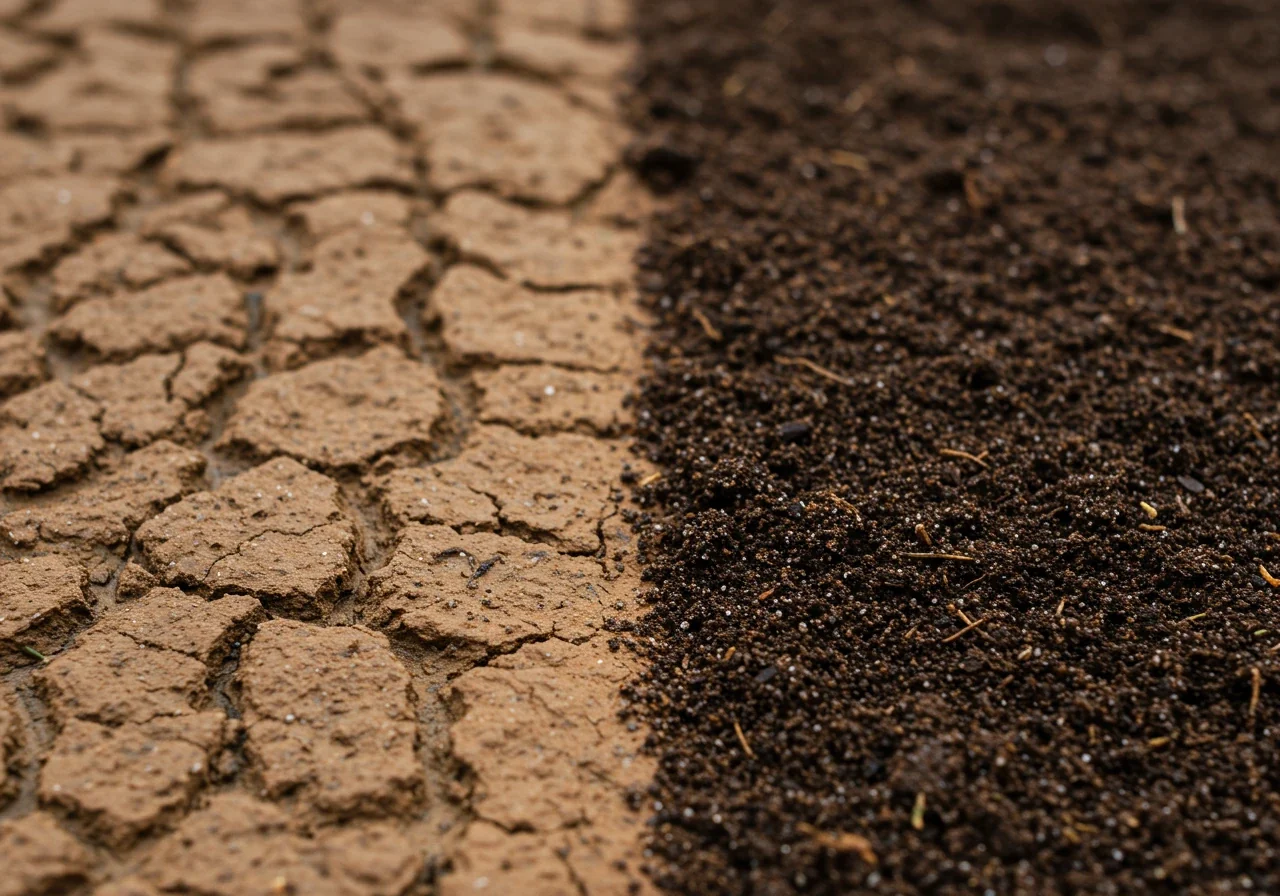
So, you're gardening in Ottawa, perhaps out in Greely or Osgoode? Welcome to the club! You've likely already had a close encounter with our region's star player: heavy clay soil. Sometimes lovingly (or maybe not-so-lovingly) referred to as "Leda Clay" in some circles, this stuff is... well, memorable. Think of it as the landscape's overly attached friend – it really holds on!
What makes clay soil so distinct? It's made of super tiny particles packed tightly together. This density gives it some unique characteristics:
- Water Retention: Clay holds onto water like a champ. Good in a drought? Maybe briefly. Bad after a downpour? Absolutely. It drains very slowly.
- Compaction: All those tiny particles love to squish together, especially when wet or under pressure (like foot traffic). This squeezes out air pockets vital for plant roots.
- Texture Changes: When wet, Ottawa clay can be incredibly sticky and heavy – like trying to dig through peanut butter. When it dries out in the summer heat, it can become rock-hard and even crack. This expansion and contraction can be tough on plant roots and even affect structures; learn more about how clay soil impacts patios and how to prevent sinkage and cracks.
Why is this a "conundrum" for gardeners? Digging planting holes can feel like an archaeological excavation. Young plant roots struggle to push through compacted clay. Poor drainage can lead to root rot if plants sit in waterlogged soil. And that rock-hard summer soil? Good luck getting a shovel through that without a fight! It often requires significantly more physical effort – bending, kneeling, pushing – which can be tough on the body, especially knees and backs. Preparing your garden beds properly is key.
Let's compare it quickly:
| Soil Type | Pros | Cons |
|---|---|---|
| Clay Soil | Holds nutrients well. | Heavy, poor drainage, compacts easily, hard to dig when dry, sticky when wet. |
| Loam Soil (The Dream!) | Balanced texture, good drainage, holds moisture and nutrients, easy to work. | Can be less common naturally. |
| Sandy Soil | Excellent drainage, easy to dig, warms up quickly. | Dries out fast, poor nutrient retention (nutrients wash away). |
Working with heavy clay definitely demands more physical exertion. Just prepping a bed for planting can be a workout! But don't despair! Understanding the soil is the first step. Improving its structure over time with organic matter like compost is crucial. Using the right tools helps, and sometimes, calling in the pros for the heavy lifting makes all the difference. If you're finding the physical demands of lawn care and garden maintenance on clay soil too much, exploring professional Ottawa Property Cleanup Services can be a smart move.
Amending the soil is often an ongoing process. Adding compost and other organic materials year after year gradually improves structure. Applying mulch is also fantastic; discover the benefits with these expert tips for mulch installation. Even seasonal tasks need consideration with clay. For instance, good drainage becomes extra important as you prepare for winter, which involves tasks often covered in fall cleanup services to get your yard ready. Clay soil can also heave during freeze-thaw cycles, potentially damaging plants if you haven't considered fall garden frost protection techniques.
Understanding and working with (not just against) your clay soil is key to successful landscaping transformations in Ottawa. While it presents challenges, it's not impossible to create a beautiful garden. Sometimes, it just requires a bit more planning, effort, or knowing when to seek assistance from comprehensive landscaping and property maintenance services.
Your Knees Will Thank You: The Importance of Proper Planting Posture
Okay, let's talk about something near and dear to many gardeners' hearts... or rather, their knees! Spending hours planting those beautiful perennials or tackling determined weeds can be fantastic for the soul, but sometimes rough on the joints. If your knees scream louder than you do when you spot a Japanese beetle, this section is for you.
Why Gardening Can Be a Pain (Literally!)
Most gardening tasks involve getting low to the ground. The two most common culprits for knee complaints are:
- Kneeling: Plopping straight down onto hard soil, especially the compacted clay we often find from Barrhaven to Metcalfe, puts immense pressure directly on your kneecaps. Ouch! Doing this repeatedly without cushioning is asking for trouble. Imagine your kneecap grinding against the thigh bone with only a thin layer of cartilage in between – adding hard ground pressure isn't doing it any favours!
- Bending: Bending over from your waist (think touching your toes with straight legs) puts a huge strain not just on your lower back, but also forces your knees into awkward angles to compensate, especially when digging or pulling stubborn weeds.
That challenging Ottawa soil we discussed earlier? It makes things tougher. You need more force to dig planting holes or loosen compacted earth, which means more strain on your joints. You might also spend longer in one position trying to wrestle with a particularly tough root or clod of clay, leading to stiffness and pain.
Posture Mistakes We All Make (Oops!)
- The Petrified Gardener: Staying frozen in one position – what we call static posture – like kneeling for 30 minutes straight while meticulously weeding a garden bed, restricts blood flow and stiffens muscles and joints. It's much better to incorporate dynamic posture – keeping things moving by shifting your weight, standing up to stretch, or alternating between kneeling, squatting, and sitting.
- The Twist and Shout (Without Music): Twisting your body while lifting a bag of soil or bending awkwardly puts uneven pressure on your knees and spine. Always try to face your work directly. Pivot your feet instead of twisting your torso.
- The Bare-Kneed Bandit: Kneeling directly on the ground without padding. Your knees have feelings too, you know! They deserve better than direct contact with rocks and hard earth.
Give Your Knees a Break: Simple Fixes
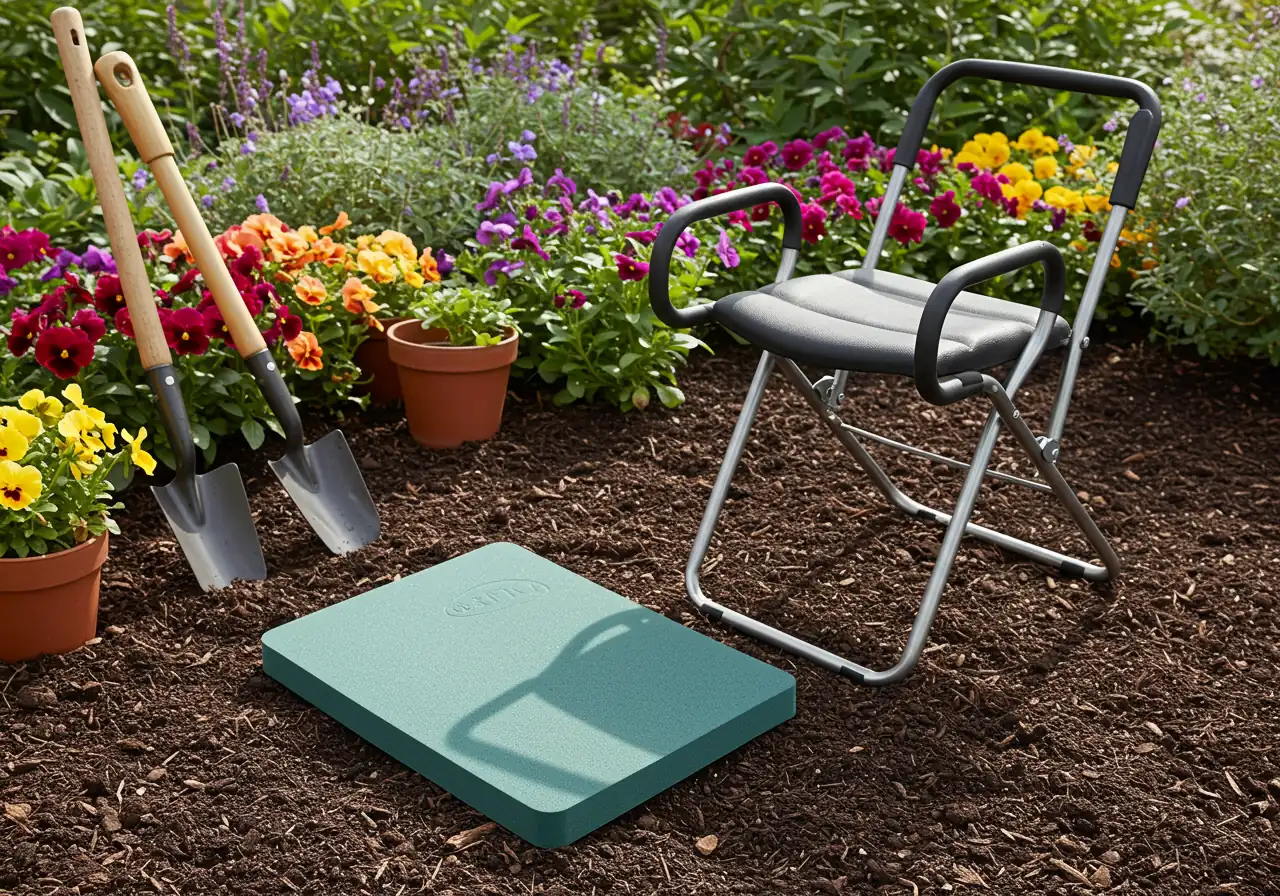
- Pad Up: Invest in good knee pads or a cushioned kneeling board/garden kneeler seat. Seriously, it's a game-changer and perhaps the single best investment for knee comfort.
- Squat Smart: When you need to get low, try squatting properly: keep your back straight, chest up, and lower yourself by bending your hips and knees, engaging your strong leg muscles. Avoid letting your knees go past your toes.
- Mix It Up: Change positions frequently – every 15-20 minutes is ideal. Kneel for a bit (with padding!), then squat, then maybe sit on a low garden stool, then stand and use a long-handled tool for a while. Variety prevents overuse strain.
- Use the Right Tools: Long-handled trowels, cultivators, stand-up weeders, and ergonomic hand tools can save you a lot of bending and kneeling. Work smarter, not harder!
- Take Breaks: Gardening isn't a race! Stand up, walk around, grab some water, and stretch every 30 minutes or so. Your body (and your garden beds) will still be there when you get back.
Proper gardening posture makes the whole experience more enjoyable and sustainable, letting you focus on the beauty you're creating rather than the aches you're feeling. If large landscaping projects, heavy soil preparation, or extensive garden clean-up seem daunting due to the physical strain involved, remember that professional help is available. Handling tough seasonal yard work can prevent injuries and burnout; explore options like reliable Ottawa Property Cleanup Services to lighten the load. Sometimes, if bad posture habits have contributed to letting things get a bit wild, calling in help like the Marionville Garden Clean Up Service or, closer to home, the Metcalf Garden Clean Up Service can provide a much-needed reset. Keeping things manageable year-round, either with good habits or assistance from a general Ottawa Garden Clean Up Service, prevents major strain later. Wondering what getting professional help might look like for your yard? Check out our Estimate Feedback page to see what others have experienced with our quoting process, or feel free to Contact Us directly with any questions. Happy (and comfortable) gardening! Check out our Google Business Profile for reviews!
Mastering the Metcalfe Plant: Knee-Saving Techniques & Positions
Okay, let's get down to the nitty-gritty – literally! You love your Metcalfe garden, but your knees? Maybe not so much after a long planting session in that famous Ottawa clay. Don't worry, we've got your back (and your knees!). Here are some knee-saving techniques and positions to keep you gardening happily.
Knee-Friendly Gardening Positions:
-
The Supported Kneel: This is way better than kneeling directly on the ground.
- Use a thick foam kneeling pad or, even better, a garden kneeler seat (the kind with handles you can use to push yourself up – bonus!).
- Instead of putting both knees down, try the "proposal pose": one knee on the pad, the other foot flat on the ground in front of you, leg bent at a 90-degree angle.
- Switch legs often! Don't stay frozen. This keeps blood flowing and prevents stiffness.
-
The Gardener's Sit: Grab a small, sturdy garden stool or even an overturned bucket (just make sure it's stable!).
- Sitting gets you low enough for many tasks like weeding or planting seedlings without any direct knee pressure.
- Keep your back relatively straight and pivot your whole body rather than twisting from the waist.
- This works great for established garden beds, but might be tricky on uneven soil or slopes sometimes found around Manotick.
-
The Lunge or Half-Squat: This is a more active position.
- Stand with feet hip-width apart. Step one foot forward and bend both knees, lowering your hips towards the ground. Keep your front knee aligned over your ankle (not pushed way past your toes) and your back straight.
- This uses your strong leg muscles for support, reducing joint strain. It's great for quick tasks like planting a single bulb or pulling a stubborn weed.
- Again, alternate which leg is forward.
-
Stand Tall with Long Tools: Why bend if you don't have to?
- Invest in long-handled versions of common tools: trowels, cultivators, weeders (especially the stand-up kind!).
- Perfect for prepping larger areas, breaking up surface soil, or tackling shallow weeds without a single kneel. Remember that good soil preparation can make digging easier, reducing strain regardless of your posture.
Supported Kneel
Uses a pad/seat for cushioning. Ideal for focused tasks. Remember to switch legs ('proposal pose') frequently to avoid stiffness.
Pros: Good cushioning, portable pads/seats, handles help with standing.
Cons: Still kneeling (less pressure, but still), requires moving the pad/seat often.
Gardener's Sit
Uses a low stool or bucket. Eliminates knee pressure. Great for tasks like deadheading or container gardening.
Pros: No knee pressure, keeps you off damp ground.
Cons: Limits ground-level reach, can be unstable on uneven terrain, requires more waist bending.
Lunge or Half-Squat
An active position using leg strength. Good for quick tasks like planting single items or pulling tough weeds. Keep back straight, front knee over ankle.
Pros: Engages leg muscles, reduces joint strain for brief actions.
Cons: Can be tiring if held long, requires good balance and leg strength.
Standing Tools
Utilizes long-handled trowels, cultivators, stand-up weeders. Minimizes bending and kneeling entirely.
Pros: No kneeling/bending, less back strain, good reach.
Cons: Less precision for delicate tasks, not ideal for small seedlings, requires standing.
Planting Without the Pain: A Step-by-Step Guide
- Prep Smart: Loosen the soil in the general area first, ideally using a long-handled fork or cultivator to minimize initial bending.
- Choose Your Perch: Bring over your kneeling pad, kneeler seat, or garden stool. Position it comfortably near your target spot.
- Get Down Gracefully: If kneeling, use the handles on your kneeler or place a hand on your thigh for support as you lower one knee onto the pad. If sitting, lower yourself onto the stool, keeping your back straight.
- Dig Mindfully: Use an ergonomic hand trowel with a comfortable grip. Dig the hole by scooping towards yourself, using your arm and shoulder muscles, not just your wrist. Keep your core engaged. Avoid twisting – shift your position if needed.
- Plant & Fill: Gently place your plant. Backfill the hole, again scooping soil without excessive twisting.
- Shift or Stand: If planting several things in a row, either shuffle your pad/stool along or stand up completely, walk a step or two, and then resettle for the next one. Don't just awkwardly crawl sideways while kneeling.
- Water Wisely: Use a watering can with a long spout or stand up to use a hose with a gentle spray nozzle.
Don't Forget to Move!
Even using these perfect postures, static positions are the enemy. Set a timer on your phone if you have to! Every 15-20 minutes:
- Stand up: Even if just for 30 seconds.
- Stretch: Reach for the sky, do gentle knee bends (if comfortable), roll your shoulders.
- Walk: Take a quick lap around the yard.
Adapting these techniques is key. What works perfectly in a flat, contained city garden might need adjustment on a larger, sloped property. Raised garden beds are another fantastic option to bring the gardening up to you, especially if planning a new garden install.
Sometimes, the sheer volume of work is the issue. If your garden beds need a major overhaul or seasonal weeding feels overwhelming, don't push through the pain. Getting professional help can be a huge relief. For widespread issues across your property, a City Yard Cleanup Service might be the answer, while focused gardening tasks might benefit from a City Garden Clean Up Service. And for those specifically in the Metcalfe area facing daunting yard tasks, the dedicated Metcalf Property Cleanup Service is designed just for you. If you have specific questions about adapting these techniques to your unique yard or want to discuss project options, feel free to get in touch with our team.
Gear Up for Comfort: Tools & Soil Tips for Easier Planting
Alright, let's talk about making your gardening life easier! Because let's be honest, battling that stubborn Ottawa clay soil can sometimes feel less like peaceful gardening and more like an extreme sport, especially on the knees. But fear not! With the right tools and some soil TLC, you can significantly reduce the strain and keep the joy in your landscaping efforts.
Tools That Love Your Knees (and Back!)
Choosing smarter tools means less bending, less brute force, and happier joints. Look for these garden helpers, often found at local centres near Nepean or Richmond:
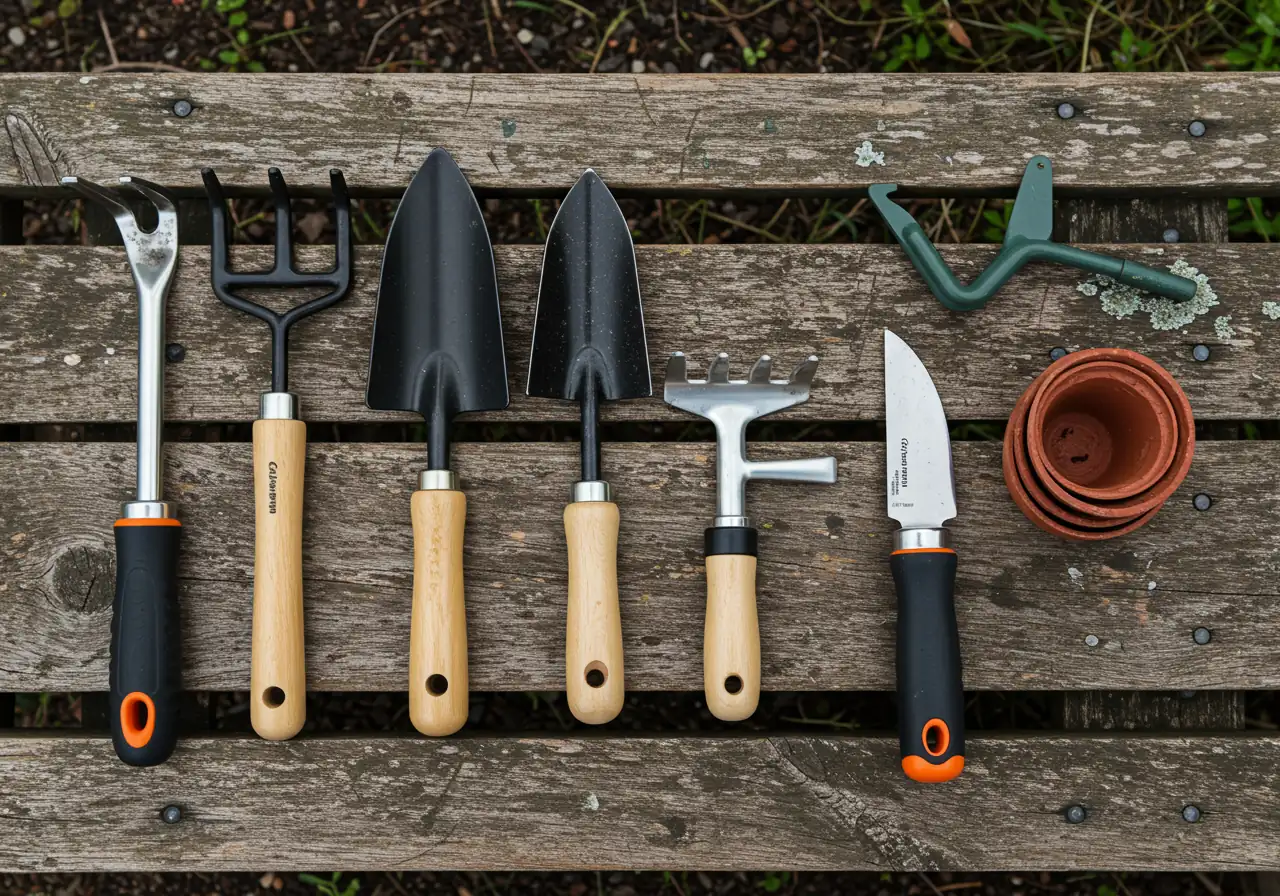
- Ergonomic Hand Tools: Ditch those basic, clunky trowels and cultivators. Look for tools with padded, curved handles designed to fit your grip comfortably and reduce wrist strain. A comfy grip means less tension overall.
- Long-Handled Wonders: Why kneel if you don’t have to? Long-handled trowels, cultivators, and weeders let you tackle planting prep and pesky intruders while standing or sitting tall on a stool. Less bending equals less knee compression!
- Leverage Legends:
- Bulb Planters: The kind you push into the soil with your foot remove a perfect plug of earth, minimizing digging effort. Great for planting bulbs or small annuals.
- Hori-Hori Knife: This Japanese garden knife is a superstar. It digs, cuts roots, measures planting depth, and pries out rocks – often requiring less force than a traditional trowel for tough spots.
- Garden Kneeler/Seat: We mentioned these before, but they bear repeating! A good kneeler protects your knees, and the handles provide crucial support for getting up and down gracefully. Find good options via careful material selection.
Estimated Effort Reduction with Better Tools/Soil
*Illustrative values representing perceived effort.
Making Friends with Your Soil
Improving your soil structure is maybe the best long-term strategy for easier gardening. Heavy clay is hard to dig, drains poorly, and stresses plant roots (and your muscles!). The magic ingredient? Organic matter!
- Compost is King: Regularly adding compost (your own or store-bought) works wonders. It lightens heavy clay, improves drainage, adds nutrients, and makes the soil much easier to dig. Think fluffier soil = less digging force needed = happier knees. Aim to mix in a few inches each year.
- Aged Manure & Leaf Mould: Like compost, these organic materials improve soil tilth (its physical structure). Well-rotted manure adds nutrients, while leaf mould is fantastic for moisture retention and workability. Using these natural amendments is an eco-friendly way to boost soil health, which benefits everything from your flower beds to the grass nearby, complementing efforts like Professional Lawn Care.
- How it Helps Your Knees: Simply put, looser, healthier soil requires significantly less physical effort to dig planting holes or pull weeds. Less straining and wrestling with compacted earth means less pressure and awkward angles for your knees and back. This easier digging makes preparing areas for new greenery, whether it's garden beds or prepping for Expert Sod Installation, much less taxing. For insights into successful projects, check our thank you page showcasing past work.
Seasonal Soil Tip: Fall is prime time for soil improvement! After you've cleaned up your garden beds (or had help from a Comprehensive City Yard Cleanup Service for larger tasks), spread a generous layer of compost or shredded leaves over the surface. Let the winter freeze-thaw cycles do some of the mixing work for you. By spring, your soil will be even more welcoming for planting. For those in more specific locales facing big soil amendment projects, services like the Marionville Property Cleanup Service can handle the heavy lifting involved in incorporating large amounts of organic matter. Even focused cleanups, like those offered by the Marionville Yard Cleanup Service, often include soil-related tasks that make future planting easier.
Investing in the right tools and consistently improving your soil are game-changers for comfortable gardening in the Ottawa area. Your knees will definitely send you a thank-you note!
Knee-Friendly Garden Timeline
Early Spring: Assess & Plan
Check soil moisture (avoid working overly wet clay). Plan garden layout. Identify areas needing most amendment. Order knee pads/kneeler seat if you don't have one!
Mid-Spring: Soil Prep & Initial Planting
Amend soil with compost (use long-handled tools or get help). Use proper posture for digging. Start planting hardier items. Remember to take breaks!
Late Spring/Early Summer: Peak Planting & Weeding
Continue planting. Use stools/kneelers for close work. Mulch beds (Mulching Services can help!) to reduce future weeding. Use stand-up weeders for larger areas.
Summer: Maintenance
Water wisely (long spout/hose). Continue weeding using knee-friendly methods. Deadhead flowers from a sitting position. Enjoy your garden!
Fall: Cleanup & Soil Building
Clear spent plants (consider Fall Cleanup Services). Top dress beds with compost/leaves for winter soil improvement. Store tools properly.
Quick Knee-Savers: Top Tips for Gardening on Clay
Gardening in Ottawa's clay soil can sometimes feel like a wrestling match, especially for your poor knees! But don't trade your trowel for a recliner just yet. Here are some quick tips, presented FAQ-style, to keep you comfortably gardening even in challenging soil:
We hear you! That clay can be tough. The absolute quickest win is a good pair of knee pads or, even better, a garden kneeler seat with handles. It cushions your knees and helps you get up and down more easily. Seriously, don't garden without one! It’s the most basic piece of gear for comfortable gardening.
Ah, the dreaded stiffness! The key is: move it or lose it! Don't stay frozen in one position. Set a timer for 15-20 minutes. When it buzzes, stand up, stretch, walk around, or switch to a different task or position (like sitting on a stool). Keeping your posture dynamic is crucial for avoiding aches and pains during planting or weeding.
Focus your efforts! Instead of trying to fix all the soil at once, heavily amend the specific spots where you do the most planting or weeding. Mix in lots of compost just in those areas. It won't fix the whole yard overnight, but it makes those spots much gentler on your knees (and shovel!). Choosing the right amendments is key for effective soil preparation; find guidance on selecting the best materials for your garden needs.
Absolutely! Weeds are a major knee-time hog. One of the best ways to smother them and reduce your kneeling time is by applying a good layer of mulch. It also helps keep the soil moist and improves its structure over time – plus, it looks fantastic! Check out effective techniques for professional mulching and edging to keep those weeds down and your garden beds looking sharp with less effort.
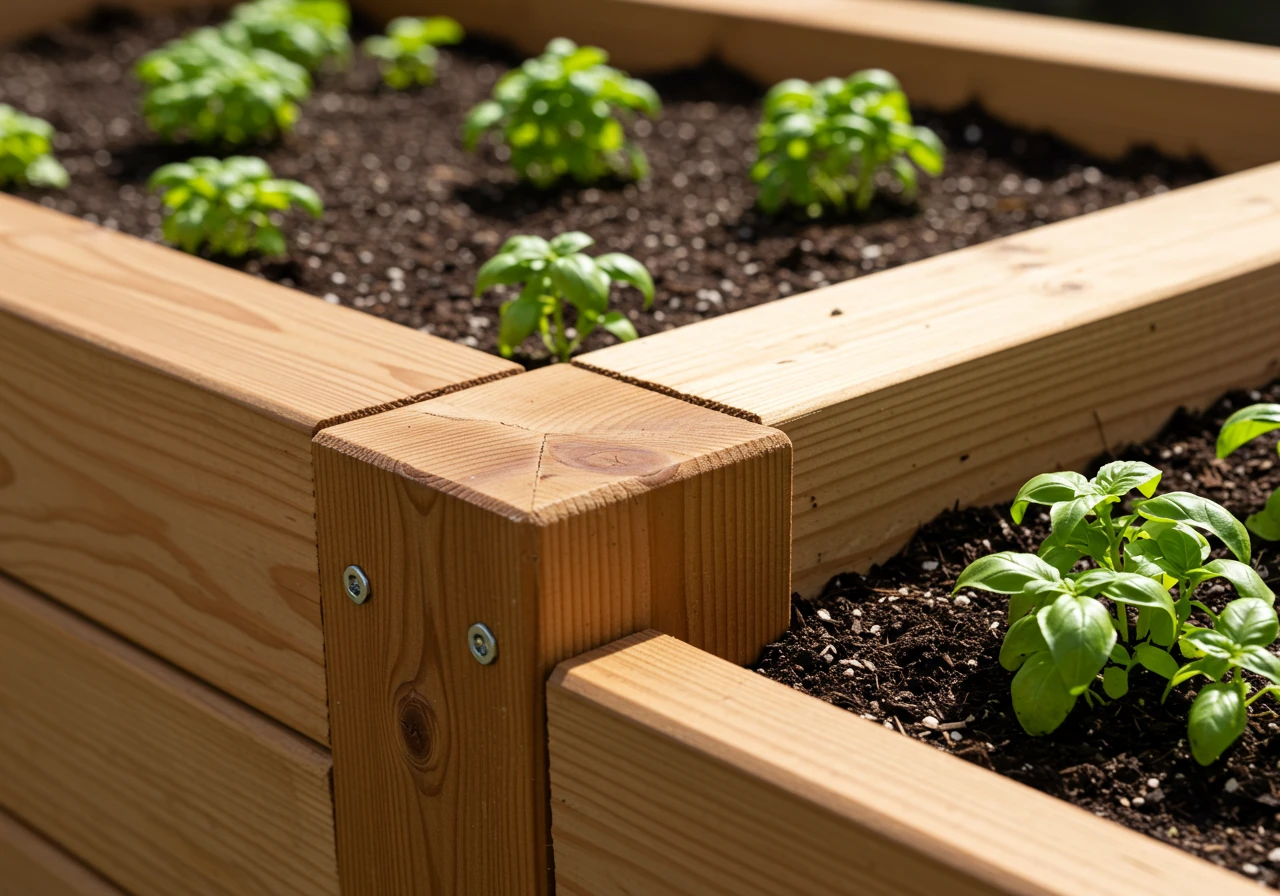
Not at all! Consider bringing the garden up to you. Raised garden beds or container gardening significantly reduce the need to bend or kneel. If building raised beds feels like too much, focus on pots and planters. This is a great landscaping solution for challenging sites or limited mobility, allowing you to enjoy gardening without the strain.
Know your limits! It's perfectly okay to get help. If seasonal tasks like major weeding, soil preparation, or getting beds ready feel too daunting, consider professional assistance. Regular help with tasks like weeding and tidying can make a huge difference and prevent small issues from becoming big, painful jobs. Explore options for ongoing support through a reliable City Garden Maintenance Service to keep things manageable. For bigger seasonal jobs that involve clearing large areas, a full Ottawa Property Clean Up might be the knee-saver you need, taking the heaviest work off your plate. Consistent professional garden maintenance ensures your outdoor space stays beautiful without causing you pain.
Ottawa Gardeners Ask: Your Knee Pain & Clay Soil Questions Answered
We get a lot of questions from fellow Ottawa green thumbs, especially about tackling our unique clay soil without ending up with aching knees. Here are some common queries we hear from folks gardening everywhere from Winchester to Kars:
Oh, welcome to the Ottawa clay club! It can feel daunting, right? Start small! Don't try to conquer the whole yard at once. Focus on deeply amending just one chosen garden bed with lots of compost. And invest in a good garden kneeler seat immediately – those handles are lifesavers! For that tough initial breaking ground, consider getting professional help from an Ottawa Yard Cleanup Service to handle the heaviest digging; your future self (and knees!) will appreciate it.
You bet! Constant heavy digging is tough. Look into "lasagna gardening" or sheet mulching. You layer cardboard, compost, leaves, and other organic matter right on top of the existing ground. Over time, it decomposes, suppressing weeds and building beautiful, richer soil with much less back-breaking (and knee-bending) work. If you need truckloads of compost brought in, a City Property Cleanup Service might be able to help manage the delivery and spreading.
Absolutely not! Don't hang up your gardening gloves just yet. Many people find that getting targeted help with the most physically demanding tasks makes all the difference. Focus on the parts you enjoy! For neighbours dealing with similar large-scale yard challenges, the dedicated Metcalf Yard Cleanup Service is designed to tackle exactly these local landscaping hurdles, keeping your outdoor space beautiful and manageable for you.
That's kind of you to say! We're passionate about helping Ottawa residents enjoy their yards without the aches and pains. We've spent years working directly with local landscaping conditions – yes, including that infamous clay! You can learn more about our team, our experience tackling challenging yards, and our customer-focused approach on our about us page. We're neighbours helping neighbours! Our commitment is also bound by our terms and conditions.
That’s a very smart question in today's world! We completely respect your privacy and take protecting your personal information seriously. We only collect what's needed to understand your landscaping needs and provide an accurate estimate. Our full practices regarding data collection, usage, and protection are clearly laid out in our company privacy policy. Your trust is important to us.
For more gardening advice, check out resources from reputable local organizations like the Friends of the Central Experimental Farm or the Master Gardeners of Ottawa-Carleton. And remember sun safety - tips from Ottawa Public Health are always relevant!
Conclusion: Enjoy Your Beautiful Ottawa Garden, Pain-Free!
So there you have it! Knee pain doesn't have to mean giving up the joy of gardening right here in beautiful Ottawa. Remember, a little planning goes a long way. By using proper posture (goodbye, awkward bending!), investing in comfy knee pads or a garden kneeler seat, choosing ergonomic tools, and gradually improving that famous clay soil with lovely compost, you can significantly reduce strain and keep those aches at bay. Don't forget the power of mixing up your positions and taking frequent breaks – your knees will definitely send you thank-you cards!
Gardening should be a pleasure, not a pain. By incorporating these tips, you can continue planting, weeding, and nurturing your garden beds for years to come, creating an outdoor space you truly love without the ouches. Go on, get back out there and enjoy the satisfaction of watching your garden thrive!
We'd love to hear from you! What's your number one trick for saving your knees while gardening? Share your wisdom in the comments below!
And remember, if the physical demands of landscaping, digging in tough soil, or tackling big seasonal cleanups feel overwhelming, especially in areas like Metcalfe, Russell, or Embrun, don't push through the pain. The Clean Yards team is here to help with professional, reliable landscaping and garden maintenance services across Ottawa. Let us handle the heavy lifting so you can simply relax and enjoy your beautiful, pain-free garden sanctuary.