
Metcalfe Rain Barrels: Cut Water Bills for Your Garden
- Collect free rainwater with a barrel connected to your downspout.
- Save money on municipal water bills for gardening.
- Provide chlorine-free, soft water that plants love.
- Reduce stormwater runoff, helping the local environment.
- Easy to install and maintain with simple seasonal steps.
Ready to improve your garden and save money? Request a quote for landscaping help today!
Introduction: Hello Metcalfe! Ready to Make it Rain (Savings, That Is)?
Hello Metcalfe homeowners! Ever look at your beautiful garden or lush lawn and then *wince* a little thinking about the water bill? Especially here in Ottawa, where the weather can give us weeks of sunshine followed by a sudden downpour – sometimes all in the same day, it feels like! What if you could turn those rainy days into *savings* days for your landscaping budget?
That's where the wonderfully simple rain barrel comes into play! These trusty containers connect to your downspout and collect free rainwater. Think about it: pure, soft water that your thirsty plants and flower beds will absolutely love, without costing you a cent on your utility bill. Using collected rainwater is a fantastic way to keep your garden green, reduce your household water consumption, *and* be a little kinder to our local environment by decreasing stormwater runoff. It’s a savvy move folks in nearby communities like Greely and Manotick are making too. Ready to learn how easy it is to set up and start saving? Let's dive in!
Why Your Metcalfe Garden (and Wallet) Will Thank You for a Rain Barrel
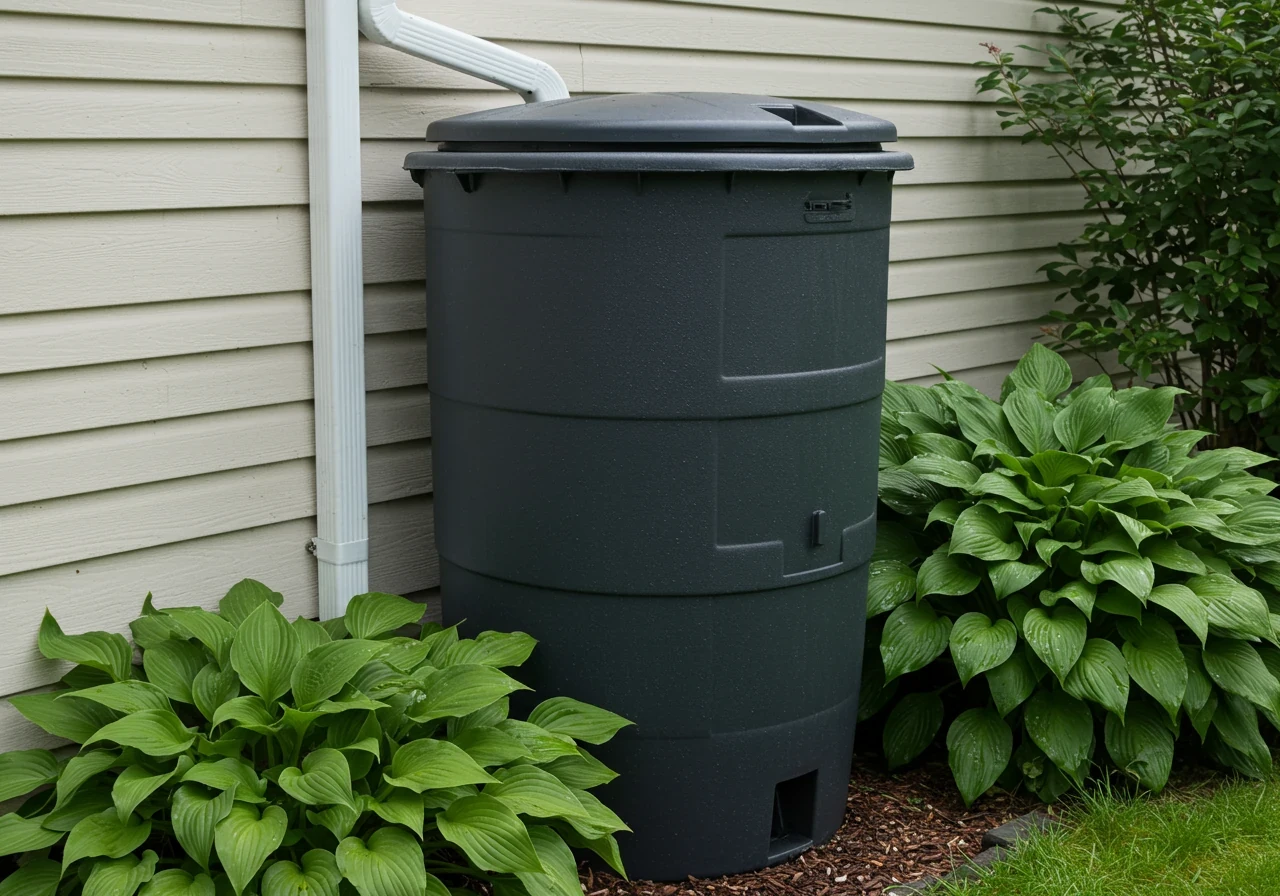
Okay, let's get down to brass tacks. Why should you *really* consider adding a rain barrel to your Metcalfe home? It boils down to some pretty fantastic perks for your *garden*, your *wallet*, and even our local Ottawa environment. Think of it as the unsung hero of savvy landscaping!
1. Your Wallet Does a Happy Dance:
Let's face it, treated municipal water isn't free. Every time you turn on that hose to water your prize-winning petunias or thirsty tomato plants, the meter is running. Rainwater? Absolutely *free*! A typical rain barrel can hold around 200 litres (or more) of water. Think how quickly that adds up during a good spring shower or a summer downpour. Over a growing season, that's a significant amount of water you *don't* have to pay for. It's like getting a rebate every time it rains! This saved water can be especially useful for establishing new plantings or giving everything a good soak before winter, which is vital for fall garden frost protection tips.
2. Your Plants Will Think It's Spa Water:
Ever notice how vibrant everything looks after a good rain? There's a reason! Rainwater is naturally soft, free from the chlorine and minerals often found in tap water. Plants *love* this pure H2O. It helps prevent the buildup of salts in your soil, leading to healthier root systems and more robust growth. Container plants, especially, thrive on rainwater. Consistent, gentle watering with rainwater can also help maintain soil structure, preventing issues like clay soil sinkage or patio cracks that can sometimes plague properties with challenging soil types. Combine rainwater use with good soil management to really see your garden flourish. Proper watering will also boost the effectiveness of Metcalfe mulch magic techniques, helping retain that precious moisture.
3. You Become an Eco-Hero (Cape Optional):
Here in the Ottawa area, managing stormwater runoff is a big deal, whether you're in Metcalfe, nearby Osgoode, or closer to the city core. Heavy rains can overwhelm storm drains, washing pollutants from streets and lawns directly into our precious rivers like the Rideau or Castor. For more information on local water management, you can check resources like the Rideau Valley Conservation Authority (RVCA). When you collect rainwater in a barrel, you're actively reducing that runoff from your own property. It helps lessen the burden on municipal systems during downpours and keeps local waterways cleaner. It’s a small action with a surprisingly positive ripple effect! Managing water effectively is a key part of getting your Metcalfe yard ready with fall cleanup services too.
Using a rain barrel is a simple, smart way to enhance your gardening game, save money, and contribute positively to our local Metcalfe environment. It's just one piece of the puzzle in creating a beautiful, sustainable landscape, complementing our comprehensive landscaping services. Go on, give your garden (and wallet) a treat! Find local businesses like ours easily on Google.
Choosing Your Champion: Picking the Right Rain Barrel for Your Ottawa Home
Okay, so you're ready to join the rainwater revolution – excellent choice! But faced with different shapes, sizes, and styles, picking the perfect rain barrel can feel a bit like choosing a new garden gnome – you want one that fits right in and does the job well. Don't worry, it's easier than navigating Ottawa traffic during rush hour! Let's break down how to choose *your* champion rain barrel.
1. Size Matters (But Bigger Isn't Always Better):
How much water do you actually need? Think about the size of the roof area that will feed into your downspout and the thirst level of your garden.
- Estimate Your Roof Catchment: A very rough rule of thumb is that for every square foot of roof area, you can collect about 2.3 litres (or 0.6 gallons) of water from 1 inch of rainfall. You don't need exact measurements, just a general idea. Is it a small shed roof or half of your main house roof?
- Consider Your Garden Needs: Are you watering a few containers on the patio or a large vegetable garden? A typical rain barrel holds around 200-220 litres (50-60 gallons). For many homeowners in places like Metcalfe or Nepean, this size is a great starting point. It’s enough to give your plants a good drink without taking up *too* much space. If you have extensive gardens, you might consider linking multiple barrels together (more on that later!). Our city garden maintenance service can advise on water needs.
- Space Available: Where will the barrel live? Make sure you choose a size that fits comfortably beside your downspout without blocking walkways.
Actionable Tip: Start with a standard 200L barrel. If you find you're constantly running out *or* it's overflowing excessively after small showers, you can adjust by adding another barrel later.
Typical Rain Barrel Sizes & Use Cases
| Size (Litres / Gallons) | Best For | Footprint |
|---|---|---|
| 150-220 L / 40-60 Gal | Small to medium gardens, container watering, starting point | Compact |
| 250-300 L / 65-80 Gal | Medium to large gardens, higher water usage | Moderate |
| 300+ L / 80+ Gal or Linked Barrels | Large gardens, frequent watering, higher roof catchment | Larger / Multiple Units |
2. Material World: Built for Ottawa Weather
Our Ottawa climate demands durability! Your barrel needs to withstand sunny summer days and frosty winter nights (even though you'll drain it before deep freeze).
- Plastic (HDPE): This is the most common material. Look for high-density polyethylene (HDPE) that's UV-resistant (to prevent breakdown from the sun) and thick enough to handle temperature swings. Many are made from recycled materials, which is a nice eco-friendly bonus. They're lightweight and generally the most affordable.
- "Faux" Finishes: Want something prettier? You can find plastic barrels designed to look like wood, stone, or terracotta. They offer better aesthetics but check that the underlying material is still good quality HDPE. Selecting the right look is part of good material selection for your landscape.
- Wood: Less common, potentially more expensive, and requires more maintenance. While charming, ensure it's properly treated to withstand moisture constantly.
Actionable Tip: For most Ottawa homes, a sturdy, UV-resistant HDPE plastic barrel offers the best balance of durability, ease of use, and value. Its resilience is key, much like the need for robust solutions in our range of yard care services.
3. Feature Focus: The Make-or-Break Details
Beyond just holding water, these features are crucial:
- Screen/Lid: *Absolutely essential!* A fine mesh screen keeps out leaves, debris, and, most importantly, prevents mosquitoes from laying eggs in the water. The lid should be secure to keep children and pets safe.
- Spigot/Tap: This is how you get the water out. Check its position – is it high enough off the ground to fit a watering can underneath? Some spigots also have standard hose connections. Brass spigots tend to be more durable than plastic ones.
- Overflow System: What happens when it's full? A good barrel has an overflow spout or fitting near the top. This allows you to direct excess water safely away from your home's foundation (vital!) using a hose or by linking it to another barrel. Proper water management is just as important here as it is during seasonal property cleanup.
- Linking Capability: Some barrels are designed to be easily connected in series ("daisy-chained") if you need more capacity.
Actionable Tip: Prioritize a tight-fitting screen and a functional overflow. These safety and practical features are more important than looks. Planning these details is wise; similarly, it's smart to get feedback on your landscaping estimate for bigger yard projects to ensure everything is covered.
4. Where to Look:
You can typically find rain barrels at local garden centers, hardware stores, and sometimes larger home improvement retailers throughout the Ottawa region. Keep an eye out for potential programs occasionally offered by the City or local conservation groups like the City of Ottawa's water conservation resources. Comparing options based on size, material, features, and price (maybe make a quick checklist!) will help you find the best fit for your needs and budget. Remember that proper installation and use are key, just like following guidelines in our service terms.
Choosing the right rain barrel is a fantastic step towards a greener thumb and a happier wallet. It perfectly complements regular yard work, like ongoing garden maintenance services, by providing free, high-quality water for your plants. Now go forth and find your perfect water-collecting champion!
Installation Station: Setting Up Your Metcalfe Rain Barrel (Easier Than You Think!)
Alright, Metcalfe neighbours, you've picked out your champion rain barrel – high five! Now comes the fun part: setting it up. Don't worry, this isn't major landscaping surgery; it's usually a straightforward job you can tackle in an afternoon. Think of it as a little garden project with a big payoff. Let's roll up our sleeves and get that free rainwater flowing!
Here’s your step-by-step guide (marked up as HowTo steps in the page source for search engines):
Step 1: Pick the Perfect Spot
- Location, Location, Location: Find a downspout close to where you'll use the water (like your vegetable patch or flower beds).
- Level Ground is Key: The spot needs to be firm and relatively level. You don't want your barrel doing a wobbly dance! If the ground is uneven, you’ll need to level it first. Keeping the installation area clear is important, much like preparing for a thorough Metcalfe garden clean up service.
- Think Ahead: Consider where the overflow water will go (more on that soon!). Make sure there's easy access to the spigot for filling watering cans.
Step 2: Build a Solid Base (Get Those Bricks Ready!)
- Why? Rain barrels get *heavy* when full (water weighs about 1kg per litre!). A stable base prevents sinking and tipping. Raising the barrel also makes it *way* easier to fit a watering can under the spigot – gravity is your friend here!
- How? Cinder blocks, sturdy wooden platforms, or patio pavers work great. Ensure the platform is perfectly level *before* placing the barrel. A wobbly base is a no-go. Aim for a height that lifts the spigot at least 30-40 cm (12-16 inches) off the ground.
Step 3: Tackle the Downspout (Measure Twice, Cut Once!)
This is often the trickiest-sounding part, but it's manageable. Safety first: Wear gloves and eye protection when cutting.
- Method 1: Using a Diverter (Recommended for most Ottawa homes): Many rain barrel kits come with a diverter. This fits *into* your existing downspout. When the barrel is full, the diverter automatically sends excess water back down the original spout. Follow the kit's instructions carefully – they usually involve drilling a hole in the downspout and attaching the diverter and a connecting hose to your barrel. Always read instructions thoroughly, just like you'd review the Clean Yards Terms and Conditions before agreeing to a service.
- Method 2: Direct Connection: You might need to cut a section out of your downspout (use a hacksaw) and attach an elbow piece to direct water straight into the barrel's screened opening. Measure carefully to ensure the downspout lines up perfectly with the barrel inlet. This might be more common with certain setups or older homes, perhaps like some you might see in Richmond or Kars, which might have less standard configurations.
Step 4: Connect and Secure Your Barrel
- Position: Place your empty barrel securely on its level base.
- Connect: Attach the hose from the diverter, or position the barrel so the cut downspout feeds directly into the top opening/screen.
- Stability: Make sure the barrel is stable and won't easily tip, especially important before it fills with heavy water. Some people use straps to secure it to the house, particularly in windy spots.
Step 5: Plan the Overflow (Super Important!)
- Don't Flood Your Foundation! When the barrel is full, the extra water *must* go somewhere safe. Attach an overflow hose (usually included or easily added) to the overflow outlet near the top of the barrel.
- Direct It Wisely: Run this hose away from your house foundation – at least 2 metres (6 feet) is ideal. You can direct it onto your lawn, into another garden bed (especially one benefiting from good drainage thanks to proper soil preparation), or even connect it to a second rain barrel if you have one. Just keep it away from walkways and your neighbour's property! Keeping your entire property tidy, including managing water runoff, is good practice, similar to the goal of property cleanup services in Marionville or other areas.
Step 6: Final Checks (Almost There!)
- Screen Time: Ensure the debris screen is securely in place on top. This keeps leaves out and, crucially, prevents mosquitoes from turning your barrel into a nursery. *This is non-negotiable for mosquito prevention!*
- Lid On: If your barrel has a lid, make sure it's secure to keep children and pets safe.
- Check Connections: Give the downspout connection and overflow hose a final check to make sure everything is snug.
And that’s it! You’ve successfully installed your Metcalfe rain barrel. Give yourself a pat on the back. Now, just wait for the next Ottawa shower and watch that free water fill up, ready for your thirsty garden. While setting up a rain barrel is a great DIY task, remember that for larger landscaping dreams or tricky installations, considering professional garden installation services is always an option. Happy watering!
Making the Most of Your Liquid Gold: Using and Maintaining Your Rainwater
Okay, your rain barrel is installed and patiently waiting for the next Ottawa downpour. Fantastic! Now, let's talk about how to use that glorious "liquid gold" you've collected and keep your barrel happy throughout the growing season. Think of it as nurturing both your garden *and* your water-saving investment.
Putting Your Rainwater to Work
So, what can you do with all this wonderful, free water? Pretty much anything outside that needs a drink!
- Ideal Uses: Your rainwater is perfect for:
- Watering flower beds and vegetable gardens (especially those thirsty tomatoes common in gardens from Barrhaven to Winchester!).
- Giving container plants on your patio or deck a good soak.
- Watering newly planted trees and shrubs to help them get established. Explore our landscape transformations for ideas.
- Washing garden tools or muddy boots (why use tap water?).
- Topping up bird baths (after letting it sit for a bit).
- How to Use It:
- The Classic Watering Can: The simplest method! Just fill 'er up from the spigot. Remember raising your barrel makes this much easier.
- Gravity-Fed Soaker Hose: Rain barrels don't have municipal water pressure, but you *can* attach a soaker hose (the kind with tiny holes) directly to the spigot. It won't spray far, but it's great for slowly and deeply watering beds close to the barrel. Perfect for gentle hydration without disturbing the soil structure, which is key after careful soil preparation for optimal plant growth.
- Small Pump (Optional): If you need more pressure for a regular hose or sprinkler, you can use a small submersible pump designed for rain barrels.
- Why Plants Love It: Rainwater is naturally soft and free of chlorine and fluoride found in tap water. Plants absorb it readily. This is especially beneficial in areas around Ottawa with heavier clay soils, as soft water can sometimes penetrate a bit better. Sandy soils benefit too, as rainwater doesn't add extra salts. Consult local resources like the Ottawa Horticultural Society for plant-specific advice.
Keeping Your Barrel in Tip-Top Shape (Seasonal Maintenance)
Maintaining your rain barrel is easier than remembering where you put your gardening gloves. Just a few simple checks will keep things flowing smoothly:
- Screen Patrol (Weekly/Bi-Weekly): This is your *most important* task! Regularly check the screen on top for leaves, twigs, roof grit, or other debris. Brush it off. A clogged screen prevents water from entering and can cause overflow issues. It's also your first line of defense against mosquitoes looking for a place to lay eggs! Keeping the area around your barrel tidy also helps prevent debris build-up, much like the goal of a general yard cleanup service, whether in Marionville or closer to home.
- Check the Spigot & Overflow: Make sure the tap isn't dripping and the overflow hose is clear and pointing away from your foundation. You don't want surprise puddles where they shouldn't be!
- Occasional Rinse (Mid-Season/As Needed): Over time, a little sediment might settle at the bottom. Once or twice during the season, when the barrel is nearly empty, you can give it a quick rinse with a hose. Swirl the water around and drain it through the spigot onto your lawn or garden (avoid veggie gardens if you suspect roof contaminants).
- Algae Awareness: Most opaque barrels discourage algae growth. If you do see some greenish stuff (usually harmless), rinsing the barrel can help. Using the water regularly also keeps it fresh. Ensure your barrel is made of durable materials meant to last, similar to the importance placed on quality during landscaping material selection processes.
Spring (April/May)
Set up barrel (if stored over winter), give it a good rinse, check screen and connections (spigot, overflow), ensure the base is stable and level after winter thaw. This is often part of general property clean up.
Summer (June-August)
Use collected water regularly! Perform weekly screen checks, especially after storms. Monitor the overflow path to ensure water flows away from the foundation. Rinse the barrel interior if sediment builds up or if algae appears.
Fall (October/November)
Crucial step: Completely drain the barrel *before* the first hard freeze! Disconnect hoses/diverters. Clean the screen thoroughly. Store the barrel upside down, indoors (garage/shed), or securely covered outdoors. This is a key task often included during an Ottawa garden clean up service for fall.
Taking these simple steps ensures your rain barrel works efficiently for years, saving you water and money. It's a responsible way to manage a natural resource, much like responsible companies manage data according to their Privacy Policy. Happy watering!
The Big Chill: Winterizing Your Rain Barrel for Ottawa's Frosty Embrace
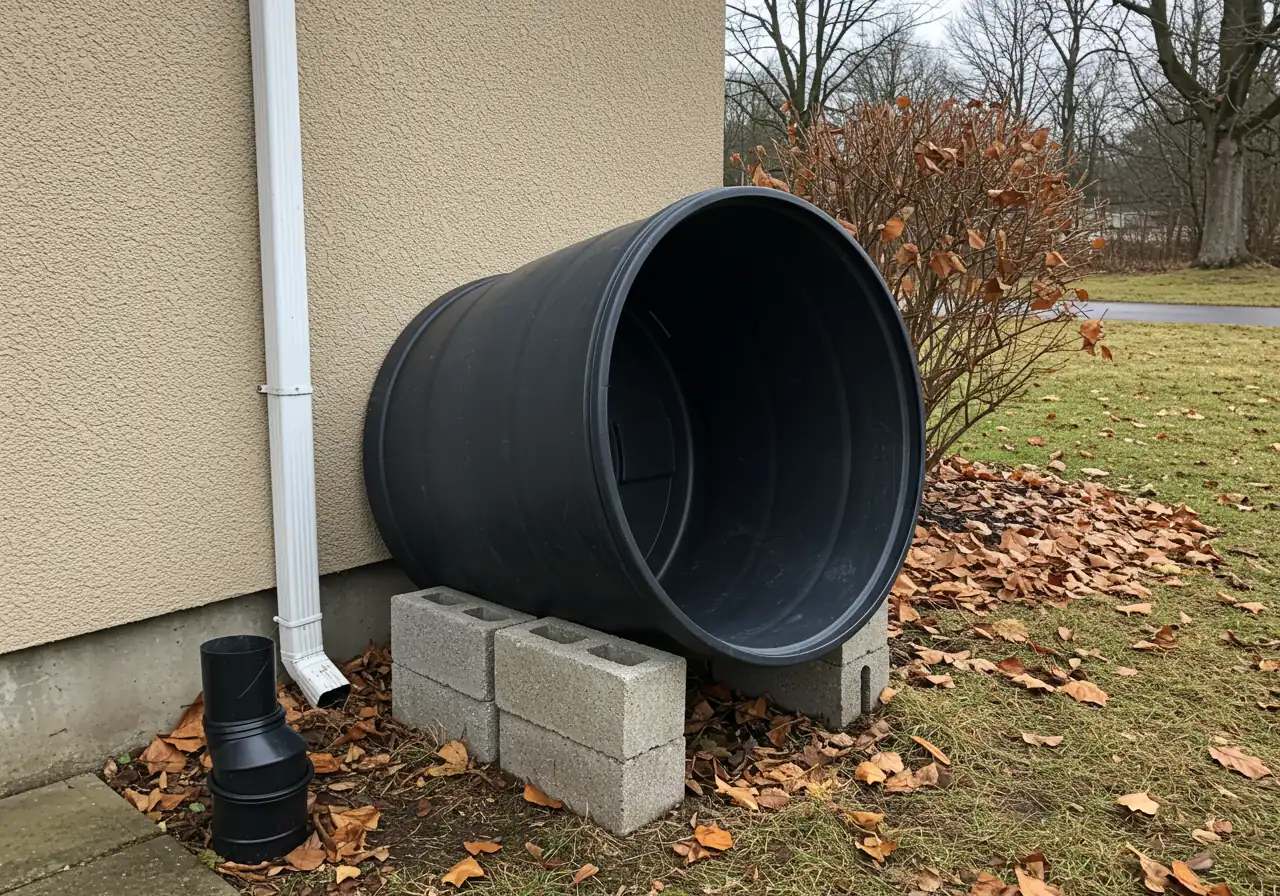
Alright folks, let's talk about something crucial for keeping your trusty rain barrel happy and whole through an Ottawa winter: winterizing! Ignoring this step is like sending your garden gnome out in a blizzard wearing flip-flops – things are likely to end badly (and crack!). Our frosty embrace means freezing temperatures, and freezing water *expands*. If water is left in your barrel, it can easily crack the plastic or damage the spigot, leaving you with a leaky mess come springtime. Protecting your investment is key!
Whether you're gardening in Kenmore, Russell, or anywhere else in our chilly region, this task is non-negotiable. Aim to get it done *before* the first hard freeze sets in, usually around late October or early November – often around the same time you're wrapping up other autumn tasks. Think of it as the final step in your seasonal garden prep, a key part of any thorough City Garden Clean Up Service.
1. Drain it Dry
Open the spigot and let every last drop drain out. Tilt the barrel if needed. Ensure it's completely empty.
2. Disconnect Everything
Remove inlet hoses (from diverter) and overflow hoses. Store these indoors if possible to prolong their life.
3. Quick Clean
Rinse out any sediment. Check and clean the debris screen one last time. Essential tidying, like a Marionville Garden Clean Up Service.
4. Store Safely
Best: Store clean, dry barrel upside down in a shed/garage. Alt: Store upside down outside, secured or covered. Part of overall property care, similar to a Metcalfe Property Cleanup Service.
5. Manage Downspout
Critical! Reconnect the lower downspout or set diverter to "winter" (closed to barrel). Ensure water flows away from foundation all winter. Protects home and lawn areas, crucial whether maintaining turf or planning Sod Installation. Prevents issues addressed by a City Yard Cleanup Service.
Taking these few simple steps ensures your rain barrel will be ready to collect that precious liquid gold again next spring!
Metcalfe Rain Barrel Quick Tips
Alright, awesome Metcalfe water savers, you’ve got the basics down! Now for a few extra nuggets of wisdom to turn you into a rain barrel pro. Think of these as the cheat codes for maximizing your free H2O harvest. Here are some quick wins:
- Give it a Lift! Seriously, wrestling a full watering can under a low spigot is no fun. Use sturdy cinder blocks or a dedicated stand to elevate your barrel *before* it fills up. Aim for at least 30-40cm (a foot or more) clearance. This makes filling cans a breeze and gives you better water pressure if you decide to attach a soaker hose later. Gravity is your friend!
- Be a Screen Superhero: Your barrel's top screen is crucial. Make it a habit to check it *weekly*, especially after windy Ottawa days common out here or towards neighbouring Osgoode. Clear off leaves, twigs, and roof shingle grit. A clean screen means clean water gets *in*, prevents clogs, and is your number one defense against mosquitoes looking for a five-star water hotel. It's a small task that keeps things tidy, much like the goal of a professional Ottawa property cleanup service for your whole yard.
- Prioritize Your Plants: Rainwater is like liquid gold for certain plants. Use it first on sensitive seedlings, thirsty container gardens, acid-loving plants (like blueberries or azaleas if you grow them!), or to help establish new grass after sod installation. These plants will especially appreciate the naturally soft, chlorine-free drink.
- Make Overflow Work *For* You: Don't just let that overflow hose spill onto the lawn randomly (and definitely keep it away from your foundation!). Direct it strategically towards a thirsty tree, a shrub border, or a section of your garden that could use extra moisture. It works even better if you direct it onto areas benefiting from professional mulching and edging, as the mulch will help hold that bonus water near the plant roots.
- Use It, Don't Just Store It: While rainwater doesn't really "go bad," it's best to use it regularly (every week or two if possible) to keep it fresh and minimize any chance of algae having a party. Plus, the more you use, the more you save on your water bill! Don’t hoard it – let your garden enjoy the bounty. Your plants (and your wallet) will definitely say thank you!
Estimated Water Savings (Typical Season)
* Illustrative percentages of garden watering needs met by rain barrel during growing season. Actual savings vary.
Your Ottawa Rain Barrel Questions Answered (FAQ)
Got questions about joining the rain barrel brigade here in Ottawa? You're not alone! Setting up a rain barrel is a smart move for your garden and wallet, but it's normal to have a few head-scratchers. Let's tackle some common queries, Metcalfe-style!
You bet they're legal! In fact, the City of Ottawa generally encourages water conservation methods like using rain barrels. For standard residential setups, you don't need any special permits. Just focus on installing it safely (especially that overflow!) and keeping mosquitoes out. Worry less about permits and more about how happy your petunias will be!
You've got options! Check out local garden centers, hardware stores (like Home Hardware or Canadian Tire), and larger home improvement stores throughout the Ottawa area. Sometimes, community groups or conservation authorities might have sales events, so keep an eye out. You can also find them online, of course. Just make sure it has the key features we talked about, like a good screen and an overflow connection. Consider asking about options when discussing services with local providers like Clean Yards.
You might be surprised! It depends on your roof size and how much rain we get, naturally. But as a rough idea, about 10 millimetres of rain falling on 100 square metres of roof (that's about 1000 square feet) can potentially fill a typical 200-litre barrel. Even average Ottawa spring showers can top it up quickly. All that free, soft water adds up over the season, making a noticeable difference for your plants and water bill. It’s definitely worth it!
Ah, the dreaded mosquito question! This is a super valid concern in our region. The absolute key is prevention: *always* use a barrel with a fine mesh screen over the opening, and ensure it's intact and fits snugly. Mosquitoes need access to stagnant water to lay eggs. A properly screened and maintained barrel denies them entry! Keep that screen clear of leaves and debris as part of your regular upkeep – think of it as essential as your other garden maintenance tasks. No screen, no barrel – it's that important!
Excellent question! Ignoring overflow is asking for trouble. Every good rain barrel needs an overflow spout near the top. Attach a simple hose to this spout and direct the excess water *at least* 2 metres (6 feet) away from your home's foundation. Point it towards another garden bed, a thirsty tree, or onto your lawn where it can soak in harmlessly, contributing to overall lawn care. Preventing water from pooling near your foundation is crucial and avoids the kind of soggy mess that might require a major Ottawa Yard Cleanup Service intervention later. Proper cleanup helps whether you're in Ottawa, Metcalfe, or Marionville.
Primarily, rainwater shines for watering plants – they absolutely love its natural softness. You can certainly use it for washing garden tools, muddy boots, or rinsing off patio furniture. For washing your car? Technically yes, but remember the water might contain some fine grit or pollen from your roof. It might not be ideal for a perfect paint finish unless you filter it first. Think of rainwater as the VIP treatment for your garden, helping keep everything looking lush and beautiful, enhancing any landscape Transformations you’ve invested in.
Conclusion: Start Saving Water (and Money!) in Metcalfe Today
Okay, Metcalfe neighbours, let's bring it home! We've journeyed through the wonderful world of rain barrels, and hopefully, you're seeing them not just as simple containers, but as smart tools for *your* yard. Collecting free rainwater is fantastic for nurturing healthier plants (they love that natural, chlorine-free stuff!), trimming down your water bills (every little bit helps, right?), and being kinder to our local Ottawa environment by reducing stormwater runoff. It’s a simple, effective step that homeowners from here to nearby Embrun and Kars are embracing.
Seriously, why let all that wonderful liquid gold just wash away down the storm drain? It’s time to harness the power of the Ottawa rain! Start looking at your downspouts today and picture where your water-saving champion could sit. Getting started is often the biggest step, and the rewards for your garden *and* your wallet are well worth it. You'll be giving your landscaping efforts a free boost!
Ready to explore more ways to make your outdoor space beautiful *and* sustainable? While installing a rain barrel is a great DIY project, if you're thinking about bigger landscaping changes or need help keeping your yard looking its best, *check out our other eco-friendly landscaping tips and services*. Let's make your Metcalfe yard the envy of the neighbourhood, the smart way! Feel free to contact us to discuss your needs.