
Avoid Wilting in Russell: Pro Soil Moisture Monitoring
Is your Russell garden looking thirsty? Don't guess, know exactly when to water! Need expert help maintaining a lush landscape? Request Your Free Quote Today!
Quick Guide to Avoiding Wilt:
- Test Before Watering: Use the 'finger test' (2 inches deep) or a moisture meter to check if soil is actually dry.
- Water Deeply, Less Often: Encourage strong roots by soaking the soil thoroughly when needed, rather than light daily sprinkles.
- Mulch is Key: Apply 2-3 inches of organic mulch to conserve moisture, suppress weeds, and regulate soil temperature.
- Know Your Soil: Clay holds water longer (water less often), sandy soil drains fast (water more often).
- Water Early: Morning watering minimizes evaporation and allows leaves to dry, reducing disease risk.
Introduction: Don't Let Your Russell Garden Resemble the Sahara!
Hey Russell neighbours! Ever look out at your beautiful garden beds, maybe glance towards nearby Greely or Embrun, and feel that familiar summertime sigh? Your prize petunias are doing their best impression of something forgotten in the Sahara, not thriving here in the lovely Ottawa region. It happens to the best of us homeowners! We pour effort (and maybe a few choice words) into our landscaping and gardening dreams, only to watch plants wilt dramatically if we guess wrong on watering day.
Let's be honest, trying to judge soil moisture just by kicking the dirt or poking a finger an inch deep is tricky business. It often leads to giving our plants too much love (soggy roots!) or not quite enough (hello, crispy leaves!). It's especially challenging with Ottawa's sometimes unpredictable weather patterns affecting our lawns and flowerbeds. Check out tips from local experts on Google for weather-specific advice.
But what if you could ditch the guesswork? What if there was a smarter, more reliable way to know *exactly* when your plants are thirsty? That's where truly *understanding* and monitoring your soil's moisture levels comes in. It’s the key to consistently happy, healthy plants with strong roots, and achieving that lush garden look that makes the neighbours jealous (in a good way, of course!). Let's explore how to stop the watering guessing game and keep your landscape looking fantastic, not fried.
Why Plants Wilt: Understanding Thirst in the Ottawa Valley Climate
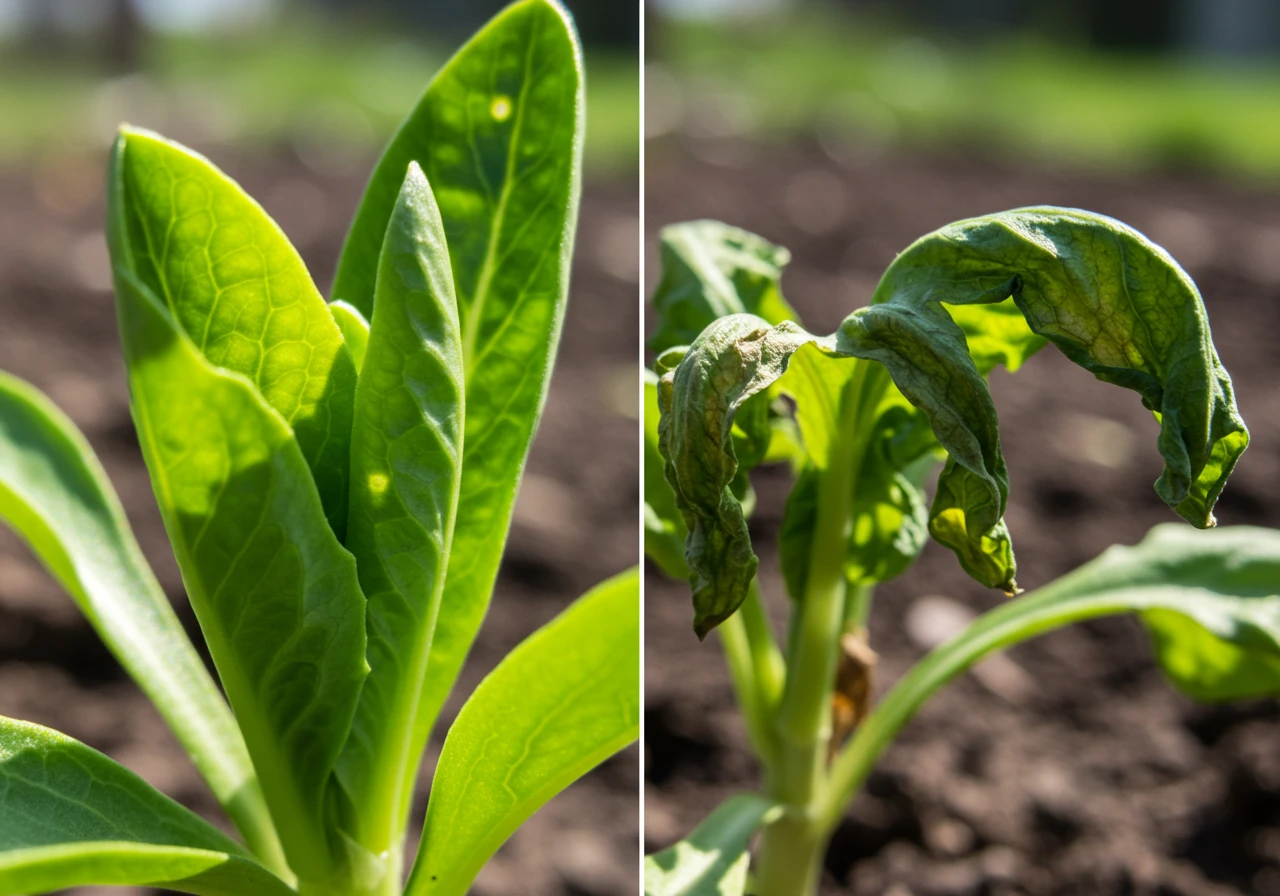
Ever walked outside on a sunny Ottawa afternoon only to find your prized perennials looking sadder than a dropped ice cream cone? That droopy, floppy look is called wilting, and it's your plant's way of saying, "Hey! I'm thirsty over here!" But sometimes, it's not quite that simple, especially with our unique Ottawa Valley weather rollercoaster. Let's dig into why plants wilt and how to tell what they *really* need.
Think of plant cells like tiny water balloons. When they're full of water, they press outwards, keeping stems and leaves firm and upright. This internal water pressure is called *turgor pressure*. Plants are constantly losing water through tiny pores on their leaves in a process called transpiration – kind of like plant sweat! Normally, they suck up enough water through their roots to replace what they lose.
But when things get out of balance – maybe it's a scorcher of a day in Manotick, or we haven't seen rain in Nepean for a week – the plant loses water faster than its roots can absorb it. Those tiny water balloons start to deflate, turgor pressure drops, and *voila* – wilting happens. It's the plant's defence mechanism, trying to conserve water by reducing the surface area exposed to the sun and wind.
Signs Your Plant is Genuinely Thirsty (Under-Watered):
- The Obvious Droop: Leaves and stems lose their firmness and hang down.
- Crispy Edges: Leaf tips and edges might turn brown and brittle.
- Dry Soil: Stick your finger about two inches into the soil. If it feels dry, it's likely time to water.
- Slowed Growth: Chronically thirsty plants won't put on much new growth.
- Footprints Stick Around: On lawns, if your footprints remain visible long after you walk across, the grass blades lack the turgor pressure to spring back up.
The Plot Twist: Wilting from Too Much Water (Over-Watered):
Here’s where it gets tricky. Plants can *also* wilt if their roots are drowning! If the soil stays soggy constantly, the roots can't get the oxygen they need. They start to rot and can no longer absorb water effectively, even if there's plenty around. So, the plant wilts because its damaged roots can't deliver water upstairs. This is a common issue when dealing with managing tricky clay soil like near Metcalfe, which doesn't drain well.
Signs Your Plant Might Be Drowning (Over-Watered):
- Yellowing Leaves: Often starts with lower leaves turning yellow and dropping off.
- Mushy Stems: Especially near the soil line.
- Root Rot: If you gently check the roots, they might be brown, mushy, and smelly instead of firm and white.
- Fungus/Mold: You might see fuzzy growth on the soil surface or pesky fungus gnats flying around.
- Wilting Despite Wet Soil: The ultimate clue – the plant looks thirsty, but the soil is damp or downright soggy.
Beating the Wilt in the Ottawa Climate:
Our region throws curveballs – hot, humid stretches followed by sudden downpours, or sometimes extended dry spells. Here’s how to cope (More info on local climate at The Weather Network Ottawa):
- Check First, Water Second: Always test the soil moisture before grabbing the hose or turning on the sprinklers. That finger test is your best friend!
- Water Deeply, Less Often: Encourage deep root growth by watering thoroughly so the moisture sinks down, rather than giving little sips every day. This makes plants more resilient during dry spells.
- Morning Watering is Best: Watering early in the day reduces evaporation and allows leaves to dry before nightfall, minimizing disease risk.
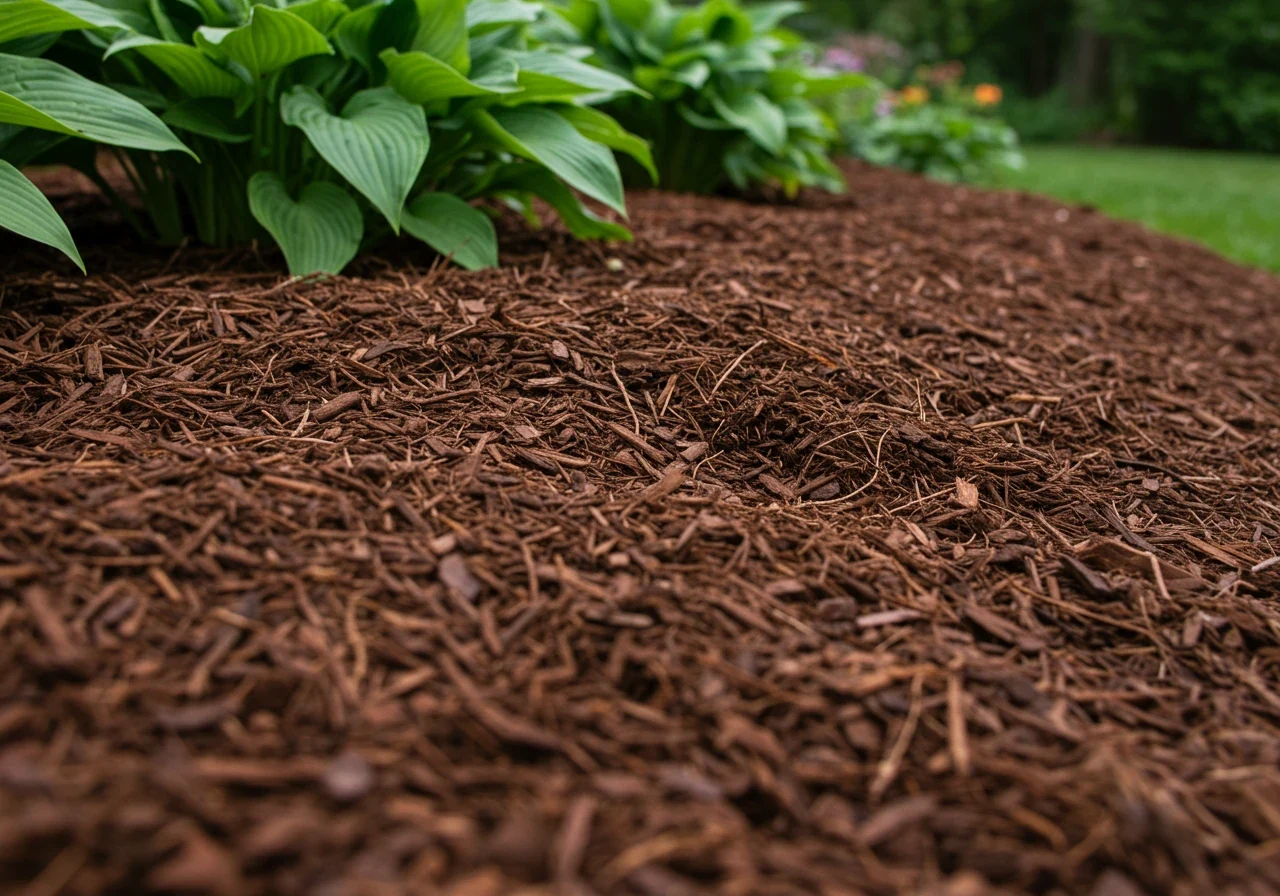
- Mulch is Magic: A layer of organic mulch (like shredded bark) helps keep the soil cool and retain moisture, reducing the need to water as often. Consider professional mulching and edging services for a clean look and optimal application.
- Know Your Soil: Sandy soils drain fast and need more frequent watering than clay soils (which need *less* frequent, careful watering to avoid drowning roots).
- Consider Your System: Using sprinklers or a properly maintained irrigation system can provide consistent watering, but make sure it's adjusted for rainfall and plant needs.
- Right Plant, Right Place: Ensure plants are suited to the sun/shade conditions of their spot. Stressed plants are thirstier plants. Good landscape design considers this – it’s about more than just looks, it requires good landscape planning, including proper spacing so roots don't compete excessively for water. Healthy plants, established with proper timing, like when dividing peonies near Kars, are also better equipped to handle temporary drought.
Understanding *why* your plants are wilting is the key to giving them the right care. Pay attention to the signs, consider our local Ottawa weather, and adjust your watering habits accordingly. Happy, hydrated plants make for a beautiful landscape! If keeping up with watering, pruning, and general garden health feels overwhelming, remember there are professionals offering a range of landscaping services to help keep your yard looking its best, including professional yard cleanup services, like those offered in Vernon to manage fallen leaves and spent blooms that can affect soil health and moisture.
Getting Grounded: Ottawa's Soil Types and Their Water Habits
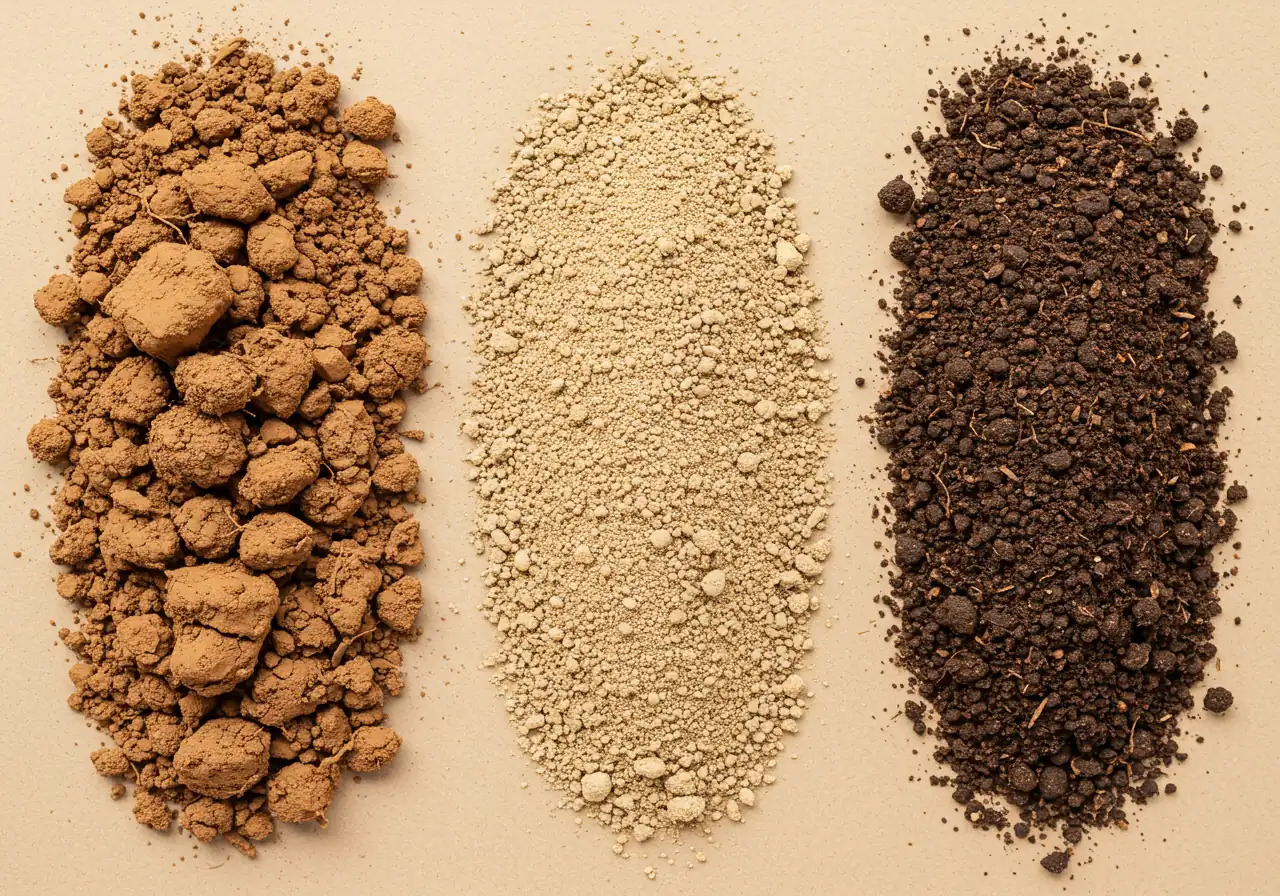
Okay, let's get our hands dirty (figuratively, for now!) and talk about what lies beneath your Ottawa lawn and garden beds. Understanding your soil is like understanding your quirky best friend – you learn their habits, what makes them happy, and how much 'drink' they need! The ground under our feet across the Ottawa region isn't all the same; from the clay belts left by ancient seas to sandier patches, what you have dramatically affects your landscaping and gardening success.
Ever wonder why your neighbour's garden in, say, Barrhaven seems to stay damp forever after a rain shower, while your cousin's place out near Greely seems perpetually thirsty? The secret is usually right under their feet: different soil types! Ottawa is blessed (or cursed, depending on your perspective and the soil type!) with a real variety pack. Let's dig into the main players:
1. Clay Soil: The Determined Hugger
- What it is: Composed of super tiny particles packed tightly together. Think plasticine, but, you know, dirt. This is quite common in many parts of Ottawa and surrounding areas, sometimes a legacy of the old Champlain Sea.
- Water Habits: Clay holds onto water like a toddler holds onto their favourite toy – *tightly*! Drainage is very slow. This means it stays wet longer after rain or watering, which can be good during dry spells but bad if it stays waterlogged (hello, root rot!). In summer heat, the surface can bake into a hard, cracked crust.
- Gardening Perks & Problems: It's often rich in nutrients, which plants love. *But*, it's heavy, hard to dig (especially when dry or super wet), and can compact easily, making it tough for roots and water to penetrate. Improving clay often involves adding organic matter. Before you start amending, ensuring the area is clear of debris through a thorough property clean up can make the job much easier.
- Watering Tip: Water clay soil slowly and deeply, less frequently. Give the water time to soak in rather than run off. Avoid watering again until the top few inches start to dry out.
2. Sandy Soil: The Quick Drainer
- What it is: Made of larger, gritty particles with lots of space between them. Imagine beach sand, but usually with a bit more organic stuff mixed in (hopefully!). Areas like Greely or parts of Manotick might lean towards sandier compositions.
- Water Habits: Water runs through sandy soil faster than gossip through a small town. It drains exceptionally well, which means it rarely gets waterlogged. However, it also dries out very quickly and doesn't hold onto nutrients well – they tend to wash away with the water.
- Gardening Perks & Problems: It's lightweight and easy to dig. It also warms up quickly in the spring. *But*, plants can get thirsty fast, requiring more frequent watering, and you'll need to amend it regularly with compost or other organic matter to boost its water and nutrient holding capacity. Keeping sandy soil healthy might also involve more regular raking, like the expert yard cleanup services, like those available in Vernon, offer to manage fallen leaves that don't break down quickly on the surface.
- Watering Tip: Water sandy soil more often, but perhaps not as deeply each time, as water tends to go straight down. Consistent moisture is key.
3. Loam Soil: The Happy Medium (The Dream!)
- What it is: The Goldilocks of soil – a balanced mix of sand, silt, and clay. It feels crumbly and slightly moist, dark in colour, and smells earthy.
- Water Habits: Loam holds moisture well but also drains nicely. It provides a great environment for roots to get the water and air they need.
- Gardening Perks & Problems: Basically all perks! It's fertile, easy to work with, holds moisture and nutrients, and drains well. The "problem"? Not everyone has it naturally! Most gardeners aim to improve their clay or sandy soil *towards* a loamy texture by adding amendments like compost.
- Watering Tip: Water consistently, checking the soil moisture regularly. Loam offers more flexibility than pure clay or sand.
How to Figure Out What You've Got (Simple Home Tests):
Don't worry, you don't need a fancy lab. Try these easy tests:
- The Squeeze Test: Grab a handful of *moist* (not soaking wet, not bone dry) soil.
- Squeeze it hard. Does it form a tight, smooth ribbon or ball that holds its shape? *Likely clay.*
- Does it feel gritty and fall apart completely when you open your hand? *Likely sand.*
- Does it form a loose ball that crumbles easily when poked? *Hooray, likely loam!*
- The Jar Test (A Mini Science Experiment!):
- Fill a straight-sided jar (like a mason jar) about 1/3 full with your soil.
- Fill the rest with water, leaving a little air space at the top.
- Screw on the lid and shake vigorously until all the clumps are broken up.
- Set it on a level surface and let it settle undisturbed for at least 24-48 hours.
- You'll see layers form: Sand (the heaviest) at the bottom, silt (finer particles) in the middle, and clay (the finest) on top. Floating organic matter might be at the very top. This gives you a visual idea of your soil's composition. (See resources like Gardening Know How for visual guides).
Soil Type Comparison at a Glance:
| Feature | Clay Soil | Sandy Soil | Loam Soil |
|---|---|---|---|
| Particle Size | Tiny (Fine) | Large (Coarse) | Mix (Medium) |
| Drainage Rate | Very Slow | Very Fast | Moderate |
| Water Retention | High | Low | Good |
| Nutrient Holding | High | Low | Good |
| Workability | Difficult (Heavy) | Easy (Light) | Ideal |
| Watering Needs | Deeply, Infrequently | Often, Less Deeply | Consistently, Moderately |
Making the Most of Your Ottawa Soil:
No matter your soil type, adding organic matter (like compost or well-rotted manure) is almost always beneficial. It helps break up heavy clay, improves water retention in sand, and feeds the soil microbes that keep your plants happy. Another fantastic way to manage soil moisture and temperature, especially for our sometimes challenging Ottawa soils, is applying mulch. Utilizing professional mulching and edging services not only makes your garden beds look sharp but significantly helps the soil beneath.
Managing the unique soil conditions on your property, whether it's dealing with clay compaction near Osgoode or the quick drainage in sandier spots, is key to successful landscaping and gardening. Sometimes, getting things in shape requires a good reset, similar to the thorough property clean up services available near Marionville which can prepare your yard for soil improvement efforts.
Understanding your soil's relationship with water means less guessing and healthier plants. So, get grounded, learn your soil's personality, and adjust your watering accordingly! Still puzzled by your patch of earth or need help getting it into prime condition? We're happy to help – feel free to contact us with your questions. We truly appreciate you thinking of us for your yard care needs, and who knows, you might find a little token of appreciation on our thank you page after reaching out!
Tools of the Trade: From Finger Tips to Fancy Gadgets
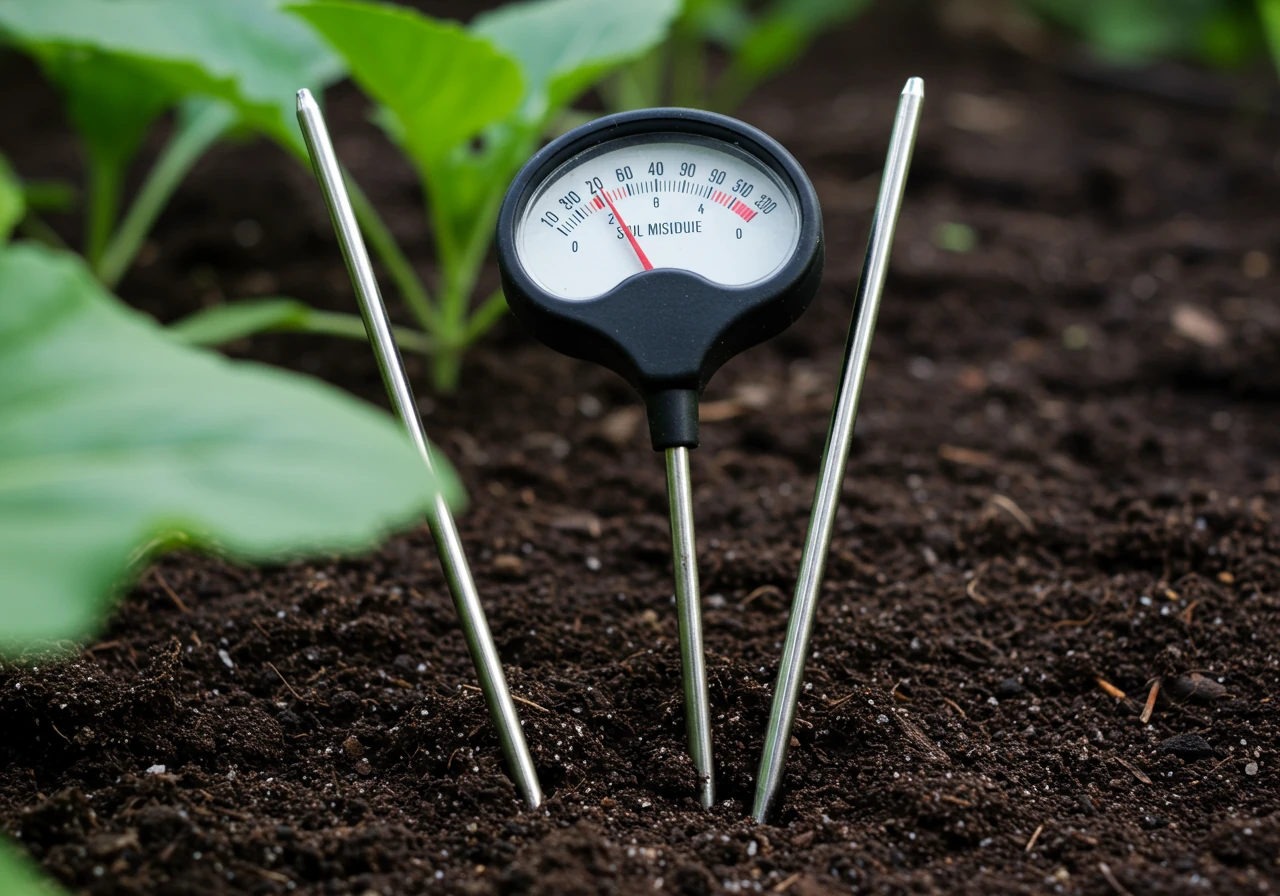

Alright, let's talk tools! Knowing *when* your plants are actually thirsty is half the battle in keeping your Ottawa garden looking lush instead of lacklustre. Short of your hydrangeas sending you a text message (wouldn't that be handy?), we need ways to figure out what's happening down in the root zone. Luckily, we have options ranging from the totally free to the tech-savvy.
The Classic Methods: Your Built-In Toolkit
These are the tried-and-true techniques gardeners have used forever. They cost nothing but require a little practice and observation.
- The Finger Test: Yep, the original soil moisture meter! Simply poke your index finger into the soil near your plants, going down about two inches (up to your second knuckle).
- What it tells you: If the soil feels damp and cool, your plants are likely fine. If it feels dry and dusty, it's probably watering time. If it feels soggy or muddy, hold off!
- Pros: Free, always available, gives you a direct feel for the soil.
- Cons: Subjective, only checks the top layer, gets your fingers dirty. Not great for large areas.
- Visual Cues: Look at your plants and the soil surface.
- What it tells you: Wilting leaves are a major sign, but try to water *before* this happens. Soil often looks lighter in colour when dry and darker when wet. Compacted or cracked soil surfaces also suggest dryness.
- Pros: Free, non-invasive.
- Cons: Often indicates the plant is *already* stressed, surface dryness doesn't always mean deep dryness.
- The Trusty Trowel: Use a small hand trowel to dig down a few inches (4-6 inches) beside a plant (be careful not to hack major roots!).
- What it tells you: Lets you see and feel the soil moisture at a deeper level than the finger test.
- Pros: Better picture of deeper moisture, inexpensive tool.
- Cons: More disruptive, takes more effort.
Stepping Up: The Soil Moisture Meter
This handy gadget is a popular step up from guesswork. Most common meters are analog probes you stick into the ground. They work by measuring electrical conductivity – wetter soil conducts electricity better than dry soil.
How to Use a Basic Soil Moisture Meter (Step-by-Step):
- Clean the Probe: Wipe the metal probe(s) clean with a cloth before *and* after each use. Dirt or corrosion can mess up the reading.
- Gentle Insertion: Carefully push the probe straight down into the soil near the plant's root zone. Aim for about 3/4 of the probe's length, or roughly 4-6 inches deep for most garden plants and shrubs. Avoid forcing it against rocks or thick roots.
- Wait for the Reading: Give the meter about 30-60 seconds to settle and provide a stable reading on its display (usually a scale from 1-10, or DRY-MOIST-WET).
- Interpret the Result: Consult the meter's instructions or the plant's specific needs. Generally:
- DRY (e.g., 1-3): Time to water!
- MOIST (e.g., 4-7): Usually the happy zone for most plants. Check again soon.
- WET (e.g., 8-10): Hold off on watering; the soil is saturated.
- Clean and Store: Wipe the probe clean again and store it in a dry place. Don't leave it sticking in the soil permanently, as this can damage the sensor.
- Pros: Relatively inexpensive (basic models), easy to use, provides a more objective reading, portable.
- Cons: Accuracy can vary by soil type, may need calibration, basic models only measure moisture, probe can be damaged. Quality matters.
Regular checks with a meter are a key part of effective garden maintenance.
Checking Multiple Spots: Don't Trust Just One Reading!
Whether you're gardening in Barrhaven or tending a lawn near Osgoode, don't just test one spot and call it a day! Moisture levels can vary *wildly* across your yard or even within a single garden bed due to:
- Sun exposure differences
- Slope and drainage patterns
- Competition from tree roots
- Sprinkler coverage inconsistencies
- Soil variations (even small pockets of clay or sand)
Test in several locations around a plant and in different areas of your garden (sun vs. shade, high spots vs. low spots) to get a truer picture before deciding to water. Accurate monitoring really starts with a clear space; sometimes a good Metcalfe property cleanup service is needed just to access the soil properly around dense plantings or accumulated debris.
A Glimpse into High-Tech & Eco-Friendly
- Fancy Gadgets: Digital probes measure moisture, pH, and light. Smart soil sensors connect to apps, offering real-time data and recommendations. Sophisticated irrigation systems use built-in sensors. These offer precision but cost more. If using smart devices, review the manufacturer's privacy policy regarding data usage.
- Eco-Friendly Watering: Using *any* monitoring tool to water only when necessary conserves water. Combine monitoring with mulching and choosing drought-tolerant plants suitable for the Ottawa climate (check resources like Rideau 1000 Islands Master Gardeners for plant ideas).
Choosing the right tool depends on your budget, garden size, and precision needs. Even just consistently using the finger test beats random watering! If you're finding it tricky, or if managing your garden's needs feels overwhelming, don't hesitate to contact us. The team described on our about us page has experience with all sorts of Ottawa soil and plant needs. We always appreciate hearing about your experiences; feel free to use our estimate feedback form to share thoughts.
Water Wisely: Smart Irrigation Strategies for Ottawa Gardens
Alright garden enthusiasts, let's talk about quenching your plants' thirst without drowning them or wasting water – especially important with Ottawa's sometimes unpredictable summer weather! Turning on the sprinkler willy-nilly isn't just bad for your water bill; it's often not the best thing for your plants either. Becoming a water-wise warrior in your garden is easier than you think and pays off with healthier plants and a happier planet (and wallet!).
Think Deep, Not Often: The Golden Rule of Watering
Imagine you're a plant root. Would you rather get tiny sips near the surface every day, or a nice long drink that encourages you to reach down deep where the moisture lasts longer? Most plants prefer the long drink! This is the core idea behind *deep and infrequent* watering.
Instead of lightly sprinkling your garden beds or lawn every evening, aim to water thoroughly enough so the moisture soaks down 6-8 inches (or deeper for large shrubs and trees). This encourages roots to grow downwards, making them stronger and more resilient when hot, dry spells hit our region, whether you're in Barrhaven or tending a garden near Kars. Shallow, frequent watering keeps roots near the surface, making them vulnerable to drying out quickly.
How do you know if you've watered deeply enough? Use that trusty trowel or finger test! Check the soil a few hours after watering. Then, wait until the top couple of inches feel dry before watering again. This "drying out" period lets oxygen reach the roots. Good soil preparation beforehand helps create soil structure that absorbs and holds water effectively.
Timing is Everything: When to Turn on the Tap
The *best* time to water your Ottawa garden is early in the morning, ideally between 5 AM and 9 AM. Why?
- Less Evaporation: Cooler air means more water reaches roots.
- Leaf Drying Time: Allows leaves to dry during the day, reducing disease risk.
- Plant Preparedness: Hydrates plants before the day's heat stress.
Midday watering is least efficient. Evening watering is better than midday but increases disease risk if leaves stay wet.
Choosing Your Weapon: Irrigation Methods Compared
Hand Watering (Can/Wand)
Pros: Precise control (good for containers, specific plants), low cost, allows close plant inspection.
Cons: Time-consuming for large areas, easy to under-water (not deep enough), requires manual effort.
Sprinklers (Oscillating, Impact, Pop-up)
Pros: Covers large areas (lawns) quickly, can be automated with timers.
Cons: Can be inefficient (evaporation, wind drift), uneven watering possible if placement is poor or blocked by debris (consider a general city yard cleanup service for clearing obstructions), wets foliage increasing disease risk if used late day. Essential after sod installation.
Drip Irrigation & Soaker Hoses
Pros: *Highly* efficient, delivers water slowly to root zone, minimal water loss, reduces weed growth, can be automated. Excellent for garden beds, vegetables, shrubs/trees.
Cons: Higher initial setup cost/effort, can be damaged by digging/critters, may need filters.
For most garden beds, drip irrigation or soaker hoses are water-wise champs. For lawns, use sprinklers efficiently: water deeply, early, and ensure good coverage without watering pavement!
Your Ottawa Watering Calendar (A Rough Guide)
Watering needs change seasonally. Adjust your strategy!
Spring (April-May)
Monitor rainfall. Water deeply as needed, especially for new plantings from a garden installation, but less often than summer. Let soil warm up.
Summer (June-August)
Peak watering! Monitor soil moisture every few days. Water deeply when top inches are dry. Most frequent watering needed during hot, dry spells.
Fall (September-October)
Reduce frequency as temps cool and rain increases. Let plants harden off. Water evergreens until ground freeze if dry. Good time for cleanup and mulching (maybe with help from Metcalfe yard cleanup service).
Winter
Plants are dormant. Usually no watering needed unless prolonged, unusual dry thaw occurs.
Estimated Water Savings by Method (vs. Inefficient Sprinkler Use)
Note: Savings are estimates and vary based on conditions and baseline inefficiency.
Eco-Friendly Watering Hacks
Be a superhero for your garden *and* the environment!
- Mulch, Mulch, Mulch! Applying a 2-3 inch layer of organic mulch is crucial. It conserves moisture, suppresses weeds, stabilizes soil temps, and improves soil. Integral to smart ongoing garden maintenance.
- Harvest the Rain: Install rain barrels to capture free, untreated water for containers and new plants.
- Choose Native & Drought-Tolerant Plants: Select plants adapted to Ottawa's climate. They need less supplemental water once established. Consult local resources like the Ottawa Horticultural Society.
- Know the Rules: Check the City of Ottawa's seasonal water restrictions to conserve water and avoid fines. Abide by our service terms and conditions which encourage compliance with local bylaws.
Watering wisely works *with* nature. Understanding soil, using the right tools, and watering deeply but less often leads to a beautiful, resilient Ottawa garden. Happy watering!
Key Takeaways for a Thriving Ottawa Landscape
Want your slice of Ottawa paradise – maybe in Barrhaven, maybe out near Greely – to look lush? Here's the quick rundown:
- Don't Guess, Test! Before watering, check soil moisture 2 inches deep (finger or meter). Dry? Water. Damp? Wait. Water deeply when needed, ideally early morning.
- Mulch Like You Mean It: Apply 2-3 inches of organic mulch (bark, compost). It saves water, stops weeds, protects roots, and looks great. Essential after a professional garden installation.
- Water Smart, Not Just *More*: Aim for deep, infrequent watering to encourage strong roots. Soaker hoses/drip irrigation are efficient for beds. Keep areas tidy – debris blocks water (an Ottawa garden clean up service can help). Sometimes a bigger reset, like a Marionville property cleanup service, preps the yard for better results.
- Healthy Habits Create Happy Habitats: Wilting can mean too much *or* too little water! Ensure good drainage. Watch for yellow leaves/mushy stems (overwatering). Regular care, maybe with seasonal help from Marionville garden clean up service, prevents issues and aids beautiful landscape transformations.
Frequently Asked Questions (FAQs) for Ottawa Gardeners
Ah, classic Ottawa clay – great for pottery, tricky for petunias! With clay, the trick is *deep* but *infrequent* watering. Forget a daily sprinkle. Wait until the top 2-3 inches feel genuinely dry (use that finger test!), then water slowly and thoroughly so it soaks way down. Let it dry out again before the next big drink. Watering too often keeps it soggy, leading to root rot. Improving drainage over time with compost helps immensely. If the area often gets messy with runoff or poor drainage leads to debris buildup, getting help from a service specializing in challenging spots, like a Metcalf Garden Clean Up Service, can make managing those heavy soil areas easier.
You bet! New plants are like babies – they need more consistent attention until their roots get established. While established plants benefit from deep, infrequent watering, new shrubs, trees, or perennials need more regular checks, especially during their first season. Keep the soil around their root ball consistently moist (but not soaking wet!). This might mean watering every couple of days during hot, dry spells, whereas your established plants might only need water once a week or less. Gradually reduce the frequency as they settle in. Consistent monitoring is key, which is part of good ongoing City Garden Maintenance Service.
Don't call the plant psychologist just yet! This is a classic head-scratcher. Wilting usually screams "thirsty," but if the soil is damp, it often points to *overwatering*. Soggy soil drowns roots, damaging them so they *can't* absorb water, even though it's there. The plant wilts because it's effectively thirsty *despite* wet feet! Check if the soil smells sour or if lower leaves are yellowing. Hold off on watering, ensure good drainage, and let the soil dry out more between waterings. Sometimes, clearing away excess soggy mulch or leaf litter helps air circulation; a good Ottawa Yard Cleanup Service can help reset the garden bed surface if needed.
Mulch is your garden's best friend here in Ottawa! Yes, it makes a *huge* difference. For conserving water, suppressing weeds, and keeping soil temperatures even, organic mulches are fantastic. Shredded bark (cedar or pine) is very popular and effective. Compost or well-rotted leaves also work well and add nutrients as they break down. Aim for a 2-3 inch layer, keeping it slightly away from plant stems. Proper Material Selection ensures you get a quality mulch that does the job right, reducing evaporation significantly, meaning less watering for you!
Those scorching stretches can be tough! Beyond smart watering (deeply, early morning), focus on overall plant health. Healthy plants withstand stress better. Ensure your soil has plenty of organic matter. Keep weeds pulled – they steal precious water! Don't over-fertilize, especially with high-nitrogen fertilizer, during drought, as it pushes growth the plant can't support. For lawns, mowing higher (around 3 inches) helps shade the soil and keep roots cooler. Keeping the entire property tidy also helps – removing excessive dead plant material reduces stress points. Sometimes a comprehensive City Property Cleanup Service can help prepare your entire yard to better handle environmental stresses by ensuring good airflow and removing potential pest havens. Maybe even consider a full Ottawa Property Cleanup Service for a fresh start.
You're right, checking established plants daily is usually unnecessary unless we're in a major heatwave. For established gardens in typical Ottawa weather, checking every 2-4 days is often plenty. Use the finger test or a moisture meter in a few different spots (sun vs. shade, different plant types). The key is to check *before* you water, rather than watering on a fixed schedule. Observe your plants too – slight drooping in the afternoon heat that recovers by morning is often normal, but persistent wilting means it's definitely time to check the soil and likely water deeply. Consistency is great, but adapt to the actual conditions! A routine check could be part of a city garden clean up service visit.
Conclusion: Keep Your Corner of Ottawa Green and Growing!
Well folks, that's the dirt on keeping your plants happy and hydrated! We've dug into everything from why plants wilt to understanding the quirky *soil* beneath your feet, right here in the Ottawa region. Whether you're nurturing a *garden* in Russell or tending shrubs near Kars, you're now armed with the know-how to ditch the guesswork and become a *watering* wizard for your *plants*.
Remember, it's all about checking the *soil* moisture *before* you water, giving plants a deep drink less often to encourage strong *roots*, and using that magical garden helper: *mulch*. Your *landscaping* efforts deserve to thrive, not just survive those summer heatwaves! Applying these simple strategies makes a huge difference.
So go forth and apply your newfound wisdom! Stick that finger in the dirt! Give your *plants* a good drink only when they truly need it. If keeping up with the *gardening* still feels like a puzzle, or you'd rather relax and enjoy your yard, remember we're here to help. From regular maintenance (garden maintenance) to specific *watering* solutions and cleanups (Metcalf Yard Cleanup Service or even Marionville Property Cleanup Service), we've got your back.
Let's work together to keep your corner of Ottawa *green and growing*! Don't hesitate to reach out – we love helping local landscapes flourish.