
Kenmore Garden Check: Subtle Root Zone Health Clues
Quick Summary: Key Root Health Insights
- A plant's true health starts underground with its root system.
- Subtle signs like pale leaves, slow growth, or poor water absorption can indicate root issues.
- Ottawa's clay soil and freeze-thaw cycles present unique challenges for roots.
- Check soil surface conditions (compaction, drainage) for clues.
- Proactive care involves proper watering, amending soil with compost, mulching, and avoiding compaction.
- Need help diagnosing or improving your soil? Request a quote today!
Introduction: Beyond the Bloom – Why Your Kenmore Garden's Secret Lies Beneath
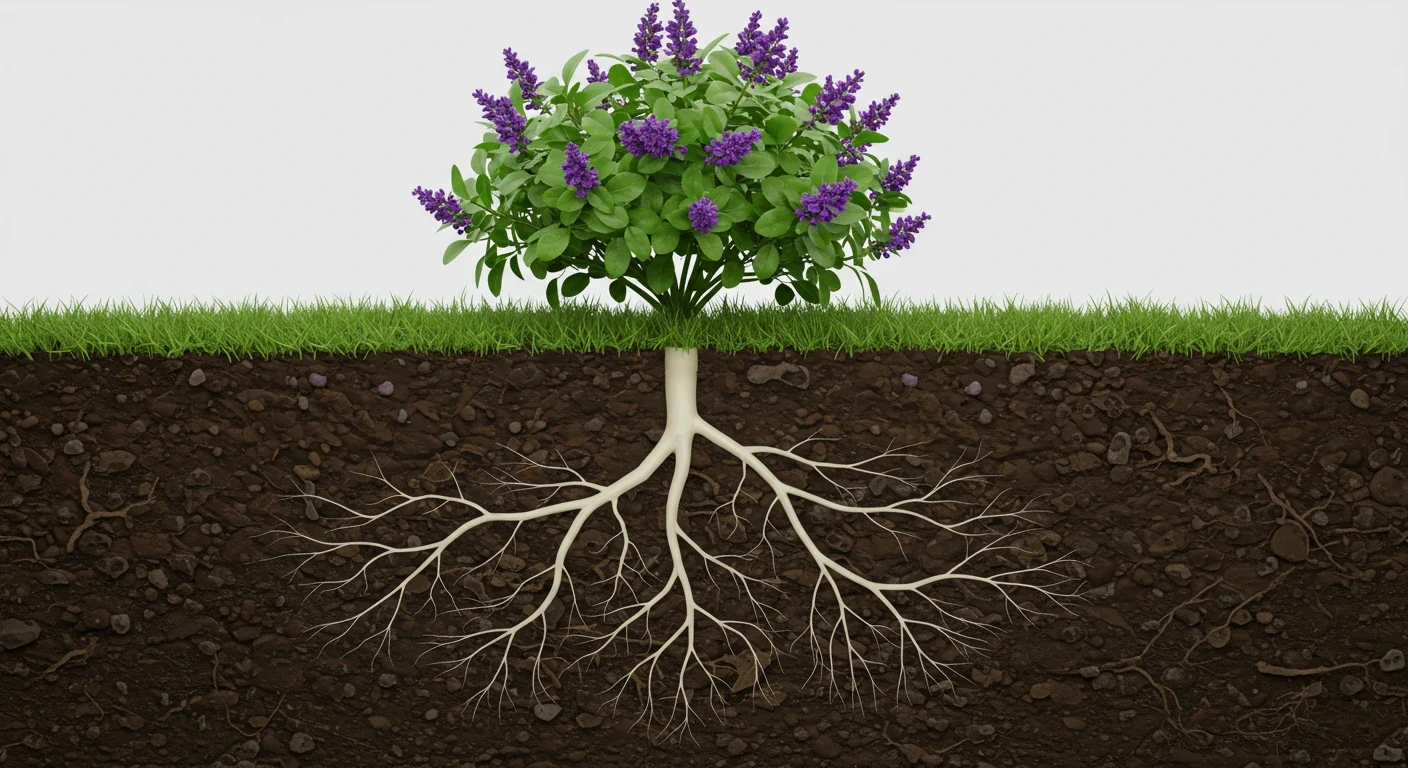
Hey Kenmore gardeners, and hello to our neighbours in places like Greely and across the Ottawa region! We all pour our hearts (and let's be honest, sometimes our aching backs!) into creating beautiful outdoor spaces. We fuss over vibrant blooms, perfectly pruned shrubs, and dream of lush green lawns. But here’s a little secret your garden might be keeping: the *real* magic, the true key to a thriving landscape, happens completely out of sight, beneath the soil surface.
Think of it like this – admiring only the flowers without considering the roots is like complimenting a chef on the fancy parsley garnish while ignoring the delicious main course! If those roots aren't happy, getting the water and nutrients they need, the whole plant eventually throws a sad little pity party, looking stressed and lacklustre. And let's face it, here in the wider Ottawa area, our plant roots have their work cut out for them. They often battle everything from our infamous heavy clay soil causing compaction issues, to navigating those dramatic winter freeze-thaw cycles that can really mess with their mojo. For tips on managing clay, check out our guide on a Kenmore Xeriscape Plan for Clay Soil.
Often, the hidden culprit behind a struggling perennial or a less-than-lush shrub lies underground, completely unseen. This article digs deep (pun definitely intended!) into why a healthy, robust root system is your garden's unsung hero. We'll explore simple, practical tips to improve soil health and give those hardworking roots the five-star treatment they truly deserve, ensuring your Kenmore garden doesn't just look good on top, but thrives powerfully from the ground up. Need a hand getting started? Explore our comprehensive landscaping and garden care services.
Ready to give your garden the foundation it needs?
Explore Our Garden Care ServicesThe Unsung Heroes: What Healthy Roots Actually Do for Your Plants (Especially in Ottawa!)
Okay, let's dig into why those hidden roots are the *real* rockstars of your garden! We spend so much time admiring the flowers and leaves (and fair enough, they're the pretty part!), but down below, there's a whole world of crucial activity happening. Think of your plant roots like the crew backstage at a rock concert – you don't see them, but without them, there's no show!
So, what are these underground champions actually doing, especially here in the Ottawa area?
- Anchors Aweigh!: First off, roots are the anchors holding your plants firmly in the ground. They grip the soil, preventing your favourite perennials or shrubs from getting knocked over by a stiff breeze or, more locally, heaved right out of the ground during those lovely Ottawa freeze-thaw cycles we experience from Nepean to Manotick. A plant with weak roots is like a tent with loose pegs – not very stable!
- The Plant's Personal Straw: Roots are constantly sipping up water and essential nutrients from the soil. They act like tiny straws, delivering the life-giving moisture and food your plants need to photosynthesize, grow lush leaves, and produce beautiful blooms. If roots are damaged, compacted in heavy clay soil (a common challenge in areas like Greely!), or can't find the nutrients they need, the plant basically goes thirsty and hungry. Ensuring they get the right food is vital; you can learn more about timing it right in our Kenmore Lawn Care Spring Fertilizing Guide.
- The Energy Pantry: Roots also serve as storage tanks. Plants make energy (sugars) in their leaves, and they send the leftovers down to the roots to store for later. This stored energy is crucial for surviving winter dormancy, pushing out new growth in the spring, and bouncing back from stresses like drought or even careful handling during activities like fall hosta division.
Now, what happens when roots *aren't* thriving? You'll definitely see the signs above ground:
- Yellowing or pale leaves (often means nutrient deficiency because roots can't absorb properly).
- Wilting, even if you've been watering (damaged or restricted roots can't take up water effectively).
- Stunted or slow growth (the plant doesn't have the resources to expand).
- More vulnerable to pests and diseases (like us, stressed plants get "sick" more easily).
Dealing with challenging soil, like heavy clay that holds too much water or sandy soil that drains too fast, directly impacts root health. Sometimes, adapting your planting strategy makes sense, perhaps exploring ideas from this Kenmore Xeriscape Plan for Clay Soil which focuses on water conservation. Understanding your specific soil situation is key – a Kenmore Soil Test Analysis can tell you exactly what your roots are dealing with. For professional help improving your soil, consider our soil preparation services.
Improving soil structure, ensuring proper drainage, and feeding appropriately gives roots the environment they need. If tackling soil compaction or figuring out the right amendments feels like a chore, remember that professional landscaping and garden care services are available to help give your plant roots the VIP treatment they deserve! Healthy roots mean happy, beautiful plants – it really is that simple!
Leafing Through Clues: What Above-Ground Symptoms Reveal About Hidden Root Issues
Okay, fellow garden enthusiasts, let's play detective! Our plants can't exactly tap us on the shoulder and complain about their roots feeling cramped or thirsty. But luckily for us, they *do* send up distress signals through their leaves, stems, and overall 'vibe'. Learning to read these clues is key to catching hidden root problems before they become total garden tragedies. Think of yourself as a botanical Sherlock Holmes, leafing through the evidence!

Colour Commentary from the Leaves:
- Going Yellow (Chlorosis): Is the whole leaf pale yellow, or is it just between the veins? General yellowing often points to a nitrogen shortage, while yellowing between green veins might mean iron or manganese isn't being absorbed properly. Both signal that roots are struggling to slurp up those essential nutrients, perhaps due to compacted soil or incorrect pH. Learn more about local soil needs with a Kenmore soil test analysis.
- Crispy Critters (Brown Edges/Spots): Leaf edges turning brown and crunchy? This classic "scorch" look screams water stress. Ironically, it can mean *either* not enough water available *or* too much water leading to root rot, where damaged roots simply can't deliver moisture anymore. It’s a frustrating riddle!
- Seeing Red (or Purple): Sometimes leaves take on a reddish or purplish tint, especially underneath. This can indicate a phosphorus deficiency, another sign the root system isn't effectively mining the soil for nutrients. Improving the ground floor with careful soil preparation can make a huge difference here.
Growth That's... Underwhelming:
- Stunted Little Things: Is your plant just... stuck? If it's noticeably smaller or growing much slower than its neighbours or compared to previous years, its roots might be hitting a wall – literally, like compacted soil, or figuratively, due to damage or disease. You might even observe this subtly comparing growth in areas with different soil challenges, say between parts of Richmond and Barrhaven here in Ottawa. Consider professional garden installation for optimal planting.
- Itsy Bitsy Leaves and Fruit: When roots are struggling, the plant goes into conservation mode, producing smaller leaves, flowers, or fruit than usual.
The Wilting Woes:
- Dramatic Drooping (Even After Watering): This is a major red flag! If your plant looks perpetually thirsty even when the soil is moist, it strongly suggests root rot or significant root damage. The plumbing is broken! Consistent upkeep, perhaps through a regular City Garden Maintenance Service, can help spot watering issues early.
Stem Signals:
- Tips Giving Up (Dieback): Branches dying back from the tips indicate the root system can no longer support the plant's furthest reaches. This might be noticed during property clean-up.
- Weirdness at the Base: Look for dark, soft spots, or unusual growths (cankers) near the soil line. These can point to fungal diseases attacking the crown and roots. Sometimes, problems hide under leaf litter, so a good seasonal tidy-up, like our Kenmore Yard Cleanup Service, can help expose issues.
It can be tricky to pinpoint the exact cause, as symptoms sometimes overlap. Keeping a little garden journal and maybe sketching out a comparison table of symptoms vs. potential causes (drought, overwatering, pests, disease, nutrient deficiency) can be super helpful. And remember, similar signs can pop up on your grass too – proper lawn care involves understanding potential root issues there as well. If you're stumped, don't hesitate to call in the pros! Expert landscaping and garden care services can help diagnose those mysterious underground ailments and get your plants back on track.
Seeing troubling signs? Let our experts diagnose the issue.
Request a ConsultationGetting Your Hands Dirty (Gently!): Soil Surface Signs Around Your Plants
Okay, let's put on our detective hats again, but this time we're focusing right at ground level. You don't always need to dig deep to get clues about what's happening in the root zone. Sometimes, the soil surface itself leaves a trail of breadcrumbs! Here's how to get your hands dirty (gently!) and read the signs:
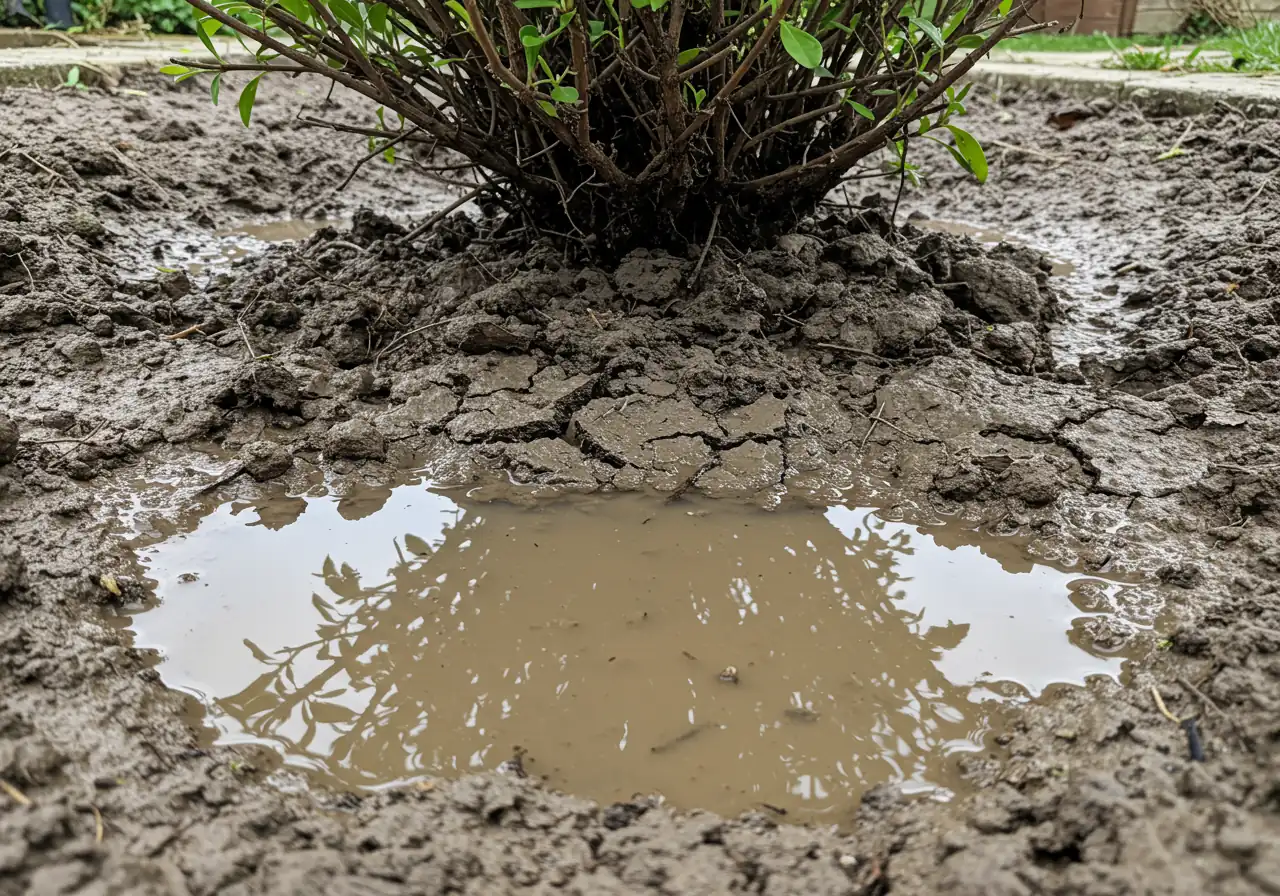
- How Does Water Behave? Watch closely next time you water or after a good rain. Does water pool on the surface for ages before soaking in? That’s a classic sign of compaction, a common headache in Ottawa's heavier clay soils, especially noticeable in areas like Metcalfe or Vernon where drainage can be slower. Check out resources from the Rideau Valley Conservation Authority for watershed health info. Conversely, does water seem to run right off without penetrating? The soil might be *hydrophobic* (water-repelling) or severely compacted. Healthy soil should drink water readily. Poor drainage is a major root-rot risk! Our Ottawa property cleanup service can address drainage issues.
- Exposed Root Alert: Seeing a *few* roots near the surface, especially on mature trees, is normal. But if you see a dense mat of fine roots right at the surface, or roots circling tightly around the base of a plant, it often means they're struggling to penetrate deeper due to compaction, lack of oxygen, or improper planting depth. They're literally gasping for air and searching for water near the top.
- Texture and... Sniff Test? Take a peek at the soil texture. Is it constantly cracked and pulling away from the plant's base? This points to extreme drying cycles, often seen in clay soil. Does the surface feel rock-hard? Compaction again! And yes, give it a gentle sniff (we won't judge!). Healthy soil smells earthy and fresh. A sour, marshy, or rotten-egg smell indicates anaerobic conditions (lack of oxygen), usually from waterlogging and poor drainage – bad news for most roots.
- Fungal Friends or Foes? Occasional mushrooms popping up can simply mean there's organic matter decomposing, which is often good. However, a *persistent* large cluster right at the base of a plant, or weird slime molds, can sometimes signal overly wet conditions or even root/crown rot diseases starting. It's worth keeping an eye on. Dealing with excessive leaf litter that holds moisture can help; consider a seasonal tidy with an Ottawa property cleanup service to let the soil breathe. We respect your privacy during our services, as detailed in our Clean Yards Privacy Policy.
- Weed Wisdom: Believe it or not, weeds can tell a story! Certain weeds *love* specific conditions. For example, dandelions and plantain often thrive in compacted soil because their taproots can muscle through. Seeing carpets of moss suggests consistently damp, possibly shady, and often acidic or compacted conditions. While you're observing these details, remember we treat your info with care; sometimes, tackling weeds is part of a bigger soil health picture, whether it’s through better lawn care practices or specific garden attention like a Marionville garden clean up service or Metcalf garden clean up service.
Paying attention to these surface clues can give you early warnings about underground struggles. Addressing compaction, improving drainage, and ensuring proper watering are key steps. If the signs point to widespread issues across your property, a professional assessment through a City property cleanup service might help identify solutions for the whole yard, maybe even in neighbouring areas like Metcalfe.
The Careful Peek: How to Safely Check Root Health Without Major Disruption
Okay, so you've noticed some suspicious signs above ground, or maybe you're just a super keen gardener wanting to understand your plants better. You're wondering, "Can I *actually* see what's going on with the roots without performing major plant surgery?" Good news – you absolutely can! It just takes a gentle touch and knowing where and how to look. Let's call it the "Careful Peek." Think of it like checking under the hood of your car, but for your favourite shrub or perennial.
Before you grab that shovel, remember: the goal here is *minimal* disturbance. We want a quick look-see, not a full excavation! Performing a good garden tidy-up first can make this easier; ensuring the area is clear of debris is a key part of any effective Marionville garden clean up service.
Here’s how to do your gentle root investigation:
- Pick Your Spot: Don't dig right at the base of the plant stem or trunk! That's where the crucial anchor roots are. Instead, move out towards the drip line. This is the imaginary circle on the ground directly below the outermost reach of the plant's leaves. Roots are actively growing and absorbing water/nutrients here.
- Tool Time: Forget the giant spade. Your best friend here is a sturdy hand trowel or, even better, a hori-hori knife (sometimes called a soil knife). These are fantastic, multi-use tools – great for weeding, planting bulbs, and, yes, careful soil peeking. They slice cleanly, minimizing root tearing. Keeping your tools clean and handy is easier in a well-maintained space, something often achieved through routine care like a Metcalf yard cleanup service.
- Timing is Everything: Try to do this when the soil is moist but not waterlogged – think the day after a decent rain or a good watering session. Trying to dig in bone-dry, compacted Ottawa clay (hello, Barrhaven and Greely!) is frustrating and more likely to damage roots. Soggy soil is just a muddy mess.
- The Gentle Cut: Carefully insert your trowel or hori-hori knife into the soil at your chosen spot near the drip line. Aim to cut a small, wedge-shaped flap of soil, maybe 4-6 inches deep and a few inches wide. Think of cutting a tiny slice of cake. Gently lift or pry this flap back, trying not to break it apart.
- Observe Like a Pro: Now, peek inside!
- Healthy Roots: You want to see firm, flexible roots, usually white or light tan in colour (though older, woodier roots on trees/shrubs will be darker). They should look actively growing, perhaps branching out. The soil should smell fresh and earthy. Hooray!
- Unhealthy Roots: Uh-oh signs include roots that are dark brown or black, mushy or slimy to the touch (root rot!), or dry and brittle. A sour, rotten, or stagnant smell is a bad sign, indicating poor drainage and lack of oxygen. Also, watch for roots circling tightly – this can indicate the plant was root-bound in its pot or is hitting severe compaction.
- Tuck Them Back In: Once you've had your peek (don't leave them exposed for long!), gently fold the soil flap back into place. Press down firmly around the edges to ensure good soil contact and eliminate air pockets. Give the spot a light watering to help things settle.
This careful peek can give you valuable intel. If you see widespread issues across multiple plants, it might point to a larger soil problem requiring more extensive action, potentially involving professional help for significant improvements. Understanding root health is fundamental before embarking on bigger projects; you can see how healthy foundations contribute to stunning results in these garden transformations. If your peek reveals concerning signs across a larger area, like consistently poor conditions noted during a Metcalf property cleanup service, getting a professional diagnosis might be wise. Should you seek expert help, remember you can always share your thoughts via our estimate feedback form to ensure the proposed solutions meet your expectations. After service, we always appreciate hearing from you via our thank you page or feedback form.
Remember, this is a low-impact check. Do it sparingly and always with care for your plant's wellbeing!
Common Root Stressors in Ottawa Gardens
Roots face numerous challenges:
- Compaction: Heavy foot traffic or equipment squashes air pockets vital for root respiration. Very common in clay soils found around Kenmore.
- Poor Drainage: Waterlogged soil suffocates roots, leading to rot. Crucial to address in low-lying areas or heavy clay.
- Drought: Lack of water stresses plants and can kill off finer feeder roots.
- Over/Under Fertilizing: Too much fertilizer can 'burn' roots; too little starves the plant. A soil test helps.
- Physical Damage: Careless digging, construction, or even aggressive weeding can sever important roots.
- Pests & Diseases: Grubs, nematodes, and various fungi can attack root systems directly.
Consider our Ottawa yard cleanup service for help managing soil conditions.
How Soil Type Influences Root Health
Your soil composition significantly impacts root growth:
- Clay Soil (Common in Ottawa): Holds nutrients and water well, BUT can easily become compacted, waterlogged, and difficult for roots to penetrate. Requires amendments like compost to improve structure. See tips for clay in our Kenmore Xeriscape plan.
- Sandy Soil: Excellent drainage and easy for roots to penetrate, BUT dries out quickly and doesn't hold nutrients well. Requires regular addition of organic matter to improve water/nutrient retention.
- Loam Soil (Ideal): A balanced mix of sand, silt, and clay. Good drainage, aeration, and nutrient/water retention. The goal of soil amending!
- Silty Soil: Feels smooth, holds water well, but can compact. Benefits from organic matter.
Understanding your soil is the first step. We offer material selection advice, including soil amendments.
Seasonal Root Zone Considerations
Root activity changes throughout the year:
- Spring: Roots become active as soil warms, seeking water and nutrients for new growth. A critical time for gentle soil preparation and applying mulch.
- Summer: Focus on consistent, deep watering during dry spells to support active growth and prevent drought stress.
- Fall: Root growth often surges again as top growth slows. Ideal time for planting, transplanting (like hosta division), and adding soil amendments. Prepare for winter with proper cleanup, like our Marionville yard cleanup service.
- Winter: Most roots are dormant but vulnerable to freeze-thaw cycles (heaving) and extreme cold if not insulated by snow or mulch.
Adapting care to the season ensures year-round root health. Our garden maintenance plans cover seasonal needs.
Proactive Power: Nurturing Healthy Roots Year-Round in Your Ottawa Garden
Okay, let's talk about giving your plant roots the year-round VIP treatment they deserve! Think of it like preventative maintenance for your garden's engine room. Being proactive about root health means less stress for your plants (and you!) down the road. Here in Ottawa, with our unique climate and soil quirks, consistency is key.
- Water Wisely: Forget those quick, shallow sprinkles! Encourage roots to grow deep by watering thoroughly but less frequently. Let the top inch or two of soil dry out between waterings. This forces roots to reach down for moisture, making them more resilient during dry spells. For new plantings like sod installation, watering needs will be different initially.
- Amend Like You Mean It: Healthy soil is the foundation of healthy roots. Regularly adding organic matter, like compost, is your best friend. You can find great composting resources from the City of Ottawa.
- Dealing with heavy clay soil, common in areas like Greely or Osgoode? Compost helps break up that dense structure, improving drainage and aeration.
- Got sandier soil that drains too fast, perhaps like parts of Manotick? Compost boosts its ability to hold onto precious water and nutrients.
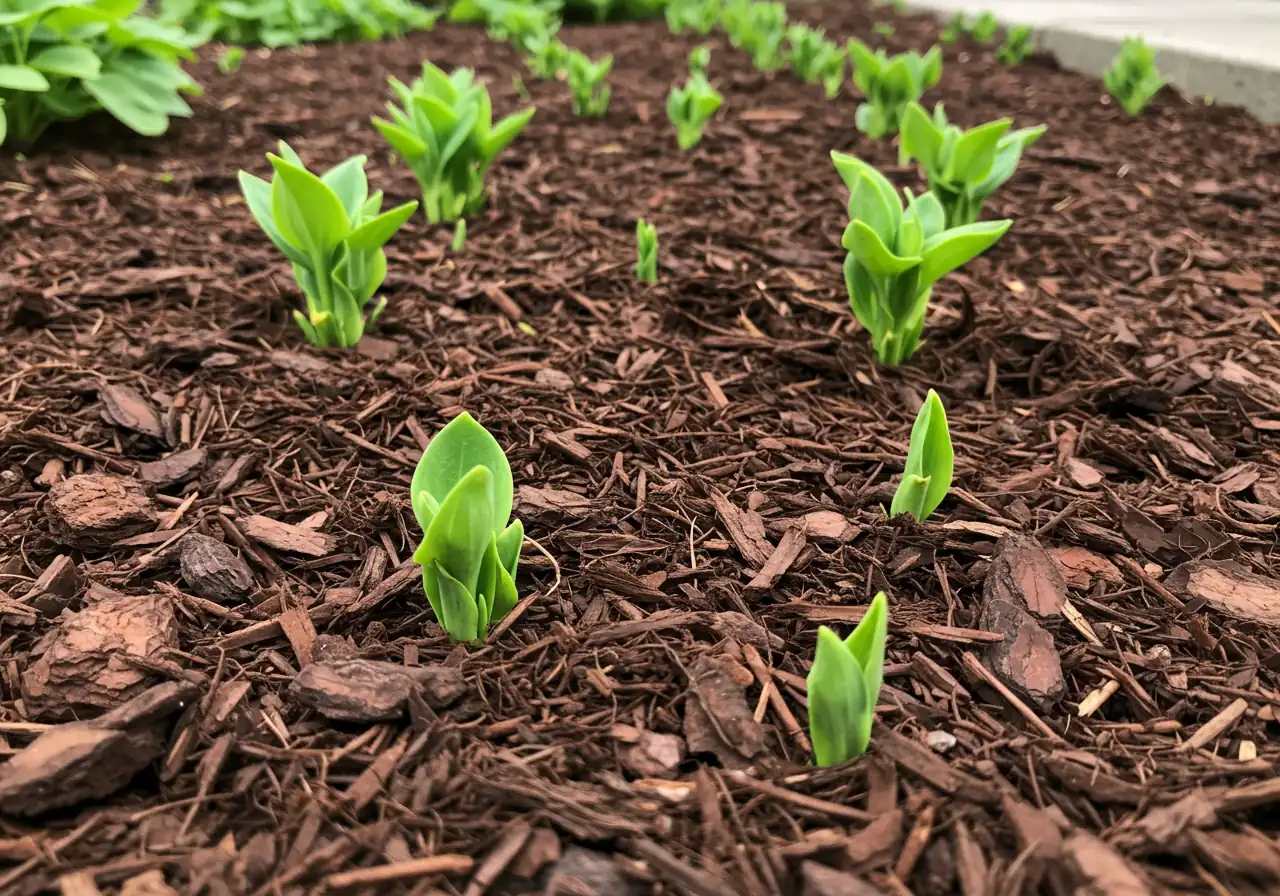
- Mulch is Magic: Applying a 2-3 inch layer of organic mulch (like shredded bark or wood chips) around your plants (but not touching the stems!) is like giving roots a cozy blanket. It helps retain soil moisture, keeps soil temperatures stable (cooler in summer, warmer in winter), and suppresses weeds that compete for resources. Bonus: As it breaks down, it adds more organic matter! A proper fall cleanup, like what's offered by a Marionville yard cleanup service, often includes mulching prep. See our mulching and edging services.
- Let Them Breathe (Aeration): Especially in lawns or areas with foot traffic, soil can become compacted over time, squeezing out air pockets essential for root respiration. This is a common issue in denser suburban areas like Nepean or Barrhaven. Core aeration for lawns is crucial. For garden beds, gently loosening the soil surface (without deep digging near roots) or incorporating compost helps. Tackling compaction might be part of a larger plan; a comprehensive Marionville property cleanup service can address broader soil health issues across your landscape. If you're considering professional help for aeration or soil work, you can always share your thoughts on the proposed plan using our estimate feedback form.
- Feed Thoughtfully: Don't just chuck fertilizer around! Over-fertilizing can harm roots and the environment. Get a soil test to see what nutrients are actually needed (check out our soil test analysis info). Opt for slow-release organic fertilizers when possible, and generally feed plants during their active growing season (spring/early summer). Avoid late-season nitrogen boosts, which encourage tender new growth that won't survive an Ottawa winter. Need local gardening advice? The Master Gardeners of Ottawa-Carleton are a great resource.
- Think Seasonally & Locally: Consider a simple root care calendar:
Spring
Gently wake up beds, top-dress with compost, apply mulch. Time for spring fertilizing.
Summer
Monitor moisture, water deeply when needed. Observe for stress signs.
Fall
Amend soil after cleanup, apply winter mulch after ground cools. Ideal for planting and dividing plants.
Winter
Let roots rest, protected by mulch and snow cover. Avoid compaction on frozen ground.
- Choosing native plants, suited for areas like Russell or Embrun, is another smart, eco-friendly move. They're already adapted to our local soil and climate, meaning their roots are naturally tougher and require less fuss.
Nurturing healthy roots is an ongoing commitment, but the payoff is huge: stronger, more beautiful, and resilient plants. Thanks for digging into root care with us; we hope these tips help your garden thrive! Your interest in creating healthier landscapes is appreciated – a big thank you for reading! You can learn more about us and our commitment to quality work.
Quick Glance: Top 3 Subtle Signs Your Roots Need Attention
Think your Ottawa garden roots might be whispering for help, but not quite screaming yet? Catching problems early is key! Keep an eye out for these subtle hints that things underground might need a little TLC:
- Off-Colour Clues: Forget dramatic yellowing for a moment. Are leaves just looking a bit pale, maybe less vibrant green than usual? This subtle shift can indicate the roots aren't quite managing to slurp up all the nutrients needed, even in typically fertile areas like Manotick.
- Sluggish Growth Spurt (or Lack Thereof): Is that shrub seeming a bit stunted compared to last year, or lagging behind its neighbours? Slow, weak growth, or smaller-than-usual leaves and flowers, often points to roots struggling against compaction or poor soil. Consistent garden maintenance helps you track these changes year over year.
- Lingering Puddles: After watering or rain, does water seem to hang around the base of the plant just a little too long before soaking in? This subtle sign points towards compaction or poor drainage, meaning roots might be sitting in soggy conditions or struggling to breathe. Sometimes broader drainage issues across a property are noticed during work like a Marionville property cleanup service or a city garden clean up service.
Spotting these early warnings gives you a head start. Learn more about us and our approach to plant health. If you suspect widespread soil issues, our city yard cleanup service can help assess and address compaction, or feel free to contact us for specific advice!
FAQs: Your Ottawa & Kenmore Root Zone Questions Answered
Got questions about what's happening beneath your garden soil? You're not alone! Here are some common queries we hear from folks around Ottawa and specifically in the Kenmore area, answered simply.
My garden in Greely has heavy clay soil. How does this specifically impact root growth, and what's the *quickest* fix?
That Ottawa clay can be tricky! It holds water tightly, sometimes drowning roots or making it hard for them to breathe and penetrate. Roots can struggle to push through compacted clay. The *quickest* fix? Top-dress generously with compost each spring and fall. This gradually improves soil structure without massive digging. For more insights on our soil-loving approach, learn more about us and our philosophy.
After the crazy Ottawa winter freeze-thaw cycles, my perennials in Barrhaven seem weak. Could this be root damage, and can they recover?
Yes, absolutely! Those freeze-thaw cycles we know so well can heave plants right out of the ground slightly, breaking delicate feeder roots. Weak spring growth is a classic sign. Give your plants time, ensure the area drains well (no soggy feet!), and maybe add a light layer of protective mulch. Most hardy perennials will recover with a little patience and care. Sometimes a broader seasonal property clean-up helps assess any widespread winter damage across your yard.
I have established shrubs in Manotick. How often should I *really* be watering them to encourage deep roots, not just surface ones?
Great question! For established shrubs, think *deep* and *infrequent* watering. Instead of little daily sprinkles (which encourage shallow roots), give them a good, long soak perhaps once a week during extended dry spells. Let the top inch or two of soil dry out before watering again. This forces roots to grow downwards searching for moisture, making plants much tougher. Proper mulching and edging around shrubs also really helps conserve that water in the soil.
My flower bed near a large maple tree in Nepean struggles. Are the tree roots stealing everything? What can I do?
Oh, those maples! Their dense, shallow roots are notorious water and nutrient hogs, creating very dry shade. Your flowers are likely struggling with the competition. Try planting tougher, drought-tolerant perennials known to handle these conditions. Adding extra compost and mulch helps retain moisture. Sometimes creating slightly raised planting pockets can give your flowers a bit of their own space. Remember, our service commitments are clearly outlined in our terms and conditions, ensuring you know what to expect.
How does a spring yard cleanup actually help my plant roots in Kenmore? Isn't it just about making things look tidy?
It definitely makes things look tidy, but a good spring cleanup does wonders for roots too! Removing thick layers of soggy, decaying leaves prevents fungal diseases from taking hold at the plant base and allows the soil to warm up faster. This gently wakes up the roots. Clearing debris also ensures essential air and water can easily reach the root zone. It’s like giving your roots room to breathe and a fresh start for the growing season! A thorough seasonal property clean-up really sets the stage for healthy roots.
Conclusion: Healthy Roots, Happy Kenmore Gardens (and Beyond!)
So, there you have it! The underground story of your garden's success. We've dug into why those hidden roots are the real VIPs, working tirelessly beneath your Kenmore landscape. While we love the flashy flowers and lush leaves, remember it's the healthy, happy root system that makes it all possible – think of them as the sturdy foundation holding up your beautiful garden house! Ignoring them is like hoping your house stays up with shaky stilts, especially with the kind of soil shenanigans Ottawa weather throws at us.
But don't feel overwhelmed! Understanding your roots doesn't require a PhD in plant science. *Your first, most powerful tool is simple observation.* Take a closer look at your soil surface after rain, notice those subtle leaf colour changes, and just get a little more familiar with the ground level of your garden beds and lawn. You might be surprised what you learn! For more local insights, check out the Ottawa Horticultural Society.
Of course, sometimes diagnosing root woes or tackling bigger soil problems like heavy compaction feels like a job for the pros. If you're in Kenmore, Osgoode, Metcalfe, Vernon, Winchester, or surrounding Ottawa areas (including areas covered by our city garden maintenance service) and suspect your plant roots need some expert TLC, *don't hesitate to reach out to Clean Yards.* We're happy to help you cultivate that thriving, vibrant garden from the roots up, ensuring many seasons of happy plants and beautiful landscapes. Healthy roots truly do mean happy gardens! Find us easily on Google or contact us directly.
Let's build a healthier garden together, from the roots up!
Get Professional Help With Your Garden